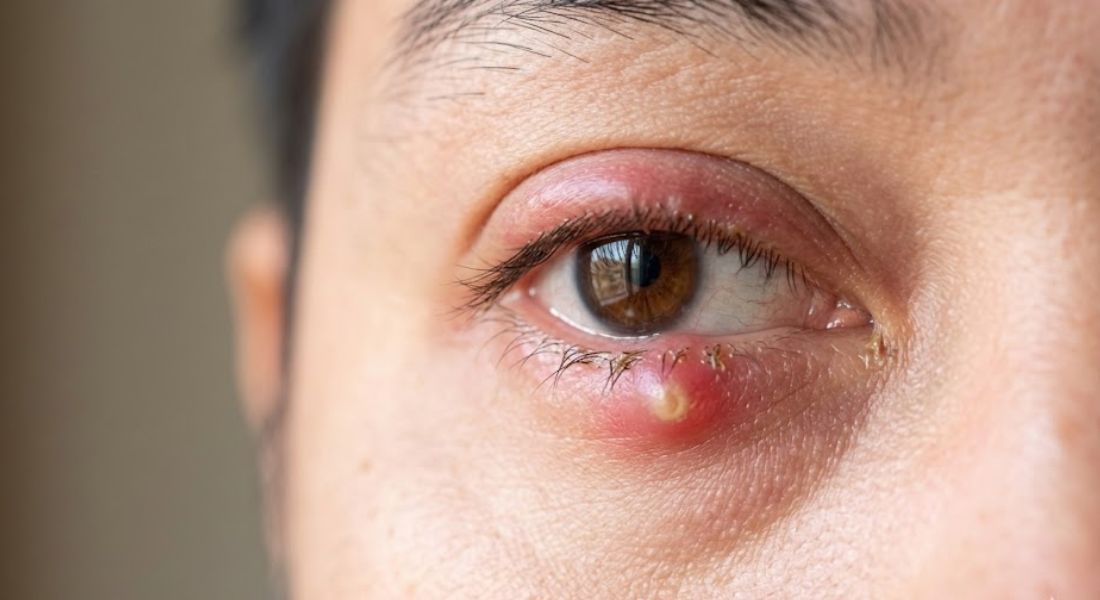
When Do You Need Antibiotics for a Stye?

2026-03-23T07:45:51+00:00

A stye, also known medically as a Hordeolum, is a common eyelid condition that can cause discomfort, redness, and swelling. You may notice a small, painful lump near the edge of your eyelid. In most cases, it is mild and settles without complications. Styes are usually caused by a bacterial infection, often involving Staphylococcus bacteria, affecting the oil glands in your eyelid. This leads to localised inflammation, tenderness, and sometimes a visible pus-filled spot. The area can feel sore and
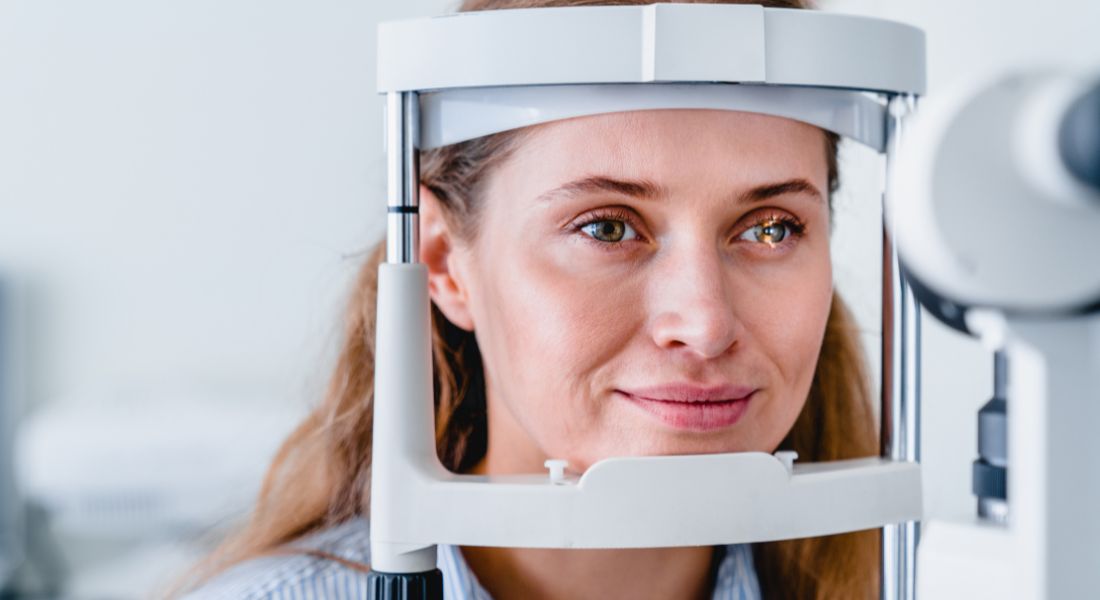

When Do You Need Antibiotics for a Stye?2026-03-23T07:45:51+00:00

Curtain Over Vision: Could It Be a Retinal Emergency?

2026-03-23T06:24:55+00:00

Seeing a shadow or curtain moving across your vision can be alarming. You may notice it appearing suddenly from one side or gradually spreading across your field of view. This type of visual disturbance should never be ignored, as it can indicate a serious underlying problem. In many cases, this symptom is associated with conditions affecting the retina, such as Retinal detachment. The retina is a vital layer at the back of your eye that is responsible for detecting light

Curtain Over Vision: Could It Be a Retinal Emergency?2026-03-23T06:24:55+00:00

Acute Angle-Closure Glaucoma: Symptoms and Emergency Treatment

2026-03-20T10:02:55+00:00

Acute angle-closure glaucoma is a serious eye condition that requires immediate medical attention. It happens when the drainage angle inside your eye suddenly becomes blocked, preventing fluid from draining properly. As a result, the pressure inside your eye rises very quickly. This rapid increase can become dangerous within a short period of time. The sudden rise in intraocular pressure can damage the optic nerve if it is not treated promptly. You may experience intense symptoms that come on quickly, often

Acute Angle-Closure Glaucoma: Symptoms and Emergency Treatment2026-03-20T10:02:55+00:00

Chemical Eye Burns: What to Do Immediately

2026-03-20T09:56:17+00:00

Chemical eye burn is a serious medical emergency that requires immediate action. When harmful substances come into contact with your eye, they can begin to damage delicate tissues within seconds. The extent of injury depends on the type of chemical involved and how long it remains in contact with your eye. Acting quickly can make a significant difference to the outcome. You may encounter chemical exposure in everyday situations, whether at home, at work, or during routine activities. Common sources

Chemical Eye Burns: What to Do Immediately2026-03-20T09:56:17+00:00

Corneal Abrasion: Symptoms, Causes and Urgent Treatment

2026-03-20T11:29:53+00:00

A Corneal abrasion is a scratch on the surface of your eye, specifically the cornea. Even a small abrasion can cause significant discomfort because the cornea is extremely sensitive. This type of injury often happens suddenly, sometimes from something as simple as rubbing your eye or getting a small particle trapped under your eyelid. Despite its size, it can feel quite severe. You may experience sharp pain, excessive tearing, and difficulty keeping your eye open. Your eye might also feel

Corneal Abrasion: Symptoms, Causes and Urgent Treatment2026-03-20T11:29:53+00:00

Eye Injury: What to Do Immediately After Trauma

2026-03-19T06:53:49+00:00

Eye injuries can occur suddenly and range from minor irritation to serious damage affecting structures like the Cornea or deeper tissues. Whether caused by an accident, a foreign object, or chemical exposure, knowing how to respond quickly can make a significant difference to your outcome. Your immediate actions after an injury are crucial. Simple first aid such as avoiding rubbing the eye, gently rinsing it if needed, or shielding it from further harm can help prevent complications. Injuries like a

Eye Injury: What to Do Immediately After Trauma2026-03-19T06:53:49+00:00

Painful Red Eye: Could It Be an Emergency?

2026-03-19T06:44:22+00:00

A painful red eye is a symptom you should never ignore. While mild redness can sometimes be harmless, pain combined with redness often signals a more serious problem. The cause may range from infection to inflammation or even a sudden rise in eye pressure, such as in Acute angle-closure glaucoma. You may also notice additional symptoms like blurred vision, sensitivity to light, excessive tearing, or discharge. In some cases, conditions such as Keratitis or Uveitis may be responsible. These signs

Painful Red Eye: Could It Be an Emergency?2026-03-19T06:44:22+00:00

Sudden Double Vision: When to Seek Urgent Eye Assessment

2026-03-19T06:37:02+00:00

Sudden double vision, medically known as Diplopia, can be a frightening and confusing experience. You may notice objects appearing duplicated either side by side or one above the other. This change can occur suddenly and may affect one or both eyes, making everyday tasks more difficult. Unlike gradual vision changes, sudden diplopia often points to an underlying issue that needs prompt attention. It may involve the eyes themselves, the muscles that control eye movement, or the nerves and brain that

Sudden Double Vision: When to Seek Urgent Eye Assessment2026-03-19T06:37:02+00:00

Retinal Detachment Symptoms: Early Signs You Should Never Ignore

2026-03-18T08:03:30+00:00

Retinal Detachment is a serious eye condition that can lead to permanent vision loss if it is not treated quickly. It happens when the retina separates from the back of your eye, preventing it from functioning properly. This separation stops the retina from receiving the oxygen and nutrients it needs, which can quickly affect your vision. In many cases, the condition does not begin with dramatic symptoms. You may first notice subtle changes, such as a few new floaters or

Retinal Detachment Symptoms: Early Signs You Should Never Ignore2026-03-18T08:03:30+00:00

Flashes and Floaters: When Is It an Emergency?

2026-03-18T07:47:03+00:00

If you suddenly notice flashes of light or new floaters drifting across your vision, it can feel worrying. You might see tiny specks, threads, or shadowy shapes moving as your eyes shift, or brief flickers of light at the edges of your sight. In many cases, these symptoms are linked to natural changes inside the eye, but sometimes they can point to something more serious. Flashes and floaters often occur due to changes in the vitreous gel inside your eye.

Flashes and Floaters: When Is It an Emergency?2026-03-18T07:47:03+00:00