Can Laser Eye Surgery Be Done If You Have Dry Eyes?

2026-03-26T09:40:39+00:00

If you have Dry Eye Syndrome, it is completely normal to wonder whether laser eye surgery is still an option for you. This is a very common concern, as many patients experience some level of dryness before considering treatment. Dry eye does not automatically rule out laser eye surgery. However, it does need to be carefully assessed beforehand. Your eye health, including tear production and surface quality, plays an important role in determining whether the procedure is suitable and which


Can Laser Eye Surgery Be Done If You Have Dry Eyes?2026-03-26T09:40:39+00:00

When Can You Wash Your Hair After Laser Eye Surgery?

2026-03-26T09:35:43+00:00

After laser eye surgery, it is common to wonder when you can safely wash your hair again. You will naturally want to maintain good hygiene while also protecting your eyes as they heal. In most cases, you can wash your hair fairly soon, but timing and technique are important. Taking a cautious approach helps prevent irritation. The main concern is avoiding water, shampoo, or soap getting into your eyes. During the early recovery period, your eyes are more sensitive and

When Can You Wash Your Hair After Laser Eye Surgery?2026-03-26T09:35:43+00:00

Can You Drink Alcohol After Laser Eye Surgery?

2026-03-26T09:23:52+00:00

After laser eye surgery, it is natural to wonder when it is safe to drink alcohol again, especially if you have upcoming social plans. The answer depends on how far along you are in your recovery and how your eyes are healing. While an occasional drink may not seem significant, timing and moderation are important. Being cautious in the early days can help protect your results. Your eyes need time to heal properly after the procedure. During this period, certain

Can You Drink Alcohol After Laser Eye Surgery?2026-03-26T09:23:52+00:00

How Long Does Laser Eye Surgery Take? (Procedure Time Explained)

2026-03-25T11:09:10+00:00

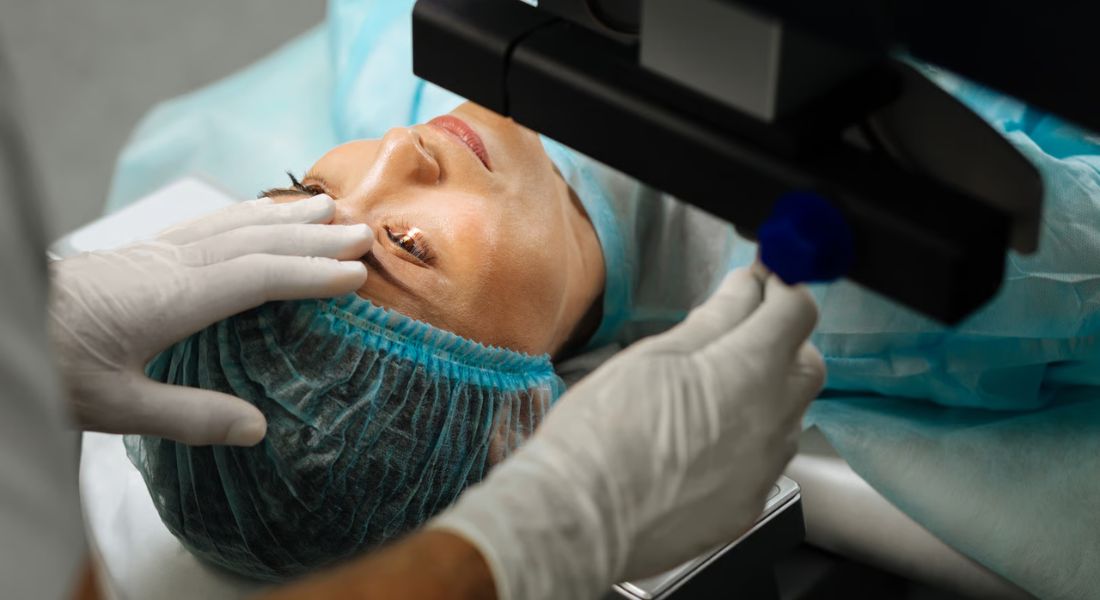
Laser eye surgery is often much quicker than you might expect. You may imagine a long and complicated procedure, but the actual treatment usually takes only a few minutes per eye. This can feel reassuring, especially if you are feeling a little nervous. The process is designed to be efficient and precise. Most of the time you spend at the clinic is not the surgery itself. It includes preparation, final checks, and some time to rest afterwards. The laser portion

How Long Does Laser Eye Surgery Take? (Procedure Time Explained)2026-03-25T11:09:10+00:00

Can Laser Eye Surgery Treat Both Eyes Differently? (Monovision Explained)

2026-03-25T11:04:17+00:00

Laser eye surgery is usually performed to correct both eyes in a similar way, giving you balanced vision. However, in some cases, your surgeon may treat each eye differently. This approach is known as monovision. It is carefully planned to suit your individual visual needs. Monovision is designed to help you see clearly at both near and far distances. One eye is adjusted for distance vision, while the other is set for close-up tasks such as reading. Your brain then

Can Laser Eye Surgery Treat Both Eyes Differently? (Monovision Explained)2026-03-25T11:04:17+00:00

How Soon Can You Return to Work After Laser Eye Surgery?

2026-03-25T11:02:33+00:00

After laser eye surgery, it is natural to wonder when you can return to work. Recovery time varies from person to person and also depends on the type of procedure you have had. Your job role is another important factor, as some tasks place more strain on your eyes than others. Understanding these differences helps you plan your return more effectively. Some patients feel comfortable going back to work within a day or two, especially if their role is not

How Soon Can You Return to Work After Laser Eye Surgery?2026-03-25T11:02:33+00:00

Can You Rub Your Eyes After Laser Eye Surgery? Risks Explained

2026-03-24T11:24:48+00:00

After laser eye surgery, you may feel tempted to rub your eyes, especially if they feel slightly dry or irritated. This is a natural reaction during the early stages of healing. However, rubbing your eyes too soon can be harmful. Even gentle pressure may affect the treated surface. Your eyes need time to recover properly after the procedure. The cornea is particularly delicate during this period and requires protection. Rubbing can interfere with the healing process and increase the risk

Can You Rub Your Eyes After Laser Eye Surgery? Risks Explained2026-03-24T11:24:48+00:00

Can Laser Eye Surgery Be Repeated? (Enhancement Explained)

2026-03-24T11:20:13+00:00

Laser eye surgery is designed to provide long-term vision correction for most patients. However, you may wonder whether the procedure can be repeated if your vision changes over time. This is a common and understandable question. While results are often stable, small changes in vision can still occur. In some cases, a second procedure known as an enhancement may be possible. This is usually carried out to refine or improve the original outcome. Your surgeon will assess your eyes carefully

Can Laser Eye Surgery Be Repeated? (Enhancement Explained)2026-03-24T11:20:13+00:00

What Tests Are Done Before Laser Eye Surgery? (Explained)

2026-03-24T11:17:40+00:00

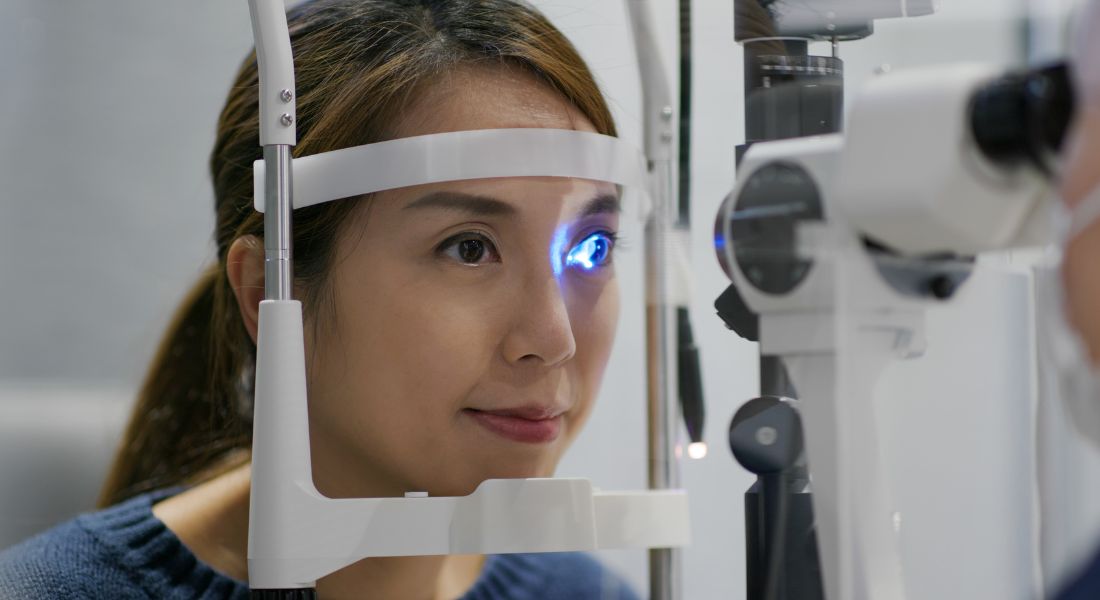
Before undergoing laser eye surgery, a detailed assessment is essential. While the procedure may seem straightforward, careful evaluation is needed to ensure both safety and accuracy. These checks allow your surgeon to fully understand your eye health. A thorough approach helps reduce risks and improve outcomes. These tests are used to determine whether you are a suitable candidate for treatment. Not everyone is eligible, as factors such as corneal thickness, prescription stability, and overall eye health must be considered. Your

What Tests Are Done Before Laser Eye Surgery? (Explained)2026-03-24T11:17:40+00:00

Stye That Won’t Go Away: When Should It Be Drained?

2026-03-23T11:35:24+00:00

A stye, also known as a Hordeolum, is usually a minor eyelid condition that resolves on its own. However, you may sometimes notice that it lingers longer than expected. This can be uncomfortable and frustrating, especially if it interferes with daily activities. Most styes improve within one to two weeks with simple care such as warm compresses. When a stye persists beyond this period, it may indicate that the gland remains blocked or that the inflammation has not fully settled.

Stye That Won’t Go Away: When Should It Be Drained?2026-03-23T11:35:24+00:00