Is Laser Eye Surgery Painful? What Patients Actually Experience

2026-03-02T09:42:24+00:00

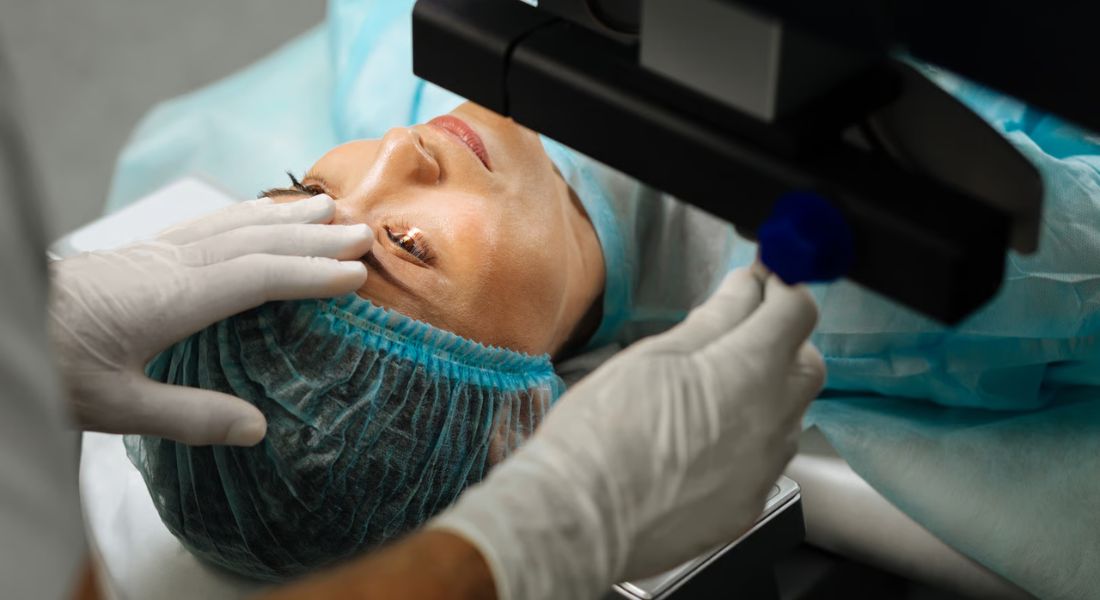
One of the most common questions you may ask before laser eye surgery is whether it hurts. It is completely natural to feel anxious, especially when the procedure involves your eyes. The thought of anything touching your eye can feel unsettling before you even step into the clinic. Fear of pain is often greater than the reality. In practice, modern laser eye surgery is designed to be as comfortable as possible for you. Advanced laser technology, highly precise instruments and


Is Laser Eye Surgery Painful? What Patients Actually Experience2026-03-02T09:42:24+00:00

Laser Eye Surgery Cost in London: What Affects the Price?

2026-03-05T04:04:31+00:00

If you have started researching laser eye surgery, you have probably noticed that prices vary widely between clinics. Some providers advertise low headline fees, while others quote significantly higher figures. This difference can understandably leave you wondering what you are actually paying for. Laser eye surgery is not a one-size-fits-all procedure. The cost reflects far more than the laser treatment itself. Technology, surgeon expertise, safety protocols, and aftercare all influence the final price. In this guide, we explain what truly

Laser Eye Surgery Cost in London: What Affects the Price?2026-03-05T04:04:31+00:00

How Long Does Laser Eye Surgery Recovery Really Take? (Guide)

2026-02-28T12:34:54+00:00

You’re not really asking how long recovery technically takes. You’re asking when your vision feels normal again, when you can function without thinking about your eyes, and when daily life stops revolving around them. These are different milestones, and they don’t line up perfectly. This is where expectations often become unrealistic. Recovery is not a single, fixed timeline that applies to everyone. It’s a layered process that varies depending on the procedure you’ve had, how your eyes respond, and how

How Long Does Laser Eye Surgery Recovery Really Take? (Guide)2026-02-28T12:34:54+00:00

When Is an Eyelid Lump Something More Serious?

2026-02-28T12:13:26+00:00

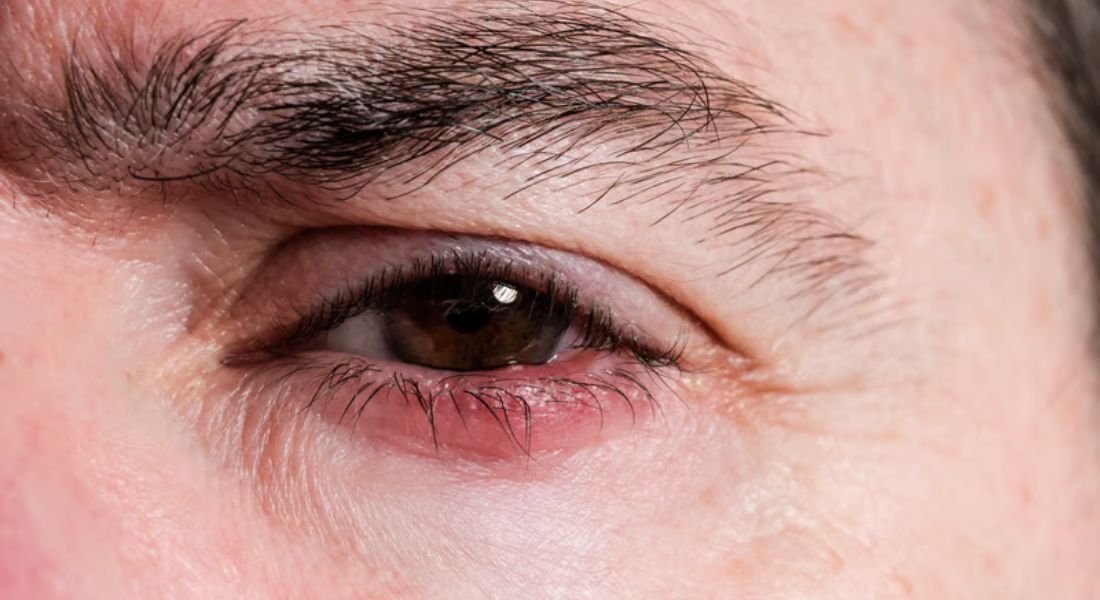
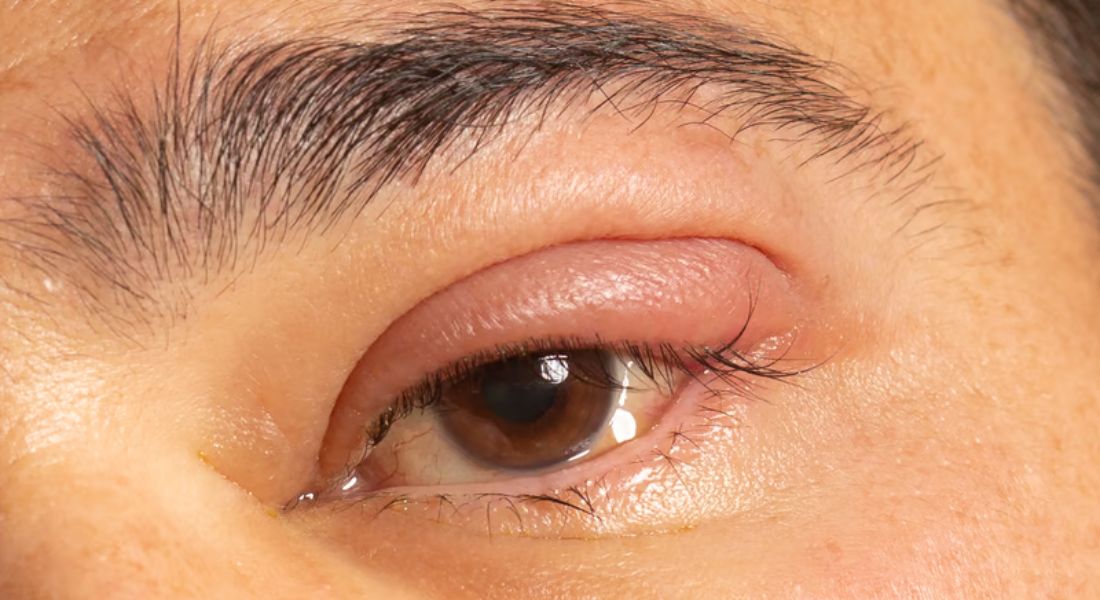
Finding a lump on your eyelid can be worrying, particularly if it appears suddenly, grows quickly, or doesn’t go away over time. Most eyelid lumps are harmless, often caused by blocked glands or mild infections, and usually improve with simple care such as warm compresses or gentle massage. That said, persistent or unusual lumps should never be ignored. Lumps that are firm, bleed, cause significant redness, or are painful may indicate something more serious and need specialist assessment. Early recognition

When Is an Eyelid Lump Something More Serious?2026-02-28T12:13:26+00:00

Chalazion Surgery: What Happens During Removal?

2026-02-28T12:13:17+00:00

If you’ve been advised to consider chalazion surgery, it usually means the lump hasn’t improved with simple treatments or keeps returning. At that stage, removing the contents directly is the most effective way to allow the eyelid to heal properly. The procedure is done under local anaesthetic, so you’re awake but comfortable. You won’t feel pain, only slight pressure. The surgeon usually makes a small incision on the inner side of the eyelid to avoid any visible scarring. The blocked

Chalazion Surgery: What Happens During Removal?2026-02-28T12:13:17+00:00

Recurrent Chalazion: Why Does It Keep Coming Back?

2026-02-27T10:58:45+00:00

If you have experienced a chalazion that keeps returning, you are not alone. Many patients feel frustrated when a lump disappears only to reappear weeks or months later. Recurrent chalazia can be distressing, especially when they affect appearance and comfort. A chalazion forms when a meibomian gland becomes blocked and inflamed. While most resolve with simple care, some patients develop repeated episodes. Understanding why this happens is the first step toward preventing future recurrences. In this guide, we explain the

Recurrent Chalazion: Why Does It Keep Coming Back?2026-02-27T10:58:45+00:00

Stye vs Chalazion: How to Tell the Difference (Guide)

2026-02-27T10:57:14+00:00

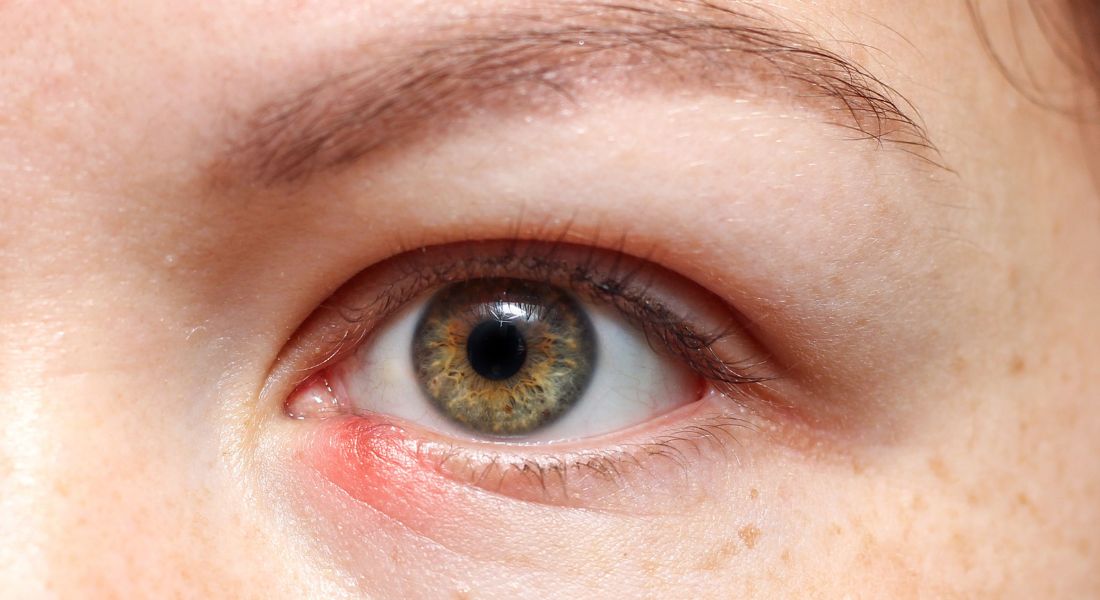
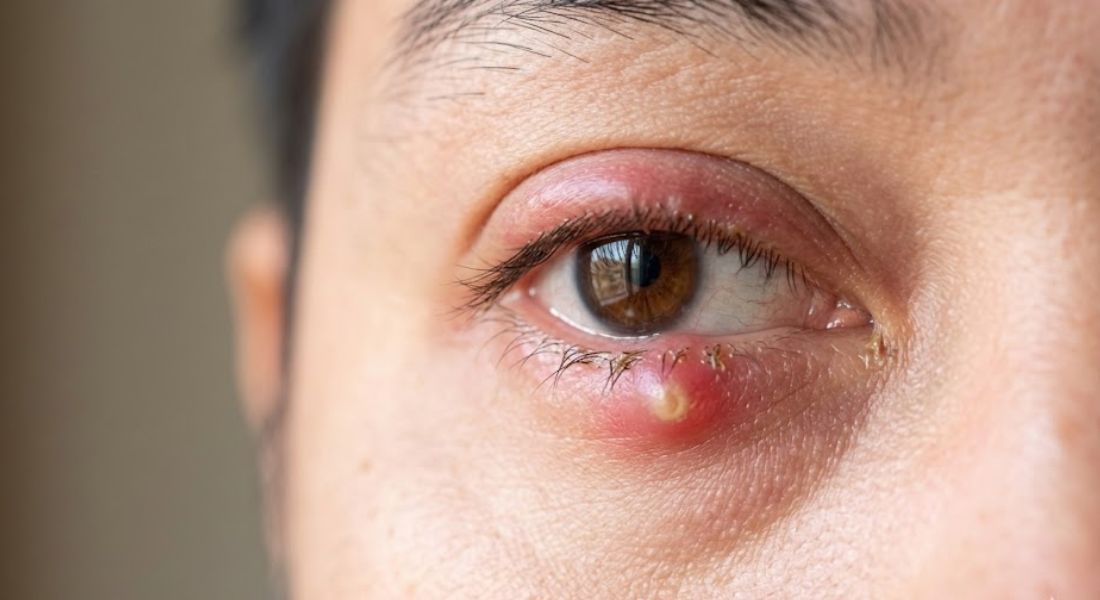
Eyelid lumps can be unsettling, especially when they appear suddenly or cause discomfort. If you’ve noticed swelling, redness, or tenderness on your eyelid, you might be wondering whether it’s a stye or a chalazion. While they can look quite similar at first glance, they actually have different underlying causes and need slightly different approaches to treatment. Understanding the distinction can help you take the right steps and prevent unnecessary worry. You may have heard people use the terms interchangeably, but

Stye vs Chalazion: How to Tell the Difference (Guide)2026-02-27T10:57:14+00:00

Blocked Tear Duct Surgery in Children: When Is It Needed?

2026-02-27T10:54:59+00:00

Your child’s eyes naturally produce tears throughout the day to keep the surface moist and protected. These tears usually drain through tiny openings in the inner corner of the eyelids and into the nose. When this drainage pathway is blocked, tears spill over onto the cheek instead of draining properly. You might notice constant watering even when your child is not crying. In newborns, the tear duct system may not yet be fully developed. A thin membrane can remain over

Blocked Tear Duct Surgery in Children: When Is It Needed?2026-02-27T10:54:59+00:00

Childhood Double Vision (Diplopia): Causes and When It’s Serious

2026-02-26T12:18:41+00:00

Double vision, or diplopia, in children can be concerning, especially if it appears suddenly or affects one eye more than the other. You may notice your child seeing two images of a single object or saying that things look “split.” While some cases are temporary or harmless, others can point to serious underlying issues that need prompt attention. It’s important to understand that diplopia isn’t a disease itself it’s a symptom. It shows that the visual system, including the eyes

Childhood Double Vision (Diplopia): Causes and When It’s Serious2026-02-26T12:18:41+00:00

Retinopathy of Prematurity (ROP): What Parents Should Know

2026-02-26T12:16:58+00:00

When your baby arrives earlier than expected, your focus naturally turns to breathing, feeding, and steady growth. What you may not immediately realise is that premature birth can also affect how your baby’s eyes develop. Retinopathy of prematurity, or ROP, is a condition that specifically affects babies born too soon. ROP develops because the blood vessels in your baby’s retina are not fully formed at birth. The retina is the light-sensitive layer at the back of the eye that is

Retinopathy of Prematurity (ROP): What Parents Should Know2026-02-26T12:16:58+00:00