


Laser Eye Surgery Cost in London: What Affects the Price?
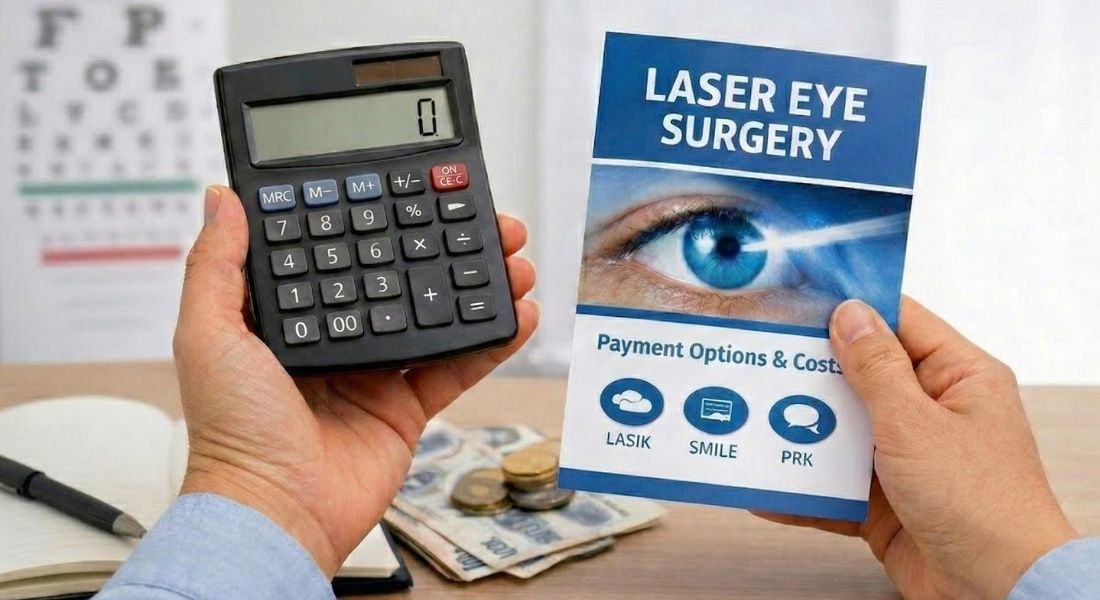
If you have started researching laser eye surgery, you have probably noticed that prices vary widely between clinics. Some providers advertise low headline fees, while others quote significantly higher figures. This difference can understandably leave you wondering what you are actually paying for.
Laser eye surgery is not a one-size-fits-all procedure. The cost reflects far more than the laser treatment itself. Technology, surgeon expertise, safety protocols, and aftercare all influence the final price.
In this guide, we explain what truly affects laser eye surgery cost in London. We help you understand how pricing structures work and what contributes to long-term value. Most importantly, we show you how to assess quality beyond headline numbers.
Type of Laser Procedure
The type of laser procedure you choose plays a major role in the overall cost. LASIK, SMILE and surface treatments such as PRK all involve different technologies and surgical techniques. Each method requires specific equipment, training and clinical expertise. These differences directly influence pricing.
For example, SMILE uses advanced femtosecond laser systems that are highly specialised. These machines are expensive to purchase, calibrate and maintain to ensure precision and safety. The investment in this technology is reflected in the treatment fee. You are paying not just for the procedure itself, but for the accuracy and reliability of the equipment.
Surface treatments may be priced differently because the recovery process and aftercare needs vary. However, the most suitable option for you depends on your eye health, prescription and corneal thickness. The decision should always be based on clinical safety rather than cost alone. Choosing the right procedure protects your long-term vision.
Technology Used by the Clinic
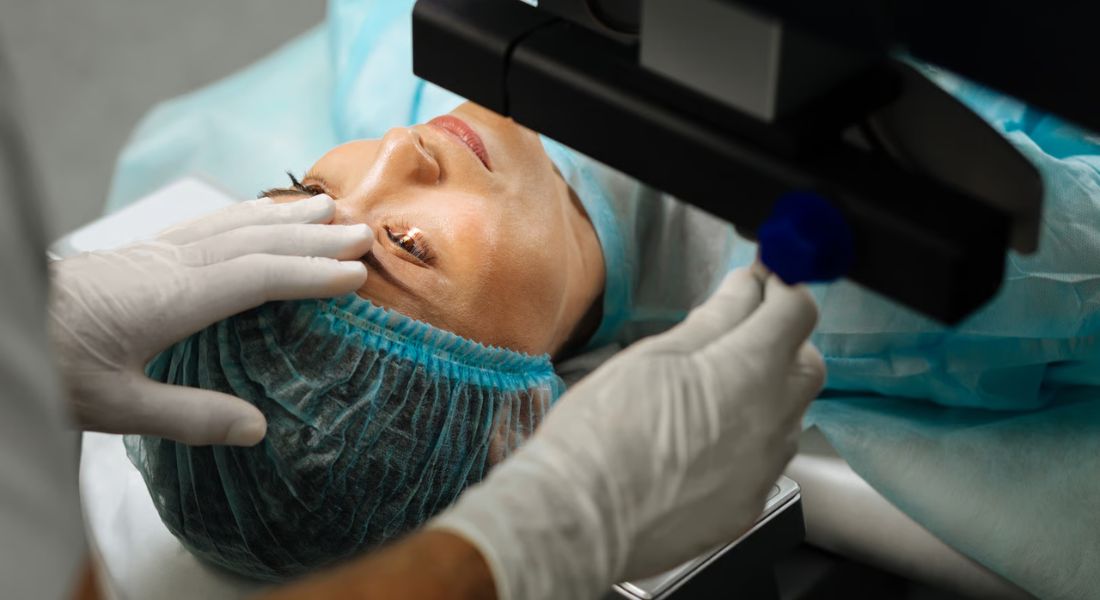
The technology used by your clinic has a direct impact on the price you pay. Laser platforms vary in sophistication, and modern wavefront-guided or topography-guided systems allow for highly customised treatment. These advanced technologies improve precision and can enhance visual outcomes. Greater accuracy often comes with higher operational costs.
Clinics that invest in newer-generation lasers take on significant financial commitment. The equipment requires regular calibration, servicing and software updates to maintain safety standards. Advanced diagnostic imaging systems also add to the overall expense. These ongoing costs are reflected in the treatment fee.
Lower prices can sometimes indicate the use of older laser platforms. While older systems can still be safe and effective, they may not offer the same level of refinement or customisation. You should understand what technology is being used before making a decision. The level of technology directly influences pricing and potential treatment experience.
Pre-Operative Assessment Quality
Before any form of laser eye surgery, the quality of your pre-operative assessment is critical. This stage determines whether you are suitable for treatment and which approach is safest for your eyes. A thorough evaluation is not just a formality it directly influences your long-term results and safety.
- Advanced diagnostics ensure suitability: Tests such as corneal mapping, tear film analysis, and a full ocular health examination provide detailed information about your eye structure. These measurements help identify hidden risk factors and confirm whether surgery is appropriate for you.
- Thorough consultations require investment: Clinics that offer comprehensive assessments invest in both advanced equipment and sufficient consultation time. Detailed screening reduces the likelihood of inappropriate treatment and protects your vision.
- Superficial assessments may carry hidden risks: Shorter or less detailed evaluations may lower the initial cost. However, inadequate screening increases the chance of complications or suboptimal outcomes in the long term.
A proper assessment is one of the most important parts of your surgical journey. It ensures that any decision made is based on accurate, personalised data. While it may take more time, this stage protects you from avoidable risk. When it comes to your vision, careful evaluation is always worth it.
Surgeon Experience and Expertise

The experience and expertise of your surgeon significantly influence the cost of treatment. Highly experienced surgeons typically command higher professional fees due to years of specialised training and surgical practice. Their ability to manage complex cases and unexpected complications adds to their value. Greater experience generally helps reduce risk and improve safety.
Consultant-level ophthalmic surgeons often charge more than high-volume corporate centres. With this, you usually receive more personalised care and a detailed consultation tailored to your individual needs. You are paying not only for the procedure itself, but also for the surgeon’s skill, judgement and time. This level of expertise can make a meaningful difference to your overall experience.
Surgical expertise has a direct impact on visual outcomes. Precision during the procedure and sound clinical judgement both matter greatly. Choosing the lowest price does not always mean you are getting the best value. You should prioritise quality, safety and long-term results over cost alone.
Customised vs Standard Treatment
When you choose a customised treatment, advanced mapping technology is used to analyse your eyes in detail. Wavefront-guided correction can identify and address subtle optical imperfections beyond your basic prescription. This level of refinement may improve visual sharpness and overall quality of vision. Greater precision typically involves more sophisticated equipment.
Standard treatments usually focus on correcting your primary prescription, such as short-sightedness, long-sightedness or astigmatism. They are effective and safe, but they are less individually tailored. Because they do not rely on the same level of diagnostic data, they may cost less. The difference lies in how personalised your correction is.
Customisation aims to enhance clarity, contrast and night vision performance. By targeting finer irregularities, it can offer a more optimised visual outcome for suitable candidates. However, this added precision increases the cost of technology and planning. The level of personalisation directly influences pricing.
Aftercare and Follow-Up Appointments
Aftercare is often underestimated when you are comparing treatment costs. Post-operative appointments are essential to ensure your eyes are healing safely and that your vision is stabilising as expected. Reputable clinics usually include these visits within their overall pricing package. This structured follow-up protects your long-term results.
Some lower-cost providers may limit the duration or number of follow-up appointments included. If you require extended monitoring, enhancement assessments or additional reviews, these may be charged separately. It is important that you clearly understand what is included before you commit. Transparent pricing helps you avoid unexpected expenses later.
Long-term support gives you reassurance during recovery. Although complications are rare, they need prompt and expert management if they arise. Ongoing access to clinical care adds real value to your treatment. You are not just paying for surgery, but for continued professional support.
Location Within London
If you are considering treatment in London, location can influence the overall cost. Clinics based in Central London often face higher overheads, including rent, staffing and day-to-day operational expenses. These factors can indirectly affect the price you are quoted. The cost of running a practice in a prime area is significantly higher.
Clinics situated in well-known medical districts may charge more because of accessibility and facility standards. Modern premises, advanced infrastructure and patient comfort all require ongoing investment. A premium clinical environment naturally increases operating costs. This can be reflected in treatment pricing.
However, location alone does not guarantee quality or better outcomes. You should assess the surgeon’s expertise, technology and aftercare provision alongside convenience. A central address does not automatically mean superior care. It is important to balance accessibility with proven clinical standards.
Clinic Reputation and Accreditation
If you choose an established clinic with a strong reputation, you may notice that the fees are higher. Years of consistently successful outcomes help build trust and credibility. A well-regarded clinic has usually demonstrated reliability over time. That track record can influence pricing.
Accreditation is another important factor. Compliance with regulatory standards involves regular audits, strict protocols and continuous quality assurance. These processes increase operational costs but directly support patient safety. You benefit from systems designed to maintain high clinical standards.
Reputation reflects consistency in results and patient experience. Clinics that repeatedly deliver reliable outcomes often justify premium pricing. Confidence grows when you know a provider has extensive experience. You are investing in proven standards of care.
Financing Options and Payment Plans
Many clinics offer finance plans to make treatment more accessible for you. Spreading the cost over several months or years can reduce the immediate financial burden. However, financing does not change the underlying value or quality of the procedure itself. You are simply adjusting how you pay for it.
Interest-free options may be available, depending on the provider and the agreement terms. Some plans are truly interest-free for a fixed period, while others may include administrative fees or interest after a certain timeframe. Terms and eligibility criteria can vary significantly between clinics. You should always review the details carefully before committing.
Understanding the total cost of treatment is more important than focusing only on the monthly payment. A lower monthly figure can sometimes mask a higher overall expense. Comparing headline offers alone may be misleading. You should look beyond marketing and assess the full financial picture.
Included Enhancements or Retreatments
Some clinics include enhancement or retreatment surgery within a specified timeframe after your initial procedure. This can protect you if a minor prescription adjustment is needed once your vision has stabilised. Not all providers automatically include this in their standard package. You should always confirm what is covered before proceeding.
Including enhancement coverage can increase the upfront cost of your treatment. However, it may reduce the risk of additional expenses later if refinement is required. Policies vary in terms of eligibility, time limits and clinical criteria. Reading the fine print carefully is essential.
Long-term security adds genuine value to your investment. Knowing that potential adjustments are covered can give you greater peace of mind. Clear terms and transparent communication help prevent unexpected costs. You benefit most when you fully understand what your package includes.
The Cost of Safety Standards
When you consider the price of eye surgery, it’s easy to focus only on the visible parts of the procedure. However, a significant portion of the cost relates to safety systems working quietly in the background. These standards may not be obvious during your consultation, but they are fundamental to protecting your vision.
- Sterility and infection control require investment: Strict sterilisation protocols, controlled surgical environments, and ongoing equipment maintenance all add to operational costs. These measures reduce the risk of infection and ensure your procedure is performed in the safest possible setting.
- Emergency preparedness is essential: Responsible clinics maintain emergency equipment and ensure staff are fully trained to manage unexpected situations. While complications are rare, being prepared is a crucial safeguard.
- Highly trained staff strengthen safety: Experienced surgeons, nurses, and clinical teams require continuous training and accreditation. This expertise supports better decision-making and safer outcomes for you.
Lower-cost providers may reduce expenses in areas that are not immediately visible to patients. While this can make treatment appear more affordable, it may compromise essential safeguards. Rigorous safety standards are not optional extras they are central to responsible care. When you invest in quality treatment, you are also investing in protection.
Surgeon-Led vs Technician-Led Models
In some centres, much of your initial consultation and assessment may be carried out by technicians rather than the surgeon. Your direct interaction with the operating surgeon can be limited until the day of the procedure. This model helps reduce staffing costs and increase efficiency. Lower overheads can sometimes translate into lower pricing.
In a surgeon-led model, you are assessed directly by a consultant ophthalmic surgeon from the outset. Your treatment plan is discussed and designed with specialist input at every stage. This personalised approach often requires longer appointment times and greater clinical involvement. You have direct access to the expertise of the person performing your surgery.
Greater surgeon involvement typically increases the overall cost of care. However, many patients value the reassurance of consistent specialist oversight. Personal attention can enhance your understanding, confidence and overall experience. The structure of care plays an important role in how supported you feel throughout your treatment journey.
Marketing and Promotional Pricing
Promotional or introductory pricing may only apply to specific prescription ranges or straightforward cases. The figure you see advertised often represents the lowest possible tier of treatment. Your individual suitability and clinical findings may differ from those assumptions. This means the final quoted price can vary after assessment.
Additional charges may apply once your eyes have been fully evaluated. Factors such as higher prescriptions, astigmatism or customised treatment can increase the overall cost. This can come as a surprise if you were expecting the advertised figure to apply to you. Clear and transparent communication is therefore essential.
Promotional pricing is designed to attract attention and encourage enquiries. However, your full treatment cost depends on the complexity of your prescription and the technology required. You should always ask for a detailed breakdown before making a decision. Clarifying the details in advance helps prevent misunderstanding.
Long-Term Value Considerations
Laser eye surgery is a long-term investment in your vision. When you compare it with the ongoing cost of glasses and contact lenses over many years, the financial perspective can shift significantly. It is not just the initial price that matters, but the cumulative cost over time. Looking at the bigger picture helps you make a more informed decision.
If you wear contact lenses daily, those regular purchases add up year after year. Prescription glasses often need replacing due to changes in vision, damage or style updates. These recurring expenses can become substantial over a decade or more. Surgery may reduce or even eliminate many of these ongoing costs.
Evaluating value over ten or twenty years gives you clearer perspective. The upfront fee may seem high, but longevity and convenience should also be considered. Price alone does not reflect long-term benefit. A broader investment analysis helps you assess true value rather than short-term expense.
Individual Suitability and Complexity
No two eyes are exactly the same, which means your treatment plan should never be one-size-fits-all. The complexity of your prescription and eye structure plays a major role in determining the type of procedure recommended. This individual variation is one reason why pricing can differ from person to person.
- Higher prescriptions require greater precision: If you have a higher degree of myopia or significant astigmatism, your treatment may require more advanced laser programming and careful planning. Greater correction often demands increased precision, which can influence overall cost.
- Corneal thickness and shape matter: Thin corneas or subtle irregularities require more detailed diagnostic analysis. In some cases, additional imaging or alternative techniques are needed to ensure your safety.
- Customisation enhances safety and outcomes: Personalised treatment planning tailors the laser profile to your unique eye measurements. This level of customisation improves accuracy and reduces risk.
Because every eye is different, a fixed price cannot reflect individual anatomy or complexity. Your final quote is based on what is safest and most appropriate for you. Thorough planning ensures the procedure matches your specific needs. Ultimately, personalised care is designed to protect both your vision and your long-term results.
SMILE vs LASIK Pricing Differences
If you’re comparing SMILE and LASIK, you may notice a difference in pricing. While both procedures are highly effective, the technology behind them is not identical. The equipment used, the level of investment required by the clinic, and the surgical approach all influence cost.
- SMILE uses advanced femtosecond laser platforms: SMILE relies entirely on sophisticated femtosecond laser technology to create and remove a small lenticule within the cornea. The acquisition and maintenance costs of these platforms are substantial, which can contribute to higher pricing.
- LASIK remains widely performed and highly effective: LASIK has a long track record of safety and excellent outcomes. However, variations in laser systems and clinic infrastructure can still create pricing differences between providers.
- Clinic investment influences overall cost: The quality of equipment, software upgrades, surgeon training, and maintenance programmes all factor into what you ultimately pay. Technology and expertise go hand in hand.
The most important factor is suitability, not price. The procedure recommended for you should be based on your corneal structure, prescription, and lifestyle needs. Choosing purely on cost may not lead to the safest or most effective option. Your long-term vision and safety should always remain the priority.
The Risk of Choosing Based on Price Alone
Laser vision correction is elective, but the results are long-term and, in many respects, permanent. If you choose a provider based solely on the lowest price, you may unintentionally compromise aspects of care quality. Costs can only be reduced so far before something is limited. When corners are cut, risk can increase.
Your surgeon’s experience, the quality of diagnostic testing and the level of follow-up care all play an important role in safety and outcomes. Very low initial pricing may exclude essential elements such as extended aftercare or enhancement cover. Without clear explanation, you may not realise what is missing. Transparency is therefore critical before you commit.
Making an informed decision helps protect your long-term satisfaction. You should weigh overall value rather than short-term savings alone. Careful evaluation of expertise, technology and support will serve you better than focusing on cost alone. Your eyes deserve thoughtful consideration and responsible choice.
Transparency in Pricing
Reputable clinics will provide you with a clear, written quotation outlining exactly what is included. This should cover the procedure itself, post-operative follow-up appointments and any enhancement policy. When pricing is explained in detail, you can make an informed decision with confidence. Transparency is a key foundation of trust.
Hidden costs or unclear terms can quickly erode your confidence. You should always request a full breakdown of fees before committing to treatment. Ask specifically about aftercare duration, potential additional charges and eligibility for retreatment. Clarity at the outset helps prevent confusion later.
An open discussion about cost reflects professionalism and ethical standards. Clinics that value honesty are usually comfortable answering direct financial questions. You deserve straightforward information without pressure or ambiguity. Confidence naturally grows when transparency is prioritised.
Comparing Clinics Responsibly
When you compare clinics, you should assess the technology available, the surgeon’s credentials and the aftercare included in the package. Price is important, but it should be only one factor among many. A comprehensive comparison gives you a clearer understanding of overall value. Looking beyond cost alone leads to a more responsible decision.
If you feel uncertain, consider consulting more than one provider. Ask detailed questions about experience, complication rates, enhancement policies and follow-up care. Pay attention not only to the answers you receive, but also to how clearly and confidently they are explained. The quality of communication can tell you a great deal.
Taking time to compare options properly supports confident decision-making. A balanced evaluation helps ensure you choose the most appropriate clinic for your needs. Vision correction is a significant step, and it deserves careful consideration. Diligence now can protect your long-term satisfaction.
Frequently Asked Questions:
- How much does laser eye surgery typically cost in London?
Laser eye surgery in London can vary widely depending on the clinic, the type of procedure and your individual prescription. You may see advertised prices starting from a lower range, but your final quote will depend on your suitability, technology used and the complexity of your correction. A comprehensive assessment is necessary before an accurate figure can be confirmed. - Why are some clinics significantly cheaper than others?
Pricing differences usually reflect variations in technology, surgeon involvement, clinic infrastructure and aftercare packages. Lower-cost providers may use older laser systems or operate with a more technician-led model to reduce overheads. While this does not automatically mean lower quality, you should carefully review what is included before making a decision. - Is SMILE more expensive than LASIK?
In many cases, SMILE can be priced slightly higher than LASIK because it relies entirely on advanced femtosecond laser platforms. The equipment and maintenance costs associated with this technology are substantial. However, suitability is more important than price, and your surgeon will recommend the safest option based on your corneal structure and prescription. - Does the consultation fee form part of the total cost?
Some clinics include the initial assessment within the overall treatment fee, while others charge separately. A thorough consultation involves detailed imaging, corneal mapping and a full eye health evaluation. This stage is crucial for safety and should never be rushed purely to reduce cost. - Are enhancement or retreatment procedures included?
This depends entirely on the clinic’s policy. Some providers include enhancement surgery within a specified timeframe if clinically appropriate, while others charge separately. You should always confirm the terms, time limits and eligibility criteria in writing before proceeding. - Can I spread the cost with a payment plan?
Many clinics offer finance options that allow you to spread the cost over several months or years. Some provide interest-free periods, while others may apply administrative fees or interest beyond a certain term. It is important that you review the full agreement so you understand the total amount you will pay. - Does higher cost mean better results?
Not necessarily, but higher fees often reflect greater investment in technology, surgeon expertise and safety infrastructure. Outcomes depend on multiple factors including suitability, accurate assessment and surgical precision. Rather than assuming price equals quality, you should evaluate experience, accreditation and transparency alongside cost. - Will laser eye surgery save me money in the long term?
If you currently spend regularly on contact lenses, solutions and prescription glasses, those costs accumulate over many years. Laser eye surgery involves a higher upfront payment, but it may reduce or eliminate ongoing optical expenses. Evaluating the financial impact over a decade or more can provide clearer perspective on long-term value. - Does central London location increase the price?
Clinics located in central areas often face higher operational expenses such as rent and staffing. These overheads can influence treatment pricing. However, location alone does not guarantee superior outcomes, so you should balance convenience with clinical standards and surgeon experience. - How can I ensure pricing is transparent before committing?
You should request a detailed written quotation that outlines exactly what is included, from the procedure itself to follow-up appointments and enhancement cover. Asking direct questions about additional fees and aftercare duration helps prevent misunderstandings. Transparent communication is a strong indicator of professional and ethical practice.
Final Thoughts: Looking Beyond the Headline Price
When you research laser eye surgery cost in London, it is easy to focus on the lowest number you see advertised. However, that headline figure rarely tells the full story. The true cost reflects technology, surgeon expertise, safety systems, personalised planning and long-term aftercare.
You are not simply paying for a few minutes under a laser. You are investing in detailed diagnostics, clinical judgement, regulated safety standards and structured follow-up care designed to protect your vision. These elements may not be visible in marketing materials, but they are essential to responsible treatment.
A lower price can sometimes mean fewer inclusions, limited aftercare or older technology. A higher fee often reflects deeper investment in infrastructure, training and personalised support. Neither is automatically right or wrong, but understanding what is included allows you to compare responsibly. If you’d like to find out whether Laser surgery in London is suitable for you, feel free to contact us at Eye Clinic London to arrange a consultation.
References:
- A Tamimi, A. et al., 2023. Post‑LASIK dry eye disease: a comprehensive review of incidence and recovery patterns. Journal of Clinical Medicine https://pmc.ncbi.nlm.nih.gov/articles/PMC10126282/
- Janiszewska‑Bil, D. et al., 2024. Comparative Analysis of Corneal Wound Healing after Refractive Procedures. Biomedicines, https://www.mdpi.com/2227-9059/12/10/2289
- Wang, B., Naidu, R.K., Chu, R., Dai, J. et al., 2015. Dry Eye Disease following Refractive Surgery: A 12‑Month Follow‑Up of SMILE versus FS‑LASIK. Journal of Ophthalmology https://pubmed.ncbi.nlm.nih.gov/26649190/
- Wong, A.H.Y., 2019. Dry eyes after SMILE: postoperative ocular surface changes and recovery patterns. Ocular Surface, https://www.sciencedirect.com/science/article/pii/S2162098923004772
- Gao, H., 2022. Quality of vision following LASIK and PRK‑MMC across postoperative milestones. Military Medicine https://academic.oup.com/milmed/article-abstract/187/9-10/e1051/6149402