


How Teleophthalmology Is Expanding Access to Eye Care
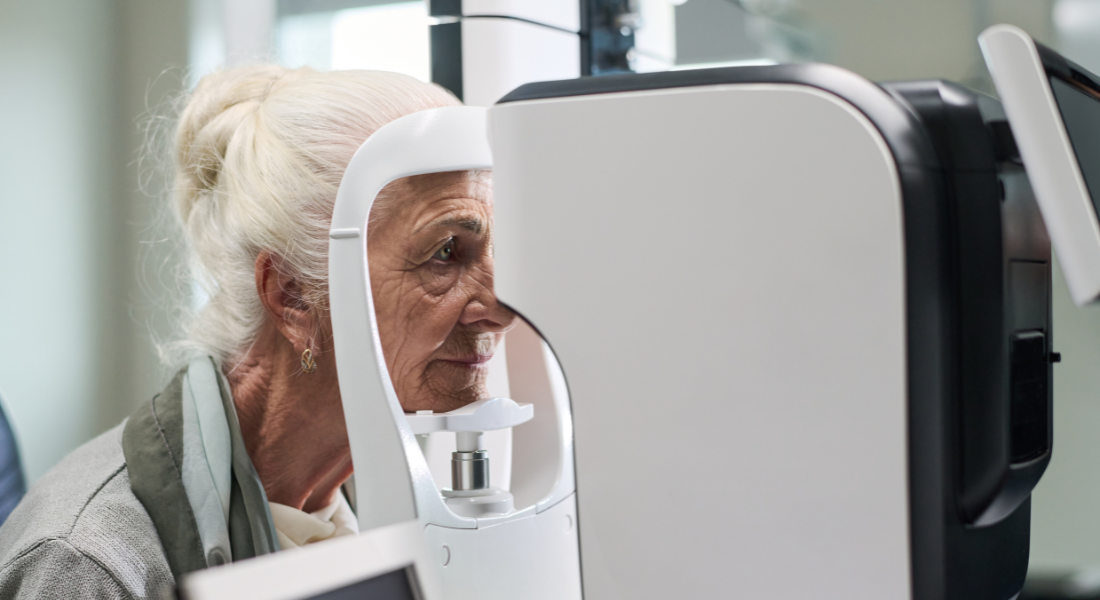
Technology is changing the way your eye care can be delivered, with ophthalmology increasingly using digital tools to improve access to specialist services. Teleophthalmology allows parts of your eye care to be delivered remotely using digital imaging, secure communication systems and specialist review. Some consultations may take place from home, while tests and images often need to be collected at a clinic, optometry practice or community healthcare setting.
For many people, attending an eye clinic in person can be difficult due to distance, mobility issues, work commitments or limited local services. Teleophthalmology may reduce these barriers by allowing consultations to take place remotely or enabling tests to be performed closer to home before they are reviewed by a specialist.
Although it cannot replace every part of a face-to-face examination, teleophthalmology is now an important part of modern eye care. It may support earlier identification of potential concerns, ongoing monitoring and more convenient access to specialist advice when used within an appropriate clinical pathway.
What Is Teleophthalmology?
Teleophthalmology is a branch of telemedicine that focuses on delivering eye care through digital technology. It allows you to communicate with eye specialists remotely using video consultations, digital images and securely shared medical information.
This approach can include reviewing retinal photographs, discussing your symptoms, monitoring treatment progress or deciding whether you need a face-to-face appointment. It may help your eye care team decide whether remote advice is sufficient or whether you need a face-to-face assessment.
Teleophthalmology can be particularly useful when combined with local healthcare services. You can often have tests performed closer to home, with the results reviewed by a specialist without the need for long-distance travel.
UK Guidance Note
In the UK, teleophthalmology is used within selected screening, surveillance, referral and follow-up pathways. The tests required, the location where they are performed and whether remote review is appropriate depend on the eye condition and the urgency of the referral. Urgent symptoms or referrals may still require a prompt face-to-face examination.
Why Teleophthalmology Is Growing
The demand for accessible healthcare has increased significantly in recent years, and this directly affects how easily you can access eye care. Growing populations, an ageing society and rising rates of long-term eye conditions have all placed greater pressure on traditional clinic-based services.
At the same time, advances in digital technology have improved remote consultations, imaging and secure data sharing, making these services more widely available. This means your eye specialist can often assess your condition without needing you to attend in person for every stage of care.
Together, these changes have driven the expansion of teleophthalmology. Healthcare providers are increasingly using it to improve access, support more efficient review and offer greater convenience. Whether it reduces waiting times or improves care depends on staffing, image quality, technology, referral pathways and access to timely face-to-face assessment when needed.
Virtual Eye Consultations
Virtual consultations allow you to speak with an eye specialist remotely using secure digital platforms. These appointments are often used to discuss symptoms, review previous results and receive follow-up advice without needing to attend a clinic.
For many people, virtual appointments offer greater convenience by reducing travel time and making it easier to fit care into a busy routine. This can be especially helpful if you have mobility concerns or live far from a specialist centre.
However, some aspects of eye care still require a face-to-face examination. Detailed measurements, imaging or procedures may mean your clinician recommends an in-person visit when necessary.
Remote Eye Screening
One of the most important uses of teleophthalmology is remote screening for eye conditions. Specialised digital cameras and imaging devices can capture detailed information about your eyes, which is then reviewed by a specialist in another location.
This approach is well established in diabetic eye screening and may also be used in selected retinal surveillance pathways. Images can help identify findings that require closer review, additional imaging or referral to a hospital eye service.
By identifying people who may need further review, remote screening can support timely assessment and referral. A positive or ungradable screening result may still require additional imaging, slit-lamp examination or an in-person specialist assessment.
Teleophthalmology and Diabetic Eye Disease
Teleophthalmology plays an established role in diabetic eye screening by allowing retinal photographs to be captured locally and graded within a quality-assured pathway. Screening can identify signs of diabetic retinopathy before you notice symptoms, but it is not the same as a complete eye examination and does not assess every possible eye condition.
Key Benefits of Teleophthalmology in Diabetic Eye Disease
| Aspect | How It Works | Potential Benefits | Important Considerations |
| Retinal screening | Eye images are taken at a local clinic and reviewed remotely by specialists | Helps identify early signs of diabetic retinopathy | Regular screening is still essential |
| Early detection | Specialists can review images for changes before symptoms appear | Supports timely referral and assessment when concerning changes are identified | Screening does not provide a complete assessment of every eye condition |
| Improved access | Reduces the need for frequent hospital visits | Makes screening easier for people who face travel challenges | Further appointments may be needed if problems are found |
| Convenient monitoring | Supports ongoing checks without repeated specialist visits | Helps people stay consistent with diabetic eye care | Should be combined with recommended follow-up care |
| Specialist review | Retinal images are assessed by trained eye professionals | Provides specialist input without requiring a separate hospital eye appointment | Image quality can affect assessment |
| Supporting timely referral | Findings can trigger appropriate referral, monitoring or treatment assessment | May support earlier management of sight-threatening diabetic retinopathy | Screening cannot prevent sight loss unless recommended follow-up and treatment are completed |
Supporting Glaucoma Monitoring
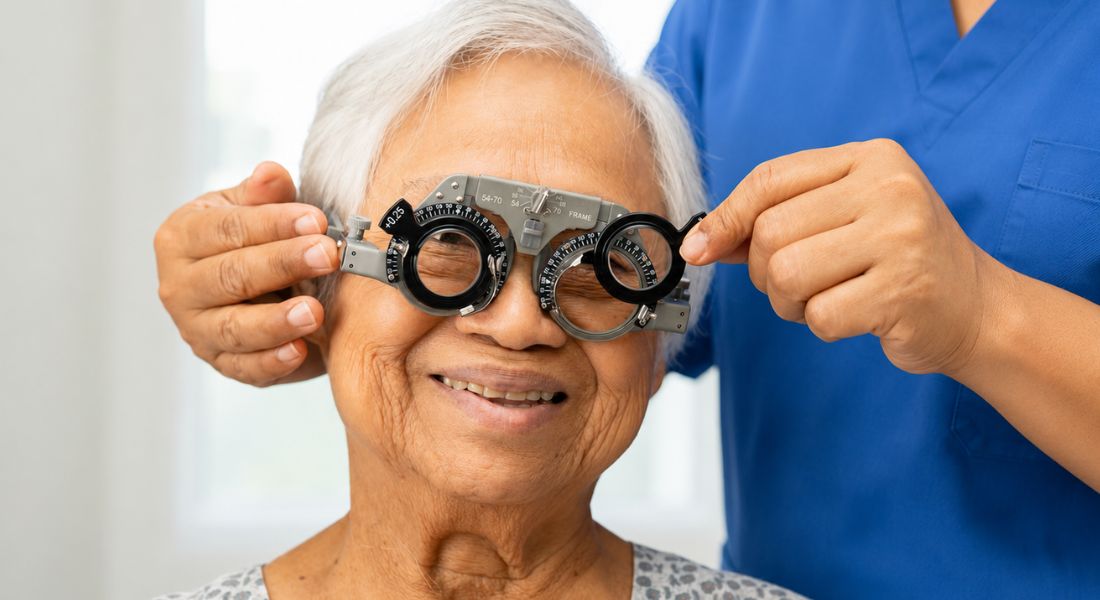
Glaucoma often requires long-term monitoring of eye pressure, the optic nerve and visual fields. In selected virtual glaucoma pathways, these measurements may be collected during a clinic or community appointment and reviewed by an appropriately trained clinician at another time.
Virtual pathways may be suitable for some people whose glaucoma is stable or considered lower risk. The clinician can review the available results, assess whether there is evidence of change and decide whether your follow-up interval or treatment needs to be reviewed.
Teleophthalmology does not remove the need for face-to-face glaucoma care. An in-person assessment may be required if your results are incomplete, your condition appears to be progressing, your symptoms change or a procedure or detailed examination is needed.
Improving Access in Rural Areas
If you live in a rural or remote area, accessing specialist eye care can sometimes be challenging. Long travel distances and limited availability of ophthalmologists may delay diagnosis or make regular follow-up more difficult.
Teleophthalmology helps address this by allowing local healthcare providers to collect images and clinical information that can be reviewed by a specialist elsewhere. This means you can often receive expert input without needing to travel long distances for every appointment.
By improving access to specialist advice, teleophthalmology may support more timely review, appropriate referral and consistent monitoring, even if you are not based near a major eye centre.
The Role of Digital Imaging
Digital imaging technology plays a central role in teleophthalmology, allowing detailed information about your eyes to be captured and shared securely. This may include retinal photographs, OCT scans and other diagnostic images taken at a clinic or community setting.
These images give ophthalmologists objective data to assess your eye health remotely. Your specialist can review the results, identify potential concerns and advise whether you need treatment or an in-person examination.
Advances in imaging can provide specialists with increasingly detailed information. However, the reliability of a remote assessment still depends on using the correct test, obtaining good-quality images and interpreting the results alongside relevant clinical information.
Poor-quality, incomplete or ungradable images should not be treated as normal results. Further imaging or an in-person examination may be required.
Artificial Intelligence and Teleophthalmology
Artificial intelligence is being studied and introduced in selected areas of eye-image analysis. Appropriately validated systems may help identify image patterns, support grading or prioritise cases that require professional review.
The availability and role of these systems vary between services. Their performance depends on factors such as image quality, the population in which they were tested and whether the condition falls within the system’s intended purpose.
AI cannot independently diagnose every eye condition or replace a complete clinical assessment. Results require appropriate clinical oversight, and urgent symptoms should not be managed solely through automated image analysis.
Benefits for Patients
One of the main benefits of teleophthalmology is the convenience it can offer you. You may be able to receive advice, monitoring support or screening services without travelling to a specialist eye clinic for every appointment.
This can be particularly helpful if you are older, have mobility difficulties or live a long distance from specialist healthcare services. Remote care can reduce practical barriers and make it easier for you to stay connected with your eye care team.
By making eye care more accessible, teleophthalmology may also encourage you to seek medical advice sooner. Earlier assessment can help identify potential problems before they become more difficult to manage.
Supporting Earlier Diagnosis
Timely identification is important because some eye conditions can progress before you notice clear symptoms. Teleophthalmology may help by making selected screening tests, images and specialist reviews more accessible.
Remote review can identify findings that require additional assessment, but it does not always establish a final diagnosis. Your clinician may recommend further imaging, eye-pressure measurement, pupil dilation or a detailed face-to-face examination.
Teleophthalmology is most useful when a clear pathway is available for follow-up, referral and treatment. Earlier image review provides limited benefit if people cannot access the further assessment or care that is recommended.
Teleophthalmology After Eye Treatment
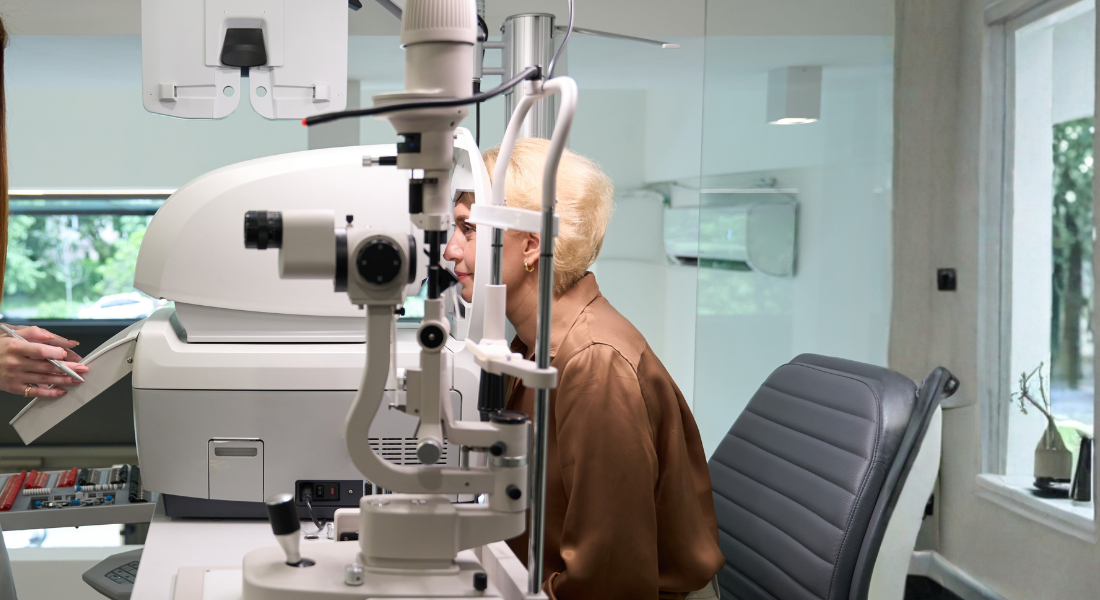
Remote follow-up may be appropriate after selected eye treatments when your clinician considers that your recovery can be assessed safely through a telephone or video consultation. It may be used to discuss symptoms, medication, test results or general progress.
Remote review is not suitable for every procedure or every stage of recovery. Some appointments require eye-pressure measurement, imaging, wound examination or another test that must be performed in person.
Contact your surgical team promptly if you develop unexpected or worsening symptoms. Do not rely on a routine virtual appointment when urgent examination may be required.
Clinical Tip
Seek urgent eye-care advice if you develop sudden loss or deterioration of vision, severe or increasing eye pain, marked redness, new flashes or floaters, a dark curtain or shadow across your vision, or symptoms that begin after recent eye surgery. Severe pain or loss of vision following recent eye treatment may require emergency assessment.
The Importance of Data Security
Because teleophthalmology involves sharing your medical information digitally, protecting your privacy is essential. Eye images, test results and consultation information are health data and are treated as special-category personal data under UK data-protection law.
Healthcare providers must identify an appropriate lawful basis for processing this information and use suitable technical and organisational safeguards. Secure systems should be used when storing or transferring your health information.
Appropriate data protection helps maintain confidentiality and supports confidence in digital eye care services.
Limitations Of Teleophthalmology
Although teleophthalmology offers many benefits, it is not suitable for every eye condition or situation. Some problems require detailed examinations, specialised equipment or procedures that cannot be carried out remotely.
Certain assessments, such as those involving physical examination of the eye or advanced diagnostic tests, may still require you to attend a clinic in person. Your specialist will decide when a face-to-face appointment is necessary.
Understanding these limitations helps ensure teleophthalmology is used in the right situations. It works best alongside traditional eye care, combining the convenience of digital services with the expertise of in-person examinations when needed.
The Need For Specialist Involvement
Technology can support your eye care, but specialist knowledge remains essential. Your ophthalmologist will interpret test results alongside your symptoms, medical history and clinical findings to understand your overall eye health.
Remote systems can provide valuable information, but treatment decisions still require professional judgement. Your specialist will consider all available information before recommending the most appropriate next steps for your care.
The best outcomes come from combining digital innovation with experienced medical expertise. Teleophthalmology supports your access to care while keeping specialist involvement at the centre of diagnosis and treatment.
Improving Healthcare Efficiency
Teleophthalmology can help improve how you access eye care by supporting healthcare systems as demand for specialist services increases. Remote screening and virtual consultations may help services prioritise referrals and identify patients who need a face-to-face assessment.
By improving how your information is reviewed and prioritised, teleophthalmology can help healthcare professionals use their time and resources more effectively. This may support smoother care pathways and reduce delays for patients who require specialist attention.
As populations age and eye conditions become more common, efficient models of care will become increasingly important. Digital approaches such as teleophthalmology may help expand access while preserving appropriate routes to specialist assessment and treatment.
Teleophthalmology in Children’s Eye Care
Teleophthalmology may support selected aspects of children’s eye care, such as gathering history, discussing symptoms, reviewing available photographs or test results and deciding whether an in-person assessment is required.
Children often need age-appropriate visual-acuity testing, pupil examination, eye-alignment assessment, refraction with eye drops or examination of the front and back of the eye. These assessments may not be possible or reliable through a home video consultation.
Remote care should therefore complement rather than replace paediatric ophthalmology, orthoptic and optometry assessments. The appropriate approach depends on your child’s age, symptoms, development and the condition being investigated.
Future Developments in Teleophthalmology
The future of teleophthalmology is likely to involve more advanced imaging, artificial intelligence and improved remote monitoring tools. These developments may make ongoing monitoring more convenient and help your eye care team identify changes earlier.
Researchers are exploring wearable devices and home-based tests that may provide additional information between appointments. Many of these technologies remain investigational or are suitable only for selected uses, so they should not replace validated clinical testing or professional assessment.
As technology continues to develop, teleophthalmology has the potential to make eye care more proactive, convenient and tailored to your individual needs. However, specialist expertise will remain essential in interpreting results and guiding treatment decisions.
Combining Remote And In-Person Care
The future of ophthalmology is unlikely to depend entirely on either remote or traditional care alone. Instead, a combined approach can provide you with the benefits of convenient digital services while ensuring access to specialist examinations when needed.
You may use teleophthalmology for routine monitoring, follow-up discussions and certain consultations, while attending a clinic for detailed assessments, procedures or treatments. This approach allows your care to be more flexible and better suited to your individual needs.
By combining remote technology with face-to-face specialist care, services may improve convenience while ensuring that examinations and treatments requiring direct clinical assessment remain available. This balanced model supports both convenience and the expertise required for effective diagnosis and treatment.
Key Takeaways
- Teleophthalmology uses digital technology to make certain eye care services more accessible.
- Remote consultations and digital imaging can support screening, monitoring and specialist review.
- Conditions such as diabetic retinopathy and glaucoma may benefit from remote monitoring approaches.
- Teleophthalmology does not replace all face-to-face eye examinations or specialist judgement.
- The future of eye care is likely to combine digital tools with traditional clinical assessments.
Myth vs Fact
| Myth | Fact |
| Teleophthalmology means you no longer need eye examinations. | Remote care supports eye health monitoring but many conditions still require face-to-face examinations. |
| Artificial intelligence can diagnose every eye condition without a doctor. | AI can support image analysis but your ophthalmologist remains responsible for clinical decisions. |
| Teleophthalmology is only useful for people living in rural areas. | It can benefit many people by improving convenience, monitoring and access to specialist advice. |
| Remote eye care is less accurate than traditional eye care. | Accuracy depends on the condition, test, image quality and clinical pathway. Remote assessment can be effective for selected purposes but cannot replace every component of an in-person eye examination. |
| All eye problems can be managed remotely. | Some conditions require detailed examinations, procedures or treatments that can only be performed in person. |
Frequently Asked Questions
- What is teleophthalmology?
Teleophthalmology allows you to receive certain eye care services remotely using digital technology. You can have consultations, monitoring and some assessments without always needing to visit an eye clinic. - Can teleophthalmology replace your regular eye examinations?
No, teleophthalmology cannot replace all face-to-face eye examinations. Your specialist may still need to examine your eyes in person for detailed tests, procedures or treatment decisions. - Which eye conditions can teleophthalmology help you monitor?
Teleophthalmology can support diabetic eye screening and the monitoring of selected stable retinal or glaucoma conditions. The tests required usually need to be collected using appropriate clinical equipment, and your specialist will decide whether remote review is suitable. - How does remote eye screening work for you?
Your eye images or test results can be collected using digital equipment and securely reviewed by an eye specialist. This helps your doctor decide whether you need further assessment or treatment. - What are the benefits of teleophthalmology for you?
Teleophthalmology may make it easier to access specialist review, reduce travel and support earlier identification or referral when further assessment is needed. - Is your information safe when using teleophthalmology?
Your eye images, test results and health information should be protected using secure digital systems. Healthcare providers must follow appropriate data protection standards to keep your information confidential. - Can you use teleophthalmology after eye surgery?
Yes, remote monitoring may help your specialist follow your recovery after certain procedures. However, you may still need an in-person appointment if there are concerns about your healing. Sudden loss of vision, severe pain, new flashes or floaters, marked redness or rapidly worsening symptoms require urgent advice rather than waiting for a virtual follow-up. - How does artificial intelligence help your eye care through teleophthalmology?
AI can help analyse eye images and highlight possible changes that your specialist may need to review. It supports your doctor’s decisions but does not replace specialist expertise. - Can your child use teleophthalmology for eye care?
Teleophthalmology may support communication, triage or review of selected results in children. However, children frequently need detailed measurements and examinations that must be performed in person. - What does the future of teleophthalmology mean for you?
Future developments may include improved imaging, validated AI tools and selected home-monitoring technologies. Their use will depend on evidence, regulation, data security and whether they provide reliable information that improves patient care.
Final Thoughts: A More Connected Future For Eye Care
Teleophthalmology is helping transform the way eye care is delivered by making specialist support, monitoring and early assessment more accessible. By using digital consultations, remote screening and advanced imaging technologies, it can help you stay connected with your eye care team while reducing some of the barriers associated with traditional clinic visits.
Although teleophthalmology cannot replace every aspect of a face-to-face eye examination, it provides valuable support when combined with specialist care. The future of eye care is likely to involve a balanced approach, where digital tools improve convenience while in-person assessments continue to provide essential clinical expertise.
If you have any concerns about your eyesight, you can contact the our team at Eye Clinic London for a comprehensive assessment and personalised advice about your eye health.
References
- Rathi, S., Tsui, J., Mehta, N. and Zahid, S. (2017) ‘The current state of teleophthalmology in the United States’, Ophthalmology, 124(12), pp. 1727–1734. Available at: https://pubmed.ncbi.nlm.nih.gov/28985955/
- Kumar, S., Wang, E.H., Pokabla, M.J. and Noecker, R.J. (2013) ‘Teleophthalmology assessment of diabetic retinopathy’, Telemedicine and e-Health, 19(4), pp. 284–289. Available at: https://pubmed.ncbi.nlm.nih.gov/23394251/
- Ting, D.S.W., Pasquale, L.R., Peng, L., Campbell, J.P., Lee, A.Y., Raman, R., Tan, G.S.W., Schmetterer, L., Keane, P.A. and Wong, T.Y. (2019) ‘Artificial intelligence and deep learning in ophthalmology’, British Journal of Ophthalmology, 103(2), pp. 167–175. Available at: https://pmc.ncbi.nlm.nih.gov/articles/PMC6363403/
- Li, Z., Keel, S., Liu, C., He, Y., Meng, W., Scheetz, J. and Ting, D.S.W. (2021) ‘An automated grading system for diabetic retinopathy using artificial intelligence’, Survey of Ophthalmology, 66(2), pp. 312–324. Available at: https://pmc.ncbi.nlm.nih.gov/articles/PMC7801879/
- Sharma, A., Subramanian, P., and Reddy, S. (2022) ‘Teleophthalmology: A review of applications, benefits and challenges’, Survey of Ophthalmology. Available at: https://www.sciencedirect.com/journal/survey-of-ophthalmology