


What Are Tear Biomarkers?

Your tears do much more than keep your eyes comfortable and lubricated. They help protect the surface of your eyes, support clear vision and maintain the health of the cornea and surrounding tissues. At the same time, your tears contain a range of naturally occurring biological substances that can provide valuable information about what is happening on the ocular surface.
Tear biomarkers include proteins, inflammatory mediators, lipids, enzymes, metabolites, hormones and genetic material. Changes in some biomarkers may be associated with ocular-surface inflammation, tear-film instability or disease activity, but most proposed biomarkers remain under investigation.
A small number of tear-based measurements, including tear osmolarity and point-of-care MMP-9 testing, may provide additional information in selected dry-eye assessments. They cannot diagnose an eye condition independently and should be interpreted alongside your symptoms, medical history and examination findings.
What Are Tear Biomarkers?
Tear biomarkers are measurable substances found in your tears that may provide valuable information about your eye health. They can reflect changes such as inflammation, tear film quality, immune activity, tissue stress, infection or other biological processes occurring on the surface of your eyes. By analysing these substances, researchers and clinicians can gain a better understanding of what is happening within your tear film and ocular surface.
A biomarker is not a diagnosis on its own. Instead, it acts as a biological clue that must be interpreted alongside your symptoms, eye examination findings, medical history and, where appropriate, other diagnostic tests. This comprehensive approach helps your eye specialist build a more accurate picture of your condition and determine the most appropriate management for you.
In ophthalmology, tear biomarkers are particularly valuable because your tears are easy to collect without invasive procedures, unlike samples from deeper eye tissues. This makes tear analysis an attractive area of research and a promising tool for future clinical testing. As research continues to advance, tear biomarkers may play an increasingly important role in supporting earlier diagnosis, monitoring disease activity and guiding more personalised eye care.
Why Tears Contain Useful Information
Your tears are produced and maintained by several structures, including your lacrimal glands, eyelids, meibomian glands, conjunctiva and the cells covering the surface of your eyes. Together, these structures create a healthy tear film that protects your eyes, supports clear vision and keeps the ocular surface comfortable. Because your tears are constantly in contact with the surface of your eyes, they can also carry biological signals that reflect local inflammation, irritation and other changes.
The tear film plays an essential role in maintaining both comfort and visual clarity. If it becomes unstable or its composition changes, you may experience symptoms such as dryness, grittiness, fluctuating vision or eye fatigue. These symptoms often develop because the tear film is no longer able to adequately protect and nourish the surface of your eyes.
This is why researchers are increasingly interested in analysing tears in greater detail. Your tear film may contain biological information that is not always visible during a routine eye examination, offering valuable insights into disease activity and ocular surface health. As research progresses, tear analysis may help support earlier diagnosis, monitor treatment response and contribute to more personalised eye care.
What Types of Biomarkers Can Be Found in Tears?
Your tears contain a wide variety of biomarkers that can provide valuable information about your eye health. These include inflammatory cytokines, enzymes, proteins, mucins, lipids, electrolytes, metabolites and small fragments of genetic material. Each of these substances plays a different role in maintaining your tear film, and changes in their levels may reflect biological processes affecting the surface of your eyes.
Some tear biomarkers are associated with inflammation, while others may indicate tear film instability, damage to the ocular surface or dysfunction of your meibomian glands. In dry eye disease research, biomarkers such as tear osmolarity, matrix metalloproteinase-9 (MMP-9), interleukins and mucins have been widely studied because they may help your eye specialist better understand what is happening in your eyes and how your condition is responding to treatment.
Different biomarkers may be useful for different eye conditions, which means tear testing is not a single universal test. Instead, it is a developing area of ophthalmology with several potential applications. As research continues to advance, analysing your tear biomarkers may help your eye specialist diagnose eye conditions more accurately, assess disease activity and provide treatment that is better tailored to your individual needs.
Evidence Note
Researchers have identified hundreds of molecules within tears, including proteins, lipids and inflammatory mediators. However, only a limited number of tear-based tests currently have established clinical applications, and many biomarkers remain under investigation.
How Tear Biomarkers Are Collected
Your tear samples can be collected in several different ways, depending on the type of test being performed. Some methods use small absorbent strips placed near your lower eyelid, while others use tiny capillary tubes to collect a small amount of your natural tears. These procedures are generally quick, minimally invasive and designed to obtain enough tear fluid for laboratory analysis.
The way your tears are collected is important because the composition of your tear film can change under different conditions. Factors such as irritation, reflex tearing, the time of day, medications and environmental conditions may all influence your tear sample. This means that a sample collected at one time may not always be identical to a sample collected later.
For this reason, tear biomarker testing requires careful interpretation. Your test results are most meaningful when your eye specialist considers how your tears were collected alongside your symptoms, examination findings and medical history. By interpreting your results within the correct clinical context, your specialist can gain a more accurate understanding of your eye health.
How Tear Biomarkers Are Measured
Your tear biomarkers can be measured using different methods depending on the type of information your eye specialist needs. Some biomarkers can be assessed with point-of-care devices during your clinic appointment, providing results within a short time. These rapid tests may help support clinical decision-making and give your specialist additional information about your ocular surface health.
Other tear biomarkers require more detailed laboratory analysis. Researchers use advanced techniques such as immunoassays, proteomics, metabolomics, lipidomics and genetic analysis to examine the composition of your tears in greater depth. These methods can identify a wide range of biological molecules and help improve our understanding of eye diseases and their underlying mechanisms.
At present, the tear biomarker tests most commonly discussed in routine clinical practice are tear osmolarity and inflammatory markers such as matrix metalloproteinase-9 (MMP-9). These tests may provide useful information about your tear film and ocular surface inflammation when interpreted alongside your symptoms, examination findings and medical history. As research continues to develop, additional tear biomarker tests may become available to support more personalised eye care.
Tear Osmolarity Explained
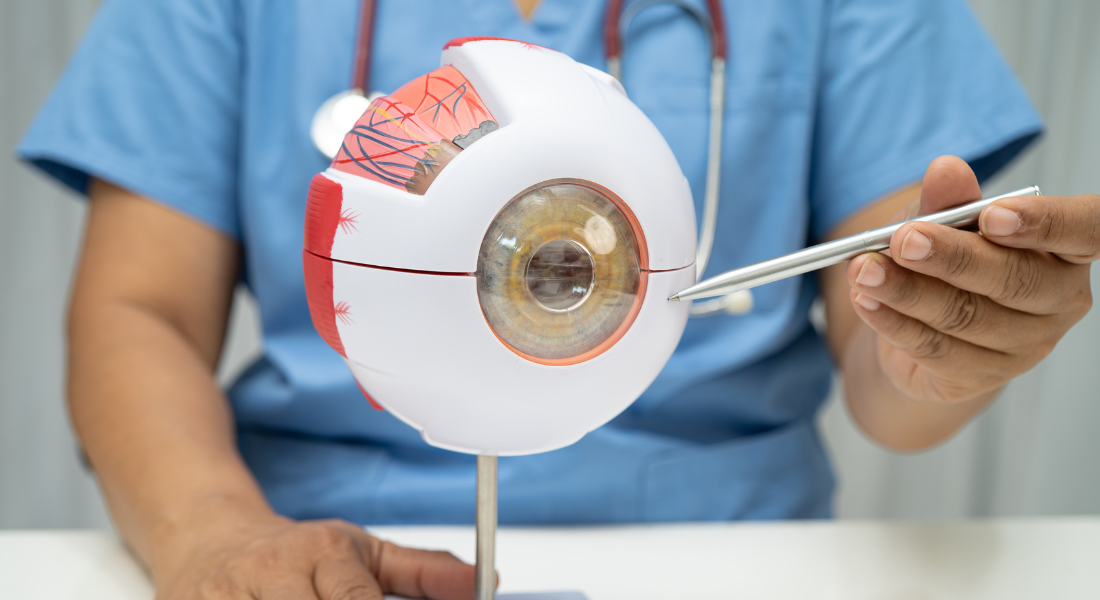
Tear osmolarity measures the concentration of dissolved particles, such as salts and other substances, in your tears. When your tears become too concentrated, it may indicate that your tear film is unstable or not functioning as effectively as it should. An unhealthy tear film can reduce the eye’s ability to stay lubricated and protect the ocular surface.
Raised tear osmolarity may indicate loss of tear-film homeostasis and can support the assessment of dry eye disease. TFOS DEWS III includes hyperosmolarity as one of several objective signs that may support diagnosis when symptoms are present, alongside tear-film break-up testing and ocular-surface staining. A single osmolarity result should not be interpreted alone.
Although tear osmolarity testing can support the assessment of dry eye disease, it should not be used on its own to make a diagnosis. Your eye specialist will interpret your results alongside your symptoms, tear break-up time, ocular surface staining, eyelid health and other clinical findings. By considering all of these factors together, your specialist can gain a more complete understanding of your eye health and recommend the most appropriate treatment for you.
MMP-9 and Ocular Surface Inflammation
Matrix metalloproteinase-9 (MMP-9) is an enzyme that is associated with inflammation on the surface of your eyes. When the level of MMP-9 in your tears is elevated, it may suggest that active inflammatory processes are affecting your ocular surface. Measuring this biomarker can provide your eye specialist with additional information about the health of your tear film and surrounding tissues.
MMP-9 may be raised in dry eye disease and other conditions involving ocular-surface inflammation. However, an elevated result is not specific to one condition, and a negative result does not exclude dry eye disease or inflammation. The result should therefore be considered alongside your symptoms and examination findings rather than used to determine treatment independently.
Although MMP-9 testing can be a useful part of your dry eye assessment, it does not replace a comprehensive eye examination. Your eye specialist will interpret your MMP-9 result alongside your symptoms, tear film assessment, ocular surface findings and medical history. By considering all of these factors together, your specialist can develop a more complete understanding of your eye health and recommend treatment that is tailored to your individual needs.
Why Tear Biomarkers Matter in Dry Eye Disease
Dry eye disease can be difficult to diagnose and manage because your symptoms do not always match what your eye specialist sees during an examination. You may experience significant discomfort, burning or fluctuating vision even when there are only mild visible changes on the surface of your eyes. On the other hand, another person may have more noticeable ocular surface damage but report relatively few symptoms.
Tear biomarkers may provide additional information by revealing underlying processes such as inflammation, tear film instability or changes in tear osmolarity. By analysing these biological signals, your eye specialist may gain a better understanding of what is contributing to your dry eye disease. This information can support a more personalised approach to your care rather than relying only on symptoms and clinical examination findings.
Tear biomarker results may provide additional information about inflammation or tear-film instability, but they do not independently identify the main cause of your symptoms or determine which treatment you need. Management should remain based on your clinical history, examination findings and established dry-eye tests. Evidence that biomarker-guided treatment improves patient outcomes is still developing.
Tear Biomarkers and Meibomian Gland Dysfunction
Meibomian gland dysfunction is one of the most common causes of evaporative dry eye disease. Your meibomian glands, located along the edges of your eyelids, produce the oily layer of your tear film, which helps slow tear evaporation and keeps the surface of your eyes comfortably lubricated. When these glands do not function properly, your tear film can become unstable, affecting both eye comfort and vision.
When your meibomian glands produce too little oil or poor-quality oil, your tears may evaporate more quickly than normal. This can lead to symptoms such as dryness, irritation, watery eyes, fluctuating vision and a gritty sensation. Although these symptoms are common, the underlying biological changes can vary from one person to another, making a thorough assessment important.
Tear biomarkers may help researchers better understand how your meibomian gland dysfunction affects inflammation, lipid balance and tear film stability. As research continues to develop, analysing your tear biomarkers may help your eye specialist identify the underlying causes of your dry eye more accurately and support treatment plans that are better tailored to your individual needs.
Tear Biomarkers and Eye Allergy
Eye allergy is another area where your tear biomarkers are being actively studied. Allergic eye disease involves changes in your immune system and the release of inflammatory substances on the surface of your eyes. These biological changes can alter the composition of your tears, providing valuable information about the type and level of inflammation affecting your ocular surface.
If you have an eye allergy, you may experience symptoms such as itching, redness, watering, swelling and irritation. In some cases, your allergy may occur alongside dry eye disease, making it more difficult for your eye specialist to determine which condition is causing your symptoms. Because these conditions can overlap, a careful clinical assessment is often needed to reach an accurate diagnosis.
Researchers are investigating whether your tear biomarkers can help distinguish between different inflammatory patterns associated with eye allergy and other ocular surface conditions. As this area of research develops, analysing your tear biomarkers may help your eye specialist better understand the cause of your symptoms, support a more accurate diagnosis and guide treatment that is tailored to your individual eye health.
Tear Biomarkers and Contact Lens Discomfort
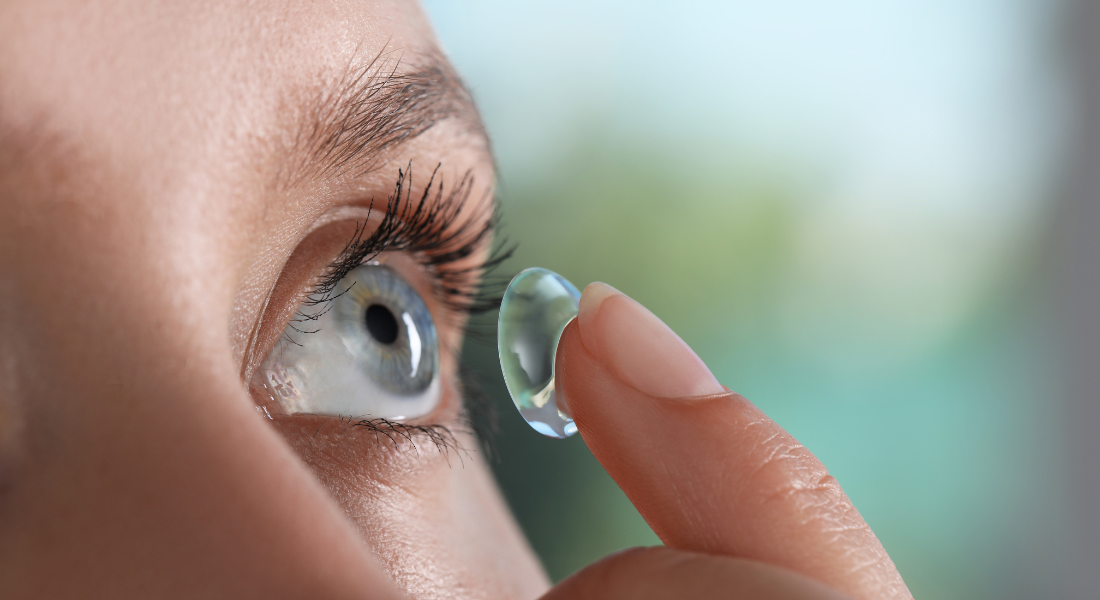
Contact lens discomfort can develop for several different reasons, and the cause is not always straightforward. If you wear contact lenses, your symptoms may be related to dryness, an unsuitable lens fit, inflammation, tear film instability or sensitivity to the lens material or cleaning solution. Because multiple factors can contribute to discomfort, identifying the underlying cause is often an important part of managing your symptoms.
Researchers are studying tear biomarkers to better understand why some people wear contact lenses comfortably while others develop persistent irritation. Changes in your tear film and levels of inflammatory biomarkers may provide valuable information about how your eyes are responding to contact lens wear. This research may improve our understanding of the biological processes that contribute to contact lens discomfort.
This does not mean that every contact lens wearer needs tear biomarker testing. However, in more complex cases where your symptoms continue despite changing your lenses, improving lens care or making other adjustments, analysing your tear biomarkers may provide additional information. As research progresses, this approach may help your eye specialist develop a more personalised treatment plan based on your individual eye health and tear film changes.
Tear Biomarkers and Infection Research
Your tears contain immune markers that can change when your eyes are affected by an infection. Researchers are investigating whether analysing your tear biomarkers could help identify infection-related inflammation or distinguish between different causes of a red eye. Because your tears respond to changes on the ocular surface, they may provide useful biological information about how your immune system is reacting.
This is still an emerging area of research, and tear biomarker testing is not yet routinely used to diagnose eye infections in everyday clinical practice. If your eye specialist suspects an infection, they will usually assess your symptoms, examine your eyes, review your medical history and, in some cases, arrange swabs or other investigations. These clinical assessments remain the most important methods for diagnosing and managing eye infections.
Tear biomarkers may eventually provide additional information alongside clinical examination, but they are not currently routine tests for diagnosing eye infections. Seek urgent help through an optometrist, GP, urgent eye service or NHS 111 if you develop a very painful or red eye, sensitivity to light or changes in your vision. Sudden loss of vision or sudden severe eye pain requires immediate emergency assessment.
Tear Biomarkers and Glaucoma Research
Glaucoma is a condition that mainly affects your optic nerve, so it cannot be diagnosed through tear analysis alone. If your eye specialist is assessing you for glaucoma, they will usually measure your eye pressure, examine your optic nerve, perform specialised imaging and carry out visual field testing. These established tests remain the foundation of glaucoma diagnosis and ongoing monitoring.
Researchers are exploring whether your tear biomarkers could provide additional information about inflammation, tissue stress and disease activity in glaucoma and other eye conditions. Because your tears contain a range of biological molecules, they may offer further insights into changes occurring within your eyes. Although this research is promising, it is still developing and requires further study before becoming part of routine glaucoma care.
At present, tear biomarkers should be viewed as complementary research tools rather than replacements for established glaucoma tests. Your eye specialist will continue to rely on a comprehensive clinical assessment to diagnose and monitor your condition. In the future, analysing your tear biomarkers may provide additional information to support personalised care, but they are not currently a substitute for standard diagnostic examinations.
Tear Biomarkers and Retinal Disease Research
Retinal conditions such as diabetic retinopathy and age-related macular degeneration affect the deeper structures at the back of your eye. If your eye specialist is assessing your retina, they will usually perform a retinal examination and may use retinal photography, optical coherence tomography (OCT) scans or, in some cases, angiography. These investigations remain the standard methods for diagnosing and monitoring retinal disease.
Researchers are investigating whether your tear biomarkers may reflect some of the biological changes associated with retinal disease. Because collecting your tears is simple and minimally invasive compared with obtaining fluid from inside your eye, tear analysis has become an attractive area of research. Scientists hope that certain biomarkers may provide additional insights into disease activity or help monitor changes over time.
However, this field is still evolving, and tear biomarker testing is not a replacement for retinal imaging or specialist examination. Your eye specialist will continue to rely on established diagnostic tests to assess your retinal health. As research progresses, analysing your tear biomarkers may become a valuable complementary tool that supports future research, disease monitoring and more personalised eye care.
Why Biomarkers May Support Personalised Care
One of the most promising aspects of tear biomarker research is its potential to support more personalised eye care. Although you and another person may experience similar eye symptoms, the underlying biological causes may be very different. Understanding these differences can help your eye specialist look beyond symptoms alone and gain a clearer picture of what is happening on the surface of your eyes.
For example, you and another patient may both describe burning, gritty or uncomfortable eyes. However, your symptoms may be caused mainly by evaporative dry eye, while the other person may have ocular surface inflammation, an eye allergy, medication-related dryness or damage to the surface of the eye. Because these conditions can produce similar symptoms, identifying the underlying cause is important when planning treatment.
Tear biomarkers may help your eye specialist identify which biological processes are active in your eyes. By combining this information with your symptoms, medical history and clinical examination, treatment may become more targeted and tailored to your individual needs. As research continues to advance, this personalised approach has the potential to improve both diagnosis and long-term management of ocular surface conditions.
Can Tear Biomarkers Detect Disease Earlier?
One of the most promising areas of tear biomarker research is the possibility of detecting biological changes before they become obvious during a routine eye examination. Your tear biomarkers may reveal early signs of inflammation, tear film instability or other changes affecting the surface of your eyes, which is why they are attracting increasing interest in modern ophthalmology. Earlier identification of these changes may help your eye specialist gain a better understanding of your eye health.
If changes can be detected at an earlier stage, your eye specialist may be able to monitor your condition more closely, reduce the risk of disease progression or recommend appropriate treatment sooner when needed. Early detection may also help identify which patients are more likely to benefit from regular follow-up, particularly if they have conditions that can worsen over time.
However, a tear biomarker result should never be interpreted in isolation. Your test results need to be reliable, repeatable and clinically meaningful before they can support medical decision-making. Your eye specialist will always interpret your tear biomarkers alongside your symptoms, examination findings and medical history to ensure that any conclusions about your eye health are accurate and appropriate for your individual circumstances.
Can Tear Biomarkers Monitor Treatment Response?
Tear biomarkers may also help your eye specialist monitor how well your treatment is working over time. If your treatment reduces inflammation, improves the stability of your tear film or supports the health of your ocular surface, these changes may be reflected in your tear biomarker measurements. This may provide additional information about how your eyes are responding beyond what you are feeling day to day.
This approach may be particularly valuable if you have a chronic condition such as dry eye disease, where your symptoms can vary from one day to another. Your eyes may feel better on some days and worse on others, making it difficult to judge whether your treatment is having the desired effect. Measuring your tear biomarkers may help your eye specialist assess whether there are objective improvements in your ocular surface health alongside your reported symptoms.
However, monitoring your condition is never based on tear biomarkers alone. Your eye specialist will also consider your comfort, vision, clinical examination findings and the impact your symptoms have on your daily life. By combining all of this information, your treatment plan can be reviewed and adjusted to provide the most appropriate care for your individual needs.
Benefits of Tear Biomarker Testing
One of the main benefits of tear biomarker testing is that it can provide additional information about your eye health without the need for invasive procedures. Your tears can usually be collected quickly and safely from the surface of your eyes, making the process simple and comfortable. This makes tear analysis an attractive option for both research and, in some cases, clinical assessment.
Another advantage is that your tear biomarkers may reveal biological activity that is not always obvious during a routine eye examination. Changes such as inflammation, tear film instability or other ocular surface processes may be detected even when the visible signs are subtle. This can be particularly helpful if your symptoms are complex or if your examination findings do not fully explain how your eyes feel.
For suitable patients, tear biomarker testing may support a more precise diagnosis and a more personalised treatment plan. However, your tear biomarker results should always be interpreted alongside your symptoms, medical history and clinical examination findings. Rather than providing all the answers on their own, your tear biomarkers are best viewed as an additional tool that helps your eye specialist understand your condition more completely.
Limitations You Should Understand

Tear biomarker testing has several important limitations that you should be aware of. Your test results can be influenced by factors such as the method used to collect your tears, the volume of tears available, the time of day, medications, eye drops, inflammation and even environmental conditions. Because of these variables, your results may differ between tests and should always be interpreted with care.
Not every tear biomarker currently has a well-established role in routine clinical practice. While some biomarkers, such as tear osmolarity and MMP-9, are already used in selected clinical situations, many others are still being investigated in research settings. As a result, not all tear biomarker tests are ready to be used as part of everyday diagnosis or treatment planning.
For this reason, it is important not to overinterpret a single tear biomarker result. Your eye specialist will consider your tear biomarker findings alongside your symptoms, medical history and a comprehensive eye examination before reaching any conclusions. By assessing all of this information together, your specialist can provide a more accurate understanding of your eye health and recommend the most appropriate care for you.
UK Clinical Guidance Note
Current eye care relies on a combination of symptoms, clinical examination and established diagnostic tests. Tear biomarkers are an emerging area and should currently be considered as an additional source of information rather than a replacement for standard ophthalmic assessment.
The Future of Tear Biomarkers in Ophthalmology
The future of tear biomarker research is likely to bring more advanced testing methods, faster point-of-care devices and stronger links between biomarker results and personalised treatment plans. As technology continues to improve, your eye specialist may have access to more detailed information about your tear film and ocular surface during a routine appointment. This could make tear analysis a more common part of diagnosing and monitoring selected eye conditions.
For you as a patient, the greatest potential benefit is a clearer understanding of what may be happening on the surface of your eyes. Your tear biomarkers may provide valuable information about inflammation, tear film instability or other biological changes that are not always visible during a standard eye examination. This additional insight may help explain why your symptoms occur and support more accurate clinical decision-making.
As research continues to evolve, analysing your tear biomarkers may become particularly valuable if you have complex dry eye disease, ocular allergy, persistent inflammation or symptoms that do not match standard test results. Although tear biomarker testing is still developing, it has the potential to support more personalised eye care by helping your eye specialist tailor diagnosis, monitoring and treatment to your individual needs.
Myth vs Fact
| Myth | Fact |
| Tear biomarkers can replace an eye examination | They currently support, rather than replace, clinical assessment |
| A biomarker result gives a definite diagnosis | Results must be interpreted with symptoms and examination findings |
| Tear testing is only useful for dry eye | Researchers are studying wider applications in ophthalmology |
| All tear biomarker tests are available routinely | Many remain in research stages |
Key Takeaways
- Tear biomarkers are measurable substances found in tears that may provide information about inflammation, tear film stability and other biological processes affecting your eyes.
- Tear biomarker testing is an emerging area of ophthalmology and should be used alongside symptoms, medical history and a comprehensive eye examination rather than as a replacement for standard tests.
- Some tear-based tests, such as tear osmolarity and MMP-9 testing, are already used in selected clinical situations, particularly when assessing dry eye disease and ocular surface inflammation.
- Researchers are exploring how tear biomarkers may support earlier detection, treatment monitoring and more personalised care for conditions affecting the ocular surface and other parts of the eye.
- Tear biomarker results can be influenced by several factors, including tear collection methods, medications, environmental conditions and natural variations in tear composition.
- Although tear biomarkers show promise for the future of eye care, many applications remain under investigation and require further research before becoming part of routine clinical practice.
Frequently Asked Questions
- What are tear biomarkers and why are they important?
Tear biomarkers are measurable substances found in your tears that provide information about the health of your eyes. They can reflect inflammation, tear film stability, immune activity, and other biological changes, helping eye specialists gain a better understanding of certain eye conditions alongside a comprehensive eye examination. - What types of eye conditions can tear biomarkers help assess?
Tear biomarkers are most commonly studied in conditions such as dry eye disease, meibomian gland dysfunction, ocular allergy, and contact lens discomfort. Researchers are also investigating their potential role in glaucoma, retinal diseases, and eye infections, although these applications remain largely within research settings. - How are tear biomarkers collected during an eye examination?
Tear samples are usually collected using a small absorbent strip placed near the lower eyelid or a tiny capillary tube that gently gathers a small amount of tears. These methods are generally quick, minimally invasive, and designed to cause little discomfort. - Can tear biomarker testing diagnose dry eye disease on its own?
No. Tear biomarker testing cannot diagnose dry eye disease by itself. The results must be considered alongside your symptoms, medical history, and other clinical assessments, such as tear break-up time, ocular surface staining, eyelid examination, and tear film evaluation. - What is tear osmolarity and what does it tell us about eye health?
Tear osmolarity measures the concentration of dissolved particles in your tears. Higher tear osmolarity may indicate that the tear film is unstable, which is commonly associated with dry eye disease. It is one of several tests that can help assess tear film health. - What is MMP-9 and why is it measured in tears?
MMP-9 is an inflammatory enzyme that may be elevated in people with ocular surface inflammation, particularly those with certain forms of dry eye disease. Measuring MMP-9 can help identify whether inflammation is contributing to your symptoms and may assist your eye specialist when planning treatment. - Can tear biomarkers help personalise treatment for eye conditions?
Potentially, in selected cases. Tear biomarkers may provide additional information about inflammation or tear-film instability, but evidence that they can routinely guide more effective personalised treatment remains limited. Results should always be interpreted alongside a comprehensive clinical assessment.. - Are tear biomarker tests available in routine clinical practice?
Some tear biomarker tests, including tear osmolarity and MMP-9 testing, are already available in certain eye clinics. However, many other tear biomarker tests are still being researched and are not yet part of standard clinical care. - What are the limitations of tear biomarker testing?
Tear biomarker results can be influenced by factors such as the method of sample collection, time of day, medications, eye drops, environmental conditions, and natural variations in tear production. For this reason, test results should always be interpreted alongside a full clinical assessment. - How could tear biomarker testing improve the future of eye care?
Tear biomarkers may support research and selected dry-eye assessments. However, their ability to detect eye disease earlier, monitor treatment more accurately or improve outcomes has not yet been established for most conditions. Further validation and standardisation are required before wider routine use.
Final Thoughts: The Growing Role of Tear Biomarkers in Modern Eye Care
Tear biomarkers are changing the way researchers and eye specialists understand ocular health. By analysing the biological substances naturally present in your tears, it may become possible to identify inflammation, tear film instability, and other underlying changes with greater precision than relying on symptoms alone. While many applications are still being researched, some tests, such as tear osmolarity and MMP-9, are already helping to support the assessment of selected patients with dry eye disease.
As scientific knowledge continues to grow, tear biomarker testing has the potential to make eye care more personalised by helping clinicians tailor treatment to the biological processes affecting each individual patient. However, these tests should always be interpreted alongside a comprehensive eye examination, your symptoms, and your medical history, rather than being used in isolation.
If you are experiencing ongoing dry eyes, irritation, fluctuating vision, or other persistent ocular symptoms, seeking advice from an experienced ophthalmologist is the best way to receive an accurate diagnosis and appropriate management. If you would like to learn more about tear biomarkers in London or explore whether advanced diagnostic testing may be suitable for your symptoms, the specialists at Eye Clinic London can provide a personalised assessment based on your individual eye health needs.
References:
- Ponzini, E. (2024) ‘Tear biomarkers’, Advances in Clinical Chemistry, 120, pp. 69–115. Available at: https://pubmed.ncbi.nlm.nih.gov/38762243/
- Chesnokova, N.B., Katargina, L.A., Pavlenko, T.A. and Beznos, O.V. (2025) Biomarkers in tear fluid in uveitis. Vestnik Oftalmologii, 141(4), pp. 88–95. Available at: https://pubmed.ncbi.nlm.nih.gov/40920163/
- Wolffsohn, J.S., Benítez-Del-Castillo, J.M., Loya-Garcia, D. et al. (2025) ‘TFOS DEWS III: Diagnostic Methodology’, American Journal of Ophthalmology, 279, pp. 387–450. Available at: https://pmc.ncbi.nlm.nih.gov/articles/PMC12072947/
- Perumal, N., Funke, S., Pfeiffer, N. and Grus, F.H. (2016) ‘Proteomics analysis of human tears from aqueous-deficient and evaporative dry eye patients’, Scientific Reports, 6, Article 29629. Available at: https://pmc.ncbi.nlm.nih.gov/articles/PMC5264463/
- Sambursky, R., Davitt, W.F., Latkany, R., Tauber, S., Starr, C.E., Friedberg, M., Dirks, M.S. and McDonald, M. (2013) ‘Sensitivity and specificity of a point-of-care matrix metalloproteinase 9 immunoassay for diagnosing inflammation related to dry eye’, JAMA Ophthalmology, 131(1), pp. 24–28. Available at: https://pubmed.ncbi.nlm.nih.gov/22810451/