


Why Minimally Invasive Eye Surgery Is Growing in Popularity
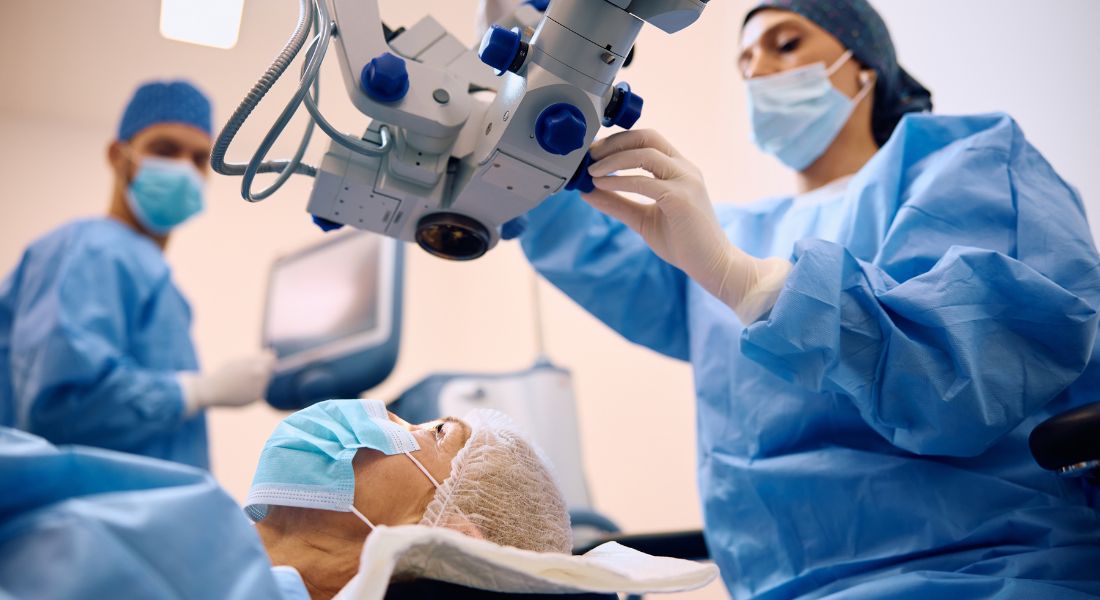
Eye surgery has changed significantly in recent years, with advances in technology and surgical techniques helping improve precision, reduce tissue disruption and support more personalised treatment approaches. Minimally invasive eye surgery focuses on reducing disruption to delicate eye tissues while improving surgical accuracy and recovery experiences for suitable patients. These developments are helping reshape how many eye conditions are treated.
“Minimally invasive eye surgery” is a broad description rather than a single operation. It can refer to different techniques used in cataract, glaucoma, retinal and refractive surgery, and the potential benefits, risks and recovery vary considerably between procedures.
Compared with older or more invasive techniques used for the same condition, some modern procedures use smaller incisions, finer instruments or more targeted treatment. However, the relevant comparison and expected recovery differ between cataract, glaucoma, retinal and refractive surgery.
For you, this shift means that some eye procedures may offer improved comfort, quicker recovery and more tailored treatment options. Minimally invasive approaches allow specialists to consider your individual eye health and treatment goals when planning care. As research and technology continue to advance, these techniques are becoming an increasingly important part of modern ophthalmology.
What Is Minimally Invasive Eye Surgery?
If you are considering eye surgery, minimally invasive techniques may offer an approach that uses smaller incisions, advanced instruments and refined surgical methods. The aim is to treat your eye condition effectively while causing less disruption to healthy eye tissue. This can help improve comfort during recovery and support better healing.
These procedures often use specialised technology that can help your surgeon perform delicate steps with greater accuracy and control. Smaller surgical openings and advanced imaging systems may help reduce disruption to surrounding tissues in selected procedures and support a smoother recovery process. Your specialist will consider your condition and treatment goals when deciding whether this approach is suitable for you.
Minimally invasive eye surgery is now used in several areas of ophthalmology, including glaucoma treatment, cataract surgery, selected retinal procedures and some vision correction treatments. As technology continues to advance, you may have access to more personalised surgical options. These developments may improve precision and reduce tissue disruption in selected procedures, but they do not eliminate complications or guarantee a faster recovery.
UK Guidance Note
In the UK, the availability and recommended use of minimally invasive eye procedures vary according to the condition, device and available evidence. Some procedures have established guidance, while others may require specific governance, consent, audit or further research. Your ophthalmologist should explain how a proposed procedure compares with established alternatives and whether it is appropriate for your circumstances.
Advances In Surgical Technology
Advances in surgical technology have played a major role in making minimally invasive eye surgery more common. If you need eye surgery, modern equipment can help your surgeon perform complex procedures with greater control, accuracy and precision. These improvements may help make some treatments more precise and predictable.
Advanced microscopes, imaging systems, laser technology and computer-assisted planning tools provide detailed information before and during your procedure. This allows your surgeon to better understand your eye’s structure and plan treatment with greater accuracy. Having access to this technology can support a more personalised approach to your care.
These innovations may help reduce certain surgical risks and improve the overall treatment experience when used appropriately. By using technology that is tailored to your individual eye anatomy, your specialist can select techniques that best suit your condition. As surgical tools continue to develop, minimally invasive procedures are becoming an increasingly important part of modern eye care.
Faster Recovery After Surgery
One possible benefit of some minimally invasive eye procedures is that they may support a more comfortable recovery process. However, recovery time depends on the specific procedure, your eye health and individual healing. Smaller incisions and reduced disruption to surrounding eye tissues can allow your eye to heal more comfortably after treatment. This can make the recovery process easier for many patients.
Some patients may experience less discomfort and a quicker return to usual activities compared with certain traditional surgical approaches. However, recovery depends on the type of procedure, your individual eye health and how well you follow postoperative instructions.
Every patient’s recovery timeline is different, and there is no single recovery period that applies to everyone. Your specialist will provide guidance based on your specific procedure and overall eye condition. By following postoperative instructions carefully, you can support healing and protect your vision during recovery.
Minimally Invasive Glaucoma Surgery (MIGS)
Glaucoma treatment has benefited from advances in minimally invasive techniques for selected patients. If you have glaucoma, minimally invasive glaucoma surgery (MIGS) may be an option to help manage eye pressure using small devices or procedures that improve fluid drainage. These approaches aim to reduce pressure inside your eye while causing less disruption to surrounding tissues.
Compared with some traditional glaucoma operations, MIGS procedures are generally less invasive and may support a more comfortable recovery for selected patients. Your specialist will consider factors such as the severity of your glaucoma, your eye health and your treatment goals when deciding whether MIGS is appropriate for you. This helps ensure that your care plan is tailored to your needs.
MIGS is commonly considered for selected people with open-angle glaucoma, sometimes when cataract surgery is also planned. It may offer a less invasive option, but it may not lower eye pressure as much as more established filtering surgery and may not be appropriate when a very low target pressure is required. The choice depends on the severity of your glaucoma, your target eye pressure, previous treatment and the evidence for the specific procedure or device.
MIGS is often considered alongside other glaucoma treatments, including eye drops and laser procedures. For some patients, these techniques can provide an additional way to manage eye pressure and protect vision. Your ophthalmologist can discuss the available options and explain which approach may be most suitable for your condition.
Improvements In Cataract Surgery
Modern cataract surgery has become more refined, with smaller incisions, advanced lens options and improved surgical planning helping to support better visual outcomes. Your surgeon can consider your eye health, lifestyle and vision goals to create a personalised treatment approach.
Key Features of Modern Cataract Surgery
| Feature | How It Works | Potential Benefits | Important Considerations |
| Intraocular lens selection | Uses eye measurements and discussion of your visual priorities to select an appropriate artificial lens | May reduce dependence on glasses for selected patients, depending on the lens type and visual goals | Lens options involve trade-offs, and not every design is suitable for every eye |
| Advanced lens technology | Uses improved intraocular lens options after cataract removal | Can enhance vision quality and reduce dependence on glasses for some patients | Lens choice depends on individual needs |
| Personalised treatment planning | Considers lifestyle, eye health and visual goals | Helps create a treatment plan suited to each patient | Not every lens option is suitable for everyone |
| Improved surgical techniques | Uses refined methods and modern equipment | May help make surgery more predictable and comfortable | Outcomes can vary based on eye condition |
| Faster recovery | Minimally invasive approaches support healing after surgery | Many patients return to normal activities sooner | Follow-up care remains important |
| Better visual outcomes | Combines technology and surgical expertise | May help improve visual outcomes in suitable patients | Results depend on individual factors |
Laser-Assisted Eye Procedures
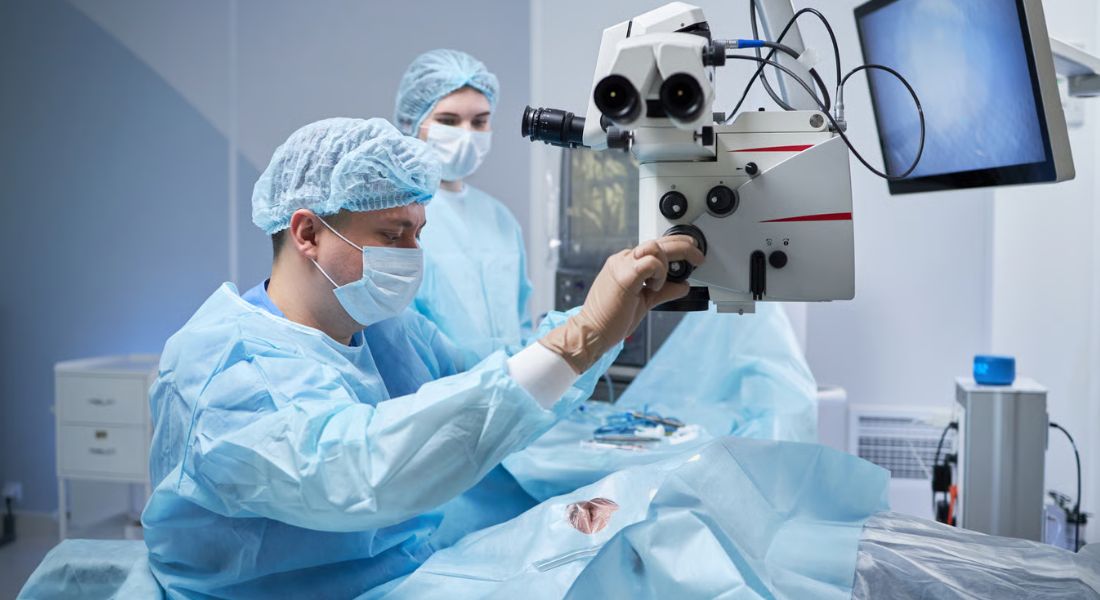
Laser technology has played an important role in making many eye procedures more precise and controlled. If you are considering eye surgery, laser-assisted techniques may allow your surgeon to perform specific steps with greater accuracy using carefully controlled energy delivery. These techniques may support precision in selected procedures, but they do not remove the risks of surgery or guarantee a particular visual outcome.
In procedures such as refractive surgery, lasers are used to reshape your cornea and correct vision problems such as short-sightedness, long-sightedness and astigmatism. Your specialist will assess your eye health and vision requirements to determine whether this type of treatment is suitable for you. Careful planning helps ensure the procedure is tailored to your individual needs.
Developments in laser technology may support more consistent treatment planning in suitable patients. Outcomes still depend on the procedure, your prescription, corneal health, healing response and specialist assessment.
Improved Surgical Precision
Precision is essential in eye surgery because the structures involved are extremely delicate and require careful handling. If you are undergoing an eye procedure, even small improvements in surgical accuracy can influence your treatment experience and outcomes. Modern techniques are designed to help surgeons work with greater control and confidence.
Advanced imaging tools and computer-assisted systems allow your surgeon to plan procedures using detailed measurements of your individual eye structure. This information helps your specialist understand your specific needs and choose the most suitable surgical approach. Personalised planning can improve accuracy and reduce uncertainty during treatment.
By tailoring procedures to your eye anatomy, minimally invasive techniques can support more predictable results. Your surgeon can use detailed information to guide each stage of the procedure and support more informed treatment decisions. These advances may support more precise and personalised care, but the outcome still depends on the procedure, your eye condition and specialist expertise.
Evidence Note
Research suggests that minimally invasive eye surgery techniques, including MIGS and some laser-assisted procedures, may improve surgical precision and support recovery in selected patients. However, suitability depends on individual eye health, the specific condition being treated and specialist assessment.
Potential to Reduce Tissue Disruption
By using smaller instruments and more targeted approaches, some procedures may reduce tissue disruption compared with more invasive alternatives for the same condition. However, this does not mean that overall complication rates are lower for every procedure or every patient.
Better visualisation, improved surgical planning and advanced technology all contribute to greater precision during procedures. These developments allow your surgeon to understand your eye structure more clearly and perform treatment with improved control. This can help enhance safety while supporting better outcomes.
Although every surgical procedure carries some level of risk, advances in minimally invasive techniques continue to improve safety standards in ophthalmology. Your specialist will assess your individual condition and discuss the potential benefits and risks before recommending treatment. This helps ensure that your care plan is based on your specific needs.
Patient Comfort And Experience
Patient experience has become an important focus in modern eye care, with specialists looking for ways to make procedures more comfortable and convenient. Minimally invasive eye surgery aims to reduce discomfort, limit disruption to the eye and support a smoother recovery process. This can help you feel more confident when considering treatment.
Shorter procedures, reduced postoperative irritation and a quicker return to daily activities may improve your overall experience after surgery. However, your recovery will depend on factors such as the type of procedure, your eye health and how well you follow aftercare guidance. Your specialist can explain what you can expect during recovery.
As technology continues to advance, patient-centred care is becoming an increasingly important part of surgical decision-making. Your individual needs, lifestyle and treatment goals can be considered when planning your care. This approach helps ensure that surgical options are tailored to provide the most suitable outcome for you.
Role Of Advanced Imaging
Advanced imaging technology has transformed the way eye surgeons plan and perform procedures. Detailed scans allow your specialist to gain a clearer understanding of your eye structure and identify any factors that may affect treatment. This information helps create a more accurate and personalised surgical plan for you.
These advanced images allow surgeons to choose the most suitable technique and prepare for any potential challenges before your procedure. By having a detailed view of your eye, your surgeon can make more informed decisions about the safest approach. This can improve precision during surgery and support better outcomes.
Better imaging can support surgical planning and decision-making, but it does not by itself guarantee safer surgery or a more predictable result. Outcomes still depend on the procedure, the underlying eye condition and how the information is interpreted by your surgical team.
Personalised Surgical Approaches
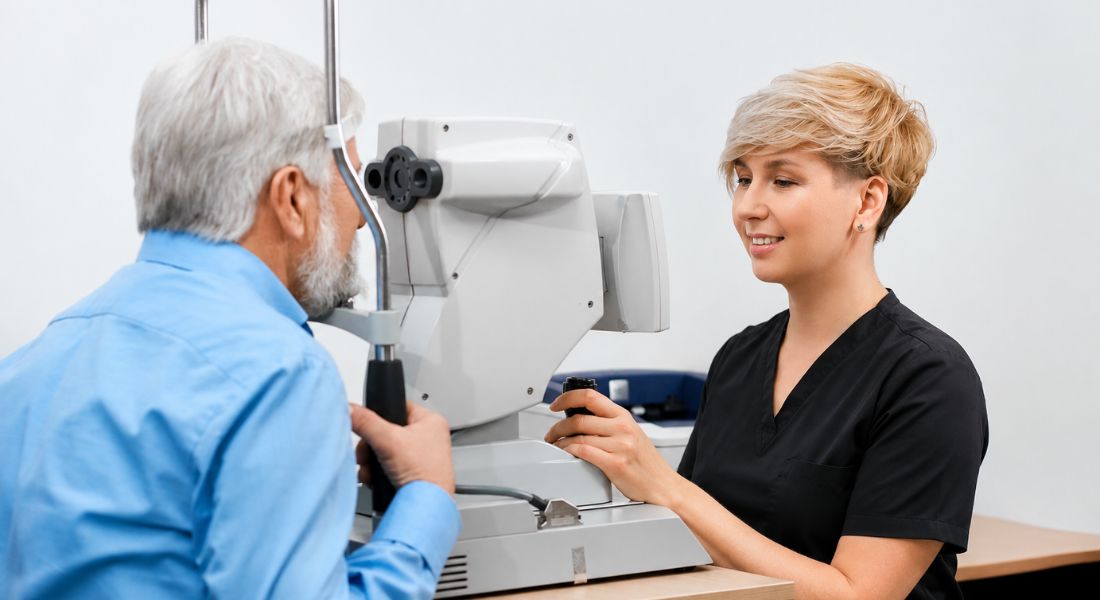
Every patient’s eyes are unique, which means your treatment plan needs to be carefully tailored to your individual needs. Minimally invasive eye surgery supports this personalised approach by allowing your surgeon to choose techniques that are most suitable for your condition. This helps ensure that your care is based on your specific eye health rather than a standard approach.
When planning your procedure, your specialist will consider factors such as your eye anatomy, the severity of your condition, your lifestyle and any previous treatments you have received. These details help your surgeon understand your needs and select the most appropriate surgical method. Careful planning can improve both the safety and effectiveness of treatment.
A personalised approach means you receive care that is designed around your individual circumstances. Rather than using a one-size-fits-all method, your surgeon can focus on the technique that best supports your vision and recovery goals. This is one of the reasons minimally invasive procedures are becoming increasingly important in modern ophthalmology.
Expanding Treatment Options
As minimally invasive techniques develop, some patients may gain additional treatment options. However, innovation does not automatically make surgery suitable for a wider group. Suitability still depends on your diagnosis, disease severity, eye anatomy, previous treatment and the evidence supporting the specific procedure.
Patients with different levels of disease severity may now have access to a wider range of treatment approaches. Your eye specialist can consider factors such as your condition, overall eye health and treatment goals when recommending the most appropriate option. This allows care to be more closely matched to your individual needs.
The expansion of minimally invasive procedures gives specialists greater flexibility when planning treatment strategies. Instead of relying on a single approach, your care team can compare the likely benefits, limitations and risks of the options that are appropriate for you. These advances are helping make modern eye surgery more personalised and adaptable.
The Role Of Artificial Intelligence
Artificial intelligence (AI) is becoming an increasingly important area of research in ophthalmic surgery. AI systems can analyse complex medical information and support your surgeon with treatment planning and decision-making.
- Treatment planning: Helps surgeons analyse information about your eye health and support more personalised surgical approaches.
- Risk assessment: AI research is exploring whether patient information and imaging data can support future risk assessment models.
- Data analysis: Uses large amounts of medical information to support more informed decisions and improve understanding of eye conditions.
- Surgical support: May help improve planning and precision during certain eye procedures as the technology continues to develop.
- Specialist support: Works alongside your surgeon’s experience and judgement rather than replacing clinical expertise.
Although AI is designed to support rather than replace specialist expertise, it may become a valuable tool in improving precision and personalised eye care. As technology continues to develop, AI could help your eye care team make more informed decisions while maintaining the importance of specialist knowledge and patient-focused care.
Minimally Invasive Retinal Procedures
Retinal surgery has benefited from significant advances in surgical instruments and techniques. Smaller, more refined tools allow your surgeon to access delicate retinal structures with greater precision and control. These improvements are helping make some retinal procedures more targeted and precise.
By reducing disruption to surrounding tissues, minimally invasive retinal techniques may help lower trauma and support a smoother recovery after surgery. Your specialist will consider your specific retinal condition and overall eye health when deciding which approach is most suitable for you. Careful planning is essential when treating delicate areas of the eye.
Research continues to focus on making retinal surgery safer, more precise and more effective for patients with challenging conditions. These developments may expand treatment options and improve how some retinal conditions are managed. As technology advances, you may benefit from more personalised surgical approaches in the future.
The Importance Of Surgeon Expertise
While technology plays an important role in minimally invasive eye surgery, the experience and skill of your surgeon remain essential. Advanced equipment can support precision and accuracy, but specialist knowledge is needed to interpret information and make careful decisions. The combination of technology and expertise helps support safer and more effective treatment decisions.
An experienced eye surgeon understands how to select the most appropriate technique based on your individual condition, eye anatomy and treatment goals. They can consider the potential benefits and risks of different approaches before recommending the best option for you. This personalised decision-making is an important part of achieving successful outcomes.
The best results come from combining modern surgical technology with specialist clinical expertise. Your surgeon’s judgement, experience and understanding of your needs all play a key role in your care. As minimally invasive techniques continue to develop, expert guidance remains central to providing high-quality eye treatment.
Growing Patient Awareness
Patients today are becoming more informed about the treatment options available to them and are taking a more active role in healthcare decisions. If you are considering eye surgery, you may want to understand which procedures can provide effective results while causing less disruption to your daily life. Access to information allows you to have more meaningful discussions with your specialist.
The demand for quicker recovery, improved comfort and personalised care has contributed to growing interest in minimally invasive eye surgery. These approaches may offer benefits for suitable patients while helping reduce some of the challenges associated with traditional procedures. Your eye specialist can explain whether a minimally invasive option is appropriate for your condition.
Clear communication between you and your healthcare team is essential for setting realistic expectations and making informed decisions. Understanding the benefits, limitations and potential risks of a procedure can help you feel more confident about your treatment plan. A collaborative approach ensures that your care is based on your individual needs and goals.
The Future Of Minimally Invasive Eye Surgery
Research into minimally invasive eye surgery continues to explore smaller instruments, improved imaging and navigation systems, advanced surgical devices and selected forms of robotic assistance. These developments aim to improve control and precision, but emerging technologies require appropriate evaluation before they become part of routine care.
Future innovations may allow your surgeon to perform procedures with even greater accuracy and create treatment plans that are more personalised to your needs. Improved tools and techniques could help reduce risks, support smoother recovery and improve surgical outcomes. Your specialist will continue to consider the most suitable approach based on your individual eye health.
As research progresses, minimally invasive eye surgery is expected to remain an important focus within ophthalmology. By combining advanced technology with specialist expertise, your eye care team can continue improving the safety and effectiveness of treatments. These developments may help make eye surgery more comfortable, precise and tailored to your vision needs.
Clinical Tip
After eye surgery, follow the emergency instructions provided by your surgical team. Seek urgent assessment if you develop severe or increasing pain, worsening redness, a sudden reduction or loss of vision, new flashes or floaters, a dark curtain or shadow across your vision, marked discharge, or severe eye pain accompanied by nausea. Do not wait for a routine follow-up appointment if your symptoms are rapidly worsening.
Choosing The Right Treatment Approach

Although minimally invasive procedures offer many potential benefits, they are not suitable for every patient. The most appropriate treatment option depends on your specific eye condition, overall health and individual needs. Your specialist will consider these factors carefully before recommending a surgical approach.
A detailed assessment by an eye specialist is an important step before deciding on any procedure. Your doctor will evaluate your eye health, discuss your treatment goals and explain which options may be most suitable for you. This helps ensure that any recommended treatment is tailored to your circumstances.
Before proceeding with surgery, it is important to understand the potential benefits, risks and available alternatives. Having an open discussion with your specialist allows you to make a more informed decision about your care. Choosing the right approach is about finding the treatment option that best supports your vision and long-term eye health.
Myth vs Fact
| Myth | Fact |
| Minimally invasive eye surgery means there are no risks. | All eye procedures carry potential risks, and your specialist will discuss these before treatment. |
| Smaller incisions guarantee faster recovery for everyone. | Recovery varies depending on the procedure, eye health and individual healing response. |
| Minimally invasive surgery is suitable for every patient. | Suitability depends on your condition, treatment goals and specialist assessment. |
| New technology replaces the need for surgeon expertise. | Technology supports surgeons, but clinical experience and judgement remain essential. |
| Laser and AI technology can completely prevent complications. | These tools may improve precision and treatment planning but cannot eliminate all surgical risks. |
Key Takeaways
- Minimally invasive eye surgery uses advanced techniques designed to reduce disruption to delicate eye tissues.
- Smaller incisions and improved technology may support a more comfortable recovery for suitable patients.
- MIGS, cataract surgery and selected laser-assisted procedures have benefited from ongoing surgical advances.
- Advanced imaging and AI may help improve treatment planning and personalised care.
- Not every patient is suitable for minimally invasive procedures, so specialist assessment is important.
Frequently Asked Questions
- What is minimally invasive eye surgery?
Minimally invasive eye surgery uses advanced techniques, smaller incisions and specialised instruments to treat eye conditions with less disruption to delicate tissues. These procedures aim to improve precision, comfort and recovery while being tailored to your individual eye health. - Why is minimally invasive eye surgery becoming more popular?
Minimally invasive eye surgery is growing in popularity because advances in technology may allow more precise treatment planning and reduced tissue disruption in selected procedures. Advances in technology have helped improve precision and allow specialists to provide more personalised treatment approaches. - Is minimally invasive eye surgery safer than traditional eye surgery?
Minimally invasive techniques are designed to reduce disruption to the eye and may help lower certain risks. Your specialist will assess your condition and explain whether this approach is suitable for you. - How long does recovery take after minimally invasive eye surgery?
Recovery times vary depending on the type of procedure and your individual eye health. Many minimally invasive techniques may support a more comfortable recovery due to smaller incisions and reduced tissue disruption. - What eye conditions can be treated with minimally invasive surgery?
Minimally invasive techniques may be used for conditions such as glaucoma, cataracts, selected retinal problems and some vision correction procedures. Your specialist will recommend the most appropriate treatment based on your specific needs. - What is minimally invasive glaucoma surgery (MIGS)?
Minimally invasive glaucoma surgery (MIGS) uses small devices or refined techniques to help manage eye pressure. It may be suitable for some glaucoma patients depending on their condition and treatment goals. - How has technology improved minimally invasive eye surgery?
Advanced imaging, laser technology and computer-assisted planning have helped surgeons perform eye procedures with greater accuracy. These tools support more personalised treatment planning and improved surgical precision. - Can artificial intelligence improve eye surgery?
Artificial intelligence (AI) may help surgeons analyse information, identify patterns and support treatment planning. It is designed to work alongside specialist expertise rather than replace clinical judgement. - Are minimally invasive eye procedures suitable for everyone?
No, minimally invasive procedures are not suitable for every patient. Your eye specialist will consider your condition, overall health and treatment goals before recommending the best approach. - What should you consider before choosing minimally invasive eye surgery?
You should discuss the potential benefits, risks and alternatives with your eye specialist before deciding on treatment. A personalised assessment can help you choose the option that best supports your vision and long-term eye health.
Final Thoughts: The Future Of More Personalised Eye Care
Minimally invasive eye surgery is changing how selected eye conditions are treated by combining smaller instruments or incisions with advanced imaging, modern technology and specialist expertise. In suitable patients, these approaches may support precise treatment, less tissue disruption and a smoother recovery, but the benefits depend on the specific procedure and cannot be assumed for every patient.
While these developments offer exciting possibilities, they are not suitable for everyone. The most appropriate treatment or monitoring approach depends on your individual eye health, medical history and specific needs. A thorough assessment with an eye specialist can help you understand which options may be right for you. If you’d like to find out whether minimally invasive eye surgery in London is suitable for you, feel free to contact us at Eye Clinic London to arrange a consultation.
References
- Manasses, D.T. et al. (2023) ‘Minimally invasive glaucoma surgery: A review of current devices and future directions’, Journal of Clinical Medicine, 12(6), Article 2210. Available at: https://www.mdpi.com/2077-0383/12/6/2210
- Saheb, H. and Ahmed, I.I.K. (2012) ‘Micro-invasive glaucoma surgery: Current perspectives and future directions’, Current Opinion in Ophthalmology, 23(2), pp.96–104. Available at: https://pubmed.ncbi.nlm.nih.gov/22249219/
- Lee, A.Y. et al. (2017) ‘The use of artificial intelligence in ophthalmology: A review’, Asia-Pacific Journal of Ophthalmology, 6(3), pp.236–244. Available at:
https://pmc.ncbi.nlm.nih.gov/articles/PMC5443980/ - Ting, D.S.W. et al. (2017) ‘Deep learning in ophthalmology: The technical and clinical considerations’, Progress in Retinal and Eye Research, 60, pp.1–15. Available at:
https://pmc.ncbi.nlm.nih.gov/articles/PMC5708915/ - Moshirfar, M. et al. (2021) ‘Femtosecond laser-assisted cataract surgery: A review of current applications and outcomes’, Journal of Clinical Medicine, 10(15), Article 3278. Available at: https://www.mdpi.com/2077-0383/10/15/3278