

Can Genetic Eye Testing Predict Your Risk of Inherited Eye Disease?
If an inherited eye condition has been diagnosed in your family, you may wonder whether you or another relative could be affected. Genetic testing can sometimes identify a disease-causing variant, clarify the inheritance pattern and support appropriately targeted testing or monitoring for relatives.
Genetic testing is becoming an increasingly important part of modern ophthalmology. It can provide valuable information about inherited conditions, help confirm diagnoses and guide more personalised approaches to eye care based on your individual genetic profile.
By understanding your genetic risk, you can make more informed decisions about protecting your vision. Early awareness may allow you and your eye specialist to create a suitable monitoring plan, identify changes sooner and take appropriate steps to support your long-term eye health.
Diagnostic and Predictive Testing Are Not the Same
Genetic testing is often used diagnostically when eye examinations, imaging or symptoms suggest an inherited condition. Predictive testing may be considered for an unaffected relative when a specific familial pathogenic variant has already been identified.
Broad testing of someone without symptoms, clinical findings or a known familial variant may produce uncertain or uninformative results. The decision to test should therefore begin with a clear clinical question and appropriate counselling.
What Is Genetic Eye Testing?
Genetic eye testing is a medical test that analyses your DNA to identify gene changes linked to inherited eye diseases. Genetic eye testing can provide valuable insights into your eye health, but it is important to understand its scope and limitations. While it can help identify risks and support diagnosis, it does not offer absolute predictions. The table below outlines what genetic testing can and cannot do in clinical practice.
| What Genetic Testing Can Do | What Genetic Testing Cannot Do |
| Identify gene changes linked to eye disease | Guarantee you will develop a condition |
| Estimate your potential genetic risk | Predict exactly when symptoms will appear |
| Support early and accurate diagnosis | Replace routine eye examinations |
| Help guide personalised monitoring | Detect every possible eye condition |
| Inform family members about potential risk | Eliminate environmental or lifestyle factors |
| Assist in planning future eye care | Provide immediate treatment or cure |
What Are Inherited Eye Diseases?
Inherited eye diseases are conditions that can be passed through families from one generation to the next due to changes in specific genes. These genetic changes may influence how your eyes develop, function and maintain healthy vision over time.
These conditions can affect different parts of your visual system, including the retina, optic nerve, cornea or other eye structures. The effect on your vision can vary depending on the specific condition, with some causing gradual changes and others having a more significant impact.
Some inherited eye diseases may become noticeable during childhood, while others may not appear until adulthood. Understanding your family history can help you recognise potential risks and encourage you to seek appropriate eye care, allowing your specialist to monitor your vision more effectively.
Common Inherited Eye Conditions
Several eye conditions are known to have a genetic basis, meaning they can be passed through your family from one generation to another. Understanding these conditions can help you become more aware of possible risks and take steps to protect your vision through appropriate monitoring.
Examples of inherited eye conditions include retinitis pigmentosa, inherited macular dystrophies, certain forms of glaucoma and some early-onset cataracts. These conditions can affect your vision in different ways, depending on which part of your eye is affected and how the condition develops over time.
Recognising a family history of these conditions allows you to take a more proactive approach to your eye health. By attending regular eye examinations and discussing your family history with your specialist, you can improve early detection and receive guidance to help manage potential risks.
Can Genetic Testing Predict Your Risk?
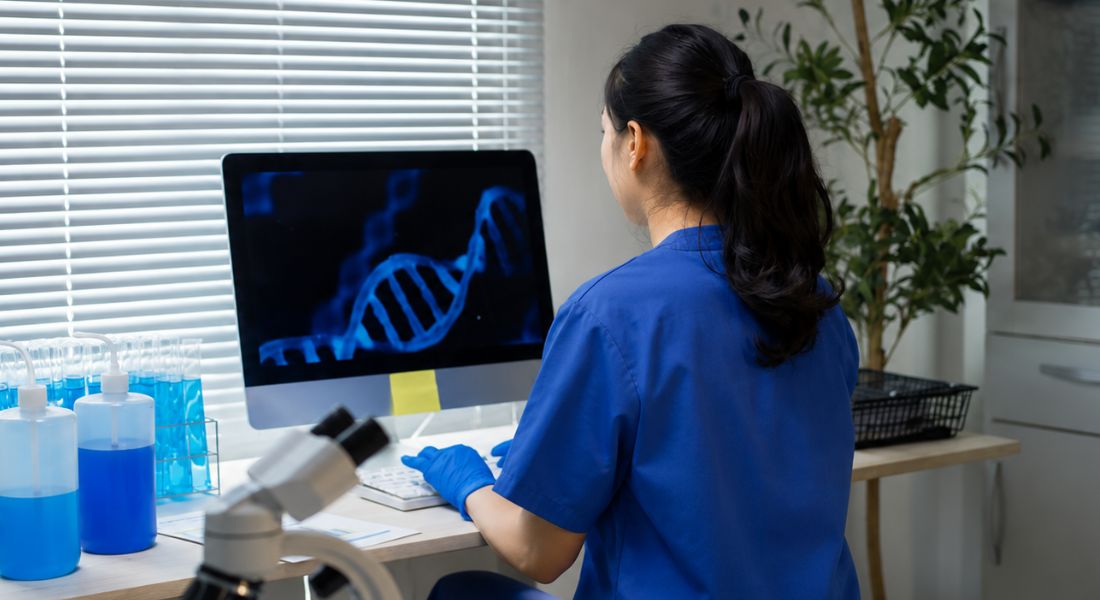
Genetic testing can help identify whether you carry a pathogenic or likely pathogenic variant associated with a particular inherited eye condition.This information can give you a clearer understanding of your potential risk.
However, having a genetic variant does not necessarily mean you will develop the condition. It indicates an increased risk rather than a definite outcome.
By understanding your genetic profile, you can work with eye care professionals to plan appropriate monitoring and care. This approach helps you stay informed and take steps to protect your vision.
Research Insight:
Research published in Genes (Ellingford et al., 2021) highlights that genetic testing can significantly improve diagnostic accuracy in inherited retinal diseases, particularly when clinical findings are unclear. This shows that testing can help confirm a diagnosis earlier and guide more personalised monitoring, although it does not guarantee disease development.
How Genes Influence Eye Health
Your genes provide the instructions that guide how your eyes develop, function and maintain vision throughout your life. These genetic factors influence many aspects of your eye health, from the structure of your eyes to the way important visual processes work.
Changes or mutations in certain genes can affect how your eyes function and may contribute to inherited eye conditions that gradually impact your vision. If you have a family history of eye disease, understanding these genetic factors can help you and your eye specialist recognise potential risks earlier.
By learning more about how your genes influence your eye health, you can take a more proactive approach to protecting your vision. With appropriate monitoring, regular eye examinations and personalised guidance, you can manage potential risks and make informed decisions about your long-term eye care.
Understanding Your Test Results
Genetic test results can sometimes feel complex and may require careful interpretation. Understanding what your results mean is an important part of managing your eye health.
The findings may confirm a diagnosis, indicate an increased risk of developing a condition, or in some cases be inconclusive. Each outcome provides different insights that can guide your next steps.
Your specialist will explain your results in detail and discuss what they mean for your care. This provides clarity on monitoring, treatment, and protecting your vision.
Clinical Tip:
Always discuss your genetic test results with a specialist rather than interpreting them on your own. Some findings may be uncertain or require correlation with eye examinations and imaging to provide meaningful guidance.
Why the Same Result Can Affect People Differently
Genetic results do not always predict exactly how an inherited eye condition will affect you. In some recessive conditions, you may carry one disease-causing genetic variant without developing symptoms, while the condition usually occurs when changes are present in both copies of the relevant gene. In dominant or X-linked conditions, a single genetic change may be enough to cause disease, but the effects can still vary between individuals.
Penetrance describes how likely it is that someone with a specific disease-causing variant will actually develop the associated condition. Variable expression means that even if you and another person have the same genetic change, you may experience symptoms at different ages or have different levels of visual impact.
This is why genetic results should always be interpreted alongside your clinical assessment, family history and guidance from a specialist. Genetic counselling can help you understand what your results mean, what risks may apply to you and what steps you can take to support your eye health.
Who Should Consider Genetic Eye Testing?
Genetic eye testing may be recommended if you have a family history of inherited eye conditions. Knowing your family background can help identify whether you may be at a higher risk.
You may also be advised to consider testing if you experience unexplained vision problems. In some cases, a specialist may suspect a genetic condition based on your symptoms or clinical findings.
By exploring genetic testing when appropriate, you can gain clearer insights into your eye health. This information can support more accurate diagnosis, monitoring, and personalised care.
Genetic Eye Testing in the UK
In England, access to NHS genomic testing is guided by the National Genomic Test Directory, which outlines eligibility criteria for different clinical situations.Testing is generally requested through an appropriate specialist service when the result is expected to influence the care of the patient or family.
Your GP or optometrist may refer you to an ophthalmology service if your symptoms, examination findings or family history suggest inherited eye disease. The ophthalmology team may then involve a clinical genetics service, genomic counsellor or specialist inherited-eye-disease clinic.
NHS testing is delivered through Genomic Laboratory Hubs. The exact pathway and waiting time can vary according to the clinical indication, region and type of test.
The Role of Family History
Your family history plays an important role in understanding your potential risk of developing certain eye conditions. Looking at patterns within your family can provide useful insights into your eye health.
If close relatives have experienced vision loss or have been diagnosed with specific eye conditions, your risk may be higher. This information can help guide decisions about further assessment or testing.
By sharing your family history with an eye care professional, you can receive more personalised advice. Genetic testing may offer additional clarity and support proactive monitoring of your vision.
How the Testing Process Works
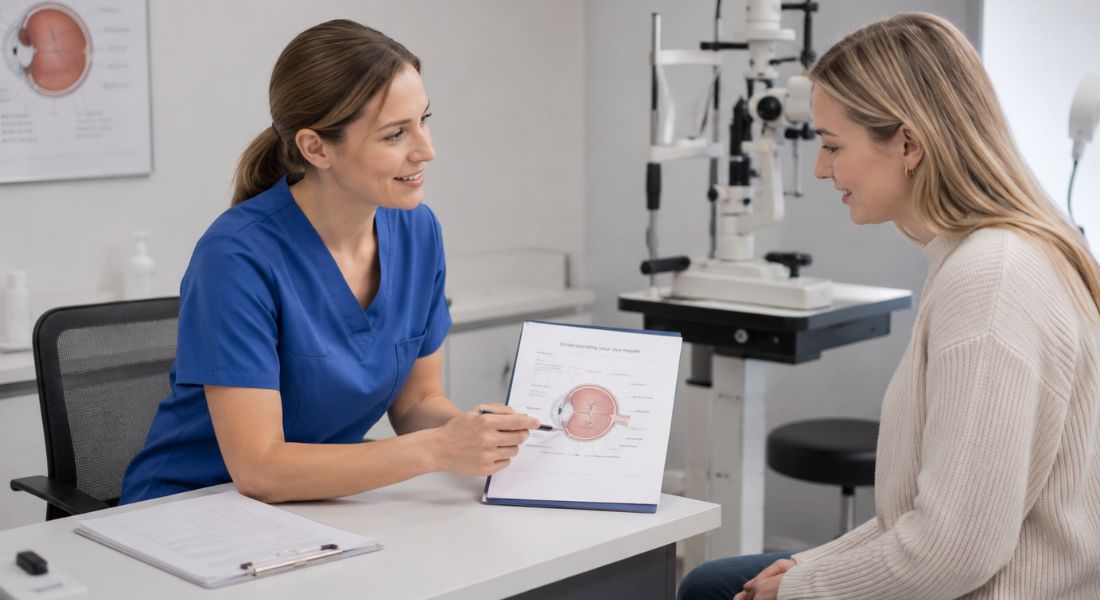
The process usually begins with a consultation with a specialist who will assess your symptoms and medical history. This step helps determine whether genetic eye testing is appropriate for your situation.
A sample, such as blood or saliva, is then collected and sent to a specialised laboratory for analysis. The laboratory examines your DNA to identify any genetic changes linked to eye conditions.
The timeframe can vary depending on the complexity of the test and laboratory workload and are typically reviewed with your clinician in detail. This discussion helps you understand the findings and consider the next steps for your eye care.
What Genetic Testing Can Identify
Genetic testing can detect specific pathogenic or likely pathogenic genetic variants that are linked to inherited eye diseases. This information helps provide a clearer picture of how a condition may affect your vision.
Identifying these genetic changes can help clarify the exact type of eye condition you may have. A molecular diagnosis may provide general information about the condition’s expected pattern and inheritance. However, it often cannot predict precisely when symptoms will begin, how quickly vision will change or how severely an individual will be affected.
The results may indicate whether other family members could be at risk. This allows you to consider appropriate screening and take informed steps to manage your eye health.
Limitations of Genetic Eye Testing
Genetic eye testing is a valuable tool, but it does not provide all the answers about your eye health. It is important to understand that results may not always give a complete picture.
Some eye conditions may not yet have clearly identified genetic markers, which means they cannot always be detected through testing. In addition, results may not accurately predict how a condition will develop or how severe it may become.
By discussing the limitations with your specialist, you can gain a balanced understanding of what the results mean. This helps you make informed decisions about further monitoring and care for your vision. You should not make changes to your treatment or monitoring plan based solely on genetic test results without professional advice. Clinical assessment remains essential.
Can Genetic Testing Prevent Blindness?
Genetic testing does not directly prevent eye diseases or blindness. It is a diagnostic tool that helps you understand your genetic risk rather than stop a condition from developing.
However, the information gained from testing can support earlier diagnosis and closer monitoring. This allows you and your specialist to take timely steps to manage potential eye conditions.
With early awareness and appropriate care, you may be able to reduce the risk of significant vision loss in some cases. Regular follow-up and personalised management plans play an important role in protecting your eyesight.
The Importance of Early Diagnosis
Early diagnosis plays an important role in protecting your long-term vision, particularly when inherited eye conditions are involved. It allows potential problems to be identified before they progress and supports more timely, proactive care.
- Earlier Detection: Identifying changes promptly allows your eye-care team to monitor the condition before significant vision loss occurs.
- Regular Monitoring: Ongoing examinations help track changes over time and ensure that any progression is recognised quickly.
- Timely Treatment and Support: An early diagnosis may provide access to suitable treatments, visual aids, genetic counselling, or specialist support when needed.
- Better Long-Term Planning: Understanding your condition early can encourage healthy habits and help you make informed decisions about your eye health.
Overall, early diagnosis can improve how inherited eye conditions are monitored and managed. It helps you take action sooner and may support better visual outcomes where treatment or preventive care is available. Regular specialist follow-up remains essential for protecting your vision over time.
Genetic Counselling and Why It Matters
Genetic counselling is often recommended alongside genetic eye testing to help you make sense of the results. It provides guidance on what the findings mean for your eye health.
Through counselling, you can understand how your results may affect you and potentially your family members. This support can help you consider whether others may benefit from assessment or monitoring.
With clear explanations and professional advice, you can make well-guided choices about your care. Genetic counselling helps you plan the next steps and manage your eye health with greater confidence.
How Results May Influence Treatment
For many inherited eye diseases, receiving a genetic result does not immediately lead to a specific licensed treatment. However, your genetic information can still provide important benefits by confirming the molecular diagnosis, helping guide monitoring, identifying possible related health risks and determining whether you may be suitable for relevant clinical trials.
One established example is voretigene neparvovec, a gene therapy available for selected people with vision loss caused by inherited retinal dystrophy linked to disease-causing variants affecting both copies of the RPE65 gene and with enough remaining healthy retinal cells. This treatment represents an important development in personalised eye care by targeting a specific genetic cause rather than only managing symptoms.
Eligibility for gene therapy depends on your exact genetic findings, the condition of your retina and a detailed assessment by an eye specialist. A positive genetic test does not automatically mean that gene therapy will be suitable or available for you, which is why specialist evaluation and genetic counselling remain essential when interpreting your results.
Impact on Family Members
Genetic information can have implications beyond your own health and may affect your wider family. Understanding your results can provide valuable insight into potential risks for those related to you.
If a genetic condition is identified, other family members may choose to undergo testing to assess their own risk. This can help them make informed decisions about monitoring and eye care.
By sharing relevant information with your family, you can support early awareness and proactive management. This approach can help protect vision and encourage timely medical advice when needed.
Emotional Considerations of Genetic Testing
Learning about your genetic risk can sometimes feel emotionally challenging. It is natural to have concerns or uncertainty when you are faced with this type of information.
Understanding how the results may affect you emotionally is an important part of the testing process. Taking time to reflect on how you might feel can help you prepare for different outcomes.
Seeking appropriate support can make a meaningful difference. Guidance from healthcare professionals or counselling services can help you process the information and make well-guided choices about your eye health.
Advances in Genetic Eye Research
Research into genetic eye disease is advancing rapidly and continues to expand our understanding of inherited conditions. These developments are helping to improve how conditions are identified and managed.
New discoveries are providing deeper insight into how genetic changes affect your vision over time. This growing knowledge is making diagnosis more precise and personalised.
Innovative treatments, including gene therapies, are beginning to transform care options. These advances offer new hope for protecting and preserving your vision in the future.
Taking a Personalised Approach to Eye Care

Genetic testing allows you to take a more personalised approach to your eye health. It helps you understand how your individual risk factors may influence your vision over time.
With this insight, your care can be tailored to suit your specific needs and circumstances. This may include customised monitoring, preventive strategies, or targeted treatments.
By taking a personalised approach, you can make more informed decisions about your eye care. This can support better long-term outcomes and help you maintain your eye health more effectively.
Myth vs Fact:
| Myth | Fact |
| A positive result means you will definitely lose your sight. | The implications depend on the gene, variant, penetrance, clinical findings and inheritance pattern. |
| A negative result rules out inherited eye disease. | Current testing does not identify every disease-causing variant, so a negative result may be uninformative. |
| Every genetic change found by a laboratory causes disease. | Some variants are benign, while others are classified as uncertain and should not guide treatment by themselves. |
| Genetic testing can predict exactly when symptoms will begin. | It may provide general condition-specific information but often cannot predict individual onset or progression precisely. |
| Everyone with a family history needs a broad genetic panel. | Testing is most useful when selected through specialist assessment and linked to a clear clinical question. |
| Gene therapy is available for all inherited retinal diseases. | Current approved treatment is limited to particular molecular and clinical indications. |
| Genetic testing replaces an eye examination. | Clinical examination, imaging and sometimes electrophysiology remain essential for interpreting the result. |
| No family history means the condition cannot be inherited. | Recessive, X-linked and newly arising variants can occur without an obvious history in previous generations. |
Key Takeaways
- Genetic eye testing is used mainly to investigate suspected inherited disorders, not to screen universally for every future eye disease.
- Testing can confirm or refine a diagnosis, clarify inheritance and sometimes inform treatment or research eligibility.
- A result may be pathogenic, negative, uncertain or otherwise uninformative.
- A variant of uncertain significance should not normally determine treatment or predictive testing in relatives.
- A positive result does not always predict age of onset, severity or rate of progression.
- A negative result does not completely exclude an inherited disorder.
- An absent family history does not rule out genetic eye disease.
- Gene therapy is currently available only for selected molecularly confirmed conditions.
- Clinical assessment, eye imaging and genetic counselling remain essential.
- NHS testing is usually arranged through specialist services according to National Genomic Test Directory criteria.
FAQs:
- What is genetic eye testing?
Genetic eye testing analyses your DNA to identify changes linked to inherited eye conditions. It is usually done using a blood or saliva sample, making it simple and minimally invasive. The results can help confirm a diagnosis or identify risks before symptoms appear. - Can genetic testing predict if you will develop an eye disease?
Genetic testing can show whether you carry genes linked to certain eye conditions. However, it does not guarantee that you will develop the disease. It helps you understand your risk so you can plan appropriate monitoring and care. - Who should consider genetic eye testing?
You may consider genetic testing if you have a family history of inherited eye diseases. It may also be recommended if you have unexplained vision problems or if a specialist suspects a genetic condition. This helps provide clearer insights into your eye health. - What eye conditions can genetic testing identify?
Genetic testing can identify inherited retinal diseases such as retinitis pigmentosa and inherited macular dystrophies, as well as some other inherited eye conditions. These conditions are linked to specific genetic changes. Identifying them early can help guide monitoring and treatment. - How does family history affect your risk?
Your family history can give important clues about your risk of inherited eye conditions. If close relatives have certain eye diseases, your chances may be higher. Sharing this information with your specialist helps guide testing and care decisions. - How does the testing process work?
The process begins with a consultation to assess your symptoms and history. A blood or saliva sample is then collected and analysed in a laboratory. Your results are reviewed with a specialist to help you understand the findings. - What do genetic test results mean?
Results may confirm a diagnosis, show an increased risk, or sometimes be unclear. Each outcome provides useful information about your eye health. Your specialist will explain what the results mean and what steps to take next. - Are there limitations to genetic eye testing?
Yes, genetic testing does not detect every eye condition. Some diseases do not yet have clearly identified genetic markers. It also cannot always predict how severe a condition will be or how it will progress. - Can genetic testing prevent blindness?
Genetic testing does not prevent blindness directly. However, it can help with early diagnosis and closer monitoring. This allows you to take timely steps to manage conditions and maintain your eye health. - How can genetic testing influence your treatment?
In some cases, genetic testing helps guide more personalised treatment plans. Certain therapies are designed for specific genetic conditions. This allows your care to be more targeted and effective for your needs.
Final Thoughts: Understanding the Role of Genetic Eye Testing in Your Long-Term Eye Health
Genetic eye testing helps you understand your risk of inherited eye conditions and supports more informed care decisions. It provides useful insights but does not offer definite predictions, so regular eye examinations remain essential. A combined approach ensures your eye health is monitored effectively over time.
While testing can guide diagnosis and personalised care, it does not replace routine check-ups or healthy lifestyle habits. Factors like ageing and environment still influence your eye health, making ongoing monitoring important. Professional guidance helps you interpret results and take the right steps forward.
Taking a proactive approach can help protect your vision in the long term. Genetic testing, alongside regular care and awareness, allows for better planning and confidence in managing your eye health. If you would like to discuss your eye health concerns with an experienced eye specialist, get in touch with us at the Eye Clinic London today.
References:
- Kang, S., Lam, B.L., Lee, W., et al. (2024) ‘Genetic testing in inherited retinal disease: Current strategies and future directions’, Journal of Personalised Medicine. Available at: https://pubmed.ncbi.nlm.nih.gov/38219857/
- Pontikos, N., Arno, G., Jurkute, N., et al. (2018) ‘Genetic basis of inherited retinal disease and implications for gene therapy’, Proceedings of the National Academy of Sciences. Available at: https://pmc.ncbi.nlm.nih.gov/articles/PMC6052953/
- Khan, M.I., Kersten, F.F.J., Azam, M., et al. (2022) ‘Approach to inherited retinal diseases: Diagnosis and management’, Indian Journal of Ophthalmology. Available at: https://pmc.ncbi.nlm.nih.gov/articles/PMC9426075/
- Mayer, A.K., van Cauwenbergh, C., Rother, C., et al. (2025) ‘Genetics and diagnostics of inherited retinal diseases in the era of whole genome sequencing’, Ophthalmic Research. Available at: https://pmc.ncbi.nlm.nih.gov/articles/PMC11831235/
- Ellingford, J.M., Barton, S., Bhaskar, S., et al. (2021) ‘Genetic testing and diagnosis of inherited retinal diseases’, Genes. Available at: https://pmc.ncbi.nlm.nih.gov/articles/PMC8670140/