

The CRYO-ROP Study: The Landmark Trial That Changed Retinopathy of Prematurity Treatment
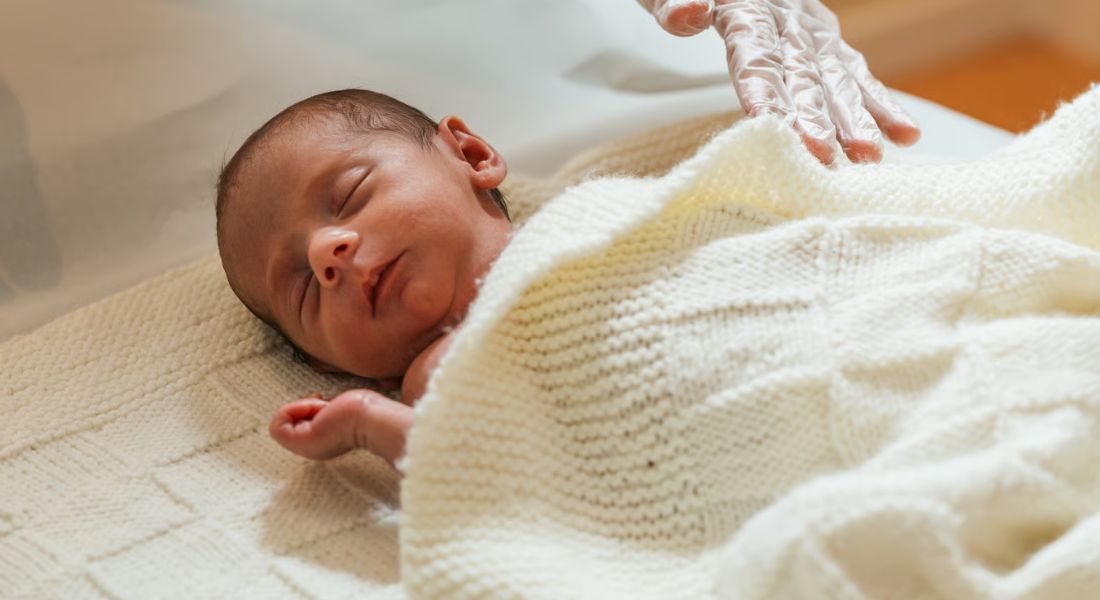
Retinopathy of prematurity (ROP) is one of the leading causes of childhood blindness in babies born prematurely. If your baby is born early, the blood vessels in their retina may not develop normally, which can lead to abnormal vessel growth and increase the risk of retinal detachment and permanent vision loss if the condition is not detected and treated in time.
Before the 1980s, treatment options for severe ROP were extremely limited. Although doctors understood more about the condition, there was not enough evidence to guide you and your baby’s healthcare team when making important treatment decisions. Many premature babies with advanced ROP experienced serious vision problems despite receiving specialist care.
The Cryotherapy for Retinopathy of Prematurity (CRYO-ROP) Study became a turning point in paediatric ophthalmology. The study showed that cryotherapy could substantially reduce the risk of unfavourable retinal outcomes in babies with severe ROP. Longer-term follow-up also demonstrated lasting benefits for visual outcomes, although some treated children still experienced significant visual impairment.
Understanding Retinopathy of Prematurity
Retinopathy of prematurity (ROP) develops when the blood vessels in your baby’s retina do not grow normally after premature birth. Because the retina is still developing when a baby is born early, the normal process of blood vessel formation can be disrupted, leading to changes that may affect vision.
Instead of growing gradually and evenly across the retina, abnormal blood vessels may develop and grow in an uncontrolled way. These fragile vessels can leak, bleed and form scar tissue, which may pull on the retina and interfere with its normal function.
Without appropriate treatment, severe ROP can progress to retinal detachment and permanent vision loss. This is why regular screening and specialist monitoring are so important if your baby is at risk, as early detection allows your eye specialist to identify when treatment may be needed to protect your baby’s developing eyesight.
Why Premature Babies Develop ROP
The blood vessels in your baby’s retina normally continue developing during the final weeks of pregnancy. When a baby is born prematurely, this natural process is interrupted, leaving parts of the retina without a complete blood supply.
After premature birth, changes in oxygen levels and important growth signals inside the eye can affect how your baby’s retinal blood vessels develop. Instead of continuing normal growth, these changes may trigger the formation of abnormal and fragile blood vessels that can lead to ROP.
The earlier your baby is born, the higher their risk of developing ROP. This is why premature babies, especially those born at a very early gestational age or with a low birth weight, require careful eye screening and regular monitoring by a specialist to identify any signs of retinal development problems as early as possible.
Treatment Before the CRYO-ROP Study
Before the CRYO-ROP study, there was no widely accepted treatment option for severe retinopathy of prematurity (ROP). If your baby developed advanced ROP, doctors could monitor the condition closely, but there were limited ways to prevent the disease from progressing to severe vision loss.
Many premature babies with advanced ROP continued to experience poor visual outcomes despite careful observation and specialist care. Your healthcare team could identify changes in the retina, but there was not enough evidence to know whether an active treatment approach could safely preserve your baby’s sight.
This lack of effective treatment created an urgent need for research. Specialists needed strong scientific evidence to understand whether early intervention could change the outcome for babies with severe ROP. This need led to the CRYO-ROP study, which became one of the most influential clinical trials in paediatric ophthalmology and transformed the way severe ROP was managed.
What Is Cryotherapy?
Cryotherapy is a treatment that uses controlled freezing. In CRYO-ROP, trans-scleral cryotherapy was used to treat the peripheral avascular retina associated with severe ROP. By ablating this area, the treatment aimed to reduce the biological drive for continued abnormal blood vessel growth and lower the risk of retinal scarring and detachment.
Cryotherapy is a treatment that uses controlled freezing. In CRYO-ROP, trans-scleral cryotherapy was directed at the peripheral avascular retina rather than simply freezing abnormal blood vessels themselves. By ablating this tissue, the treatment aimed to reduce the biological drive for pathological blood-vessel growth and lower the risk of progression towards retinal scarring and detachment.
The main aim of cryotherapy was to prevent retinal detachment, which is one of the most serious complications of severe ROP and a major cause of permanent vision loss. Although newer treatments are now available, the CRYO-ROP study showed that this approach could significantly improve outcomes and marked an important milestone in protecting your baby’s developing eyesight.
Purpose of the CRYO-ROP Study
The CRYO-ROP study was designed to find out whether cryotherapy could improve outcomes for babies with severe retinopathy of prematurity (ROP). If your baby had advanced ROP, doctors wanted to know whether treating the affected retina could reduce the risk of serious vision loss.
Researchers compared eligible eyes that received cryotherapy with control eyes followed without cryotherapy under the study protocol. In babies with qualifying threshold ROP in both eyes, one eye could receive treatment while the fellow eye served as the control. This design helped researchers compare structural and visual outcomes carefully over time. By making this comparison, they could determine whether the procedure was truly effective in reducing the chance of blindness and protecting your baby’s developing vision.
The trial became the first large randomised study to investigate treatment for ROP. Its results provided important evidence for you and your baby’s healthcare team by showing that early intervention could make a meaningful difference in the management of severe ROP.
Study Design
The CRYO-ROP trial used a randomised controlled design. In babies who developed qualifying threshold ROP in both eyes, one eye could receive cryotherapy while the other was followed as a control. In babies with qualifying disease in one eye, that eye could be randomly allocated to treatment or observation. This design allowed researchers to compare structural and visual outcomes carefully over time.
After randomisation and treatment, researchers followed participants over time to assess structural and visual outcomes. This long-term monitoring allowed specialists to understand the true impact of early treatment.
The careful design of the CRYO-ROP study provided high-quality clinical evidence about managing severe ROP. For you and your baby’s healthcare team, the findings offered valuable guidance by showing whether intervention could improve outcomes compared with observation alone.
CRYO-ROP Study: Key Facts
- The CRYO-ROP study was a large multicentre randomised clinical trial.
- It investigated whether cryotherapy could improve outcomes in babies with severe ROP meeting the historical definition of threshold disease.
- The study compared treated eyes with control eyes followed without cryotherapy under the trial protocol.
- Early findings showed that cryotherapy substantially reduced the risk of unfavourable structural retinal outcomes.
- Follow-up continued for many years, allowing researchers to study whether the benefits of early treatment continued into childhood and adolescence.
- The historical CRYO-ROP treatment threshold should not be confused with current ROP treatment criteria, which were influenced by later research.
Who Participated?
The study enrolled premature infants who developed what was then classified as threshold ROP, a historical disease category associated with a substantial risk of an unfavourable retinal outcome. The trial was designed to determine whether cryotherapy improved outcomes compared with observation.
In the CRYO-ROP era, threshold ROP was a specific historical treatment category. It referred to stage 3 disease affecting at least five contiguous or eight cumulative clock hours in zone I or zone II, together with plus disease. This category was associated with a substantial risk of an unfavourable retinal outcome without treatment. Modern treatment decisions use updated classifications and should not be assumed to follow the old threshold definition.
Modern treatment decisions no longer simply wait for every baby to reach this historical threshold. Later evidence, particularly from the ETROP study, supported earlier treatment for selected high-risk disease. Modern treatment decisions no longer simply wait for every baby to reach this historical threshold. Later evidence, particularly from the ETROP study, supported earlier treatment for selected high-risk disease.
Measuring Treatment Success
Researchers assessed both retinal structure and visual outcomes during follow-up. They examined whether the retina remained attached and evaluated visual function to determine whether cryotherapy produced lasting structural and functional benefits.
These clearly defined outcomes allowed researchers to compare treated eyes with control eyes and assess both the anatomical and visual effects of treatment over time.
During these assessments, doctors examined whether the retina remained attached and monitored signs of retinal development and visual function. These regular evaluations helped healthcare professionals understand whether treatment had successfully reduced the risk of serious complications.
By using clear and measurable outcomes, the study provided objective evidence about the benefits of treatment. This helped you and other families better understand the importance of timely intervention and the role of careful monitoring in protecting a premature baby’s vision.
Major Findings of the Study
The CRYO-ROP study showed that cryotherapy could significantly reduce the risk of unfavourable retinal outcomes in babies with severe retinopathy of prematurity (ROP). If your baby had advanced ROP, these findings provided important evidence that timely treatment could help protect the retina and improve the chances of preserving vision.
Compared with control eyes followed without cryotherapy under the trial protocol, cryotherapy-treated eyes had lower rates of unfavourable structural outcomes. Longer follow-up also showed lasting benefits for visual outcomes, although treatment did not prevent significant visual impairment in every affected eye.
These findings represented a major breakthrough in neonatal eye care. They helped you and healthcare professionals understand that intervention at the right stage could make a meaningful difference in preventing severe vision loss in premature infants.
Research Insight: What Difference Did Cryotherapy Make?
The CRYO-ROP findings provided landmark evidence that treatment could change the course of severe ROP. In one major analysis, an unfavourable structural outcome occurred in 43.0% of control eyes compared with 21.8% of cryotherapy-treated eyes.
For parents, this finding was significant because it showed that severe retinal damage was not always unavoidable once advanced ROP developed. However, cryotherapy did not prevent every poor outcome, and these figures describe average results across a research population rather than predicting what will happen to an individual baby.
The study therefore established an important principle that continues to influence ROP care today: identifying babies at risk, monitoring the retina carefully and treating sight-threatening disease at the appropriate time can significantly affect long-term outcomes.
Reducing the Risk of Blindness
One of the most important achievements of the CRYO-ROP study was showing that timely treatment could help reduce the risk of severe visual impairment in babies with advanced retinopathy of prematurity (ROP). If you are a parent of a premature baby, these findings help you understand why early screening and treatment are so important when your baby is at risk of serious eye complications.
Although cryotherapy did not prevent every possible complication, it improved outcomes for many babies by reducing the chances of severe retinal damage and vision loss. This meant that you could have greater confidence that appropriate treatment, when provided at the right stage, may help protect your baby’s developing vision.
The study changed how severe ROP was viewed by showing that poor outcomes were not always unavoidable. Regular screening, timely treatment when indicated and appropriate specialist follow-up can improve the chances of a better retinal and visual outcome, although the outcome for an individual baby depends on the severity and characteristics of the disease and other clinical factors.
Safety Considerations

Like any medical procedure, cryotherapy carried potential risks and possible side effects that needed careful consideration. If your baby requires treatment for severe retinopathy of prematurity (ROP), your healthcare team will always weigh the potential benefits against the possible risks before recommending an approach.
During the CRYO-ROP study, researchers closely monitored infants to assess both the safety and effectiveness of treatment. Although some complications were reported, The CRYO-ROP evidence established an important treatment benefit for historical threshold disease, but cryotherapy was still an invasive procedure associated with local tissue reaction and inflammation. These limitations contributed to continued research into other ablative treatments, including laser photocoagulation.
These safety findings helped build confidence in cryotherapy as an effective treatment option for severe ROP. As a result, you and other families could benefit from a more established approach to managing this serious eye condition, supported by careful research and clinical evidence.
Establishing Evidence-Based Treatment
The CRYO-ROP trial provided the first strong scientific evidence showing that active treatment could benefit babies with severe retinopathy of prematurity (ROP). If you are learning about ROP care, this study helps you understand why treatment decisions today are based on research rather than relying only on individual clinical experience.
Before the CRYO-ROP study, doctors often had to make difficult decisions using their own judgement and limited evidence. After the trial, healthcare professionals had reliable research findings to guide when treatment should be considered and how severe ROP should be managed.
The study transformed neonatal eye care around the world by introducing a more evidence-based approach. This means you can benefit from modern ROP care that is supported by scientific research, careful assessment and proven treatment strategies.
Influence on ROP Screening
The CRYO-ROP study showed the importance of detecting retinopathy of prematurity early. Regular screening allows specialists to identify retinal changes before severe damage develops and helps ensure treatment is offered at the right stage.
- Early Detection: Screening helps identify signs of ROP before serious vision-threatening changes occur.
- Structured Screening Programmes: Regularly scheduled eye examinations help ensure premature babies at risk are monitored closely.
- Timely Treatment Decisions: Screening results help specialists decide when treatment may be needed.
- Protecting Developing Vision: Early diagnosis and appropriate care can improve the chances of preserving a baby’s sight.
The CRYO-ROP findings reinforced the importance of reliable screening and timely specialist assessment because treatment could only be offered at the appropriate stage if sight-threatening disease was identified in time. Screening criteria and treatment timing were subsequently refined through later research and clinical guidance. Close monitoring allows specialists to detect progression and respond at the appropriate time. This gives premature babies a better chance of protecting their developing vision.
UK Guidance Note: Which Babies Are Screened for ROP?
In the UK, ROP screening follows national clinical guidance so that babies at increased risk can receive retinal examinations at the appropriate time.
Current UK guidance recommends ROP screening for babies born at less than 31 weeks’ gestational age or with a birthweight below 1501 g. Updated guidance also recommends considering screening for babies born between 31+0 and 31+6 weeks’ gestational age.
The timing and frequency of examinations depend on factors including your baby’s gestational age, retinal development and findings during previous examinations. If your baby meets the screening criteria, the neonatal and ophthalmology teams will arrange an appropriate examination schedule.
It is important to attend every scheduled examination. ROP can develop without visible symptoms that a parent could recognise at home, so specialist retinal examination is necessary to detect changes and decide whether closer monitoring or treatment is required.
The Development of Laser Therapy
Although cryotherapy was a major breakthrough in treating severe retinopathy of prematurity (ROP), researchers continued looking for options that could provide effective results with fewer side effects. If your baby needs treatment for ROP, you may want to understand how advances in care have led to gentler and more refined treatment approaches.
Laser photocoagulation later became the preferred ablative treatment in many clinical settings. Comparative research supported outcomes at least comparable to cryotherapy while avoiding some of the inflammatory and tissue effects associated with trans-scleral freezing. This helped make treatment more manageable for premature babies while still targeting the abnormal retinal growth linked to severe ROP.
The CRYO-ROP study played an important role in this progress by proving that active treatment could protect vision in babies with severe disease. Because of this foundation, you can now benefit from modern ROP treatments that continue to build on the knowledge gained from this landmark research.
How ROP Treatment Has Evolved Since CRYO-ROP
| Treatment Era or Approach | Main Treatment Principle | Role in the Development of ROP Care | Important Consideration |
| Observation before proven active treatment | Close monitoring of retinal changes | Allowed specialists to follow disease progression but offered limited ability to prevent poor outcomes once severe disease developed | Severe ROP may progress to retinal detachment and permanent vision loss |
| Cryotherapy | Uses controlled freezing to treat the peripheral avascular retina | CRYO-ROP established that active retinal treatment could improve outcomes in severe disease | Cryotherapy can produce substantial ocular inflammation and tissue reaction |
| Laser photocoagulation | Uses laser energy to ablate the avascular peripheral retina | Became the preferred ablative treatment approach in many clinical settings after the cryotherapy era | Treatment selection and timing depend on the pattern and severity of ROP |
| Anti-VEGF treatment | Reduces VEGF activity involved in pathological blood-vessel growth | Expanded treatment options for selected infants, particularly in certain posterior forms of ROP | Disease can reactivate later, so prolonged follow-up is essential |
| Modern individualised care | Selects treatment according to disease characteristics and the baby’s clinical circumstances | Allows specialists to consider disease zone, severity, retinal findings, general health and follow-up requirements | No single treatment approach is automatically appropriate for every baby |
The development of modern ROP care has been gradual. CRYO-ROP established that active treatment could protect vision, laser therapy refined the approach to peripheral retinal ablation, and later anti-VEGF research expanded treatment options for selected infants. Treatment decisions today require specialist assessment and careful follow-up rather than applying one approach to every baby.
Long-Term Follow-Up
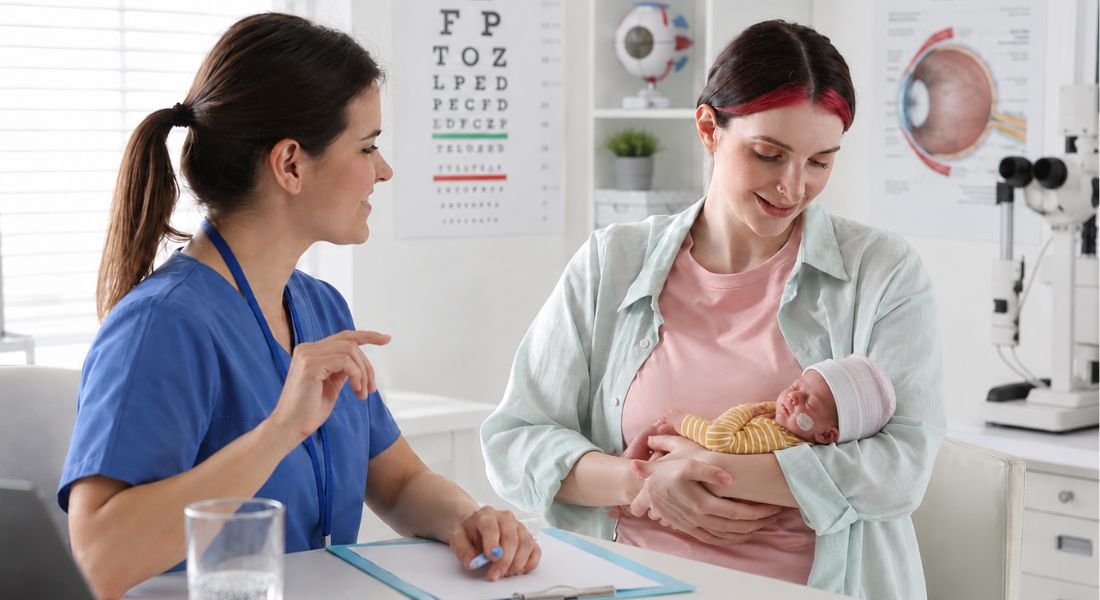
Researchers continued to follow many children after the original CRYO-ROP trial to understand the long-term effects of treatment on vision. If your baby has received treatment for retinopathy of prematurity (ROP), ongoing eye examinations can help monitor how their vision and retinal health develop as they grow.
Long-term follow-up showed that the benefit of treatment did not disappear after infancy. At 15 years, unfavourable visual acuity outcomes were reported in 44.7% of treated eyes compared with 64.3% of control eyes. The researchers also found lasting structural benefit, although some children continued to experience significant visual impairment despite treatment.
This is an important point for families: successful treatment of the active ROP does not remove the need for longer-term eye care. Children who have experienced severe ROP may require continued ophthalmic follow-up as they grow.
Influence on Modern Anti-VEGF Therapy
Later research explored anti-VEGF injections as another treatment option for selected cases of severe retinopathy of prematurity (ROP). If your baby has advanced ROP, your specialist may consider different treatment approaches depending on the location and severity of the disease, as well as your baby’s individual needs.
Anti-VEGF therapies work by targeting specific signals involved in abnormal blood vessel growth in the retina. These newer treatments have expanded the options available to you and your healthcare team, particularly in complex cases where traditional treatments may not always be the most suitable choice.
Modern ROP treatment continues to evolve as researchers build on the knowledge gained from landmark studies such as CRYO-ROP. With ongoing advances in research, you can benefit from improved understanding, more personalised care and a wider range of treatment options to help protect your baby’s vision.
Clinical Tip: ROP Treatment Is Not the Same for Every Baby
The most appropriate treatment depends on the location, severity and characteristics of your baby’s ROP, as well as their overall clinical circumstances.
Laser treatment and anti-VEGF therapy work in different ways, and one approach is not automatically better for every baby. Anti-VEGF treatment may be considered for selected disease patterns, but careful and sometimes prolonged follow-up is particularly important because disease activity can recur or require further treatment.
Your baby’s ophthalmology team should explain why a particular treatment is being recommended, what the alternatives are, what follow-up will be required and what is known about the benefits and uncertainties of each option.
Lasting Impact on Neonatal Care
The CRYO-ROP study influenced much more than the field of ophthalmology. If your baby is born prematurely, their care often involves a team of specialists working together to monitor different aspects of their health, including their eye development and risk of retinopathy of prematurity (ROP).
ROP care requires close coordination between neonatal and ophthalmology teams because screening examinations must be scheduled appropriately and treatment decisions may sometimes need to be made quickly. The CRYO-ROP findings strengthened the clinical importance of identifying eligible babies, completing follow-up examinations and ensuring timely treatment when indicated.
This multidisciplinary approach remains essential today because you can benefit from the combined expertise of different healthcare professionals. By working together, specialists can provide more comprehensive care and improve the chances of protecting your baby’s vision and overall development.
Ongoing Research in ROP
Research into retinopathy of prematurity (ROP) continues to advance as scientists look for better ways to detect and treat the condition. If your baby is at risk of ROP, ongoing studies may help improve how early the disease is identified and how effectively it can be managed.
Researchers are investigating new imaging technologies, enhanced screening methods and innovative treatments that aim to improve outcomes while reducing the burden of treatment. These advances are designed to help you and your healthcare team make more informed decisions and preserve your baby’s normal retinal development whenever possible.
Although significant progress has already been made, research in ROP remains highly active. As new evidence emerges, Research continues into retinal imaging, screening systems, disease prediction and treatment strategies. The aim is to improve identification of babies at risk, refine treatment selection and understand the longer-term outcomes of current therapies.
Historical Importance of the CRYO-ROP Study
The CRYO-ROP study is considered one of the most significant milestones in paediatric ophthalmology because it changed how severe retinopathy of prematurity (ROP) was managed. Before this research, many babies with advanced ROP had a high risk of serious vision loss, and effective treatment options were limited.
The study established cryotherapy as the first proven treatment to reduce the risk of blindness caused by severe ROP. If you are learning about the history of neonatal eye care, you can see how this breakthrough helped shape the development of newer treatments, including laser therapy and anti-VEGF injections.
Today, you can still see the influence of the CRYO-ROP study in the way premature babies are screened and treated around the world. Although newer therapies have changed clinical practice, the study remains a foundation for modern approaches to protecting vision in vulnerable newborns.
Seeking Specialist Eye Care

If your baby meets the ROP screening criteria, attending every scheduled retinal examination is important because ROP may progress without symptoms that you can recognise at home.Because ROP can progress quickly in some babies, timely assessment by an experienced eye specialist can make a significant difference in protecting your baby’s long-term vision.
Advances in screening methods, diagnostic tools and treatments have greatly improved outcomes for premature babies with ROP. When you attend scheduled eye examinations, your specialist can carefully monitor changes in the retina and recommend treatment if it becomes necessary.
You should seek advice from a specialist eye care team if your premature baby is at risk of developing ROP or requires ongoing monitoring. With early detection, expert care and appropriate treatment, you can help give your baby the best possible chance of maintaining healthy vision as they grow.
Myth vs Fact: Understanding ROP Screening and Treatment
| Myth | Fact |
| Every premature baby who develops ROP will become blind. | Many cases of ROP do not progress to severe sight-threatening disease. However, some babies develop more serious ROP that requires closer monitoring or treatment. Structured screening helps specialists identify which babies can be safely monitored and which may need intervention. |
| Parents can wait for symptoms before arranging an eye examination. | Early ROP does not usually cause symptoms that parents can reliably recognise at home. A premature baby may appear visually well while retinal changes are developing. Babies who meet screening criteria therefore need scheduled retinal examinations even when there are no obvious signs of an eye problem. |
| The CRYO-ROP treatment threshold is still the exact point at which all babies are treated today. | CRYO-ROP studied a historical category known as threshold ROP. Later research, including the ETROP trial, showed that selected high-risk disease could benefit from treatment before reaching the old threshold. Modern treatment decisions therefore use updated disease classifications and current clinical guidance. |
| Cryotherapy is still the standard treatment for every baby with severe ROP. | Cryotherapy was a landmark treatment because it provided the first strong evidence that active intervention could improve outcomes. Modern specialist care has evolved, and treatment options now include retinal laser treatment and anti-VEGF therapy for selected cases. The most appropriate treatment depends on the pattern of disease and the baby’s individual clinical circumstances. |
| Once ROP is treated, no further eye examinations are needed. | Follow-up remains essential after treatment. Specialists need to monitor whether the disease is regressing, whether additional treatment is required and how the child’s eyes and vision develop over time. Longer-term ophthalmic follow-up may also be needed because children who have experienced significant ROP can remain at risk of other visual problems as they grow. |
Key Takeaways
- The CRYO-ROP study provided landmark randomised evidence that active treatment could improve outcomes in severe ROP.
- The original trial studied historical threshold ROP, which should not be confused with current treatment timing and classification.
- Cryotherapy significantly reduced the risk of unfavourable retinal outcomes, although it did not prevent visual impairment in every treated eye.
- Long-term follow-up showed that the benefits of treatment could continue into later childhood and adolescence.
- Later research, particularly ETROP, supported earlier treatment for selected high-risk disease.
- Modern specialist ROP care may involve laser treatment or anti-VEGF therapy, depending on the disease pattern and individual clinical circumstances.
- UK ROP screening follows defined eligibility criteria, and attending every scheduled examination is essential because early disease cannot be reliably identified by parents at home.
- Ongoing follow-up remains important after treatment to monitor retinal development, treatment response and longer-term visual health.
FAQs:
- What was the CRYO-ROP study?
The CRYO-ROP (Cryotherapy for Retinopathy of Prematurity) study was a landmark clinical trial that evaluated cryotherapy as a treatment for severe retinopathy of prematurity (ROP). It was the first large study to show that active treatment could reduce the risk of blindness in premature babies. Its findings transformed neonatal eye care around the world. - Why is the CRYO-ROP study considered important?
The study provided the first strong scientific evidence that treating severe ROP could improve visual outcomes. Before its publication, there was no widely accepted treatment for advanced cases. The results established an evidence-based approach to managing this sight-threatening condition. - What is retinopathy of prematurity (ROP)?
Retinopathy of prematurity is an eye condition that affects babies born prematurely. It develops when the retinal blood vessels grow abnormally, which can lead to bleeding, scarring, retinal detachment, and permanent vision loss if left untreated. Early screening is essential for detecting the disease before it becomes severe. - How does cryotherapy treat severe ROP?
Cryotherapy uses controlled freezing to ablate the avascular peripheral retina. The aim is to reduce the biological drive for pathological blood-vessel growth and lower the risk of progression towards scarring and retinal detachment.The treatment reduces the signals that encourage further abnormal vessel formation, helping to prevent retinal detachment. It was the first proven treatment for severe ROP before laser therapy became widely available. - What were the main findings of the CRYO-ROP study?
The study initially showed a substantial reduction in unfavourable structural retinal outcomes in treated eyes compared with control eyes. Longer-term follow-up subsequently demonstrated lasting visual benefits, although significant visual impairment still occurred in some treated eyes002E. - Why are premature babies at greater risk of developing ROP?
Retinal blood vessels normally complete their development during the final weeks of pregnancy. When a baby is born prematurely, this process is interrupted, increasing the likelihood of abnormal blood vessel growth. The earlier a baby is born, the greater the risk of developing ROP. - Is cryotherapy still used to treat retinopathy of prematurity?
Cryotherapy is now used less often because laser photocoagulation has become the preferred treatment for many cases. Laser photocoagulation later became the preferred ablative approach in many settings, with comparative evidence supporting outcomes at least comparable to cryotherapy while avoiding some of the inflammatory and tissue effects associated with trans-scleral freezing. However, the CRYO-ROP study laid the foundation for these later advances. - How did the CRYO-ROP study influence modern ROP treatment?
The study established the importance of treating severe ROP before irreversible retinal damage occurred. Its findings reinforced the importance of identifying sight-threatening ROP in time for treatment and provided a foundation for later research that refined treatment timing and expanded treatment options. - Why is early screening important for premature babies?
ROP often develops without obvious symptoms in its early stages, making routine retinal screening essential for at-risk infants. Early diagnosis allows treatment to begin before retinal detachment or permanent vision loss occurs. Timely intervention offers the best chance of preserving vision. - What is the lasting legacy of the CRYO-ROP study?
The CRYO-ROP study remains one of the most influential clinical trials in paediatric ophthalmology. It established the first effective treatment for severe ROP and changed the standard of care for premature babies worldwide. Its impact continues through modern screening programmes and advances in retinal treatment.
Final Thoughts: The Enduring Legacy of the CRYO-ROP Study
The CRYO-ROP study marked a turning point in the treatment of retinopathy of prematurity by providing the first strong evidence that timely intervention could significantly reduce the risk of blindness in premature babies. Although cryotherapy has largely been replaced by newer treatments such as laser therapy and selected anti-VEGF injections, the principles established by this landmark trial continue to underpin modern neonatal eye care.
Today, early screening, prompt diagnosis, and evidence-based treatment have dramatically improved outcomes for infants at risk of ROP. Ongoing research continues to refine these approaches, offering even greater hope for preserving vision in vulnerable babies. If you would like to discuss your eye health concerns with an experienced specialist, get in touch with us at the Eye Clinic London today.
References:
- Arima, M. et al. (2021) ‘Translational Research in Retinopathy of Prematurity: From Bedside to Bench and Back Again’, Journal of Clinical Medicine, 10(2), 331. Available at: https://www.mdpi.com/2077-0383/10/2/331
- Coughlin, E. (2026) ‘Retinopathy of Prematurity (ROP): Are We There Yet?’, Medicina, 62(5), 869. Available at: https://www.mdpi.com/1648-9144/62/5/869
- Cryotherapy for Retinopathy of Prematurity Cooperative Group (1988) ‘Multicenter Trial of Cryotherapy for Retinopathy of Prematurity: Preliminary Results’, Archives of Ophthalmology, 106(4), pp. 471–479. Available at: https://pubmed.ncbi.nlm.nih.gov/15767472/
- Palmer, E.A., Hardy, R.J., Dobson, V., Phelps, D.L., Quinn, G.E., Summers, C.G. et al. (2005) ‘15-Year Outcomes Following Threshold Retinopathy of Prematurity: Final Results From the Multicenter Trial of Cryotherapy for Retinopathy of Prematurity’, Archives of Ophthalmology, 123(3), pp. 311–318. Available at: https://pubmed.ncbi.nlm.nih.gov/15767472/
- Hansen, E.D. and Hartnett, M.E. (2019) ‘A Review of Treatment for Retinopathy of Prematurity’, Expert Review of Ophthalmology, 14(2), pp. 73–87. Available at: https://pmc.ncbi.nlm.nih.gov/articles/PMC6874220/