


Eye Care Advances Expected in 2027: What Patients Should Know
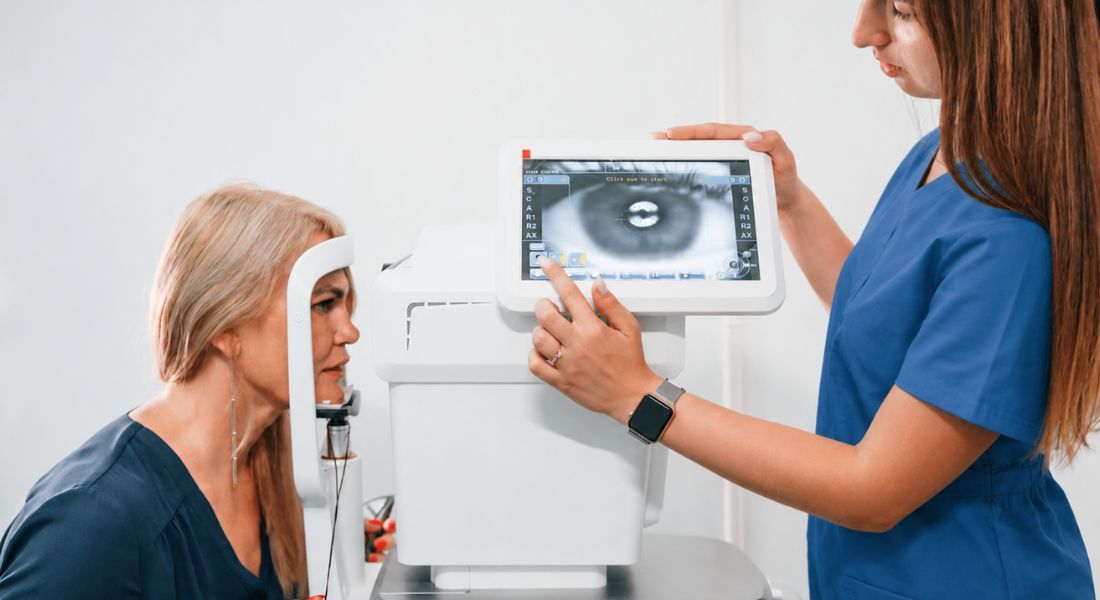
Ophthalmology continues to evolve rapidly, with researchers and clinicians developing new technologies, treatments, and diagnostic tools to improve the way you receive eye care. As we move towards 2027, these advances are expected to make diagnosis more accurate, treatments more effective, and patient outcomes even better. For you, this could mean greater confidence in how eye conditions are detected and managed.
Many of these developments focus on earlier detection, safer procedures, and more personalised treatment plans. You may benefit from improved imaging, AI-supported diagnostics, and minimally invasive techniques that help your clinician identify eye problems sooner and recommend the most appropriate treatment. Earlier intervention could help protect your vision and reduce the risk of long-term complications.
These advances are not just about introducing new technology. They also reflect a better understanding of how eye diseases develop and why you may respond differently to treatment than someone else. This growing knowledge allows your care to be tailored more closely to your individual condition, lifestyle, and risk factors.
Looking ahead, you can expect a stronger focus on prevention, early treatment, and regenerative therapies that aim to preserve your vision for longer. As research continues to progress, you may have access to safer, smarter, and more personalised treatment options than ever before. Together, these innovations have the potential to improve both your long-term eye health and your overall quality of life.
Artificial Intelligence in Eye Care
Artificial intelligence is expected to play an increasingly important role in the future of eye care by helping your clinician diagnose eye conditions more quickly and accurately. If you’re having an eye examination, AI tools may be able to analyse retinal images, OCT scans, and other diagnostic data in remarkable detail. This can help identify subtle changes that might otherwise be difficult to detect.
You may particularly benefit from AI when it comes to conditions such as glaucoma, diabetic retinopathy, and age-related macular degeneration. These diseases often develop gradually and may not cause obvious symptoms in the early stages. By helping detect problems earlier, AI can allow you to begin monitoring or treatment sooner, which may improve your chances of preserving your vision.
AI can also support your eye specialist when making decisions about treatment and follow-up care. By analysing patterns in your scan results and tracking disease progression over time, these systems may help reduce diagnostic errors and improve the accuracy of ongoing monitoring. While AI will not replace your ophthalmologist, it can provide valuable support in both routine and more complex cases.
As AI becomes more integrated into ophthalmology, you may also benefit from more personalised treatment plans. Predictive analytics could help your clinician understand how your condition is likely to progress and how you may respond to different treatments. This allows your care to be tailored more closely to your individual needs, supporting better long-term outcomes and a more proactive approach to protecting your vision.
Gene Therapy Developments
Gene therapy is attracting increasing attention as a potential treatment for inherited retinal diseases and other genetic eye conditions. If you’re affected by one of these disorders, you should know that they are often caused by specific gene changes that interfere with normal eye function. For many patients, treatment options have traditionally been limited, making this an especially important area of research.
As we move towards 2027, you may see further progress in clinical trials and the development of therapies designed to target specific genetic defects. Rather than simply managing symptoms, these treatments aim to address the underlying cause of the disease. For you, this could mean slowing disease progression, preserving vision, or in some cases potentially improving visual function.
You may particularly benefit from gene therapy if you have a rare inherited eye condition linked to a known genetic mutation. This personalised approach allows your treatment to be tailored to your individual genetic profile and may improve long-term outcomes for you. Although gene therapy is still developing, ongoing research continues to bring it closer to becoming an important part of future eye care.
Stem Cell and Regenerative Therapies
Stem cell therapy is becoming an important area of research in eye care, especially for conditions that can cause long-term or irreversible vision loss. These treatments are being explored for conditions such as glaucoma, retinal degeneration, and corneal disease. The aim is to repair, protect, or support damaged eye tissues in ways that current treatments may not always achieve.
- Potential for Retinal Repair: Stem cell research may one day help regenerate or replace damaged retinal cells. This could be especially important for conditions where the retina gradually loses function over time. Although this is still being studied, it may offer future options for selected patients with retinal disease.
- Optic Nerve Protection in Glaucoma: In glaucoma, regenerative therapies are being explored for their potential to protect the optic nerve. Current treatments mainly focus on lowering eye pressure, but future therapies may aim to support damaged nerve tissue more directly. This could become important for patients whose glaucoma continues to progress despite standard care.
- Support for Corneal Disease: Stem cell-based treatments may also help in certain corneal conditions where the surface or structure of the cornea is damaged. These approaches may support healing and improve the health of the eye surface. Careful patient selection will be important to ensure these treatments are used safely.
- Improved Delivery Methods: By 2027, research may focus more on how stem cells are delivered to the correct area of the eye. Getting the cells to integrate safely with existing tissue is one of the key challenges. Better delivery methods could make regenerative treatments more reliable in the future.
- Personalised Future Care: Regenerative therapies may eventually allow treatment to be tailored more closely to your specific eye condition. Your specialist may consider factors such as the type of damage, disease stage, and remaining visual potential. This could help create more targeted and realistic treatment plans.
Overall, stem cell and regenerative therapies are still developing, but they represent an exciting direction in future eye care. They may one day help protect vision, support tissue repair, or offer new options for conditions that are currently difficult to reverse. For now, these treatments remain an area of careful research and specialist evaluation.
Minimally Invasive Surgical Techniques
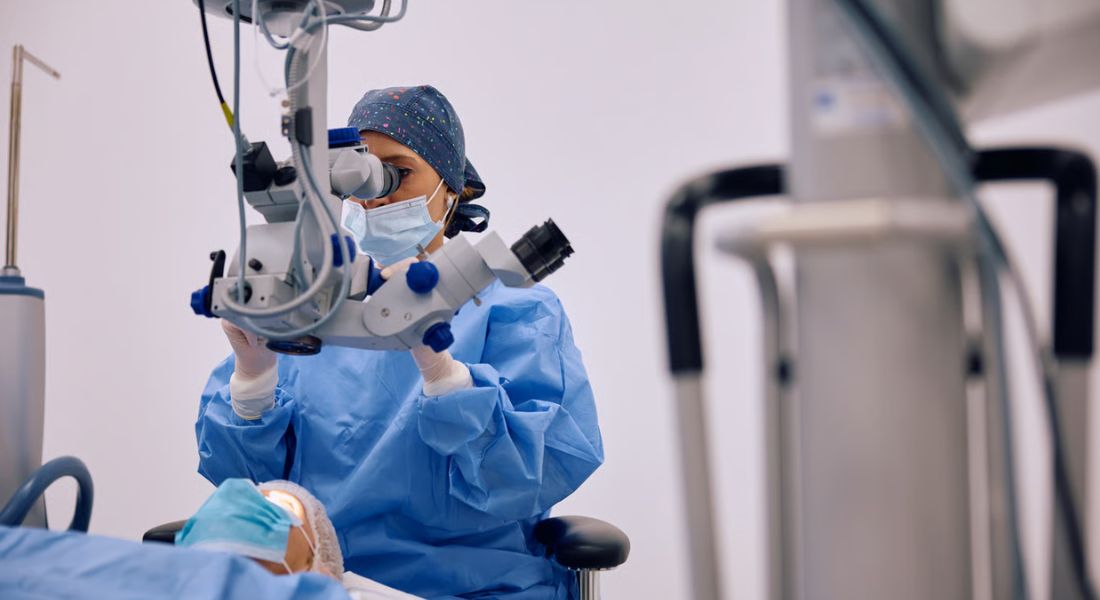
Surgical advances are making many eye procedures safer, faster, and less invasive. Techniques such as minimally invasive glaucoma surgery and small-incision cataract surgery are becoming more refined. These improvements can help make treatment more comfortable and manageable for patients.
Minimally invasive procedures usually involve smaller incisions and less disruption to the surrounding tissues. This can help reduce recovery time, lower the risk of complications, and support smoother healing after surgery. For you, this may mean returning to normal activities sooner with less discomfort.
As new surgical tools and imaging guidance continue to improve, surgeons can perform more complex procedures with greater accuracy. Better precision may also allow for more effective correction of vision problems. Overall, these advances aim to improve surgical outcomes while making eye treatment safer and more personalised.
Advanced Imaging and Diagnostics
Imaging technology is evolving rapidly and is giving eye specialists a much clearer view of the internal structures of the eye. Tools such as high-resolution OCT, adaptive optics, and functional imaging are expected to become more widely available in 2027. These advances may help detect small changes that are not always visible with standard examinations.
Earlier detection can make a significant difference in many eye conditions. When subtle disease changes are identified sooner, your clinician can monitor your eye health more closely and recommend treatment at the right time. This may help reduce the risk of avoidable vision loss.
Advanced imaging can also help track how well a treatment is working over time. By comparing detailed images, specialists can see whether a condition is stable, improving, or progressing. This supports more personalised care, more accurate prognoses, and better long-term management.
Smart Contact Lenses and Wearable Technology

Smart contact lenses and wearable devices are being developed to monitor eye health and visual function more continuously. These technologies may allow important changes to be tracked in real time, rather than only during clinic visits. This could make eye care more proactive and personalised.
Some smart lenses and wearable devices are being designed to measure intraocular pressure, glucose levels, or other important biomarkers. This type of monitoring may be especially useful for people with long-term conditions such as glaucoma, diabetes-related eye disease, or other chronic eye concerns. Early changes could be identified sooner, allowing treatment plans to be adjusted more quickly.
By 2027 and beyond, wearable technology may become more useful in selected areas of eye care, although many devices are still being researched or refined. This could reduce the need for frequent clinic visits while still giving clinicians useful data about your eye health. Over time, these tools may help improve convenience, treatment accuracy, and long-term visual outcomes.
Advances in Refractive Surgery
Refractive surgery techniques are expected to improve with better laser platforms, AI-guided planning, and enhanced imaging. These advances may help surgeons assess your eyes in greater detail before treatment. This can support a more accurate and personalised approach to vision correction.
Procedures such as LASIK, SMILE, and lens-based refractive surgery may become even safer and more precise. Improved planning tools can help match the right treatment to your eye shape, prescription, and visual needs. This may reduce the risk of complications and support smoother recovery.
These innovations aim to provide better visual outcomes for patients seeking laser eye surgery or other refractive procedures. With more personalised treatment options, your care can be tailored to your anatomy and lifestyle. Over time, this may make refractive surgery more predictable, comfortable, and effective.
Novel Drug Delivery Systems
Researchers are exploring new ways to deliver medicines directly to the tissues of your eye, making treatment more effective and convenient. If you’re living with a chronic eye condition, these advances could help improve how well your medication works while reducing unwanted side effects. This is particularly important for treatments that currently require frequent use over long periods.
You may benefit from newer technologies such as sustained-release implants, nanoformulations, and biodegradable drug delivery systems. These approaches are designed to release medication slowly and consistently over time, so you may need fewer eye drops or injections while still receiving effective treatment. This could make your treatment routine much easier to manage.
By 2027, you may have access to longer-lasting treatment options for conditions such as glaucoma and retinal disease. Reducing the need for frequent medication or clinic visits can help you stay on track with your treatment and improve your overall quality of life. These innovations aim to make your eye care more convenient while supporting better long-term outcomes.
Personalised Medicine in Ophthalmology
Personalised medicine is becoming increasingly important in ophthalmology because it allows treatment to be tailored to your individual needs. Instead of using the same approach for every patient, clinicians can consider genetic, anatomical, and lifestyle factors. This can help create a more precise care plan based on your specific eye condition and overall health.
AI-driven analytics may also play a growing role in personalised eye care. By combining patient-specific data with advanced technology, clinicians may be able to predict how you are likely to respond to certain treatments. This can support better decision-making and help avoid treatments that may be less effective for you.
By 2027, personalised approaches may help patients achieve better outcomes with fewer side effects. This could be especially important for complex conditions such as retinal dystrophies, glaucoma, and other long-term eye diseases. The aim is to make treatment more targeted, safer, and more effective over time.
Teleophthalmology and Remote Care

Teleophthalmology is helping to expand access to eye care by making remote consultations, image reviews, and follow-up appointments easier. This can be especially helpful if you live in a rural or underserved area where specialist eye care may not be nearby. Instead of travelling long distances for every appointment, you may be able to receive expert guidance from home or a local clinic.
Remote eye care can also make ongoing monitoring more convenient for patients with long-term eye conditions. Virtual assessments and digital image sharing may allow specialists to review changes in your eye health more quickly. This can support earlier advice, better follow-up, and more efficient care planning.
As technology continues to improve, teleophthalmology is likely to become a more reliable part of routine eye care. Remote monitoring tools and AI-assisted analysis may help detect changes earlier and support more accurate decision-making. This could make eye care more accessible, timely, and personalised for many patients.
Innovations in Cataract Surgery
Cataract surgery continues to advance through innovations in premium intraocular lenses, femtosecond laser-assisted procedures, and enhanced imaging technology. If you’re considering cataract surgery, these developments are designed to make the procedure more precise and better suited to your individual visual needs. As technology continues to improve, you may have access to more options for achieving clearer vision after your cataract is removed.
You may also benefit from premium intraocular lenses that do more than replace the cloudy natural lens. By 2027, newer lens options may help correct presbyopia, astigmatism, and other refractive errors during the same procedure, reducing your dependence on glasses for certain daily activities. This personalised approach aims to improve both your distance and near vision.
Femtosecond laser-assisted cataract surgery and advanced imaging systems are also expected to improve surgical accuracy. These technologies help your surgeon plan and perform key steps of the procedure with greater precision, which may reduce the risk of complications and enhance your visual outcome. For you, this could mean a smoother recovery and better long-term quality of vision after surgery.
Glaucoma Management Advances
Glaucoma care is expected to continue advancing through improvements in imaging technology, minimally invasive glaucoma surgery, and innovative drug delivery systems. If you’re living with glaucoma, these developments may help your eye specialist detect changes earlier and manage your condition more effectively. For you, this could mean more personalised care and better protection of your vision over the long term.
You may benefit from advanced imaging that provides a clearer view of your optic nerve and other important structures inside the eye. AI-supported diagnostic tools are also being developed to help identify subtle signs of optic nerve damage before noticeable symptoms appear. This earlier detection allows your specialist to begin monitoring or treatment sooner, helping you preserve your vision for longer.
Minimally invasive glaucoma surgery (MIGS) may offer you additional treatment options if better intraocular pressure control is needed. At the same time, new drug delivery systems could reduce your reliance on frequent eye drops by providing more consistent medication over time. Together, these advances aim to make your glaucoma treatment less invasive, more convenient, and more effective.
Retinal Disease Treatments
Retinal disease treatments are continuing to advance, especially for conditions such as age-related macular degeneration and diabetic retinopathy. These conditions can affect your central vision, daily activities, and long-term eye health if they are not monitored and managed properly. Newer treatments aim to slow disease progression, protect vision, and reduce the burden of ongoing care.
- Age-Related Macular Degeneration: Newer treatments for age-related macular degeneration focus on protecting central vision and slowing further damage. This is important because central vision helps with reading, recognising faces, driving, and everyday tasks. Early diagnosis and consistent monitoring remain essential.
- Diabetic Retinopathy: Diabetic retinopathy treatment continues to improve as specialists look for better ways to protect the retina from diabetes-related damage. Controlling blood sugar, blood pressure, and eye inflammation can all influence long-term outcomes. Regular retinal screening helps detect changes before vision is seriously affected.
- Gene and Stem Cell Research: Gene therapy and stem cell therapy are being explored as future treatment options for selected retinal diseases. These approaches may help repair damaged retinal cells or target the underlying causes of disease more directly. Although research is still developing, they may offer more personalised care in the future.
- Improved Anti-VEGF Delivery: Anti-VEGF injections are already an important treatment for several retinal conditions, but frequent appointments can feel demanding. Newer delivery methods are being developed to reduce how often treatment is needed while still protecting vision. This could make long-term care easier for many patients.
- More Personalised Treatment Planning: Future retinal care is likely to become more tailored to your specific condition, risk level, and treatment response. Your specialist may use imaging, monitoring, and disease patterns to decide which approach is most suitable. This can help improve outcomes while reducing unnecessary treatment burden.
Overall, retinal disease treatment is moving towards earlier detection, longer-lasting therapies, and more personalised care. If you have a retinal condition, regular monitoring remains one of the most important ways to protect your vision. New advances may make treatment more effective and more manageable over time.
Corneal Innovations
Corneal care continues to advance with new technologies that are improving the treatment of conditions such as keratoconus and corneal disease. If you’re affected by a corneal condition, these innovations may provide more precise and effective treatment options in the future. Developments in tissue-engineered grafts, enhanced corneal cross-linking, and advanced imaging are all helping to improve patient care.
You may benefit from improved imaging that allows your eye specialist to examine your cornea in much greater detail. This can help detect problems earlier, monitor changes more accurately, and plan your treatment based on your individual needs. At the same time, advances in corneal cross-linking techniques aim to strengthen your cornea more effectively while preserving as much healthy tissue as possible.
Researchers are also exploring tissue-engineered grafts as a way to improve the success of corneal transplantation. For you, this could mean a lower risk of graft rejection, better healing, and improved long-term visual outcomes. As these innovations continue to develop, you may have access to more personalised treatments that are tailored to your specific corneal condition and vision requirements.
Paediatric Ophthalmology Advances
Paediatric ophthalmology is seeing exciting advances aimed at improving eye care for children. You may benefit from earlier detection and non-invasive imaging techniques that make it easier to identify congenital or developmental eye conditions. This allows for timely interventions that can make a real difference in long-term vision health.
Innovations in screening and therapy are helping manage conditions like strabismus, amblyopia, and refractive errors more effectively. Early treatment can prevent complications and improve visual outcomes, giving children the best chance for healthy vision.
These developments mean that care for young patients is becoming more precise, gentle, and effective. With earlier and better-targeted interventions, you can help your child maintain strong visual development and quality of life.
Ocular Surface Disease Management
Managing ocular surface diseases is evolving with new treatments for conditions like dry eye and blepharitis. You may see options such as advanced lubricants, anti-inflammatory medications, and device-assisted therapies becoming more widely available. These approaches aim to make treatment more effective and easier to use.
In 2027, these therapies could offer longer-lasting relief, helping you stay comfortable throughout the day. Improved administration methods mean it’s simpler to stick to your treatment plan, which can boost overall effectiveness.
By making treatments easier and more reliable, these innovations can help you maintain healthier eyes. You may notice less discomfort, better vision quality, and a more consistent daily routine thanks to these advances.
Artificial Intelligence in Surgical Planning
Artificial intelligence is increasingly being used in surgical planning to make procedures more precise. By analysing detailed imaging and patient data, AI can help map surgeries, predict outcomes, and suggest personalised approaches. For you, this could mean that complex eye surgeries are safer and more carefully tailored to your needs.
With AI-assisted guidance, surgeons can optimise visual outcomes and reduce the risk of complications. The technology can highlight potential challenges before the operation begins, helping your surgeon plan every step more effectively. This level of planning supports smoother procedures and better overall results.
In 2027, patients may find that AI integration makes eye surgery more predictable and personalised than ever. It allows both you and your surgical team to make informed decisions and feel confident about the expected results. Ultimately, AI aims to improve safety, precision, and your long-term vision health.
Integration of Wearable and Home Monitoring
Integration of wearable devices and home monitoring is set to become a standard part of eye care. You could track important measures like intraocular pressure, visual acuity, or other eye health markers from the comfort of your home. This continuous monitoring allows for earlier intervention and more proactive management of chronic eye conditions.
By keeping a closer eye on your results, you and your specialist can spot changes sooner. That way, any necessary treatment can start earlier, potentially preventing complications. Home and wearable monitoring can make managing your eye health more convenient and personalised.
These technologies also give you a clearer picture of your overall eye health over time. Instead of relying only on occasional clinic visits, you can see trends and patterns in your vision. This approach supports better long-term outcomes and helps you stay more in control of your eye care.
Future Directions in Ophthalmology
The field of ophthalmology is evolving rapidly, with precision medicine, regenerative therapies, and AI-assisted diagnostics shaping the future. You can expect earlier detection of eye conditions, safer surgical procedures, and more effective treatments tailored to your individual needs.
Advances in technology are making care increasingly personalised, allowing doctors to design strategies specifically for you. AI tools can help detect problems sooner, while regenerative therapies may restore vision in ways that were not possible before.
Ongoing research promises to make eye care more predictive, proactive, and patient-centred. By staying informed, you can be an active participant in decisions about your eye health and benefit from these emerging innovations.
FAQs
- What are the biggest eye care advances expected in 2027?
Several exciting developments are expected, including artificial intelligence (AI)-assisted diagnosis, gene therapy, regenerative medicine, advanced imaging, and minimally invasive surgical techniques. Researchers are also improving drug delivery systems and wearable technologies for eye health monitoring. Together, these innovations aim to improve early diagnosis, treatment accuracy, and long-term vision outcomes. - Will artificial intelligence replace eye specialists?
No, AI is designed to support rather than replace ophthalmologists. It can help analyse scans, identify early signs of eye disease, and assist with treatment planning, but clinical decisions will still be made by experienced eye specialists. The combination of AI and medical expertise is expected to improve patient care. - Which eye conditions could benefit most from these new advances?
Conditions such as glaucoma, age-related macular degeneration, diabetic retinopathy, cataracts, inherited retinal diseases, and corneal disorders are expected to benefit from ongoing research. Many of these innovations focus on earlier diagnosis and more personalised treatment. The exact benefits will depend on the condition and the individual patient. - Will gene therapy become more widely available in 2027?
Gene therapy is continuing to progress through clinical research and may become available for more inherited eye conditions over time. While some treatments have already been approved for specific rare diseases, many others are still being evaluated. Wider availability will depend on the results of ongoing clinical trials and regulatory approval. - How could stem cell therapy change the future of eye care?
Stem cell therapy has the potential to protect or regenerate damaged eye tissues that cannot currently be repaired. Researchers are investigating its use for conditions such as glaucoma, retinal degeneration, and corneal disease. Although promising, these treatments remain largely experimental and require further research before becoming routine clinical practice. - Will eye surgery become safer in the future?
Advances in surgical technology are expected to make many eye procedures even safer and more precise. Improved imaging, AI-assisted planning, and minimally invasive techniques may reduce complications and shorten recovery times. Patients could benefit from more predictable outcomes and faster visual rehabilitation. - What role will wearable technology play in eye care?
Wearable devices and smart contact lenses are being developed to monitor aspects of eye health continuously, such as intraocular pressure and other biomarkers. These technologies may help detect changes earlier and allow clinicians to monitor chronic conditions remotely. While still evolving, they have the potential to improve long-term disease management. - Will patients need to visit eye clinics less often?
Remote monitoring and teleophthalmology may reduce the need for some routine clinic visits, particularly for follow-up appointments and ongoing disease monitoring. However, comprehensive eye examinations and certain treatments will still require in-person care. Technology is expected to complement, rather than replace, traditional eye care. - When will these new eye care technologies become widely available?
Some innovations are already being introduced into clinical practice, while others remain in the research or clinical trial stage. The timeline for wider availability depends on regulatory approval, safety data, and healthcare adoption. New technologies are likely to be introduced gradually over the coming years rather than all at once. - How can you prepare for future advances in eye care?
The best way to benefit from future developments is to continue attending regular eye examinations and follow your ophthalmologist’s advice. Early diagnosis remains one of the most important factors in protecting your vision. Staying informed about new treatment options can also help you discuss emerging therapies with your eye specialist when they become available.
Final Thoughts: Preparing for the Future of Eye Care
The advances expected in eye care by 2027 highlight a future where diagnosis, treatment, and long-term management become increasingly precise, personalised, and patient-focused. From artificial intelligence and regenerative medicine to improved surgical techniques and wearable monitoring technologies, these innovations have the potential to enhance patient outcomes while making eye care more accessible and effective. Although many of these developments are still progressing through research and clinical evaluation, they reflect the continued commitment to protecting vision through earlier detection, safer treatments, and more tailored care.
If you would like to discuss your symptoms with an experienced eye specialist, you can contact us at Eye Clinic London. Our team can assess your eye health, answer your questions, and recommend the most appropriate treatment options to help protect your vision now and in the future.
References:
- Olawade, D.B. et al. (2025) Enhancing Ophthalmic Diagnosis and Treatment with Artificial Intelligence, Medicina, 61(3), 433. Available at: https://www.mdpi.com/1648-9144/61/3/433
- Aziz, A.A. et al. (2024) Review of Gene Therapy Clinical Trials for Retinal Diseases, International Ophthalmology Clinics, 64(1), pp.141–151. Available at: https://pubmed.ncbi.nlm.nih.gov/38146887/
- Radu, M. et al. (2024) Exploring Stem-Cell-Based Therapies for Retinal Regeneration, International Journal of Molecular Sciences. Available at: https://pmc.ncbi.nlm.nih.gov/articles/PMC11204673/
- Fardoost, A. et al. (2025) Enhancing glaucoma care with smart contact lenses: An overview of recent developments, International Journal of Retina and Vitreous. Available at: https://pmc.ncbi.nlm.nih.gov/articles/PMC12011977/
- Fu, X., Decker, C. and Yu, X. (2018) Clinical applications of retinal gene therapies, Precision Clinical Medicine, 1(1), pp.5–20. Available at: https://academic.oup.com/pcm/article/1/1/5/5026511