


New Glaucoma Treatments Expected in 2027
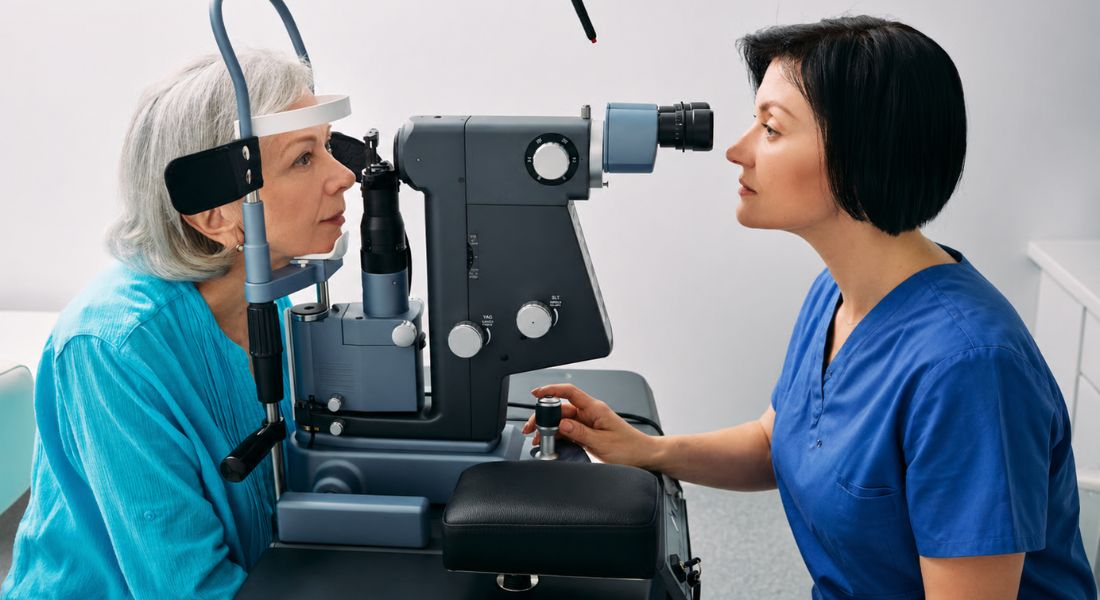
Glaucoma research is continuing to advance, and by 2027, glaucoma care may see important developments in diagnosis, monitoring and treatment. Researchers are focusing on more accurate diagnostic tools, longer-lasting medications, and less invasive procedures to improve glaucoma care. These advancements aim to detect changes earlier and help protect your vision more effectively.
Future innovations are designed to improve long-term pressure control while reducing the need for frequent eye drops and repeated hospital visits. Some new treatments are being developed to make managing glaucoma more convenient and easier to follow in everyday life. Although many of these options are still being studied, early findings suggest they could offer valuable improvements for patients.
Keeping up with these developments can help you better understand the future of glaucoma management. As research progresses, treatment approaches may become more personalised and focused on your individual needs. Staying informed allows you to discuss potential options with your eye specialist and make confident decisions about your eye health.
Smarter Glaucoma Detection Tools
One of the biggest areas of progress in glaucoma care is improving early detection. New imaging technologies and artificial intelligence-based screening tools are being developed to identify early signs of glaucoma before significant vision loss occurs. These advanced systems can analyse detailed eye images and recognise subtle changes that may be difficult to detect during a standard examination.
These tools may help your eye specialist identify changes in your optic nerve at an earlier stage. Detecting glaucoma sooner means treatment can begin before more serious damage develops, giving you a better chance of protecting your long-term vision. Early diagnosis is especially important because glaucoma can progress quietly without obvious symptoms.
In the near future, these smarter detection methods may become a more common part of routine eye screening. You may benefit from faster and more accurate assessments during regular eye appointments. As technology continues to improve, these innovations could make glaucoma monitoring easier, more precise, and more effective.
Artificial Intelligence in Diagnosis
Artificial intelligence is expected to become an increasingly important part of glaucoma diagnosis as technology continues to advance. AI systems can analyse detailed eye scans and identify patterns that may be linked to early signs of glaucoma or disease progression. This may help your eye specialist detect changes that could otherwise be difficult to notice.
By supporting the analysis of eye images, AI can help improve accuracy and consistency in glaucoma screening. These tools may reduce the chance of missed signs and provide additional information to help clinicians make better decisions about your care. Faster analysis can also make the diagnostic process more efficient for you.
As AI continues to develop, it is becoming a valuable support tool in modern ophthalmology. It is not designed to replace your eye specialist but to assist them with more detailed insights. In the future, AI-based systems may help create more personalised monitoring and treatment plans for your eye health.
Sustained Drug Delivery Systems
Managing glaucoma often requires you to use medication regularly, but remembering daily eye drops can sometimes be difficult. Researchers are now focusing on sustained drug delivery systems that could make treatment easier and more reliable. These newer approaches may provide medication through implants or slow-release devices that work over a longer period. This could help you maintain better control of eye pressure with less daily effort.
- Long-lasting treatments could reduce the need for daily eye drops: New drug delivery methods may allow medication to be released slowly inside the eye over several weeks or months. This can make treatment more convenient and reduce the pressure of remembering multiple doses every day.
- Implants and slow-release devices may improve consistency: Some people find it challenging to use eye drops correctly or follow a strict schedule. Sustained delivery systems can provide a steady supply of medication, helping you receive your treatment more consistently.
- Stable medication levels may support better eye pressure control: Traditional eye drops can cause fluctuations in how much medicine reaches your eye throughout the day. Slow-release systems are designed to maintain a more even level of medication, which may help keep eye pressure more stable.
- Future treatments could make glaucoma management easier: As research continues, these systems may become a more common part of glaucoma care. They could offer a simpler and more effective option for people who need long-term treatment.
Sustained drug delivery systems could transform the way glaucoma is treated by making medication easier to manage. If these technologies become widely available, you may have access to treatments that require fewer daily reminders and provide more consistent results. While research is still progressing, these innovations could improve both convenience and long-term eye health. Better treatment options may help more people protect their vision and manage glaucoma successfully.
Injectable Glaucoma Implants
Injectable and sustained-release glaucoma implants are being developed and used in selected settings as a way to help manage eye pressure more consistently over time. These small devices are designed to deliver medication gradually inside the eye, providing a continuous release of treatment instead of relying only on daily eye drops. This could make glaucoma management more convenient and consistent for you.
One of the main goals of these implants is to reduce the challenges associated with remembering regular medication schedules. Some devices are being designed to work for several months before needing replacement, which may help maintain steady treatment levels. This approach could be especially useful if you find daily eye drop routines difficult to follow.
As this technology continues to develop, injectable implants may improve long-term treatment adherence and overall glaucoma care. By providing a more reliable way to deliver medication, these devices could help your eye specialist maintain better pressure control. Future advancements may make treatment simpler while supporting better protection for your vision.
Minimally Invasive Glaucoma Surgery (MIGS)
Minimally invasive glaucoma surgery (MIGS) is expected to continue improving and becoming a more widely used option in glaucoma treatment. These procedures are designed to lower pressure inside your eye with smaller devices and less tissue disruption compared with traditional glaucoma surgeries. This may help you experience a quicker recovery and fewer complications after treatment.
New MIGS devices are being developed to improve the way fluid drains from the eye and maintain better pressure control. These techniques may allow your eye specialist to manage glaucoma earlier in the treatment journey, especially when medications are not providing enough control. Better drainage can help reduce stress on your optic nerve and support long-term vision protection.
As MIGS technology advances, it may provide a safer and more comfortable surgical option for suitable patients. Your specialist can assess whether this approach is appropriate based on your eye health and glaucoma severity. These developments could make glaucoma surgery less invasive while improving treatment outcomes.
Improved Surgical Devices
New generations of glaucoma surgical devices are being developed to improve precision, safety, and overall treatment outcomes. These advanced tools are designed to reduce unnecessary damage to surrounding tissues while helping your eye specialist achieve better control of eye pressure. Improved surgical accuracy may also support a smoother recovery process.
Surgeons are now using enhanced imaging and guidance systems to provide a clearer view during procedures. These technologies help them make more informed decisions and perform treatments with greater consistency. For you, this may mean safer procedures and a more personalised approach to managing glaucoma.
As technology continues to advance, glaucoma surgery is becoming more refined and effective. New devices and improved techniques are helping specialists treat the condition with greater confidence. These developments may offer better long-term protection for your vision and improve your overall care experience.
Gene-Based Treatment Research
Gene-based treatment research is opening new possibilities for how glaucoma may be managed in the future. Scientists are exploring how changes in specific genes and genetic pathways contribute to optic nerve damage. By understanding these processes, researchers hope to develop treatments that do more than control symptoms. In the future, these advances could help support therapies designed around individual genetic risk, although this remains an area of ongoing research.
- Gene therapy may help protect your optic nerve: Researchers are investigating ways to target genetic pathways linked to glaucoma progression. These approaches aim to support optic nerve health and reduce the damage that can lead to vision loss.
- Future treatments could focus on slowing disease progression: Current glaucoma treatments mainly aim to lower eye pressure, but gene-based therapies may offer a different approach. They could potentially target the underlying causes of nerve damage and help preserve your vision for longer.
- High-risk individuals may benefit from personalised approaches: If genetic testing identifies that you have a higher risk of glaucoma, future therapies may be adjusted to match your specific needs. This could allow doctors to create more targeted treatment plans based on your genetic profile.
- Research is still developing but shows promise: Gene therapy for glaucoma is still being studied and is not yet a routine treatment option. However, ongoing research may lead to important breakthroughs in prevention and long-term disease management.
Gene-based treatment research could change the future of glaucoma care by focusing on the biological causes behind optic nerve damage. Although these therapies are still in the experimental stage, they offer hope for more personalised and effective treatment options. As research continues, you may see a shift towards treatments that are designed around individual genetic factors. These developments could help improve vision protection and long-term outcomes for people at risk of glaucoma.
Neuroprotective Therapies
Neuroprotective therapies are becoming an important area of research in the future of glaucoma care. Unlike traditional treatments that mainly focus on lowering eye pressure, these approaches aim to protect your optic nerve directly from damage. This could provide an additional way to slow vision loss and support long-term eye health.
Researchers are studying new medications that may help protect nerve cells and improve their ability to survive under stress. These treatments could be especially valuable for people whose optic nerve remains vulnerable even when eye pressure is controlled. By supporting nerve health, you may have a better chance of maintaining your vision over time.
As research continues, neuroprotection may become an important part of a more complete glaucoma treatment approach. Combining pressure control with therapies that protect your optic nerve could improve future outcomes. These developments may help your eye specialist provide more effective and personalised care.
Better Long-Term Pressure Control
Current glaucoma treatments mainly focus on lowering intraocular pressure, but future therapies are aiming to provide more stable and consistent control over time. Maintaining balanced eye pressure is important because sudden changes or fluctuations may contribute to optic nerve damage. New approaches are being developed to help you achieve better long-term management of the condition.
Researchers are exploring combination treatments and improved medication delivery systems to make pressure control more reliable. These options may help reduce the challenges of maintaining steady treatment results throughout the day. With more consistent pressure levels, your risk of further vision changes may be reduced.
As these advancements continue, future glaucoma care may become more focused on preventing progression rather than only managing symptoms. Better pressure control could help protect your optic nerve and support healthier vision for longer. These developments may allow your eye specialist to create a treatment plan that suits your individual needs.
Reduced Dependence on Eye Drops
One of the most important changes expected in glaucoma care is reducing the need for frequent daily eye drops. Many people find it difficult to follow a strict medication routine, and missed doses can affect how well treatment controls eye pressure. Future therapies are being designed to make managing glaucoma simpler and more convenient for you.
New long-acting treatments and advanced drug delivery systems may help maintain steady medication levels over longer periods. These options could reduce the need for repeated dosing throughout the day and make it easier for you to stay consistent with your treatment. Better adherence may lead to improved pressure control and stronger protection for your vision.
As these innovations continue to develop, glaucoma management may become less demanding for many patients. Reduced dependence on eye drops could improve comfort and make long-term care easier to maintain. These advances may help your eye specialist provide treatment that fits better with your lifestyle and needs.
Personalised Glaucoma Treatment
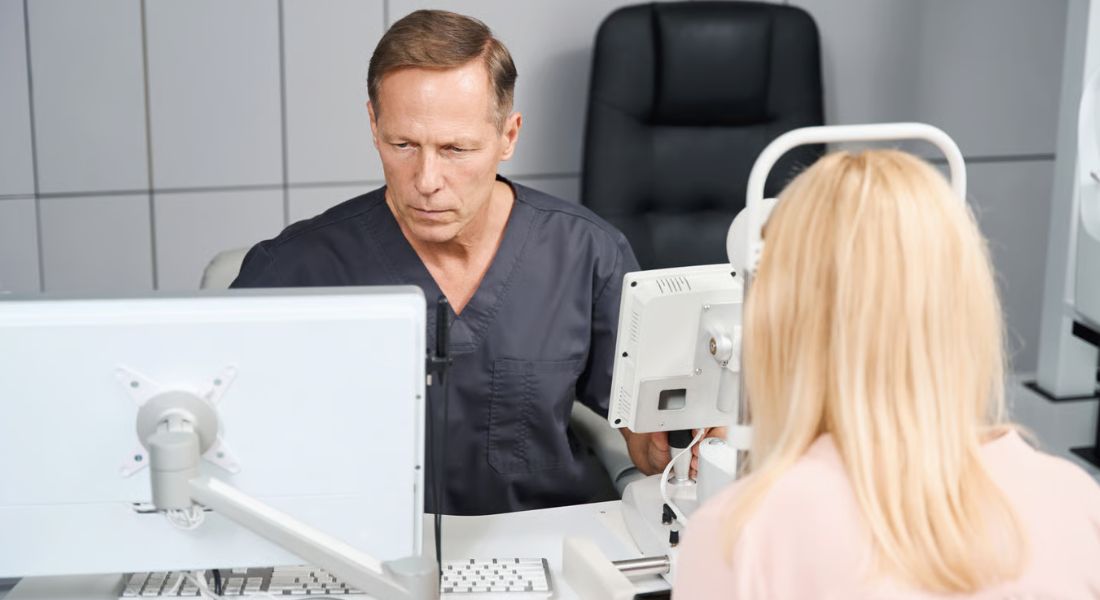
By 2027, glaucoma care is expected to move towards a more personalised approach that focuses on your individual needs. Instead of using the same treatment strategy for everyone, doctors may consider factors such as your disease stage, genetics, and how your eyes respond to medication. This approach aims to make treatment more effective and reduce unnecessary interventions. Personalised care is becoming an important development in modern ophthalmology.
- Your treatment plan may be based on your specific condition: Future glaucoma care may consider how advanced your condition is and how quickly it is progressing. This allows your eye specialist to choose treatments that are more suitable for your individual situation.
- Genetic information could help guide your care: Researchers are exploring how your genetic profile may influence your risk and response to treatment. This could help doctors create more targeted strategies that match your personal risk factors.
- Your response to medication may shape future decisions: Not everyone responds to glaucoma medicines in the same way. Monitoring how your eyes react to treatment can help your doctor adjust your plan and improve long-term results.
- Personalised care may improve vision protection: By focusing on your unique needs, personalised treatment could help avoid treatments that may not benefit you. It may also support earlier changes in care when your glaucoma requires a different approach.
Personalised glaucoma treatment could become a major part of future eye care by making management more precise and patient-focused. If these advances continue, you may receive treatments that are better matched to your condition, genetics, and lifestyle. This approach could improve outcomes while making glaucoma care more efficient. As research progresses, personalised strategies may help more people protect their vision for longer.
Advanced Imaging Technologies
Advanced imaging technologies are helping improve the way glaucoma is detected and monitored. New high-resolution scanning tools can capture detailed images of your optic nerve and identify small changes that may not be noticeable during a routine eye examination. This allows your eye specialist to spot potential problems earlier.
These imaging systems also help track how your glaucoma changes over time. By comparing scan results during follow-up appointments, doctors can understand how your condition is progressing and adjust your treatment when needed. This ongoing monitoring helps you receive more timely and effective care.
As imaging technology continues to develop, assessments are becoming more accurate and informative. Better scans can provide a clearer picture of your eye health and help guide treatment decisions. In the future, these improvements may support earlier intervention and better protection of your vision.
Teleophthalmology and Remote Monitoring
Teleophthalmology and remote monitoring are expected to become more common parts of glaucoma care in the future. These digital healthcare solutions may allow you to share eye pressure readings, scan results, and other eye health information with your specialist from a distance. This can make monitoring more convenient while helping maintain regular follow-up care.
Remote systems may reduce the need for frequent clinic visits, especially for routine checks and ongoing observation. By tracking changes over time, your healthcare team may be able to identify possible concerns earlier and adjust your treatment when needed. This can help you stay more involved in managing your eye health.
As digital technology continues to expand in ophthalmology, remote monitoring may become an important tool for improving access to glaucoma care. These developments could make long-term management easier and more efficient for you. Combining technology with specialist support may help protect your vision more effectively.
Combination Therapies
Future glaucoma treatment may focus more on combination therapies that use different approaches together to improve results. Instead of relying on a single method, your treatment plan may include a mix of medications, surgical options, and therapies designed to protect the optic nerve. This integrated approach aims to manage glaucoma more effectively.
By targeting the condition from different angles, combination treatments may help improve eye pressure control and slow disease progression. Your eye specialist can consider factors such as your symptoms, eye health, and treatment response when creating a suitable plan. This allows care to become more personalised and adaptable.
As glaucoma research continues to develop, treatment strategies are becoming more flexible and patient-focused. Combining different therapies may provide better long-term support for protecting your vision. These advances could make managing glaucoma easier and more effective for you.
Safer Long-Term Treatments
Safety continues to be a major focus in the development of future glaucoma treatments. Since glaucoma often requires long-term or lifelong management, new therapies are being designed to provide effective results while reducing unwanted side effects. This may help you feel more comfortable with your treatment plan over time.
Researchers are working on options that improve long-term tolerability and make treatments easier to continue consistently. When medications or procedures are better suited to your needs, you may be more likely to follow your care routine successfully. This can support better eye pressure control and protect your vision.
Future glaucoma therapies aim to create a balance between effectiveness, safety, and convenience. By developing treatments with improved safety profiles, specialists may be able to offer care that better fits your lifestyle. These advances could make long-term glaucoma management more manageable and effective for you.
Role of Biomarkers in Diagnosis
Researchers are exploring the role of biomarkers to improve how glaucoma is detected and monitored. These biological indicators may reveal early signs of the condition before you notice changes in your vision. By identifying these signals earlier, doctors may be able to assess your risk and begin care sooner. Biomarker research could become an important part of future glaucoma diagnosis and treatment planning.
- Biomarkers may help detect glaucoma earlier: Biomarkers could provide information about changes happening inside your eyes before noticeable symptoms appear. This may allow your eye specialist to identify glaucoma at an earlier stage and take action to protect your vision.
- They may help predict disease progression: Some biomarkers could show how quickly glaucoma may develop or worsen over time. This information may help doctors understand your individual risk and decide how closely you need to be monitored.
- Biomarkers could support personalised treatment decisions: Understanding your specific biological signs may help your doctor choose a treatment approach that suits your condition. This could make glaucoma care more targeted and reduce the use of unnecessary treatments.
- Research is continuing to improve biomarker testing: Biomarkers are still an emerging area of glaucoma research, and scientists are working to make these tests more reliable. Future developments could make diagnosis and monitoring more accurate and effective.
The use of biomarkers could change the future of glaucoma diagnosis by helping doctors detect the condition earlier and understand how it may progress. If these research developments become widely available, you may benefit from more personalised monitoring and treatment plans. Although biomarker testing is still being studied, it offers promising possibilities for protecting vision. Early detection combined with improved technology could make a significant difference in glaucoma care.
Advances in Eye Pressure Monitoring

Advances in eye pressure monitoring are changing the way glaucoma can be assessed and managed. New continuous monitoring devices are being developed to track changes in your eye pressure throughout the day and night. This provides a more complete picture of your eye health compared with occasional measurements taken during clinic visits.
Since eye pressure can fluctuate at different times, continuous monitoring may help your specialist understand patterns that might otherwise go unnoticed. This information can support more accurate treatment decisions and allow adjustments to be made based on your individual needs. Better tracking may help reduce the risk of unnoticed pressure changes affecting your optic nerve.
Improved monitoring technology could become an important part of future glaucoma care. By providing detailed information about your eye pressure, these tools may help you and your specialist manage the condition more effectively. More accurate monitoring can support better disease control and long-term vision protection.
Improving Patient Quality of Life
Future glaucoma treatments are focusing not only on controlling the condition but also on improving your overall quality of life. New developments aim to make treatment routines simpler, reduce side effects, and create options that are easier to manage over the long term. This patient-focused approach recognises that living with glaucoma involves more than just monitoring eye pressure.
Reducing the burden of daily medication can make a significant difference to your everyday routine. Fewer eye drops, longer-lasting treatments, and more convenient options may help you feel less stressed about managing your condition. These improvements can also make it easier for you to stay consistent with your care plan.
As glaucoma research continues to advance, quality of life is becoming a central part of treatment decisions. Future therapies aim to balance effective disease control with comfort and convenience. This may help you maintain better eye health while making long-term management easier.
Research and Clinical Trials
Many future glaucoma treatments are currently being studied through clinical trials and early research stages. These studies help researchers understand how safe and effective new therapies may be before they become widely available. This ongoing work could help you access better treatment options in the future.
Clinical trials play an important role in bringing new medications, devices, and procedures into everyday eye care. Through careful testing, scientists can identify treatments that may improve how you manage glaucoma over time. This research also helps your eye specialist make more informed decisions about your care.
The field of glaucoma treatment is rapidly evolving, and new discoveries may change the way you receive diagnosis and treatment. As research continues, you may benefit from more personalised and convenient approaches. Staying informed allows you to discuss future possibilities and make confident choices about your eye health.
What This Means for Patients

By 2027, glaucoma treatment may become more advanced, personalised, and focused on improving your overall experience. New developments may help you benefit from earlier diagnosis, longer-lasting treatments, and more accurate disease monitoring. These changes aim to make managing glaucoma easier while providing better protection for your vision.
Many upcoming innovations are still being researched, but they represent an important step forward in modern eye care. You may see improvements in areas such as medication delivery, surgical techniques, and digital monitoring tools. These advancements could help your eye specialist create a treatment approach that better suits your needs.
Staying informed about future glaucoma developments allows you to understand the options that may become available. As care continues to evolve, you can take a more active role in managing your eye health. With new technologies and personalised approaches, the future of glaucoma care looks increasingly promising.
FAQs:
- What are the most promising new glaucoma treatments expected by 2027?
The most promising developments include sustained drug delivery systems, minimally invasive surgery, gene therapy research, and AI-powered diagnosis. These innovations aim to improve long-term pressure control and reduce dependence on daily eye drops. Many are still in development but show strong potential. They could significantly improve glaucoma management in the future. - How will artificial intelligence help in glaucoma care?
Artificial intelligence may help detect glaucoma earlier by analysing eye scans and identifying subtle changes in the optic nerve. It can also support doctors by improving diagnostic accuracy and consistency. AI tools may become part of routine eye screenings. This could lead to earlier treatment and better outcomes. - Will eye drops still be needed in the future?
Eye drops will likely still be used, but their importance may decrease over time. New long-acting treatments, implants, and sustained-release systems aim to reduce the need for daily drops. These innovations improve treatment consistency and convenience. However, eye drops will remain part of care for many patients. - What are sustained drug delivery systems in glaucoma?
Sustained drug delivery systems are treatments designed to release medication slowly over weeks or months. They may come in the form of implants or injectable devices. This helps maintain stable eye pressure without daily dosing. It also improves treatment adherence. - What is minimally invasive glaucoma surgery (MIGS)?
MIGS is a type of surgery designed to lower eye pressure with less risk and faster recovery than traditional procedures. It uses small devices to improve fluid drainage in the eye. By 2027, MIGS may continue to become more refined, with newer devices and techniques aiming to improve safety and effectiveness. - Can gene therapy treat glaucoma in the future?
Gene therapy is being researched as a potential future treatment for glaucoma. It aims to target genetic pathways that affect optic nerve damage. Although still experimental, early results are encouraging. It may help slow or prevent disease progression in high-risk patients. - What is neuroprotection in glaucoma treatment?
Neuroprotection refers to treatments that protect the optic nerve from damage. Unlike traditional treatments that only lower eye pressure, these therapies aim to preserve nerve cells directly. Researchers are testing drugs that may support long-term vision health. This could become an important part of future care. - How will glaucoma diagnosis improve by 2027?
Diagnosis is expected to become earlier and more accurate using AI and advanced imaging tools. These technologies can detect subtle changes before symptoms appear. This allows for earlier treatment and better vision protection. It may also reduce missed or delayed diagnoses. - Will glaucoma treatment become more personalised?
Yes, glaucoma care is expected to become more personalised based on genetics, disease stage, and treatment response. This helps doctors tailor treatment plans more effectively. Personalised care improves results and reduces unnecessary treatments. It is a major trend in future ophthalmology. - How will these advancements improve patient quality of life?
Future treatments aim to simplify glaucoma management and reduce the burden of daily eye drops and frequent visits. Longer-lasting therapies and remote monitoring will make care more convenient. Patients may experience fewer side effects and better disease control. Overall, these developments may help improve quality of life by making glaucoma care more convenient and easier to follow.
Final Thoughts: New Glaucoma Treatments Expected in 2027
By 2027, glaucoma care may continue moving towards earlier diagnosis, sustained drug delivery systems, and less invasive surgical options. Innovations such as AI-assisted screening, neuroprotective therapies, and long-acting implants are likely to reduce reliance on daily eye drops while improving long-term pressure control and preserving vision more effectively. Overall, these developments point towards a more personalised and convenient approach to care, where treatment is tailored to your specific condition and disease progression. If you’re considering glaucoma treatment in London and want to know if it’s the right option, you’re welcome to reach out to us at Eye Clinic London to book a consultation.
References:
- Anton, N., Geamănu, A., Iancu, R., Pîrvulescu, R.A., Popa-Cherecheanu, A., Barac, R.I., Bandol, G. and Bogdănici, C.M. (2024) A mini-review on gene therapy in glaucoma and future directions, International Journal of Molecular Sciences, 25(20), 11019. Available at: https://www.mdpi.com/1422-0067/25/20/11019
- Dhawale, K.K. and Tidake, P. (2024) A comprehensive review of recent advances in minimally invasive glaucoma surgery: current trends and future directions, Cureus, 16(7), e65236. Available at: https://pmc.ncbi.nlm.nih.gov/articles/PMC11342062/
- Lemij, H.G., de Vente, C., Sánchez, C.I. and Vermeer, K.A. (2023) Characteristics of a large, labeled data set for the training of artificial intelligence for glaucoma screening with fundus photographs, Ophthalmology Science, 3(3), 100300. Available at: https://www.sciencedirect.com/science/article/pii/S2666914523000325
- Nordin, N.A. et al. (2025) Liposomal topical drug administration surpasses alternative methods in glaucoma therapeutics: a novel paradigm for enhanced treatment, Journal of Pharmacy and Pharmacology, 77(4), pp. 475–490. Available at: https://academic.oup.com/jpp/article/77/4/475/7907826
- Ciociola, E.C., Fernandez, E., Kaufmann, M. and Klifto, M.R. (2024) Future directions of glaucoma treatment: emerging gene, neuroprotection, nanomedicine, stem cell, and vascular therapies, Current Opinion in Ophthalmology, 35(2), pp. 89–96. Available at: https://pubmed.ncbi.nlm.nih.gov/37910173/