


New Research on Stem Cell Therapy for Glaucoma
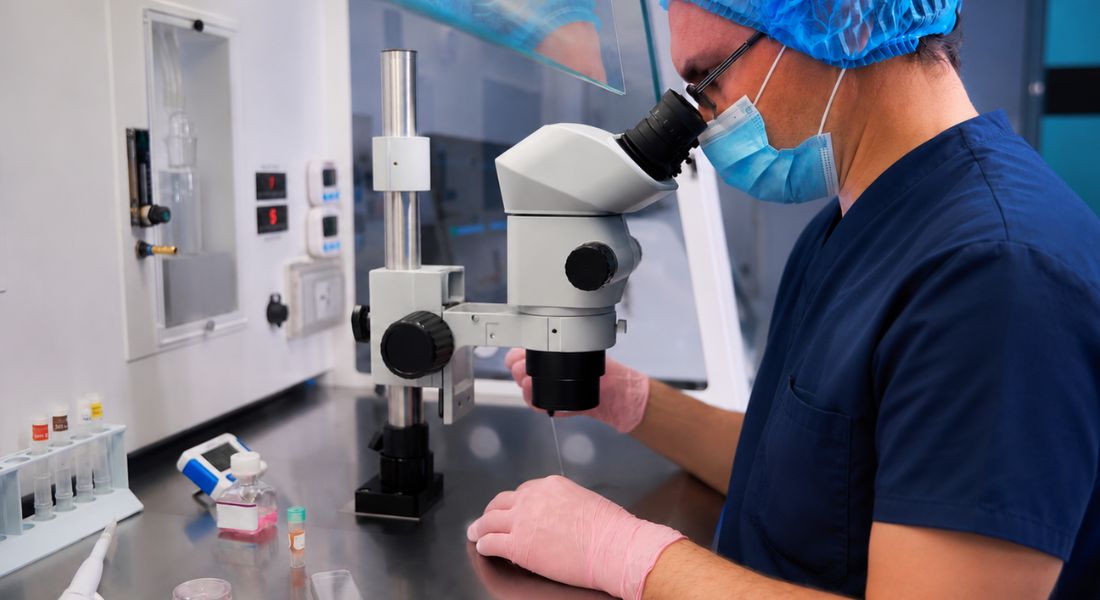
Glaucoma is a progressive eye condition that damages the optic nerve and can lead to irreversible vision loss if it is not properly managed. If you are living with this condition, you should know that current treatments mainly focus on lowering intraocular pressure through medication, laser therapy, or surgery. While these treatments are important for you, they cannot reverse any existing nerve damage.
Stem cell therapy has emerged as an exciting area of research because it offers a potential regenerative approach rather than only managing symptoms. For you, this means scientists are exploring ways to protect and possibly restore retinal ganglion cells, which are essential for carrying visual signals from your eye to your brain. This represents a significant shift in how future glaucoma treatments may be developed.
You should also understand that researchers are investigating how stem cells might help repair damaged optic nerve tissue and support better visual outcomes. Early findings suggest that these cells may play a role in both protecting remaining neurons and encouraging regeneration. For you, this opens up the possibility of treatments that go beyond simply slowing disease progression.
Although these developments are still in the early stages, they are creating new hope for future glaucoma management. If you are following this research, you will see that scientists are working carefully to ensure safety and effectiveness before these therapies become widely available. For you, this ongoing progress highlights how treatment options may continue to evolve over time.
How Stem Cell Therapy Works in Glaucoma
Stem cell therapy works by using undifferentiated cells that have the ability to develop into specialised cells for your body. In the context of glaucoma, researchers are focusing on retinal ganglion cells, which are responsible for sending visual information from your eye to your brain. When these cells are damaged, your vision is affected, so the aim is to find ways to repair or replace them.
You may find it helpful to understand that scientists are currently investigating whether stem cells can regenerate these damaged retinal ganglion cells for you. They are also exploring how these cells might integrate into your existing neural network and support visual function. While this is still under research, it represents a potential future approach to improving vision outcomes in glaucoma.
Early animal studies have shown that transplanted stem cells can survive within the eye and remain active over time. For you, this is important because these cells may also release neurotrophic factors that support the health of your remaining neurons. These findings suggest there may be potential therapeutic benefits, although more research is needed before it becomes a standard treatment option for you.
Types of Stem Cells Being Studied for Glaucoma Therapy
If you’re looking into future treatments for glaucoma, you’ll find that researchers are actively studying several types of stem cells to understand how they might help protect or repair vision. Each type of stem cell offers different potential advantages, and scientists are carefully evaluating their safety and effectiveness before they can be used in routine clinical care. The aim is to identify options that could help preserve your vision by supporting or replacing damaged retinal cells. At this stage, most of these approaches are still in the research phase rather than widely available treatments.
- Embryonic Stem Cells: These stem cells have the ability to develop into almost any type of cell in the body, which makes them highly versatile. However, their use comes with ethical considerations and safety challenges that researchers must carefully address.
- Induced Pluripotent Stem Cells (iPSCs): iPSCs are created by reprogramming your own adult cells, which means they may reduce the risk of immune rejection. You may find this particularly promising, but they still require extensive research before they can be used safely in everyday clinical practice.
- Mesenchymal Stem Cells (MSCs): MSCs are widely studied because they can release supportive and neuroprotective factors that may help protect your existing retinal cells. For you, this could potentially help slow down further vision loss by supporting the cells that are still functioning.
- Ongoing Research and Development: Scientists are continuing to compare these different stem cell types to determine which may offer the best balance of safety and effectiveness. At present, no single option has been confirmed as a standard treatment, as research is still ongoing.
As research continues, the focus remains on finding safe and reliable ways to translate stem cell science into practical treatments for glaucoma. While these developments are promising, they are still evolving, and more clinical studies are needed before they become widely available. For you, this means that current glaucoma care still relies on established treatments, while stem cell therapy represents a potential future direction in eye health.
Preclinical Studies and Animal Models
Much of what you currently know about stem cell therapy for glaucoma comes from preclinical studies using animal models. If you’re following this research, you’ll see that these studies are essential for understanding how stem cells behave in a living system before they are tested in humans. They help researchers explore whether the treatment could one day be effective for you.
You may find it interesting that in these studies, transplanted stem cells have shown the ability to migrate to damaged areas of the eye. They can also support neuron survival and, in some cases, improve visual function in experimental models of glaucoma. While this is encouraging, it is important for you to remember that these results are still in an early research stage.
Researchers are testing delivery methods such as intravitreal injections and scaffold-based implants to improve cell survival, placement, and integration. For you, this means scientists are still working to find the most effective and reliable approach. These findings provide a strong foundation for future human clinical trials, which will be needed before treatments become widely available.
Neuroprotection vs. Regeneration
Stem cell therapy for glaucoma may offer two important benefits for you: neuroprotection and regeneration. Neuroprotective strategies aim to preserve the retinal ganglion cells you still have, helping to slow down disease progression. This means your remaining vision could be maintained for longer if the approach works effectively.
Regenerative approaches, on the other hand, focus on replacing cells that have already been lost. For you, this could one day mean the possibility of restoring some level of visual function, although this is still being researched. These two approaches target different stages of the disease process.
Both strategies are being actively investigated, and researchers believe that combining them may offer the best results for you. By protecting existing cells while also encouraging regeneration, treatment outcomes could potentially be improved in advanced glaucoma cases. However, this combined approach is still under scientific evaluation and not yet available in routine clinical practice.
Challenges in Clinical Application
Despite promising preclinical results, several challenges still need to be addressed before stem cell therapy becomes widely available for you as a glaucoma patient. One of the main concerns is ensuring that transplanted cells survive long term and integrate properly into your eye’s existing structure. Researchers are also working to reduce the risk of immune rejection so that your body accepts the new cells more effectively.
Another important challenge involves safety, particularly avoiding unwanted cell growth or the risk of tumour formation. For you, this means that every step of development must be carefully controlled and tested before treatments can be used in clinical practice. Scientists are focusing heavily on making sure these therapies remain both effective and safe over time.
You should also understand that moving from laboratory research to real-world treatment requires extensive clinical trials and strict regulatory approval. This ensures any future therapy you receive is thoroughly tested for safety and effectiveness. While researchers remain cautiously optimistic, they are continuing to address these challenges before stem cell therapy can become a routine option for you.
Delivery Methods for Stem Cells
The way stem cells are delivered to your eye plays a major role in how effective the treatment may be. If you’re considering this area of research, you should know that different delivery methods are being tested to find the most reliable approach. Each technique aims to improve how well the cells reach and function within the retina.
You may come across intravitreal injection as one of the most commonly used methods in early studies. This approach is minimally invasive, but it can be challenging to accurately target the retinal ganglion cell layer where it is needed most. For you, this means researchers are still working on improving precision and consistency in delivery.
Other methods, such as subretinal implantation and scaffold-based systems, are also being explored to improve cell survival and integration. These advanced techniques may offer better support for stem cells once they are placed in the eye. As biomaterials and tissue engineering continue to develop, you may see more effective and refined delivery methods in future treatments.
Role of Neurotrophic Factors
When you explore stem cell research for glaucoma, you’ll often come across something called neurotrophic factors. These are supportive molecules released by stem cells that help maintain the health and function of your existing retinal ganglion cells. Even before any true cell replacement happens, these factors may offer protective benefits for your vision. This is one of the reasons stem cell therapy is being studied so closely in eye disease research.
- Support for Retinal Ganglion Cells: Neurotrophic factors help nourish and protect the retinal ganglion cells that are still functioning in your eye. This support may help these cells remain healthier for longer.
- Reduction of Cell Death (Apoptosis): These molecules may help reduce apoptosis, which is the natural process of programmed cell death. For you, this could potentially slow the loss of vision-related nerve cells.
- Improved Nerve Function and Connectivity: They may encourage axonal growth and improve synaptic connections within your visual system, helping your remaining nerve pathways work more efficiently.
- Potential to Slow Disease Progression: Even without full cell replacement, research suggests these factors could help slow glaucoma progression and support long-term vision preservation.
While these findings are promising, it’s important to understand that this area of research is still developing. Scientists are continuing to study how reliably these effects can be achieved in real-world clinical treatments. For you, this means stem cell therapy remains a potential future approach, alongside current established glaucoma management options.
Gene Editing and Stem Cells
Combining gene-editing technologies, such as CRISPR, with stem cell therapy opens up additional possibilities for future treatment. For you, this could mean that genetic defects linked to glaucoma may one day be corrected before stem cells are even transplanted. This approach is being explored as a way to improve how well the cells function once they are introduced into the eye.
You may benefit from this kind of advancement through more personalised regenerative treatments in the future. By adjusting stem cells according to your genetic profile, researchers aim to improve how effectively they integrate and support nerve repair. This could lead to more targeted and potentially more successful outcomes for you.
However, you should understand that this area of research is still in very early experimental stages. While the science is promising, it is not yet available in clinical practice. Ongoing studies will be needed before you can expect to see this approach used as a standard treatment option.
Current Clinical Trials

Several early-phase clinical trials are currently investigating the safety and effectiveness of stem cell therapy in glaucoma patients. If you’re following this research, you’ll see that these studies are mainly focused on understanding how well the treatment is tolerated. They also look at optimal dosing and early signs of visual improvement.
You should remember that this work is still highly experimental at this stage. While researchers are carefully monitoring outcomes, the primary goal in these trials is to establish safety before wider use. If you are considering future treatment options, it’s important to understand that these studies are still in their early phases.
Despite this, initial findings suggest that stem cell-based therapies are feasible and may offer potential benefits. For you, this is particularly relevant if you have advanced glaucoma where conventional treatments may have limited effect. As research progresses, these trials will help determine whether stem cell therapy can become a reliable option in the future.
Potential for Combination Therapies
Stem cell therapy may be most effective for you when it is combined with existing glaucoma treatments. While lowering intraocular pressure remains essential, you may benefit from approaches that also target optic nerve damage directly. This combined strategy could offer a more comprehensive way to manage your condition.
For you, the idea of combination therapy means that future treatment plans may not rely on a single method alone. Instead, stem cells could work alongside your current glaucoma treatments to provide added neuroprotection and support regeneration. This may help improve overall outcomes compared to using one approach in isolation.
Future research is likely to focus on developing integrated treatment plans that bring together different therapeutic strategies for you. These may include neuroprotection, regeneration, and traditional pressure-lowering treatments working in harmony. If successful, this approach could help optimise long-term visual outcomes for patients like you.
Ethical Considerations
Ethical considerations play an important role in the development of stem cell therapy. If you are exploring this area, you should know that the use of certain stem cell types, such as embryonic stem cells, can raise ethical questions. These concerns are taken seriously by researchers and regulatory bodies.
To address this, scientists are increasingly focusing on patient-derived iPSCs and adult stem cells, which help reduce ethical conflicts. For you, this shift means that newer approaches are being designed to be both scientifically effective and ethically responsible. This helps ensure that future treatments align with acceptable medical and moral standards.
In addition, informed consent and transparent communication are essential throughout clinical trials. You should always be clearly informed about potential risks, benefits, and uncertainties before participating in any study. This ensures that your decisions are made with a full understanding of what the treatment involves.
Long-Term Vision for Stem Cell Therapy
While clinical application remains limited today, the long-term potential of stem cell therapy is promising but still experimental. For you, this could mean a future where glaucoma treatment moves beyond simply lowering eye pressure and instead focuses on true regeneration. Researchers are working towards therapies that could change how your condition is managed in a more meaningful way.
You may one day benefit from approaches that not only slow disease progression but also help preserve the remaining healthy neurons in your eye. The aim is to support your vision for as long as possible while also exploring ways to repair damaged optic nerves. This shift represents a major change in how treatment could be delivered to you in the future.
Although these goals are still under investigation, the direction of research is becoming clearer. Scientists are focused on developing treatments that could eventually improve visual function rather than just maintain stability for you. If these advancements succeed, they could significantly transform how glaucoma is treated in your lifetime.
Patient Selection Considerations
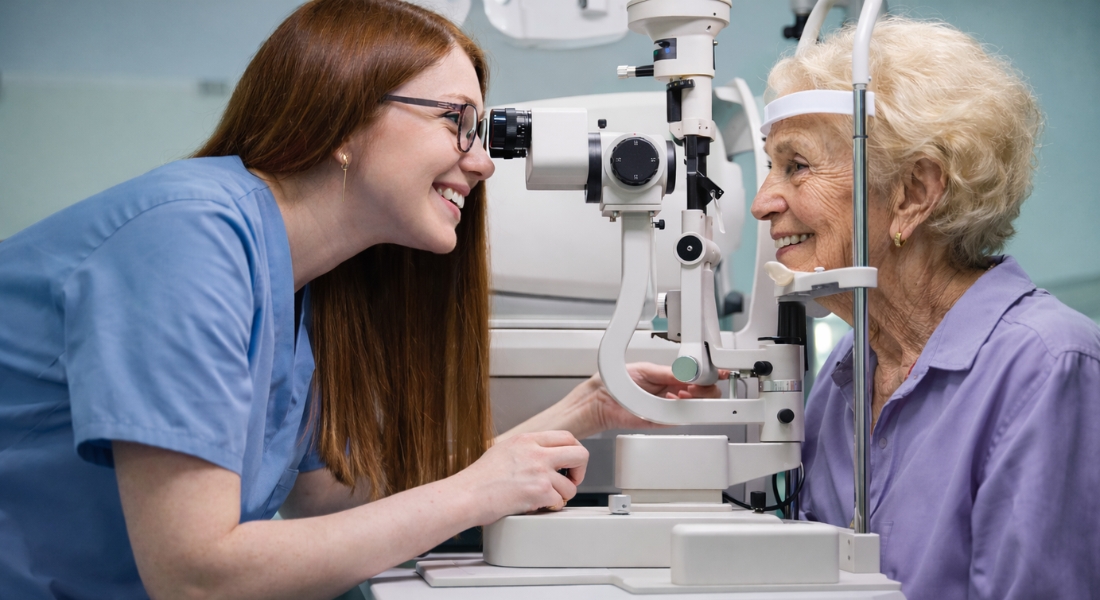
Not every glaucoma patient may be suitable for stem cell therapy, so careful selection is essential. For you, this means your suitability would depend on several clinical factors rather than a one-size-fits-all approach. Researchers and clinicians aim to identify patients who are most likely to benefit while maintaining safety.
You are more likely to be considered an ideal candidate if you have advanced optic nerve damage but stable eye conditions that allow safe transplantation. Your age, disease stage, and overall health are also taken into account during assessment. This helps ensure that any potential treatment is appropriate for your specific situation.
Careful patient selection is critical because it helps maximise potential benefits while reducing unnecessary risks for you. If you are being evaluated for future therapies, your individual profile will guide every decision. This personalised approach ensures that treatment is matched as closely as possible to your needs.
Safety Monitoring
Safety monitoring is a key priority in stem cell therapy research, especially as treatments continue to develop. For you, this means that every stage of clinical research is carefully observed to identify any potential risks early. Scientists pay close attention to complications such as immune reactions, inflammation, or unintended cell growth.
You should also know that ongoing assessment and long-term follow-up are essential parts of these studies. Researchers want to make sure that any new therapy remains safe for you not just in the short term, but over extended periods as well. This careful monitoring helps build a clearer understanding of how the treatment behaves in real clinical settings.
By focusing on safety first, investigators aim to reduce risks while still exploring the potential benefits of vision restoration. If you are considering future therapies in this area, you will benefit from this cautious and structured approach. It ensures that any advancements are properly tested before being made widely available to you.
Future Research Directions
Future research is focusing on improving how stem cells survive, integrate, and form functional connections within the eye. For you, this could mean more reliable treatments in the future as scientists refine techniques that support better outcomes. Researchers are exploring advanced culture methods, scaffold materials, and neuroprotective strategies to improve overall effectiveness.
You may also benefit from developments in biomarkers that help predict how well you might respond to treatment. These tools could allow doctors to personalise your therapy more accurately based on your individual condition. As a result, your treatment plan could become more tailored and potentially more effective over time.
These ongoing innovations aim to strengthen the overall success of stem cell therapy for glaucoma. If you’re following this field, you’ll see that progress is steady and increasingly focused on precision and personalisation for you. In the coming years, these advances may play an important role in improving outcomes for patients like you.
Potential Impact on Vision Restoration

If stem cell therapy proves successful in future studies, it may support partial visual function recovery in selected patients with significant optic nerve damage. For you, this would mark a major shift in treatment, as it would go beyond simply slowing disease progression and move towards actual regeneration. This is why researchers are closely studying how these therapies could one day support meaningful vision recovery for you.
At present, you should understand that this level of vision restoration is not yet available in routine clinical practice. While early findings are encouraging, scientists are still working to understand how to reliably repair or replace damaged optic nerve cells. If you are following developments in this field, you will see that progress is steady but still very carefully controlled.
Researchers remain cautiously optimistic about what stem cell therapy may achieve in the long term. For you as a patient, it is important to recognise that functional vision recovery is still a future goal rather than a current reality. Ongoing research will be essential before these treatments can be safely and consistently offered to you in everyday care.
Integration with Artificial Intelligence
Integration with Artificial Intelligence is becoming an exciting area of development in stem cell therapy. If you’re following this field, you’ll see that AI is being explored to help predict how you might respond to treatment. It can also support clinicians in selecting the most suitable cells for your specific condition.
You may also benefit from AI tools that help monitor your progress after treatment. These systems can track changes over time and provide more detailed insights into how your therapy is working for you. This allows your care to be adjusted more accurately based on your individual response.
By combining regenerative medicine with AI-driven analysis, future treatment planning could become more precise and personalised. You get a more tailored approach that focuses on improving safety, accuracy, and outcomes for you. As this technology develops, it may play a key role in how future glaucoma treatments are delivered to you.
Barriers to Widespread Adoption
Despite its promise, stem cell therapy still faces several challenges before it can become a standard part of routine care. If you’re following developments in this field, you’ll notice that regulatory approval remains one of the biggest hurdles. Different countries have strict guidelines, and therapies must go through extensive testing before they can be widely offered.
Cost is another significant factor that can limit access for many patients. You may find that these treatments are expensive due to the complexity of the technology and the specialised facilities required. On top of this, the technical nature of the procedures means they need highly trained professionals to deliver them safely and effectively.
There is also the challenge of achieving consistent clinical outcomes across different patient groups. Even when early results are promising, you need larger studies to confirm long-term effectiveness and safety. Continued research, collaboration, and validation in wider populations will be essential before you see stem cell therapy becoming more widely available.
FAQs:
- What is stem cell therapy for glaucoma?
Stem cell therapy for glaucoma is an emerging treatment approach that aims to repair or protect damaged optic nerve cells using regenerative cells. In glaucoma, retinal ganglion cells are damaged, which leads to vision loss. Researchers are studying whether stem cells can help support or replace these cells and slow disease progression. - Can stem cell therapy currently cure glaucoma?
At present, stem cell therapy cannot cure glaucoma or reverse established vision loss. The research is still in early stages, and most studies are preclinical or in early clinical trials. Current treatments remain focused on lowering eye pressure to prevent further damage. - How might stem cells help in glaucoma treatment?
Stem cells may help by releasing neurotrophic factors that support surviving nerve cells and reduce further damage. They may also have the potential to replace damaged retinal ganglion cells in the future. Both neuroprotective and regenerative effects are being actively investigated in research studies. - Is stem cell therapy for glaucoma available in clinics?
Stem cell therapy for glaucoma is not yet a standard or widely available clinical treatment. It is currently being studied in research settings and early-phase clinical trials. Any treatment offered outside regulated trials should be approached with caution. - What types of stem cells are being researched for glaucoma?
Researchers are studying several types of stem cells, including induced pluripotent stem cells (iPSCs), mesenchymal stem cells (MSCs), and embryonic stem cells. Each type has different benefits and limitations in terms of safety, availability, and effectiveness. iPSCs are particularly promising because they can be derived from a patient’s own cells. - Can stem cell therapy restore lost vision?
In theory, stem cell therapy aims to restore damaged retinal ganglion cells, which could improve vision. However, this has not yet been reliably achieved in human patients. Current evidence suggests the main benefit may be slowing progression and protecting remaining vision rather than full restoration. - Are there risks involved with stem cell treatment for glaucoma?
Yes, there are potential risks, including inflammation, immune reactions, and unwanted cell growth. Because the treatment is still experimental, long-term safety is not fully understood. This is why strict clinical trials and regulatory oversight are essential. - Who might be suitable for future stem cell treatments?
If stem cell therapy becomes available, it may be most suitable for patients with advanced glaucoma and stable eye conditions. Suitability will depend on disease stage, overall eye health, and individual medical factors. Careful patient selection will be crucial to ensure safety and effectiveness. - How far is stem cell therapy from becoming a standard treatment?
Stem cell therapy for glaucoma is still in the research and development phase. While early studies are promising, more clinical trials are needed to confirm safety and effectiveness. It may take several years before it becomes a routine clinical option. - Can stem cell therapy be combined with current glaucoma treatments?
Yes, future approaches are likely to combine stem cell therapy with existing treatments such as eye drops, laser therapy, or surgery. Lowering eye pressure will still remain essential to managing glaucoma. Stem cells may eventually complement these treatments by protecting or regenerating optic nerve cells.
Final Thoughts: Stem Cell Therapy and the Future of Glaucoma Care
Stem cell therapy represents one of the most promising frontiers in glaucoma research, particularly for its potential to move beyond simply slowing disease progression towards actually protecting and possibly restoring damaged optic nerve function. While the science is still evolving and most treatments remain in experimental stages, the early findings around neuroprotection, retinal support, and regenerative potential are encouraging. However, significant challenges remain before it can become a routine clinical option, including safety, consistency, and long-term effectiveness in humans.
For now, traditional treatments to lower intraocular pressure remain the most reliable way to manage glaucoma, but ongoing research continues to open new possibilities that may transform future care. Patients and clinicians alike can be cautiously optimistic, while recognising that stem cell therapy is still developing and not yet a substitute for established treatments. If you’re considering glaucoma treatment in London and want to know if it’s the right option, you’re welcome to reach out to us at Eye Clinic London to book a consultation.
References:
- Kosior-Jarecka, E. and Grzybowski, A. (2024) Retinal ganglion cell replacement in glaucoma therapy: a narrative review, Journal of Clinical Medicine, 13(23), 7204. Available at: https://www.mdpi.com/2077-0383/13/23/7204
- Luo, Z. and Chang, K.C. (2024) Cell replacement with stem cell-derived retinal ganglion cells from different protocols, Neural Regeneration Research, 19(4), pp. 807–810. Available at: https://pmc.ncbi.nlm.nih.gov/articles/PMC10664109/
- Johnson, T.V. and Martin, K.R. (2013) Cell transplantation approaches to retinal ganglion cell neuroprotection in glaucoma, Current Opinion in Pharmacology, 13(1), pp. 78–82. Available at: https://www.sciencedirect.com/science/article/abs/pii/S1471489212001098
- Mead, B. and Tomarev, S. (2017) Bone marrow-derived mesenchymal stem cells-derived exosomes promote survival of retinal ganglion cells through miRNA-dependent mechanisms, Stem Cells Translational Medicine, 6(4), pp. 1273–1285. Available at: https://academic.oup.com/stcltm/article-abstract/6/4/1273/6404678
- Chamling, X., Sluch, V.M. and Zack, D.J. (2016) The potential of human stem cells for the study and treatment of glaucoma, Investigative Ophthalmology & Visual Science, 57(5), pp. ORSFi1–ORSFi6. Available at: https://pubmed.ncbi.nlm.nih.gov/27116666/