


Latest Research on Genetics and Glaucoma Risk

Glaucoma is a complex eye condition that can lead to irreversible vision loss if not detected and managed early in your care. While raised intraocular pressure remains a major risk factor, you should know that genetics also plays an important role in both the development and progression of the disease. This means your inherited traits can influence your overall risk.
In recent years, advances in genetic research have helped identify specific genes that may increase your susceptibility to glaucoma. You may find it helpful to understand that these discoveries explain why some people develop the condition earlier or experience faster progression than others. This growing knowledge is improving how clinicians understand individual risk patterns.
Genetic studies are also starting to influence how doctors think about screening and early detection for you. In the future, genetic testing may help identify individuals at higher risk before any symptoms appear, allowing earlier monitoring and intervention. Although this field is still developing, it represents an important step towards more personalised glaucoma care for you.
Understanding Glaucoma
Glaucoma refers to a group of eye conditions that damage the optic nerve, which is essential for your vision. You should understand that this damage is often linked to increased pressure inside the eye, although other factors may also contribute. This condition can progress silently in its early stages.
Over time, untreated glaucoma can lead to gradual loss of peripheral vision. You may not notice these changes at first, but in advanced cases, central vision can also become affected. This is why the condition is often detected only after some vision has already been lost.
Early detection is essential for preserving your sight. You may benefit from regular eye examinations so that any changes can be identified and treated as early as possible. Timely management helps slow progression and protect long-term vision.
Why Genetics Matters in Glaucoma
Genetics plays a key role in determining your risk of developing glaucoma. You may inherit certain gene variations that make your optic nerve more vulnerable to damage over time. This can increase the likelihood of developing the condition, even before any symptoms appear.
This is one reason why glaucoma often runs in families. You may notice that having a close relative with glaucoma can raise your own risk, although it does not guarantee you will develop it. Genetic predisposition is only one part of a more complex risk profile.
Not everyone with a genetic risk will go on to develop glaucoma. You should also consider that environmental and lifestyle factors can influence how the condition develops and progresses. This combination of factors means your overall risk is shaped by both inherited and external influences.
Family History as a Risk Factor
If you have a family history of glaucoma, you may have a higher risk of developing the condition compared to the general population. In particular, if a parent, sibling, or close relative has been diagnosed, your likelihood of developing glaucoma is increased. This does not mean you will definitely develop it, but it does mean you should be more proactive with regular eye checks. Early and consistent monitoring can help you detect changes before any noticeable vision loss occurs.
- You May Have a Higher Risk if Family Members Are Affected: If glaucoma runs in your family, your own risk is increased. First-degree relatives are especially more likely to develop the condition.
- Regular Eye Exams Are Important for You: If you have a family history, you should attend routine eye examinations even if you have no symptoms. This helps ensure early detection.
- Early Monitoring Helps Protect Your Vision: If changes are detected early in your eyes, treatment can begin sooner. This may help prevent or slow down vision loss.
- Family History Is a Key Screening Factor for You: If your clinician knows about your family history, they can tailor your screening schedule accordingly. This makes monitoring more effective and personalised.
- Risk Does Not Mean You Will Definitely Develop Glaucoma: If you are at higher risk, it does not guarantee you will get the condition. However, it does mean you should be more vigilant with eye health checks.
Family history remains one of the most important risk factors for glaucoma. If you are aware of affected relatives, regular eye examinations can play a crucial role in early detection and prevention of vision loss. With timely monitoring, you can significantly improve your chances of maintaining healthy vision in the long term.
Primary Open-Angle Glaucoma Genetics
Primary open-angle glaucoma is the most common form of glaucoma. You should know that researchers have identified multiple genes that may be associated with this condition. These genetic factors can influence how the disease develops over time.
Some of these genes may affect fluid drainage in your eye, while others influence optic nerve structure or cellular resilience. You may find it helpful to understand that these combined effects can increase susceptibility to damage. However, no single gene is responsible for all cases of the disease.
Because of this, primary open-angle glaucoma is considered genetically complex. You may be affected by a combination of several genetic and non-genetic factors. This complexity makes individual risk assessment important in your eye care.
Primary Angle-Closure Glaucoma
Angle-closure glaucoma is influenced by both genetic and anatomical factors. You may inherit certain traits that affect the structure of your eye and the drainage angle. These structural differences can increase your risk of developing this form of glaucoma.
In some individuals, these inherited features can contribute to sudden rises in intraocular pressure. You may experience a rapid increase in symptoms if the drainage angle becomes blocked. This is why early detection is so important in preventing acute attacks.
Genetics plays a supportive but important role in this condition. You should also be aware that eye shape and other non-genetic factors contribute significantly to risk. Together, these influences determine your overall likelihood of developing angle-closure glaucoma.
Genome-Wide Association Studies
Genome-wide association studies (GWAS) have helped identify many genetic markers linked to glaucoma. You should know that these studies analyse large populations to detect common genetic variations associated with the disease. This allows researchers to better understand genetic risk factors at a population level.
These studies have revealed multiple risk-associated regions across the genome. You may find it interesting that these genetic signals are linked to processes such as optic nerve health and intraocular pressure regulation. This has significantly expanded understanding of how glaucoma develops.
Research in this area continues to grow rapidly. You may see new genetic discoveries emerging as larger and more diverse datasets are studied. Overall, GWAS is helping to shape a deeper understanding of glaucoma mechanisms and risk prediction.
Polygenic Risk in Glaucoma
If you are learning about glaucoma risk, you may come across the term polygenic risk. This means that glaucoma is not usually caused by a single gene, but instead by many different genes working together. Each gene on its own may only have a small effect on your risk, but when combined, they can significantly increase your overall likelihood of developing the condition. Understanding this helps explain why glaucoma can run in families even when there is no clear single genetic cause.
- You Are Influenced by Multiple Genes: If you are at risk of glaucoma, it is likely due to the combined effect of many genes rather than one specific mutation. Each gene contributes a small part to your overall risk.
- Small Genetic Effects Add Up for You: If you inherit several risk-related genes, their combined impact can significantly increase your susceptibility. This helps explain why risk varies between individuals.
- Polygenic Risk Scores May Be Used for You in the Future: If you undergo genetic assessment in the future, polygenic risk scores could help estimate your overall likelihood of developing glaucoma. These tools are still being developed but show promising potential.
- Screening Could Become More Personalised for You: If polygenic risk tools are adopted clinically, your screening schedule could be tailored based on your genetic risk profile. This may help identify glaucoma earlier in high-risk individuals.
- Research Is Advancing Rapidly for Your Benefit: If you follow current studies, you will see that genetic research in glaucoma is progressing quickly. These advances may improve how risk is identified and managed in the future.
Polygenic risk represents an important shift in how glaucoma is understood. If you are at risk, future developments in genetic testing may help provide a more personalised assessment of your likelihood of developing the condition. Over time, this could lead to earlier detection and more targeted screening strategies tailored specifically to you.
Genetic Influence on Disease Progression
Genetics not only affects your risk of developing glaucoma but may also influence how quickly the condition progresses. You may notice that some individuals experience faster optic nerve damage even when receiving treatment. This variation suggests that genetic factors can play a role in disease severity.
Researchers are currently investigating genetic markers that may be linked to more aggressive forms of glaucoma. You may benefit in the future from earlier identification of high-risk patients based on these genetic patterns. This could help clinicians monitor and manage progression more closely.
Personalised treatment strategies may emerge from this area of research. You may eventually receive care that is tailored not only to your diagnosis but also to your genetic profile. Overall, this approach aims to improve long-term outcomes and preserve vision more effectively.
Role of Optic Nerve Susceptibility
Certain genetic factors may make your optic nerve more vulnerable to pressure-related damage. You may find that even when two patients have similar eye pressure levels, their outcomes can be very different. This variation highlights how individual susceptibility plays an important role in glaucoma.
Understanding this variability is essential for effective treatment planning. You should be aware that glaucoma is not a one-size-fits-all condition, as the optic nerve response can differ significantly between individuals. This makes personalised assessment important in your care.
Individual response to the disease can vary widely. You may experience slower or faster progression depending on how sensitive your optic nerve is to pressure changes. Overall, this complexity highlights the importance of tailored monitoring and management strategies.
Genetic Testing in Glaucoma
Genetic testing is not yet routinely used in your glaucoma diagnosis. You should understand that, at present, most cases are still identified through clinical examination and eye pressure measurements rather than genetic screening. However, research is actively exploring its potential role in risk assessment.
In the future, genetic testing may help identify individuals like you who are at higher risk and may need closer monitoring. You may also benefit from earlier intervention strategies if genetic markers linked to glaucoma are detected. This could allow treatment to begin before significant optic nerve damage occurs.
Clinical application of genetic testing is still evolving. You may see it become more integrated into routine eye care as evidence grows and technology advances. Overall, it represents a promising step towards more personalised glaucoma management.
Early Screening Opportunities
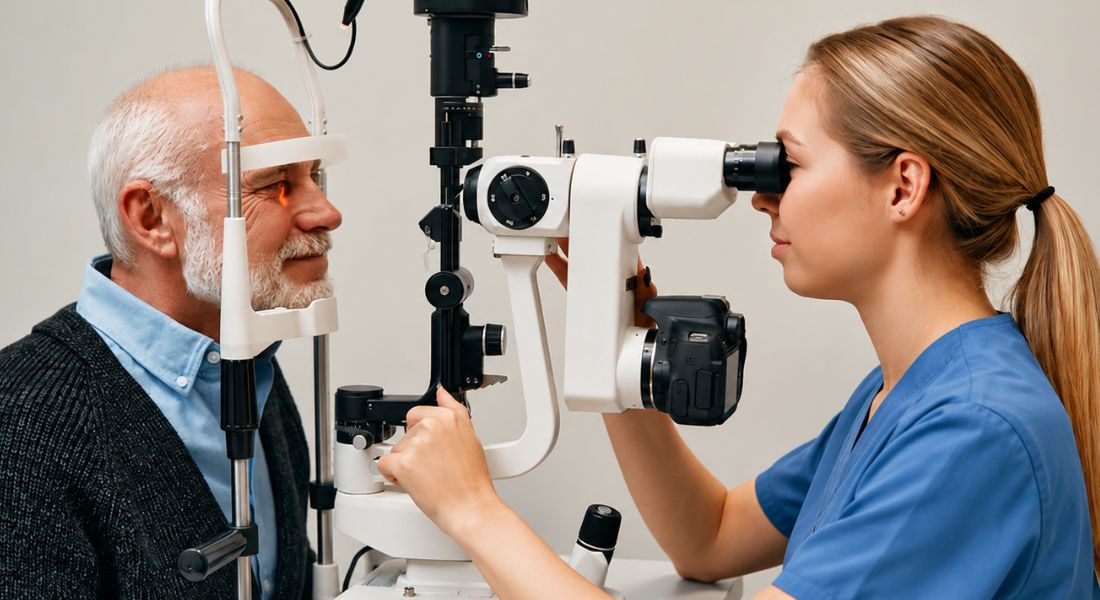
If you are at risk of glaucoma, genetic research may soon play a bigger role in how early screening is planned for you. As scientists learn more about genetic risk factors, it may become possible to identify individuals who are more likely to develop glaucoma at an earlier stage. If you fall into a higher-risk group, you may benefit from more frequent eye examinations to help detect any changes as early as possible. This approach aims to improve your chances of preventing vision loss through timely diagnosis and treatment.
- You May Benefit From Earlier Risk Identification: If genetic testing becomes part of routine care, it may help identify your risk before symptoms appear. This allows for earlier planning and monitoring.
- More Frequent Eye Exams Could Be Recommended for You: If you are considered high-risk, your eye specialist may advise you to have check-ups more often. This helps ensure any early changes are detected promptly.
- Earlier Detection Can Help Protect Your Vision: If glaucoma is found at an early stage in your case, treatment can begin sooner. This may help slow progression and reduce the risk of vision loss.
- Screening May Be Tailored to Your Genetic Risk: If personalised screening is used, your follow-up schedule may be based on your individual genetic profile. This makes monitoring more precise and targeted.
- Prevention Is a Key Goal for You: If high-risk individuals are identified early, there is a greater opportunity to prevent long-term damage. This makes early screening an important part of future care strategies.
Early screening opportunities based on genetic research represent a significant step forward in glaucoma care. If these approaches become widely available, you may benefit from more personalised monitoring and earlier intervention. Over time, this could help reduce the risk of preventable vision loss and improve long-term outcomes for you.
Inherited Syndromic Conditions
Some rare genetic syndromes are associated with glaucoma in your eye health profile. You should be aware that these conditions often present in childhood or early adulthood rather than later in life. This makes early recognition particularly important for timely management.
Identifying these syndromes is essential for comprehensive care. You may require more specialised and closely monitored treatment approaches depending on the underlying condition. In some cases, glaucoma may be just one part of a broader systemic syndrome that also needs attention.
Genetic evaluation can support accurate diagnosis in these situations. You may benefit from a more detailed assessment to understand the full scope of your condition. Overall, early identification helps ensure more effective and coordinated long-term care.
Epigenetics and Glaucoma
Epigenetics looks at how your gene activity can change without altering the actual DNA sequence. You should understand that environmental factors such as lifestyle, ageing, and stress may influence how certain genes behave. This means gene expression can be “switched on or off” in response to external factors.
Researchers are currently exploring how these epigenetic changes may contribute to the development of glaucoma. You may find it interesting that this adds another layer of complexity to how the disease starts and progresses. It helps explain why two people with similar genetic risk can still experience different outcomes.
The field of epigenetics in glaucoma is still emerging. You may see more discoveries in the future that improve understanding of disease mechanisms. Overall, this research could open new pathways for prevention and personalised treatment strategies.
Your section is already strong and well-structured. Here is a slightly refined version with smoother flow and consistent UK English while keeping your meaning intact:
Gene-Environment Interaction
Glaucoma risk is influenced by both genetic and environmental factors in your eye health. You should understand that lifestyle, ageing, and intraocular pressure can all interact with your genetic susceptibility. This combination helps shape how the disease develops and progresses over time.
Understanding these interactions is important for explaining why glaucoma can vary so much between individuals. You may notice that two people with similar genetic risk can still experience very different disease outcomes. This is because multiple internal and external factors work together in complex ways.
Both genetic and environmental elements are essential in your risk assessment. You may benefit from a more holistic approach to care that considers all contributing factors. Overall, this integrated understanding supports more accurate diagnosis and personalised management strategies.
Advances in Molecular Research
If you are interested in how glaucoma develops, you may find it useful to know that molecular research is helping scientists better understand what happens inside your optic nerve cells. Researchers are studying the biological pathways that control how these cells respond to stress, damage, and repair. If these processes are better understood, it may become possible to develop more targeted treatments that protect your vision at a deeper cellular level.
- You May Benefit From Better Understanding of Cell Damage: If molecular pathways are clarified, researchers can better explain how optic nerve cells become damaged in glaucoma. This could lead to earlier and more precise interventions for you.
- Cellular Repair Mechanisms Are Being Studied for You: If scientists understand how your optic nerve cells repair themselves, they may find ways to enhance or support this process. This could help slow disease progression.
- New Treatment Targets May Be Identified for You: If specific molecular pathways are linked to glaucoma damage, they could become targets for future drugs. This may lead to more effective and personalised treatments.
- Drug Development May Improve for You: If molecular research continues to advance, new medications may be designed to act directly on the underlying disease process. This could improve long-term protection of your vision.
- Research Is Moving Quickly for Your Future Care: If you follow scientific progress, you will see that molecular ophthalmology is developing rapidly. These discoveries may shape future glaucoma therapies.
Advances in molecular research are helping to reshape how glaucoma is understood at a fundamental level. If these findings translate into clinical practice, you may benefit from more precise, targeted, and effective treatments in the future. Over time, this could significantly improve how optic nerve damage is prevented and managed in your care.
Future of Personalised Glaucoma Care

Genetic research is gradually moving glaucoma care towards a more personalised approach in your treatment. You should understand that future therapies may be tailored based on your individual genetic profile. This means your risk, progression, and response to treatment could all be considered more precisely.
This shift could improve both prevention and long-term outcomes for you. You may benefit from earlier identification of risk and more targeted treatment strategies designed specifically for your condition. Precision medicine is becoming increasingly relevant in modern ophthalmology.
The future of glaucoma care is likely to be far more individualised than it is today. You may see treatments that are selected not just based on clinical findings, but also on genetic insights. Overall, this approach aims to deliver more effective and personalised care for your long-term eye health.
Potential for Gene-Based Therapies
Gene therapy is being explored as a future treatment option for glaucoma in your eye care. You should understand that this approach aims to modify or correct genes that are linked to disease development or progression. The goal is to address the underlying biological causes rather than only treating symptoms.
Although still experimental, early research in this area is showing promising results. You may find it interesting that gene-based strategies could one day complement existing pressure-lowering treatments. This could potentially offer a more targeted and long-term approach to managing glaucoma.
However, further studies are required before these therapies become widely available. You may not see routine clinical use in the near future, as safety and effectiveness still need to be fully established. Overall, gene therapy represents an exciting but developing area of glaucoma research.
Ethical Considerations in Genetic Testing
Genetic testing raises important ethical considerations in your glaucoma care, particularly around privacy and the use of sensitive genetic data. You should be fully informed before undergoing any form of testing, including how your information will be stored and shared. This ensures that your consent is based on a clear understanding of the process.
Healthcare systems must ensure the responsible use of your genetic information at all times. You may find that strict safeguards are required to protect patient confidentiality and prevent misuse of data. Ethical frameworks are essential to guide how genetic testing is introduced and applied in clinical practice.
These considerations remain central to ongoing research and clinical development. You may benefit from future advances only if they are implemented in a safe, transparent, and ethically sound manner. Overall, ethical oversight helps ensure that genetic testing is used responsibly and for your benefit.
Seeking Specialist Care

If you have a family history of glaucoma or are concerned about your risk, regular eye examinations are essential for your eye health. You should understand that early detection plays the most important role in preventing long-term vision loss. Routine monitoring helps identify changes before they become advanced.
You may benefit from timely specialist assessment, especially if you have additional risk factors such as raised eye pressure or genetic susceptibility. Regular check-ups allow your eye care professional to monitor your optic nerve and intraocular pressure closely. This ensures any early signs of glaucoma are detected and managed appropriately.
Early detection remains the most effective way to protect your vision. You may significantly reduce the risk of irreversible damage by attending scheduled eye examinations. Overall, consistent specialist care is key to maintaining long-term visual health.
FAQs:
- How does genetics influence glaucoma risk?
Genetics plays a significant role in determining a person’s risk of developing glaucoma. Certain inherited gene variations can make the optic nerve more vulnerable to damage. However, genetics is only one part of the risk alongside factors like age and eye pressure. Not everyone with a genetic risk will develop glaucoma. - Is glaucoma hereditary?
Yes, glaucoma can run in families, which shows a clear hereditary link. People with a first-degree relative who has glaucoma are at higher risk. However, inheritance does not mean the condition is guaranteed to develop. Regular eye examinations are important for early detection. - Which type of glaucoma has the strongest genetic link?
Primary open-angle glaucoma has the strongest known genetic association. Researchers have identified multiple genes that may contribute to its development. These genes influence eye fluid drainage and optic nerve health. Still, it is a complex condition involving many genetic factors. - Can genetic testing detect glaucoma early?
Genetic testing is not currently part of routine glaucoma diagnosis. However, research suggests it may help identify high-risk individuals in the future. This could support earlier monitoring and prevention strategies. More studies are needed before it becomes widely used. - What is a polygenic risk score in glaucoma?
A polygenic risk score estimates risk based on the combined effect of multiple genes. Each gene contributes a small amount, but together they can significantly influence susceptibility. This is still mainly used in research settings. It may support personalised screening in the future. - Does having a family history mean I will get glaucoma?
No, a family history increases risk but does not guarantee glaucoma will develop. Other factors such as age, eye pressure, and lifestyle also play a role. Many people with a family history never develop the condition. Regular check-ups help manage this risk. - Can genetics affect how fast glaucoma progresses?
Yes, genetics may influence how quickly glaucoma progresses in some patients. Some individuals experience faster optic nerve damage even with treatment. Researchers are studying genetic markers linked to disease severity. This could help identify high-risk patients earlier. - What is gene-environment interaction in glaucoma?
Gene-environment interaction refers to how genetic risk and external factors work together. Factors like eye pressure, age, and lifestyle can influence how genes affect the disease. This helps explain why glaucoma varies between individuals. Both elements are important in understanding risk. - Are there gene-based treatments for glaucoma?
Gene-based treatments are still in the research stage and not yet widely available. They aim to modify or correct genes linked to glaucoma development. Early results are promising but still experimental. These may complement existing treatments in the future. - Should I get tested if glaucoma runs in my family?
If glaucoma runs in your family, regular eye examinations are strongly recommended. This helps detect early changes before vision loss occurs. Genetic testing is not routinely required at present. A specialist can guide you based on your individual risk.
Final Thought: Understanding Your Genetic Risk and Protecting Your Vision
Genetics is playing an increasingly important role in how glaucoma risk, progression, and early detection are understood. While you can’t change your genetic makeup, knowing your family history and staying consistent with regular eye examinations can make a real difference in protecting your vision. As research continues to evolve, you may benefit from more personalised and preventative approaches in the future.
If you’re exploring whether glaucoma treatment in London could benefit you, get in touch with us at Eye Clinic London to schedule your consultation.
Reference:
- Craig, J.E., Han, X., Qassim, A. et al. (2020) ‘Multitrait analysis of glaucoma identifies new risk loci and enables polygenic prediction of disease susceptibility and progression’, Nature Genetics, 52, pp. 160–166. Available at: https://pubmed.ncbi.nlm.nih.gov/31959993/
- Aboobakar, I.F., Wiggs, J.L. and Pasquale, L.R. (2022) ‘The genetics of glaucoma: Disease associations, personalised risk assessment and therapeutic opportunities’, Progress in Retinal and Eye Research, 89, 101049. Available at: https://pmc.ncbi.nlm.nih.gov/articles/PMC9185665/
- Bailey, J.N.C., Loomis, S.J., Kang, J.H. et al. (2022) ‘Diversity in polygenic risk of primary open-angle glaucoma’, Genes, 14(1), p. 111. Available at: https://www.mdpi.com/2073-4425/14/1/111
- Zukerman, R., Harris, A., Oddone, F. et al. (2021) ‘Glaucoma heritability: Molecular mechanisms of disease’, Genes, 12(8), p. 1135. Available at: https://www.mdpi.com/2073-4425/12/8/1135
- Wiggs, J.L. (2017) ‘Genetics of glaucoma’, International Ophthalmology Clinics, 57(4), pp. 109–126. Available at: https://pmc.ncbi.nlm.nih.gov/articles/PMC6074793/