


Latest Advances in Childhood Cataract Research
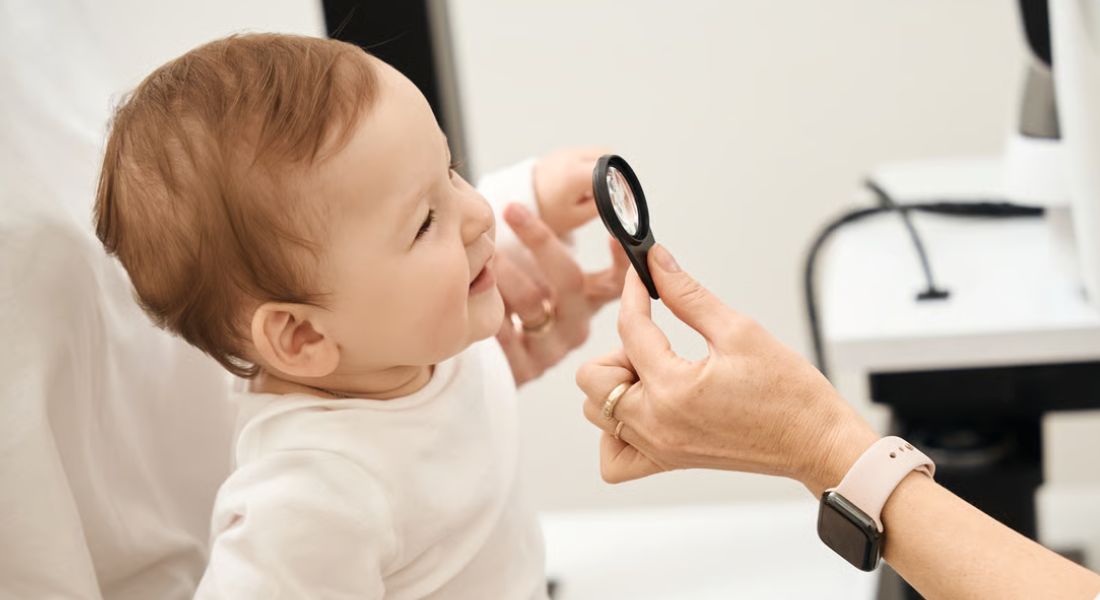
Childhood cataracts are an important cause of visual impairment in infants and children worldwide. Unlike age-related cataracts, they can be present at birth or develop during early childhood. If your child has a cataract that is not diagnosed and treated promptly, it may affect normal visual development and lead to long-term vision problems. Early detection is often key to achieving the best possible outcome.
Over the past decade, researchers have made significant progress in understanding the causes, diagnosis, and management of childhood cataracts. Advances in genetics, imaging technology, and surgical techniques are helping specialists identify affected children earlier and plan treatment more effectively. These developments are improving visual outcomes and expanding the options available to families. As research continues, clinicians are gaining a better understanding of how to support healthy vision development.
Modern research has also highlighted the importance of long-term follow-up after treatment. Even after successful cataract surgery, your child may require ongoing monitoring to ensure vision continues to develop properly. Regular assessments can help identify any issues that may arise during childhood. With continued advances in research and treatment, the outlook for many children with cataracts is improving.
Understanding Childhood Cataracts
A cataract occurs when the normally clear lens of the eye becomes cloudy. In children, this clouding can interfere with the passage of light into the eye and affect normal visual development. If your child develops a cataract, vision may become blurred or reduced depending on its severity. Early recognition is important because your child’s visual system develops rapidly during the first few years of life.
Childhood cataracts can affect one eye or both eyes, and the severity can vary considerably from one child to another. Some cataracts cause only mild visual disturbance, while others can have a greater impact on sight. The extent of the problem often depends on the location and density of the clouding within the lens. During an eye examination, your child’s specialist will assess these factors to determine the most appropriate management plan.
If vision is disrupted during early childhood, normal visual development may be affected. The brain relies on clear visual information from the eyes to develop healthy vision and visual skills. This is why prompt assessment is often recommended if you notice any concerns about your child’s eyesight. Early treatment can give your child the best opportunity for healthy visual development.
Congenital and Acquired Cataracts
Some childhood cataracts are present at birth and are known as congenital cataracts. Others develop later during childhood and are referred to as acquired cataracts. Both types can affect visual development if they interfere with the passage of light through the eye. If your child has a cataract, early assessment is important to determine its impact on vision.
Researchers continue to investigate the factors that contribute to both forms of the condition. Possible causes include genetic factors, infections, metabolic disorders, and eye injuries. In some children, the cause can be identified, while in others it may remain unclear. Understanding these factors helps specialists learn more about how childhood cataracts develop.
Identifying the underlying cause can play an important role in treatment planning and follow-up care. Your child’s specialist may recommend additional tests to gather more information about the condition. This can help guide treatment decisions and monitor any associated health concerns. With the right assessment and management, you can better support your child’s visual development.
Why Early Diagnosis Is So Important
The first few years of life are critical for visual development. During this period, the brain learns how to process visual information received from the eyes. If your child’s vision is affected by a cataract, this normal development may be disrupted. Early diagnosis helps identify the problem before it has a significant impact on visual development.
When a cataract blocks visual input, the brain may begin to favour one eye or struggle to develop normal vision. This can lead to amblyopia, often known as lazy eye. Even if the cataract is removed later, delayed treatment may affect long-term visual outcomes. For this reason, prompt assessment is often recommended when a cataract is suspected.
Early diagnosis provides the best opportunity to support healthy visual development. The sooner a cataract is identified, the sooner appropriate treatment and monitoring can begin. This allows your child’s specialist to reduce the risk of long-term vision problems and plan care more effectively. Timely intervention can make a meaningful difference to your child’s visual future.
Advances in Newborn Eye Screening
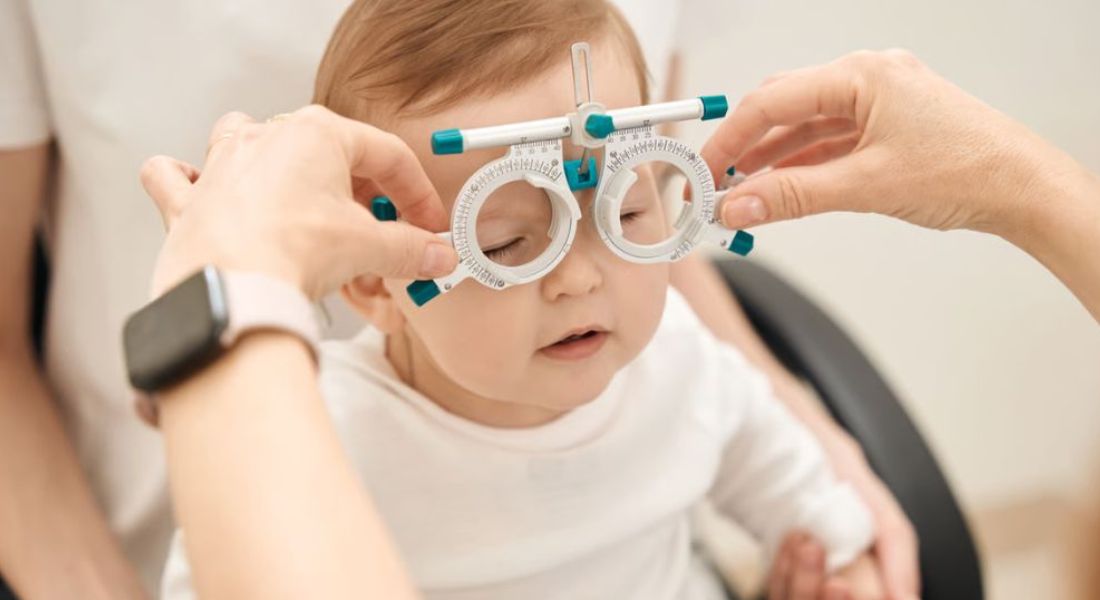
Researchers have highlighted the importance of newborn eye examinations in detecting congenital cataracts at an early stage. Improved screening protocols are helping healthcare professionals identify affected babies sooner than before. If your baby has a congenital cataract, early detection can make a significant difference to visual development. This is particularly important because vision develops rapidly during infancy.
Many healthcare systems now place greater emphasis on routine red reflex testing shortly after birth. This simple assessment helps detect abnormalities within the eye and can identify signs that require further investigation. If any concerns are found, your baby may be referred to an eye specialist for a more detailed examination. The test is quick, non-invasive, and forms an important part of newborn screening.
Earlier identification often leads to earlier intervention and closer monitoring. This gives your child’s care team more opportunity to support healthy visual development and plan appropriate treatment. As a parent, you may benefit from earlier access to information, guidance, and specialist care. These advances in screening are helping more children receive timely treatment and better long-term visual outcomes.
Improved Diagnostic Imaging
Advances in imaging technology have significantly improved the assessment of childhood cataracts. Modern imaging systems provide detailed views of the lens and other structures within the eye. This allows specialists to gain a clearer understanding of the condition and its potential impact on vision. If your child requires further evaluation, imaging may form an important part of the assessment process.
These technologies help clinicians determine the size, location, and extent of the cataract more accurately. They can also identify associated eye abnormalities that may influence treatment decisions or long-term management. The information gathered helps create a more personalised treatment plan for your child. Better imaging can therefore support more informed clinical decisions.
Research continues to improve the precision and effectiveness of diagnostic imaging techniques. As technology advances, specialists are gaining access to even more detailed information about childhood eye conditions. This can help improve diagnosis, treatment planning, and follow-up care. For families, it means your child may benefit from more accurate assessments and better-informed management strategies.
The Growing Role of Genetic Research
Genetic research has greatly improved understanding of childhood cataracts over recent years. Researchers have identified numerous genes that may contribute to abnormalities in the lens of the eye. These discoveries are helping specialists understand why some children develop cataracts at an early age. If your child has a childhood cataract, genetic factors may be one aspect considered during the assessment process.
This growing knowledge helps explain why childhood cataracts sometimes occur within families. In certain situations, your specialist may recommend genetic testing to investigate the underlying cause of the condition. The results can provide valuable information about your child’s diagnosis and may identify associated medical conditions. This information can help guide treatment decisions and long-term monitoring.
The field of genetic research continues to evolve rapidly, with new discoveries being made regularly. As scientists learn more about the genes involved, diagnosis and management strategies may continue to improve. For some families, genetic testing can also help you better understand inheritance patterns and future risks. These advances are supporting more personalised care for children affected by cataracts.
Understanding Inherited Cataracts
If your child has been diagnosed with a cataract, you may wonder whether genetics could be involved. Inherited cataracts account for a significant proportion of childhood cataract cases, and researchers continue to learn more about the genes linked to these conditions. Advances in molecular genetics are helping specialists identify specific genetic mutations that may contribute to cataract development. As this knowledge grows, you can gain a clearer understanding of potential causes and future risks for your family.
- Genetics Can Play an Important Role: In some cases, your child’s cataract may be linked to an inherited genetic change. Researchers have identified a number of genetic mutations that can affect how the lens develops.
- Researchers Are Learning More About Inheritance Patterns: Advances in genetic research are helping specialists understand how cataracts can be passed through families. This information may help you better understand the likelihood of other family members being affected.
- Genetic Testing May Provide Additional Answers: In selected situations, genetic testing may help identify the underlying cause of your child’s cataract. This can give you and your healthcare team valuable information for future care and monitoring.
- You May Be Offered Genetic Counselling: If an inherited cause is suspected, you may be advised to meet with a genetic counsellor. This can help you understand inheritance patterns, discuss potential risks, and explore any questions you may have.
Understanding inherited cataracts is becoming easier as genetic research continues to advance. If genetics are thought to play a role in your child’s condition, you may benefit from additional testing and specialist guidance. These developments can provide you with more accurate information about causes and future risks. As research progresses, you can expect even greater insights into the genetic factors involved in childhood cataracts.
Investigating Non-Genetic Causes
Not all childhood cataracts are inherited, and researchers continue to study other factors that may contribute to their development. Environmental and developmental influences can sometimes play an important role in cataract formation. Understanding these factors helps specialists build a more complete picture of the condition. If your child is diagnosed with a cataract, the cause may not always be genetic.
Researchers have identified several non-genetic factors that may increase the risk of childhood cataracts. These include certain infections during pregnancy, metabolic disorders, and eye injuries. In some cases, your child’s specialist may recommend additional investigations to help identify any underlying causes. This information can be valuable when planning treatment and follow-up care.
Ongoing research continues to expand knowledge in this area and improve understanding of how childhood cataracts develop. As more information becomes available, prevention and management strategies may continue to evolve. This can help clinicians provide more personalised care and better support affected families. For parents, it means you may benefit from clearer answers and more informed treatment decisions.
Advances in Surgical Techniques
Surgery remains the primary treatment for childhood cataracts that significantly affect vision. Over recent decades, surgical techniques have improved considerably, helping specialists manage these cases more effectively. Earlier intervention and advances in technology have contributed to better visual outcomes for many children. If your child requires cataract surgery, modern procedures are generally more precise than ever before.
Enhanced surgical instruments and refined techniques allow surgeons to remove cataracts with greater accuracy and control. These improvements can help reduce complications and support a smoother recovery process. Your child’s surgeon will carefully assess factors such as age, eye development, and the severity of the cataract when planning treatment. This personalised approach helps ensure the procedure is tailored to individual needs.
Research continues to optimise surgical methods and improve long-term results for children with cataracts. Specialists are constantly evaluating new techniques and technologies to enhance patient care. As these advances continue, you may see further improvements in the safety and effectiveness of childhood cataract surgery. Ongoing innovation remains an important part of paediatric eye care.
Timing of Cataract Surgery
One of the most important areas of childhood cataract research involves determining the ideal timing for surgery. Early intervention is often necessary because vision develops rapidly during infancy and early childhood. If your child’s cataract significantly affects visual input, delaying treatment may increase the risk of visual development problems. Early assessment allows specialists to decide when surgery is most likely to provide the greatest benefit.
At the same time, surgeons must consider several factors before recommending treatment. These may include your child’s age, eye growth, overall health, and the severity of the cataract. Every child develops differently, so the most appropriate timing can vary from one individual to another. Careful evaluation helps ensure that your child receives treatment at the right stage of development.
Research has helped establish clearer guidelines for the timing of childhood cataract surgery. These recommendations support clinicians when making treatment decisions and planning long-term care. However, individual assessment remains essential because no two cases are exactly the same. Your specialist will consider your child’s specific needs to determine the most appropriate treatment approach.
Intraocular Lens Technology
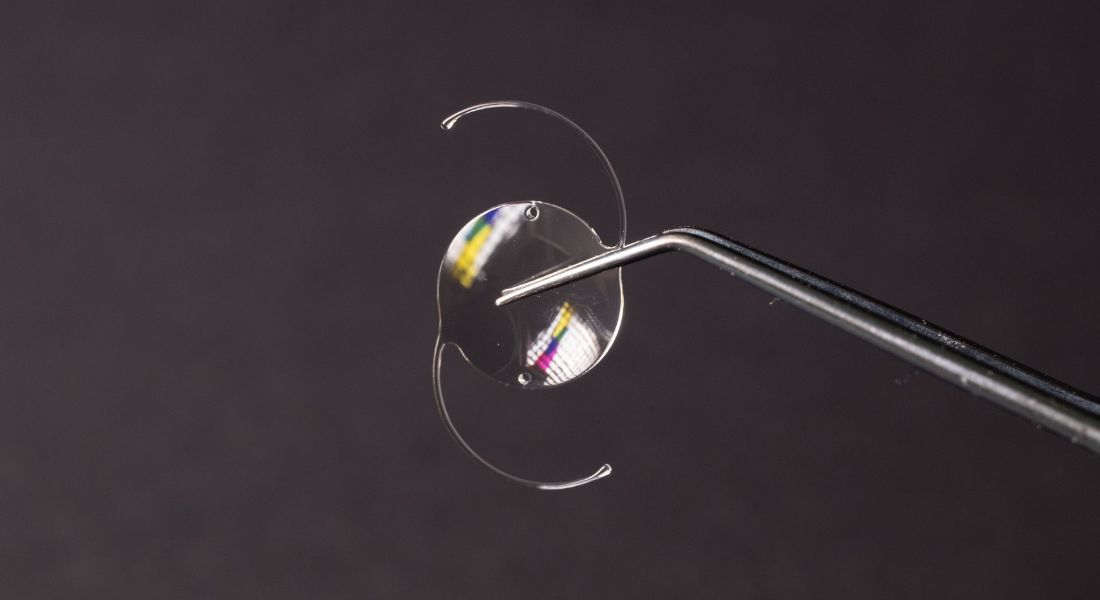
Intraocular lenses are artificial lenses that may be implanted during cataract surgery to replace the cloudy natural lens. Advances in lens technology have improved visual rehabilitation for many children undergoing treatment. These developments have helped provide better visual outcomes and support long-term vision development. If your child requires cataract surgery, lens selection may be an important part of the treatment plan.
Researchers continue to study which lens designs and approaches provide the best results for different age groups. Factors such as eye size, visual needs, and future eye development can influence the choice of lens. As new evidence becomes available, specialists are gaining a better understanding of how to optimise outcomes. This ongoing research is helping refine treatment strategies for children with cataracts.
Careful planning is essential because your child’s eyes will continue to grow and develop after surgery. The lens chosen today may need to support visual development for many years to come. For this reason, your surgeon will carefully assess your child’s individual circumstances before making recommendations. A personalised approach helps ensure the most appropriate long-term outcome.
Managing Aphakia After Surgery
If your child undergoes cataract surgery, you may hear the term aphakia used during follow-up appointments. Aphakia means that the natural lens has been removed from the eye and an intraocular lens has not been inserted immediately. In these situations, your child will still need vision correction to support normal visual development. Researchers continue to study the most effective ways to manage aphakia and achieve the best possible visual outcomes.
- Your Child May Not Receive an Intraocular Lens Immediately: In some cases, surgeons may decide not to implant an artificial lens at the time of cataract removal. This decision is based on factors such as your child’s age, eye development, and individual clinical needs.
- Special Contact Lenses or Glasses Can Correct Vision: If your child is aphakic, they may need specially prescribed contact lenses or glasses to focus light correctly. These visual aids can play an important role in supporting healthy visual development.
- Visual Rehabilitation Is an Important Part of Care: After surgery, your child will require ongoing monitoring and vision correction. You may find that regular follow-up appointments help ensure your child’s vision continues to develop as expected.
- Researchers Are Evaluating Different Approaches: Specialists continue to investigate the most effective methods for managing aphakia in children. This research aims to help you and your child’s healthcare team achieve the best possible long-term outcomes.
Managing aphakia after cataract surgery requires a personalised approach tailored to your child’s individual needs. If your child does not receive an intraocular lens immediately, you can expect ongoing support through vision correction and regular follow-up care. Early visual rehabilitation is often essential for promoting healthy vision development. As research continues to advance, you may benefit from improved strategies for managing aphakia and supporting your child’s visual outcomes.
Preventing Amblyopia After Treatment
Removing a cataract is only one part of the treatment process. After surgery, preventing amblyopia remains a major priority because the visual system is still developing. If your child’s vision does not develop properly following cataract removal, long-term visual outcomes may be affected. This is why ongoing visual rehabilitation is often an important part of care.
Researchers have highlighted the value of treatments that encourage the weaker eye to develop normally. These may include patching therapy, corrective glasses, or other visual rehabilitation strategies when appropriate. The exact approach will depend on your child’s age, visual development, and individual needs. Your specialist will monitor progress closely and adjust treatment if necessary.
Consistent follow-up appointments play a vital role in achieving the best possible results. Regular assessments allow any concerns to be identified and managed at an early stage. By following the recommended treatment plan, you can help support your child’s visual development after surgery. Effective amblyopia management can significantly improve long-term visual outcomes.
Long-Term Visual Development
Recent studies have focused on how children develop visually after cataract treatment. While surgery can remove the cloudy lens, visual development continues for many years afterwards. The long-term outcome often depends on factors such as the age at diagnosis and how quickly treatment is provided. Early intervention can give your child a better opportunity for healthy visual development.
Researchers continue to investigate ways to optimise vision following cataract surgery. Areas of study include visual rehabilitation, follow-up care, and strategies to reduce the risk of complications. These efforts are helping specialists better understand how children adapt and develop after treatment. As a result, treatment approaches continue to evolve.
Regular monitoring remains an important part of long-term care. Your child’s specialist can assess visual progress and identify any issues that may require additional support. Consistent follow-up helps ensure that treatment goals remain on track as your child grows. These research findings are helping improve both treatment protocols and overall patient care.
Monitoring for Complications
Children treated for cataracts require ongoing monitoring because complications can sometimes develop after surgery. These complications may include glaucoma, visual axis opacification, or changes in vision as the eyes continue to grow. Although many children do well after treatment, regular follow-up remains important. This helps ensure that any concerns are identified as early as possible.
Regular eye examinations allow specialists to assess your child’s visual development and overall eye health. During these appointments, the care team can look for signs of potential complications and monitor how the eyes are responding to treatment. If any problems are detected, early intervention may help reduce their impact. Consistent monitoring is therefore an important part of long-term care.
Follow-up appointments continue to play a vital role even when your child appears to be doing well. Some complications can develop gradually and may not cause obvious symptoms at first. By attending scheduled reviews, you can help support your child’s long-term visual health. Prompt management of any issues can improve outcomes and reduce the risk of future vision loss.
Research Into Childhood Glaucoma Risk
One area receiving considerable attention in childhood cataract research is the risk of developing glaucoma after surgery. In some children, eye pressure may increase following treatment, which can affect the optic nerve if left unmanaged. Although this complication does not occur in every case, it remains an important consideration during long-term follow-up. If your child has undergone cataract surgery, regular monitoring may be recommended to assess eye pressure.
Researchers are working to better understand why glaucoma develops in some children after cataract treatment. Studies are investigating factors such as age at surgery, eye development, and individual risk profiles. This research is helping specialists identify children who may require closer observation. The goal is to improve early detection and reduce the risk of long-term vision problems.
Ongoing studies continue to guide clinical practice and improve patient care. Regular eye examinations allow specialists to identify changes in eye pressure before significant damage occurs. By attending follow-up appointments, you can help ensure that any concerns are detected and managed promptly. Early intervention remains one of the most effective ways to protect your child’s vision.
Artificial Intelligence and Cataract Assessment
If you are following advances in paediatric ophthalmology, you may have noticed growing interest in artificial intelligence (AI). Researchers are exploring how AI can be used to analyse eye images and support the assessment of childhood cataracts and other eye conditions. These technologies are designed to assist clinicians by identifying patterns within medical images and highlighting potential areas of concern. While AI is still being studied, you may see it playing an increasingly important role in future screening and diagnostic programmes.
- AI Can Analyse Eye Images Efficiently: Researchers are developing AI systems that can examine detailed images of your child’s eyes. These tools may help identify features that require closer review by a specialist.
- Screening Programmes Could Become More Consistent: AI has the potential to assess images using the same criteria every time. This may help improve consistency in screening programmes and support more standardised evaluations.
- Earlier Identification of Problems May Be Possible: By analysing large amounts of data quickly, AI may help flag potential abnormalities sooner. This could allow your child to receive further assessment and care at an earlier stage.
- Human Expertise Remains Essential: Although AI can provide valuable support, it does not replace specialist judgement. Your child’s diagnosis and treatment decisions will continue to rely on experienced healthcare professionals.
Artificial intelligence is becoming an exciting area of research in childhood eye care. As these technologies continue to develop, you may benefit from more efficient and consistent screening processes. However, expert clinical assessment will remain at the heart of patient care. By combining advanced technology with specialist expertise, researchers hope to improve the quality and accessibility of cataract assessment in the future.
Global Improvements in Access to Care
Researchers are increasingly focused on improving access to childhood cataract services around the world. While significant progress has been made, delayed diagnosis remains a challenge in some regions. If your child does not receive timely assessment and treatment, visual development may be affected. Improving access to specialist care is therefore an important research priority.
New approaches such as telemedicine and portable diagnostic technologies may help overcome some of these barriers. These tools can make it easier for healthcare professionals to identify eye conditions and arrange specialist referrals. In areas where eye care services are limited, they may help your family access support more quickly. Earlier assessment can create more opportunities for timely treatment.
Improved access to care has the potential to reduce preventable vision loss in children worldwide. Researchers, healthcare organisations, and governments continue to work together to improve screening and treatment services. Through these efforts, more children may receive the care they need at the right time. As a parent, you may benefit from faster access to information, assessment, and specialist support if concerns about your child’s vision arise.
Future Directions in Childhood Cataract Research
The future of childhood cataract care is likely to be shaped by advances in genetics, imaging, and surgical technology. Researchers continue to explore new ways to improve diagnosis and treatment outcomes for children. If your child is affected by a cataract, these developments may help support earlier detection and more effective care in the future. As scientific knowledge grows, specialists are gaining new tools to better understand and manage the condition.
Genetic research is expected to play an increasingly important role in childhood cataract care. As researchers identify more genes associated with cataracts, your child’s specialist may be able to gain a clearer understanding of the underlying cause. This could support more personalised treatment plans and targeted follow-up care. In some cases, it may also help you better understand potential risks within the family.
Advances in imaging and surgical technology are also creating new opportunities to improve patient outcomes. These innovations may allow your child’s care team to diagnose conditions more accurately and plan treatment with greater precision. As research continues, you may see more personalised approaches that take individual factors into account. These developments offer encouraging possibilities for your child and future generations of patients.
The Importance of Specialist Assessment

If a child is suspected of having a cataract, prompt specialist assessment is essential. Early diagnosis allows the condition to be evaluated properly and helps determine whether treatment is required. If you notice any concerns about your child’s vision or eye appearance, seeking professional advice as soon as possible is important. Early intervention often provides the best opportunity for healthy visual development.
A specialist assessment can help identify the severity of the cataract and any factors that may affect treatment planning. Your child’s eye specialist will evaluate visual development, overall eye health, and any associated conditions. This information helps ensure that your child receives the most appropriate care for their individual needs. Timely assessment can also reduce the risk of long-term vision problems.
Regular follow-up care remains equally important after diagnosis or treatment. Even if your child undergoes successful cataract surgery, visual rehabilitation may continue for many years. By attending scheduled appointments, you can help support your child’s ongoing visual development and eye health. Ongoing monitoring allows specialists to identify any concerns early and work towards the best possible outcomes.
FAQs:
- What are childhood cataracts?
Childhood cataracts occur when the lens inside your child’s eye becomes cloudy, reducing the amount of light that reaches the retina. They may be present at birth (congenital cataracts) or develop later in childhood. Depending on their severity, they can affect normal visual development. Early diagnosis is important to help protect long-term vision. - What causes childhood cataracts?
Childhood cataracts can develop for several reasons, including genetic factors, infections during pregnancy, metabolic disorders, or eye injuries. In some children, no clear cause can be identified. Research continues to improve understanding of both inherited and non-inherited causes. Identifying the underlying cause can help guide treatment and follow-up care. - How are childhood cataracts diagnosed?
Childhood cataracts are usually diagnosed through a comprehensive eye examination. Your child’s ophthalmologist may also use advanced imaging technology to assess the lens and other structures within the eye. Newborn screening tests, including the red reflex test, can help detect cataracts shortly after birth. Early diagnosis provides the best opportunity for successful treatment. - Do all childhood cataracts require surgery?
Not all childhood cataracts require immediate surgery. The decision depends on factors such as the size, location, and impact of the cataract on vision. Small cataracts that do not significantly affect sight may simply be monitored. However, visually significant cataracts often require prompt surgical treatment. - What happens during childhood cataract surgery?
During surgery, the cloudy lens is removed to allow light to pass through the eye properly. In some cases, an artificial intraocular lens may be implanted, while other children may use contact lenses or glasses afterwards. Modern surgical techniques have improved safety and outcomes considerably. Your child’s surgeon will recommend the most suitable approach based on their age and eye development. - Can vision return to normal after cataract treatment?
Many children experience significant improvement in vision following treatment, particularly when cataracts are diagnosed and managed early. However, outcomes vary depending on factors such as the child’s age at treatment and the severity of the cataract. Ongoing visual rehabilitation is often necessary. Regular follow-up appointments help maximise visual development. - What is amblyopia and why is it important after cataract surgery?
Amblyopia, often called lazy eye, occurs when the brain does not develop normal visual processing from one or both eyes. Even after successful cataract removal, children may still require treatment for amblyopia. This may include patching therapy or other visual rehabilitation techniques. Early management can improve long-term visual outcomes. - Are childhood cataracts hereditary?
Yes, some childhood cataracts are inherited and can run in families. Researchers have identified many genetic mutations that may contribute to cataract development. Genetic testing may sometimes be recommended to better understand the cause. This information can also help with family counselling and future planning. - What long-term follow-up is needed after treatment?
Children who have been treated for cataracts require regular eye examinations throughout childhood. Follow-up appointments help monitor vision, eye growth, and potential complications such as glaucoma or refractive changes. Ongoing care is an important part of achieving the best possible visual outcome. Your ophthalmologist will recommend an individual follow-up schedule. - When should you seek specialist assessment for a child with suspected cataracts?
You should seek specialist assessment as soon as possible if you notice signs such as a white pupil, unusual eye movements, poor visual responses, or concerns raised during a routine eye examination. Early intervention is critical because visual development occurs rapidly during infancy and childhood. Prompt assessment allows treatment to begin at the most appropriate time. A paediatric ophthalmologist can provide expert diagnosis and management.
Final Thoughts: Supporting Better Visual Outcomes for Children With Cataracts
Childhood cataracts remain a significant cause of visual impairment, but ongoing advances in genetics, diagnostic imaging, screening programmes, and surgical techniques are helping to improve outcomes for many children. Early diagnosis, timely treatment, and consistent follow-up care remain the most important factors in supporting healthy visual development and reducing the risk of long-term complications. As research continues to evolve, families have access to increasingly effective approaches that can help children achieve their best possible vision. If you would like to know whether seeing a paediatric ophthalmologist in London is the right next step for your child, you can contact us at Eye Clinic London to arrange a consultation.
References:
- Self, J.E. et al. (2020) ‘Cataract management in children: a review of the literature and current practice across five large UK centres’, Eye, 34, pp. 2197–2218. Available at: https://pmc.ncbi.nlm.nih.gov/articles/PMC7784951/
- Bremond-Gignac, D., Daruich, A., Robert, M.P. and Valleix, S. (2020) ‘Recent developments in the management of congenital cataract’, Annals of Translational Medicine, 8(22), 1545. Available at: https://pubmed.ncbi.nlm.nih.gov/33313290/
- Bell, S.J. et al. (2020) ‘Congenital cataract: a guide to genetic and clinical management’, Therapeutic Advances in Rare Disease, 1. Available at: https://pmc.ncbi.nlm.nih.gov/articles/PMC10032449/
- Hejtmancik, J.F. (2024) ‘Oxidative stress in genetic cataract formation’, Antioxidants, 13(11), 1315. Available at: https://www.mdpi.com/2076-3921/13/11/1315
- Plager, D.A. et al. (2011) ‘Complications, adverse events, and additional intraocular surgery 1 year after cataract surgery in the Infant Aphakia Treatment Study’, Ophthalmology, 118(12), pp. 2330–2334. Available at: https://pubmed.ncbi.nlm.nih.gov/21925737/