


New Research on Amblyopia Treatment in Children
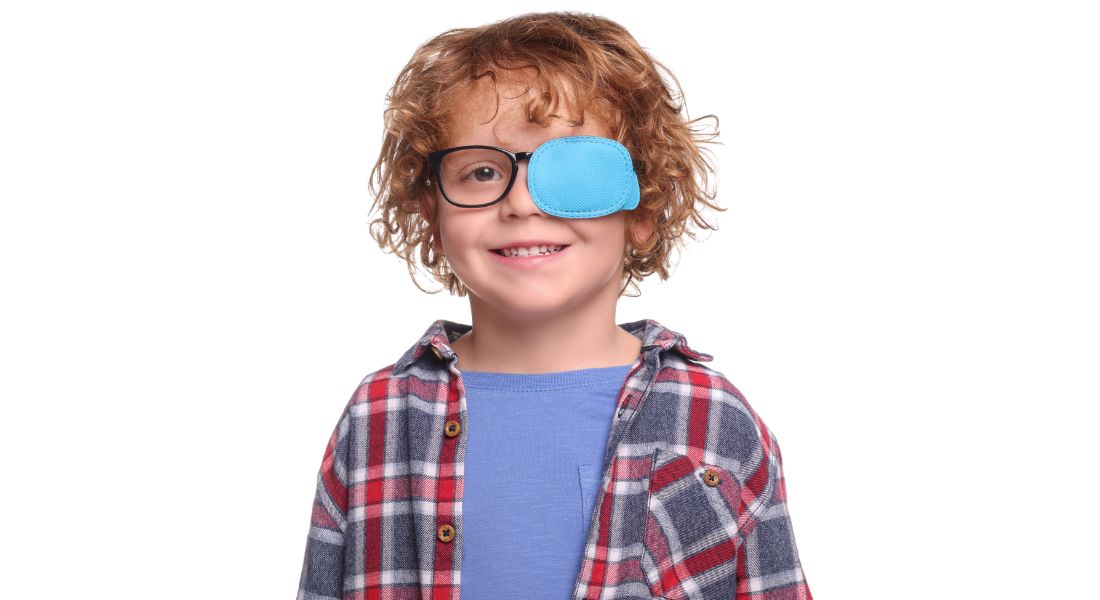
Amblyopia, often called “lazy eye”, is one of the most common causes of reduced vision in children. The condition develops when one eye does not achieve normal visual development during early childhood. If your child has amblyopia and it is left untreated, vision in the affected eye may remain weaker than normal into adulthood. This is why early detection and treatment are often so important.
For many years, patching therapy has been the standard treatment for amblyopia. While patching continues to be widely used, researchers have been exploring additional treatment approaches that may improve outcomes and make treatment easier for children to follow. These developments are helping specialists better understand how your child’s visual system develops. As research progresses, treatment options continue to expand.
Recent studies have focused on the brain’s ability to adapt and respond to visual stimulation. Researchers now understand that amblyopia affects not only the eye but also the way your child’s brain processes visual information. This has created growing interest in therapies that target visual pathways more directly. As new evidence emerges, you may hear about newer treatment approaches alongside traditional methods when discussing options with your child’s eye specialist.
Understanding Amblyopia
Amblyopia occurs when vision in one eye does not develop normally during childhood. As your child’s visual system develops, the brain may begin to favour one eye and rely less on visual information from the weaker eye. Over time, this can affect how well the weaker eye functions. Early recognition of the condition is important because treatment is often most effective during childhood.
As the brain continues to prefer the stronger eye, visual acuity in the affected eye may gradually decrease. This reduction in vision cannot always be corrected with glasses alone. The condition develops during the critical years of visual development, making timely assessment particularly important. Early intervention may help improve long-term visual outcomes.
Amblyopia can affect one eye or, less commonly, both eyes. The severity of the condition varies from one child to another, with some experiencing only mild visual impairment and others developing more significant vision loss. Understanding the condition at an early stage can help you make informed decisions about your child’s care. Regular eye examinations play an important role in identifying amblyopia as early as possible.
Why Early Treatment Matters
Your child’s visual system develops rapidly during the early years of life. During this period, the brain is especially responsive to visual input and learns how to process information from both eyes. This stage of development provides an important opportunity to address vision problems such as amblyopia. Early intervention can support healthier visual development.
When amblyopia is identified and treated early, the brain is often more able to respond to treatment. This can improve the chances of strengthening vision in the affected eye and encouraging both eyes to work together more effectively. Treatment outcomes are generally better when intervention occurs during childhood. Delaying treatment may reduce the potential for improvement.
This is why routine childhood eye examinations are so important. Regular eye checks can help detect vision problems before they begin to affect your child’s development and daily activities. Early diagnosis provides valuable opportunities for treatment and monitoring. In many cases, timely intervention can make a significant difference to long-term visual outcomes.
Traditional Patching Therapy
If your child has amblyopia, patching therapy is one of the treatments you are most likely to hear about. This well-established approach involves covering the stronger eye so that the weaker eye is encouraged to do more of the work. The aim is to promote visual development and strengthen the connection between the weaker eye and the brain. For many children, patching can be an effective part of their treatment plan.
- The Stronger Eye Is Covered with a Patch: Your child wears a patch over their stronger eye for a set period each day. This encourages the weaker eye to work harder and become more actively involved in vision.
- The Weaker Eye Receives More Stimulation: By relying on the affected eye, your child’s brain receives more visual input from that eye. This can help support visual development and improve vision over time.
- Many Children Show Significant Improvement: Patching therapy has helped many children achieve better vision in their weaker eye. The amount of improvement can vary, but positive results are often seen when treatment is followed consistently.
- Compliance Can Sometimes Be Difficult: Some children find patching uncomfortable, inconvenient, or frustrating. Encouragement and support from parents and carers can help make the process easier.
Traditional patching therapy remains one of the best-known and most widely used treatments for amblyopia. Although it can sometimes be challenging, it has helped many children improve their vision and visual development. Regular follow-up appointments allow progress to be monitored and treatment adjusted when needed. With patience and consistency, patching can play an important role in helping your child achieve the best possible outcome.
Research Into Patching Effectiveness
Researchers continue to study how patching can be used most effectively to treat amblyopia. These studies have explored different patching schedules and treatment durations to determine what works best. The aim is to improve visual outcomes while making treatment easier for children and families to follow. This research has helped refine traditional patching approaches.
Some findings suggest that shorter periods of patching may still provide meaningful benefits for certain children. This may make treatment more manageable and improve adherence to the treatment plan. The most suitable schedule will depend on factors such as your child’s age and the severity of the condition. As a result, treatment is often tailored to individual needs.
These studies have encouraged a more personalised approach to amblyopia management. Rather than using the same treatment plan for every child, specialists can adjust recommendations based on specific circumstances. This helps balance treatment effectiveness with practicality. Ongoing research continues to provide valuable information that may benefit your child’s care.
Atropine Eye Drops as an Alternative

Atropine eye drops have become an important alternative to patching for some children with amblyopia. The drops temporarily blur vision in the stronger eye, encouraging the brain to pay more attention to the weaker eye. This helps support visual development and can be an effective part of treatment. In certain cases, atropine may be recommended instead of, or alongside, patching therapy.
Research has shown that atropine can be effective for many children with amblyopia. By reducing reliance on the stronger eye, the treatment encourages the weaker eye to work harder. The benefits can vary depending on factors such as age and the severity of the condition. Regular reviews help monitor progress and ensure the treatment remains appropriate.
Many families find eye drops easier to manage than patching, particularly if a child is reluctant to wear a patch. This may help improve adherence to the treatment plan and make daily routines less challenging. However, treatment suitability varies between individuals. Your child’s eye specialist can advise whether atropine is an appropriate option based on their specific needs.
Comparing Patching and Atropine
Researchers have conducted numerous studies comparing patching and atropine treatment for amblyopia. The findings suggest that both approaches can help improve vision in many children, giving clinicians more than one effective treatment option. As research has progressed, these studies have provided valuable insights into how different children respond to treatment.
When deciding between patching and atropine, several factors are usually considered. These may include a child’s age, the severity of the condition, and how easily the treatment can fit into everyday life. If your child is undergoing treatment, you may find that personal preferences and family circumstances also influence the choice.
Another important finding is that treatment responses can vary from one child to another. While some children achieve excellent results with patching, others may respond better to atropine eye drops. This means you and your clinician can discuss the available options and choose an approach that best suits your child’s individual needs.
Understanding Binocular Vision Therapy
One of the most significant developments in amblyopia research is the growing interest in binocular vision therapy. Unlike traditional treatments that focus primarily on strengthening the weaker eye, this approach encourages both eyes to work together. Researchers believe that improving how the eyes coordinate may play an important role in supporting visual development.
The idea behind binocular therapy is that amblyopia is not only a problem affecting one eye but also how the brain processes information from both eyes. By promoting cooperation between the eyes, these therapies aim to address some of the underlying mechanisms associated with the condition. This concept has attracted considerable attention among researchers and eye care professionals.
Although binocular vision therapy shows promise, it remains an active area of clinical research. Scientists continue to study how effective these treatments are and which patients may benefit the most. If you are exploring treatment options for a child with amblyopia, it is worth discussing emerging therapies with your clinician alongside more established approaches.
The Science Behind Binocular Treatments
Amblyopia does not only affect the eye itself; it also influences how the brain processes visual information from both eyes. For many years, traditional treatments have focused mainly on strengthening the weaker eye to improve vision. While these approaches can be effective, researchers have increasingly recognised the importance of addressing how the two eyes work together.
Binocular treatments are designed to improve the balance between the eyes rather than concentrating on one eye alone. The goal is to encourage both eyes to contribute more equally to the visual process. By doing so, these therapies may help the brain combine visual information more effectively and support better overall visual function.
Researchers continue to investigate the potential benefits of binocular approaches and how they may fit into existing treatment plans. Early findings have generated considerable interest, although further studies are still needed to understand their long-term effectiveness. If you are learning about amblyopia treatment options, you may come across binocular therapies as an area of ongoing research and development.
Digital Treatment Technologies
If your child has amblyopia, you may be interested to know that technology is becoming an increasingly important area of research. Researchers are investigating whether digital platforms can be used to support visual development and complement existing treatment approaches. These technologies often involve interactive activities delivered through tablets, computers, or other devices. As digital tools continue to evolve, they are creating new possibilities for amblyopia treatment.
- Researchers Are Exploring Digital Treatment Options: Scientists are investigating how digital technologies may help support amblyopia treatment. These tools are designed to provide structured visual activities in an engaging format.
- Visual Exercises Can Be Accessed Through Devices: Some programmes deliver specially designed exercises through tablets, computers, or other digital devices. The aim is to encourage the weaker eye and the brain to work together more effectively.
- Interactive Activities May Improve Engagement: Digital exercises often incorporate game-like features and interactive tasks. This may make treatment more appealing and enjoyable for some children.
- The Technology Continues to Develop: Digital treatment technologies remain an active area of research. As technology advances, researchers continue to evaluate new approaches and their potential benefits.
Digital treatment technologies are helping to expand the range of options being explored for amblyopia management. While research is ongoing, these tools demonstrate how innovation is influencing the future of eye care. They may offer new ways to support visual development and encourage treatment participation. As the evidence base grows, you can expect to learn more about the role these technologies may play in amblyopia treatment.
Video Game-Based Therapies
In recent years, video game-based therapies have become an exciting area of amblyopia research. Instead of relying only on traditional treatments, these programmes use specially designed games to support visual development. If you have a child undergoing treatment, you may find that game-based activities feel more engaging and enjoyable than some conventional approaches.
These therapies are designed to encourage both eyes to work together during a range of visual tasks. As your child plays the game, the brain is challenged to process information from both eyes at the same time. This focus on binocular vision may help improve visual function while keeping children interested in the treatment process.
Although the early results are encouraging, researchers are still studying how effective these therapies are over the long term. You may hear more about video game-based treatments as new studies become available and the technology continues to develop. For now, they are considered a promising addition to existing amblyopia treatment options rather than a complete replacement for established therapies.
Virtual Reality Applications
Virtual reality technology is becoming an increasingly interesting area of amblyopia research. Rather than using traditional exercises alone, researchers are exploring how immersive visual environments might support treatment. If you have been reading about new developments in eye care, you may have noticed growing interest in the potential of virtual reality.
One of the unique features of virtual reality systems is their ability to present different visual information to each eye. This allows specialists to create activities that encourage the eyes to work together more effectively. As a result, you may see virtual reality being discussed as a way to promote binocular cooperation and support visual development.
Although this technology is still evolving, early research has produced encouraging results. Researchers continue to study how virtual reality can be used alongside existing treatments and which patients may benefit the most. While more evidence is needed, this innovative field highlights the exciting direction that modern amblyopia research is taking.
Personalised Treatment Approaches
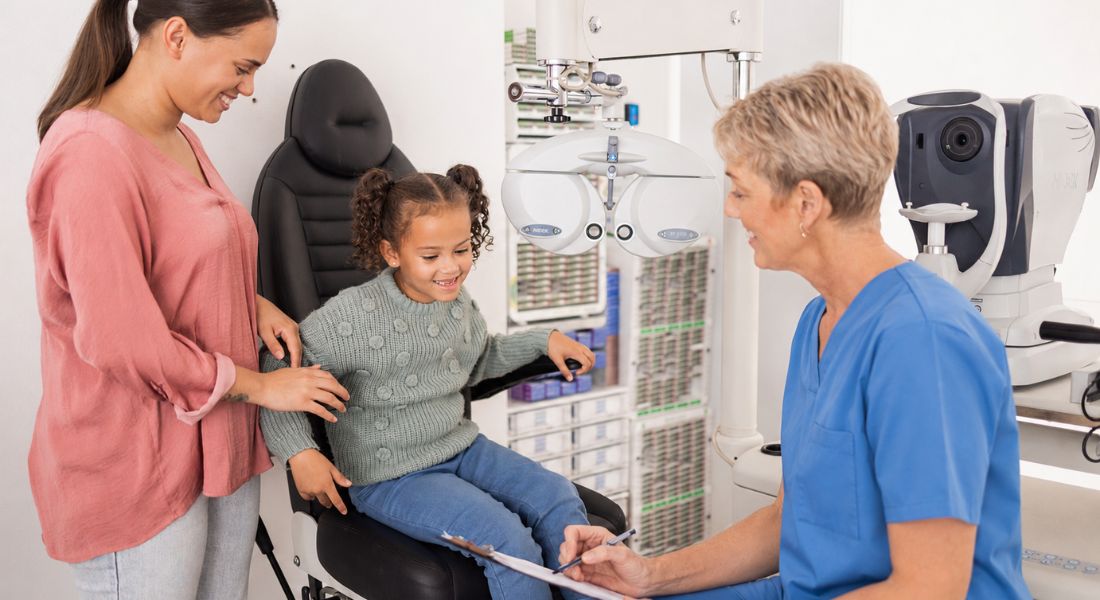
Recent studies have highlighted the growing importance of personalised care in amblyopia treatment. Researchers now recognise that no single approach works equally well for every child. Because each child’s visual needs are different, treatment plans are often tailored to suit their individual circumstances.
Several factors can influence how well a treatment works. These may include a child’s age, the severity of the amblyopia, the underlying cause of the condition, and any previous treatments they have received. If your child is being assessed for amblyopia, these details can help clinicians decide which treatment approach is likely to be most beneficial.
A personalised treatment strategy allows care to be adapted as a child’s needs change over time. By taking an individualised approach, clinicians can monitor progress closely and make adjustments when necessary. This focus on tailored care may help improve treatment effectiveness and provide the best possible outcomes for your child.
Understanding Neuroplasticity
If you’re exploring amblyopia treatment options for your child, you may come across the term neuroplasticity. This refers to your brain’s remarkable ability to adapt, learn, and form new connections throughout life. In amblyopia research, neuroplasticity is especially important because vision depends on how the brain processes information from the eyes. By understanding this process better, researchers hope to develop even more effective treatments in the future.
- Your Brain Has the Ability to Adapt: Neuroplasticity allows your brain to reorganise itself and create new neural connections. This ability plays an important role in how visual skills develop and improve over time.
- It Helps Explain How Amblyopia Treatments Work: Many treatments aim to encourage the brain to use information from the weaker eye more effectively. Researchers believe that neuroplasticity is one of the key reasons these treatments can improve vision.
- Scientists Are Studying Changes in Visual Pathways: Researchers continue to investigate how your brain’s visual pathways respond during treatment. This may help explain why some therapies work better for certain children than others.
- A Better Understanding Could Lead to New Treatments: As researchers learn more about neuroplasticity, they may be able to develop new approaches to amblyopia care. Future therapies could be designed to make even better use of the brain’s natural ability to adapt.
Understanding neuroplasticity has transformed the way researchers think about amblyopia and visual development. Rather than focusing only on the eye itself, scientists now recognise the vital role that your brain plays in vision. This growing knowledge is helping to shape new treatment strategies and research directions. As studies continue, you can expect neuroplasticity to remain at the centre of many exciting developments in amblyopia care.
Treatment Beyond Early Childhood
Traditionally, amblyopia treatment was thought to be most effective when started in early childhood. This is because the visual system is more adaptable at a younger age. However, newer research suggests that some improvement may still be possible even in older children.
These findings have challenged earlier assumptions about strict age limits for treatment. Researchers are now exploring how the brain continues to respond to therapy beyond the early years. If you are reading about amblyopia management, you may notice that treatment is no longer viewed as being limited only to very young children.
Although early intervention is still considered the most effective approach, ongoing studies are offering encouraging results for older age groups as well. This means you may have more flexibility in treatment timing than previously believed. As research continues, understanding of age-related treatment outcomes is expected to develop further.
Improving Treatment Adherence
One of the key challenges in amblyopia management is maintaining consistent treatment adherence. Many children find it difficult to stick with therapies such as patching, especially when it affects their daily routine or comfort. If you are supporting a child through treatment, you may notice that motivation can sometimes fluctuate over time.
Researchers are looking at ways to make treatment more engaging and easier to follow. This includes developing more child-friendly approaches that encourage participation without feeling restrictive. Better adherence to treatment plans is believed to play an important role in achieving improved visual outcomes.
Family involvement is also essential throughout the process. When you provide encouragement and support, it can make a significant difference in how consistently treatment is followed. With the right support system in place, children are often more likely to stay committed to their therapy.
The Role of Parents and Caregivers
Parents and caregivers play a central role in the success of amblyopia treatment. Consistent encouragement can make it much easier for a child to follow recommended therapies, especially when routines feel challenging. If you are supporting a child through treatment, your involvement can directly influence how well they adapt to it.
Understanding the purpose behind the therapy often helps both you and your child stay committed to the routine. When the reasons for treatment are clearly explained, it becomes easier to stay motivated and maintain consistency. Good communication between families and clinicians is therefore an important part of effective care.
Research consistently highlights the value of strong family involvement in achieving better outcomes. Children are more likely to stick with treatment when they feel supported and guided at home. With the right level of understanding and encouragement, you can make a meaningful difference in the treatment journey.
Long-Term Visual Outcomes
If you’ve gone through amblyopia treatment for your child, you may naturally wonder how stable the improvements are over time. Researchers continue to study long-term visual outcomes to understand how well vision gains are maintained after treatment has finished. This is important because amblyopia is a condition that can sometimes require ongoing care and observation. By looking at long-term results, clinicians can also give you clearer expectations about what to anticipate in the future.
- Researchers Study How Stable Improvements Are Over Time: Studies focus on whether the vision improvements achieved during treatment remain stable in the long term. This helps you understand if results are temporary or long-lasting.
- It Helps Set Realistic Expectations: By analysing long-term outcomes, clinicians can better explain what level of improvement you can expect. This allows you to make more informed decisions about treatment and follow-up care.
- Ongoing Monitoring May Still Be Needed: Even after successful treatment, your child may still need regular eye checks. This is to ensure that vision remains stable and no regression occurs.
- Evidence Supports Better Treatment Planning: Long-term research helps guide how treatment plans are designed and adjusted. It ensures decisions are based on evidence rather than short-term results alone.
Understanding long-term visual outcomes is an important part of amblyopia care. It helps you and your clinician see the bigger picture beyond initial improvement. While treatment can lead to significant gains, ongoing monitoring ensures those results are maintained. As research continues, you can expect even clearer guidance on long-term expectations and care strategies.
Emerging Combination Therapies
Researchers are increasingly exploring whether combining different treatment approaches may lead to better outcomes in amblyopia care. Instead of relying on a single method, some studies are looking at how patching can be used alongside binocular vision exercises. If you are following developments in this field, you may notice a growing interest in these integrated strategies.
The idea behind combination therapies is to target different aspects of visual development at the same time. One approach may help strengthen the weaker eye, while another encourages both eyes to work together more effectively. This balanced strategy is designed to support overall visual improvement in a more comprehensive way.
Although this area is still being actively studied, early findings are encouraging. Researchers continue to examine which combinations are most effective and for which patients they work best. In the future, you may see more clearly defined treatment pathways based on evidence from these ongoing studies.
Seeking Specialist Assessment

If you are concerned about your child’s vision, seeking a professional assessment is an important first step. Early diagnosis allows treatment to begin during the key stages of visual development, when the eye and brain are still highly responsive. This can make a meaningful difference to long-term outcomes.
A specialist can carefully assess whether amblyopia is present and determine the most appropriate management approach. During the consultation, you may find that a range of factors are considered to understand your child’s specific needs. This ensures that the recommended treatment is tailored rather than one-size-fits-all.
Individualised care remains the foundation of successful amblyopia treatment. By identifying the condition early and following expert guidance, you can help support better visual development. With timely intervention, your child has a greater chance of achieving the best possible vision outcomes.
The Future of Amblyopia Research
Amblyopia research is continuing to move forward at a rapid pace. New technologies, along with a deeper understanding of how the visual system and brain work together, are shaping the next generation of treatment options. If you are following this field, you may notice how quickly new ideas are being tested and refined.
Researchers are increasingly focused on developing treatments that are not only effective but also engaging for children. The aim is to make therapy easier to follow while still achieving strong clinical outcomes. When treatments feel more interactive and enjoyable, you may find that children are more likely to stay consistent with them.
Looking ahead, many promising developments are expected to emerge over the coming years. These advancements may change how amblyopia is managed and improve both the treatment experience and results. As research continues, you can expect a steady evolution in how care is delivered.
FAQs:
- What is amblyopia in children?
Amblyopia, commonly known as lazy eye, is a condition where vision in one eye does not develop normally during childhood. The brain begins to favour the stronger eye and pays less attention to the weaker one. Over time, this can reduce visual acuity in the affected eye. Early diagnosis and treatment are important to support healthy visual development. - Is patching still the main treatment for amblyopia?
Yes, patching remains one of the most commonly used treatments for amblyopia. It works by covering the stronger eye and encouraging the weaker eye to become more active. Research continues to show that patching can be highly effective when used consistently. However, newer therapies are now being studied alongside traditional patching methods. - What are atropine eye drops and how do they help?
Atropine eye drops temporarily blur vision in the stronger eye, encouraging the brain to use the weaker eye more often. This can help improve visual development in children with amblyopia. Studies have shown that atropine can be as effective as patching for some patients. The most suitable option depends on the child’s individual circumstances. - What is binocular vision therapy?
Binocular vision therapy is a newer treatment approach that encourages both eyes to work together rather than focusing solely on the weaker eye. The aim is to improve how the brain combines visual information from each eye. Researchers believe this may address some of the underlying causes of amblyopia. It is an active area of ongoing research. - Can video games help treat amblyopia?
Researchers have been exploring specially designed video games as a potential treatment tool for amblyopia. These games often require both eyes to participate in visual tasks, which may help improve binocular vision. They can also make treatment more engaging for children. Although results are promising, further research is needed to confirm long-term effectiveness. - Is virtual reality being used for amblyopia treatment?
Virtual reality is an emerging area of amblyopia research. These systems can present different visual information to each eye, encouraging them to work together more effectively. Early studies suggest that virtual reality may have potential as part of future treatment strategies. However, it is not yet considered a standard treatment option. - Can older children still benefit from amblyopia treatment?
Yes, recent research suggests that some older children may still achieve visual improvements with treatment. Traditionally, amblyopia was thought to respond best during early childhood. However, newer studies indicate that the brain may retain some capacity for visual adaptation beyond the early years. Outcomes vary, but treatment may still be worthwhile in selected cases. - Why is treatment adherence so important?
Amblyopia treatments are most effective when followed consistently. Missing patching sessions, eye drops, or prescribed visual exercises can reduce the overall benefit of treatment. Researchers are exploring ways to make therapies more engaging and easier for children to follow. Strong support from parents and caregivers often improves adherence and outcomes. - Are new technologies replacing traditional amblyopia treatments?
At present, newer technologies are generally viewed as potential additions rather than replacements for established treatments. Patching and atropine remain widely used because they have strong evidence supporting their effectiveness. Emerging technologies such as digital therapies, video games, and virtual reality are still being evaluated. Future research will determine how these approaches fit into routine care. - When should a child see an eye specialist for possible amblyopia?
A child should be assessed if parents notice vision concerns, eye misalignment, frequent squinting, or difficulty focusing. Regular childhood eye examinations are also important because amblyopia can sometimes develop without obvious symptoms. Early diagnosis provides the best opportunity for successful treatment. A specialist can perform detailed testing and recommend the most appropriate management plan.
Final Thoughts: The Future of Amblyopia Treatment
Research into amblyopia treatment is continuing to evolve, giving you and your child’s eye specialist more options than ever before. While traditional treatments such as patching and atropine eye drops remain highly effective for many children, newer approaches including binocular vision therapy, digital programmes, and virtual reality are helping researchers better understand how vision develops and how treatment outcomes may be improved.
The most important factor remains early diagnosis and personalised care. Every child is different, and the most suitable treatment will depend on factors such as age, the severity of amblyopia, and how their visual system responds to therapy. Working closely with a specialist helps ensure that treatment is tailored to your child’s individual needs. If you’d like to find out whether paediatric ophthalmologist in London is suitable for you, feel free to contact us at Eye Clinic London to arrange a consultation.
References:
- Tsaousis, K.T., Mousteris, G., Diakonis, V. and Chaloulis, S. (2024) Current developments in the management of amblyopia with the use of perceptual learning techniques, Medicina, 60(1), 48. Available at: https://www.mdpi.com/1648-9144/60/1/48
- Scheiman, M.M., Hertle, R.W., Beck, R.W., Edwards, A.R., Birch, E., Cotter, S.A., Crouch, E.R., Cruz, O.A., Davitt, B.V., Donahue, S., Holmes, J.M., Lyon, D.W., Repka, M.X., Sala, N.A. and Silbert, D.I. (2008) Patching vs atropine to treat amblyopia in children aged 7 to 12 years, Archives of Ophthalmology, 126(12), pp. 1634–1642. Available at: https://pubmed.ncbi.nlm.nih.gov/19064841/
- Chaturvedi, I., Rao, H.L., Reddy, J.C., Sachdeva, V. and Kekunnaya, R. (2023) Binocular vision therapy for the treatment of amblyopia: a review, Indian Journal of Ophthalmology, 71(7), pp. 2532–2540. Available at: https://pmc.ncbi.nlm.nih.gov/articles/PMC10391509/
- Birch, E.E., Li, S.L., Jost, R.M., Morale, S.E., De La Cruz, A., Stager, D., Dao, L. and Stager, D.R. (2015) Binocular iPad treatment for amblyopia in preschool children, Journal of AAPOS, 19(1), pp. 6–11. Available at: https://www.sciencedirect.com/science/article/pii/S1091853114005916
- Tailor, V., Bossi, M., Greenwood, J.A. and Dahlmann-Noor, A. (2016) Childhood amblyopia: current management and new trends, British Medical Bulletin, 119(1), pp. 75–86. Available at: https://academic.oup.com/bmb/article/119/1/75/1744651