


Is Laser Eye Surgery Suitable for Asian Eyes? What Does the Research Show?

If you are considering laser eye surgery, you may be wondering whether it is suitable for Asian eyes. Procedures such as LASIK, SMILE, and PRK are widely used to correct refractive errors and reduce dependence on glasses or contact lenses, and they are performed safely in patients around the world.
However, certain anatomical and refractive characteristics can vary between individuals and populations. In Asian eyes, factors such as corneal curvature, anterior chamber depth, pupil size, and the higher prevalence of myopia may all influence how treatment is planned and tailored.
Research suggests that these differences do not prevent successful outcomes, but they do highlight the importance of careful preoperative assessment. When these factors are properly evaluated, laser eye surgery can be both safe and effective, with good long-term visual results.
This article examines how suitability is assessed in Asian patients and what current research shows about safety, effectiveness, and overall visual outcomes, helping you understand what to expect and how personalised planning plays a key role in achieving predictable, stable, and satisfying results over time.
What Is Laser Eye Surgery?
If you are considering laser eye surgery, it is helpful to understand how the procedure works. Laser eye surgery reshapes the cornea to correct refractive errors so that light can focus more accurately on the retina, improving your vision and reducing your dependence on glasses or contact lenses.
There are different types of laser procedures. LASIK involves creating a thin corneal flap and reshaping the underlying tissue. SMILE removes a small lenticule of tissue through a tiny incision without creating a flap. PRK works by removing the outer surface layer of the cornea before reshaping it with a laser.
These procedures can be used to correct conditions such as myopia, hyperopia, and astigmatism. However, your suitability depends on factors like corneal thickness, shape, and overall stability, which are carefully assessed before any treatment is recommended.
Myopia Prevalence in Asian Populations
If you are considering laser eye surgery, it is useful to understand that myopia is highly prevalent in many Asian populations, particularly among younger people. In some urban regions, studies have reported rates exceeding 80%, which makes careful assessment especially important.
If you have high myopia, your treatment planning can become more complex because more corneal tissue may need to be reshaped to achieve the desired correction. This makes precise measurements and careful surgical planning essential to maintain both safety and visual quality.
Depending on your individual eye anatomy, you may be advised to consider alternatives such as SMILE or implantable contact lenses (ICL). These options can sometimes be more suitable for higher prescriptions, helping to achieve effective correction while preserving corneal integrity.
Corneal Thickness and Shape
If you are considering laser eye surgery, corneal thickness is one of the most important factors your surgeon will assess. It helps determine whether your cornea is strong enough to safely undergo treatment and how much tissue can be removed during the procedure.
You may find that corneal thickness and curvature can vary between individuals, which can influence your suitability for different types of laser surgery. If your corneas are thinner, your surgeon may need to adjust the treatment approach or consider alternative options to ensure safety.
Corneal topography and tomography are also used to evaluate the shape of your cornea in detail. These scans help detect irregularities and screen for conditions such as keratoconus, ensuring that your treatment plan is based on a complete understanding of your eye health.
Anterior Chamber Depth
If you are considering laser eye surgery, anterior chamber depth (ACD) is one of the measurements your surgeon will carefully assess. It refers to the space between the cornea and the lens inside your eye, and it plays an important role in determining whether certain procedures are suitable for you.
A deeper anterior chamber can be associated with a lower risk of certain complications, while a shallower chamber may require more careful evaluation before proceeding. This helps ensure that the chosen procedure is both safe and appropriate for your eye structure.
ACD is particularly important when planning procedures such as LASIK, where corneal flap creation and tissue removal must be carefully balanced. By assessing this measurement as part of your preoperative screening, your surgeon can help reduce risks and improve the precision of your surgical plan.
Pupil Size Considerations
Pupil size is an important factor in planning laser eye surgery, as it can influence visual quality after the procedure. Larger pupils may increase the likelihood of side effects such as halos, glare, or reduced night vision, particularly in low-light conditions.
- Risk of Visual Symptoms: Larger pupils can increase the chance of halos and glare after surgery.
- Night Vision Impact: These effects are often more noticeable in dim lighting or night driving.
- Population Differences: Studies suggest average pupil size may vary between populations, but individual measurement is what matters most.
- Surgical Suitability: Pupil assessment helps determine suitability for LASIK, SMILE, or PRK.
- Treatment Planning: Surgeons use this measurement to adjust laser settings for safer outcomes.
Overall, pupil size is just one part of preoperative assessment. Your surgeon focuses on your individual measurements to choose the safest and most suitable procedure for your eyes.
Keratoconus Screening
If you are considering laser eye surgery, screening for keratoconus is an important part of your preoperative assessment. In some populations, including certain Asian groups, keratoconus may be more common, so early detection is essential to reduce the risk of complications after surgery.
Advanced corneal imaging, such as topography and tomography, is used to assess the shape and stability of your cornea. These tests can help identify even early or subclinical signs of keratoconus that may not be obvious during a routine eye examination.
If your cornea is found to be unstable, laser eye surgery is usually not recommended. In such cases, alternative options such as implantable contact lenses (ICL) may be considered, as they do not involve reshaping the cornea and can provide a safer route to vision correction.
Refractive Error Patterns
If you are considering laser eye surgery, it is helpful to understand that refractive error patterns can vary between individuals, including a higher prevalence of myopia and myopic astigmatism in some Asian eyes. These patterns can influence both how your vision is affected and how it is corrected.
Understanding your specific refractive profile allows your surgeon to tailor your treatment plan more accurately. This helps in selecting the most appropriate procedure and improving the precision of your visual correction.
Your preoperative assessment will always be based on your individual eye measurements rather than general patterns. This personalised approach helps ensure that your expectations are realistic and that your visual outcome is as accurate and stable as possible.
Age and Presbyopia
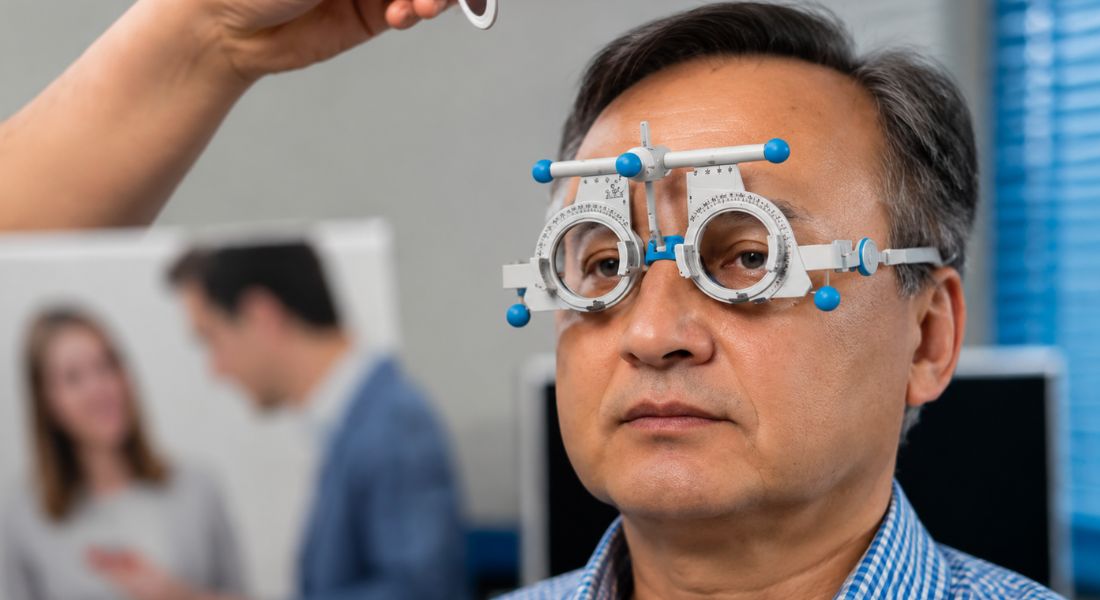
Age-related changes in the eye, particularly reduced lens flexibility and presbyopia, can significantly influence both procedure selection and expected outcomes. As the natural lens becomes less flexible with age, near vision often becomes more challenging even if distance vision remains stable.
If you are younger and mainly dealing with high myopia, procedures such as LASIK or SMILE may be more suitable, depending on your corneal shape and prescription. These options focus on reshaping the cornea to correct distance vision effectively.
If you are older and experiencing presbyopia, lens-based procedures may be considered, as they can address both distance and near vision by replacing the natural lens. In all cases, preoperative counselling should clearly discuss your expectations for near and distance tasks so that your visual goals remain realistic and achievable.
SMILE vs LASIK vs PRK
If you are comparing SMILE, LASIK, and PRK, each procedure has its own strengths depending on your eye shape, prescription, and lifestyle needs. SMILE is often preferred if you have high myopia, as it avoids creating a corneal flap and may offer better biomechanical stability with a lower risk of flap-related complications.
LASIK is widely used because it provides rapid visual recovery and predictable results. However, it does involve creating a corneal flap, which may be an important consideration if you have thinner or steeper corneas or are concerned about flap-related risks.
PRK does not involve a corneal flap at all, making it suitable for certain corneal conditions where flap-based procedures may not be ideal. However, you should be aware that recovery tends to be slower compared with SMILE or LASIK, with visual improvement occurring gradually over several days to weeks.
Visual Outcomes
If you are considering laser eye surgery, studies in Asian populations show that visual outcomes are generally excellent when the procedure is carefully selected and properly planned. Most patients achieve significant improvement in their vision with a high level of accuracy.
You can also expect safety and effectiveness to remain consistently high when appropriate screening and surgical techniques are followed. Patient satisfaction is typically strong, especially when expectations are clearly managed before surgery.
However, your final outcome depends on a thorough preoperative evaluation and careful adherence to clinical guidelines. When your treatment is tailored to your individual eye health and prescription, it improves both the predictability and quality of your visual results.
Postoperative Complications
If you are considering laser eye surgery, it is important to be aware that some postoperative complications can occur, although most are temporary or manageable. These may include dry eye, night vision disturbances such as glare or halos, and in some cases under- or overcorrection of your prescription.
You may also hear about flap-related issues in procedures like LASIK, although these are uncommon when surgery is performed using modern techniques and appropriate care. The likelihood of complications depends more on your individual eye anatomy and any pre-existing conditions than on ethnicity.
Surgeons reduce these risks by carrying out detailed preoperative assessments and tailoring the treatment plan to your specific eyes. Careful planning and personalised laser settings help improve both safety and overall visual outcomes.
Dry Eye Considerations
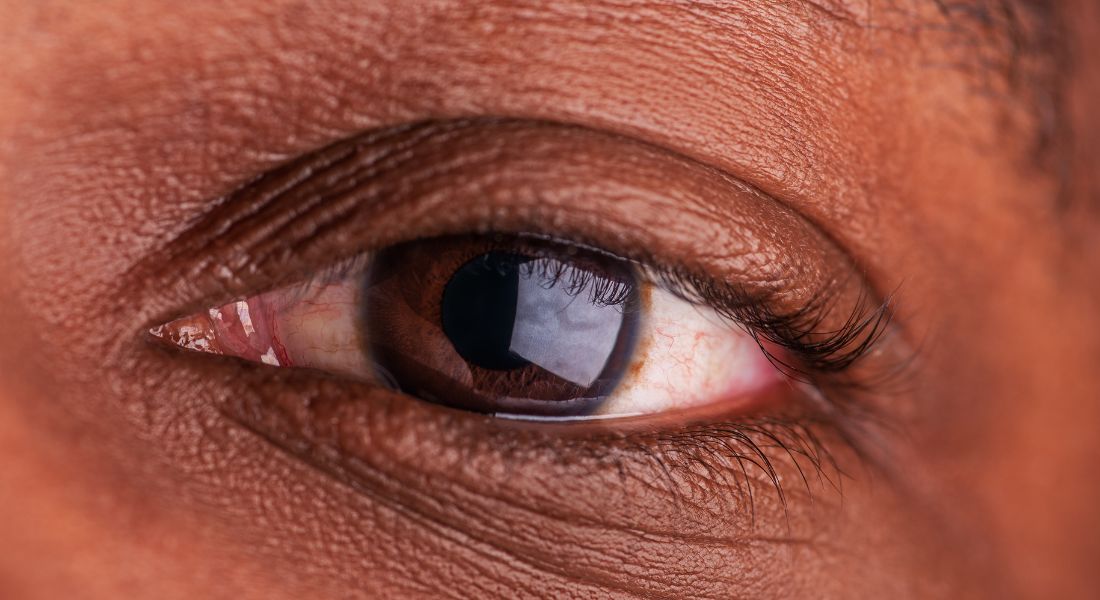
Dry eye is an important factor to consider before laser eye surgery, as you may already have underlying ocular surface dryness that can become more noticeable after the procedure. A proper preoperative assessment helps identify this early so it can be managed before surgery.
If dry eye is present, it is usually treated in advance to improve comfort and support better visual outcomes afterwards. This may include measures to stabilise the tear film and improve the overall health of the eye surface.
After surgery, you may be advised to use artificial tears regularly along with scheduled follow-up care. This helps maintain comfort and supports good visual quality during the recovery period, while also reducing fluctuations in vision and helping the eyes heal more smoothly over time. Consistent management during this phase can make a noticeable difference to both comfort and overall visual satisfaction.
Lifestyle and Visual Demands
Your lifestyle plays an important role in shaping what you expect from vision correction procedures. Daily habits such as screen use, reading patterns, and night driving all influence how you experience your vision and what level of clarity feels comfortable for you.
- Screen Time Requirements: If you spend long hours on computers or mobile devices, you may prioritise stable intermediate vision and reduced eye strain.
- Reading and Near Tasks: Frequent reading or close work can increase the importance of clear near vision in your treatment planning.
- Night Driving Needs: If you often drive at night, good contrast sensitivity and low glare vision become especially important for safety and comfort.
- Expectation Management: Understanding your visual demands helps your surgeon explain what outcomes are realistically achievable for you.
- Procedure Selection Support: Your lifestyle can help guide the choice of procedure and lens type that best suits your day-to-day needs.
Overall, your lifestyle and visual demands are key factors in treatment planning. When your surgeon understands how you use your vision every day, they can better align your procedure choice and expectations with realistic and safe outcomes.
Technology and Precision
If you are considering laser eye surgery, you may benefit from advanced laser systems that allow highly precise correction based on your individual eye measurements. These technologies are designed to tailor treatment specifically to your corneal shape and prescription, helping to improve overall accuracy.
You may also come across wavefront-guided and topography-guided systems, which are designed to refine the treatment further. These approaches can help improve visual quality and reduce the likelihood of unwanted visual effects such as glare or halos.
Modern imaging technology also plays an important role in improving safety and outcomes. By giving your surgeon a detailed understanding of your eye’s unique structure, it helps ensure that treatment is carefully customised to your needs, including for patients with a wide range of anatomical differences.
Enhancing Patient Satisfaction
If you are undergoing eye surgery, your satisfaction is strongly influenced by how well you understand the procedure before it takes place. Clear education about the potential benefits, limitations, and recovery timeline helps you feel more prepared and confident about your decision.
You may find that discussing your expectations openly with your surgeon makes a significant difference to your overall experience. When you understand what is realistically achievable, it becomes easier to set appropriate goals for your vision and recovery.
A personalised treatment plan is also key to a positive outcome. When your expectations are aligned with what the procedure can deliver, you are more likely to feel satisfied and reassured throughout your recovery process.
When Alternative Procedures Are Considered
If you are exploring vision correction options, you may find that laser surgery is not always the most suitable choice for everyone. In some cases, alternatives such as implantable contact lenses (ICL) may be recommended, particularly if you have very high myopia or thinner corneas.
You may also be advised to consider refractive lens exchange (RLE) if you are older or beginning to experience early presbyopia. This approach can help address both distance and near vision needs by replacing your eye’s natural lens with an artificial one.
The most important factor in choosing the right procedure is your individual eye anatomy and visual goals. Your surgeon will base recommendations on your personal suitability rather than general factors such as ethnicity, ensuring the safest and most appropriate outcome for you.
Safety and Long-Term Outcomes
If you are considering laser eye surgery, it is important to know that when proper screening and surgical techniques are used, the procedure is generally safe and effective for Asian patients. Careful preoperative assessment helps ensure that your eyes are suitable for treatment and reduces the risk of complications.
You can also expect long-term visual outcomes to remain stable in most cases, with studies showing consistently good results and low complication rates when patients are appropriately selected. Regular follow-up after surgery helps ensure that your healing progresses as expected.
The most important factor in achieving a successful outcome is careful patient selection. When your surgeon thoroughly evaluates your eye health, prescription, and individual suitability, it greatly improves the likelihood of safe surgery and long-term visual satisfaction.
The Role of Personalized Assessment

If you are considering eye surgery, you should expect a detailed individual assessment rather than decisions based on broad population averages. While ethnic or regional data may be useful in research, your treatment plan is ultimately based on your own eye measurements and visual needs.
You may find that your surgeon carries out a thorough evaluation of your corneal shape, prescription, tear film, and overall eye health. This helps ensure that any recommendations are tailored specifically to you, rather than assumptions based on group trends.
By focusing on personalised planning, your surgeon can better match the treatment to your individual eyes and lifestyle. This approach helps improve both safety and visual outcomes, giving you a more predictable and satisfactory result.
FAQs:
- Is laser eye surgery suitable for Asian eyes?
Yes. Laser eye surgery such as LASIK, SMILE, and PRK can be highly suitable for Asian eyes. However, suitability depends on individual factors like corneal thickness, shape, refractive error, and eye health rather than ethnicity alone. Careful preoperative assessment is essential for safe and effective outcomes. - Do Asian eyes have different anatomical features that affect laser eye surgery?
Some studies show variations in factors such as corneal curvature, anterior chamber depth, and pupil size across populations. These differences do not prevent surgery but may influence which procedure is most appropriate and how treatment is planned. - Why is myopia more common in Asian populations?
High rates of myopia have been observed in many East and Southeast Asian populations, especially in younger people. This is linked to a combination of genetic, environmental, and lifestyle factors such as increased near work and reduced outdoor activity. - Does higher myopia affect eligibility for laser eye surgery?
Yes, higher levels of myopia may require more careful evaluation because more corneal tissue needs to be reshaped. In some cases, alternatives such as SMILE or implantable contact lenses (ICL) may be recommended if laser treatment is not ideal. - Which procedure is better for Asian eyes: LASIK, SMILE, or PRK?
There is no single “best” option. LASIK offers fast recovery, SMILE may be preferred for higher myopia and better corneal stability, while PRK can be suitable for thinner corneas. The choice depends on individual eye measurements and lifestyle needs. - Are Asian patients at higher risk of complications after laser eye surgery?
No, complication risk is not determined by ethnicity. Risks such as dry eye, glare, or under-correction depend more on individual anatomy, tear film quality, and surgical planning. Proper screening significantly reduces complications. - Why is corneal thickness important for laser eye surgery?
Corneal thickness determines how much tissue can safely be removed during surgery. Thinner corneas may limit eligibility for LASIK or require alternative procedures to maintain long-term corneal stability and safety. - What role does pupil size play in visual outcomes?
Larger pupils, especially in low light, may increase the likelihood of halos or glare after surgery. This is assessed before surgery so that the surgeon can adjust treatment plans or recommend a more suitable procedure. - Can laser eye surgery help with high myopia in Asian patients?
Yes, but very high myopia requires careful evaluation. In some cases, laser surgery is suitable, while in others, procedures like SMILE or implantable contact lenses (ICL) may provide safer and more predictable results. - Is dry eye more common after laser eye surgery in Asian patients?
Some patients may experience dry eye symptoms after surgery, particularly if they already have mild ocular surface dryness. Preoperative assessment and postoperative care, including lubricating drops, help manage and reduce symptoms.
Final Thoughts: Personalised Laser Eye Surgery for Asian Eyes
Laser eye surgery can deliver excellent and stable visual outcomes in Asian patients when careful attention is given to individual anatomy and refractive needs. Factors such as corneal thickness, pupil size, and the degree of myopia are important in guiding the choice between LASIK, SMILE, or PRK. While research highlights certain population trends, successful results ultimately depend on personalised assessment, precise planning, and appropriate procedure selection for each patient. If you’re considering laser eye surgery in London and want to know if it’s the right option, you’re welcome to reach out to us at Eye Clinic London to book a consultation.
References:
- Li, M. et al. (2023) Small incision lenticule extraction (SMILE) versus LASIK for myopia: a systematic review and meta-analysis. Available at: https://www.sciencedirect.com/science/article/abs/pii/S0002939422004366
- Guo, H., Hosseini-Moghaddam, S.M. and Hodge, W. (2019) Corneal biomechanical properties after SMILE versus LASIK: a systematic review and meta-analysis. Available at https://pmc.ncbi.nlm.nih.gov/articles/PMC6676534/
- Sekundo, W. and Blum, M. (2019) Small incision lenticule extraction (SMILE): principles and clinical outcomes. Available at: https://www.sciencedirect.com/science/article/pii/S2162098923004735
- Moshirfar, M., Shah, R., Teymoorian, B. and Ronquillo, Y.C. (2022) Comparative analysis of visual and refractive outcomes following SMILE, FS-LASIK and T-PRK surgery. Available at: https://www.mdpi.com/2077-0383/13/7/1906
- Taneri, S., Knepper, J., Rost, A. and Dick, H.B. (2022) Long-term outcomes of PRK, LASIK and SMILE. Available at: https://pubmed.ncbi.nlm.nih.gov/34241701/