


Glaucoma in Black Patients: What Does the Research Show?

Glaucoma is one of the leading causes of irreversible vision loss worldwide. If you develop glaucoma, the condition can gradually damage your optic nerve, often without causing obvious symptoms in its early stages. Because vision loss from glaucoma cannot usually be reversed, early detection is extremely important. Regular eye examinations can help identify changes before significant damage occurs.
Over the past several decades, researchers have identified important differences in how glaucoma affects various populations. Studies suggest that if you are of Black heritage, you may have a higher risk of developing glaucoma and may develop the condition at a younger age than some other groups. These findings have led to extensive research into risk factors, disease progression, and screening strategies. As a result, greater attention is now being given to identifying individuals who may be at increased risk.
Understanding these differences is important because it helps ophthalmologists provide more appropriate monitoring and care. If you are considered to be at higher risk, your eye specialist may recommend more regular examinations to detect problems as early as possible. While glaucoma can affect people of all backgrounds, recognising patterns within specific populations can support earlier diagnosis and treatment. This can play an important role in protecting your long-term vision.
Research continues to explore why these differences exist and what they mean for patient care. Scientists are investigating a range of possible factors, including genetics, biology, environment, and access to healthcare. Although many questions remain, the evidence already highlights the importance of awareness and regular eye examinations. For you, this means understanding your risk factors and attending routine eye checks can be an important part of maintaining your eye health.
Understanding Glaucoma
Glaucoma is a term used to describe a group of eye conditions that damage the optic nerve. This nerve plays a vital role in your vision by carrying visual information from your eyes to your brain. When the optic nerve becomes damaged, your ability to see can gradually be affected.
In many cases, this damage develops slowly over time and may not cause any noticeable symptoms at first. You may not realise that changes are occurring because your vision can remain seemingly normal during the early stages. As a result, many people are unaware they have glaucoma until some degree of vision loss has already occurred.
This is why early detection is so important. Regular eye examinations can help identify signs of glaucoma before significant damage develops. Detecting the condition early gives you the best opportunity to protect your vision and manage the disease effectively.
Why Researchers Study Ethnic Differences
Researchers study ethnic differences in glaucoma to better understand how the condition affects different groups of people. By identifying populations that may be at a higher risk, they can develop more effective screening recommendations and monitoring strategies. This helps ensure that people who are more likely to develop glaucoma receive appropriate attention and care.
Studies have consistently shown that glaucoma does not affect all populations in the same way. If you belong to certain ethnic groups, your risk of developing glaucoma may be different from that of someone from another background. These findings have encouraged researchers to explore the genetic, biological, environmental, and social factors that may contribute to these differences.
The ultimate aim of this research is to improve prevention and treatment outcomes. By understanding who is most at risk and why, clinicians can make more informed decisions about diagnosis and management. For you, this means a greater opportunity for early detection and better protection of your long-term vision.
Optic Nerve Assessment
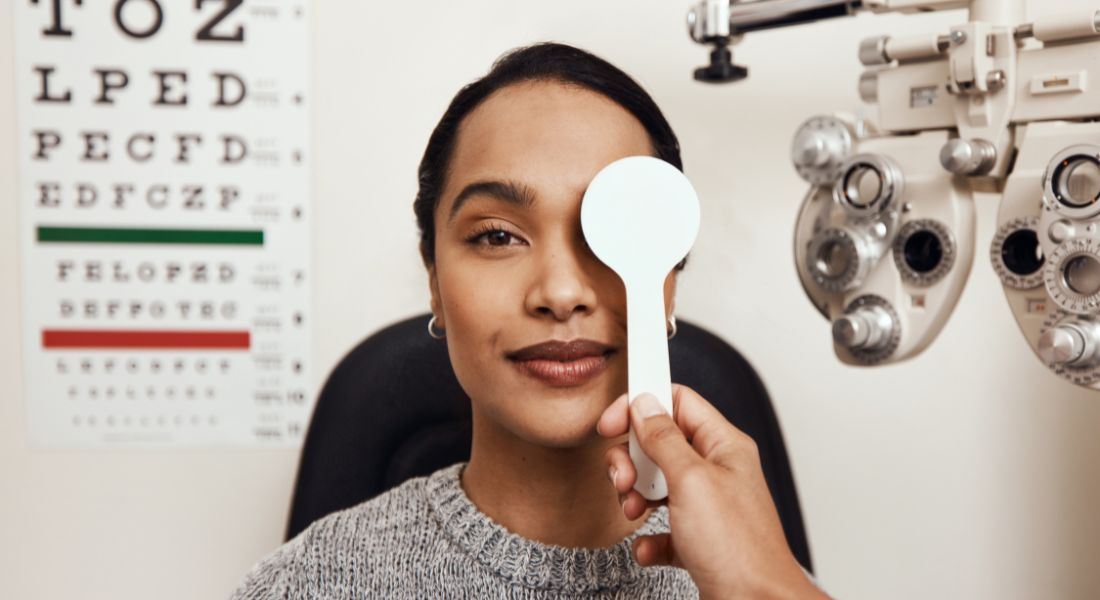
Assessing the optic nerve is a key part of diagnosing and monitoring glaucoma. The optic nerve carries visual information from your eye to your brain, and glaucoma can gradually damage this important structure. During an eye examination, specialists look for specific signs that may indicate glaucoma-related changes. Careful evaluation of the optic nerve helps support early diagnosis and ongoing management.
- The Optic Nerve Can Show Early Signs of Glaucoma: Specialists examine the optic nerve for characteristic changes associated with glaucoma. These signs may be present before you notice any changes in your vision.
- Imaging Technology Provides Detailed Information: Modern imaging tools allow eye care professionals to assess the structure of the optic nerve in great detail. This can help identify subtle abnormalities that may not be visible during a standard examination.
- Early Detection Supports Better Outcomes: Detecting optic nerve changes at an early stage can allow treatment to begin sooner. Early intervention may help slow disease progression and protect your vision.
- Advances in Imaging Improve Accuracy: Ongoing developments in imaging technology continue to enhance glaucoma assessment. These advances help specialists monitor changes more precisely over time.
Optic nerve assessment plays a vital role in the early detection and management of glaucoma. By combining clinical examination with advanced imaging technologies, specialists can gain a clearer understanding of your eye health. These tools help identify changes before significant vision loss occurs and support more informed treatment decisions. As imaging technology continues to evolve, glaucoma diagnosis is becoming increasingly accurate and effective.
Glaucoma Appears More Common in Black Populations
Numerous studies have reported that glaucoma appears to be more common among Black individuals than in some other populations. This pattern has been observed across a variety of countries, healthcare systems, and research settings. As a result, researchers have paid increasing attention to understanding why these differences may exist.
Although the exact prevalence rates vary between studies, the overall trend has remained remarkably consistent. If you are of Black heritage, research suggests that you may have a higher likelihood of developing certain types of glaucoma. Researchers continue to investigate a range of possible explanations, including genetic, biological, environmental, and healthcare-related factors.
These findings have important implications for eye health awareness and early detection. Greater awareness of potential risk factors can encourage more regular eye examinations and earlier monitoring. For you, this highlights the value of understanding your individual risk profile and taking a proactive approach to protecting your vision.
Primary Open-Angle Glaucoma
Primary open-angle glaucoma is the most common type of glaucoma worldwide. It usually develops gradually and often does not cause any obvious symptoms during the early stages. This means that you may not realise anything is wrong until some vision loss has already occurred.
Research has shown that primary open-angle glaucoma appears to be particularly common among Black populations. If you are of Black heritage, studies suggest that your risk of developing this form of glaucoma may be higher than that of some other groups. This has made it an important focus of epidemiological and clinical research.
Understanding these risk patterns helps clinicians make more informed decisions about screening and monitoring. If you are considered to be at a higher risk, regular eye examinations can help detect changes at an earlier stage. Early diagnosis gives you a better opportunity to protect your vision and manage the condition effectively.
The Role of Genetics
Genetics may play an important role in influencing your risk of developing glaucoma. Researchers have identified several genes that appear to be associated with the development and progression of the disease. These discoveries have helped improve understanding of why some individuals may be more susceptible to glaucoma than others.
However, glaucoma is a complex condition that is influenced by many different factors. While your genetic makeup may contribute to your risk, it does not fully explain the differences in glaucoma rates that have been observed between populations. Environmental factors, lifestyle influences, and access to healthcare may also play important roles.
Researchers continue to investigate how genetics interacts with these other factors. As new studies emerge, they may provide a clearer understanding of why certain groups appear to be at a higher risk of developing glaucoma. For you, this research could help support more personalised approaches to screening, monitoring, and treatment in the future.
Family History and Risk
Your family history is one of the strongest known risk factors for glaucoma. If you have a parent, sibling, or other close relative with the condition, your chances of developing glaucoma may be higher than average. This is why family history is considered an important part of assessing your overall risk.
This increased risk applies across all ethnic groups and populations. However, because glaucoma appears to be more common in some groups, family history may be particularly relevant when evaluating individual risk. Understanding your family’s eye health history can provide valuable information for both you and your eye care professional.
For this reason, you are encouraged to discuss any known family history of glaucoma during your eye examinations. Even if you do not currently have symptoms, this information can help guide screening and monitoring decisions. Early awareness of your risk factors may improve the chances of detecting glaucoma before significant vision loss occurs.
Earlier Onset of Disease
Research suggests that glaucoma may develop at a younger age in Black populations than in some other groups. This means you could potentially be at risk earlier in life, often before any symptoms become noticeable. Because glaucoma can progress silently for many years, early awareness and regular eye examinations are particularly important. Understanding this risk may help you take proactive steps to protect your long-term vision.
- Glaucoma May Develop Earlier in Life: Studies suggest that some Black individuals may develop glaucoma at a younger age. This can result in a longer period during which the disease may progress if it is not detected and managed.
- Early Detection Can Protect Your Vision: Glaucoma often causes no symptoms in its early stages. Regular eye examinations can help identify the condition before significant vision loss occurs.
- You May Benefit from Ongoing Monitoring: If you are at increased risk, your eye specialist may recommend more frequent check-ups. Regular monitoring can help detect changes early and guide treatment decisions when needed.
- Screening May Start at a Younger Age: Because the condition may appear earlier, some people are advised to begin glaucoma screening sooner. Earlier testing can improve the chances of identifying the disease before it affects your vision.
The possibility of an earlier onset of glaucoma highlights the importance of routine eye care. If you are in a higher-risk group, discussing screening recommendations with your eye care professional may be worthwhile. Early diagnosis and consistent monitoring can make a significant difference in managing the condition. By staying informed and attending regular eye examinations, you can help safeguard your vision for the future.
Intraocular Pressure and Glaucoma
Intraocular pressure refers to the pressure inside your eye. Elevated eye pressure is one of the most significant risk factors associated with glaucoma and can contribute to damage of the optic nerve. For this reason, measuring eye pressure is an important part of routine glaucoma assessment.
However, it is important to understand that not everyone with glaucoma has high eye pressure. Some people develop glaucoma despite having pressure levels that fall within the normal range. Even so, controlling and monitoring eye pressure remains one of the main goals of glaucoma treatment because it can help slow disease progression.
Regular eye examinations play an essential role in monitoring intraocular pressure over time. These appointments allow your eye care professional to detect changes early and assess your overall risk. For you, consistent monitoring can be an important step in protecting your vision and managing glaucoma effectively.
Visual Field Testing
Visual field testing is used to measure your peripheral, or side, vision and helps identify vision loss caused by glaucoma. The test can detect areas where your visual field may have been affected, even if you have not noticed any symptoms yourself. It is an important tool for assessing how glaucoma is impacting your vision.
In many cases, changes in peripheral vision occur before your central vision becomes affected. This means you may not be aware that vision loss is developing until the condition has progressed. Regular visual field testing can help identify these changes early and monitor whether the disease is becoming more advanced.
Because of its ability to detect and track vision changes, visual field assessment remains a cornerstone of glaucoma management. Your eye specialist may use the results alongside other tests to evaluate your condition and guide treatment decisions. For you, regular testing can play a vital role in protecting your long-term vision and eye health.
Challenges of Early Diagnosis
One of the greatest challenges with glaucoma is that it often develops without causing any noticeable symptoms in its early stages. You may have the condition for years without experiencing pain, discomfort, or obvious changes in your vision. As a result, many people remain unaware that damage to the optic nerve is occurring.
Because glaucoma can progress silently, routine eye examinations are extremely important. Regular check-ups allow eye care professionals to look for early signs of the disease before symptoms become apparent. Detecting glaucoma at an early stage gives you the best opportunity to begin treatment and protect your vision.
This principle applies regardless of your background or level of risk. Whether you have known risk factors or not, regular eye examinations remain one of the most effective ways to identify glaucoma early. For you, early diagnosis can make a significant difference in preserving long-term eye health and vision.
Importance of Screening
Screening plays a crucial role in detecting glaucoma before significant vision loss occurs. Because the condition often develops without obvious symptoms, you may not realise there is a problem until damage has already taken place. Regular screening helps identify early changes and allows treatment to begin as soon as possible.
If you have risk factors for glaucoma, such as a family history of the condition or belonging to a higher-risk population, you may benefit from more frequent eye examinations. Research showing an increased risk among Black populations has reinforced the importance of regular monitoring and early detection. Understanding your personal risk can help you make informed decisions about your eye health.
Greater awareness of glaucoma and its risk factors can lead to earlier diagnosis and more effective management. The sooner the condition is identified, the better the opportunity to protect your vision over the long term. For this reason, screening remains one of the most effective tools available in glaucoma care.
Access to Eye Care
Access to eye care services can have a significant impact on glaucoma outcomes. If you are unable to attend regular eye examinations, there is a greater risk that the condition may be diagnosed later than ideal. Since glaucoma often develops without symptoms, delayed diagnosis can mean that vision loss has already occurred by the time it is detected.
Researchers recognise that access to healthcare is just as important as biological risk factors when it comes to understanding glaucoma. If you face barriers such as cost, availability of services, or lack of awareness, this can affect how early the condition is identified. Improving access to routine eye care may therefore help reduce the risk of preventable vision loss.
Public awareness campaigns also play an important role in addressing this issue. By helping you understand the importance of regular eye examinations, these initiatives encourage earlier testing and diagnosis. Together, improved access and increased awareness can make a meaningful difference in protecting long-term vision health.
Modern Treatment Approaches
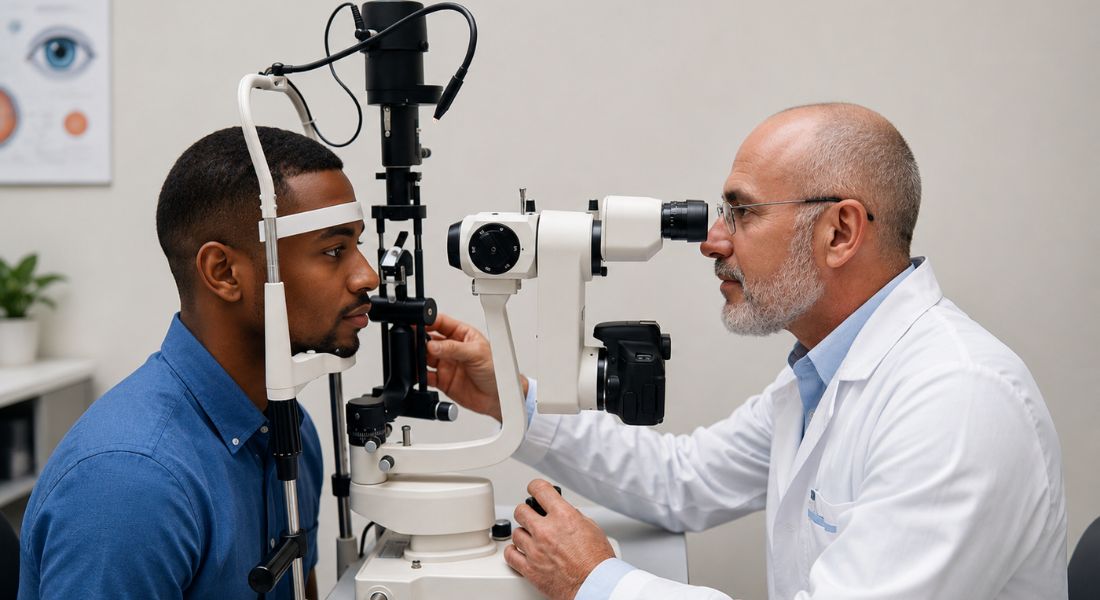
Glaucoma treatment focuses on slowing or preventing further damage to the optic nerve. The main goal is to reduce and control intraocular pressure, as this is the most important factor in helping preserve your vision over time. Treatment does not usually reverse existing damage, but it can help protect what vision you still have.
Depending on your condition, treatment options may include eye drops, laser procedures, or surgical intervention. Eye drops are often used first to help lower eye pressure, while laser or surgery may be recommended if additional control is needed. The most suitable approach will depend on the type and severity of your glaucoma, as well as how your eyes respond to treatment.
Personalised care is becoming increasingly important in modern glaucoma management. Your treatment plan will be tailored to your individual needs, risk factors, and lifestyle. This helps ensure that you receive the most effective approach for maintaining your eye health and protecting your vision in the long term.
Advances in Diagnostic Technology
If you’ve had a recent eye test, you may have noticed how much glaucoma diagnosis has changed thanks to modern technology. Today’s diagnostic tools allow eye care professionals to pick up very early structural changes in your eye that might not have been detectable before. This means glaucoma can often be identified sooner and monitored more accurately than in the past. As a result, your care can be more proactive and better tailored to your needs.
- High-Resolution Imaging Can Spot Early Changes: Advanced imaging can detect subtle changes in your optic nerve and retina. These changes may appear before you notice any symptoms, which helps with earlier diagnosis.
- More Accurate and Detailed Eye Assessments: Modern diagnostic tools give specialists a clearer and more detailed view of your eye health. This improves accuracy and helps track even small changes over time.
- Earlier Diagnosis Supports Better Treatment: When glaucoma is detected early, you can start treatment sooner. This can help slow progression and reduce the risk of long-term vision loss.
- Technology Continues to Improve Eye Care: Diagnostic innovation is ongoing, with new tools being developed all the time. These improvements are making glaucoma detection and monitoring increasingly precise.
Advances in diagnostic technology have made a real difference in how glaucoma is managed today. With more detailed imaging and improved assessment tools, you can benefit from earlier and more accurate detection. This allows treatment to begin sooner, which is important for protecting your vision. As technology continues to develop, glaucoma care is becoming even more effective and patient-focused.
Monitoring Disease Progression
Glaucoma is usually a long-term condition that requires regular monitoring over time. Ongoing follow-up appointments are important because they help your eye specialist assess whether the condition is stable or changing. This continuous review ensures that any progression can be detected as early as possible.
During these appointments, your specialist will typically check your eye pressure, examine the health of your optic nerve, and review changes in your visual field. By comparing results over time, they can identify even subtle signs of progression. This information is essential in deciding whether your current treatment plan is working effectively or needs adjustment.
Consistent monitoring is key to protecting your vision in the long term. Regular check-ups give you the best chance of maintaining stability and slowing disease progression. For you, staying engaged with follow-up care is one of the most important parts of managing glaucoma successfully.
Patient Education and Awareness

Education plays a vital role in the management of glaucoma. When you understand your condition, you are better able to take an active role in your care and make informed decisions about your treatment. This can help you feel more confident and engaged in managing your eye health.
Being aware of risk factors also encourages you to attend regular eye examinations and seek testing earlier when needed. If you understand what increases your risk, you are more likely to follow recommended monitoring schedules. This can lead to earlier detection and better long-term outcomes.
Knowledge is one of the most effective tools in preventing vision loss from glaucoma. The more you know about the condition, the better prepared you are to recognise its importance and act early. For you, staying informed can make a meaningful difference in protecting your vision over time.
Ongoing Research Into Glaucoma Risk
If you’re wondering why glaucoma seems to affect some people more than others, you’re not alone. Researchers are actively working to understand the reasons behind these differences in risk across populations. They are looking at a wide range of factors, including genetics, eye structure, environment, and access to healthcare. This ongoing work is helping to build a clearer picture of how and why glaucoma develops.
- Genetic Factors Are Being Closely Studied: Researchers are exploring how inherited traits may influence your risk of developing glaucoma. Understanding genetic links may help identify individuals who are more likely to develop the condition.
- Eye Structure May Influence Risk: Differences in the anatomy of your eye, such as optic nerve structure, may affect susceptibility to glaucoma. Studying these variations helps researchers understand how the disease progresses in different people.
- Environmental and Lifestyle Factors Are Considered: Factors like daily habits, overall health, and environmental exposure may also play a role in glaucoma development. Researchers are investigating how these influences interact with biological risk factors.
- Healthcare Access and Early Detection Matter: Differences in access to eye care services can affect how early glaucoma is diagnosed. Improving awareness and screening may help reduce the impact of late detection.
Ongoing research into glaucoma risk is helping to deepen understanding of this complex condition. By studying multiple influencing factors, researchers aim to improve both prevention and early detection strategies. This work may eventually lead to more personalised approaches to eye care. As research continues, you can expect further insights that support better long-term management of glaucoma.
Future Developments in Glaucoma Care
The future of glaucoma care is expected to become increasingly personalised, with treatments and monitoring tailored more closely to your individual risk profile. Advances in imaging technology, genetics, and artificial intelligence are already helping researchers improve how glaucoma risk is predicted and detected earlier. This means you may benefit from more precise and timely assessments in the future.
Earlier identification of high-risk patients could allow intervention before significant optic nerve damage occurs. If changes can be detected sooner, treatment can be started earlier to help preserve your vision for longer. These developments have the potential to significantly improve long-term outcomes and reduce the impact of glaucoma.
Ongoing innovation continues to drive progress in ophthalmology. As research evolves, you can expect more refined tools for diagnosis, monitoring, and treatment planning. This continued advancement is helping to shape a future where glaucoma care is more proactive, accurate, and personalised to your needs.
FAQs:
- What is glaucoma?
Glaucoma is a group of eye conditions that damage the optic nerve, which carries visual information from the eye to the brain. The condition often develops slowly and may not cause noticeable symptoms in its early stages. As a result, many people are unaware they have glaucoma until some vision loss has already occurred. Early diagnosis is important because vision loss from glaucoma is usually irreversible. - Why is glaucoma considered a serious eye condition?
Glaucoma is one of the leading causes of permanent vision loss worldwide. If left untreated, optic nerve damage can gradually worsen and affect peripheral vision before eventually impacting central vision. Because symptoms often appear late, regular eye examinations are essential. Early treatment can help slow or prevent further damage. - Does glaucoma affect Black individuals differently?
Research suggests that glaucoma is more common among Black populations and may develop at a younger age compared with some other ethnic groups. Studies have consistently observed higher rates of primary open-angle glaucoma in these populations. This increased risk highlights the importance of awareness and regular screening. Early detection can significantly improve long-term outcomes. - What is primary open-angle glaucoma?
Primary open-angle glaucoma is the most common type of glaucoma. It develops gradually as the eye’s drainage system becomes less efficient, leading to optic nerve damage over time. The condition often progresses without pain or obvious symptoms. Regular eye examinations are therefore important for early diagnosis. - Does family history increase the risk of glaucoma?
Yes, having a close family member with glaucoma is one of the strongest known risk factors. If a parent, sibling, or child has the condition, your own risk may be higher. This is why eye specialists often ask about family medical history during examinations. Sharing this information can help guide screening recommendations. - What role does eye pressure play in glaucoma?
Eye pressure, also known as intraocular pressure, is an important risk factor for glaucoma. Elevated pressure can contribute to optic nerve damage, although some people develop glaucoma even with normal pressure levels. Monitoring eye pressure is a key part of diagnosis and treatment. Lowering pressure remains the primary goal of most glaucoma therapies. - How is glaucoma diagnosed?
Glaucoma diagnosis usually involves a combination of tests rather than a single examination. Your specialist may assess eye pressure, examine the optic nerve, perform visual field testing, and use advanced imaging technology. These tests help detect early signs of damage and monitor progression over time. Comprehensive assessment is essential for accurate diagnosis. - Can glaucoma be cured?
At present, there is no cure for glaucoma and any vision already lost cannot usually be restored. However, modern treatments can often slow or stop further damage when the condition is detected early. Treatment may involve eye drops, laser procedures, or surgery. Ongoing monitoring is an important part of long-term management. - Why are regular eye examinations important for glaucoma?
Glaucoma often develops without noticeable symptoms, particularly in its early stages. Routine eye examinations allow specialists to identify changes before significant vision loss occurs. This is especially important for individuals with known risk factors such as age, family history, or increased glaucoma risk. Early intervention provides the best opportunity to preserve vision. - What does current research mean for patients?
Current research helps specialists better understand which groups may be at higher risk and how glaucoma progresses. These findings support earlier screening, improved monitoring, and more personalised care strategies. Advances in imaging and treatment continue to improve outcomes for many patients. The overall message remains clear: early detection is one of the most effective ways to protect your vision.
Final Thoughts: Why Early Detection Matters in Glaucoma Care
Research suggests that if you are of Black ethnicity, you may have a higher risk of developing glaucoma and could develop the condition at a younger age than some other groups. While researchers are still investigating exactly why these differences occur, the findings highlight the importance of being aware of your risk factors and attending regular eye examinations. Because glaucoma often develops without obvious symptoms, early detection remains one of the most effective ways to protect your vision.
The good news is that advances in diagnostic technology and treatment have improved the management of glaucoma considerably. Modern imaging techniques and visual field testing can help detect changes earlier, allowing treatment to begin before significant vision loss occurs. With appropriate monitoring and care, many people are able to manage the condition successfully and maintain their quality of life. If you’re exploring whether glaucoma treatment in London could benefit you, get in touch with us at Eye Clinic London to schedule your consultation.
References:
- Tielsch, J.M., Sommer, A., Katz, J., Royall, R.M., Quigley, H.A. and Javitt, J. (1991) ‘Racial variations in the prevalence of primary open-angle glaucoma: The Baltimore Eye Survey’, JAMA, 266(3), pp.369-374. https://pubmed.ncbi.nlm.nih.gov/2056646/
- Racette, L., Wilson, M.R., Zangwill, L.M., Weinreb, R.N. and Sample, P.A. (2003) ‘Primary open-angle glaucoma in blacks: a review’, Survey of Ophthalmology, 48(3), pp.295-313. https://pubmed.ncbi.nlm.nih.gov/12745004/
- Ciociola, E.C., Sekimitsu, S., Smith, S., Lorch, A.C., Miller, J.W., Elze, T., Zebardast, N., Pershing, S., Hyman, L., Haller, J.A., Lee, A.Y., Lee, C.S., Lum, F. and Lorch, A. (2024) ‘Racial Disparities in Glaucoma Vision Outcomes and Eye Care Utilization: An IRIS Registry Analysis’, American Journal of Ophthalmology, 264, pp.194-204. https://www.sciencedirect.com/science/article/pii/S0002939424001260
- Siegfried, C.J. and Shui, Y.B. (2022) ‘Racial Disparities in Glaucoma: From Epidemiology to Pathophysiology’, Missouri Medicine, 119(4), pp.358-363. https://pmc.ncbi.nlm.nih.gov/articles/PMC9312450/
- Budenz, D.L., Barton, K., Whiteside-de Vos, J., Schiffman, J., Bandi, J., Nolan, W., Herndon, L., Kim, H., Hay-Smith, G. and Tielsch, J.M. (2013) ‘Prevalence of Glaucoma in an Urban West African Population: The Tema Eye Survey’, JAMA Ophthalmology, 131(5), pp.651-658. https://pmc.ncbi.nlm.nih.gov/articles/PMC4139110/