


How Cultural and Lifestyle Factors Can Influence Dry Eye Symptoms

Dry eye disease is a common condition that affects the surface of your eye and the stability of your tear film. It can lead to symptoms such as burning, irritation, grittiness, and fluctuating vision. While the underlying biological processes are broadly similar across all patients, the way you experience and describe symptoms can vary quite a lot from person to person.
In recent years, researchers have increasingly recognised that dry eye disease is influenced not only by medical factors but also by your daily habits and environment. These influences can differ widely between cultures, regions, and lifestyles, which helps explain why symptom patterns are not always the same across different groups of people.
Factors such as screen use, diet, climate, occupation, and even social behaviours can all affect how often you experience symptoms and how severe they feel. If you spend long hours on digital devices, live or work in dry or air-conditioned environments, or have dietary patterns that affect eye surface health, you may notice a greater impact on your comfort.
As research continues, clinicians are placing more emphasis on lifestyle-based approaches alongside medical treatment. This combined approach helps ensure that your management plan addresses not just the condition itself, but also the everyday factors that may be contributing to your symptoms, leading to better long-term outcomes.
Understanding Dry Eye Disease
Dry eye disease occurs when your eyes do not produce enough tears or when your tear film becomes unstable. Tears are essential for keeping your eyes lubricated, comfortable, and protected throughout the day. When this balance is disrupted, you may begin to notice irritation, dryness, or discomfort.
The condition can develop as a result of several different factors working together. Your age, hormone levels, environment, and lifestyle habits can all influence how well your tear film functions. Because there is rarely a single cause, dry eye disease is now recognised as a multifactorial condition.
The symptoms you experience can vary considerably from those experienced by someone else. You may notice occasional dryness or irritation, while others experience more persistent symptoms that affect daily life. This variation is one reason why treatment often needs to be tailored to your individual needs and circumstances.
Why Lifestyle Factors Matter
Your lifestyle can have a significant influence on how dry eye disease develops and progresses over time. The habits and routines you follow each day can either support the health of your tear film or contribute to its instability. As a result, lifestyle factors are often an important part of both symptom development and management.
You may not realise it, but everyday activities such as prolonged screen use, inadequate hydration, and reduced blinking can all make dry eye symptoms worse. These behaviours are increasingly common in modern life, whether you are working, studying, or spending time on digital devices. Over time, they can place additional strain on the surface of your eyes.
Understanding how your lifestyle affects your eyes can help you make informed changes that support long-term comfort. Small adjustments to daily habits may reduce irritation and improve tear film stability. This is why lifestyle factors are often considered an important part of managing dry eye disease effectively.
Screen Use and Digital Device Exposure

One of the most significant modern contributors to dry eye symptoms is the amount of time you spend using digital screens. Whether you are working on a computer, scrolling on your phone, or using a tablet, your blinking rate tends to decrease. This can have a direct impact on the health and stability of your tear film.
When you blink less frequently, your tears evaporate more quickly from the surface of your eyes. As a result, you may experience increased dryness, irritation, and discomfort during or after screen use. This is particularly common if you spend long hours in office-based, educational, or home-working environments.
You may also notice that symptoms of digital eye strain often occur alongside dry eye disease. Tired eyes, blurred vision, and difficulty focusing can overlap with feelings of dryness and irritation. Because of this connection, screen use is often considered an important factor when assessing and managing dry eye symptoms.
Environmental Influences on Eye Health
The environment around you can have a significant impact on the comfort and health of your eyes. Factors such as air pollution, wind, humidity, and temperature can all affect the stability of your tear film and contribute to dry eye symptoms. In some cases, environmental conditions may increase irritation even if you do not have an underlying eye condition. This is why environmental exposure is an important consideration when assessing and managing dry eye disease.
- Air Pollution May Irritate Your Eyes: Exposure to pollutants can affect the surface of your eyes and contribute to irritation. This may make dry eye symptoms more noticeable or persistent.
- Wind and Dry Air Can Increase Tear Evaporation: Windy conditions and low humidity can cause your tears to evaporate more quickly. As a result, your eyes may feel dry, uncomfortable, or sensitive.
- Urban Environments Can Present Multiple Risks: If you live in a busy urban area, you may be exposed to pollution, air conditioning, and prolonged screen use at the same time. These combined factors can place additional stress on your tear film.
- Environmental Factors Influence Dry Eye Management: Understanding your daily environmental exposure can help identify potential triggers for symptoms. Small adjustments to your surroundings may support better eye comfort and tear stability.
Environmental conditions play an important role in your overall eye health and can directly influence dry eye symptoms. While some factors may be difficult to avoid completely, recognising their impact can help you manage discomfort more effectively. This is why clinicians often consider environmental exposure when evaluating dry eye disease. A personalised approach that takes your surroundings into account can support better long-term symptom control.
Climate and Regional Differences
The climate where you live can have a significant impact on your dry eye symptoms. Hot, dry, or windy conditions can increase the rate at which tears evaporate from the surface of your eyes. As a result, you may experience more dryness, irritation, and discomfort in these environments.
By contrast, if you live in a more humid climate, your tear film may remain stable for longer. This can help reduce the severity of symptoms and improve overall eye comfort. However, climate is only one factor, and individual experiences can still vary.
These environmental differences help explain why dry eye disease is more common in some regions than others. Researchers often observe variations in prevalence based on local weather conditions and climate patterns. For this reason, climate remains an important factor in the development and management of dry eye symptoms.
Diet and Nutritional Habits

What you eat can play an important role in supporting the health of your eyes and tear film. Certain nutrients, such as omega-3 fatty acids, are believed to help maintain tear quality and stability. Because of this, your diet may influence how comfortable your eyes feel and how well your tear film functions.
Dietary habits can vary widely between cultures, regions, and individuals. The foods you regularly consume may affect the nutrients available to support your eye surface health. These differences may help explain why dry eye symptoms can vary between different populations.
Researchers are paying increasing attention to the connection between nutrition and ocular health. While diet is not usually the only factor involved in dry eye disease, it may contribute to overall tear film stability and eye comfort. As a result, maintaining a balanced diet is becoming an increasingly important consideration in dry eye research.
Hydration and Fluid Intake
Staying properly hydrated is important for maintaining healthy tear production and overall eye comfort. When you do not drink enough fluids, your eyes may be more prone to dryness and irritation. Adequate hydration helps support the normal function of your tear film throughout the day.
Your hydration habits can be influenced by many factors, including your lifestyle, occupation, and daily routine. In some cases, cultural practices and environmental conditions may also affect how much fluid you consume. These differences can contribute to variations in dry eye symptoms from one person to another.
Making simple changes to your daily habits can sometimes help improve eye comfort. For example, paying closer attention to your fluid intake may support better tear film function. While hydration is not a cure for dry eye disease, it can be a useful part of an overall management approach.
Occupational Factors
Your occupation can have a significant impact on your risk of developing dry eye symptoms. If you spend long hours working at a computer, driving, or in air-conditioned environments, you may be more likely to experience eye dryness and discomfort. These workplace conditions can place additional stress on your tear film throughout the day.
When you concentrate on visual tasks for extended periods, you tend to blink less often without realising it. This reduced blink rate can cause tears to evaporate more quickly from the surface of your eyes. Over time, this may contribute to tear film instability and worsening symptoms.
Because of this, your working environment is an important factor to consider when managing dry eye disease. Small adjustments to your routine and workspace may help reduce eye strain and improve comfort. Understanding how your job affects your eyes can be an important step towards better symptom control.
Cultural Behaviours and Daily Routines
Your daily habits and lifestyle choices can have a meaningful impact on your eye comfort. Cultural behaviours often influence how people work, spend their leisure time, and use technology, all of which may affect dry eye symptoms. While these factors do not directly cause dry eye disease, they can contribute to the development or severity of symptoms. As a result, researchers are increasingly examining how cultural and behavioural patterns influence eye health.
- Work Habits Can Affect Your Eyes: The type of work you do may influence how often your eyes are exposed to potential triggers. Long hours spent reading, using screens, or working in air-conditioned environments can contribute to discomfort.
- Technology Use May Increase Symptoms: If you spend a significant amount of time on digital devices, you may blink less frequently. This can affect tear film stability and increase the likelihood of dry eye symptoms.
- Leisure Activities Also Play a Role: Daily activities outside of work can influence your eye health as well. Time spent using smartphones, gaming, or engaging in other screen-based hobbies may contribute to eye strain and dryness.
- Cultural Context Helps Explain Differences: Researchers recognise that lifestyle patterns often vary between populations. These differences can help explain why dry eye symptoms and reporting rates may differ from one group to another.
Cultural behaviours and daily routines are important factors when considering dry eye symptoms. The way you work, relax, and interact with technology can all influence your ocular comfort. This is why researchers increasingly look beyond biological factors and consider the broader lifestyle context. Understanding these influences may help explain variations in dry eye experiences across different populations.
Makeup and Cosmetic Use
If you regularly use cosmetics around your eyes, they may sometimes affect the stability of your tear film. Certain products can contribute to irritation or interfere with the normal function of the oil-producing meibomian glands. When this happens, you may be more likely to experience dryness, discomfort, or irritation.
Makeup habits can vary widely between individuals, cultures, and personal preferences. The types of products you use, how often you apply them, and how they are removed can all influence your eye comfort. These differences may help explain why dry eye symptoms vary from person to person.
Paying attention to product choice and eye hygiene can help reduce the risk of irritation. Using suitable products and removing makeup carefully may support better eye surface health. While cosmetics are not usually the sole cause of dry eye disease, they can sometimes contribute to symptom severity.
Air Conditioning and Indoor Environments
If you spend a lot of time in air-conditioned environments, it may affect the comfort of your eyes. Air conditioning can reduce humidity levels, which may cause tears to evaporate more quickly from the eye surface. As a result, you may notice increased dryness, irritation, or discomfort.
Many people spend a large portion of their day in offices, shops, vehicles, or other climate-controlled spaces. Continuous exposure to these environments can place additional stress on your tear film and contribute to dry eye symptoms. This makes indoor air quality an important factor when considering the causes of eye discomfort.
Making small adjustments to your environment can sometimes help reduce symptoms. For example, increasing humidity levels or limiting direct airflow towards your face may improve eye comfort. While these changes may not eliminate dry eye disease, they can help make symptoms more manageable.
Smoking and Exposure to Irritants
Smoking and exposure to environmental irritants can have a negative effect on the health of your tear film. Cigarette smoke, dust, pollution, and other airborne particles may irritate the surface of your eyes and increase dryness. Over time, this can contribute to greater discomfort and worsening dry eye symptoms.
If you smoke, you may be at a higher risk of developing more persistent dry eye problems. Smoking can increase inflammation and affect the quality of your tears, making it harder for your eyes to stay properly lubricated. As a result, symptoms may become more noticeable and more difficult to manage.
Reducing your exposure to smoke and other irritants can help support better eye health. Avoiding these environmental triggers is often recommended as part of a broader dry eye management plan. Because irritant exposure is a well-established risk factor, minimising it may help improve your overall eye comfort.
Sleep Patterns and Eye Health
The quality of your sleep can have a greater impact on your eye health than you might realise. Adequate rest helps support normal tear production and the overall health of the ocular surface. When your sleep is poor or inconsistent, you may be more likely to experience eye discomfort, dryness, or irritation. This is why sleep habits are increasingly recognised as an important factor in maintaining ocular comfort.
- Sleep Supports Healthy Tear Production: Getting enough quality sleep helps your eyes maintain a healthy tear film. When you are well rested, your eyes may be better able to stay comfortable and lubricated.
- Poor Sleep May Increase Eye Discomfort: If you regularly experience poor-quality sleep, you may notice more dryness or irritation. Sleep deprivation can contribute to ocular surface discomfort and tired-looking eyes.
- Irregular Sleep Can Affect Hormones and Inflammation: Disrupted sleep patterns may influence hormonal balance and inflammatory processes within the body. These changes can potentially worsen dry eye symptoms in some individuals.
- Healthy Sleep Habits Benefit Overall Eye Health: Maintaining a consistent sleep schedule can support both your general wellbeing and ocular comfort. Good sleep habits are often considered an important part of a healthy lifestyle.
Your sleep patterns play an important role in supporting the health and comfort of your eyes. Poor or irregular sleep may contribute to factors that make dry eye symptoms more noticeable. While sleep is only one part of the picture, it can have a meaningful effect on ocular surface health. Developing healthy sleep habits may help support better eye comfort and overall wellbeing.
Stress and Its Impact on Symptoms
Stress can influence how your body responds to inflammation, irritation, and physical discomfort. You may find that your dry eye symptoms feel worse during periods of increased stress or pressure. Although stress is not usually a direct cause of dry eye disease, it can affect how noticeable and bothersome your symptoms become.
Stress can also affect some of your daily habits and behaviours. For example, you may spend longer periods using digital devices, take fewer breaks, or blink less frequently when you are focused on stressful tasks. These changes can contribute to tear film instability and may lead to fluctuations in your symptoms.
Because of this, managing stress may play a helpful supporting role in your overall dry eye care. Activities that help you relax and maintain a healthy routine can benefit both your general wellbeing and eye comfort. While stress management is not a substitute for treatment, it may help reduce some of the factors that can make symptoms worse.
Hormonal and Biological Influences
Hormones play an important role in regulating tear production and the function of the glands that help keep your eyes lubricated. Changes in hormone levels can affect the stability of your tear film and contribute to dry eye symptoms. This is one reason why dry eye disease is more commonly reported in women, particularly after significant hormonal changes.
Your hormonal profile is only one part of the picture. These biological factors often interact with lifestyle habits, environmental conditions, and other individual influences that affect your eye health. As a result, the symptoms you experience may be very different from those experienced by someone else.
Because hormones can have such a strong influence on tear film function, they remain an important consideration during diagnosis. Understanding these underlying factors can help clinicians build a clearer picture of what may be contributing to your symptoms. This supports a more personalised approach to dry eye assessment and management.
Challenges in Symptom Perception
You may experience dry eye symptoms very differently from someone else, even if your clinical findings are similar. Personal experiences, cultural influences, and individual sensitivity to discomfort can all affect how symptoms are perceived and reported. This means that the way you describe your symptoms may not always reflect the severity of the condition seen during an examination.
Because of this variation, diagnosing dry eye disease can sometimes be more challenging than it appears. You may have significant symptoms despite relatively minor clinical signs, while others may experience the opposite situation. This is one reason why objective testing remains an important part of the diagnostic process.
Understanding your individual experience is essential for effective care. Your symptoms, daily activities, and overall level of discomfort provide valuable information that cannot always be measured through testing alone. By considering both your experience and clinical findings, clinicians can develop a more personalised approach to managing your condition.
Importance of Individualised Management
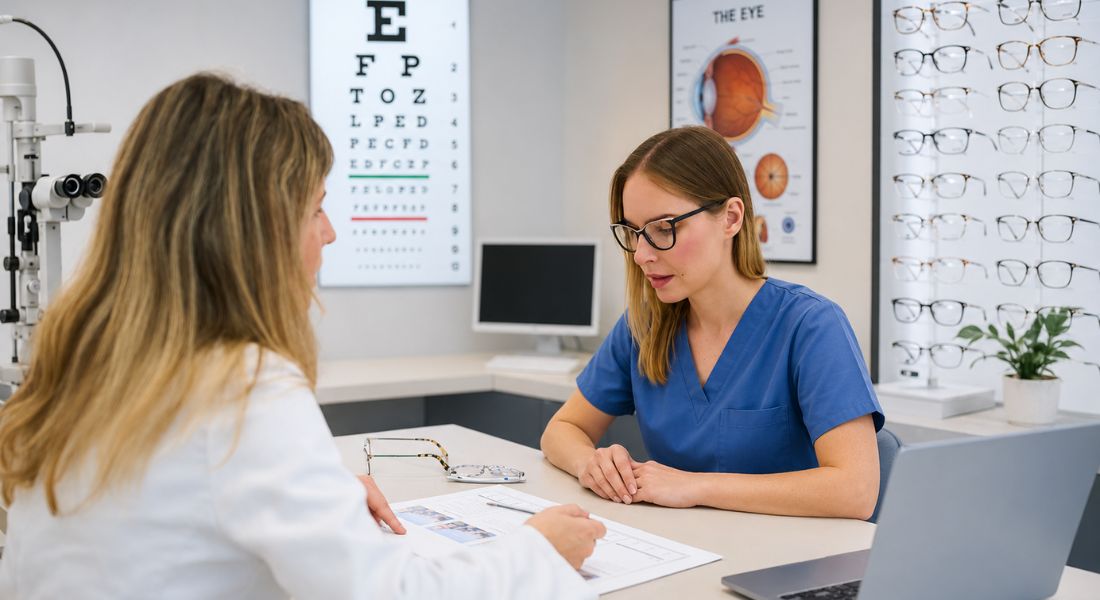
Because dry eye disease can be influenced by many different factors, your treatment plan often needs to be tailored to your specific situation. The causes and symptoms can vary considerably from one person to another. This means that no single treatment approach is suitable for everyone.
Depending on the severity of your symptoms and the factors contributing to them, management may involve a combination of strategies. These can include lifestyle adjustments, lubricating eye drops, or other medical treatments recommended by your clinician. A personalised approach helps ensure that treatment is focused on your individual needs.
Individual assessment remains an essential part of treatment planning. By understanding your symptoms, lifestyle, and underlying risk factors, clinicians can develop a management strategy that is more likely to be effective. This tailored approach can help improve both symptom control and overall eye comfort.
Preventive Lifestyle Adjustments
If you experience dry eye symptoms, simple lifestyle adjustments may help improve your comfort and support long-term eye health. While medical treatment can be important, everyday habits also play a significant role in managing symptoms. Small changes to your routine and environment can often reduce strain on your eyes and help maintain a healthier tear film. For many people, prevention is an important part of successful long-term management.
- Taking Regular Screen Breaks May Help: Spending long periods looking at screens can reduce your blink rate and contribute to dryness. Taking short, regular breaks may help reduce eye strain and support tear film stability.
- Improving Your Blinking Habits Can Support Eye Comfort: Blinking helps spread tears evenly across the surface of your eyes. Making a conscious effort to blink fully and regularly may help keep your eyes better lubricated.
- Staying Hydrated Is Important: Drinking enough water supports your overall health, including the health of your eyes. Good hydration may help maintain normal tear production and ocular comfort.
- Environmental Changes May Reduce Irritation: Using a humidifier or reducing exposure to dry air may help limit tear evaporation. These simple adjustments can make your surroundings more comfortable for your eyes.
Preventive measures can be a valuable part of managing dry eye symptoms over the long term. Although these adjustments may seem small, they can have a meaningful impact on your daily comfort. Combining healthy habits with appropriate treatment can often provide the best results. By taking an active role in prevention, you can help support better ocular health and tear film stability.
Ongoing Research Into Lifestyle Impacts
Researchers continue to investigate how cultural and lifestyle factors can influence dry eye disease. These studies are helping to improve understanding of why symptoms can vary so much between individuals and populations. As more evidence becomes available, clinicians gain a clearer picture of the factors that may affect your eye health.
The findings from this research are increasingly being used to support more personalised treatment approaches. Rather than relying on a one-size-fits-all strategy, clinicians can consider the lifestyle and environmental factors that may be contributing to your symptoms. This helps create management plans that are more relevant to your individual needs.
You will also find that ophthalmology research in this area is expanding rapidly. Greater attention is being given to how everyday habits, environments, and behaviours affect the ocular surface and tear film. This reflects a broader shift in modern medicine towards more personalised and patient-centred care.
What This Means for Patients
Current evidence suggests that dry eye symptoms are influenced by a combination of lifestyle, environmental, and biological factors. Your screen use, diet, climate, work environment, and daily habits can all affect how symptoms develop and change over time. This means that dry eye disease is often shaped by more than just the physical condition of your eyes.
For you as a patient, this highlights the importance of looking beyond medical treatment alone. While treatments such as lubricating eye drops and other therapies can be helpful, lifestyle factors may also need to be addressed. Small changes to your daily routine can sometimes make a meaningful difference to your eye comfort.
A personalised approach is often the most effective way to manage dry eye disease. By considering your symptoms, lifestyle, environment, and underlying risk factors, clinicians can develop a treatment plan that is tailored to your needs. This can help improve both your day-to-day comfort and your long-term eye health.
FAQs:
- What is dry eye disease?
Dry eye disease is a condition where your eyes either do not produce enough tears or the tears evaporate too quickly. This leads to symptoms such as irritation, burning, grittiness, and fluctuating vision. It is a common condition that can affect day-to-day comfort and visual clarity. The severity of symptoms can vary from person to person. - How can lifestyle factors affect dry eye symptoms?
Your lifestyle choices can have a direct impact on tear film stability and eye comfort. Habits such as prolonged screen use, poor hydration, and irregular sleep patterns can increase symptoms. These factors may disrupt normal blinking and tear production. Over time, they can make dry eye more noticeable or persistent. - Does screen time really make dry eye worse?
Yes, extended screen use can contribute to dry eye symptoms. When you focus on digital devices, your blink rate tends to decrease, which allows tears to evaporate more quickly. This can lead to dryness, irritation, and eye strain. It is especially common in office and study environments. - Can diet improve dry eye symptoms?
Diet can support overall eye health, although it is not a standalone treatment. Nutrients such as omega-3 fatty acids may help improve tear film quality and reduce inflammation. A balanced diet supports better hydration and ocular surface function. However, results can vary depending on individual needs. - Why does climate affect dry eyes?
Climate plays an important role in tear evaporation and eye comfort. Hot, dry, windy, or air-conditioned environments can reduce moisture on the eye surface. This can make symptoms more noticeable or frequent. Humid conditions may help reduce discomfort in some cases. - Can stress make dry eye symptoms worse?
Yes, stress can indirectly worsen dry eye symptoms. It may affect inflammation levels in the body and alter natural blinking patterns. You may also become more aware of discomfort during stressful periods. Managing stress can therefore support overall symptom control. - Are dry eye symptoms the same for everyone?
No, symptoms can vary significantly between individuals. While the underlying condition may be similar, the way you experience dryness or irritation can differ. Factors such as lifestyle, environment, and biology all play a role. This is why personalised assessment is important. - Does wearing makeup contribute to dry eyes?
Some cosmetic products can contribute to eye irritation in certain people. Makeup may block oil glands or affect the stability of the tear film if not used or removed properly. This can sometimes worsen dryness or discomfort. Good hygiene and product choice can help reduce risk. - Can air conditioning cause dry eye symptoms?
Yes, air conditioning can contribute to dry eye symptoms. It often reduces indoor humidity, which increases tear evaporation. You may notice more dryness or irritation in climate-controlled environments. Taking breaks and improving humidity can help ease symptoms. - What is the best way to manage dry eye disease?
Effective management usually involves a combination of medical treatment and lifestyle adjustments. You may need lubricating eye drops alongside changes in screen habits, hydration, and environment. A personalised approach often delivers the best results. Regular review with an eye care professional is also important.
Final Thoughts: Managing Dry Eye Through Lifestyle and Personalised Care
Dry eye disease is not only influenced by medical factors, but also by the way you live your daily life. Your screen time, diet, sleep patterns, and surrounding environment can all play a role in how your symptoms develop and how intense they feel. Because of this, the condition often looks different from one person to another, even when the underlying diagnosis is the same.
What this really means is that managing dry eye effectively usually requires more than a single treatment approach. You may find that small lifestyle adjustments, such as improving your blink habits, staying well hydrated, or reducing prolonged screen exposure, can make a noticeable difference. Alongside this, medical support helps address the underlying tear film imbalance to improve long-term comfort. If you’d like to find out whether dry eye treatment in London is suitable for you, feel free to contact us at Eye Clinic London to arrange a consultation.
References:
- Toyos, R., McGill, W. and Briscoe, D. (2015) ‘Intense pulsed light treatment for dry eye disease due to meibomian gland dysfunction: a 3-year retrospective study’, Photomedicine and Laser Surgery, 33(1), pp. 41-46. https://pmc.ncbi.nlm.nih.gov/articles/PMC4298157/
- Zhang, X., Zhao, Y., Li, J., Wang, R. and Chen, H. (2025) ‘Effectiveness and safety of intense pulsed light therapy for dry eye disease due to meibomian gland dysfunction: a systematic review and meta-analysis’, British Journal of Ophthalmology. https://pmc.ncbi.nlm.nih.gov/articles/PMC12069959/
- Chen, K.-Y., Chan, H.-C. and Chan, C.-M. (2025) ‘Which treatment works better for Meibomian Gland Dysfunction: LipiFlow or intense pulsed light? A systematic review and network meta-analysis’, Photodiagnosis and Photodynamic Therapy. https://www.sciencedirect.com/science/article/pii/S1572100025001620
- Korejsová, T., Klicmanová, I. and Liláková, D. (2025) ‘Self-treatment for dry eye syndrome’, Contact Lens and Anterior Eye. https://pubmed.ncbi.nlm.nih.gov/41412789/
- Cukurova, F., Coco, G., Lixi, F. and Giannaccare, G. (2025) ‘Current and emerging pharmacological treatment options for patients with dry eye disease’, Expert Review of Clinical Pharmacology. https://pubmed.ncbi.nlm.nih.gov/40751370/