

Are Some Ethnic Groups More Likely to Develop Meibomian Gland Dysfunction?
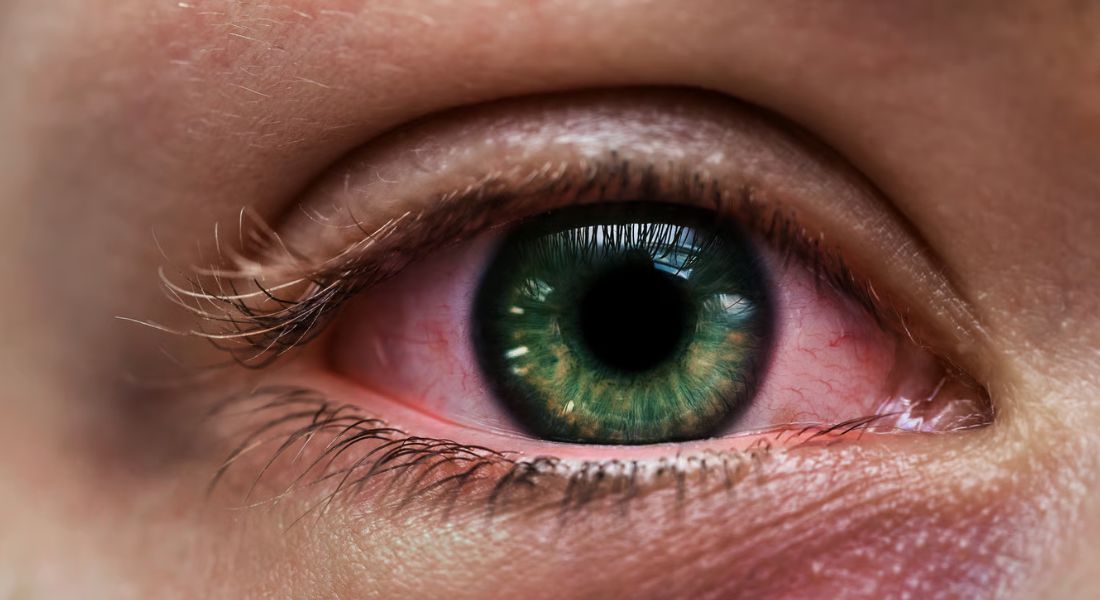
Meibomian gland dysfunction (MGD) is one of the most common causes of dry eye disease worldwide. It happens when the oil-producing glands in your eyelids do not work as they should. This reduces the quality or quantity of oils in your tear film, leading to faster tear evaporation and instability. As a result, you may experience symptoms such as irritation, burning, redness, or fluctuating vision.
In recent years, researchers have started to explore whether MGD occurs more frequently in certain ethnic groups. Understanding these patterns is important because it may help improve earlier diagnosis and support more effective treatment strategies tailored to different populations. However, the current evidence is not always consistent, and findings can vary between studies.
It is important to remember that MGD can affect you regardless of your ethnic background. While some research suggests differences in prevalence, these are often influenced by multiple overlapping factors such as environment, lifestyle, age, and general health. This makes it difficult to link differences to ethnicity alone in a clear or definitive way.
As research continues, ophthalmologists are developing a better understanding of how MGD develops and how it may present across different populations. This growing knowledge is helping improve diagnosis and ensure that your treatment is based on your individual eye health rather than broad assumptions.
Understanding Meibomian Gland Dysfunction
Meibomian glands are located along the edges of your eyelids and play an essential role in maintaining a healthy tear film. They produce the oily layer that sits on top of your tears, helping to slow evaporation and keep your eyes comfortable throughout the day.
When these glands become blocked or do not function properly, the balance of your tear film is disrupted. This can lead to instability of the tear film and is known as meibomian gland dysfunction (MGD). If you have MGD, your tears may evaporate too quickly, leaving your eyes feeling dry, irritated, or uncomfortable.
MGD is now recognised as one of the leading contributors to dry eye disease. Because it directly affects tear stability, it is an important condition for clinicians to identify and manage when assessing your overall eye health.
Why Researchers Study Ethnic Differences in MGD
Researchers study ethnic differences in meibomian gland dysfunction (MGD) to better understand whether some populations may be more likely to develop the condition. The goal is to identify patterns that can improve early diagnosis, guide treatment decisions, and ultimately support better care for you and other patients affected by dry eye disease.
However, the findings are often influenced by more than ethnicity alone. Environmental exposure, lifestyle habits, workplace conditions, and genetic factors can all affect how MGD develops and how severe it becomes. This means that differences between populations are not always straightforward to interpret and need to be considered in context.
Despite this complexity, studying population-level differences is still valuable. It helps clinicians and researchers build a clearer picture of how MGD behaves in different settings, which can improve overall understanding and management of the condition. In turn, this supports more informed and personalised care for you as an individual patient.
Reported Variations in Prevalence
Some studies suggest there may be differences in the prevalence of meibomian gland dysfunction (MGD) between ethnic groups. However, these findings are not consistent, and results can vary depending on study design, sample size, and the population being examined. Because of this, it is difficult to draw firm conclusions from prevalence data alone.
In many cases, environmental and behavioural factors may play a greater role than ethnicity itself. If you spend long hours on screens, live in a dry or polluted environment, or have certain lifestyle habits, these can all influence your risk of developing MGD. These overlapping factors often make it harder to separate out the effect of ethnicity on its own.
Overall, MGD is recognised as a widespread condition that can affect you regardless of your ethnic background. While research may show some differences between groups, it is not considered a condition limited to or defined by any particular ethnicity.
The Role of Eyelid Anatomy
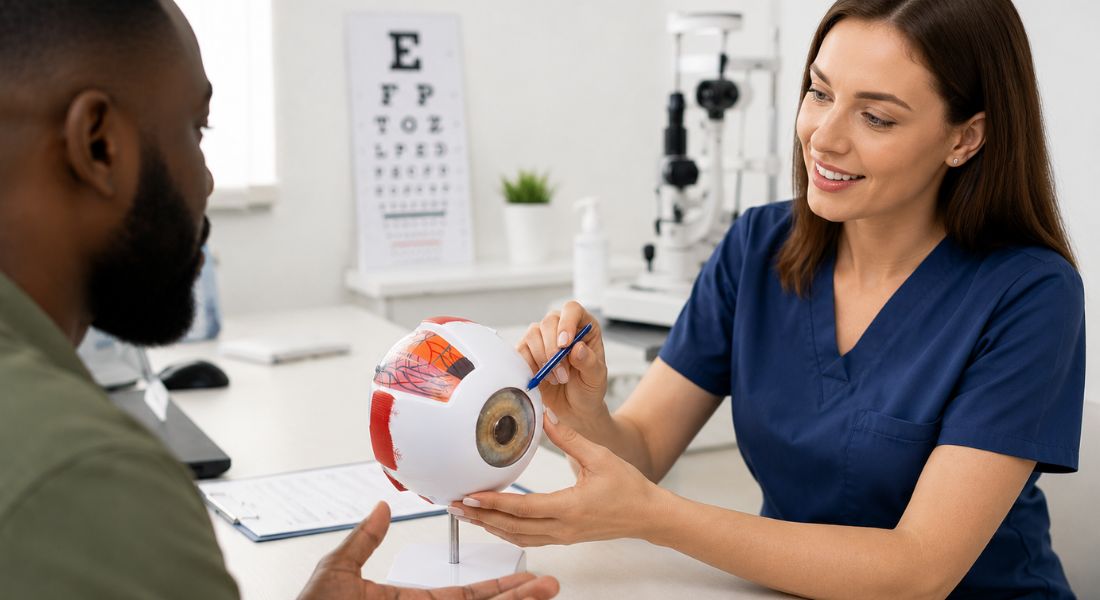
Your eyelids do much more than just protect your eyes they play a key role in keeping your tear film stable and your eyes comfortable. The structure and movement of your eyelids can influence how well your meibomian glands work, which are responsible for producing the oily layer of your tears. Researchers have explored whether differences in eyelid anatomy between ethnic groups might affect dry eye disease. However, the evidence is still limited, so this remains an area of ongoing investigation.
- Your Eyelid Structure Supports Tear Distribution: The shape and positioning of your eyelids can affect how evenly tears spread across your eye. If this process is not efficient, you may notice more dryness or irritation.
- Meibomian Gland Function May Be Influenced: Your eyelids help support the meibomian glands, which keep your tear film from evaporating too quickly. Any structural differences could potentially influence how well these glands perform.
- Blinking Patterns Affect Your Eye Comfort: The way you blink plays a role in spreading tears across the eye surface. If your blinking is incomplete or irregular, your tear film may not stay stable for as long.
- Evidence on Ethnic Differences Is Still Limited: While researchers have looked into possible anatomical variations, there is not yet strong enough evidence to draw firm conclusions. More studies are needed before clear links can be confirmed.
Your eyelid anatomy is an important part of how your eyes maintain moisture and comfort. Although it may help explain some variations in dry eye symptoms, the current evidence is not yet conclusive. Researchers are still exploring how these structural factors interact with other influences. As a result, it is too early to assume clear ethnic differences based on eyelid anatomy alone.
Blink Patterns and Tear Film Stability
Blinking plays a crucial role in keeping your eyes comfortable by spreading the oily layer of your tear film evenly across the surface of the eye. When your blinking is regular and complete, it helps maintain tear stability and reduces evaporation.
If your blinking becomes irregular or incomplete, it can contribute to symptoms of meibomian gland dysfunction (MGD). You may not notice this happening, especially during tasks that require concentration, such as reading or using screens, but it can still affect your tear film over time.
Some studies have suggested that lifestyle factors influencing blink rate may differ between populations. However, these differences are not clearly linked to ethnicity alone, as behaviour and environment often play a much larger role. In particular, digital device use is a major global factor, since you tend to blink less frequently when focusing on screens.
Environmental Influences on MGD
Environmental conditions such as humidity, temperature, and air quality can all affect how well your meibomian glands function. If you are regularly exposed to dry, windy, or polluted environments, your tears may evaporate more quickly, which can contribute to instability of the tear film.
These environmental conditions can vary significantly between different geographic regions. As a result, some of the differences seen in meibomian gland dysfunction (MGD) rates across populations may be influenced more by where people live and their surroundings than by ethnicity itself.
Because of this, environmental exposure is considered a key factor in the development of MGD. Your day-to-day surroundings, including indoor heating, air conditioning, and pollution levels, can all play a role in how your symptoms develop and how severe they become.
Climate and Tear Evaporation
Hot and dry climates can increase tear evaporation, placing extra stress on your meibomian glands. Over time, this can make it harder for your tear film to stay stable, which may contribute to symptoms of meibomian gland dysfunction (MGD) such as dryness, irritation, and discomfort.
If you live in or spend time in such environments, you may notice your symptoms becoming more frequent or more noticeable. However, it is often the climate itself rather than ethnicity that plays the more important role in these cases. Factors like heat, low humidity, wind, and indoor air conditioning can all have a direct impact on your eye surface.
Because of this, climate is an important consideration during clinical assessment. Understanding your environment helps clinicians better identify what may be triggering your symptoms and allows for more practical, tailored advice to help you manage MGD more effectively.
Age as a Major Risk Factor
Age is one of the strongest risk factors for meibomian gland dysfunction (MGD). As you get older, the structure and function of your meibomian glands can naturally decline. This may reduce the quality or quantity of oil they produce, making your tear film less stable over time.
These age-related changes occur across all ethnic groups. Regardless of your background, ageing can gradually affect gland function and increase the likelihood of dry eye symptoms. For this reason, age is widely recognised as a universal risk factor rather than something linked to ethnicity.
In many cases, age has a greater influence on MGD than ethnicity alone. When clinicians assess your risk, they often place significant emphasis on your age and overall eye health, as these factors tend to have a more direct impact on disease development and severity.
Hormonal Influences on Gland Function
Hormones can play an important role in how your meibomian glands function and how stable your tear film remains. This is particularly relevant for women, especially during and after menopause, when hormonal changes can affect the health of your ocular surface.
These hormonal shifts can influence the amount and quality of oil produced by your meibomian glands, and over time they may also contribute to changes in gland structure. As a result, you may notice increased tear evaporation, dryness, or fluctuating comfort during periods of hormonal change.
Importantly, these effects are seen across all populations and are not limited to any specific ethnic group. Hormones remain a key factor in meibomian gland dysfunction (MGD), alongside age, lifestyle, and environmental influences that can all contribute to your symptoms.
Digital Device Use and Lifestyle Factors
If you spend a lot of time using digital devices, it can have a noticeable impact on your eye comfort. Prolonged screen use is linked with reduced blinking and more incomplete blinks, which can affect the stability of your tear film. Over time, this may contribute to meibomian gland dysfunction and worsen dry eye symptoms. Because modern lifestyles often involve extensive screen use, these habits are increasingly being studied in eye health research.
- Screen Use Can Reduce Your Blink Rate: When you focus on screens for long periods, you tend to blink less often. This reduced blinking can prevent your tears from spreading evenly across the eye surface.
- Incomplete Blinking May Affect Tear Quality: You may not always fully close your eyes when using devices. Incomplete blinking can reduce the effectiveness of the oil layer in your tears, leading to faster evaporation.
- Lifestyle Factors Are Globally Common: Extended use of smartphones, computers, and tablets is now part of everyday life for many people. Because of this, lifestyle habits may have a greater influence on dry eye symptoms than ethnicity in many cases.
- Digital Habits Are a Growing Research Focus: Researchers are increasingly studying how screen time and digital behaviour affect eye health. This helps them better understand how modern lifestyles contribute to dry eye disease.
Your daily screen habits can play a significant role in how comfortable your eyes feel. While ethnicity may be considered in research, lifestyle factors like device use are often more directly linked to symptoms. Making small adjustments to your screen habits may help support better tear stability. As research continues, you may see more guidance on how to protect your eyes in a digital world.
Inflammation and Meibomian Gland Dysfunction
Inflammation plays a key role in meibomian gland dysfunction (MGD) and can directly affect both the structure of your glands and the quality of the oil they produce. When inflammation is present, your tear film can become less stable, which may lead to symptoms such as dryness, irritation, and fluctuating vision.
Researchers are continuing to explore whether inflammatory responses vary between different populations. However, current understanding shows that inflammation is a universal feature of MGD, affecting you regardless of your ethnic background. While there may be differences in severity or triggers, the underlying inflammatory process is a consistent part of the condition.
Because of this, managing inflammation is central to most treatment strategies. Reducing inflammation can help improve gland function, support a more stable tear film, and ultimately make your symptoms more manageable over time.
Challenges in Interpreting Research
Studies looking at ethnicity and meibomian gland dysfunction (MGD) are often influenced by several overlapping factors. These can include environment, lifestyle habits, access to healthcare, and genetic differences. Because all of these can affect your eye health, it becomes difficult to separate ethnicity as a single, independent cause.
This complexity means that research findings need to be interpreted carefully. If you are reading or reviewing study results, it is important to remember that differences between groups may not be due to one factor alone. In many cases, it is a combination of influences working together that shapes outcomes.
For this reason, more standardised and well-controlled research is needed to reach clearer conclusions. Better study designs would help researchers understand MGD more accurately and ultimately improve how the condition is diagnosed and managed for you and other patients.
Differences in Symptom Severity

You may notice that meibomian gland dysfunction (MGD) symptoms can vary widely in severity, even when clinical signs appear quite similar between patients. Some people experience significant discomfort, while others report only mild symptoms despite having comparable findings on examination. This variation can make it challenging to compare results between different populations in research studies.
Cultural, social, and individual differences in how you describe or tolerate symptoms can also influence reporting. For example, you might downplay discomfort or, alternatively, be more sensitive to certain sensations depending on personal experience and expectations. These differences can affect how conditions are measured and interpreted in clinical studies.
Because of this variability, clinical examination remains essential for accurate assessment. By combining your reported symptoms with objective findings, clinicians can form a more complete and reliable understanding of your condition and ensure you receive appropriate care.
Advances in Diagnostic Techniques
If you are being assessed for dry eye disease or meibomian gland dysfunction (MGD), you may benefit from increasingly advanced diagnostic tools. Modern imaging techniques now allow clinicians to examine your meibomian glands in much greater detail than before. This helps identify early signs of dysfunction, even before symptoms become severe. As a result, diagnosis is becoming more accurate and more consistent across different populations.
- Imaging Can Detect Early Gland Changes: Advanced imaging tools allow your clinician to see structural changes in your meibomian glands. This means early dysfunction can often be identified before significant damage occurs.
- More Accurate Diagnosis Across Populations: These technologies improve diagnostic accuracy regardless of ethnicity or background. This helps ensure more consistent assessments for all patients.
- Earlier Intervention Is Now Possible: When changes are detected early, you can often begin treatment sooner. This may help slow progression and improve long-term outcomes.
- Technology Is Improving MGD Evaluation: New diagnostic tools are changing how eye care professionals assess dry eye disease. This leads to a better understanding of your condition and more targeted management.
Advances in diagnostic technology are improving how dry eye disease and MGD are understood and managed. By identifying changes earlier and more accurately, clinicians can offer more timely care. This helps ensure that your treatment is better tailored to your individual needs. Overall, technology is playing an increasingly important role in improving eye health outcomes.
Common Treatment Approaches
Treatment for meibomian gland dysfunction (MGD) often includes a combination of approaches designed to support your tear film and improve gland function. Common options include warm compresses, eyelid hygiene routines, lubricating eye drops, and in-office procedures that help clear blocked glands. In some cases, anti-inflammatory treatments may also be recommended to reduce underlying inflammation.
The treatment plan chosen for you will depend on your individual symptoms, disease severity, and overall eye health. Because MGD can vary widely from person to person, there is no single treatment that works for everyone. What helps one patient may not be as effective for another, which is why a tailored approach is important.
Long-term management is often needed to keep symptoms under control. With consistent care and regular follow-up, many people are able to improve comfort, support tear stability, and better manage the ongoing nature of the condition over time.
The Role of Preventive Care
Preventive strategies can play an important role in reducing the risk or severity of meibomian gland dysfunction (MGD). If you spend a lot of time on screens, making a conscious effort to blink regularly can help support your tear film and reduce evaporation. Maintaining good eyelid hygiene is also important for keeping your glands functioning as well as possible.
Environmental adjustments can make a difference too. If you are often in air-conditioned, dry, or polluted environments, simple changes such as using a humidifier or taking regular breaks can help reduce strain on your eyes. These small adjustments can often ease symptoms and support overall eye comfort.
Prevention is a key part of maintaining long-term eye health. By adopting consistent daily habits, you may be able to reduce the impact of MGD and help keep your symptoms more manageable over time.
Importance of Personalised Treatment
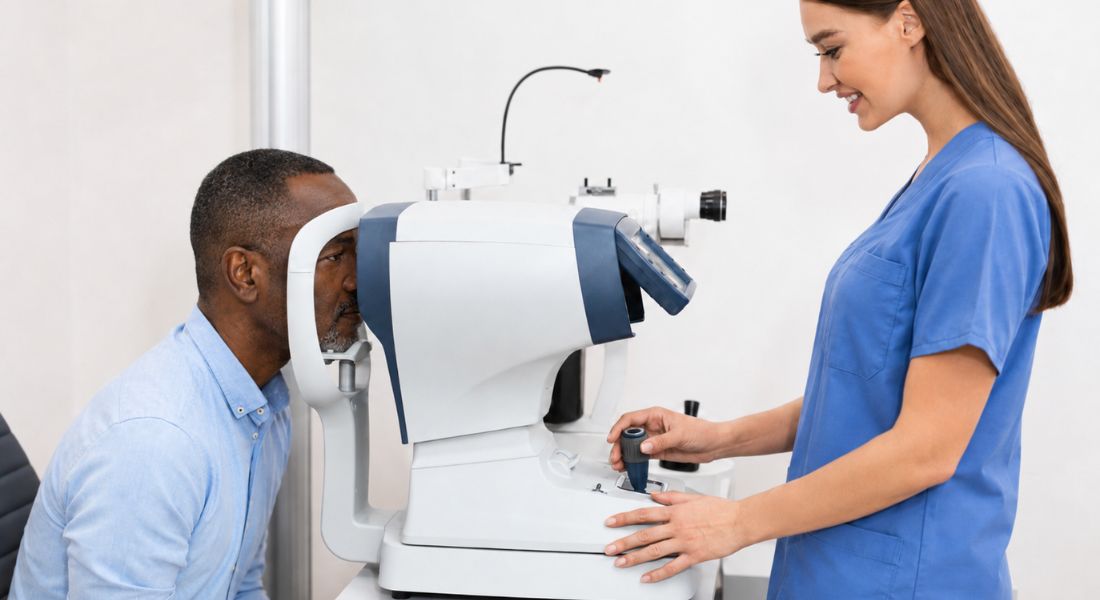
Because meibomian gland dysfunction (MGD) can vary significantly from one person to another, personalised treatment is essential. Your management plan will usually depend on how severe your symptoms are, what you are experiencing day to day, and the underlying causes identified during assessment. This helps ensure that treatment is targeted rather than generic.
Ethnicity alone is not used as a deciding factor when planning treatment. While research may explore differences between populations, your individual clinical findings and symptoms are far more important in guiding decisions. A tailored approach ensures that your care is based on your specific eye health needs rather than broad generalisations.
Personalised care is becoming increasingly central in ophthalmology. By focusing on what is actually affecting your eyes, clinicians can choose treatments that are more likely to improve comfort, support gland function, and deliver better long-term outcomes for you.
Ongoing Research into MGD
Research into meibomian gland dysfunction (MGD) continues to expand globally, with scientists working to better understand how and why the condition develops. Current studies are exploring a range of factors, including genetics, environmental exposure, and inflammation, as well as how these may interact to affect your tear film and gland function.
The aim of this ongoing research is to improve understanding of the underlying disease mechanisms. By identifying what drives MGD, researchers hope to develop more targeted and effective treatments that address the root causes rather than just managing symptoms. This could ultimately lead to more precise care for you as a patient.
MGD remains a key area of interest in ophthalmic research. As knowledge continues to grow, it may lead to better diagnostic tools and more personalised treatment options that are tailored more closely to your individual symptoms and eye health needs.
Future Directions in Treatment
If you’re dealing with meibomian gland dysfunction (MGD), future treatments are likely to become more targeted and effective than what is available today. Instead of only focusing on relieving symptoms, researchers are increasingly looking at ways to improve gland function at a cellular level. New approaches in regenerative medicine and targeted therapies are currently being explored in research settings. Over time, these developments may lead to more personalised and longer-lasting options for you.
- Cellular-Level Treatments May Improve Gland Function: Future treatments may focus on repairing or restoring your meibomian glands at a cellular level. This could help improve natural oil production and support a more stable tear film.
- Regenerative Medicine Is an Active Area of Research: Scientists are exploring ways to regenerate damaged gland tissue. While still in early stages, this approach could eventually help restore healthier gland function.
- Personalised Treatments Are Likely to Increase: You may see more treatments tailored specifically to your individual symptoms and causes. This personalised approach could improve how well your treatment works over time.
- Ongoing Innovation Is Shaping Better Care: Research and technology continue to improve understanding of MGD. These advances are helping to develop more effective and targeted treatment strategies.
The future of MGD treatment is moving towards more precise and individualised care. Rather than simply managing symptoms, upcoming therapies aim to address the underlying gland dysfunction. As research progresses, you can expect more advanced options designed around your specific needs. This continued innovation offers hope for better long-term comfort and eye health.
What This Means for Patients
Current evidence suggests that while there may be some variation in meibomian gland dysfunction (MGD) between populations, the condition is influenced more strongly by factors such as age, environment, hormones, and lifestyle than by ethnicity alone. This means that your daily habits, overall health, and surroundings often play a much bigger role in your symptoms than demographic background.
For you as a patient, this highlights the importance of individual assessment when diagnosing and treating MGD. Rather than focusing on broad group differences, clinicians look at your specific symptoms, tear film health, and contributing risk factors to understand what is affecting your eyes.
A tailored approach to care helps ensure more effective symptom management and a better quality of life. By focusing on what is actually driving your condition, treatment can be adjusted to suit your needs more precisely, leading to more consistent and meaningful improvements over time.
FAQs:
- Are some ethnic groups more likely to develop meibomian gland dysfunction (MGD)?
Some studies suggest there may be differences in how often MGD is reported between ethnic groups, but the findings are not consistent. These variations are often influenced by environment, lifestyle, and age rather than ethnicity itself. You can develop MGD regardless of your ethnic background. - Does ethnicity directly cause MGD?
No, ethnicity does not directly cause meibomian gland dysfunction. You are more likely to develop it due to factors such as ageing, hormonal changes, screen use, and environmental exposure. These influences tend to have a much stronger effect on your risk than ethnicity alone. - Why do researchers study ethnicity in MGD?
Researchers study ethnicity to see if there are any patterns in how MGD develops or how severe it becomes in different populations. This helps improve understanding of risk factors and supports better diagnosis and treatment approaches. However, results are often influenced by other overlapping factors such as lifestyle and environment. - Can environmental factors affect MGD more than ethnicity?
Yes, environmental factors usually have a greater impact on MGD than ethnicity. Conditions such as dry climates, pollution, air conditioning, and low humidity can all affect your tear film and gland function. These factors can influence your symptoms no matter where you are from. - Does screen use increase the risk of MGD?
Yes, if you spend long periods on screens, your blink rate often decreases and your blinking may become incomplete. This can disrupt the normal function of your meibomian glands over time. As a result, you may notice increased dryness, irritation, and tear film instability. - Is MGD more common with age?
Yes, age is one of the strongest risk factors for MGD. As you get older, your meibomian glands may naturally become less efficient, leading to reduced oil production. This change happens across all ethnic groups. - Do hormones play a role in MGD?
Yes, hormones can influence the function of your meibomian glands and the stability of your tear film. Women, particularly after menopause, are often more affected due to hormonal changes. However, this is seen across all populations, not linked specifically to ethnicity. - How is MGD diagnosed fairly across different ethnic groups?
Your clinician will use eye examinations and imaging tests to assess the structure and function of your meibomian glands. These objective tests help reduce bias and ensure accurate diagnosis for everyone. This means ethnicity does not affect how the condition is diagnosed. - Can lifestyle changes help manage MGD?
Yes, lifestyle changes can significantly help manage MGD symptoms. You may benefit from regular blinking, taking screen breaks, maintaining eyelid hygiene, and avoiding dry or windy environments. These small changes can support better gland function over time. - What is the most important factor in treating MGD?
The most important factor is tailoring treatment to your individual symptoms and gland health. You are more likely to see improvement when your treatment is personalised rather than based on ethnicity. A targeted approach gives you the best chance of long-term symptom control.
Final Thoughts: What This Means for Meibomian Gland Dysfunction
When you look at the current evidence, it becomes clear that meibomian gland dysfunction (MGD) is influenced by a wide range of factors, and ethnicity alone is not a defining cause. You are far more likely to develop MGD due to age-related changes, hormonal shifts, environmental exposure, screen use, and overall lifestyle habits. These factors tend to have a much stronger impact on your tear film stability and gland function than ethnicity.
What this means for you is that understanding your individual risk factors is key. Rather than focusing on ethnicity, your clinician will assess your symptoms, eyelid health, and tear film quality to create a treatment plan tailored specifically to you. This personalised approach helps ensure more accurate diagnosis and more effective long-term management. If you’d like to find out whether dry eye treatment in London is suitable for you, feel free to contact us at Eye Clinic London to arrange a consultation.
References:
- Periman, L.M., Perez, V.L., Saban, D.R., Lin, M.C. and Neri, P. (2020) ‘The immunological basis of dry eye disease and current topical treatment options’, Journal of Ocular Pharmacology and Therapeutics, 36(3), pp. 137-146. https://pubmed.ncbi.nlm.nih.gov/32175799/
- Valdés-Arias, D., Locatelli, E.V.T., Sepúlveda-Beltrán, P.A. et al. (2024) ‘Recent United States developments in the pharmacological treatment of dry eye disease’, Drugs, 84(5), pp. 549-563. https://pubmed.ncbi.nlm.nih.gov/37026241/
- Moshirfar, M., West, W.B. Jr., Marx, D.P., McCaughey, M.V. and others (2024) ‘The effect of mask usage on dry eye symptoms and meibomian gland function in OSAS patients: an observational study’, Clinical Ophthalmology. https://pmc.ncbi.nlm.nih.gov/articles/PMC12307564/
- D’Souza, S., James, E., Koul, A., Modak, D., Kundu, G. and Shetty, R. (2023) ‘A randomized controlled study evaluating outcomes of intense pulsed light and low-level light therapy for treating meibomian gland dysfunction and evaporative dry eye’, Indian Journal of Ophthalmology, 71(4), pp. 1608-1612. https://pmc.ncbi.nlm.nih.gov/articles/PMC10276683/
- Rasmussen, C.A., Ross, A. and Arita, R. (2024) ‘Emerging therapies and device-based treatments for dry eye disease and meibomian gland dysfunction’, Current Opinion in Ophthalmology. https://www.sciencedirect.com/science/article/pii/S1542012424001228