


Why Is Ongoing Training Important in Laser Eye Surgery?
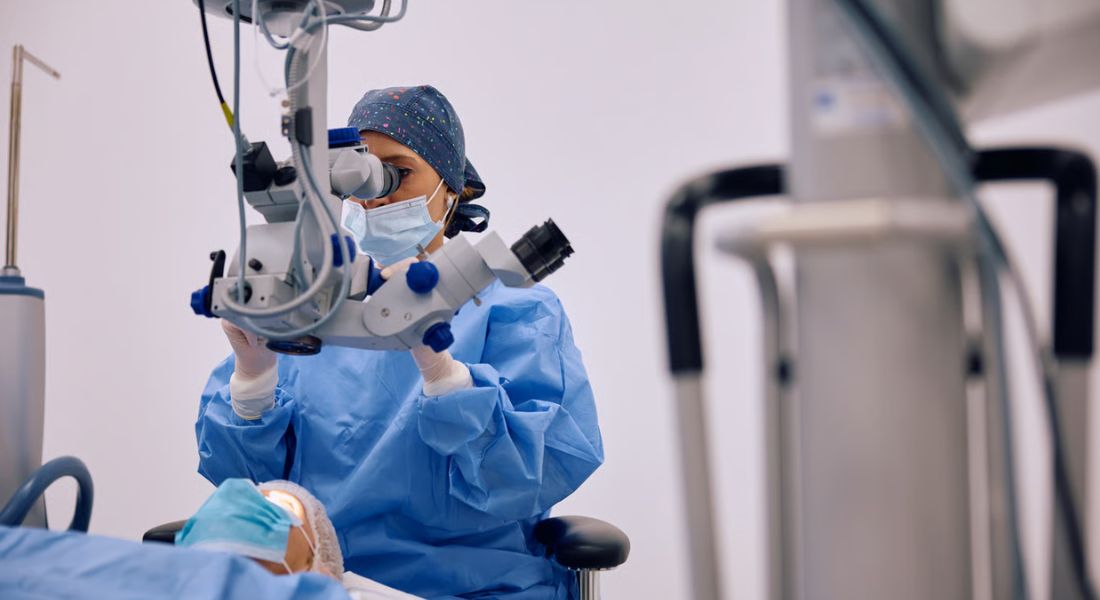
Laser eye surgery is one of the most technologically advanced areas of ophthalmology, and you’ll often hear specialists say it never really stands still. Surgical techniques, diagnostic systems, planning software, and laser platforms continue to evolve, which means surgeons need to keep updating their knowledge and skills throughout their careers. Even highly experienced eye surgeons regularly attend conferences, workshops, and training events long after their formal surgical education.
You’ll notice that ongoing education is considered a core part of maintaining high standards in refractive surgery. These training events give surgeons the chance to review the latest research, learn about new or refined surgical techniques, and understand how different technologies are performing in real clinical settings. They also provide space to openly discuss complications and challenging cases, which is an important part of improving overall surgical practice.
For you as a patient, this continuous learning matters because it directly influences safety, precision, and outcomes. When surgeons stay up to date with evolving methods and technologies, they are better equipped to plan treatments more carefully, reduce risks, and deliver results that reflect the latest evidence-based approaches in laser eye surgery.
Understanding New Surgical Techniques
At training events, you’ll often see new refinements in surgical technique being introduced that may improve precision, comfort, healing, or overall visual outcomes. Even relatively small adjustments in how a procedure is performed can make a noticeable difference in how smoothly surgery goes and how quickly you recover afterwards.
You’ll find that experienced surgeons regularly attend workshops, lectures, and live surgical demonstrations to keep up with these developments. These sessions allow them to observe techniques in real time, ask questions, and understand how subtle changes in approach may improve consistency and safety in day-to-day practice.
Modern refractive surgery increasingly places value on continuous improvement rather than relying solely on past experience. For you as a patient, this means your surgeon is more likely to refine and adapt their techniques over time, staying aligned with the latest evidence and evolving best practices in the field.
Laser Eye Surgery Continues Evolving
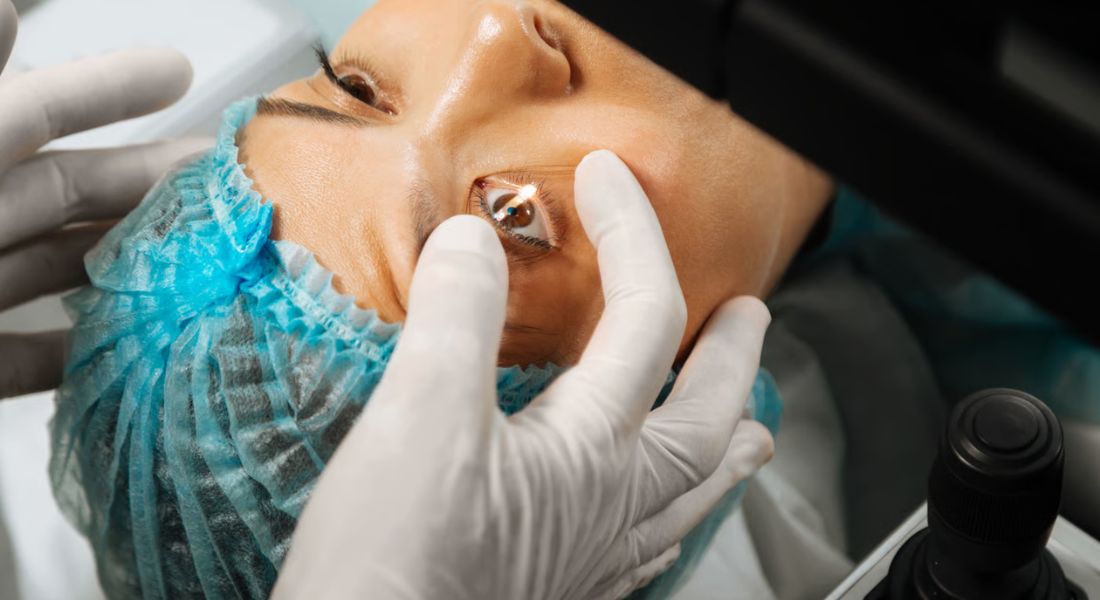
One of the main reasons ongoing training is so important is because laser eye surgery is a constantly evolving field. You’ll often see new laser platforms, imaging systems, treatment planning software, and diagnostic tools being introduced at regular intervals, all of which can influence how procedures are performed and refined.
You’ll notice that surgeons attend conferences, workshops, and specialist training events specifically to stay up to date with these developments. This allows them to understand how newer technologies may improve accuracy, safety, and overall patient outcomes, as well as how they compare with existing methods already in clinical use.
Without continuous education, it would be very difficult for any specialist to remain fully current in such a fast-moving area of medicine. For you as a patient, this ongoing learning helps ensure that your surgeon is working with the most up-to-date knowledge and can make informed decisions based on the latest evidence and technological advances.
Improving Patient Safety
Patient safety is one of the strongest reasons surgeons continue their professional education throughout their careers. You’ll often see conference sessions dedicated specifically to complication prevention, risk management, and refining surgical protocols so that outcomes remain as safe and predictable as possible.
You’ll also notice that surgeons openly discuss challenging or complex cases, including situations where outcomes were not as expected. These conversations are important because they help specialists understand how complications can be recognised earlier and managed more effectively, based on shared real-world experience rather than isolated practice.
This kind of ongoing professional discussion ultimately raises standards across the field. For you as a patient, it means laser eye surgery continues to become safer over time, as surgeons learn from one another and consistently update their approach based on the latest collective evidence and clinical insight.
Learning About New Research
Refractive surgery is an evolving field, and new research is constantly improving how procedures are performed and understood. At international conferences, you’ll often see updates on long-term outcomes, visual quality, dry eye management, corneal healing, and patient satisfaction. These sessions give you direct access to the latest findings from leading researchers and clinicians, helping you stay closely aligned with current evidence.
- Reviewing Long-Term Outcomes: You can learn how different refractive procedures perform over many years, not just in the short term. This includes studies on stability of vision, regression rates, and overall patient satisfaction. Long-term data helps you understand the lasting effectiveness of treatment.
- Understanding Dry Eye and Corneal Healing: Research often focuses on how the cornea heals after procedures such as LASIK, PRK, and SMILE. You also gain insight into how dry eye symptoms develop and how they can be managed more effectively. This helps improve post-operative care strategies.
- Improving Patient Selection and Suitability: By reviewing updated evidence, you can make more informed decisions when assessing whether a patient is suitable for refractive surgery. You’ll better understand risk factors, contraindications, and expected outcomes. This leads to safer and more appropriate treatment recommendations.
- Enhancing Evidence-Based Practice: In modern ophthalmology, decisions are increasingly guided by scientific evidence rather than experience alone. You’re encouraged to integrate new research findings into your clinical decision-making. This helps ensure your practice remains up to date and patient-focused.
Learning about new research in refractive surgery therefore plays a key role in improving both clinical understanding and patient care. By staying engaged with the latest evidence, you can make more confident and informed treatment decisions. This ongoing education helps refine surgical outcomes and improve patient satisfaction. Ultimately, it supports safer, more effective, and evidence-based ophthalmic practice.
Advances in Diagnostic Technology
Modern laser eye surgery relies heavily on detailed preoperative assessment, and you’ll often see conferences showcasing the latest advances in corneal imaging, wavefront analysis, tear film evaluation, and overall ocular surface assessment. These diagnostic tools help build a much clearer picture of your eye’s structure and visual needs before any treatment is planned.
You’ll notice that surgeons attend these events specifically to understand how newer diagnostic systems may improve treatment planning and patient selection. With more precise data, they can better tailor the procedure to your individual eye characteristics, which may improve both safety and visual outcomes while reducing the likelihood of unexpected results.
Because of this, technology development has become central to modern refractive care. For you as a patient, these improvements in diagnostics mean your suitability for laser eye surgery can be assessed more accurately, and your treatment plan can be designed with a higher degree of personalisation and precision.
Understanding Dry Eye More Effectively
At laser eye surgery conferences, you’ll often hear dry eye management described as one of the most important and frequently discussed topics. Specialists continue to explore how tear film stability can affect both your suitability for surgery and how smoothly your eyes recover afterwards.
You’ll see training sessions focusing on how to identify patients who may be at higher risk of dry eye issues, as well as how to improve the eye’s condition before surgery. This might include updated approaches to preoperative assessment and better strategies for supporting tear film health prior to treatment.
There’s also a strong emphasis on managing symptoms after surgery in a more effective and proactive way. For you as a patient, this ongoing education helps ensure surgeons are better prepared to assess your eye health thoroughly and provide more comprehensive care before and after the procedure.
Better Patient Selection

One of the most important skills in refractive surgery is understanding who is a suitable candidate for treatment and who may not benefit safely from surgery. At conferences, you’ll often see strong emphasis placed on patient screening, risk assessment, and making careful decisions before any procedure is recommended.
You’ll notice surgeons discussing key factors such as corneal thickness, the stability of your prescription, the health of your ocular surface, and any underlying medical conditions that could influence surgical outcomes. These elements all play a major role in determining whether laser eye surgery is likely to be both safe and effective for you.
Good patient selection is essential for long-term satisfaction as well as safety. For you as a patient, this means careful preoperative assessment helps ensure that surgery is only recommended when the expected benefits clearly outweigh the risks, leading to more predictable and reliable outcomes.
Managing Complications and Difficult Cases
Even highly experienced surgeons can occasionally face challenging cases or unexpected complications, and this is something you’ll often hear discussed openly at laser eye surgery conferences. These sessions give specialists the chance to review difficult outcomes with international colleagues and share practical experience in a structured, educational setting.
You’ll notice that discussions may cover a range of topics, including flap-related issues, regression, corneal ectasia risk, dry eye symptoms, infection, glare, halos, and the need for enhancement procedures in selected cases. Rather than focusing only on ideal outcomes, these sessions help surgeons understand what can go wrong and how such situations can be identified and managed more effectively.
By learning from real clinical experience across many centres, surgeons are better able to refine their judgement and improve preparedness. For you as a patient, this ongoing learning helps ensure that your surgeon is better equipped to anticipate risks, manage complications if they arise, and make more informed decisions throughout your treatment journey.
Staying Updated on LASIK, SMILE and PRK
Laser eye surgery includes several established procedures such as LASIK, SMILE, and PRK, and you’ll often hear at conferences that each of these techniques continues to evolve as technology improves and long-term research becomes available. Even though the core principles remain similar, refinements in planning, precision, and patient selection are constantly being discussed.
You’ll notice that surgeons use conferences to compare long-term outcomes, recovery experiences, and suitability factors between these procedures. This helps them better understand which option may be most appropriate depending on your prescription, corneal shape, lifestyle needs, and healing response, rather than relying on a one-size-fits-all approach.
Ongoing training supports more personalised recommendations in refractive surgery. For you as a patient, this means your surgeon is better equipped to explain the differences between LASIK, SMILE, and PRK clearly, and to guide you towards the procedure that best matches your individual eye health and visual goals.
Learning Through Live Surgical Demonstrations
At laser eye surgery conferences, you’ll often find live surgical demonstrations or detailed recorded case reviews forming an important part of the programme. These sessions allow surgeons to observe how other experienced specialists approach treatment planning, step-by-step technique, and intraoperative decision-making in real clinical situations.
You’ll notice that watching different surgical styles can be especially valuable because it exposes surgeons to alternative ways of handling similar cases. This can help refine their own approach, improving precision, efficiency, and confidence when making decisions during procedures, particularly in more complex or nuanced situations.
Live education continues to be a key part of ophthalmic training worldwide. For you as a patient, this means your surgeon is constantly learning from a broad range of expert practices, which helps support more refined techniques and more consistent outcomes in modern laser eye surgery.
Collaboration Between International Specialists

At international laser eye surgery conferences, you’ll often see refractive surgeons from different countries coming together to share ideas, compare techniques, and discuss evolving approaches to patient care. This kind of global collaboration helps spread new surgical methods more quickly and encourages open discussion about what is working well in different clinical settings.
You’ll notice that different regions may bring different experiences to the table, whether that’s based on patient demographics, available technology, or local treatment trends. By learning from these differences, surgeons can broaden their understanding of how laser eye surgery performs across a wide range of real-world situations.
This international exchange of knowledge continues to drive progress in refractive surgery. For you as a patient, it means your surgeon is benefiting from a global pool of experience, helping support more informed decisions, refined techniques, and consistently improving standards of care.
Understanding Patient Expectations Better
At modern laser eye surgery conferences, you’ll often hear discussions shifting beyond just achieving “good vision” on a chart. Instead, there’s a growing focus on what your vision actually feels like in everyday life, including things like night vision quality, glare reduction, visual sharpness, and how quickly you recover after surgery.
You’ll notice that surgeons are increasingly interested in how to manage expectations more clearly before treatment. These sessions often explore better ways to explain what laser eye surgery can realistically achieve, so you have a more accurate understanding of likely outcomes rather than overly idealised results.
Patient satisfaction is now understood to depend heavily on both surgical outcomes and communication. For you as a patient, this means there’s a stronger emphasis on honest, clear conversations with your surgeon, helping you make more informed decisions and feel more confident about what to expect from your visual results.
The Importance of Long-Term Outcome Research
Long-term outcome research plays a crucial role in refractive surgery because it shows how procedures perform not just in the early healing phase, but years after treatment. At international conferences, you’ll often see follow-up studies on procedures such as LASIK, SMILE, and other forms of refractive surgery. These presentations help you understand how vision stability, patient satisfaction, and safety profiles develop over time.
- Understanding Visual Stability Over Time: You can review how stable patients’ vision remains years after procedures like LASIK and SMILE. This includes looking at whether vision stays consistent or changes gradually over time. Long-term data helps you set realistic expectations for patients.
- Monitoring Long-Term Patient Outcomes: Conferences often present follow-up data that includes patient satisfaction, visual quality, and any late complications. You gain a clearer picture of how patients function in everyday life years after surgery. This helps you understand the real-world impact of different procedures.
- Refining Patient Selection Criteria: Long-term studies help you identify which patients are most likely to benefit from specific refractive procedures. You may recognise patterns in outcomes based on age, prescription strength, corneal thickness, or other factors. This supports more accurate and safer treatment selection.
- Strengthening Evidence-Based Standards: Long-term evidence is essential for maintaining high safety standards in refractive surgery. You can use this data to refine surgical recommendations and reduce the risk of suboptimal outcomes. Evidence-based practice ensures your decisions are guided by reliable, long-term results.
Long-term outcome research therefore plays a key role in shaping modern refractive surgery practice. By understanding how procedures perform over many years, you can make more informed and responsible clinical decisions. This ongoing evidence helps improve patient selection, refine techniques, and maintain safety standards. Ultimately, it supports more predictable and reliable visual outcomes for your patients.
Adapting to Technological Innovation
Laser eye surgery technology is constantly evolving, and you’ll often hear that surgeons need to adapt to new software systems, laser platforms, and treatment planning tools throughout their careers. What was considered cutting-edge a few years ago may already have been refined or replaced, so staying current is a continuous process rather than a one-time achievement.
You’ll notice that training sessions frequently focus on how to use updated equipment safely and effectively in real clinical settings. This includes understanding new features, adjusting to updated surgical workflows, and ensuring that changes in technology are applied in a way that maintains consistency and patient safety. It’s not just about learning new tools, but also about integrating them smoothly into everyday practice.
Because of this, surgeons cannot rely only on techniques learned earlier in their training. For you as a patient, this ongoing adaptation is important because it helps ensure that your treatment is performed using up-to-date methods, combining modern technology with current best practice in refractive surgery.
Improving Surgical Precision
Modern refractive surgery increasingly focuses on precision and personalisation, and you’ll often hear this being a major theme at conferences. Specialists regularly discuss how newer imaging systems, diagnostic tools, and treatment algorithms may help improve visual quality and reduce unwanted effects such as glare or subtle visual distortions.
You’ll notice that surgeons attend these sessions to better understand how to fine-tune treatment planning for different eye shapes, corneal profiles, and prescription levels. This allows them to tailor procedures more carefully rather than relying on a standardised approach, which can make a meaningful difference in how accurately the correction is delivered.
Even small refinements in precision can contribute to a better overall patient experience. For you as a patient, this means continuous improvements in technology and technique are aimed at making outcomes more predictable, comfortable, and closely aligned with your individual visual needs.
Reviewing Ethical and Professional Standards
At professional conferences, you’ll often see important discussions going beyond technology and technique to focus on ethical practice, informed consent, realistic communication, and patient safety standards. These sessions are designed to help surgeons reflect on how they explain procedures, present outcomes, and ensure you have a clear and honest understanding before making any treatment decision.
You’ll notice that there is a strong emphasis on responsible communication, especially when it comes to setting expectations and discussing both benefits and risks. Surgeons are encouraged to avoid overstating results and to ensure that any information shared with patients is balanced, transparent, and evidence-based.
These ethical discussions play a key role in protecting patients and maintaining professional accountability across both aesthetic and refractive medicine. For you as a patient, this focus on responsible practice helps ensure that your care is guided not just by technical skill, but also by honesty, safety, and clear communication at every stage of the treatment journey.
Continuing Professional Certification
Many surgeons attend conferences as part of their continuing professional development and ongoing certification requirements. You’ll often hear that medicine doesn’t stand still, which means standards of care are regularly updated as new evidence, technologies, and clinical practices emerge over time.
You’ll notice that these training events help surgeons stay actively engaged with the latest research, surgical techniques, and evolving best practices. It’s not just about attending occasionally, but about maintaining a consistent learning process throughout their entire career to ensure their skills and knowledge remain up to date.
This commitment to continuous education helps support both professional standards and patient confidence. For you as a patient, it means your surgeon is expected to remain current with advancements in the field, helping ensure that your care is guided by the most recent and reliable clinical knowledge available.
Improving Team-Based Care
Laser eye surgery is very much a team-based specialty, and not just the responsibility of the surgeon alone. At conferences, you’ll often find sessions designed not only for surgeons but also for optometrists, nurses, technicians, and clinical coordinators who all play a role in your care. This shared learning helps ensure that every stage of your treatment journey is managed smoothly and consistently.
- Stronger Collaboration Across the Clinical Team: When you attend sessions at meetings like the European Society of Cataract and Refractive Surgeons Annual Congress, you’ll see a strong focus on how different professionals work together. Better coordination between team members helps ensure your assessment, surgery, and follow-up care are well aligned. This reduces gaps in communication and improves overall care quality.
- Improved Communication Throughout Your Journey: Clear communication between the clinical team means you receive more consistent information at every stage. You’re less likely to encounter confusion between pre-assessment, surgery, and follow-up advice. This helps you feel more informed and supported throughout your treatment.
- Better Postoperative Support and Monitoring: After surgery, optometrists, nurses, and technicians often play a key role in your recovery monitoring. You may have regular check-ups to ensure healing is progressing as expected and any symptoms are addressed early. Good teamwork helps identify and manage issues more quickly.
- More Consistent Patient Experience and Outcomes: When the entire team is well trained and working together effectively, your overall experience becomes smoother and more predictable. You benefit from coordinated care, reduced errors, and more structured follow-up. This collaborative approach is now a core part of modern refractive surgery practice.
Improving team-based care therefore strengthens every stage of laser eye surgery, from assessment to recovery. When clinicians work closely together and share up-to-date knowledge, your care becomes safer and more efficient. Ultimately, strong teamwork contributes to better outcomes and a more positive patient experience.
Why Ongoing Training Benefits Patients
Although you may never attend ophthalmology conferences yourself, the knowledge shared at these meetings has a direct impact on how laser eye surgery is performed in everyday clinical practice. You’ll find that surgeons use what they learn to improve patient screening, refine surgical techniques, manage complications more effectively, and assess new technologies with a more critical and evidence-based approach.
You’ll also notice that continuous professional development helps surgeons stay aligned with the latest research and safety standards. This means decisions about your treatment are not based solely on older methods or individual experience, but are regularly updated in line with evolving clinical evidence and global best practice.
Overall, ongoing training benefits you in an indirect but very meaningful way. It supports safer procedures, more personalised treatment planning, and more informed decision-making, ultimately helping ensure that your care reflects the most current understanding in modern refractive surgery.
The Future of Laser Eye Surgery Education
The future of laser eye surgery education is likely to become even more technology-driven, and you’ll increasingly see training supported by digital simulation, artificial intelligence, advanced imaging systems, and remote international collaboration. Conferences will continue to play a central role in bringing all of this together, helping surgeons share research, compare techniques, and refine best practices on a global scale.
You’ll notice that as refractive surgery technology continues to evolve, the need for continuous learning becomes even more important. New devices, software updates, and evolving clinical evidence mean that surgeons must regularly update their knowledge to stay aligned with the safest and most effective approaches to patient care.
Because of this, ongoing professional development is expected to remain a core part of modern ophthalmology well into the future. For you as a patient, this commitment to lifelong learning helps ensure that your treatment is guided by current evidence, improved technology, and continuously refined surgical standards.
FAQs:
- Why is ongoing training important in laser eye surgery?
Ongoing training is important because laser eye surgery techniques and technologies keep evolving. You benefit when surgeons stay updated with the latest research and tools. It helps improve safety, precision, and outcomes. This ensures your treatment reflects current best practice. - How do conferences help laser eye surgeons improve?
Conferences allow surgeons to learn new techniques, review research, and discuss real clinical cases. You’ll notice they also share complications and solutions openly. This improves overall surgical decision-making. It ultimately helps deliver safer and more effective care for you. - Does ongoing education improve patient safety?
Yes, patient safety improves significantly with continuous learning. Surgeons regularly refine how they manage risks and complications. You benefit because updated training reduces errors and improves surgical planning. This makes procedures more predictable and reliable. - How does training affect surgical techniques like LASIK, SMILE, and PRK?
Training helps surgeons stay updated on refinements in LASIK, SMILE, and PRK techniques. You may experience better visual outcomes and faster recovery because of these improvements. Surgeons also learn which procedure suits different patients better. This leads to more personalised treatment choices. - Why is patient selection so important in laser eye surgery?
Patient selection ensures surgery is only recommended when it is safe and suitable for you. Surgeons assess your corneal health, prescription stability, and eye condition carefully. This reduces risks and improves success rates. It helps ensure realistic expectations and better long-term results. - How do surgeons manage complications better through training?
Training helps surgeons learn from difficult or unexpected cases shared at conferences. You benefit because they become better prepared to recognise and handle complications early. This includes issues like dry eye, regression, or healing variations. It improves overall safety and confidence in outcomes. - How does technology influence ongoing training in eye surgery?
New laser systems, imaging tools, and planning software require continuous learning. You’ll notice surgeons attend training to understand how to use these safely and effectively. This helps improve accuracy and treatment personalisation. It ensures your care uses the latest advancements. - Why is dry eye such an important topic in training?
Dry eye is common after laser eye surgery, so it is heavily studied in training sessions. You benefit from improved assessment and better management strategies before and after surgery. Surgeons learn how to reduce risk and improve comfort. This leads to smoother recovery experiences. - Do conferences improve communication with patients?
Yes, conferences emphasise better communication and realistic expectation-setting. You are more likely to receive clear, honest information about results and risks. Surgeons learn how to explain procedures more effectively. This helps you make more informed decisions. - What is the future of training in laser eye surgery?
The future of training will include more digital tools, simulations, and global collaboration. You’ll benefit from even more precise and evidence-based surgical approaches. Continuous learning will remain essential as technology advances. This ensures safer and more personalised eye care for you.
Final Thoughts: Why Ongoing Training Matters in Laser Eye Surgery
Ongoing training in laser eye surgery is essential because the field continues to evolve at a rapid pace, with constant improvements in technology, surgical techniques, and diagnostic tools. You’ll find that surgeons who regularly attend conferences and training events are better equipped to stay aligned with the latest evidence, which directly supports safer, more precise, and more predictable surgical outcomes.
It also ensures that patient care keeps improving over time. You benefit from surgeons who are continuously refining their skills, learning from global experts, and applying new research to everyday practice. From better patient selection and complication management to more personalised treatment planning, this ongoing education helps shape every stage of your surgical journey. If you’re considering laser eye surgery in London and want to know if it’s the right option, you’re welcome to reach out to us at Eye Clinic London to book a consultation.
References:
- Shortt, A.J., Allan, B.D.S. and Evans, J.R. (2013) Laser-assisted in situ keratomileusis (LASIK) for myopia and myopic astigmatism, Cochrane Database of Systematic Reviews, (1). Available at: https://pmc.ncbi.nlm.nih.gov/articles/PMC5427700/
- Solomon, K.D., Fernández de Castro, L.E., Sandoval, H.P. et al. (2009) LASIK world literature review: Quality of life and patient satisfaction, Ophthalmology, 116(4), pp. 691–701. Available at: https://pubmed.ncbi.nlm.nih.gov/19344821/
- Refractive enhancements for residual refractive error after cataract surgery. Ophthalmology Clinics of North America. (Review) Available at: https://pubmed.ncbi.nlm.nih.gov/33122488/
- A comparison of LASIK versus PRK enhancement outcomes in eyes with prior cataract surgery. Journal of Cataract & Refractive Surgery. Available at: https://pubmed.ncbi.nlm.nih.gov/37738490/
- 5. Moshirfar, M., Basharat, N. F., Bundogji, N., Ungricht, E. L., Darquea, I. M., Conley, M. E., Ronquillo, Y. C. & Hoopes, P. C. (2022) Laser-Assisted In Situ Keratomileusis (LASIK) Enhancement for Residual Refractive Error after Primary LASIK, Journal of Clinical Medicine, 11(16): 4832. Available at: https://www.mdpi.com/2077-0383/11/16/4832