

Can an Eye Doctor Detect Health Problems Beyond the Eyes?
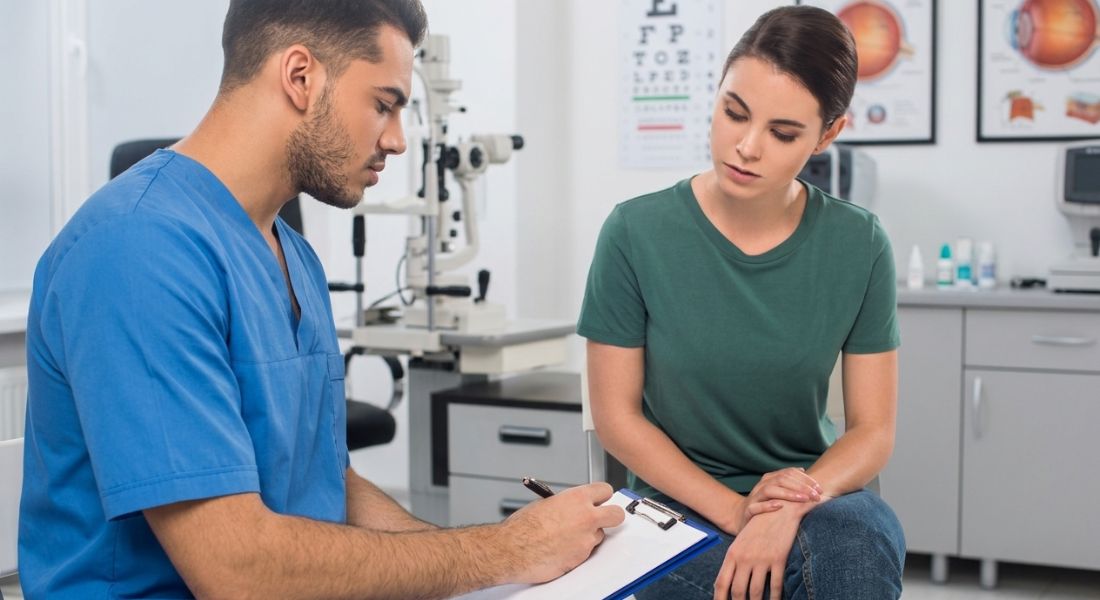
If you think an eye examination is only about checking whether you need glasses, you are only seeing part of the picture. A visit to an Ophthalmologist or Optometrist can actually reveal important information about your overall health. This is because the eyes offer a unique view of the body’s internal structures. It makes eye exams more valuable than many people realise.
The retina contains blood vessels and nerves that can be observed directly during an eye examination without surgery. Changes in these structures can sometimes indicate underlying health conditions such as diabetes, high blood pressure, or vascular problems. In some cases, early warning signs of systemic disease appear in the eyes before other symptoms develop. This allows for earlier investigation and management.
Because of this connection, regular eye checks are not just about vision correction but also about overall health screening. Eye doctors are trained to recognise signs that may require further medical assessment. This makes eye examinations an important part of preventative healthcare. It helps ensure that both eye health and general health are monitored together.
How the Eye Connects to Overall Health
The eye is closely connected to both the nervous system and the body’s blood circulation, which is why it can provide valuable clues about overall health. Because of this unique structure, an eye examination can reveal more than just vision-related issues. It can also help identify signs that may be linked to general medical conditions. This makes eye health closely integrated with whole-body health.
During an examination, an Ophthalmologist or Optometrist can directly view the blood vessels in the retina, the optic nerve, and the tissue at the back of the eye. These areas are visible without invasive procedures, allowing for detailed observation of internal structures. Any changes in these regions can provide important diagnostic information. This is one of the reasons eye exams are so valuable.
Changes in these structures may sometimes reflect broader health conditions occurring elsewhere in the body. For example, alterations in retinal blood vessels or optic nerve appearance can be associated with systemic issues such as vascular or neurological conditions. Because of this connection, eye examinations often play a role in early detection. This highlights the importance of regular eye checks for overall health monitoring.
Diabetes and Eye Health
One of the most important systemic conditions that can be detected during an eye examination is diabetes. This is because diabetes can significantly affect the small blood vessels in the retina, which are visible during a detailed eye check. Early detection through the eyes can play a key role in preventing complications. This makes routine eye exams especially important for overall health screening.
A condition known as diabetic retinopathy can develop when these retinal blood vessels become damaged. An Ophthalmologist or Optometrist may observe signs such as leakage, swelling, or structural changes in the retina. These changes can sometimes appear before a patient notices any visual symptoms. This allows for early intervention and monitoring.
In some cases, eye findings may even suggest possible diabetes before a formal diagnosis has been made. Patients may then be referred for blood tests or further medical evaluation. This highlights how eye examinations can contribute to early detection of systemic disease. It reinforces the importance of regular eye checks as part of general healthcare.
High Blood Pressure (Hypertension)

High blood pressure, or hypertension, can also be detected during a detailed eye examination because it affects the small blood vessels in the retina. Since these vessels can be viewed directly, they often provide early clues about changes happening in the body’s circulation. This makes eye checks an important tool for identifying hidden health issues.
An Ophthalmologist or Optometrist may notice signs such as narrowing of retinal blood vessels, bleeding, or fluid leakage. In more advanced cases, there can also be changes in the optic nerve. These findings suggest that blood pressure may be affecting the delicate vascular system.
These changes can indicate that hypertension is impacting circulation throughout the body, not just the eyes. In many cases, patients may not be aware they have high blood pressure until such signs are detected during an eye exam. This is why routine eye examinations can play a valuable role in early detection and overall health monitoring.
High Cholesterol and Blood Vessel Changes
Raised cholesterol levels can sometimes be detected during an eye examination because they may affect the appearance of blood vessels in the retina. Since these vessels are visible at the back of the eye, they can provide useful clues about overall cardiovascular health. This allows eye doctors to identify potential risks early.
An Ophthalmologist or Optometrist may observe signs such as plaque buildup in retinal arteries, reduced blood flow, or narrowing of the blood vessels. These changes occur when fatty deposits begin to affect circulation within the eye. Even subtle alterations can be clinically significant.
These findings may suggest an increased risk of cardiovascular disease elsewhere in the body. In some cases, patients may be advised to seek further medical evaluation for cholesterol and heart health. This highlights how eye examinations can contribute to early detection of systemic conditions. It reinforces the importance of routine eye checks for overall health screening.
Neurological Conditions
Because the optic nerve is directly connected to the brain’s visual system, eye examinations can sometimes reveal signs of neurological conditions. This makes the eyes an important window into overall neurological health, not just vision. During a detailed eye check, specialists can observe changes that may indicate issues beyond the eye itself. In some cases, these findings can lead to early investigation and diagnosis of serious conditions.
- Multiple sclerosis: Changes in the optic nerve or inflammation within the eye can sometimes be linked to multiple sclerosis. This condition affects the nervous system and may first present through visual symptoms. Early detection through eye exams can support quicker referral and management.
- Brain tumours: Certain brain tumours can create pressure that affects vision or optic nerve function. These changes may be visible during a detailed eye examination. Identifying such signs early can be crucial for further medical investigation.
- Increased pressure in the brain: Raised intracranial pressure can sometimes be detected through changes in the optic nerve. This may appear as swelling or other abnormalities during examination. Early recognition is important to prevent more serious complications.
Symptoms such as swelling of the optic nerve, known as optic disc swelling, can be an important warning sign of underlying neurological issues. These findings are not always related to eye disease alone and often require further medical evaluation. This is why comprehensive eye examinations play a vital role in overall health screening. They can help detect serious conditions early, even before other symptoms appear.
Autoimmune and Inflammatory Diseases
Some autoimmune and inflammatory conditions in the body can also show early signs in the eyes. This is because the eyes are sensitive to changes in the immune system and blood vessels. As a result, eye examinations can sometimes reveal inflammation linked to wider systemic disease. This makes eye health an important window into overall immune activity.
Conditions such as rheumatoid arthritis, lupus, and other inflammatory vascular diseases can sometimes affect eye structures. An Ophthalmologist or Optometrist may notice signs of inflammation during an examination, such as redness, swelling, or changes in internal eye tissues. These findings can indicate that the immune system is active elsewhere in the body.
When such signs are detected, it may suggest a broader inflammatory response that requires further medical investigation. Patients are often referred to their general physician or specialist for additional testing and diagnosis. This highlights how eye examinations can contribute to identifying systemic autoimmune conditions early. It reinforces the role of eye care in overall health monitoring.
Thyroid-Related Eye Changes

Thyroid disorders can sometimes affect both the appearance and function of the eyes, making them noticeable during a routine eye examination. Because the thyroid gland influences metabolism and tissue activity, changes in its function can show up in the eyes as early warning signs. This allows eye doctors to identify possible underlying issues that may need further investigation.
An Ophthalmologist or Optometrist may observe signs such as bulging eyes (seen in some thyroid-related conditions), persistent dry eye symptoms, or imbalance in eye muscle movement. These changes can affect both comfort and visual function. Even subtle symptoms can sometimes point towards an underlying systemic cause.
When these signs are detected, they may prompt referral for further endocrine testing to assess thyroid function. This helps confirm whether the eye changes are linked to a hormonal imbalance. Early detection through eye exams can therefore support timely diagnosis and treatment. It highlights the important connection between eye health and overall hormonal balance.
High Intracranial Pressure
In some rare but serious cases, an eye examination can reveal signs of increased pressure inside the skull, known as raised intracranial pressure. This is possible because the optic nerve connects directly to the brain, allowing changes in pressure to sometimes be visible during a detailed eye assessment. Early detection is extremely important in such situations.
An Ophthalmologist or Optometrist may identify signs such as swelling of the optic nerve (papilloedema), blurred margins of the optic disc, or other structural changes at the back of the eye. These findings can indicate that pressure around the brain is affecting the optic nerve. Even subtle changes are taken very seriously.
Patients may also experience symptoms such as visual disturbances alongside these findings. Raised intracranial pressure is considered a medical emergency because it may be linked to serious neurological conditions. Immediate referral for further investigation, such as brain imaging, is usually required. This demonstrates how eye examinations can sometimes detect urgent systemic health problems.
Infections and Systemic Illness
Certain infections in the body can also produce visible changes in the eyes, especially because the eyes are sensitive to inflammation and circulation changes. During a detailed examination, these signs may provide important clues about an underlying infection or systemic illness. This is why eye checks can sometimes contribute to early medical detection.
An Ophthalmologist or Optometrist may observe changes linked to viral infections affecting the retina, bacterial infections causing inflammation, or wider systemic inflammatory responses. These conditions can affect different parts of the eye, including the retina, optic nerve, or surrounding tissues. Even mild inflammation can sometimes be clinically significant.
In some cases, these eye-related findings may help doctors identify an underlying illness earlier than other symptoms appear. This can lead to quicker referral for medical testing and appropriate treatment. It highlights how eye examinations are not only about vision but can also support the detection of broader health issues.
Why Eye Exams Are So Valuable for Early Detection
One of the biggest advantages of regular eye examinations is their ability to detect health problems early. The eyes provide a unique view of blood vessels, nerves, and internal structures that can reflect changes occurring elsewhere in the body. Because of this, eye exams often reveal important health information before symptoms appear. This makes them a valuable tool in preventive healthcare.
Many systemic conditions develop silently over time and may not show obvious early warning signs. Conditions such as diabetes, hypertension, and vascular disorders can progress gradually without noticeable symptoms in the initial stages. During a routine assessment, an Optometrist or Ophthalmologist may identify early indicators that would otherwise go unnoticed. This allows for earlier medical intervention.
Because many of these issues are only detected during routine eye checks, regular examinations become an important part of maintaining overall health. Early detection often leads to better treatment outcomes and helps prevent complications. This highlights the value of not relying solely on symptoms when assessing health. Eye exams therefore play a key role in proactive, preventive care.
What Happens During an Eye Health Assessment
During a comprehensive eye health assessment, an eye doctor carries out a series of detailed checks to evaluate both the structure and function of your eyes. This type of examination goes beyond a basic vision test and is designed to detect early signs of eye disease as well as general health conditions. It is a careful and systematic process that helps ensure nothing important is missed. Each step provides valuable information about your overall eye health.
- Examine the retina and optic nerve: The doctor will closely examine the retina and optic nerve at the back of your eye. These areas are essential for vision and can show early signs of disease. Careful inspection helps identify conditions that may affect sight or overall eye health.
- Check blood vessel structure: The blood vessels in your eyes are also examined for any changes or abnormalities. These vessels can reflect signs of conditions such as diabetes or high blood pressure. Monitoring them helps provide insight into your general health.
- Measure eye pressure: Eye pressure is measured to check for conditions such as glaucoma. High pressure can damage the optic nerve if left untreated. Regular monitoring helps detect problems early and protect vision.
- Perform imaging scans if needed: In some cases, advanced imaging scans may be used to get a more detailed view of the eye’s internal structures. These scans provide precise information that cannot be seen through a standard examination. They help support accurate diagnosis and treatment planning.
These tests allow the eye doctor to identify both eye-related and systemic conditions that may otherwise go unnoticed. A comprehensive assessment plays an important role in early detection and prevention. It ensures that any potential issues are addressed as soon as possible. This makes eye health assessments a vital part of overall healthcare.
When You Should Be Extra Cautious
You should be especially careful about your eye health if you have certain risk factors that increase the likelihood of eye or systemic complications. In these situations, regular eye examinations are not just routine they become an essential part of monitoring your overall health. Early detection is particularly important for preventing long-term damage.
People with conditions such as diabetes or pre-diabetes, high blood pressure, or a family history of vascular disease are at higher risk of developing eye-related complications. These conditions can affect blood vessels and nerves that are visible during an eye examination. An Optometrist or Ophthalmologist can help detect early signs of these changes before they become serious. This allows for timely medical intervention.
You should also be cautious if you experience unexplained vision changes, even if you feel otherwise healthy. Symptoms such as blurriness, distortion, or sudden changes in sight should always be checked. In higher-risk individuals, regular eye checks become even more important for ongoing monitoring. This helps protect both vision and overall health in the long term.
The Role of Specialist Eye Care
Advanced eye clinics play an important role in identifying both eye conditions and early signs of wider health issues. With the help of modern diagnostic tools, specialists can detect subtle changes in the eyes that may not be noticeable during a basic examination. This allows for earlier and more accurate diagnosis, which is essential for effective treatment and prevention.
An Ophthalmologist working in a specialist clinic can carry out detailed assessments of the retina, optic nerve, and blood vessels using advanced imaging technology. These tools help reveal early indicators of conditions such as diabetes, hypertension, and other systemic diseases. This level of evaluation goes beyond routine vision testing and focuses on comprehensive eye and health assessment.
For example, consulting a specialist eye doctor in London through Eye Clinic London can help ensure that both eye health and overall health indicators are properly assessed during a detailed examination. This integrated approach supports early detection and personalised care. It highlights the importance of specialist services in maintaining both vision and general well-being.
What Happens If a Problem Is Detected
If an Ophthalmologist or Optometrist notices signs of a wider health issue during an eye examination, they will take appropriate next steps to ensure your safety and proper care. Eye findings can sometimes indicate conditions that require further medical attention beyond the eyes themselves. This makes early action very important.
In such cases, you may be referred to a GP or a relevant medical specialist for further assessment. Additional tests may also be recommended to confirm or investigate the underlying cause of the changes seen in your eyes. These steps help ensure that any systemic condition is properly diagnosed and managed.
In some situations, your eye doctor may also monitor the changes over time through regular follow-up appointments. This allows them to track progression and adjust care if needed. This collaborative approach between eye care and general healthcare helps ensure early treatment and better long-term outcomes.
Why You Should Not Ignore Eye Check-Ups
Regular eye check-ups are an important part of maintaining both your vision and your overall health. Many eye conditions develop gradually and without obvious symptoms, which means they can go unnoticed for a long time. Skipping routine examinations increases the risk of missing early warning signs that could otherwise be treated effectively. Because of this, eye care should never be delayed or overlooked.
- Early warning signs can be missed: Without regular eye exams, subtle changes in your eyes may go undetected. These early signs are often the first indicators of developing conditions. Missing them can reduce the chances of timely intervention.
- Diseases may progress unnoticed: Many eye diseases progress slowly and do not cause immediate discomfort or vision loss. Without routine monitoring, these conditions can worsen without you realising it. This may lead to more serious complications over time.
- Treatment may be delayed: Delaying eye check-ups can also delay diagnosis and treatment. Early treatment is often more effective and easier to manage. When care is postponed, outcomes may become more complex.
Routine eye care is therefore a key part of overall health monitoring, not just vision correction. It helps detect both eye-related and general health conditions at an early stage. Regular visits to an eye specialist support long-term protection of your eyesight. By prioritising eye check-ups, you are also taking an important step in safeguarding your overall well-being.
Eye Health as a Window Into the Body
Your eyes often reflect what is happening elsewhere in your body, which is why they are sometimes described as a “window into systemic health.” This is because the retina contains visible blood vessels and nerves that can show changes linked to overall health conditions. During a detailed examination, these structures can provide valuable diagnostic clues.
An Ophthalmologist or Optometrist can observe subtle changes in the eye that may be associated with conditions such as diabetes, hypertension, or other vascular and neurological issues. In many cases, these signs appear before any noticeable symptoms develop elsewhere in the body. This allows for earlier investigation and intervention.
Because of this unique access, eye examinations provide an important opportunity for early detection of systemic health problems. They help identify risks that might otherwise go unnoticed until later stages. This makes routine eye care an important part of preventive healthcare. It highlights how closely eye health is connected to overall well-being.
How Often You Should Have Eye Examinations
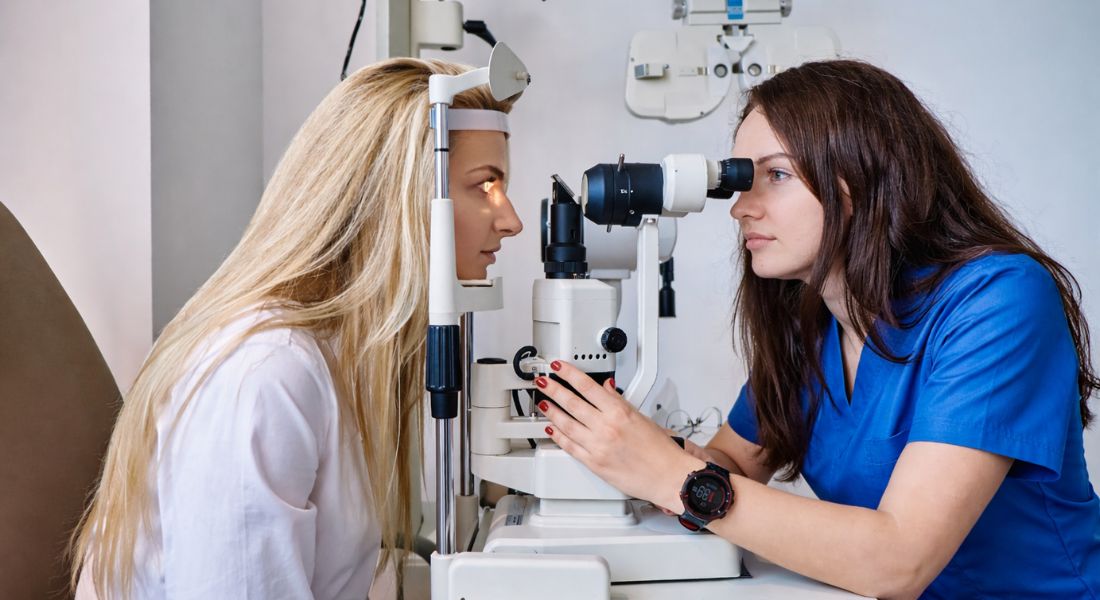
The frequency of eye examinations depends on your age, lifestyle, and overall health risk factors. Regular check-ups are important even if you feel your vision is fine, as many eye conditions develop gradually without obvious symptoms. Consistent monitoring helps ensure early detection and timely treatment when needed.
In general, most adults should have an eye examination every 1–2 years. However, people with higher risk factors such as diabetes, high blood pressure, or a family history of eye disease may need more frequent assessments. These regular visits allow an Optometrist or Ophthalmologist to closely monitor any changes in eye health.
Individuals with existing eye conditions also require ongoing follow-up care to track progression and adjust treatment if necessary. This ensures that any changes are managed promptly and effectively. Consistency in eye examinations is key to maintaining long-term vision health and preventing complications.
The Importance of Comprehensive Eye Care
A thorough eye examination is not just about checking whether you need glasses or updating a prescription. It is a comprehensive health assessment that can provide important insights into both your vision and your overall wellbeing. This is why regular eye care is considered a key part of preventive healthcare.
During an examination, an Optometrist or Ophthalmologist can detect early signs of eye diseases such as glaucoma, cataracts, or retinal conditions. Many of these problems develop slowly and may not cause noticeable symptoms in the early stages. Early detection allows for timely treatment and better long-term outcomes.
Eye examinations can also help identify signs of systemic health conditions such as diabetes, high blood pressure, and other vascular or neurological issues. Because the eyes allow direct observation of blood vessels and nerves, they can reveal changes linked to overall health. This makes eye care an important screening tool beyond vision correction.
Overall, comprehensive eye care supports long-term wellbeing by combining vision assessment with early disease detection. It helps protect both sight and general health through regular monitoring. This is why consistent eye examinations are essential for preventive healthcare.
FAQs:
- Can an eye doctor really detect other health problems?
Yes, an eye doctor can detect signs of systemic health conditions such as diabetes, high blood pressure, and even neurological or vascular disorders during an eye examination. - How can eye exams reveal overall health issues?
Eye doctors can directly observe the retina, blood vessels, and optic nerve, which can show changes linked to diseases affecting the whole body. - Can diabetes be detected during an eye exam?
Yes, signs of diabetic retinopathy may be visible in the retina, sometimes even before a formal diabetes diagnosis is made. - Can high blood pressure be seen in the eyes?
Yes, hypertension can cause changes in retinal blood vessels, such as narrowing, bleeding, or leakage, which can be detected during an eye exam. - What neurological conditions can be detected through eye exams?
Eye exams may reveal signs linked to conditions like multiple sclerosis, brain tumours, or increased intracranial pressure through changes in the optic nerve. - Can eye exams detect high cholesterol?
In some cases, cholesterol-related plaque buildup in retinal blood vessels may be visible, suggesting increased cardiovascular risk. - Do eye doctors detect infections or inflammation?
Yes, certain infections and inflammatory conditions can cause visible changes in the eyes, which may indicate a broader systemic illness. - Why are the eyes useful for detecting health problems?
The eyes contain visible blood vessels and nerves that reflect changes in the body’s circulation and nervous system, making them a useful window into overall health. - What happens if an eye doctor finds a health issue?
You may be referred to a GP or specialist for further testing, or monitored over time depending on the severity of the findings. - How often should I have an eye exam for health monitoring?
Most adults should have an eye exam every 1–2 years, but people with conditions like diabetes or hypertension may need more frequent checks.
Final Thoughts: Looking Beyond Vision to Protect Your Overall Health
An eye examination is far more than a simple vision check it can provide valuable insight into your overall health. Because the eyes allow direct observation of blood vessels, nerves, and internal structures, an Optometrist or Ophthalmologist can sometimes identify early signs of systemic conditions such as diabetes, high blood pressure, and neurological or vascular disorders. In many cases, these changes appear before other symptoms develop, making eye exams an important tool for early detection and prevention.
This connection between eye health and general health highlights the importance of regular check-ups, even when your vision feels normal. Routine examinations help ensure that both ocular and systemic conditions are identified and managed at the earliest possible stage. By doing so, you are not only protecting your sight but also supporting your long-term wellbeing.
Ultimately, comprehensive eye care plays a key role in preventive healthcare, bridging the gap between vision testing and overall medical screening. Staying consistent with eye exams ensures that subtle but important changes in your body are not missed. If you’d like to find out whether an eye doctor in London approach is suitable for you, feel free to contact us at Eye Clinic London to arrange a consultation.
References:
- Kumar, S. et al. (2024) Ocular Manifestations of Systemic Diseases: Implications for Comprehensive Patient Care Journal of Pharmacy and Bioallied Sciences. Available at: https://pmc.ncbi.nlm.nih.gov/articles/PMC11426571/
- Yadav, S. and Tandon, R. (2019) Comprehensive eye examination: what does it mean? Available at: https://pmc.ncbi.nlm.nih.gov/articles/PMC7041818/
- Li, H. et al. (2023) Diagnosing Systemic Disorders with AI Algorithms Based on Ocular Images
Available at: https://www.mdpi.com/2227-9032/11/12/1739 - Stanbury, R.M. and Graham, E.M. (1996) The eye in systemic disease. Available at: https://pubmed.ncbi.nlm.nih.gov/8646387/
- Asia-Pacific Journal of Ophthalmology (2022) Detection of Systemic Diseases From Ocular Images Using Artificial Intelligence: A Systematic Review Available at: https://www.sciencedirect.com/science/article/pii/S2162098923006916