

What Conditions Can an Eye Doctor Diagnose?

If you are like many people, you might think an eye doctor is only there to check your vision and prescribe glasses. It is a very common assumption, especially if your past visits have been simple and routine. However, this only reflects a small part of what an eye examination actually involves. There is much more going on than just reading letters on a chart.
An eye doctor can assess the overall health of your eyes in detail, not just how clearly you can see. During an examination, they check different parts of your eye for any early signs of problems. You might feel that your vision is fine, but certain conditions can still be developing without obvious symptoms. This makes regular eye tests important for you, even when nothing feels wrong.
Eye examinations can also help detect a wide range of conditions beyond basic vision issues. These may include glaucoma, cataracts, or changes in the retina that could affect your sight over time. In some cases, signs of general health conditions can also be noticed through the eyes. This means your eye test can provide insights beyond just vision correction.
This is a good example of how valuable a routine eye check can be for your overall health. It is not only about improving how you see, but also about protecting your long-term eye health. Early detection gives you more options and better outcomes. Understanding this can help you take eye care more seriously and stay consistent with check-ups.
It Is About More Than Just Vision
Let me start by clearing up a common misconception that many people have about eye tests. You might think the main purpose is simply to check how well you can read letters on a chart. While that is part of the process, it is only one small aspect of the examination. There is much more happening during a routine eye check than you may realise.
An eye examination is not only about your vision, but also about the overall health of your eyes. Your eye doctor will carefully assess different structures within your eye to look for early signs of potential problems. You may not notice any symptoms, but changes can still be developing. This is why regular checks are important for you, even when your sight seems fine.
In many cases, an eye test can also provide insight into your general health. Certain conditions, such as high blood pressure or diabetes, can show early signs in the eyes. This means your eye doctor is not just checking your vision, but also looking at indicators of your overall wellbeing. For you, this makes the examination far more valuable than you might expect.
Refractive Errors: The Most Common Findings
One of the first things your eye doctor will assess during an eye examination is how well your eyes focus. This helps determine whether light is being properly directed onto the retina for clear vision. Many people experience focusing issues at some point in their lives, often without realising it straight away. These common conditions are known as refractive errors and are usually simple to correct.
- Short-Sightedness (Myopia): This condition makes it difficult for you to see distant objects clearly while close-up vision remains sharp. It happens when light focuses in front of the retina instead of directly on it. Glasses or contact lenses can easily correct this and improve distance vision.
- Long-Sightedness (Hyperopia): With long-sightedness, you may find it harder to focus on nearby objects, although distance vision can sometimes remain clear. This occurs when light focuses behind the retina. Correction with lenses helps bring objects into proper focus and reduces eye strain.
- Astigmatism: Astigmatism causes blurred or distorted vision at all distances due to an irregular shape of the cornea or lens. Instead of focusing light evenly, the eye creates multiple focal points. Specially designed lenses can correct this and provide clearer vision.
- Simple and Effective Correction: Refractive errors are among the most common and easily managed eye conditions. Glasses or contact lenses are typically prescribed based on your specific needs. In some cases, other options may also be discussed depending on your lifestyle.
In conclusion, refractive errors are a normal and very common part of eye care that can affect people of all ages. While they may impact your vision, they are usually straightforward to diagnose and correct. Regular eye tests help ensure that any changes are identified early. With the right correction, you can enjoy clear and comfortable vision in your daily life.
Cataracts
Cataracts are one of the most common eye conditions, particularly as you get older. They develop gradually and may not cause noticeable symptoms at first. You might not realise anything has changed in the early stages. This is why regular eye checks are important for you.
They occur when the natural lens inside your eye becomes cloudy, which affects how clearly you can see. You may notice blurred vision, increased glare from lights, or difficulty seeing at night. Colours can also appear less vivid over time. These changes can slowly begin to affect your daily activities.
An eye doctor can detect cataracts early, often before they have a major impact on your vision. Early detection allows your condition to be monitored closely and managed at the right time. For you, this means better planning and less disruption to your life. Timely care can help maintain your vision and quality of life.
Glaucoma
Glaucoma is a condition that affects the optic nerve, which is responsible for carrying visual information from your eye to your brain. It is a serious condition that can impact your vision over time if not detected early. You may not notice any changes at first, which makes it particularly concerning. Understanding this helps you see why regular checks are so important.
One of the main challenges with glaucoma is that it often develops slowly and without obvious symptoms in the early stages. You might feel that your vision is completely normal while changes are happening in the background. By the time symptoms appear, some damage may already have occurred. This is why relying on how your eyes feel is not enough.
Regular eye exams allow your eye doctor to detect early signs of glaucoma before it affects your vision significantly. Special tests can measure eye pressure and assess the health of your optic nerve. For you, this means a better chance of managing the condition effectively. Early detection plays a key role in preventing long-term vision loss.
Age-Related Macular Degeneration (AMD)
Age-related macular degeneration (AMD) is a condition that affects the central part of your vision. This area is responsible for detailed tasks such as reading and recognising faces. The condition usually develops gradually, especially as you get older. You may not notice the early stages without an eye examination.
As it progresses, you might find it harder to read, see fine details, or recognise familiar faces clearly. Straight lines may appear distorted, or you may notice a blurred or dark area in the centre of your vision. These changes can affect your daily activities over time. For you, recognising these signs early is very important.
An eye doctor can identify early signs of AMD even before symptoms become obvious. Regular eye exams allow the condition to be monitored and managed appropriately. While it cannot always be reversed, early detection can slow its progression. This helps you maintain better vision for longer.
Diabetic Eye Disease

If you have diabetes, your eyes are at a higher risk of developing certain conditions over time. Changes can occur gradually, and you may not notice any symptoms in the early stages. This is why it is especially important for you to stay consistent with eye care. Regular monitoring helps protect your long-term vision.
Conditions such as diabetic retinopathy can develop without obvious warning signs at first. This condition affects the blood vessels in the retina and can lead to vision problems if not managed properly. You might feel that your vision is normal even while changes are happening. This makes early detection very important for you.
Regular eye checks allow these changes to be identified before they become more serious. Early diagnosis means treatment can begin sooner and be more effective. For you, this can significantly reduce the risk of long-term damage. Staying proactive with eye exams is one of the best ways to protect your sight.
Dry Eye Syndrome
Dry, irritated eyes are more than just a minor inconvenience that you can ignore. You may experience a gritty feeling, burning sensation, or discomfort throughout the day. These symptoms can become more noticeable when using screens or spending time in dry environments. Over time, this can start to affect your daily comfort.
This condition can also impact your vision if it is left untreated. You might notice blurred vision that comes and goes or increased sensitivity to light. Even simple tasks like reading or working can become more difficult. For you, this shows that dry eye is not just about comfort, but also about maintaining clear vision.
An eye doctor can recommend treatments to improve tear quality and support your overall eye health. This may include eye drops, lifestyle adjustments, or other targeted treatments. Addressing the issue early can prevent it from becoming more severe. With the right care, you can improve both comfort and vision.
Eye Infections
Eye infections can develop quickly and may cause redness, discomfort, and discharge in your eyes. You might also notice swelling, irritation, or sensitivity to light. These symptoms can make everyday tasks feel uncomfortable and difficult. It is important for you not to ignore these signs when they appear.
These infections can be caused by bacteria or viruses, and sometimes even allergies or irritants. Each type may present slightly differently, but they all require proper attention. You may not always be able to tell the exact cause on your own. This is why professional assessment is important for you.
An eye doctor can diagnose the cause accurately and provide the right treatment. This may include medicated drops or other forms of care depending on the condition. Early treatment can help prevent the infection from worsening or spreading. Acting promptly helps protect both your comfort and your vision.
Allergic Eye Conditions
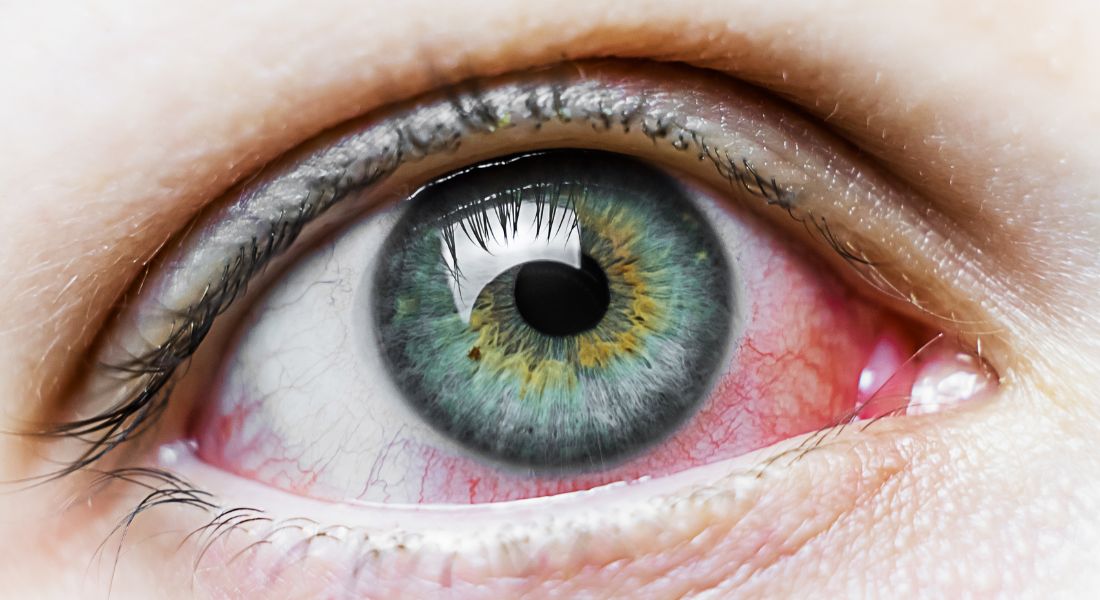
If your eyes frequently itch, water, or become red, it may be a sign of an allergic eye condition. These symptoms can be uncomfortable and may come and go depending on exposure. You might notice them more during certain times of the year. This can affect your daily comfort and focus.
Allergic eye symptoms can be seasonal or triggered by environmental factors such as dust, pollen, or pet dander. You may find that your symptoms worsen in specific places or situations. The reaction can vary from mild irritation to more persistent discomfort. For you, identifying the trigger is an important step in managing the condition.
Proper diagnosis is important so you can manage these symptoms effectively. An eye doctor can help determine whether allergies are the cause and suggest suitable treatment options. This may include eye drops or simple lifestyle adjustments. With the right care, you can reduce symptoms and improve your comfort.
Retinal Conditions
The retina plays a crucial role in how you see, as it is responsible for capturing light and sending visual signals to your brain. Any issue affecting this part of your eye can have a significant impact on your vision. You may not always notice problems right away, which makes regular eye checks important for you.
Conditions such as retinal tears or retinal detachment can be serious and often require urgent medical attention. You might experience symptoms like sudden flashes of light, new floaters, or a shadow in your vision. These changes can appear quickly and should not be ignored. Acting early is very important in protecting your sight.
An eye doctor can detect early warning signs of retinal problems during a routine examination. Special tests allow them to closely examine the health of your retina. For you, this means potential issues can be identified before they become more severe. Early detection gives the best chance of effective treatment and preserving vision.
Floaters and Vitreous Changes
You may notice small spots, threads, or shapes drifting across your vision. These are known as floaters and are quite common for many people. They often move when your eyes move and can be more visible against bright backgrounds. In most cases, they are harmless and part of normal eye changes.
However, it is important for you to pay attention if there is a sudden increase in floaters or a change in how they look. A rapid change can feel noticeable and sometimes concerning. You might also notice flashes of light along with them. These changes should not be ignored.
While floaters are often harmless, sudden changes can sometimes indicate underlying retinal issues. This is why a proper eye examination is important if you notice anything unusual. An eye doctor can check the health of your retina and rule out serious problems. Early assessment helps protect your vision and gives peace of mind.
Eye Muscle Problems
Your eyes rely on small but important muscles to move and focus properly. These muscles work together to keep both eyes aligned and coordinated. When everything is functioning normally, you are able to see a single clear image. This balance is essential for comfortable and accurate vision.
If these muscles are not working together correctly, it can lead to problems such as eye strain or double vision. You might notice difficulty focusing, tired eyes, or trouble judging distances. These symptoms can make reading, driving, or screen use more difficult. For you, even small imbalances can affect daily activities.
An eye doctor can assess how well your eye muscles are working through simple tests during an examination. They can identify whether there is a coordination issue or an underlying cause. Treatment may include exercises, glasses, or other management options depending on the condition. Early evaluation helps improve comfort and prevent symptoms from worsening.
Childhood Vision Problems
Eye doctors also play an important role in supporting children’s eye health. Good vision is essential for learning, development, and everyday activities at a young age. However, children may not always realise when something is wrong with their sight. This is why regular eye checks are very important for you as a parent or caregiver.
Conditions such as lazy eye (amblyopia) or squint (strabismus) can often be identified early during routine examinations. You might notice signs like one eye turning in or out, difficulty focusing, or a child struggling with reading. These issues can develop gradually and may not always be obvious at first. Early detection helps ensure they are addressed at the right time.
Early treatment can significantly improve long-term vision outcomes for children. The younger the condition is identified, the more effective the treatment is likely to be. This may include glasses, eye patches, or other simple interventions depending on the case. Acting early gives children the best chance of developing strong, healthy vision.
Signs of Systemic Health Conditions
This might surprise you, but an eye examination can reveal more than just problems with your vision. Your eyes are closely connected to your overall health, which means changes inside them can sometimes reflect wider medical conditions. Because the blood vessels and nerves in the eye are so delicate, they can show early signs of disease. This makes routine eye checks an important part of general health screening, not just vision care.
- High Blood Pressure Indicators: Changes in the blood vessels at the back of the eye can sometimes suggest high blood pressure. These subtle signs may be visible during a detailed eye examination before you notice any other symptoms. Early detection can prompt further medical testing and timely management.
- Diabetes-Related Changes: Diabetes can affect the small blood vessels in the retina, leading to a condition known as diabetic eye disease. These changes may develop gradually and go unnoticed without an eye test. Regular examinations help identify early warning signs and protect long-term vision.
- Early Detection Before Symptoms Appear: One of the key benefits of an eye examination is that it can detect health issues before they become obvious elsewhere in the body. You may feel perfectly fine, yet early changes could already be present in your eyes. This allows for quicker diagnosis and treatment.
- A Window Into Overall Health: Eye doctors are often able to spot signs that may require further medical investigation. While they do not diagnose systemic diseases directly, they can refer you to the appropriate healthcare professional. This makes eye exams an important part of preventative healthcare.
In conclusion, your eyes can provide valuable clues about your overall health, not just your vision. Conditions like high blood pressure and diabetes may sometimes be detected early through routine eye checks. This highlights the importance of regular eye examinations, even if your sight feels normal. Taking care of your eyes can ultimately help protect your general health as well.
Colour Vision Deficiency
Colour vision deficiency means that you may find it difficult to distinguish between certain colours. This is a condition that can affect how you perceive everyday visual information. You might notice confusion between shades, especially reds, greens, or blues. For many people, it does not cause major vision loss but can still affect daily life.
This condition is often present from birth, but you may not realise it until later in life. It can sometimes go unnoticed because people adapt to the way they see colours. You might only discover it during school, work, or a routine eye test. This is why regular checks can be helpful for you.
An eye doctor can test for and confirm colour vision issues through simple assessments. These tests are quick and non-invasive, helping to clearly identify any deficiency. While there is no cure, understanding the condition can help you adapt more easily. For you, this awareness can make daily tasks and choices more manageable.
Night Vision Problems
If you struggle to see clearly in low light, it is something you should pay attention to. You might notice difficulty moving around at night or reduced clarity in dim environments. This can make everyday activities like driving or walking more challenging. For you, this is an important sign that your vision may need checking.
Night vision problems can be linked to several eye conditions or sometimes nutritional factors. You may find that your eyes take longer to adjust when moving from light to dark settings. In some cases, it can also be associated with underlying issues such as cataracts or retinal changes. These possibilities make it important not to ignore the symptom.
An eye doctor can help identify the exact cause through a detailed examination. They will assess your overall eye health and look for any contributing factors. Once the cause is identified, appropriate advice or treatment can be provided. Early assessment helps you maintain safer and clearer vision in low-light conditions.
When You Should Get Checked
You do not need to wait until you notice symptoms before having your eyes examined. Many eye conditions develop gradually and may not cause obvious changes in vision at the beginning. Regular eye tests help identify issues early, even when everything feels completely normal. This makes routine check-ups an important part of maintaining long-term eye health.
- Routine Eye Exams Are Essential: Having regular eye examinations allows your optometrist to monitor your vision and overall eye health over time. These check-ups can detect small changes that you might not notice yourself. Early detection often leads to simpler and more effective treatment.
- Symptoms Are Not Always Present: Some eye conditions develop silently without causing immediate discomfort or vision changes. By the time symptoms appear, the condition may already be more advanced. This is why relying only on symptoms is not enough.
- Early Detection Prevents Complications: Identifying problems early can help prevent them from worsening or causing long-term damage. Treatment is often more successful when conditions are caught at an early stage. This proactive approach supports better overall outcomes.
- Maintaining Long-Term Eye Health: Regular eye checks are not just about updating your glasses prescription. They are also about ensuring your eyes remain healthy as you age. Consistent monitoring helps protect your vision in the long run.
In conclusion, getting your eyes checked regularly is one of the most effective ways to protect your vision. You should not wait for noticeable symptoms before seeking an eye examination. Even if your eyesight feels fine, underlying issues may still be present. A proactive approach ensures your eyes stay healthy for years to come.
Choosing the Right Eye Care Provider
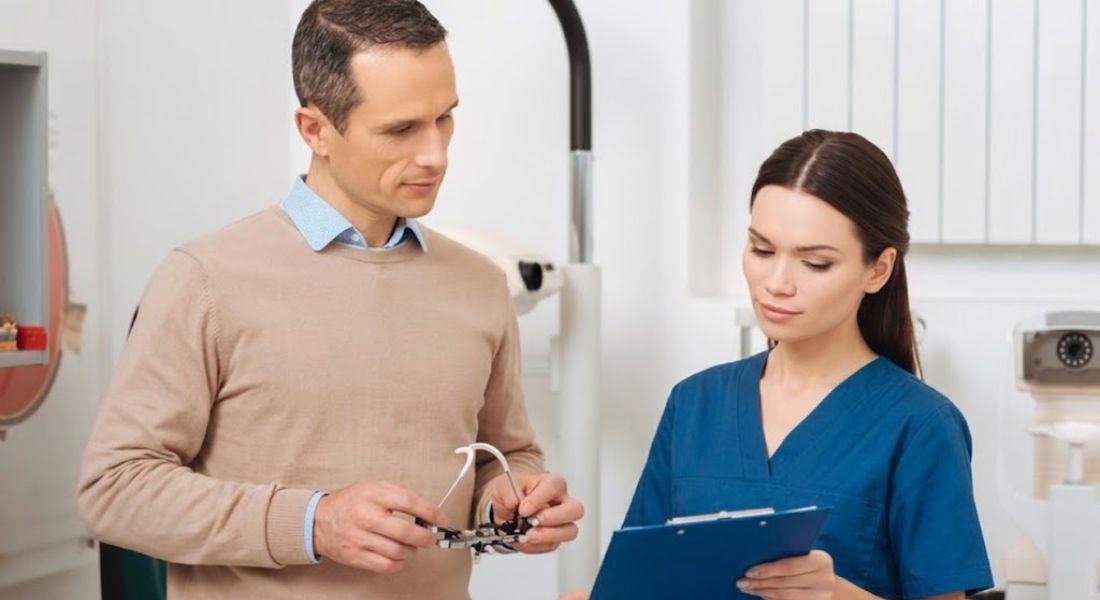
Where you choose to go for your eye care matters more than you might think. The quality of care you receive can directly affect how well your vision is monitored and protected over time. You want to feel confident that your eyes are being properly assessed at every visit. This is why selecting the right provider is an important decision for you.
If you are considering your options, it is worth looking into clinics that provide access to an experienced eye doctor as part of a comprehensive and trusted eye care service. This ensures that both routine eye checks and more complex conditions can be properly managed. You benefit from consistent care in one place, which helps with early detection and ongoing treatment. For you, this creates a more reliable and reassuring experience.
Having the right support in place makes it much easier for you to stay on top of your eye health. Regular visits become simpler when you trust the team looking after your vision. It also helps ensure that any changes in your eyes are noticed and addressed quickly. Over time, this consistent care plays a key role in protecting your long-term vision.
Why Early Diagnosis Makes a Difference
The earlier a condition is detected, the easier it is for you to manage it effectively. Many eye problems develop gradually, which means you may not notice them until they have already progressed. When they are caught early, treatment options are often simpler and more effective. This can make a significant difference to your long-term eye health.
In many cases, early treatment can slow the progression of a condition or even prevent serious complications. You may be able to preserve your vision for much longer when issues are identified in their initial stages. Delaying diagnosis can sometimes limit the effectiveness of treatment. For you, acting early gives the best chance of protecting your sight.
This is why regular eye check-ups are so important, even when your vision feels normal. Routine examinations allow eye doctors to spot subtle changes before they become serious problems. You might not notice anything wrong yourself, but an expert can detect early warning signs. Staying consistent with check-ups is one of the best ways to maintain healthy vision.
FAQs:
- What conditions can an eye doctor diagnose during an eye exam?
An eye doctor can diagnose refractive errors, cataracts, glaucoma, macular degeneration, diabetic eye disease, infections, dry eye, and retinal conditions, as well as signs of general health issues. - Can an eye exam detect diseases other than eye problems?
Yes, eye exams can sometimes reveal signs of systemic conditions such as high blood pressure and diabetes through changes in the blood vessels and retina. - What are refractive errors and how are they treated?
Refractive errors include short-sightedness, long-sightedness, and astigmatism. They are usually corrected with glasses or contact lenses. - What is cataracts and how does it affect vision?
Cataracts occur when the eye’s lens becomes cloudy, leading to blurred vision, glare, and difficulty seeing at night. They develop gradually, especially with age. - Why is glaucoma dangerous if there are no early symptoms?
Glaucoma often develops silently and can damage the optic nerve without noticeable symptoms. Without early detection, it can lead to permanent vision loss. - What is age-related macular degeneration (AMD)?
AMD affects central vision, making it harder to read, recognise faces, or see fine details. It usually develops with age and can progress gradually. - Can diabetes affect my eyesight?
Yes, diabetes can cause diabetic retinopathy, which damages the retina’s blood vessels. It can lead to vision loss if not monitored and treated early. - What causes dry eye syndrome?
Dry eye can be caused by reduced tear production, screen use, ageing, or environmental factors. It leads to irritation, redness, and blurred vision. - When should I worry about floaters or flashes?
Occasional floaters are normal, but a sudden increase or flashes of light may indicate retinal issues and should be checked urgently. - How often should I have an eye examination?
Most people should have an eye test every one to two years. However, frequency may vary depending on age, health conditions, or risk factors.
Final Thoughts: Understanding the Full Role of an Eye Doctor
An eye examination is far more comprehensive than many people realise. It is not just about checking whether you need glasses, but about assessing the overall health of your eyes and detecting a wide range of conditions early. From common refractive errors to more serious issues like glaucoma, retinal disorders, and signs of systemic disease, your eyes can reveal a great deal about your health. What is especially important for you to understand is that many of these conditions develop slowly and without obvious symptoms.
This means you might feel that your vision is perfectly fine while changes are already happening. Regular eye tests give you the best chance of identifying these issues early, when treatment is most effective and outcomes are more positive. Taking a proactive approach to eye care is one of the most effective ways to protect your long-term vision. If you’re exploring whether an eye doctor in London as part of a trusted eye care clinic could benefit you, get in touch with us at Eye Clinic London to schedule your consultation.
References:
- Kaplan, H.J. (2007) Anatomy and function of the eye. Chemistry & Immunology and Allergy, 92, pp. 4–10. Available at: https://pubmed.ncbi.nlm.nih.gov/17264478/
- Huang, Y., Li, J., Wang, X., Chen, L. and Zhang, H. (2025) Impact of metabolic and inflammatory markers on ocular disease progression: a clinical review. PubMed Central. Available at: https://pubmed.ncbi.nlm.nih.gov/40293212/
- Shi, D., Zhang, W., Chen, X., Liu, Y., Yang, J., Huang, S., Tham, Y.C., Zheng, Y. and He, M. (2024) EyeFound: a multimodal generalist foundation model for ophthalmic imaging. Ophthalmology AI research. Available at: https://pmc.ncbi.nlm.nih.gov/articles/PMC10817967/
- Qi, Y., Wan, Y., Li, T., Zhang, M., Song, Y., Hu, Y., Sun, Y. and Li, L. (2021) Comparison of the ocular microbiomes of dry eye patients with and without autoimmune disease. Frontiers in Cellular and Infection Microbiology. Available at: https://pmc.ncbi.nlm.nih.gov/articles/PMC8493086/
- Grewal, D.S. and Gabr, H. (2021) Eye examination, Medical Clinics of North America. A comprehensive eye examination includes visual acuity testing, pupil assessment, anterior and posterior segment evaluation, and intraocular pressure measurement to detect ocular and systemic disease. Available at: https://www.sciencedirect.com/science/article/pii/S0025712521000225