


How Does Glaucoma Affect Balance and Mobility?
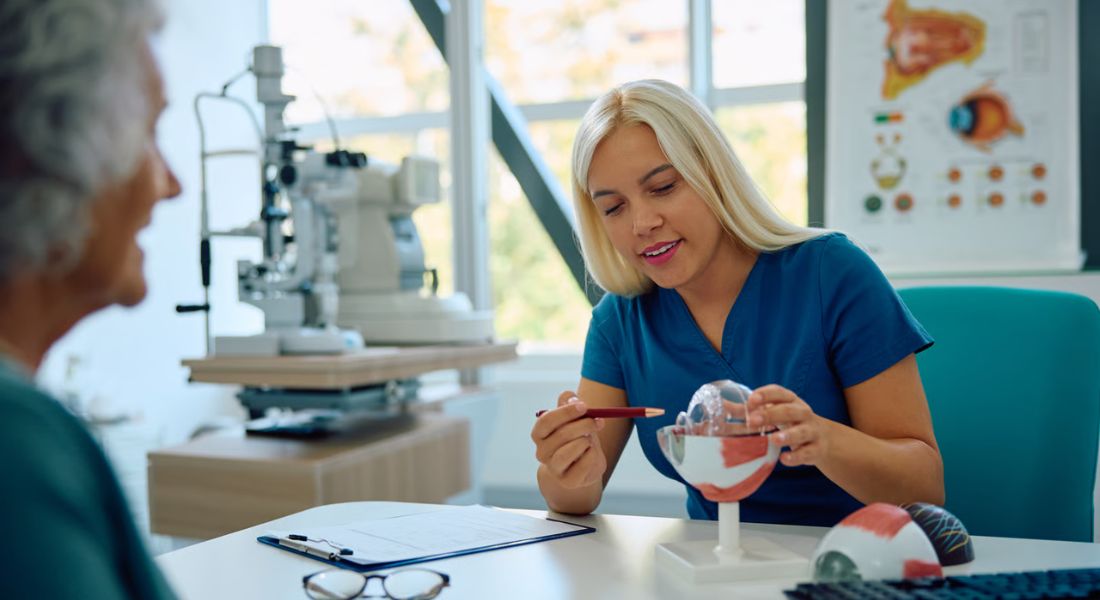
We often hear a concern that surprises people when they first hear it: can glaucoma affect your balance? Most people naturally think of glaucoma as only an eye condition, so they are not always prepared for how it can influence movement and confidence. It can even play a role in increasing the risk of trips or falls. This can feel unexpected when you first hear it.
To understand this properly, it helps to see how closely your vision and balance are connected. Your eyes constantly send information to your brain about your surroundings, helping you judge distance, steps, and obstacles. When this visual information becomes less reliable, your ability to move confidently in space can also be affected. This is especially true in unfamiliar or cluttered environments.
Glaucoma often affects peripheral vision first, which means you may not notice things coming from the side. Over time, this can make everyday movement feel less secure, even if your central vision still seems fine. You might find yourself becoming more cautious when walking, especially in low light or busy areas. These changes can develop gradually, so you may not immediately link them to your eyes.
We want to explain this in a simple and practical way so you understand what is happening and why. The important thing is that there are ways to adapt and stay safe in your daily life. Simple adjustments at home and when you are outside can make a real difference. With the right awareness and support, many people continue to move around confidently despite glaucoma.
How Vision and Balance Are Connected
When we think about balance, we do not see it as something controlled by the feet alone. Balance is actually a coordinated system that relies on several parts of the body working together. It is a partnership between your eyes, inner ear, and brain. Each of these plays a specific role in keeping you steady and oriented.
Your eyes continuously provide information about your surroundings. This helps you understand where you are in space and how things are positioned around you. At the same time, your inner ear detects movement and helps sense changes in position. Your brain then combines all of this information to maintain balance and stability.
When vision is affected, even in small ways, your sense of balance can also be influenced. This is because the brain receives less visual information to work with. As a result, your overall sense of stability may feel slightly different. This is where conditions like glaucoma become relevant, as changes in vision can subtly affect how balanced and steady you feel.
Why Peripheral Vision Matters So Much for Balance
Peripheral vision, often called side vision, plays a much bigger role in balance and movement than most people realise. With glaucoma, this is usually the part of vision that is affected first, and the changes can be subtle at the beginning. Even though central vision may still feel clear, the reduction in peripheral input can gradually change how your body interprets space around you. This is why balance and coordination can sometimes feel slightly “off” without an obvious visual cause.
- Detecting Obstacles Near Your Feet: Peripheral vision helps you notice objects on the ground that are not directly in front of you. This includes steps, uneven surfaces, or small obstacles that could affect your footing. When this side awareness is reduced, there is a higher chance of misjudging what is around your feet.
- Judging Distances While Walking: Your brain uses side vision to help estimate how far away objects and surfaces are. This supports smooth walking and helps you avoid bumping into things. With reduced peripheral input, these distance judgments can become less automatic and require more attention.
- Noticing Changes in Ground Level: Small changes like kerbs, stairs, or slopes are often detected first through peripheral vision. This early warning helps your body adjust posture and balance before you step. When this signal is weaker, movements may feel less steady or slightly delayed.
- Maintaining Orientation in Open Spaces: In large or open environments, peripheral vision helps you stay oriented and aware of your surroundings. It gives your brain a sense of space and direction beyond what is directly in front of you. Without it, open areas may feel less stable or harder to navigate confidently.
- Avoiding Collisions with People or Objects: Side vision plays a key role in detecting movement around you, especially in busy environments. It allows you to react quickly to people or objects entering your path. When this is reduced, you may need to rely more on deliberate scanning rather than automatic awareness.
In conclusion, peripheral vision is essential for maintaining balance, coordination, and spatial awareness in everyday life. When glaucoma reduces this type of vision, the brain receives less information about the surrounding environment. This can subtly affect how steady and confident you feel when moving. Understanding this connection helps explain why even small changes in side vision can have a noticeable impact on daily activities.
Early Changes: When You Don’t Notice Anything at First
In the early stages of glaucoma, your balance and movement usually feel completely normal. Most people continue everyday activities such as walking, climbing stairs, and moving around without any real difficulty. At this point, life often feels unchanged. This is because your central vision is still strong and reliable.
You are still able to see clearly what is directly in front of you. This allows you to navigate spaces, recognise obstacles, and move confidently in familiar environments. For this reason, most people do not notice any obvious changes in how steady or balanced they feel. Everything continues to function in a way that feels natural.
However, even at this early stage, subtle changes can begin in the background. Your brain may slowly start relying more on central vision rather than peripheral awareness when guiding movement. This process happens gradually and without conscious awareness. Over time, your movement patterns begin to adapt automatically, even though you do not actively notice it.
Why Walking Can Feel Slightly Different Over Time
As glaucoma progresses, changes in movement and walking patterns can develop gradually and subtly. These shifts are often not immediately noticeable because they don’t usually cause sudden or obvious difficulty. Instead, they build slowly over time, affecting how confident and comfortable you feel while moving through different environments. Many people don’t initially connect these changes to vision, assuming they are due to ageing or increased caution.
- Looking Down More Frequently While Walking: One common change is becoming more aware of the ground directly in front of you. This often happens as the brain tries to compensate for reduced peripheral vision. By focusing more on the immediate walking path, people attempt to reduce the risk of tripping or missing obstacles.
- More Cautious Movement in Unfamiliar Areas: Unfamiliar environments can feel slightly more challenging because spatial awareness is reduced. Without full peripheral input, it may take longer to build a mental map of the surroundings. As a result, movement becomes more careful and deliberate.
- Reduced Confidence in Crowded Spaces: Busy areas can feel more overwhelming when side vision is affected. It becomes harder to track multiple moving people or objects at once. This can lead to a natural reduction in confidence and a preference for slower, more controlled movement.
- Slower Walking in Low Light Conditions: Dim lighting reduces visual clarity, which can amplify the effects of glaucoma. In these conditions, it may take longer to detect changes in terrain or obstacles. This often results in a slower, more cautious walking pace.
In conclusion, changes in walking with glaucoma are usually gradual and easy to overlook at first. They tend to reflect subtle shifts in spatial awareness rather than sudden loss of ability. Over time, people naturally adjust by becoming more cautious in how they move. Recognising these early signs can help you understand your vision better and adapt more confidently to everyday environments.
The Role of Depth Perception
Depth perception is your ability to judge distance, height, and spatial relationships. It helps you understand how far away objects are and how to move through your environment safely. This system relies heavily on both eyes working together, along with clear visual information from your surroundings. It is an important part of everyday movement and balance.
When glaucoma reduces peripheral vision, your brain receives fewer visual cues to help judge space accurately. This can make it harder to interpret subtle changes in ground level or distance. As a result, certain movements may require more attention than before. You may find yourself being more cautious in situations that once felt automatic.
This can make everyday tasks more challenging, such as stepping off curbs with confidence, judging uneven surfaces, navigating stairs, or walking across sloped ground. Even if your central vision remains sharp, the overall sense of space around you may feel slightly less reliable. Over time, this can affect how confidently you move in different environments.
Why Stairs and Steps Can Become More Challenging
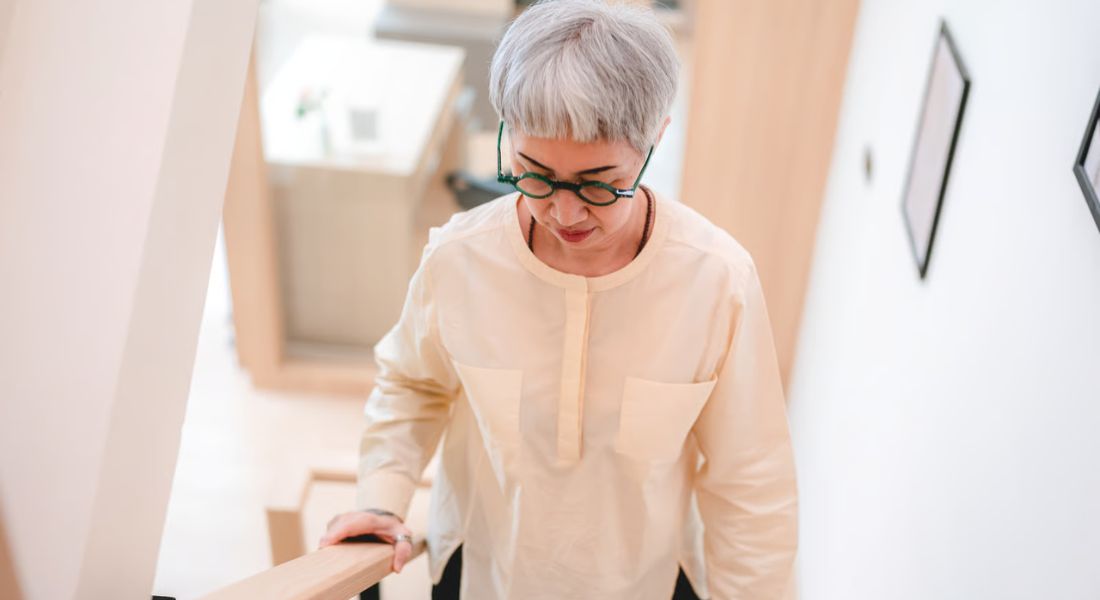
Stairs are one of the most common places where people first notice subtle balance and confidence changes linked to glaucoma. Unlike flat walking, stair use requires precise visual input to judge height, depth, and foot placement accurately. When peripheral vision is reduced, the brain receives less spatial information to guide these movements. This can make stair navigation feel more cautious, even if physical strength has not changed.
- Identifying Step Edges Clearly: Seeing where each step begins and ends is essential for safe movement. Peripheral vision helps detect these edges quickly without needing to focus directly on each one. When this support is reduced, step boundaries may feel less immediately obvious, requiring more careful attention.
- Judging Step Height and Depth: Accurate perception of how high or deep each step is helps you place your foot correctly. This relies on combining central and peripheral vision for a full sense of structure. With glaucoma, this spatial awareness can become less precise, especially in unfamiliar staircases.
- Foot Placement Becomes More Deliberate: Safe stair use depends on instinctive coordination between what you see and how you move. When visual input is reduced, you may start placing each foot more consciously rather than automatically. This can slow down movement and increase focus during stair climbing or descent.
- Increased Reliance on Support and Lighting: Many people naturally begin holding railings more often for reassurance and stability. Poor lighting can make stairs feel even more difficult because visual cues are reduced further. Well-lit environments and hand support become more important for confidence and safety.
In conclusion, stairs become more challenging not because of physical weakness, but because of reduced visual guidance. Peripheral vision plays a key role in helping you judge steps quickly and accurately. When this input is reduced, movements naturally become slower and more cautious. Understanding this helps explain why stair use may feel different over time and why small adjustments can improve confidence and safety.
Walking in Crowded Spaces
Crowded environments can become more mentally demanding when you are living with glaucoma. Places such as shopping centres, busy streets, or public transport hubs require constant visual awareness. Your brain is continually processing movement from different directions at the same time. This can make these settings feel more intense than before.
When peripheral vision is reduced, you may begin to notice certain changes in how you feel in these situations. You might feel more cautious when moving through crowds or more aware of your surroundings than you used to be. Busy environments can also feel overwhelming more quickly, especially when there is a lot of movement around you. In some cases, you may feel less aware of people approaching from the side.
Over time, these experiences can sometimes lead to avoiding crowded places, even without consciously deciding to do so. This is often a natural response to feeling less secure in visually complex environments. Recognising this pattern is important, as it can help you find ways to stay comfortable while still maintaining your independence.
Low Light and Balance: A Difficult Combination
One of the most important factors affecting mobility in glaucoma is low light. Even people without eye conditions often notice that walking at night feels less stable and requires more attention. This is a normal response to reduced visibility. The environment simply becomes harder for the eyes and brain to interpret.
With glaucoma, this effect can feel stronger. In dim lighting, your visual field is already reduced because there is less light available to form clear images. When this is combined with narrowed peripheral vision, your brain has fewer spatial cues to work with. This can make it harder to judge your surroundings accurately.
As a result, night walking may feel less secure than it used to. Uneven ground can become more difficult to detect in time, which may affect your confidence while moving. Obstacles may also be easier to miss, especially if they are outside your direct line of sight. These changes can make low-light environments more challenging to navigate safely.
The Risk of Trips and Falls
One of the most important mobility concerns associated with glaucoma is an increased risk of trips and falls. This is mainly due to changes in peripheral vision, which plays a key role in detecting hazards in your walking path. While these risks do not mean falls are unavoidable, they highlight the importance of awareness and adaptation in everyday movement. Most issues arise in situations where visual information is limited or attention is divided.
- Missed Obstacles in the Walking Path: Falls often occur when small or unexpected objects are not seen in time. Peripheral vision normally helps detect items like furniture edges, uneven ground, or objects on the floor. When this side awareness is reduced, it becomes easier to overlook these hazards.
- Misjudging Steps and Curbs: Changes in ground level, such as steps or kerbs, require accurate visual input for safe movement. With glaucoma, judging these differences may take more concentration. This can increase the chance of a misstep, especially in unfamiliar environments.
- Impact of Poor Lighting Conditions: Low-light environments make it harder to see details clearly, which can increase fall risk. Shadows and reduced contrast can further limit visibility of obstacles. This effect is often more noticeable when combined with reduced peripheral vision.
- Divided Attention in Busy Environments: When attention is split between multiple tasks or distractions, visual awareness can decrease further. In crowded or complex environments, this makes it harder to continuously scan for hazards. As a result, small risks may be missed more easily.
In conclusion, glaucoma can slightly increase the risk of trips and falls due to reduced peripheral awareness. However, this does not mean falls are inevitable or unavoidable. The key is maintaining awareness of surroundings and recognising situations where extra caution is needed. With mindful movement and simple adjustments, safety and confidence can be significantly improved in daily life.
Dual-Tasking: Why Multitasking While Walking Matters
Walking is not always a single-task activity. In everyday life, you are often doing more than just moving from one place to another. This can include talking while walking, checking your phone, carrying bags, or navigating unfamiliar areas. These combined actions are known as dual-tasking, and they require both physical and mental coordination at the same time.
When your vision is affected by glaucoma, your brain is already working harder to interpret what is around you. It has fewer visual cues to rely on, especially from your peripheral vision. This means more effort is needed just to stay aware of your environment while walking. Even simple movement can require greater concentration than before.
When multitasking is added on top of this, it can increase mental strain and reduce overall awareness. Your attention becomes divided between different tasks, which may make it easier to miss obstacles or changes in your surroundings. This is why dual-tasking can feel more demanding and less natural when your vision is not as strong as it used to be.
Indoor vs Outdoor Mobility Differences
You may begin to notice clear differences between moving indoors and moving outdoors as glaucoma progresses. These differences are mainly due to lighting, environment, and how predictable your surroundings are. Understanding this can help explain why some situations feel easier than others.
Indoors, lighting is usually more controlled and consistent. This makes it easier for your eyes to adjust and interpret what you are seeing. Obstacles are also more predictable, as furniture and objects tend to stay in fixed places. In addition, indoor surfaces are generally flat and even, which supports safer and more stable movement.
Outdoors, however, conditions change much more frequently. Lighting can vary depending on time of day, weather, or shadows from buildings. Surfaces are often uneven, and there may be unexpected changes in ground level. Objects and obstacles can also appear suddenly from different directions. Because of these factors, many people feel more confident and secure indoors, even as glaucoma progresses.
Why You Might Start Moving More Slowly
Moving more slowly is often a natural adjustment rather than a sign of physical weakness. It is your body’s way of adapting to changes in visual input. When your vision changes, your brain automatically begins to modify how you move through space. This is a protective response rather than a limitation.
Your brain compensates for reduced visual information by increasing caution in unfamiliar or complex environments. It may also reduce your walking speed so you have more time to process what is around you. At the same time, your attention to detail becomes stronger as you focus more carefully on your surroundings. These changes happen gradually and often without conscious effort.
Although this shift in pace can feel frustrating at first, it is actually a useful adaptation. Moving more carefully can help reduce the risk of tripping or missing obstacles. Over time, it supports safer and more controlled movement in everyday life.
Emotional Impact of Changes in Mobility
We think this part is often overlooked, even though it can have a real impact on daily life. Changes in balance and mobility can affect your confidence in a deeper way than many people expect. When movement feels different, it can change how secure you feel in everyday situations. This is a natural emotional response to physical change.
You might start to feel less independent than before, especially if you notice yourself relying more on caution or support. Some people also feel more anxious in unfamiliar places, where they cannot predict their surroundings as easily. Frustration can also build up when movement becomes slower or requires more effort than it used to. In some cases, this can lead to reluctance about going out alone.
These feelings are completely understandable and very common. Mobility is closely linked to independence, so even small changes in how you move through the world can feel significant. It is not just about physical ability, but also about confidence and emotional comfort. Recognising this connection is an important part of adjusting to change.
Practical Ways to Improve Stability and Confidence
There are several simple, practical steps that can significantly improve stability and reduce the risk of falls when living with glaucoma. I’ve seen that small environmental and behavioural changes often make the biggest difference in everyday safety. The goal is to support your remaining vision by reducing unnecessary risks and making movement more predictable. With consistent habits, confidence in walking and mobility can improve noticeably over time.
- Improve Lighting Wherever Possible: Good lighting is one of the most effective ways to enhance visibility and reduce uncertainty when moving around. At home, bright and even lighting in hallways helps eliminate shadows and dark patches that can hide obstacles. Adding night lights in key areas also improves safety during low-light conditions. Outdoors, choosing well-lit paths whenever possible helps maintain clearer visual awareness.
- Keep Walkways Clear of Hazards: A clutter-free environment significantly reduces the risk of tripping. Loose rugs, trailing cables, and objects on the floor can easily become hazards when peripheral vision is reduced. Securing rugs, organising cables, and keeping walkways clear helps create a safer and more predictable walking space. These small adjustments can have a major impact on daily safety.
- Use Handrails and Physical Support: Using support such as handrails is a practical and effective way to improve stability. Handrails provide additional balance when navigating stairs or uneven surfaces. In unfamiliar environments, pausing briefly to steady yourself before moving forward can also help improve confidence and control. These supports are simple but highly effective safety tools.
- Wear Proper, Supportive Footwear: Footwear plays an important role in maintaining balance and preventing slips. Shoes that fit well, have non-slip soles, and provide good support help improve stability during movement. Avoiding loose, worn-out, or unstable footwear reduces unnecessary risk, especially when walking on uneven or unfamiliar surfaces.
- Move Slowly and Deliberately When Needed: Taking your time is one of the most effective safety strategies. Rushing increases the chance of missing obstacles or misjudging steps. Slower, more intentional movement improves awareness and reaction time. This is especially important in low light, crowded areas, or uneven terrain where visual information may be limited.
In conclusion, improving stability and confidence with glaucoma is largely about creating safer environments and adopting mindful movement habits. Simple changes like better lighting, clear walkways, proper footwear, and steady pacing can make a significant difference. These strategies help reduce risk while supporting independence in daily life. Over time, they can greatly enhance both safety and confidence when moving around.
The Importance of Regular Eye Care
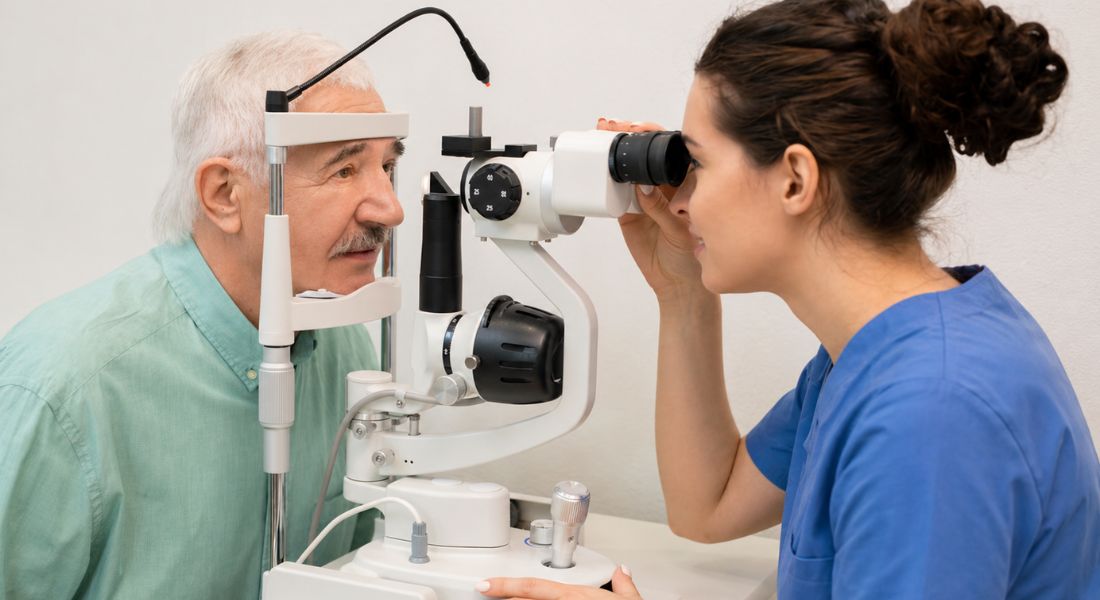
Managing glaucoma well is essential for maintaining both mobility and confidence in everyday life. Regular eye examinations help track how the condition is progressing over time. They also allow your treatment to be adjusted when necessary, which can help protect your vision. When your vision is stable, your movement and balance are more likely to feel stable as well.
Consistent monitoring gives you a clearer understanding of any changes in your eyesight. This makes it easier to respond early rather than waiting for problems to become more noticeable. Early adjustments in care can help reduce the impact on daily activities. It also supports safer and more confident movement in different environments.
If you are considering specialist care, structured glaucoma management services can provide ongoing support and monitoring. This helps ensure your condition is being managed proactively and safely. Staying engaged with regular eye care allows you to make informed decisions and maintain independence for longer.
Can Exercise Help with Balance?
Yes, gentle exercise can be very helpful for improving balance and overall stability. Regular movement supports both physical coordination and confidence in how you move through your environment. It can also help your body adapt more effectively to changes in vision over time. The key is to keep activities safe and manageable for your individual comfort level.
Exercises that are often helpful include walking, light strength training, tai chi, and gentle yoga. These activities encourage coordination between your body and brain, helping you stay more aware of posture and movement. They can also improve strength and flexibility, which supports safer mobility in daily life. Over time, this can make walking and standing feel more controlled.
It is important to choose exercises that suit your current abilities and do not feel overwhelming. Starting slowly and gradually building up is usually the best approach. If needed, guidance from a healthcare professional can help you select appropriate activities. The focus should always be on safety, comfort, and consistency.
When to Seek Additional Support
It’s important to recognise when everyday movement starts to feel less stable or more uncertain. With glaucoma, these changes often develop gradually, so they can be easy to overlook or dismiss at first. I’ve seen that people sometimes adapt quietly by changing their behaviour, such as avoiding certain places or walking more cautiously. While this is understandable, these signs can be useful indicators that extra support or adjustments may improve safety and confidence.
- Frequent Stumbling or Near-Falls: If you notice yourself tripping more often or narrowly avoiding falls, it may suggest changes in visual awareness. Peripheral vision plays a key role in detecting obstacles, and when it is reduced, small hazards can be missed more easily. These incidents are important early signals that your environment or habits may need adjusting.
- Increased Fear or Anxiety While Walking: Feeling uneasy in certain environments, such as busy streets or unfamiliar areas, can indicate reduced confidence in spatial awareness. This often develops gradually and may not always be directly linked to vision at first. However, it can suggest that visual input is no longer as reliable in those situations.
- Difficulty Judging Steps, Curbs or Uneven Ground: Misjudging changes in height or terrain is a common challenge when peripheral vision is affected. This can make everyday navigation feel more uncertain, especially in poorly lit or unfamiliar places. If this becomes more frequent, it may be a sign that additional support or adjustments are needed.
- Avoiding Going Out Alone: A noticeable change in behaviour, such as avoiding independent outings, can reflect reduced confidence in mobility. While caution is natural, ongoing avoidance may indicate that walking feels less safe than before. This is an important sign that support strategies could help restore confidence.
In conclusion, these signs do not necessarily mean something is seriously wrong, but they do highlight areas where support can make a difference. Recognising them early allows for timely adjustments that improve both safety and independence. With the right strategies and guidance, many of these challenges can be managed effectively. Seeking support at the right time helps maintain confidence and reduces the risk of further difficulties over time.
Long-Term Outlook for Mobility With Glaucoma
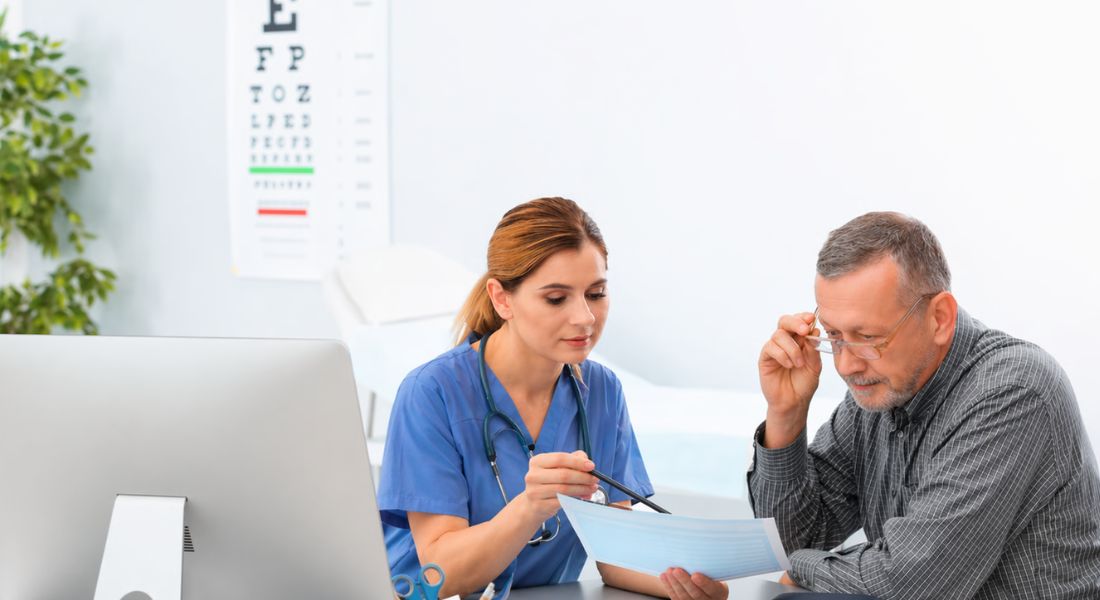
Many people with glaucoma are able to maintain good mobility for many years. The long-term outlook often depends on how early the condition is detected and how well it is managed. When glaucoma is identified early, it is usually easier to slow its progression and protect remaining vision. This can make a significant difference to daily movement and independence.
Consistent treatment and regular eye monitoring are also key factors in maintaining stable mobility. Following your treatment plan carefully helps reduce the risk of sudden changes in vision. At the same time, making small lifestyle adjustments can support safer and more confident movement. These combined steps often help people continue their usual routines for longer.
In most cases, changes in mobility happen gradually rather than suddenly. This slow progression is important because it gives you time to adapt naturally. With awareness and support, you can adjust your habits and environment in a way that helps maintain independence and safety over time.
Living Confidently With Changing Vision
One of the most important things we want to emphasise is this: you can adapt. Even when your vision changes, it does not mean you lose your ability to live independently or confidently. Over time, your brain becomes very good at adjusting to new visual patterns and finding ways to compensate.
With awareness of your condition, the right support, and small practical adjustments in your environment, many people continue to move through daily life with confidence. These changes might include simple modifications at home, work, or in how you plan your day. Together, they can make a meaningful difference in maintaining independence.
It is not about avoiding movement or limiting your life. Instead, it is about learning to move more intelligently and safely within your changing visual world. With the right mindset and strategies, you can continue living actively while adapting to your vision in a steady and confident way.
FAQs:
- Can glaucoma affect your balance and mobility?
Yes, glaucoma can affect balance and mobility because it reduces peripheral vision, which the brain relies on to judge space, movement, and obstacles. This can make walking, especially in unfamiliar or crowded areas, feel less stable or more cautious over time. - Why does glaucoma affect balance?
Balance depends on a combination of vision, inner ear function, and brain processing. When glaucoma reduces visual input especially side vision the brain receives less information about your surroundings, which can slightly affect stability and confidence while moving. - What role does peripheral vision play in balance?
Peripheral vision helps you detect obstacles, judge distances, notice changes in ground level, and stay oriented in space. When this side vision is reduced, it becomes harder to move confidently, especially in complex environments like stairs or crowded areas. - Does glaucoma affect walking ability?
Glaucoma does not usually affect physical walking strength, but it can change how walking feels. People may walk more slowly, look down more often, or become more cautious due to reduced awareness of their surroundings. - Why do stairs become more difficult with glaucoma?
Stairs require accurate depth perception and clear visual cues. With reduced peripheral vision, it becomes harder to judge step edges, height, and spacing, which can make stair use slower and require more concentration. - Can glaucoma increase the risk of falls?
Yes, glaucoma can increase fall risk because obstacles, uneven surfaces, or changes in ground level may be harder to detect. This is especially true in low light, crowded areas, or when attention is divided. - Why is walking in the dark harder with glaucoma?
Low-light conditions already reduce visibility, and glaucoma further limits peripheral vision. Together, these factors make it harder to see obstacles, judge distances, and maintain balance, especially at night or in dim environments. - Does glaucoma affect confidence when walking?
Yes, many people experience reduced confidence in movement over time. This is often due to subtle changes in spatial awareness, which can make unfamiliar or busy environments feel more challenging or overwhelming. - Can exercise help with balance in glaucoma?
Yes, gentle exercise such as walking, yoga, tai chi, or light strength training can improve coordination, stability, and confidence. These activities help the body adapt and maintain better balance in daily life. - How can people with glaucoma improve safety while walking?
Simple adjustments like improving lighting, keeping walkways clear, using handrails, wearing supportive footwear, and walking more slowly can significantly improve safety and reduce the risk of trips or falls.
Final Thoughts: Moving Confidently With Glaucoma
Glaucoma can subtly affect balance and mobility because vision plays such an important role in how we move through the world. When peripheral vision is reduced, your brain has fewer visual cues to guide steps, judge distance, and detect obstacles. This does not mean you lose your ability to walk or move independently, but it does mean you may need to be more mindful in certain environments, especially in low light or busy areas.
The encouraging part is that most people are able to adapt well over time. Simple changes such as improving lighting, moving more deliberately, keeping walkways clear, and using support when needed can make a noticeable difference in safety and confidence. Regular eye care and early management also play a key role in maintaining long-term stability and independence. If you’re exploring whether glaucoma treatment in London could benefit you, get in touch with us at Eye Clinic London to schedule your consultation.
References:
- Almidani, L., Vargas, J.G., Yuan, Z., Banerjee, S., Chen, X., Diaz, M., Miller, R., Mihailovic, A. and Ramulu, P.Y., 2025. Gait metrics in elderly fallers and non-fallers with varying levels of glaucoma: a longitudinal prospective cohort study. Sensors, 25(12), p.3712. Available at: https://www.mdpi.com/1424-8220/25/12/3712
- Turano, K.A., Rubin, G.S. and Quigley, H.A., 1999. Mobility performance in glaucoma. Investigative Ophthalmology & Visual Science, 40(12), pp.2803–2809. Available at: https://pubmed.ncbi.nlm.nih.gov/10549639/
- De Luna, R.A., Mihailovic, A., Nguyen, A.M. and Friedman, D.S., 2017. The association of glaucomatous visual field loss and balance. Translational Vision Science & Technology, 6(3), p.8. Available at: https://pmc.ncbi.nlm.nih.gov/articles/PMC5444495/
- da Silva, A.G., Magalhães, F.H., da Silva, R.A. and Moraes, R., 2018. Gait parameters, functional mobility and fall risk in individuals with early to moderate primary open-angle glaucoma: a cross-sectional study. Brazilian Journal of Physical Therapy, 22(5), pp.376–382. Available at: https://www.sciencedirect.com/science/article/abs/pii/S1413355517302149
- Ramulu, P.Y., van Landingham, S.W., Massof, R.W., Chan, E.S. and Ferrucci, L., 2020. Falls in Glaucoma Study (FIGS): relationships between visual field loss, mobility, and falls. Innovation in Aging, 4(Suppl 1), pp.769–770. Available at: https://academic.oup.com/innovateage/article/4/Supplement_1/769/6037727