


Can You Drive at Night With Glaucoma?
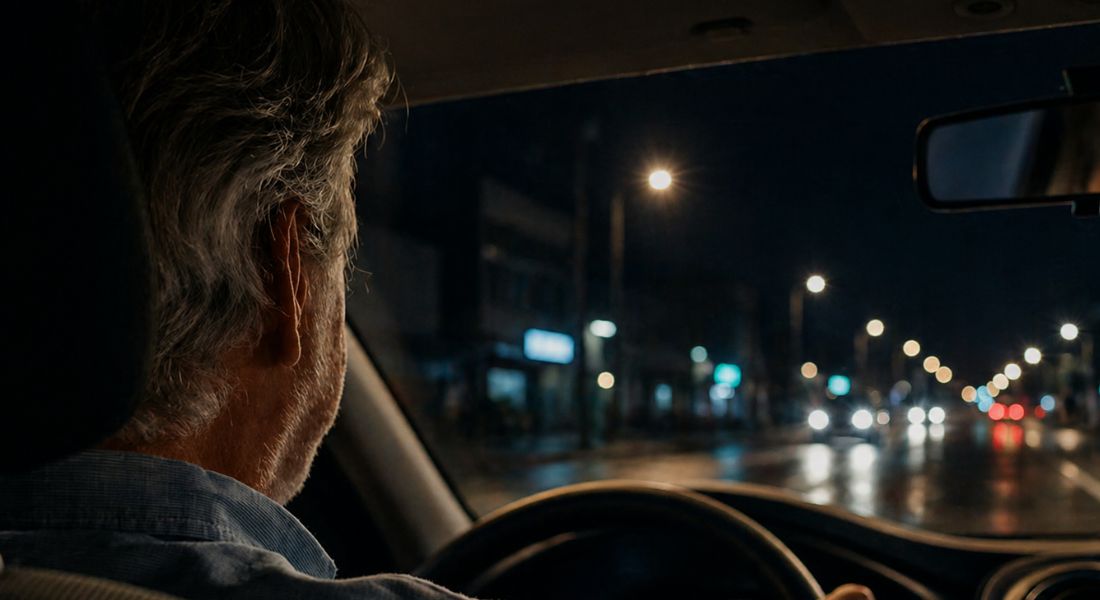
I often get asked a very practical and slightly worrying question: can you still drive at night if you have glaucoma? This is a completely reasonable concern the moment you understand how glaucoma can affect your vision. Night driving already requires more focus and caution compared to driving during the day. So when your eyesight is affected, it is natural to question what is safe.
Driving at night can feel more challenging even for people with normal vision. There is less light, more glare from headlights, and reduced contrast on the road. This means your eyes need to work harder to pick up details such as pedestrians, road signs, and obstacles. It becomes even more important to be aware of how well you can see in these conditions.
If you are living with glaucoma, your visual field may be affected over time. This can make it harder to notice things in your peripheral vision, which is very important when driving. You might not always realise these changes immediately, as they can develop gradually. That is why regular eye checks are essential to understand how your vision is performing.
I want to explain this in a calm and practical way so you can make informed decisions about your safety and independence. Many people with early or well-managed glaucoma continue to drive, sometimes with adjustments. However, as the condition progresses, night driving may become more difficult or less safe. The key is to monitor your vision carefully and follow professional advice to stay safe on the road.
Understanding Why Night Driving Feels Harder With Glaucoma
Before focusing specifically on driving, it helps to understand which changes in your vision are most relevant here. Glaucoma mainly affects the optic nerve, and over time it gradually reduces your peripheral vision. This means your side vision can become narrower, often without you noticing it straight away. Because the change is slow, many people adapt without realising what is happening.
When you drive at night, your visual system is already working under more difficult conditions. There is less natural light, which makes it harder to see clearly in the distance and at the edges of your vision. At the same time, glare from headlights and streetlights can reduce clarity even further. The contrast between objects also becomes weaker, making it harder to judge what you are seeing.
Because of this combination of factors, even small changes in vision can feel more noticeable at night. Situations that once felt routine may require more concentration and awareness. This does not necessarily mean you cannot drive, but it does mean your visual system is under greater pressure. Understanding this helps explain why night driving can feel more challenging with glaucoma.
Why Night Driving Is Naturally More Difficult
Even for people without any eye conditions, night driving is already more challenging than daytime driving. This is because the human eye is not naturally designed to function at its best in low-light environments. As a result, you depend much more on artificial light sources to guide your vision. Headlights, street lighting, and reflections all become essential for seeing clearly.
At night, your depth perception also becomes less accurate. It is harder to judge distances between vehicles, pedestrians, and objects on the road. This can make decision-making more demanding and require extra concentration. In addition, glare from oncoming headlights can temporarily reduce your ability to see clearly.
Objects on the road can also become harder to distinguish, especially when contrast is low. When glaucoma is present, it does not create these difficulties from scratch. Instead, it can amplify challenges that already exist in night driving conditions. This is why even small changes in vision may feel more significant when driving in the dark.
How Glaucoma Specifically Affects Night Driving
Night driving can become more challenging for some people living with glaucoma, even when daytime vision feels relatively unaffected. This is because low-light conditions place extra demand on the visual system, especially on peripheral vision and recovery from bright lights. I’ve seen that these changes often develop gradually, which can make them easy to overlook at first. Understanding the specific ways glaucoma affects night driving helps you recognise potential risks early and adjust your habits more safely.
- Reduced Peripheral Vision and Awareness: Peripheral vision plays a crucial role in safe driving, especially at night when visibility is already limited. It helps you notice pedestrians, cyclists, vehicles, and road signs that appear outside your direct line of sight. With glaucoma, these side areas of vision can become less reliable, which may delay how quickly you detect hazards. This doesn’t remove your ability to see entirely, but it can reduce reaction time in important moments.
- Increased Sensitivity to Glare: Many people with glaucoma notice that bright lights, particularly oncoming headlights, become more uncomfortable. This glare can temporarily obscure vision and make it harder to focus on the road ahead. Even after the light passes, it may take longer for your vision to recover and stabilise. Over time, this can make night driving feel more tiring and mentally demanding.
- Slower Adaptation to Low Light Conditions: Your eyes naturally adjust when moving between different lighting environments, but glaucoma can slow this process. This becomes noticeable when entering tunnels, driving through poorly lit roads, or moving between well-lit and dark areas. These brief delays in adjustment can affect confidence and make driving feel less predictable. As a result, you may need to rely more on caution and anticipation while driving at night.
In conclusion, glaucoma can affect night driving in several subtle but important ways. Reduced peripheral vision, increased glare sensitivity, and slower adaptation to darkness all contribute to changes in how safe and comfortable driving feels. These effects do not necessarily mean driving must stop immediately, but they do require careful awareness. By recognising these challenges early, you can make safer, more informed decisions about when and how to drive at night.
Early-Stage Glaucoma and Night Driving
If your glaucoma is still in the early stages, you may not notice any major changes in your night driving at all. In fact, many people continue to drive at night without significant difficulty at this point. Because the condition is still developing, its effects can be very subtle. This often means daily activities feel largely unchanged.
Your central vision is usually still strong in the early stages. This is important because it allows you to read road signs clearly and keep your focus on the road ahead. As a result, most core driving tasks remain manageable. This is one of the reasons why changes are not always immediately obvious.
However, you may begin to notice small, subtle differences over time. You might feel slightly less comfortable when driving in very dark or poorly lit areas. Glare from headlights or streetlights may also start to bother you more than it used to. These changes tend to happen gradually, so it is easy to adapt without realising it at first.
Moderate Glaucoma: When Awareness Becomes Important
As glaucoma progresses into the moderate stage, the impact on driving can become more noticeable in everyday situations. These changes often develop gradually, so you may not see a sudden shift. Instead, it can feel like driving requires a bit more effort and attention than before. This is often when awareness becomes especially important.
You might notice yourself turning your head more frequently to check your surroundings. Situations such as busy traffic or poorly lit roads may start to feel less comfortable than they used to. Some people also find they begin to avoid night driving without fully planning to do so. These are often subtle signs of changing confidence and visual comfort.
At this stage, it is not automatically unsafe to drive, but it does require more careful self-awareness. Being honest with yourself about how you feel behind the wheel is very important. If you start to feel uneasy or less confident, that feeling should not be ignored. It is a useful signal to reassess your driving comfort and consider whether adjustments or further advice are needed.
Advanced Glaucoma and Driving Considerations
In the more advanced stages of glaucoma, loss of peripheral vision can become significant. This change can have a direct impact on driving safety, particularly in low-light or night-time conditions. As your side vision narrows, it becomes harder to maintain full awareness of what is happening around your vehicle. This can make driving more demanding and potentially more risky.
Detecting hazards from the side can become increasingly difficult. This includes other vehicles, pedestrians, cyclists, or objects approaching from angles outside your direct line of sight. Judging distance and movement may also be affected, which can make decision-making while driving less accurate. These challenges can develop gradually but become more important over time.
At this stage, driving may no longer meet legal or safety standards in some regions, depending on vision requirements. This is why regular eye assessments are essential for anyone living with glaucoma. They help monitor changes in vision and determine whether it remains safe for you to continue driving. Staying informed allows you to make responsible and timely decisions about your safety and that of others.
Why Night Driving Is the First Thing People Notice
One of the most common early observations I’ve seen with glaucoma is that night driving becomes difficult before daytime vision feels noticeably affected. This often surprises people because their vision may still seem “normal” during the day. However, low-light conditions place extra stress on the visual system, which can reveal subtle changes earlier. As a result, night driving can feel slightly different in ways that are hard to immediately explain.
- Reduced Visual Clarity in Low Light: In darker conditions, the eye naturally has less light to work with, which reduces overall sharpness. When glaucoma is present, this reduction in clarity can become more noticeable. Small gaps in vision that are not obvious during the day may stand out more at night.
- Glare Becomes More Disruptive: Headlights and streetlights can create stronger glare effects in people with glaucoma. This is because the eye may take longer to adjust after being exposed to bright light. Even brief flashes can temporarily affect comfort and visibility while driving.
- Greater Reliance on Peripheral Vision: At night, drivers depend more on peripheral vision to detect movement and hazards in low visibility conditions. Since glaucoma often affects side vision first, this reliance can make changes more noticeable. It may feel like you are working harder to stay aware of your surroundings.
- Subtle Changes Feel More Noticeable at Night: Even small vision changes that go unnoticed during the day can become clearer in the dark. This is why night driving often feels “off” or less confident, even when daytime driving remains unaffected. The difference may be subtle, but it is often one of the earliest signs people report.
In conclusion, night driving is often where the earliest functional effects of glaucoma become noticeable. Reduced clarity, increased glare, and greater reliance on peripheral vision all contribute to this experience. While daytime vision may still feel stable, low-light conditions can reveal small but important changes. Recognising this early can help you take appropriate steps to stay safe and confident while driving.
Practical Ways to Improve Night Driving Safety
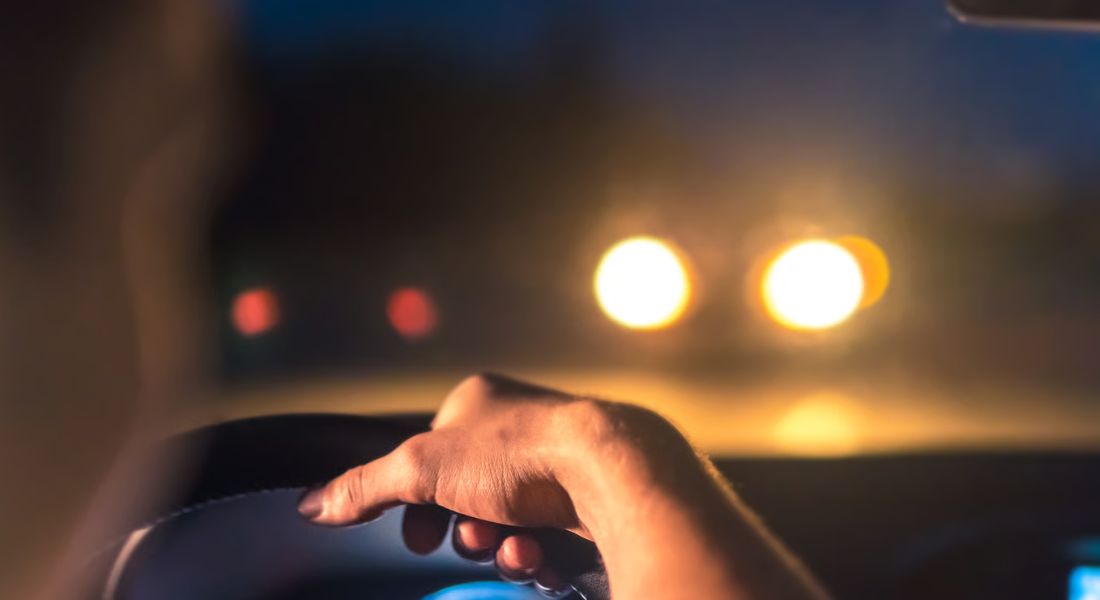
Night driving can feel more demanding when vision changes begin to affect glare, contrast, and peripheral awareness. The good news is that there are several simple, practical adjustments that can significantly improve safety and comfort. I’ve seen that even small changes in driving habits and vehicle setup can make a noticeable difference. The goal is to reduce visual strain and support clearer, more confident driving at night.
- Keep Your Windshield and Lights Clean: A clean windshield plays a much bigger role in night driving than most people realise. Dirt, smudges, and dust can scatter light and increase glare from oncoming headlights. Keeping headlights and mirrors clean also improves brightness and overall road visibility, making it easier to see clearly in low-light conditions.
- Reduce Dashboard Brightness: A bright dashboard can make it harder for your eyes to adjust to darkness outside the vehicle. When the interior is too illuminated, it reduces contrast and can strain your vision. Lowering dashboard brightness helps your eyes stay better adapted to the road ahead.
- Use Anti-Glare Glasses if Recommended: Some people find that specially designed lenses help reduce discomfort from headlights and streetlights. These glasses can minimise glare and improve visual comfort during night driving. However, they should only be used after proper professional advice to ensure they are suitable for your specific needs.
- Avoid Looking Directly at Oncoming Headlights: Direct exposure to bright headlights can temporarily disrupt vision and increase discomfort. Instead, it can help to focus slightly toward the edge of your lane while still maintaining awareness of the road. This reduces the impact of glare while keeping you oriented safely.
- Plan Routes Carefully: Whenever possible, choosing well-lit and familiar routes can improve confidence and safety. Poorly lit or unfamiliar roads can make visual challenges more noticeable at night. Planning ahead reduces stress and allows for a more controlled driving experience.
In conclusion, improving night driving safety often comes down to small but effective adjustments. From cleaning your vehicle and managing brightness levels to planning safer routes, each step helps reduce visual strain. These strategies don’t replace medical advice but can support more comfortable driving in everyday situations. With the right precautions, many people are able to continue driving more safely and confidently at night.
Signs You Should Pay Attention To
There are certain warning signs that may suggest night driving is becoming more difficult for you. These changes are often gradual, so it is important to notice patterns rather than isolated moments. Being aware of them early can help you make safer decisions. It also allows you to seek advice before problems become more serious.
You might find that you begin avoiding driving at night without consciously planning to do so. Headlights from oncoming traffic may feel overwhelming, or it may take longer for your vision to recover after being exposed to bright light. You could also feel less certain about objects appearing at the edges of your vision. In some cases, you may start relying more heavily on the behaviour of other drivers to guide your own decisions.
You might also notice that you feel more tense or fatigued during night journeys than you used to. If you recognise these patterns, it does not automatically mean you must stop driving. However, it does mean it is time to reassess your vision and overall driving safety. Taking these signs seriously can help you stay safe and make informed choices.
The Role of Regular Eye Monitoring
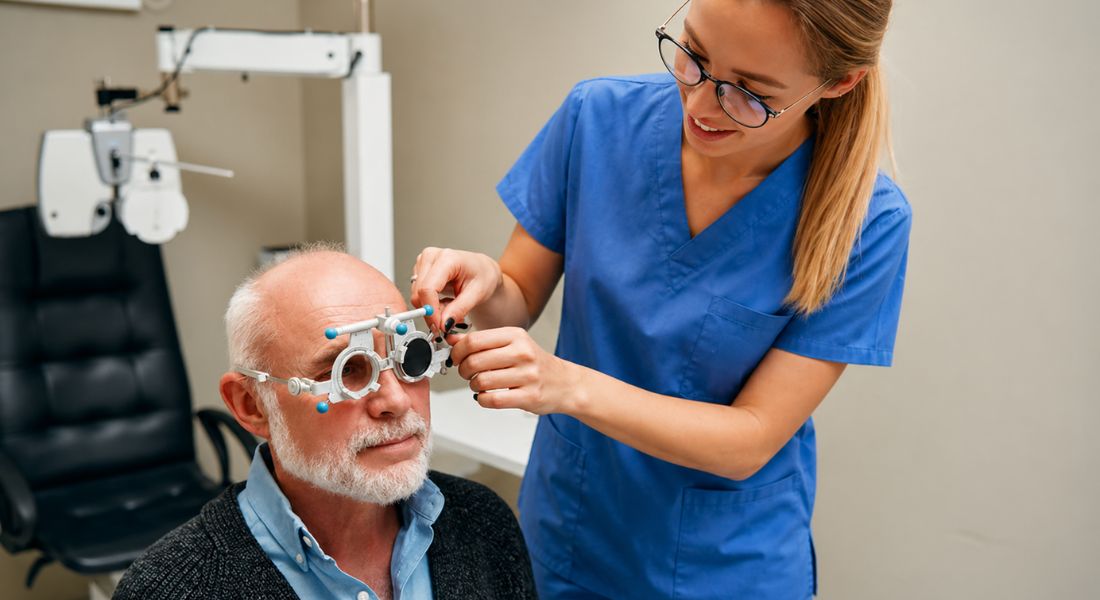
One of the most important things you can do is stay consistent with your eye health monitoring. Glaucoma is a progressive condition, but it does not progress in the same way for everyone. Some people experience very slow changes, while others may notice differences over a shorter period. Because of this variation, regular check-ups are essential.
Ongoing monitoring helps detect changes in your vision early. This means your treatment plan can be reviewed and adjusted when necessary to better protect your sight. It also gives you a clearer understanding of how your condition is developing over time. With this information, you can make more informed decisions about daily activities, including driving safety.
If you are exploring specialist care, it can be helpful to understand the available treatment options within a structured eye care setting. This can support a more proactive approach to managing your condition. Staying engaged with regular care ensures you are not dealing with changes alone and helps you remain supported throughout your journey.
Emotional Impact of Driving Changes
I want to acknowledge something that is often overlooked in discussions like this. Driving is not just a way to get from one place to another. For many people, it represents independence, freedom, and personal confidence. It is closely tied to daily life and a sense of control.
Because of this, any changes in your ability to drive can feel emotionally significant. You might feel frustrated, unsettled, or even anxious about the possibility of losing independence. These reactions are completely natural and understandable. They are an important part of how you process change.
However, it is important to remember that adapting does not mean losing control of your life. Instead, it means making thoughtful adjustments to protect both yourself and others on the road. With time, support, and the right guidance, many people find new ways to maintain independence and confidence in different forms.
Should You Stop Driving at Night?
There is no single answer that applies to everyone in this situation. Whether you should stop driving at night depends on several factors, including the stage of your glaucoma, your latest vision assessments, and how confident and comfortable you feel behind the wheel. Because every case is different, decisions need to be personalised rather than generalised.
Some people choose to stop night driving early as a precaution, even before significant changes occur. Others continue driving at night for many years by making adjustments and monitoring their vision closely. Both approaches can be valid depending on individual circumstances and risk levels. The most important factor is staying aware of how your vision is affecting your driving.
What matters most is not ignoring any discomfort or changes you notice. If night driving starts to feel unsafe, uncertain, or overly stressful, it is important to take those feelings seriously. In such cases, discussing your concerns with your eye specialist can help you make a safe and informed decision.
Balancing Independence and Safety
This is often the central challenge when it comes to driving with glaucoma. You naturally want to maintain your independence and continue doing the things you are used to. At the same time, you also need to prioritise your safety and the safety of others on the road. These two goals may feel like they are in tension, but in reality, they can work together.
Reducing or avoiding night driving can sometimes be a temporary adjustment while you adapt or monitor changes in your vision. For others, it may become a longer-term change depending on how the condition progresses. There is no single fixed path that applies to everyone, and decisions can evolve over time.
The key aim is to maintain your quality of life while also protecting your vision and overall safety. With the right guidance and regular eye assessments, you can make balanced decisions that support both independence and wellbeing.
Alternatives to Night Driving
If night driving becomes difficult or less comfortable, there are several practical alternatives that can help you maintain your independence. These options are often simple to adopt and can reduce stress while still allowing you to get where you need to go. The aim is to support your mobility without compromising safety.
You may consider using public transport for certain journeys, especially when travelling in the evening or at night. Ride-sharing services can also be a convenient option when you prefer not to drive yourself. Planning your travel during daylight hours, when visibility is better, can make journeys easier and more comfortable.
Carpooling with friends, family, or colleagues is another useful alternative that many people find helpful. These adjustments can allow you to stay active and independent while avoiding situations that feel more challenging. With a bit of planning, you can still manage your daily routine safely and effectively.
Long-Term Outlook for Drivers With Glaucoma
Many people with glaucoma are able to continue driving for years after diagnosis, especially when the condition is detected early and managed consistently. I’ve seen that the long-term outlook is often more positive than people initially expect. The key is not just the diagnosis itself, but how well the condition is monitored and controlled over time. With the right approach, driving can often remain a safe and manageable part of daily life.
- Regular Monitoring of Vision: Ongoing eye examinations are essential for tracking any changes in vision. These check-ups help detect progression early, allowing treatment to be adjusted when needed. Regular monitoring plays a major role in maintaining long-term driving ability.
- Sticking to Treatment Plans: Consistent use of prescribed treatments helps slow the progression of glaucoma. When eye pressure is well controlled, vision can often be preserved for much longer. This stability is important for maintaining safe driving over time.
- Honest Self-Assessment of Driving Ability: Being aware of how your vision feels in real driving situations is crucial. If you notice difficulties with glare, night driving, or peripheral awareness, it’s important to acknowledge them early. Honest self-assessment helps prevent unsafe situations before they develop.
- Safe and Adapted Driving Habits: Small changes in driving behaviour can make a big difference in safety. This may include avoiding night driving when difficult, choosing familiar routes, or allowing extra time for journeys. These adjustments help maintain independence while reducing risk.
In conclusion, the long-term outlook for drivers with glaucoma is often encouraging when the condition is well managed. With regular monitoring, proper treatment, self-awareness, and safe driving habits, many people continue to drive safely for years. The key is staying proactive and adapting gradually as needed. By doing so, driving can remain a confident and controlled part of everyday life.
FAQs:
- Can you drive at night if you have glaucoma?
Yes, many people with glaucoma can continue driving at night, especially in the early or well-managed stages of the condition. However, it depends on how much your peripheral vision and overall visual field are affected. Night driving requires good contrast sensitivity, quick reaction to hazards, and strong peripheral awareness. If these begin to decline, you may need to limit or adjust night driving for safety. Regular eye exams are essential to assess whether it is still safe for you to drive at night. - Why is night driving harder with glaucoma?
Night driving becomes more difficult because glaucoma gradually reduces peripheral vision, which is essential for detecting movement and hazards in low-light conditions. At night, the visual system already struggles due to reduced lighting and glare from headlights. When glaucoma is present, these challenges become more noticeable because your eyes have less visual “buffer” to compensate. This combination can make driving feel more demanding, even if your central vision still appears clear. - Is it safe to drive at night in the early stages of glaucoma?
In most early-stage cases, night driving is still considered safe because central vision is usually unaffected. This means you can still read signs, focus on the road ahead, and respond to traffic. However, subtle issues like increased glare sensitivity or slightly reduced confidence in dark conditions may start to appear. These changes are often gradual, so many people continue driving without realising small differences. Ongoing monitoring is important to ensure safety as the condition develops. - How does glaucoma affect peripheral vision while driving?
Glaucoma damages the optic nerve over time, leading to a gradual narrowing of peripheral vision. While driving, this side vision is crucial for spotting pedestrians, cyclists, vehicles approaching from angles, and unexpected obstacles. As peripheral vision reduces, you may not notice these hazards as quickly as before. This can affect reaction time and overall awareness on the road, particularly in busy or complex driving environments such as intersections or roundabouts. - Why does glare feel worse when driving at night with glaucoma?
Glare becomes more uncomfortable because the eye takes longer to adjust after exposure to bright lights such as headlights or street lamps. In glaucoma, this adaptation process may be slower or less efficient. As a result, bright lights can temporarily reduce visibility and create a “washed out” effect in your vision. Even after the light passes, it may take longer for your vision to return to normal clarity, which can make night driving more tiring and less comfortable. - When should I stop driving at night with glaucoma?
There is no universal rule for everyone, as it depends on your individual vision and level of comfort. You should consider reducing or stopping night driving if you start feeling unsafe, anxious, or less confident behind the wheel. Clinical advice from your eye specialist is also very important, especially if visual field tests show significant loss. The key is not to wait for a serious incident but to act early if you notice consistent difficulties. - What are warning signs that night driving is becoming unsafe?
Warning signs may include avoiding night driving without planning to, struggling with glare from headlights, feeling uncertain about judging distances, or needing more time to react to road situations. You may also notice increased fatigue or stress during night journeys. Another important sign is relying more on guesswork or other drivers’ behaviour rather than clearly seeing the road yourself. These patterns suggest it may be time to reassess your driving safety. - Can anything help improve night driving safety with glaucoma?
Yes, several practical steps can improve safety and comfort. Keeping your windshield, mirrors, and headlights clean helps reduce glare and improves visibility. Lowering dashboard brightness helps your eyes adjust better to darkness outside the car. Planning well-lit and familiar routes can also reduce stress. In some cases, professionally recommended anti-glare lenses may help, but these should only be used under specialist advice. Small adjustments together can make a meaningful difference. - Does glaucoma affect daytime and night driving equally?
No, night driving is usually affected earlier and more noticeably than daytime driving. During the day, stronger light and better contrast help compensate for early vision changes. At night, however, reduced lighting and glare make it harder for the visual system to function efficiently. This is why many people first notice difficulties while driving in the dark, even when daytime driving still feels normal. - Will I eventually lose the ability to drive if you have glaucoma?
Not necessarily. Many people with glaucoma continue driving safely for many years, particularly with early diagnosis and proper treatment. The progression of the disease varies widely between individuals. Regular eye monitoring, treatment to control eye pressure, and honest self-assessment of driving ability all play a major role in long-term safety. Even if driving becomes more difficult later on, adjustments and alternative transport options can help maintain independence.
Final Thoughts: Staying Safe and Confident With Night Driving
Night driving with glaucoma is not always straightforward, but it is also not something that automatically stops you from getting behind the wheel. What I’ve seen is that the experience varies widely from person to person, depending on how advanced the condition is and how well it is being managed. In the early stages, many people continue driving with only subtle changes, while in later stages, adjustments or limitations may become necessary for safety.
The most important thing is to stay aware of how your vision is changing and how that affects your confidence on the road. Regular eye tests, honest self-assessment, and small practical adjustments can all help you make safer decisions. If night driving starts to feel uncomfortable or uncertain, it is always better to reassess early rather than ignore the signs. If you’re exploring whether glaucoma treatment in London could benefit you, get in touch with us at Eye Clinic London to schedule your consultation.
References:
- Kwon, M., Liu, R., Patel, B.N. and Girkin, C. (2017) Slow reading in glaucoma: Is it due to the shrinking visual span in central vision?, Investigative Ophthalmology & Visual Science, 58(13), pp. 5810–5818. Available at: https://pubmed.ncbi.nlm.nih.gov/29131903/
- Alnawaiseh, M. et al. (2023) Reading vision impairment in glaucoma under different lighting conditions, Investigative Ophthalmology & Visual Science (PMC version). Available at: https://pmc.ncbi.nlm.nih.gov/articles/PMC10756241/
- Ikeda, M.C. et al. (2021) Interventions to improve reading performance in glaucoma, Ophthalmology Glaucoma. Available at: https://pubmed.ncbi.nlm.nih.gov/33813064/
- Vuković, A., Rukavina, D., Pavičić, A.S., Babić, J., Lovrić, D., Čulina, T. and Mandić, Z. (2022) Investigation of biomedical students’ knowledge on glaucoma reveals a need for education: A cross-sectional study, Healthcare, 10(7), p. 1241. Available at: https://www.mdpi.com/2227-9032/10/7/1241
- Lee, D.A. and Higginbotham, E.J. (2005) Glaucoma and its treatment: A review, American Journal of Health-System Pharmacy, 62(7), pp. 691–699. Available at: https://academic.oup.com/ajhp/article-abstract/62/7/691/5134357