


Can Cataracts Cause Headaches or Eye Strain?

When I talk to people about changes in vision, one of the most common concerns I hear is surprisingly simple: “Why am I getting more headaches or eye strain lately?” Many people notice this slowly over time, and it can feel a bit confusing or even worrying at first. Often, they’ve already been diagnosed with cataracts, or they suspect that something is affecting their eyesight. This is usually when they start looking for clear answers about what is going on.
So in this article, I’m going to walk you through a simple and practical explanation of whether cataracts can cause headaches or eye strain. You’ll understand how these symptoms can develop in your visual system in a way that is easy to follow. I’ll also help you understand the main reasons behind these discomforts. The goal is to connect what you feel with what may be happening inside your eyes.
It’s important to understand that cataracts can affect how clearly you see, which may make your eyes work harder than normal. When your vision becomes blurry or cloudy, your brain and eyes try to compensate to keep things in focus. This extra effort can sometimes lead to tired eyes or headaches, especially when reading or using screens for long periods. You may notice the symptoms becoming worse in bright light or at the end of the day.
I’ll keep things straightforward and conversational so you can easily relate your symptoms to possible causes. You don’t need any medical background to understand this, as everything is explained in a simple way. The aim is to help you recognise when your symptoms might need a proper eye examination.
Understanding Cataracts in Simple Terms
Before linking cataracts with headaches or eye strain, it helps to clearly understand what a cataract actually is. You need this basic foundation so everything else makes sense. A cataract is a clouding of the eye’s natural lens, which affects how you see. This usually develops slowly over time.
This lens sits behind the coloured part of your eye and helps focus light onto the retina so you can see clearly. When the lens is clear, light passes through easily and your vision remains sharp. When it becomes cloudy, this process is disrupted and your vision starts to change.
As the lens becomes cloudier, light scatters instead of passing through properly. This leads to symptoms such as blurred vision, dull colours, glare sensitivity, and difficulty focusing. Over time, your eyes may work harder to compensate for these changes, which can contribute to discomfort.
So, Can Cataracts Cause Headaches?

The short answer is yes, cataracts can contribute to headaches, but usually in an indirect way. Cataracts do not normally cause direct pain in the eye itself. Instead, they affect how clearly you see, which means your visual system has to work harder than usual. Over time, this extra effort can start to feel tiring.
When your vision becomes blurry or cloudy, your brain has to work harder to interpret what you are looking at. It is constantly trying to adjust and make sense of unclear images. This ongoing effort creates visual strain, especially during activities that require focus like reading or screen use.
As a result, you may develop tension-type headaches after long periods of visual effort. These often feel like a dull pressure around the forehead or behind the eyes. It is your visual system reacting to the extra strain placed on it by reduced clarity.
How Cataracts Lead to Eye Strain
Eye strain is a very common symptom seen in people with cataracts, particularly during the early to moderate stages of the condition. As the eye’s natural lens becomes cloudy, vision gradually loses clarity and sharpness. In response, the visual system tries to compensate in different ways to maintain focus. Over time, this constant effort can make the eyes feel tired and strained.
- Increased Squinting: When vision becomes unclear due to cataracts, squinting is often the first natural response. This helps temporarily reduce light scatter and slightly improve focus. However, frequent squinting puts extra stress on the eye muscles around the eyelids and forehead. Over time, this repeated effort can contribute significantly to eye fatigue.
- Moving Closer to Objects: People with cataracts often find themselves moving closer to screens, books, or other objects to see them more clearly. This is a compensatory behaviour that helps reduce the blur caused by the cloudy lens. However, constantly adjusting distance forces the eyes to work harder to maintain focus. This repeated focusing effort can quickly lead to strain and discomfort.
- Excessive Blinking and Focusing Effort: Cataracts can also cause individuals to blink more often in an unconscious attempt to “reset” their vision. Blinking temporarily refreshes the tear film, but it does not correct the underlying cloudiness. Alongside this, the eyes and brain continuously try to sharpen unclear images. This ongoing effort increases neurological workload and contributes to visual fatigue.
- Muscle Tension Around the Eyes: Another common response to blurred vision is subtle tension in the muscles around the eyes and forehead. People often do not realise they are tightening these muscles while trying to see more clearly. This constant low-level tension builds up over time. Eventually, it results in the familiar feeling of eye strain and heaviness.
Cataracts do not directly cause pain inside the eye, but they significantly increase the effort required for clear vision. This extra workload affects both the eye muscles and the brain’s visual processing system. As a result, symptoms like tiredness, heaviness, and strain become more noticeable over time. Understanding these mechanisms helps explain why managing cataracts can improve overall visual comfort.
Why Your Brain Works Harder With Cataracts
One important thing to understand is that vision is not just an eye function, but also a brain function. You are not only seeing with your eyes, as your brain is constantly involved in processing what you look at. When cataracts start to affect your vision, this process becomes less efficient and more demanding. As a result, your visual system has to work harder than normal.
When cataracts blur the light entering your eye, your brain receives less clear and less precise information. Instead of a sharp and detailed image, it gets scattered and slightly distorted signals. To deal with this, your brain automatically tries to compensate by enhancing contrast, sharpening edges, filtering scattered light, and reconstructing missing visual details. This all happens without you noticing it.
However, this constant compensation requires ongoing effort from your visual system. Over time, that effort leads to fatigue, just like any part of the body that is overused. You may not realise it at first, but your eyes and brain are continuously working harder just to maintain clear vision.
This fatigue can show up in different ways in your daily life. You may experience headaches, especially around the forehead or temples, or notice that your eyes feel tired or strained. You might also struggle to focus for long periods, and feel that your vision is “not quite right” even when you are wearing glasses. These signs often become more noticeable as the day goes on.
The Link Between Squinting and Headaches
Squinting is one of the most common unconscious responses in people with cataracts and other vision problems. It happens as the eyes attempt to cope with reduced clarity and increased light scattering. While it may offer brief visual improvement, it also places extra strain on surrounding facial muscles. Over time, this repeated effort can contribute to discomfort beyond just the eyes
- Temporary Visual Improvement with Muscle Strain: When you squint, the opening of the eyelids becomes smaller, which reduces scattered light entering the eye. This can make objects appear slightly sharper for a short moment. However, this benefit comes at the cost of tightening the muscles around the eyes and forehead. Continuous tightening leads to ongoing muscular stress.
- Constant Muscle Tension from Repeated Squinting: If squinting happens frequently throughout the day, the facial muscles remain in a semi-contracted state. This prevents them from fully relaxing and recovering. The longer this pattern continues, the more tension builds up in the surrounding areas. Eventually, this creates a feeling of heaviness and fatigue.
- Development of Headaches and Facial Discomfort: Persistent muscle tension from squinting can lead to tension-type headaches. Many people also experience forehead tightness and aching around the eyes. In some cases, the strain can even extend to the neck and upper shoulders. These symptoms often worsen with prolonged reading, screen use, or bright environments.
- Misinterpreting the Source of Pain: This type of discomfort is often mistaken for sinus pressure or general fatigue. In reality, the underlying cause is frequently visual strain caused by poor image clarity. The eyes and brain are working harder to compensate for reduced vision quality. This continuous effort is what ultimately triggers the headache response.
Squinting may seem like a harmless reflex, but when it becomes frequent, it can contribute significantly to muscle tension and headaches. In cataract-related vision changes, this behaviour is especially common due to blurred and scattered vision. The resulting strain often affects not just the eyes, but also the forehead, face, and neck. Recognising this connection is important for understanding how visual problems can influence overall comfort and wellbeing.
Why Cataract-Related Headaches Often Go Unnoticed
One of the main challenges with cataracts is that the changes happen very gradually. Because your vision declines slowly over time, your brain adapts to these changes without you really noticing. You may still feel that you are seeing “well enough,” even though your eyes are working harder than before. This slow progression is what makes the condition easy to overlook in daily life.
Because of this gradual change, you may not immediately connect your headaches with your eyesight. The discomfort builds up slowly, so it does not always feel directly linked to your vision. Instead, it can seem like a general issue rather than something related to your eyes. This often delays people from considering an eye check.
As a result, people often assume their headaches are caused by other common factors. They may think they are simply tired, dehydrated, stressed, or spending too long on screens. While all of these can definitely contribute to headaches, cataracts may also be an underlying factor that quietly increases visual effort over time. This extra strain can go unnoticed for quite a while.
Eye Strain vs General Headaches: How to Tell the Difference
Not every headache is caused by a vision problem, as there are many other common triggers like stress, dehydration, tiredness, or long screen time. However, when cataracts are involved, there are often specific patterns that suggest your eyes may be contributing. Paying attention to when and how your headaches occur can help you understand the cause more clearly.
You may be dealing with cataract-related eye strain if your headaches usually appear after reading, screen use, or other close-up visual tasks. These activities force your eyes to work harder when vision is not clear, which increases strain over time. You might also notice that your vision feels foggy or dim at the same time as the discomfort.
Another important sign is that symptoms may improve when you close your eyes or take breaks from visual activity. Bright lights may also make the discomfort worse, and you might find yourself adjusting your glasses more often than usual. If these patterns sound familiar, your eyes could be playing a significant role in your headaches.
Cataracts and Light Sensitivity
Another major contributor to discomfort is glare sensitivity. When you have cataracts, the cloudy lens in your eye causes incoming light to scatter instead of focusing properly. This becomes especially noticeable in bright sunlight or at night when lights appear more intense than usual. You may start to see halos, starbursts, or a washed-out effect around light sources.
When your eyes are constantly reacting to this glare, they have to work harder to adjust exposure and maintain focus. Instead of processing light smoothly, your visual system keeps trying to correct the distorted input. This repeated adjustment increases the overall effort required from your eyes and brain.
Over time, this constant strain can tire the visual system and lead to squinting, frequent blinking, and even headaches in some individuals. Many people notice it most when driving at night or stepping outside on a bright sunny day, where changes in light are more dramatic.
When Eye Strain Becomes More Noticeable
As cataracts progress, you may notice that your symptoms become more consistent and harder to ignore. What may have started as occasional discomfort can gradually turn into daily eye fatigue. This happens because your eyes are continuously working harder to compensate for reduced clarity.
Over time, you may experience frequent headaches after visual tasks, especially after reading, screen use, or close-up work. Reading small print can also become more difficult, and you might find that you need brighter light than before to see things clearly. These changes often build up slowly, so you may not notice them at first.
At this stage, your visual processing may feel slower, and focusing can take more effort than it used to. The strain is no longer occasional it becomes part of your daily visual experience. This is often when people start to realise that something more significant is affecting their eyesight.
Other Conditions That Can Mimic Cataract-Related Headaches
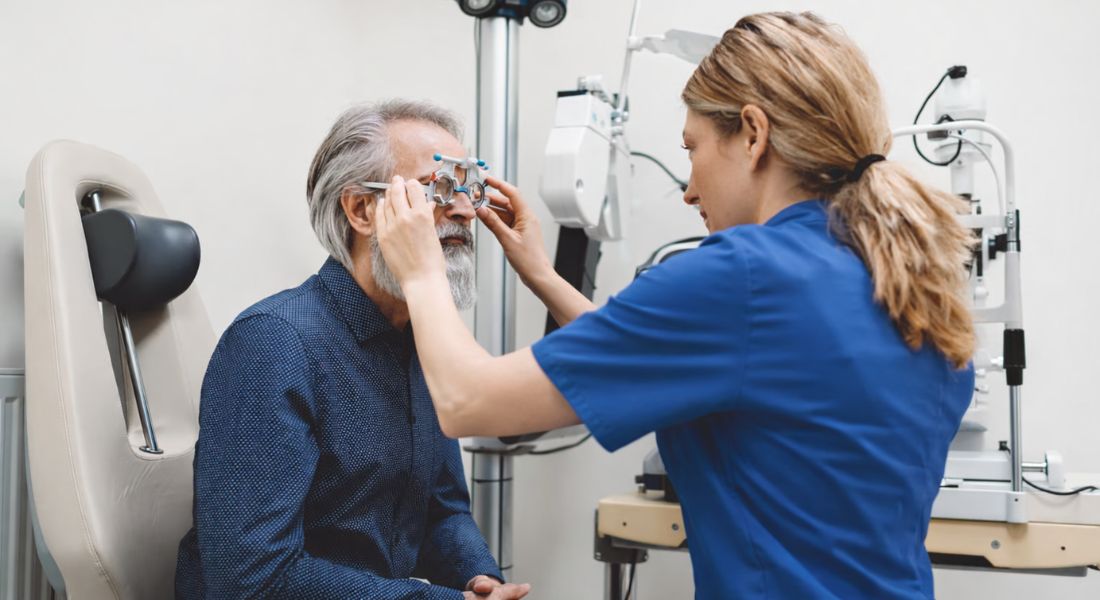
It is important to understand that not all eye strain or headache symptoms are directly linked to cataracts. While cataracts can contribute to visual discomfort, several other eye and general health conditions can produce very similar symptoms. This often makes self-diagnosis difficult and sometimes misleading. A proper evaluation is essential to identify the real underlying cause.
- Uncorrected Refractive Errors: Conditions like astigmatism, long-sightedness, or short-sightedness can easily cause eye strain and headaches. When vision is not properly corrected with glasses or contact lenses, the eyes work harder to focus. This constant effort leads to fatigue, especially during reading or screen use. The symptoms can closely resemble those caused by early cataracts.
- Dry Eye Syndrome: Dry eye syndrome occurs when the eyes do not produce enough tears or when tears evaporate too quickly. This can lead to irritation, burning sensations, and fluctuating vision. As the eyes struggle to maintain comfort and clarity, strain and headaches may develop. These symptoms often worsen in air-conditioned environments or during prolonged screen time.
- Digital Eye Strain from Screens: Extended use of digital devices is a major cause of modern eye strain. Staring at screens reduces blink rate and increases visual fatigue. Over time, this can lead to headaches, blurred vision, and discomfort around the eyes. These symptoms are often mistaken for cataract-related problems, especially in older adults.
- Migraines, Sinus Issues, and Environmental Factors: Headaches are not always eye-related and can be triggered by migraines, sinus congestion, or poor lighting conditions. Migraines, in particular, can cause visual disturbances that mimic eye problems. Similarly, dim or overly bright lighting can force the eyes to overwork. These external factors can intensify symptoms even when cataracts are present.
Because many conditions can produce similar symptoms, it is not always easy to identify cataracts as the sole cause of headaches or eye strain. In some cases, multiple issues may coexist, making the discomfort more noticeable. This is why relying on symptoms alone can be misleading. A comprehensive eye examination remains the most reliable way to determine the true cause and guide appropriate treatment.
How Cataracts Are Diagnosed
A cataract diagnosis is usually straightforward for an eye care professional. You do not need to worry about complex or painful procedures, as the process is simple and routine. It is designed to clearly understand what is happening with your vision and whether cataracts are affecting it.
During an eye examination, your vision will first be checked using a visual acuity test. This helps assess how clearly you can see at different distances and whether your eyesight has changed. The eye care professional may also examine the lens of your eye using a special instrument called a slit lamp. They will then assess how light passes through your eye to see if there is any clouding or scattering caused by cataracts.
In addition, they will evaluate how these changes are affecting your day-to-day vision and comfort. This helps build a full picture of how your eyes are functioning. This process allows them to determine not only whether cataracts are present, but also how much they are impacting your visual clarity and overall comfort in daily life.
Managing Symptoms Before Treatment
If your cataracts are still mild, there are several simple ways you can manage the symptoms in your daily life. These adjustments won’t treat the condition itself, but they can make your vision more comfortable and reduce strain. Small changes in your environment and habits can make a noticeable difference.
You may find it helpful to use brighter lighting when reading or doing close-up tasks, as this can improve clarity and reduce effort. Wearing anti-glare glasses can also help reduce discomfort caused by bright light and reflections. On digital devices, increasing font size can make reading easier and reduce the need to strain your eyes. It is also important to take regular breaks when using screens for long periods to give your eyes time to rest.
Wearing sunglasses outdoors can help protect your eyes from glare and improve comfort in bright conditions. These steps are especially useful in reducing day-to-day visual stress. While these measures will not stop cataracts from progressing, they can significantly reduce eye strain and improve your overall visual comfort in daily activities.
When You Should Get Your Eyes Checked
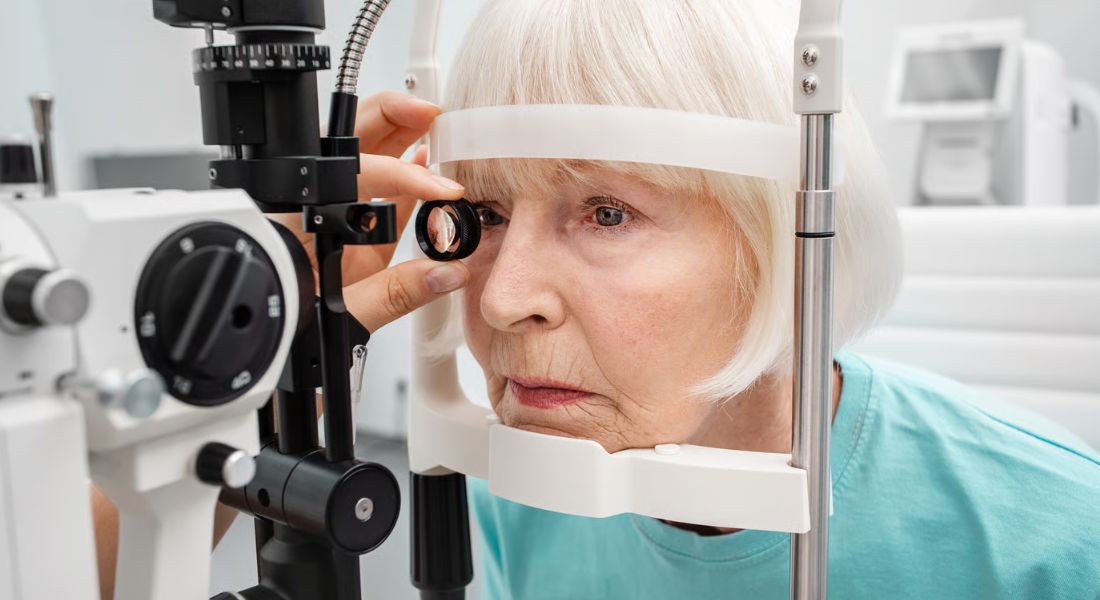
If you are experiencing recurring headaches or eye strain along with changes in your vision, it is important that you consider getting a professional eye assessment. These symptoms often develop gradually, so you may not realise how much your vision has changed over time. An eye test can help identify whether cataracts or other issues are contributing to your discomfort.
You should book an eye test if you notice increasing difficulty with everyday tasks such as reading or driving. Persistent blurred vision is another key sign that your eyesight may be changing in a way that needs attention. Frequent headaches after visual tasks can also suggest that your eyes are working harder than they should.
Other important warning signs include glare or halo effects around lights, especially at night or in bright conditions. You may also notice that colours appear duller or slightly yellowed compared to before. These changes can affect your visual comfort and overall clarity in daily life.
When Surgery Becomes the Solution
Eventually, cataracts may progress to a point where your symptoms begin to significantly affect your daily life. You may find that reading, driving, or even recognising faces becomes more difficult and less comfortable. At this stage, simple lifestyle adjustments may no longer be enough to manage the changes in your vision.
When this happens, surgery becomes the most effective treatment option. Cataract surgery is designed to restore clearer vision by directly addressing the cause of the problem. It is usually recommended when cataracts start to interfere with your quality of life rather than waiting for them to become severe.
The procedure involves removing the cloudy natural lens from your eye and replacing it with a clear artificial lens. This new lens helps restore proper focus and significantly improves visual clarity. It is one of the most commonly performed and successful procedures in modern eye care, with a high rate of positive outcomes.
How Surgery Can Help With Headaches and Eye Strain
One of the most noticeable outcomes after cataract surgery is that many people report a clear reduction in eye strain and visual fatigue. This often happens because vision becomes much clearer and easier to process. When the cloudy lens is removed, the eye can focus light properly again without scattering or distortion.
Once this happens, light enters the eye in a much cleaner and more direct way. The brain no longer has to work as hard to compensate for unclear images, which significantly reduces visual effort. Squinting also reduces, and overall visual clarity improves in daily activities like reading, driving, and screen use.
As a result, many people find that headaches linked to visual strain decrease or even disappear after surgery. While not all headaches are caused by eye problems, improving vision can make a real difference when cataracts are a contributing factor.
Recovery and Visual Adjustment After Treatment
After surgery, your visual system needs a short period to adjust to the improved clarity. This is completely normal, as your eyes and brain are adapting to much sharper and clearer visual input. During this time, you may notice some temporary changes in how your vision feels.
You might experience temporary light sensitivity, mild fluctuations in vision, or simply an adjustment period as everything starts to look clearer than before. These effects are usually short-lived and are part of the normal healing and adaptation process.
In most cases, these symptoms settle quite quickly, and many people notice a significant improvement in comfort within just a few days or weeks. What often stands out most is not only clearer vision, but also a noticeable reduction in the effort required for everyday seeing.
Living With Cataracts: What I Want You to Remember
If there is one key point to take away, it is this: cataracts do not usually cause pain directly, but they can significantly increase visual effort. You may not feel it immediately, but your eyes and brain are constantly working harder to maintain clear vision. Over time, this extra effort builds up and starts to affect how comfortable your sight feels in daily life.
That increased strain can lead to symptoms such as headaches, eye strain, fatigue, and reduced visual comfort. These issues are often more noticeable after activities that require sustained focus, like reading, driving, or using digital screens. You may also find that your eyes feel tired more quickly than they used to, even during normal tasks.
The key is to recognise this pattern early instead of dismissing it as general tiredness or ageing. Because cataracts develop gradually, it is easy to overlook how much they are affecting your vision. Understanding this connection helps you realise when it may be time to get your eyes checked and take the right next step.
FAQs:
- Can cataracts actually cause headaches?
Cataractsdon’t directly cause pain, but they can contribute to tension-type headaches by making your eyes work harder to focus on blurry or cloudy vision. - Why do cataracts lead to eye strain?
As the lens becomes cloudy, your eyes and brain must exert extra effort tomaintain clarity, especially during reading or screen use, leading to fatigue and strain. - What do cataract-related headaches feel like?
They are usually described asa dull pressure around the forehead, temples, or behind the eyes, often after prolonged visual tasks. - Are headachesaearly sign of cataracts?
They are not a primary early symptom, but they can appear as vision becomes more blurred and your eyes start compensating for reduced clarity. - How do cataracts affect focusing ability?
Cataracts scatter light entering the eye, making it harder to focus clearly, especially onfine details or in low or bright lighting conditions. - Can glasses fix cataract-related eye strain?
Glasses may temporarily improve clarity, but they cannot correct cataracts. If strain persists, the underlying lens clouding may be the cause. - How do I know if my headaches are from cataracts or something else?
If headaches occur after reading, screen use, or visual tasks and are paired with blurry vision or glare, cataracts may be a contributing factor. - Do cataracts make eye strain worse in bright light?
Yes, cataracts often increase glare sensitivity, making bright environments more uncomfortable and increasing visual effort. - Cancataract surgery reduce headaches?
Yes, if headaches are caused by visual strain, cataract surgery can significantly reduce or eliminate them by restoring clearer vision. - When should I see an eye specialist?
You should get an eye examination if you experience persistent blurred vision, increasing eye strain, glare sensitivity, or recurring headaches linked to visual tasks.
Final Thoughts: When Cataracts Start Affecting Comfort
Cataracts don’t usually cause direct pain, but they can increase the effort your eyes need to focus clearly. This extra strain is what often leads to symptoms like headaches, eye fatigue, and reduced visual comfort, especially during reading, screen use, or other close-up tasks.
Because the changes develop slowly, it’s easy to assume the symptoms are due to stress, tiredness, or general eye fatigue. However, if you’re also noticing blurred vision, glare sensitivity, or difficulty focusing, it may be worth getting your eyes checked to understand the underlying cause. If you’re considering cataract surgery in London and want to know if it’s the right option, you’re welcome to reach out to us at Eye Clinic London to book a consultation.
References:
- Sa’at, N., Ghazali, A.K., Yaacob, N.M. and Salowi, M.A., 2022. Factors influencing visual improvement after phacoemulsification surgery among cataract patients. International Journal of Environmental Research and Public Health. Available at: https://www.mdpi.com/1660-4601/19/18/11485
- Ahsan, S., Memon, M.S., Bukhari, S., Mahmood, T., Fahim, M.F., Haseeb, U. and Arslan, M., 2021. Visual outcomes of cataract surgery: An observational study of ten years from a tertiary eye care hospital in Pakistan. Pakistan Journal of Medical Sciences. Available at: https://pubmed.ncbi.nlm.nih.gov/34912394/
- Zhang, X., Jhanji, V., Leung, C.K.S. and Liu, Y., 2023. Real-world visual outcomes of cataract surgery based on population-based studies: a systematic review. British Journal of Ophthalmology. Available at: https://pmc.ncbi.nlm.nih.gov/articles/PMC10359559/
- Lundström, M. et al., 2013. Visual outcome of cataract surgery; Study from the European Registry of Quality Outcomes for Cataract and Refractive Surgery. Journal of Cataract & Refractive Surgery, 39(5), pp.673–679. Available at: https://www.sciencedirect.com/science/article/abs/pii/S0886335013000023
- Foss, A.J.E., Harwood, R.H. and Osborn, F., 2006. Falls and health status in elderly women following second eye cataract surgery: a randomised controlled trial. Age and Ageing, 35(1), pp.66–71. Available at: https://academic.oup.com/ageing/article-abstract/35/1/66/33525