


Can You Have ICL Surgery If You Have Ulcerative Colitis?

If you are living with ulcerative colitis and considering vision correction, you may be wondering whether ICL surgery is a safe option. This is a very valid concern, as ulcerative colitis is a chronic inflammatory condition that can influence the immune system and healing processes. Understanding how this condition interacts with eye surgery is essential before making a decision.
Implantable Contact Lens (ICL) surgery is a highly effective procedure used to correct refractive errors such as short-sightedness and astigmatism. It involves placing a specialised lens inside the eye without removing the natural lens. While the procedure is generally safe, underlying medical conditions need to be carefully assessed.
In this article, you will understand how ulcerative colitis may affect suitability for ICL surgery, what doctors look for during assessment, and how treatment is planned safely. This will help you approach the procedure with confidence and clarity.
What Is Ulcerative Colitis?
Ulcerative colitis is a long-term inflammatory bowel condition that affects the inner lining of your colon. It can lead to symptoms such as abdominal pain, frequent diarrhoea, and ongoing fatigue that may disrupt your daily routine. The condition develops due to persistent inflammation in your digestive tract. Over time, this inflammation can make your gut more sensitive and harder to manage.
It is considered an autoimmune-related condition, which means your immune system mistakenly attacks your own healthy tissue. This ongoing immune response keeps the inflammation active, even when there is no real threat. You may notice that symptoms come and go, with periods of flare-ups followed by times of remission. These fluctuations can make it difficult to predict how you will feel from one week to the next.
Because your immune system is involved, ulcerative colitis can influence how your body reacts to certain treatments, including surgery. Healing may take longer, and your body may respond differently compared to someone without the condition. This is why careful medical evaluation is important before any procedure. When you understand how ulcerative colitis affects your body, you are better prepared to make informed treatment decisions.
What Is ICL Surgery?
ICL surgery involves placing a thin, flexible lens inside your eye to improve how you see. The lens is carefully positioned behind your iris and in front of your natural lens. This helps light focus more accurately on your retina. As a result, you can experience clearer and sharper vision.
Unlike laser eye surgery, ICL does not involve reshaping your cornea. This makes it a suitable option if you have thinner corneas or specific eye conditions that rule out laser treatments. Another advantage is that the procedure is reversible if needed. This added flexibility can make it feel like a more reassuring choice for some people.
The procedure itself is usually quick and minimally invasive, often completed within a short time. Even so, your eyes still need to heal properly afterwards to achieve the best results. This is why your overall health and any existing conditions are carefully assessed beforehand. Making sure your body can heal effectively plays a key role in the success of the surgery.
Why Medical Conditions Matter Before Surgery
Any long-term medical condition can influence how your body responds to surgery, and this is something you need to consider carefully. If you have ulcerative colitis, it may affect your inflammation levels and how your immune system behaves. These factors play an important role in how well your body heals. When inflammation is not well controlled, recovery can become more complex.
Before recommending ICL surgery, your doctor will take the time to assess your overall health in detail. This usually includes reviewing your medical history, current symptoms, and any ongoing treatments. The aim is to identify anything that could increase risk or affect your recovery. By doing this, your care team can make a more informed decision about whether the procedure is suitable for you.
Understanding how your condition interacts with surgery helps create a safer and more predictable outcome. It allows your treatment to be tailored specifically to your needs rather than taking a one-size-fits-all approach. Personalised care is essential, especially when managing a chronic condition. Every patient is different, and your treatment plan should reflect that.
Can You Have ICL Surgery with Ulcerative Colitis?
If you have ulcerative colitis, it’s completely natural to wonder whether ICL surgery is a safe option for you. The good news is that many people with this condition can still go ahead with the procedure. What matters most is how stable and well-managed your condition is at the time. Your overall health, current symptoms, and medical history will all play a role in the decision.
- Your condition needs to be stable before surgery: If your ulcerative colitis is in remission, you’re generally in a much better position to consider ICL surgery. When your body isn’t dealing with active inflammation, it’s better able to heal and respond to the procedure. Surgeons will usually want to see that your condition has been under control for a consistent period of time before moving forward.
- Active flare-ups can increase risks: If you’re currently experiencing a flare-up, it may not be the right time for surgery. During active phases, your immune system is already under strain, which can affect healing and increase the risk of complications. In these cases, you’ll likely be advised to wait until your symptoms settle before reconsidering the procedure.
- Timing plays a key role in safety and results: Even if you’re a suitable candidate, the timing of your surgery is crucial. Planning the procedure during a stable phase helps reduce risks and improves your overall experience. Your doctor will work with you to choose a time when your body is in the best possible condition for surgery.
- You’ll be assessed on an individual basis: There’s no one-size-fits-all answer when it comes to ICL surgery and ulcerative colitis. Your doctor will look at your medical history, current medications, and overall health before making a recommendation. This personalised approach ensures that any decision made is tailored specifically to you and your needs.
Ultimately, having ulcerative colitis doesn’t automatically rule out ICL surgery. What matters most is how well your condition is managed and whether your body is ready for the procedure. With the right timing and careful assessment, many patients go on to have safe and successful outcomes. Speaking openly with your doctor will help you understand what’s best for you.
Pre-Surgical Assessment

Before you go ahead with ICL surgery, you’ll need a detailed pre-surgical assessment to make sure the procedure is right for you. This isn’t just a routine check it’s a thorough evaluation of your eyes and overall health. The goal is to ensure everything is in the best possible condition before moving forward. When done properly, this stage sets the foundation for a safe and successful outcome.
- You’ll undergo a comprehensive eye examination: Your surgeon will carry out a series of detailed tests to understand the structure of your eyes. This includes measuring things like corneal thickness, anterior chamber depth, and lens size. These measurements help determine whether the ICL lens will fit correctly and function as intended. It’s all about precision and ensuring the procedure is tailored to your eyes.
- Your overall eye health will be carefully assessed: Beyond measurements, your eye health will be reviewed in detail. This includes checking for any underlying conditions that could affect healing or results. If anything unusual is detected, it can be addressed early or factored into your treatment plan. This step helps reduce risks and avoid unexpected complications.
- Additional medical evaluation may be needed for ulcerative colitis: If you have ulcerative colitis, your doctor may recommend extra checks before surgery. This could involve reviewing your current symptoms, medications, and overall immune status. The aim is to confirm that your condition is stable and won’t interfere with healing. In some cases, your eye surgeon may also coordinate with your gastroenterologist.
- A personalised treatment plan will be created for you: All the information gathered during your assessment is used to plan your surgery in detail. This ensures every decision from lens selection to timing is based on your specific needs. A personalised approach helps improve accuracy, safety, and overall results. You’re not getting a standard procedure; it’s tailored entirely to you.
Taking the time to go through a thorough pre-surgical assessment makes a real difference. It helps identify any risks early and ensures your body is ready for surgery. With the right preparation, you can move forward with greater confidence. Ultimately, this careful planning is what supports both safety and long-term success.
The Role of Inflammation in Healing
Inflammation plays an important role in both ulcerative colitis and your body’s ability to heal after surgery. While some inflammation is a natural part of the healing process, chronic inflammation can interfere with this balance. If your body is already dealing with ongoing inflammation, recovery may take longer than expected. This can influence how quickly and smoothly you heal.
If your condition is stable, inflammation levels are usually well controlled, which allows your body to heal more normally. In this situation, your recovery after surgery is often more predictable. However, if you are experiencing a flare-up or active inflammation, healing may slow down. This is why timing the procedure correctly becomes so important.
Managing inflammation before surgery is a key part of your preparation. Your doctor will aim to ensure that your condition is stable before moving forward. This reduces potential complications and supports better healing. When your inflammation is under control, you give your body the best chance of a smooth recovery.
Immune System Considerations
Ulcerative colitis affects how your immune system behaves, which is an important factor to consider before surgery. In some cases, you may also be taking medications that suppress your immune response to control inflammation. While these treatments are helpful for managing your condition, they can increase your risk of infection. This is why your immune health needs careful attention.
A well-balanced immune response plays a key role in proper healing. If your immune system is suppressed, your body may take longer to recover or respond differently after surgery. In these situations, your doctor may recommend extra precautions to reduce any potential risks. Close monitoring during and after the procedure helps ensure everything stays on track.
Before moving forward with surgery, your doctor will assess your immune status in detail. This helps determine whether the timing is right and if any adjustments are needed in your treatment plan. The goal is to make the procedure as safe as possible for you. Your safety and long-term health are always the top priority.
Importance of Disease Stability
The stability of your ulcerative colitis is one of the most important factors when deciding if ICL surgery is right for you. If your condition is in remission, your body is generally better prepared to heal in a normal and predictable way. This significantly reduces the risk of complications during recovery. When inflammation is under control, your overall surgical outcome is usually more positive.
If your condition is active or you are experiencing a flare-up, your doctor may recommend delaying the procedure. This gives you time to bring the condition under control with the right treatment. Although this can feel frustrating, proper timing plays a key role in achieving the best results. Waiting until your body is stable helps avoid unnecessary risks.
Your doctor will always prioritise your long-term safety over rushing into treatment. Understanding this can help you feel more confident in the decision-making process. It is not about delaying care, but about making sure it is done at the right time. When your condition is stable, you give yourself the strongest chance of a safe and successful outcome.
Collaboration with Your Specialist
If you have ulcerative colitis, your care doesn’t stop with your eye surgeon alone. In many cases, your surgeon will work closely with your gastroenterologist to make sure everything is properly managed before surgery. This team-based approach helps ensure that your condition is stable and that you’re in the best possible position to move forward. When both specialists are aligned, it adds an extra layer of safety and reassurance.
- Your eye surgeon and gastroenterologist may work together: Instead of making decisions in isolation, your healthcare providers may collaborate to get a full picture of your health. Your gastroenterologist understands your ulcerative colitis in detail, while your eye surgeon focuses on your vision and surgical needs. Bringing these perspectives together helps create a more complete and accurate assessment. This kind of coordination supports safer decision-making.
- Your current health status will guide the process: Your specialist can provide up-to-date information about how well your condition is controlled. This includes whether you’re in remission, how stable your symptoms are, and how your body is responding to treatment. These insights are important when deciding if it’s the right time for surgery. It ensures that your procedure isn’t planned during a period of unnecessary risk.
- Timing and preparation are carefully planned: With input from both specialists, your surgery can be scheduled at the most suitable time. This means avoiding flare-ups and choosing a period when your body is more likely to heal well. You may also receive guidance on managing medications before and after the procedure. Thoughtful planning like this helps reduce complications and improve your overall experience.
- Clear communication helps reduce risks: When your doctors stay in contact and share information, nothing important gets overlooked. Any concerns can be addressed early, and adjustments can be made if needed. This level of communication helps ensure that every aspect of your care is aligned. It’s a simple but powerful way to support a smoother, safer outcome.
When your care is coordinated between specialists, you benefit from a more complete and informed approach. You’re not relying on a single perspective you’re getting combined expertise tailored to your situation. This teamwork helps minimise risks and improve results. Ultimately, it gives you greater confidence as you move forward with surgery.
Infection Risk and Prevention
Infection is a rare complication in ICL surgery, but it’s still something you need to be aware of. If you have ulcerative colitis, especially if you’re on immune-modifying medication, your risk may be slightly higher than average. That doesn’t mean surgery isn’t possible it just means extra care is taken before, during, and after the procedure. With the right precautions, the risk can be kept very low.
- Your immune status may influence infection risk: If your immune system is affected by your condition or medication, your body may not respond to infection as quickly. This can slightly increase your vulnerability, particularly during the healing phase. Your doctor will take this into account when assessing your suitability for surgery. It helps ensure that any potential risks are properly managed from the start.
- Strict sterile techniques are used during surgery: Eye surgery is performed under highly controlled, sterile conditions to minimise the risk of infection. Every instrument and surface is carefully managed to prevent contamination. This level of precision is standard practice and plays a key role in keeping you safe. It’s one of the main reasons why infection rates remain very low.
- Post-operative medications help protect your eyes: After surgery, you’ll be given medicated eye drops, usually including antibiotics and anti-inflammatory treatments. These help prevent infection and support proper healing. It’s important that you use them exactly as prescribed, even if your eyes feel fine. Consistency at this stage makes a real difference to your recovery.
- Close monitoring allows for early detection: You’ll have follow-up appointments so your doctor can check how your eyes are healing. If any early signs of infection appear, they can be treated quickly before becoming more serious. This proactive approach helps keep complications under control. You’ll also be told what symptoms to watch for at home.
Following your aftercare instructions carefully is one of the most important things you can do. Simple steps like keeping your eyes clean, avoiding rubbing them, and using your drops on time all support a smooth recovery. With proper care and monitoring, the risk of infection remains low. This allows you to focus on healing and getting the best possible result from your surgery.
Healing and Recovery Expectations
Most people recover well after ICL surgery, even if you have ulcerative colitis. In some cases, your healing may be slightly slower, depending on your overall health and how well your condition is controlled. This does not necessarily affect the final outcome. With the right care, results are generally very positive.
Regular follow-up appointments are an important part of your recovery. These visits allow your doctor to monitor how your eyes are healing and check for any early signs of complications. If anything needs attention, it can be managed quickly. Ongoing monitoring helps keep your recovery on track and gives you reassurance along the way.
When you understand what to expect, the recovery process can feel much more manageable. You are less likely to feel anxious if you know that slight variations in healing are normal. Following your aftercare instructions closely makes a real difference. With proper care and guidance, you give yourself the best chance of a smooth and successful outcome.
Medication and Its Impact

If you have ulcerative colitis, you may be taking medications such as corticosteroids or immunosuppressants to manage your symptoms. While these treatments help control inflammation, they can also affect how your body heals. In some cases, they may increase your risk of infection after surgery. This is why your medication plan needs to be carefully considered in advance.
Before the procedure, your doctor will usually review your current medications in detail. This helps them understand how your body is likely to respond to surgery and recovery. In some situations, temporary adjustments may be recommended to support better healing. Any changes are made carefully and in coordination with your specialist.
It is important that you do not stop or change your medication on your own. Doing so could trigger a flare-up or cause unnecessary complications. Proper planning between your healthcare providers helps ensure everything is managed safely. When your care is well coordinated, you give yourself the best chance of a smooth and successful outcome.
Post-Surgery Care
After your surgery, you will be given eye drops to help reduce inflammation and prevent infection. These medications play an important role in supporting your healing process. It is essential that you use them exactly as instructed by your doctor. Staying consistent with your aftercare routine helps protect your results.
You will also be advised to avoid touching or rubbing your eyes, especially in the early stages of recovery. This helps reduce the risk of irritation, infection, or accidental damage. Even small habits can make a difference, so being gentle with your eyes is key. Taking these precautions supports a smoother healing process.
Post-surgery care is generally similar for most patients, but if you have ulcerative colitis, your doctor may monitor you more closely. This is simply to ensure that your recovery is progressing as expected. Any concerns can be addressed early with regular check-ups. With a bit of extra care and attention, you can recover safely and confidently.
Long-Term Outcomes
ICL surgery is designed to provide long-term vision correction, giving you clearer and more stable eyesight over time. Once your eyes have fully healed, the results are typically consistent and reliable. Having ulcerative colitis does not usually affect the implanted lens itself. This means your vision correction can remain stable even if your condition changes.
That said, ongoing health monitoring is still important for your overall wellbeing. While ulcerative colitis may influence other aspects of your health, it generally does not impact the position or function of the lens. Regular check-ups with your doctor help ensure everything continues to progress as expected. Staying on top of your health supports long-term success.
When you understand what to expect in the long term, it becomes easier to feel confident about the procedure. The goal is to achieve lasting stability in your vision while maintaining your overall health. Consistent care and routine follow-ups play an important role in this. With the right approach, you can enjoy reliable results for years to come.
When Surgery May Be Delayed
In some situations, your surgery may need to be delayed if your ulcerative colitis is not well controlled. This allows time for the right treatment to bring your condition into a more stable state. Although waiting can feel inconvenient, it is often the safest approach. Delaying surgery can significantly improve your overall safety and recovery.
If you are experiencing a flare-up or any complications, your doctor will usually recommend holding off on the procedure. This is because your body may not heal as effectively during periods of active inflammation. Your health always comes first, and timing plays a crucial role in achieving the best outcome. By waiting, you reduce the risk of avoidable issues.
Understanding why delays happen can help you manage your expectations more comfortably. In most cases, these delays are only temporary and part of careful planning. The focus is always on making sure your body is ready for surgery. When the timing is right, you are far more likely to have a smooth and successful result.
Benefits of Careful Planning
Careful planning plays a key role in making sure your ICL surgery is carried out safely and effectively. This involves assessing your overall health, reviewing your ulcerative colitis, and coordinating with any specialists involved in your care. It also includes preparing you properly for recovery. Taking these steps helps reduce potential risks and supports a smoother experience.
When your care follows a structured approach, you are more likely to feel reassured and well prepared. Each stage is carefully considered, from pre-surgery checks to aftercare planning. This not only improves your outcomes but also builds your confidence in the process. Knowing what to expect can make the entire journey feel more manageable.
Understanding how everything fits together helps you feel more in control of your treatment. Instead of uncertainty, you have a clear plan guiding each step. This sense of control can make a big difference to your overall experience. When you feel confident and prepared, it often contributes to better and more positive results.
Patient Reassurance
If you’re feeling unsure about ICL surgery because of ulcerative colitis, you’re not alone. It’s completely normal to have concerns about how your condition might affect the process. The reassuring part is that many patients in a similar position go on to have safe and successful outcomes. With the right planning and medical support, you can approach the procedure with greater confidence.
- Many patients with ulcerative colitis have successful outcomes: Having ulcerative colitis doesn’t automatically prevent you from having ICL surgery. In fact, many patients with well-managed conditions undergo the procedure without any issues. The key factor is ensuring your condition is stable before surgery. When everything is properly assessed, the chances of a smooth experience are very high.
- Your care will be tailored to your specific needs: Doctors are experienced in managing patients with chronic conditions like ulcerative colitis. They take the time to understand your medical history, current treatment, and overall health. This allows them to adjust your care plan accordingly. A personalised approach helps improve both safety and results.
- You’ll be fully informed throughout the process: Knowing what to expect can make a big difference to how you feel. Your doctor will explain each step clearly, from assessment to recovery. This helps remove uncertainty and gives you a better sense of control. When you understand the process, it becomes far less overwhelming.
- Ongoing support is always available to you: You won’t be going through this alone. Your medical team will be there to answer questions, address concerns, and guide you at every stage. Whether it’s before surgery or during recovery, support is always within reach. This level of care helps you feel reassured and well looked after.
Feeling informed and supported can significantly reduce anxiety around surgery. When you understand that your care is personalised and carefully managed, it becomes easier to move forward with confidence. You’re in experienced hands, and every step is designed with your safety in mind.
Advances in Surgical Safety
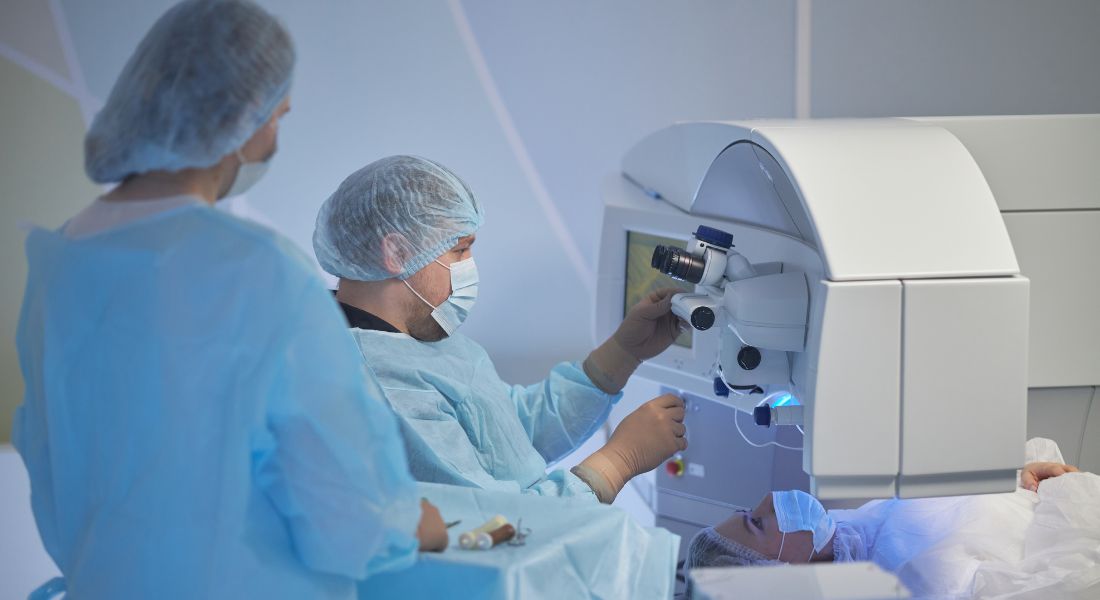
ICL surgery has come a long way in recent years, and modern advancements have made the procedure safer than ever. Today’s techniques are designed to be highly precise, minimally invasive, and carefully controlled at every stage. This means you benefit from improved accuracy and a lower risk of complications. For patients with conditions like ulcerative colitis, these developments offer added reassurance.
- Advanced technology improves precision during surgery: Modern imaging and surgical tools allow your surgeon to plan and perform the procedure with exceptional accuracy. Every measurement is carefully calculated to ensure the lens fits perfectly within your eye. This level of precision helps reduce the risk of errors and improves overall results. It also makes the procedure smoother and more predictable.
- Improved techniques help reduce surgical risks: Surgical methods have been refined to make the procedure less invasive and more efficient. Smaller incisions and better techniques mean less disruption to your eye and faster recovery times. These improvements lower the chances of complications and make the experience more comfortable for you. It’s all about achieving the best outcome with minimal risk.
- Enhanced sterilisation and monitoring protocols increase safety: Strict sterilisation standards and advanced monitoring systems are now a core part of every procedure. These measures help prevent infection and ensure that your eye remains protected throughout surgery. Your vital signs and eye condition are closely observed at every stage. This careful oversight adds an extra layer of safety.
- Ongoing research continues to improve outcomes: ICL surgery continues to evolve, with ongoing research focused on making it even safer and more effective. New techniques, technologies, and insights are regularly introduced into clinical practice. This means you’re benefiting from the latest advancements in eye care. Continuous progress helps ensure that patient safety always remains the top priority.
With these advancements in place, ICL surgery is now more reliable and predictable than ever before. You can feel reassured knowing that every aspect of the procedure is designed with safety in mind. For patients with additional health considerations, these improvements make a meaningful difference. Ultimately, they help you move forward with greater confidence and peace of mind.
Why Individual Assessment Matters
Every patient is different, and ulcerative colitis can affect you in ways that are unique to your body. This is why an individual assessment is so important before considering ICL surgery. A personalised approach ensures that your specific needs, risks, and health factors are fully understood. This helps improve both your safety and your overall outcome.
Your doctor will look at several factors, including how stable your condition is, what medications you are taking, and your general health. Each of these elements can influence how your body responds to surgery and recovery. By taking a comprehensive view, your care team can make more precise and informed decisions. This level of detail is essential for achieving the best possible results.
When you understand your individual situation, you are in a much stronger position to make informed choices about your treatment. You can weigh the benefits and risks with greater clarity. Personalised care means your treatment is tailored specifically to you, rather than following a general approach. With the right knowledge and guidance, you can move forward with confidence.
Making an Informed Decision
Deciding whether to go ahead with ICL surgery involves understanding both the benefits and the potential risks. If you have ulcerative colitis, it is important to consider how your condition might affect healing and recovery. Taking the time to look at the full picture helps you make a more balanced decision. When you are well informed, you are more likely to achieve a positive outcome.
Talking openly with your doctor can help you feel clearer about your options. You can discuss any concerns, ask questions, and understand what to expect at each stage. This kind of support makes it easier to feel confident in the decision you are making. You are not expected to figure everything out on your own.
Giving yourself time to fully understand the procedure and what it involves can make a big difference to your experience. Preparation helps you feel more in control and less uncertain. When you know what lies ahead, the process often feels much smoother. Confidence and clarity both play an important role in achieving a successful result.
FAQs:
- Can you have ICL surgery if your ulcerative colitis is in remission?
Yes, you can usually have ICL surgery if your ulcerative colitis is in remission. When your condition is stable, your body is better able to heal after the procedure. This significantly reduces the risk of complications. Your doctor will still assess your overall health before confirming suitability. - Is ICL surgery safe if you have ulcerative colitis?
ICL surgery can be safe for you if your ulcerative colitis is well controlled. The key factor is how stable your condition is at the time of surgery. Your surgeon will carefully review your medical history and current health. This helps ensure the procedure is carried out safely. - Will ulcerative colitis affect your recovery after ICL surgery?
Ulcerative colitis may slightly affect how your body heals, especially if your immune system is impacted. However, if your condition is stable, your recovery should be similar to other patients. You may just need closer monitoring during the healing process. Following aftercare instructions will make a big difference. - Do you need approval from your gastroenterologist before surgery?
In many cases, your eye surgeon may consult your gastroenterologist before going ahead. This ensures your ulcerative colitis is well managed and stable. It also helps identify any risks related to your medications or immune response. Working together, your doctors can plan the safest approach for you. - Can your medication affect ICL surgery?
Yes, certain medications can influence how your body responds to surgery. Drugs like corticosteroids or immunosuppressants may slow healing or increase infection risk. Your doctor will review your medication carefully before the procedure. You should never stop or adjust medication without medical advice. - What happens if you have a flare-up before surgery?
If you experience a flare-up, your surgery will usually be delayed. This is because active inflammation can increase the risk of complications. Waiting until your condition settles improves your chances of a smooth recovery. Your doctor will guide you on the best timing. - Are you at higher risk of infection after ICL surgery?
You may have a slightly higher risk if your immune system is suppressed. However, modern surgical techniques and medications help minimise this risk. You will be given eye drops and clear aftercare instructions to follow. With proper care, infections are still rare. - How do doctors decide if you’re suitable for ICL surgery?
Doctors look at several factors when deciding if ICL surgery is right for you. This includes your eye health, the stability of your ulcerative colitis, and your current medications. They may also assess your immune function and overall wellbeing. This personalised approach ensures the safest outcome. - Will ICL surgery affect your ulcerative colitis symptoms?
ICL surgery does not directly affect your digestive system or trigger ulcerative colitis symptoms. It is a localised eye procedure, so it does not interfere with your condition. However, general stress or health changes can sometimes influence flare-ups. Staying well managed before and after surgery is important. - What can you do to prepare for ICL surgery with ulcerative colitis?
You should focus on keeping your condition stable before the procedure. Attend all medical appointments and follow your doctor’s advice closely. Make sure your surgeon is aware of your full medical history and medications. Good preparation helps ensure a smoother and safer experience.
Final Thought: Is ICL Surgery Right for You?
If you are living with ulcerative colitis, it is completely understandable to have concerns about whether ICL surgery is right for you. The good news is that many patients with well-managed conditions go on to have safe and successful outcomes. What matters most is ensuring your condition is stable and that your care is carefully planned.
By working closely with your eye surgeon and specialist, you can approach the process with confidence. A personalised assessment will help you understand the risks, timing, and the best course of action for your situation. This level of preparation plays a key role in achieving a smooth recovery and long-term results. If you’d like to find out whether ICL surgery in London is suitable for you, feel free to contact us at Eye Clinic London to arrange a consultation.
References:
- Naujokaitis, T., Auffarth, G.U., Łabuz, G. and Khoramnia, R. (2025) ‘Clinical applications of anterior segment optical coherence tomography in managing phakic intraocular lenses’, Diagnostics. https://www.mdpi.com/2075-4418/15/18/2385
- Li, Y., Zhang, X., Wang, Q. et al. (2023) ‘Retinal and choroidal changes following implantable collamer lens (ICL) V4c implantation in high myopia patients: A 1-year follow-up study’, Diagnostics, 13(19). https://www.mdpi.com/2075-4418/13/19/3097
- Zhang, H., Gong, R., Zhang, X. and Deng, Y. (2022) ‘Analysis of perioperative problems related to intraocular implantable collamer lens (ICL) implantation’, International Ophthalmology, 42(11), pp. 3625-3641. https://pubmed.ncbi.nlm.nih.gov/35731355/
- Cao, K., Zhang, J., Wang, J. et al. (2021) ‘Implantable collamer lens versus small incision lenticule extraction for high myopia correction: A systematic review and meta-analysis’, BMC Ophthalmology, 21(1), p. 450. https://pubmed.ncbi.nlm.nih.gov/34961514/
- Fernández-Vega-Cueto, L., Alfonso, J.F. and Fernández-Vega, L. (2025) ‘Iridocorneal angle changes after implantable collamer lens (ICL) implantation: A 10-year follow-up study’, Journal Français d’Ophtalmologie. https://www.sciencedirect.com/science/article/abs/pii/S0181551225003559