


Can You Have ICL Surgery If You Have Crohn’s Disease?
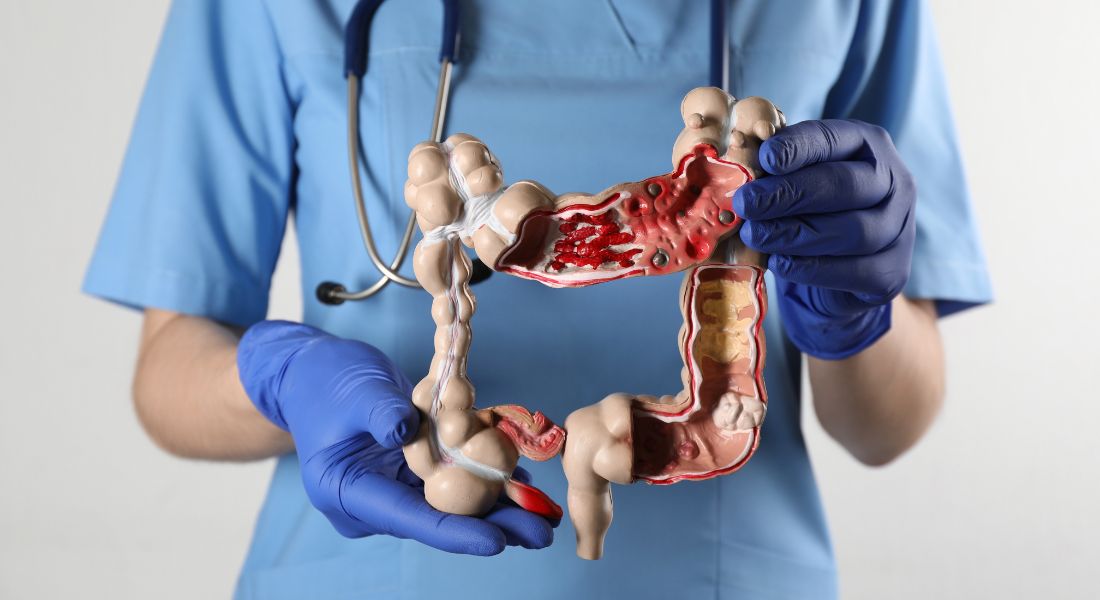
Crohn’s disease is a chronic inflammatory condition that affects your digestive system and immune response. Because it is an autoimmune disorder, it can influence how your body responds to stress, healing, and recovery after any surgical procedure, including eye surgery. If you are considering vision correction, it is completely understandable to ask whether ICL surgery is a safe and suitable option for you.
ICL (Implantable Collamer Lens) surgery is a minimally invasive procedure that improves vision by placing a thin artificial lens inside the eye, while leaving your natural lens and cornea unchanged. It is often recommended for people who are not suitable candidates for laser eye surgery. However, because Crohn’s disease is a systemic condition, your overall health and immune status must be carefully reviewed before proceeding with surgery. This ensures that any potential risks are properly assessed in advance.
In many cases, Crohn’s disease does not automatically prevent you from having ICL surgery. The most important factor is whether your condition is stable, well-controlled, and not in an active flare-up at the time of treatment. When the disease is properly managed, and your medical team confirms that your health is stable, many patients can undergo the procedure safely with good visual outcomes.
Understanding Crohn’s Disease
Crohn’s disease is a chronic inflammatory bowel disease that can affect any part of the digestive tract, from the mouth to the anus. It leads to inflammation that may cause symptoms such as abdominal pain, diarrhoea, fatigue, weight loss, and general discomfort. The severity of these symptoms can vary significantly between individuals, and the condition often follows a relapsing-remitting pattern, with periods of flare-ups and times of relative stability.
Because Crohn’s disease is an autoimmune condition, the immune system mistakenly attacks healthy tissues in the body, leading to ongoing inflammation. This heightened immune activity can affect how your body responds to physical stress, illness, or surgical procedures. For this reason, doctors carefully assess patients with Crohn’s disease before any elective surgery, including procedures like ICL eye surgery, to ensure safety and stability.
Although Crohn’s primarily affects the digestive system, it is considered a systemic disease, meaning its effects can extend beyond the gut. The chronic inflammation and immune response can sometimes influence overall healing processes in different parts of the body. Understanding the current status of the disease is therefore essential when planning any surgical treatment, as well-controlled Crohn’s generally supports safer outcomes and smoother recovery.
Why Crohn’s Disease Matters for Eye Surgery
Crohn’s disease is important to consider in the context of eye surgery because it is closely linked to inflammation and immune system activity. When the immune system is overactive, it can affect how the body heals after any surgical procedure, including elective treatments such as ICL surgery. In some cases, this may lead to slower healing or a less predictable recovery process compared to individuals without inflammatory conditions.
Another important factor is the medication used to manage Crohn’s disease. Treatments such as corticosteroids or immunosuppressive drugs help control inflammation but may also influence the body’s natural healing response. These medications can sometimes increase the risk of infection or delay tissue repair, which is why your surgeon will carefully review your treatment history before recommending surgery. Understanding your medication profile helps ensure that all potential risks are properly managed.
Despite these considerations, many patients with well-controlled Crohn’s disease can safely undergo eye surgery. When the condition is stable and inflammation is under control, the risks are generally low and outcomes are often very good. Stability of the disease, rather than the diagnosis itself, is the most important factor in determining whether ICL surgery is appropriate.
What Is ICL Surgery?
ICL surgery involves inserting a thin artificial lens into your eye to correct refractive errors. The lens is placed carefully behind your iris and in front of your natural lens. It works with your eye rather than changing its natural structure, helping to improve how clearly you see.
Unlike laser eye surgery, ICL surgery is reversible and does not remove any corneal tissue. This makes it a suitable option if you have thin corneas or a high prescription that may not be ideal for laser procedures. Because of this flexibility, it is often considered a premium vision correction treatment.
- Lens placement inside the eye: A specially designed implantable lens is gently inserted into the eye. It sits behind the iris, where it remains invisible once positioned correctly. This lens helps to correct issues like short-sightedness, long-sightedness, or astigmatism.
- No removal of corneal tissue: Unlike laser surgery, your cornea is left completely untouched. You are not permanently altering the structure of your eye, which is one reason the procedure is considered reversible.
- Suitable for a wide range of prescriptions: You may be recommended ICL if your prescription is too high for laser surgery or if your corneas are too thin for safe laser reshaping.
- Quick day procedure with fast recovery: The treatment itself usually takes around 20-30 minutes per eye. You typically go home the same day, and many people notice improved vision very quickly afterwards.
After the procedure, your vision continues to stabilise over the following days. Most people find daily activities become much easier as their eyesight improves.
Autoimmune Conditions and Surgery
Autoimmune conditions such as Crohn’s disease affect the way your immune system functions, particularly its control over inflammation. Because the immune system plays a central role in healing, any imbalance or overactivity can influence how the body responds after surgery. This is why doctors carefully evaluate immune stability before proceeding with elective procedures like ICL surgery. A stable immune system generally supports safer and more predictable healing outcomes.
When the immune system is more active than normal, there may be a slightly increased risk of post-operative inflammation. This does not mean that surgery is not possible, but it does require more careful planning and closer monitoring during the recovery period. Your ophthalmologist may adjust your post-operative care plan to reduce inflammation and support healing. Regular follow-up appointments become especially important in these cases.
Despite these considerations, many patients with autoimmune conditions successfully undergo ICL surgery with excellent results. The most important factor is whether the condition is well-controlled at the time of surgery. When inflammation is managed effectively and overall health is stable, outcomes are typically very positive. Careful coordination between your healthcare providers helps ensure both safety and long-term success.
Disease Stability Is Essential
Stability of Crohn’s disease is one of the most important factors when considering ICL surgery. If your condition is in remission, your body is generally in a calmer inflammatory state, which makes surgical healing more predictable and safer. In this situation, your chances of being considered suitable for ICL surgery are significantly higher. On the other hand, if you are experiencing an active flare-up, surgery is usually postponed until your condition improves.
Doctors often prefer that Crohn’s disease remains stable for a sustained period, typically several months, before elective surgery is planned. This helps ensure that your immune system is not under active stress and that inflammation levels are well controlled. In some cases, blood tests and clinical assessments are used to confirm that your condition is stable. These evaluations provide reassurance that your body is in an optimal state for surgery.
Once stability is confirmed, surgical outcomes are generally very positive for patients with Crohn’s disease. The timing of the procedure plays a crucial role in reducing risks and supporting smooth recovery. Careful planning ensures that both your eye health and overall condition are taken into account. This approach helps maximise safety while achieving the best possible visual results.
Medication and Surgical Planning
Crohn’s disease is commonly managed with medications such as biologics, corticosteroids, and immunosuppressants, all of which help control inflammation and maintain remission. While these treatments are essential for keeping the disease stable, they can also influence how the body heals after surgery. For this reason, your full medication history is carefully reviewed before planning ICL surgery. This helps your surgeon understand any potential risks and plan your care safely.
Steroid medications, in particular, are known to slow down healing and may slightly increase the risk of infection after a surgical procedure. Immunosuppressive drugs can also affect the body’s natural defence mechanisms, which is why careful assessment is required. In some cases, your ophthalmologist may coordinate with your gastroenterologist to adjust timing or dosage around the procedure. However, any changes to medication must always be done under strict medical supervision.
It is very important that you never stop or alter your Crohn’s medication on your own, even in preparation for surgery. Doing so could trigger a flare-up and increase surgical risks significantly. Instead, coordinated planning between your healthcare providers ensures that your condition remains stable while keeping your eye surgery as safe as possible. This collaborative approach helps reduce complications and supports a smooth recovery.
General Health Assessment
Your overall health plays an important role in determining whether you are suitable for ICL surgery, not just your eye condition. Crohn’s disease can sometimes affect digestion, nutrient absorption, energy levels, and immune function, all of which may influence how well your body heals after a procedure. For this reason, your general health status is carefully reviewed as part of the pre-surgical assessment. A stable and well-managed condition supports safer surgical planning.
Doctors may request blood tests to check for inflammation markers, vitamin levels, and overall nutritional status. Conditions such as anaemia, low iron, or vitamin deficiencies are relatively common in Crohn’s disease and may need to be corrected before proceeding with surgery. Addressing these issues in advance helps ensure that your body is in the best possible condition for healing. This also reduces the likelihood of complications during recovery.
Being in good general health significantly improves both the safety and speed of recovery after ICL surgery. When your body is well-nourished and your Crohn’s disease is under control, it responds more effectively to surgical stress. This leads to better healing and more predictable outcomes. Overall, optimising your general health before surgery supports long-term visual success and overall well-being.
Infection Risk Considerations
Crohn’s disease and its treatments can slightly increase your risk of infection. Because of this, careful planning before surgery is especially important. While eye infections are rare, they are still something your surgeon will actively work to prevent.
- Pre-surgery assessment: Your surgeon will review your medical history, including any medications you are taking for Crohn’s disease. This helps them understand your overall infection risk and plan your treatment safely.
- Preventive antibiotic eye drops: You may be given antibiotic eye drops before and after surgery. These help reduce the chance of infection and support healthy healing in the early recovery period.
- Strict hygiene guidance after surgery: You will be given clear instructions on how to care for your eyes once you go home. This may include avoiding touching your eyes, washing your hands frequently, and following a specific drop schedule.
- Monitoring during recovery: You will usually have follow-up appointments so your surgeon can check that your eyes are healing properly. This helps ensure that any early signs of infection are detected and treated quickly.
With these precautions in place, the risk of infection remains very low. The extra care is simply there to make your recovery as safe and smooth as possible.
Steroids and Healing Response
Steroids are commonly prescribed during Crohn’s disease flare-ups to reduce inflammation and control symptoms. However, because they work by suppressing the immune system, they can also affect the body’s natural healing response after surgery. This is an important consideration when planning procedures like ICL surgery, as proper healing is essential for safe and successful outcomes.
If you are currently taking steroids, your doctor may recommend postponing surgery until your dose is reduced or the medication is tapered under medical supervision. This is done to help ensure that your immune system is functioning at a level that supports normal healing and lowers the risk of infection. Every patient is assessed individually, as the timing depends on disease severity, dosage, and overall stability.
Once your condition is stabilised and steroid use is optimised, the risks associated with surgery generally decrease significantly. Careful timing allows your body to recover more effectively and supports better post-operative outcomes. This personalised approach ensures that both your Crohn’s disease and eye health are managed safely together.
Pre-Surgery Eye Examination
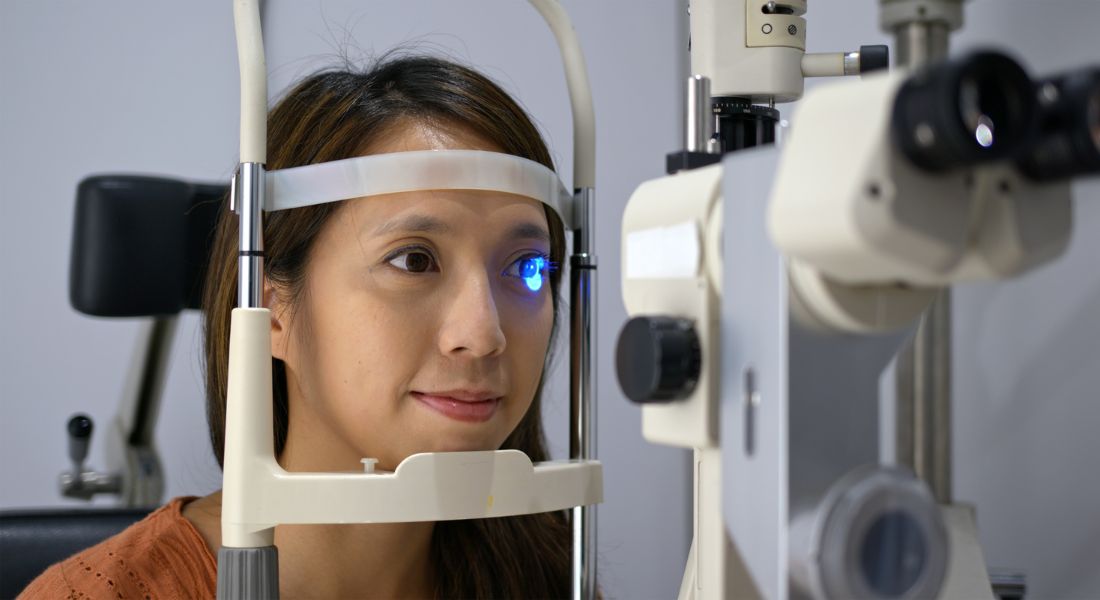
Before undergoing ICL surgery, you will have a comprehensive eye examination to assess the overall health and structure of your eyes. This typically includes tests such as corneal mapping, retinal evaluation, and measurement of intraocular pressure. These assessments help ensure that your eyes are healthy and suitable for the procedure. The process is non-invasive, painless, and designed to give a detailed understanding of your eye condition.
Accurate measurements are extremely important when planning ICL surgery, as they are used to determine the correct lens size and placement. Even very small variations in eye dimensions can influence long-term visual outcomes and overall comfort after surgery. For this reason, advanced diagnostic equipment is used to achieve high precision. These detailed evaluations help your surgeon tailor the procedure specifically to your eyes.
Good ocular health is essential for ICL surgery, regardless of whether you have Crohn’s disease or not. Your eye condition must be stable and free from active disease or infection to ensure safe treatment. When combined with careful systemic health assessment, this helps maximise the chances of achieving excellent and lasting visual results.
Immune System Balance
Your immune system plays a crucial role in how your body heals after any surgical procedure, including ICL surgery. In Crohn’s disease, the immune system can become overactive or dysregulated, which may sometimes affect how quickly and efficiently recovery takes place. This is why achieving good disease stability before surgery is so important. A balanced immune response helps create the right conditions for safe healing.
When your immune system is well controlled and your Crohn’s disease is in remission, the healing process after surgery usually progresses in a normal and predictable way. Even so, your doctor may still recommend closer monitoring during the recovery period as an added precaution. This allows any early signs of inflammation or delayed healing to be identified and managed promptly. Such careful follow-up helps ensure the safest possible outcome.
Maintaining immune balance significantly improves surgical safety and recovery quality. It reduces the likelihood of complications such as excessive inflammation or infection and supports smoother healing overall. When your immune system is stable, your body is better prepared to respond positively to surgery. This balance is a key factor in achieving successful and long-lasting visual results.
Stress and Flare-Ups
Stress can sometimes trigger flare-ups in patients with Crohn’s disease. Because of this, it’s important to understand how both emotional and physical stress can affect your condition. Surgery, even when it is minor and routine, can naturally create some level of stress for your body and mind. This is why good preparation and support before the procedure really matter. Before surgery, your medical team will focus on making sure you feel as stable and comfortable as possible. There are several ways this is managed.
- Pre-surgery stability checks: Your doctor will make sure your Crohn’s disease is well controlled before you go ahead with surgery. If your condition is active or unstable, they may recommend delaying the procedure until things are calmer. This helps reduce the chance of complications and supports a smoother recovery.
- Reducing emotional stress before surgery: Feeling anxious before any procedure is completely normal. You may be encouraged to ask questions, understand each step, and talk through any concerns with your surgeon. When you feel informed, you are likely to feel more relaxed and in control.
- Importance of rest and sleep: Good sleep and rest in the days leading up to surgery help your body stay balanced. When you are well-rested, your immune system functions more effectively, which supports healing and reduces the risk of flare-ups.
- Relaxation techniques and calming routines: Simple techniques like deep breathing, gentle walks, or mindfulness can help keep stress levels low. These small habits can make a noticeable difference in how your body responds to the procedure.
When your body is calm and well-prepared, it tends to respond better to surgery overall. You are more likely to recover smoothly and experience fewer complications. Managing stress effectively is therefore an important part of your surgical journey, especially when living with Crohn’s disease.
Choosing the Right Timing
Choosing the right timing for ICL surgery is especially important when you have Crohn’s disease. The safest and most effective time to proceed is usually during a period of remission, when your symptoms are well controlled and inflammation levels are low. At this stage, your body is in a more stable state, which supports better healing and reduces the risk of post-operative complications.
If you have recently experienced a flare-up, your surgeon will often advise delaying surgery until your condition has settled. This waiting period allows your immune system to return to a more balanced state and ensures your body is better prepared for surgical stress. Although it may require patience, this approach significantly improves safety and long-term results.
Once your Crohn’s disease has been stable for an appropriate period, you can usually proceed with surgery more confidently. Careful timing helps create the best possible conditions for healing and visual recovery. Ultimately, choosing the right moment is one of the most important factors in achieving a safe and successful outcome.
The Surgery Experience
On the day of your ICL surgery, your eyes will be numbed using special anaesthetic drops, ensuring that you remain comfortable throughout the procedure. You will be awake during the surgery, but you should not feel any pain. Most patients describe the experience as calm and manageable, with only mild awareness of pressure or movement at times.
During the procedure, your surgeon will carefully insert the implantable lens into your eye with precision and care. The process is relatively quick, usually completed within a short time, and is designed to be as minimally invasive as possible. Thanks to advanced surgical techniques, discomfort is typically very minimal.
After the procedure, you will be able to return home the same day. Recovery begins almost immediately, although your vision may be slightly blurred at first as your eyes adjust. With proper aftercare and follow-up, most patients experience steady improvement in vision over the following days and weeks.
Early Recovery Phase
After ICL surgery, it is common for your vision to appear slightly blurry or hazy in the first few hours or days. This is a normal part of the early healing process as your eyes adjust to the new lens. You may also experience mild irritation, light sensitivity, or a watery feeling, but these symptoms are usually temporary and gradually improve.
To support healing and reduce the risk of infection or inflammation, you will be prescribed eye drops. These may include antibiotic and anti-inflammatory medications, which play a key role in ensuring smooth recovery. It is very important to use them exactly as directed by your surgeon, as consistent use helps protect your eyes during the healing phase.
During the first 24-48 hours, rest is strongly recommended to allow your eyes to recover properly. You should avoid rubbing your eyes or putting any pressure on them, as this can interfere with healing. With proper care and rest, most patients notice steady improvement in vision within a short period of time.
Healing with Crohn’s Disease
If your Crohn’s disease is well-controlled and in remission, your healing process after ICL surgery is generally very similar to that of other patients. A stable immune system supports normal recovery, allowing the eye to heal in a predictable and steady way. In most cases, Crohn’s disease itself does not prevent good surgical outcomes when it is properly managed.
However, because Crohn’s is an immune-related condition, your surgeon may recommend closer follow-up to ensure everything is healing as expected. You may have additional check-up appointments compared to standard cases, mainly as a precaution. This helps your doctor monitor for any signs of inflammation or delayed healing and address them early if needed. Preventive care is always prioritised to maintain safety.
Overall, most patients with stable Crohn’s disease heal well and experience significant improvements in vision. Recovery is typically smooth, and visual clarity improves steadily in the days and weeks following surgery. With proper monitoring and good disease control, outcomes are usually very positive and long-lasting.
Follow-Up Appointments

Follow-up appointments are a crucial part of recovery after ICL surgery, as they allow your surgeon to closely monitor how your eyes are healing. During these visits, key factors such as eye pressure, lens position, and overall eye health are carefully checked. These assessments help ensure that the implanted lens is functioning correctly and that your recovery is progressing as expected.
For patients with Crohn’s disease, follow-up visits may sometimes be scheduled slightly more frequently. This is not because complications are expected, but rather as a precaution to ensure everything remains stable during the healing process. Extra monitoring allows your surgeon to quickly identify and manage any early signs of inflammation or healing delays. This approach helps maintain a high level of safety throughout recovery.
Overall, follow-up care provides reassurance and plays an essential role in achieving the best possible outcome. It gives you the opportunity to ask questions, discuss any concerns, and track your visual improvement over time. These regular checks are a key part of ensuring long-term success after ICL surgery.
Lifestyle After Surgery
After surgery, you will need to take things a bit gently for a short period. This is important because sudden strain or intense activity can affect your healing eyes. You can still stay active, but the key is to ease back into your normal routine gradually and listen to your body.
- Avoid heavy exercise initially: You should avoid activities like weightlifting, running, or any high-impact exercise for a short time after surgery. These can increase pressure in your eyes, which is best avoided during early healing. Gentle activities such as walking are usually fine and can actually help you feel better.
- Focus on eye hygiene and protection: Good hygiene is very important while your eyes are healing. You should avoid rubbing your eyes and always wash your hands before touching your face or applying any prescribed drops. This helps reduce the risk of infection and supports smooth recovery.
- Avoid swimming and dusty environments: In the early stages, you should stay away from swimming pools, hot tubs, and dusty or smoky environments. Water and airborne particles can increase the risk of irritation or infection while your eyes are still sensitive.
- Follow your prescribed aftercare routine: Your surgeon may give you eye drops and a recovery schedule. It’s important to follow this carefully, as it helps reduce inflammation and supports proper healing.
- Support your overall health: A balanced lifestyle doesn’t just help your eyes it also supports your general wellbeing, especially when living with Crohn’s disease. Eating well, staying hydrated, and getting enough rest can help keep your condition stable and support recovery.
After surgery, your body needs a bit of time to adjust, but most people find they gradually return to normal life quite smoothly. When you look after your eyes properly in the early weeks, you give yourself the best chance of a comfortable recovery and long-term results.
Long-Term Vision Results
ICL surgery is designed to provide long-lasting vision correction, and many patients enjoy clear, stable eyesight for many years after the procedure. Once the eye has fully healed, the implanted lens remains in place and continues to support good vision without the need for frequent adjustments. As a result, dependence on glasses or contact lenses is significantly reduced, which greatly improves day-to-day convenience and quality of life.
Crohn’s disease does not usually have a direct impact on the long-term visual outcomes of ICL surgery, especially when the condition is well controlled. After the initial healing phase is complete, vision tends to remain stable in most patients. However, regular eye check-ups are still important to ensure that eye pressure, lens position, and overall eye health remain in good condition over time. These routine visits help maintain long-term safety and reassurance.
Overall, patient satisfaction after ICL surgery is typically very high, with many people describing the results as life-changing. Improved visual clarity can enhance both personal and professional aspects of life. With proper surgical planning, good disease management, and consistent follow-up care, long-term outcomes are usually excellent and highly reliable.
When Surgery May Be Postponed
Sometimes ICL surgery may need to be postponed when it is not the safest time to proceed. This most commonly occurs during an active Crohn’s disease flare-up, when inflammation levels are high and the immune system is not in a stable state. In such situations, delaying surgery is a precautionary step to ensure your body is better prepared for healing. Safety is always the top priority in surgical planning.
Surgery may also be delayed if your medication regimen is unstable or undergoing recent changes. Doctors generally prefer that your treatment plan is consistent and well-established before proceeding, as this helps create a predictable healing environment. Sudden changes in medications such as steroids or immunosuppressants can affect recovery, so stability is an important requirement. This careful approach helps minimise unnecessary risks.
Although delays can feel frustrating, they are usually temporary and ultimately beneficial. Allowing time for your Crohn’s disease and overall health to stabilise significantly improves the safety and success of the procedure. In most cases, waiting leads to better healing, fewer complications, and more reliable long-term visual outcomes.
Eye Pressure Monitoring
Eye pressure (intraocular pressure) is closely monitored after ICL surgery to ensure that the implanted lens is functioning properly and that your eye is healing in a healthy way. Maintaining normal pressure levels is important, as any significant increase or decrease may indicate a potential complication that needs early attention. These checks are a routine and essential part of post-operative care.
For patients with Crohn’s disease, your surgeon may recommend slightly more frequent monitoring as a precaution. This is not because complications are expected, but to ensure that your healing process remains stable and any changes are detected early. Given that Crohn’s can affect immune response and inflammation levels, this added vigilance helps support safer recovery.
Regular eye pressure checks are simple, quick, and completely painless. They play a key role in maintaining long-term eye health and ensuring the continued success of your ICL surgery. Consistent monitoring helps protect your vision and provides reassurance throughout the healing process.
Return to Normal Activities
After surgery, you can return to your normal activities gradually rather than all at once. Most people are able to get back to their usual daily routines within a few days, especially light tasks. However, full recovery and complete stabilisation of vision usually take a few weeks, so it’s important to be patient with the process.
- Gradual return to daily routine: You can start with simple activities like reading, using your phone, or light household tasks quite soon after surgery. These are generally safe and do not put strain on your eyes. It’s best to increase your activity level slowly rather than rushing back into a busy schedule straight away.
- Avoid heavy physical activity at first: Strenuous exercise, lifting heavy objects, or high-impact sports should be avoided in the early recovery period. These activities can increase pressure in your eyes and may interfere with the healing process. Your surgeon will let you know exactly when it is safe to restart them.
- Careful return to work and driving: Many patients can return to work within a few days, depending on the nature of their job. If your work involves screens or physical effort, you may need a short adjustment period. Driving should only be resumed once your surgeon confirms your vision is stable and safe.
- Follow your surgeon’s guidance: Everyone heals slightly differently, so your recovery plan will be tailored to you. Attending follow-up appointments ensures your progress is monitored and any concerns are addressed early.
Taking a slow and steady approach helps protect your eyes while they heal. It also reduces the risk of complications and supports clearer, more stable vision in the long term. Although it can be tempting to return to everything quickly, giving your eyes a little time makes a big difference to your overall outcome.
Managing Expectations
Recovery after eye surgery is not exactly the same for everyone. You may notice that your vision improves quite quickly, but in some cases it can continue to settle and sharpen over several weeks. Because of this natural variation, it’s important to stay patient and allow your eyes the time they need to fully stabilise.
Living with Crohn’s disease does not stop you from achieving good surgical outcomes. However, your recovery may be monitored a little more closely to ensure everything is healing as expected. This extra attention is simply to keep you safe and support the best possible result.
- Gradual vision improvement: Your eyesight may not be perfectly clear immediately after surgery. It is normal for vision to fluctuate slightly in the early days. Over time, things usually become sharper and more stable as your eyes heal.
- Individual healing differences: Everyone’s body responds differently to surgery. Some people recover very quickly, while others take a bit longer. This does not necessarily mean anything is wrong it is just part of normal variation in healing.
- Closer monitoring if you have Crohn’s disease: If you have Crohn’s disease, your surgeon may arrange more regular follow-ups. This helps ensure that healing is progressing well and that any inflammation or concerns are managed early.
- Importance of patience during recovery: It can be tempting to expect instant results, but giving your eyes time to settle is key. Avoid comparing your recovery too closely with others, as your timeline may be slightly different.
- Overall satisfaction with results: Most patients feel very positive once their vision stabilises. Even if the early recovery phase feels a bit uncertain, the long-term outcome is usually highly satisfying.
Keeping realistic expectations helps you stay relaxed during recovery and appreciate improvements as they happen. When you allow your eyes to heal properly, you give yourself the best chance of achieving clear, stable vision.
Warning Signs After Surgery
After ICL surgery, it is important to be aware of any unusual symptoms that may indicate a problem during healing. Warning signs can include persistent eye pain, increasing redness, sensitivity to light, or sudden changes in vision. While mild discomfort is normal in the early recovery period, any worsening or unexpected symptoms should be reported to your surgeon promptly. Early attention helps ensure that potential issues are managed before they become serious.
For patients with Crohn’s disease, extra caution is often recommended because immune system activity and medication effects can sometimes influence healing. This means it is especially important to stay alert to any changes and not ignore even minor symptoms. Quick communication with your eye specialist allows for timely intervention and reduces the risk of complications. Regular awareness is a key part of safe recovery.
Fortunately, most post-surgical issues are rare and, when they do occur, are usually treatable if detected early. Being informed and observant significantly improves safety and recovery outcomes. This proactive approach helps protect your vision and ensures a smoother healing experience overall.
When to Contact Your Doctor
You should contact your doctor immediately if you notice any concerning symptoms after ICL surgery. These include severe eye discomfort, sudden or significant changes in vision, increasing redness, or any signs that feel unusual compared to your normal recovery. Prompt medical attention helps ensure that any potential complications are identified and managed early, protecting both your vision and overall eye health.
If you have Crohn’s disease, it is often advised to be even more cautious, as immune system changes or medication effects may influence healing. Even mild or uncertain symptoms should be reported rather than ignored, as early intervention can prevent issues from becoming more serious. Clear and timely communication with your surgeon plays an important role in maintaining a safe recovery process.
Your surgical and medical team is always there to support you throughout your recovery. You should never hesitate to reach out if something does not feel right or if you simply need reassurance. Staying in close contact ensures you receive the best possible care at every stage of healing.
Long-Term Eye Care
Long-term eye care is an important part of maintaining healthy vision after surgery. Even once your eyes have fully healed, regular check-ups help ensure everything continues to stay stable and safe over time. These follow-ups allow your surgeon to monitor your eye health and detect any changes early.
- Regular eye examinations: You will need routine eye exams to make sure your vision remains clear and stable. During these visits, your surgeon will also check eye pressure and ensure the implanted lens is still correctly positioned.
- Monitoring eye pressure and lens position: After ICL surgery, it’s important to keep an eye on internal eye pressure, as well as the placement of the lens. These checks help prevent complications and ensure the lens continues to function properly.
- General health monitoring for Crohn’s disease: If you are living with Crohn’s disease, you may also need ongoing monitoring of your overall health alongside your eye care. Keeping your condition well controlled supports long-term healing and reduces potential risks.
- Coordination between healthcare providers: In some cases, your eye specialist and gastroenterologist may work together to ensure your treatment plan is well balanced. This joined-up approach helps maintain both eye health and general wellbeing.
- Protecting long-term results: Consistent follow-up care is the best way to protect your vision for the future. It helps ensure that any small issues are addressed early before they become more serious.
With regular care and monitoring, most patients enjoy long-lasting, stable results after surgery. Ongoing attention to both eye health and general health gives you the best chance of maintaining clear vision for many years.
Nutrition and Healing

Good nutrition plays an important role in supporting both Crohn’s disease management and recovery after ICL surgery. A balanced diet helps reduce systemic inflammation and provides the body with the essential nutrients needed for tissue repair and healing. Nutrients such as protein, vitamin C, vitamin A, and zinc are particularly important for supporting recovery and maintaining healthy immune function.
Poor nutritional status can slow down healing and may increase the risk of complications after surgery. This is especially relevant for patients with Crohn’s disease, as nutrient absorption can sometimes be affected during flare-ups. For this reason, your doctor may assess your dietary intake and recommend supplements if deficiencies are identified. This helps ensure your body is well-prepared for surgery and recovery.
Maintaining healthy eating habits can significantly improve surgical outcomes and overall recovery quality. A well-nourished body responds better to surgical stress and heals more efficiently. In addition to supporting eye recovery, good nutrition also contributes to better long-term control of Crohn’s disease and improved general well-being.
Benefits of ICL Surgery
ICL surgery offers highly effective vision correction, helping many patients achieve clear and sharp eyesight across different distances. It significantly reduces or even eliminates dependence on glasses and contact lenses, which can greatly improve daily comfort and convenience. Many patients describe the results as life-changing, especially when they have struggled with high prescriptions or unsuitable corneal conditions for laser surgery.
One of the key advantages of ICL surgery is that it is minimally invasive and reversible. Unlike some other vision correction procedures, the implanted lens can be removed or replaced if necessary, which adds an extra layer of safety and flexibility. This makes it a suitable option for a wide range of patients, including those with certain systemic health conditions. Crohn’s disease is not usually a barrier, provided the condition is stable and well managed.
Overall, the benefits of ICL surgery are long-lasting and highly significant for most patients. With proper assessment, careful timing, and good post-operative care, satisfaction rates are generally very high. Many people experience a noticeable improvement in quality of life, gaining greater independence and confidence in their vision.
Final Medical Considerations
Crohn’s disease requires careful assessment before undergoing ICL surgery, as it is a long-term inflammatory condition that can influence healing and immune response. However, having Crohn’s disease does not automatically mean you cannot have the procedure. The most important factor is whether your condition is stable, well-controlled, and free from recent flare-ups at the time of surgery.
With proper pre-operative planning, most potential risks can be effectively managed. This often involves coordination between your ophthalmologist, gastroenterologist, and sometimes your general physician to ensure your overall health is optimised. Each patient is assessed individually, taking into account medication use, disease activity, and general fitness for surgery. This personalised approach helps maximise safety and success.
In most cases, patients with stable Crohn’s disease are able to proceed with ICL surgery safely and achieve excellent outcomes. When carefully planned, the procedure is generally well tolerated, and visual results are highly positive. Good communication, timing, and medical collaboration are key to ensuring the best possible experience and long-term results.
FAQs:
- Can you have ICL surgery if you have Crohn’s disease?
Yes, many patients with Crohn’s disease can safely undergo ICL surgery. The most important factor is whether your condition is stable and in remission. If your disease is well controlled, surgical outcomes are generally very good. Your surgeon will assess your overall health before making a decision. - Does Crohn’s disease increase the risk of complications?
Crohn’s disease can slightly increase certain risks, mainly related to healing and inflammation. This is more likely if the condition is active or poorly controlled. However, when stable, the risk is usually low and well managed. Careful planning helps minimise complications. - Why does Crohn’s disease affect eye surgery decisions?
Crohn’s disease is an autoimmune condition, meaning your immune system is more active than normal. This can influence healing and inflammation after surgery. Doctors take this into account to ensure safe recovery. Stability of the condition is the key consideration. - Can I have ICL surgery during a Crohn’s flare-up?
No, it is generally not recommended to have surgery during a flare-up. Active inflammation can increase risks and delay healing. Surgeons usually advise waiting until the disease is in remission. This ensures a safer and more predictable outcome. - Do Crohn’s medications affect ICL surgery?
Yes, some medications such as steroids or immunosuppressants may affect healing. They can slightly increase infection risk or slow recovery. However, you should never stop your medication without medical advice. Your doctors will coordinate any necessary adjustments. - Will Crohn’s disease affect my healing after surgery?
If your Crohn’s disease is stable, healing is usually similar to other patients. In some cases, immune system differences may require closer monitoring. Your surgeon may schedule additional follow-ups to ensure proper recovery. Most patients still heal well without issues. - Is special testing needed before surgery?
Yes, you may need blood tests and a general health assessment before surgery. These help check inflammation levels, immune status, and nutritional health. Your eye specialist may also request clearance from your gastroenterologist. This ensures a safe surgical plan. - Can ICL surgery trigger a Crohn’s flare-up?
There is no strong evidence that ICL surgery directly triggers flare-ups. However, stress from any procedure can sometimes affect autoimmune conditions. That is why doctors ensure your disease is stable before surgery. Good preparation reduces this risk significantly. - Is recovery slower for Crohn’s patients?
Recovery is not usually significantly slower if the condition is stable. However, doctors may monitor you more closely as a precaution. This helps detect any early signs of inflammation or infection. Most patients recover within the normal timeframe. - What happens if I’m not suitable for ICL surgery?
If ICL surgery is not suitable, other vision correction options are available. These may include glasses, contact lenses, or laser-based procedures depending on your eye health. Your surgeon will recommend the safest alternative for your condition. The focus is always on achieving safe and effective vision correction.
Final Thought: Safe and Personalised Vision Correction in Crohn’s Disease
ICL surgery can still be a suitable vision correction option for you even if you have Crohn’s disease, as long as your condition is stable and well controlled. The most important factor is not the diagnosis itself, but how active your immune system is at the time of surgery. When Crohn’s disease is in remission and properly managed, most patients can undergo the procedure safely with careful planning and specialist assessment.
Because Crohn’s disease is an autoimmune condition, your surgeon will always take extra care to evaluate healing response, medication use, and overall health before recommending surgery. This may include coordinating with your gastroenterologist, reviewing medications, and ensuring your body is in the best possible state for recovery. With the right timing and monitoring, risks can be kept low and outcomes remain highly successful. If you’d like to find out whether ICL surgery in London is suitable for you, feel free to contact us at Eye Clinic London to arrange a consultation.
References:
- Kamiya, K., Shimizu, K., Takahashi, M., Ando, W., Hayakawa, H. and Shoji, N. (2021) ‘Eight-year outcomes of implantation of posterior chamber phakic intraocular lens with a central port for moderate to high ametropia’, Frontiers in Medicine. https://pmc.ncbi.nlm.nih.gov/articles/PMC8716586/
- Packer, M. (2018) ‘The implantable collamer lens with a central port: review of the literature’, Clinical Ophthalmology. https://pmc.ncbi.nlm.nih.gov/articles/PMC6267497/
- Naripthaphan, P., et al. (2018) ‘Efficacy and safety of hole implantable collamer lens implantation for refractive error correction’, Journal of Cataract & Refractive Surgery, 44(7), pp. 850-857. https://pubmed.ncbi.nlm.nih.gov/29927184/
- Chan, A.T., et al. (2017) ‘Outcomes after implantable collamer lens surgery: toric and non-toric ICL results in moderate to high myopia’, Journal of Cataract & Refractive Surgery, 43(6), pp. 779-786. https://pubmed.ncbi.nlm.nih.gov/28457282/
- Wei, Q., et al. (2023) ‘Retinal and choroidal changes following ICL V4c implantation: a 1-year observational study in high myopia patients’, Diagnostics, 13(19), Article 3097. https://www.mdpi.com/2075-4418/13/19/3097