


Why Is RLE Surgery Becoming More Popular in Asia?

Refractive Lens Exchange (RLE) is now being discussed and performed more frequently in many Asian countries. This increasing interest reflects broader changes in lifestyle, evolving eye health patterns, and continuous improvements in refractive surgery technology.
RLE works by replacing your eye’s natural lens with an artificial intraocular lens to correct refractive error and reduce dependence on glasses or contact lenses. It is the same surgical technique used in cataract surgery, but it is performed for vision correction purposes rather than treating a cloudy lens.
While RLE has traditionally been more common in older patients, it is now being considered more widely in carefully selected cases across Asia. This is partly due to better diagnostic tools, improved lens designs, and greater awareness of long-term vision correction options among patients.
However, just because a procedure is becoming more popular does not mean it is suitable for everyone. Your suitability for RLE is always based on your personal eye measurements, overall eye health, and a detailed clinical assessment, rather than geographic trends or popularity alone.
What Is RLE Surgery?
Refractive Lens Exchange (RLE) is a procedure in which your eye’s natural crystalline lens is removed and replaced with a clear artificial lens called an intraocular lens (IOL). The surgical technique is the same as cataract surgery, but in RLE it is performed to correct refractive errors rather than to treat a cloudy lens.
The main aim of RLE is to improve the clarity of your vision and reduce your dependence on glasses or contact lenses in everyday life. It is often considered when you want a more permanent solution for conditions such as presbyopia, high refractive error, or when other vision correction options are not suitable.
Different types of intraocular lenses can be used depending on your individual needs and visual goals. These include monofocal lenses, multifocal lenses, and extended depth of focus (EDOF) lenses, each designed to provide different ranges of clear vision after surgery.
Rising Myopia Rates in Asia
One of the key reasons for growing interest in lens-based surgery in Asia is the high and increasing prevalence of myopia. Many East and Southeast Asian countries have reported very high rates of short-sightedness, particularly among younger populations, which has become a significant public health concern over recent decades.
As more people develop higher levels of myopia, there is also greater demand for long-term and stable vision correction options. You may notice that conventional glasses or contact lenses become less convenient or less effective in managing very high refractive errors over time.
In such cases, Refractive Lens Exchange (RLE) may be considered when laser eye surgery is not suitable or when corneal limits prevent safe correction. This makes RLE an important alternative option for patients with higher levels of refractive error, depending on individual eye measurements and clinical assessment.
High Refractive Error and Treatment Limitations
If you have very high myopia or hyperopia, laser eye surgery may not always be the most suitable option for you. This is often due to limitations such as corneal thickness, corneal shape, or the level of refractive correction required to achieve clear vision.
Refractive Lens Exchange (RLE) offers an alternative approach by correcting your vision inside the eye rather than reshaping the cornea. Your surgeon replaces the natural lens with an artificial intraocular lens, which allows a wider range of refractive errors to be treated effectively.
This makes RLE a valuable option if you have been told that laser procedures may not be appropriate for your eyes. It can provide a surgical solution when other vision correction choices are limited, depending on your individual eye measurements and overall suitability.
Aging Population and Presbyopia
Another important factor driving the popularity of Refractive Lens Exchange (RLE) in Asia is the ageing population. As you get older, your eye’s natural lens gradually loses its ability to focus on nearby objects. This condition is known as presbyopia and is a natural part of the ageing process.
RLE can help address both distance and near vision problems, depending on the type of intraocular lens used. By replacing your natural lens with an artificial one, your surgeon can choose a lens design that supports clearer vision at different distances.
This makes RLE an attractive option if you are looking for a more permanent solution to age-related vision changes. It can reduce your dependence on reading glasses and provide more consistent visual performance in daily life.
Advancements in Lens Technology
Modern intraocular lens (IOL) technology has improved significantly in recent years, making Refractive Lens Exchange (RLE) more effective and predictable. Today’s lenses are designed to provide clearer and more natural vision compared to earlier generations.
Multifocal and extended depth of focus (EDOF) lenses now offer improved visual quality at multiple distances. This can help reduce your dependence on glasses for both near and distance tasks, although the exact outcome depends on your eye health and individual suitability.
These advancements have also increased patient confidence in lens-based surgery. Improved lens designs allow your surgeon to better tailor visual outcomes to your daily lifestyle, helping you achieve a more personalised and comfortable visual experience after RLE.
Improved Surgical Techniques
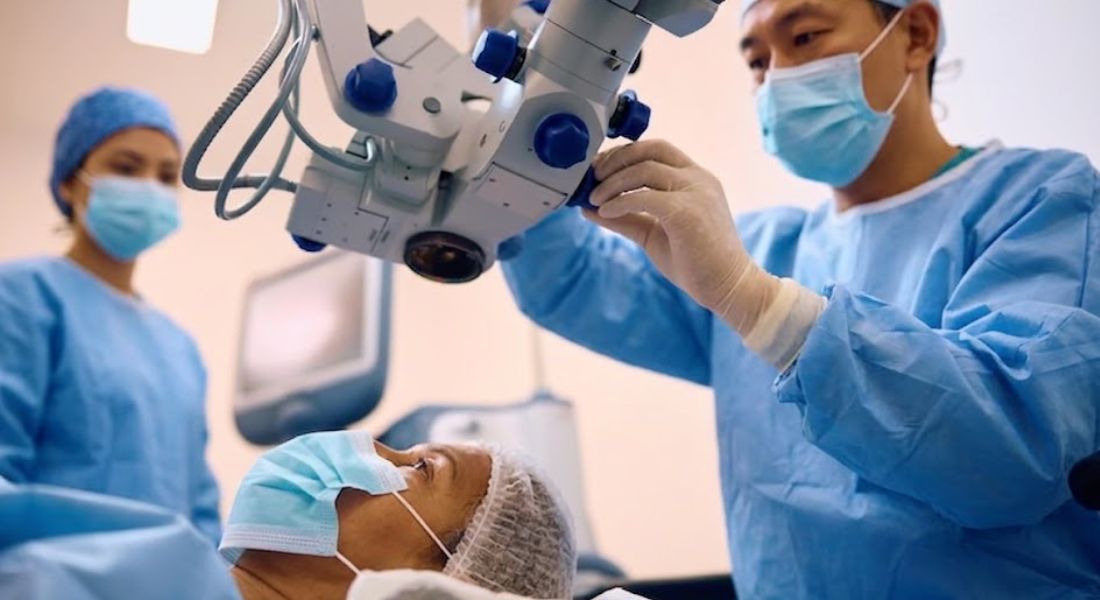
Refractive Lens Exchange (RLE) has become safer and more predictable due to major improvements in surgical techniques, imaging, and biometry. These advancements allow your surgeon to plan and perform the procedure with greater precision and control.
Modern phacoemulsification systems make it easier to remove the natural lens through a small incision with minimal disruption to surrounding eye structures. Refined surgical approaches, including smaller and more precise incisions, also help promote faster healing and reduce the risk of complications.
Better postoperative care has further improved recovery and long-term outcomes. As a result, lens-based refractive surgery has gained wider acceptance in many regions, including Asia, as more patients experience stable and reliable visual results.
Better Diagnostic Technology
Advanced diagnostic tools have significantly improved how surgeons plan Refractive Lens Exchange (RLE). Technologies such as optical biometry, corneal topography, and anterior segment imaging allow for highly detailed and accurate measurements of your eye. These tests are quick, non-invasive, and provide essential data that helps build a complete picture of your eye’s optical system before surgery.
These tools help your surgeon understand the exact shape and structure of your eye in far greater detail than before. With this information, they can select the most suitable intraocular lens type and calculate the correct lens power more precisely. This reduces the chances of refractive surprises after surgery and helps improve the overall accuracy of your visual outcome.
As a result, outcomes have become more predictable and consistent. This improved accuracy also gives you and your surgeon greater confidence in the procedure, as treatment planning is based on detailed individual data rather than estimates.
Increasing Awareness of Vision Correction Options
Awareness of refractive surgery options has increased significantly across Asia in recent years. This growth is largely driven by better access to information, online education, and improved patient understanding of modern eye care treatments.
You are now more likely to learn about different vision correction options, including LASIK, SMILE, Implantable Collamer Lens (ICL), and Refractive Lens Exchange (RLE). This wider awareness helps you compare procedures and understand which options may suit your eye condition and lifestyle.
As a result, more patients are exploring lens-based procedures like RLE. This growing interest reflects improved education and access to advanced refractive surgery, rather than changes in clinical suitability or medical need.
Preference for Long-Term Solutions
Some patients choose Refractive Lens Exchange (RLE) because it offers a long-term solution for refractive error. Once your natural lens is replaced with an artificial intraocular lens, it will not develop cataracts in the future, since the lens has already been removed.
This can be particularly appealing if you want a more permanent reduction in your dependence on glasses or contact lenses. Many patients also value the stability of vision that comes from replacing the natural lens rather than relying on changes to the cornea.
However, RLE is still an intraocular surgical procedure, so it requires careful consideration. Your surgeon will assess your eye health, measurements, and expectations to ensure the procedure is appropriate for you and aligns with your long-term visual goals.
Limitations of Laser Eye Surgery
Laser eye surgery is highly effective for many patients, but it does have limitations in certain situations. If you have a very high refractive error or thinner corneas, laser procedures may not always be the most suitable option for your eyes.
In these cases, Refractive Lens Exchange (RLE) may be considered as an alternative. Since RLE works by replacing the natural lens rather than reshaping the cornea, it can sometimes provide a more stable solution for specific eye conditions.
This does not mean RLE is better than laser eye surgery. Instead, it simply means that different procedures suit different eye structures. Your surgeon will assess your measurements carefully to recommend the option that best matches your individual needs and long-term visual goals.
Role of Individual Eye Anatomy
Even though RLE is becoming more widely performed in Asia, whether it is suitable for you depends entirely on your individual eye anatomy. There is no “one-size-fits-all” approach, and your personal measurements are far more important than any general population trend.
- Axial Length Matters: This helps determine your eye size and plays a key role in lens power calculations.
- Corneal Curvature: The shape and curvature of your cornea affect how light focuses and influence your final visual outcome.
- Anterior Chamber Depth: This measurement helps confirm whether there is enough space inside your eye for safe lens placement.
- Lens Thickness and Health: The condition of your natural lens can influence both suitability and long-term outcomes.
- Overall Safety Assessment: These measurements are combined to assess whether RLE is safe and likely to give you clear, stable vision.
Overall, RLE decisions are based on detailed anatomical measurements of your eyes rather than ethnicity or geographic background. A thorough assessment ensures that the procedure is only recommended when your eye structure supports both safety and good visual results.
Importance of Biometry Accuracy
Accurate biometry is one of the most important factors for successful Refractive Lens Exchange (RLE) outcomes. Even small errors in eye measurements can lead to unexpected refractive results after surgery, which may affect how clearly you see without glasses.
Modern optical biometry systems have significantly improved the precision of these measurements. They allow your surgeon to gather highly detailed information about your eye’s structure, helping to select the most suitable intraocular lens and improve the predictability of your visual outcome.
This level of accuracy is far more important than geographic or ethnic factors. Your final result depends on how precise your measurements are and how well your treatment is tailored to your individual eye characteristics.
Patient Expectations and Lifestyle

Your lifestyle expectations play an important role in the growing popularity of Refractive Lens Exchange (RLE). Many patients choose the procedure because they want to reduce their dependence on glasses in everyday life, including at work, while travelling, and during routine activities.
Modern intraocular lenses, such as multifocal and extended depth of focus (EDOF) lenses, can support both distance and near vision. This makes them particularly appealing if you lead an active lifestyle and want greater visual freedom without relying on spectacles for most tasks.
However, proper counselling is essential before surgery. Your surgeon will discuss what RLE can realistically achieve for you and help you understand both the benefits and limitations, so your expectations remain aligned with the likely visual outcome.
Comparison With ICL and LASIK
In Asia, LASIK, Implantable Collamer Lens (ICL), and Refractive Lens Exchange (RLE) are all commonly considered options for vision correction. Each procedure works in a different way and is suited to different types of patients.
LASIK reshapes the cornea to correct refractive error. ICL involves placing an artificial lens inside the eye without removing the natural lens. RLE, on the other hand, replaces the natural lens completely with an intraocular lens to correct vision.
Each procedure has specific suitability criteria. The best option for you depends on factors such as your age, corneal health, level of refractive error, and detailed anatomical measurements. Your surgeon will assess these factors carefully to recommend the most appropriate treatment for your individual eyes and visual goals.
Safety and Risk Considerations
Refractive Lens Exchange (RLE) is generally considered safe when it is performed on suitable patients and planned carefully by an experienced surgeon. The procedure follows the same surgical principles as cataract surgery, which has a long-established safety record.
However, like any intraocular surgery, RLE does carry some risks. These can include infection, inflammation, retinal detachment (especially in patients with high myopia), glare, halos, and residual refractive error after healing. Most of these complications are uncommon, but they are important to understand before deciding on surgery.
Careful patient selection, accurate eye measurements, and detailed surgical planning all play a major role in reducing these risks. When your treatment is tailored specifically to your eye anatomy and visual needs, the likelihood of a successful and stable outcome is significantly improved.
Why Trends Do Not Replace Medical Suitability
Even though Refractive Lens Exchange (RLE) is becoming more popular in Asia, your medical suitability remains the most important factor in deciding whether the procedure is right for you. Popularity and demand can increase awareness, but they do not determine clinical eligibility for surgery.
Trends may influence how often procedures are discussed or offered, but they cannot replace a proper eye examination. Your surgeon still needs to evaluate your eye health, refractive error, and overall anatomy before making any recommendation.
Every patient must undergo a detailed assessment before any decision is made. This ensures that your treatment plan is based on your individual needs and eye measurements, rather than general trends or external influences.
Role of Age in RLE Decisions
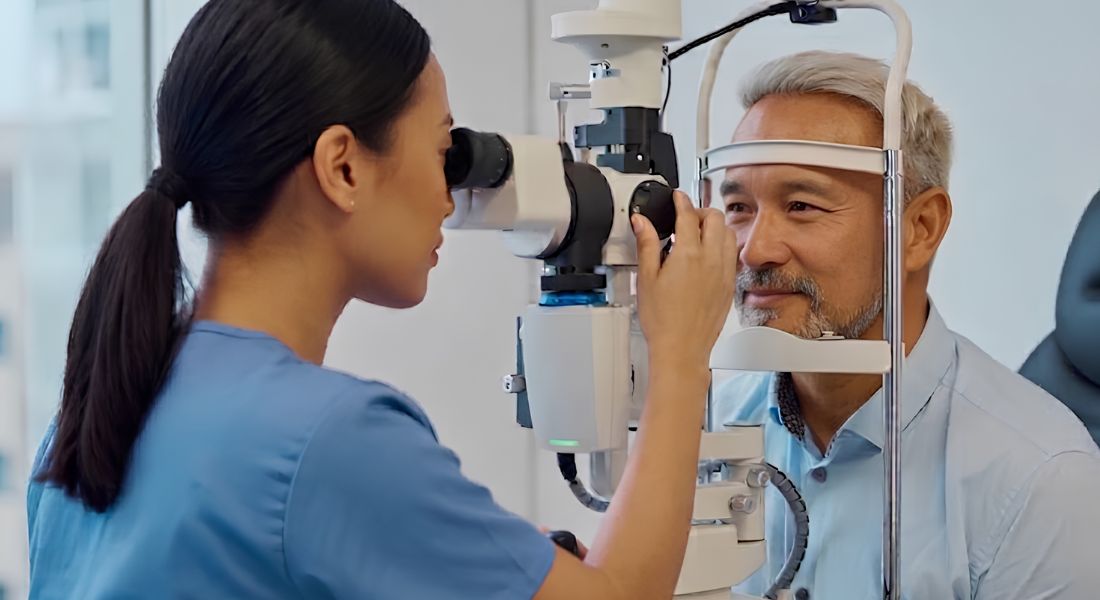
Age is one of the most important factors when deciding whether RLE (Refractive Lens Exchange) is appropriate for you. This is because your natural lens changes over time, which directly affects both your vision and the types of treatments that are most suitable.
- More Common in Older Patients: RLE is typically considered in people over 40–50 years old, especially when presbyopia (difficulty focusing up close) starts to become noticeable.
- Presbyopia Drives Treatment Choice: As your natural lens loses flexibility with age, RLE can help reduce dependence on reading glasses.
- Younger Patients Are Assessed Differently: If you are younger, you are usually guided towards alternatives such as LASIK or ICL unless there is a clear clinical reason for lens replacement.
- Lens Changes Influence Suitability: Age-related changes in the natural lens often make RLE more relevant later in life compared with other refractive procedures.
- Lifestyle and Visual Goals Matter: Your daily activities, reading needs, and expectations also play a role in determining whether RLE is the right option for you.
Overall, age is a central factor in RLE decision-making because it reflects how your eye naturally changes over time. Treatment is always personalised, but RLE is generally more suitable when age-related lens changes begin to affect your vision.
Future Growth of RLE in Asia
Refractive Lens Exchange (RLE) is expected to grow in popularity across Asia due to continuous advancements in surgical technology, improved intraocular lens designs, and greater patient awareness about long-term vision correction options. These developments are making the procedure more predictable and widely accessible.
Artificial intelligence and more advanced lens calculation formulas are also likely to play a bigger role in the future. These tools can help surgeons analyse complex biometric data more effectively and improve the accuracy of refractive outcomes for a wide range of patients.
Despite this growth, careful patient selection and safety will remain the most important factors. Your suitability for RLE will still depend on a detailed eye examination, accurate measurements, and a personalised assessment of your visual needs and eye health.
When to Consider RLE Surgery
You may consider Refractive Lens Exchange (RLE) if you have presbyopia, a high refractive error, or if you are not suitable for laser eye surgery or Implantable Collamer Lens (ICL) treatment. It is often recommended when other vision correction options are less effective for your specific eye condition.
Before deciding on RLE, you will need a full and detailed eye examination. This assessment helps your surgeon understand your eye health, measure key anatomical factors, and determine whether the procedure is appropriate for you.
If you are exploring RLE surgery in London, your consultation will focus on your individual eye measurements and visual goals. Your surgeon will use this information to create a personalised treatment plan that is tailored specifically to your needs and expectations.
FAQs:
- Why is RLE surgery becoming more popular in Asia?
RLE is becoming more popular in Asia due to a combination of rising myopia rates, an ageing population, and improved surgical technology. Increased awareness of vision correction options has also contributed. However, suitability still depends on individual eye health and measurements rather than regional trends. - What is Refractive Lens Exchange (RLE) surgery?
RLE is a procedure where the eye’s natural lens is replaced with an artificial intraocular lens (IOL) to correct refractive errors such as myopia, hyperopia, or presbyopia. It is similar to cataract surgery but performed for vision correction rather than treating a cloudy lens. The goal is to reduce dependence on glasses or contact lenses. - Why is high myopia influencing RLE demand in Asia?
High myopia is highly prevalent in many Asian countries, especially in younger generations. In cases where prescriptions are very high or corneas are not suitable for laser surgery, RLE may be considered. This makes it an important alternative when other refractive procedures are limited. - How does presbyopia contribute to RLE popularity?
Presbyopia is an age-related condition where the eye loses its ability to focus on near objects. As populations age, more patients seek long-term solutions for both near and distance vision. RLE, especially with advanced lens options, can address these needs effectively. - What role does lens technology play in RLE growth?
Modern intraocular lenses such as multifocal and extended depth of focus (EDOF) lenses have significantly improved visual outcomes. These lenses can reduce or eliminate the need for glasses in many daily activities. Better lens design and customization have increased patient trust in RLE surgery. - Is RLE replacing laser eye surgery in Asia?
No, RLE is not replacing laser eye surgery. Instead, it is being used more often as an alternative for patients who are not suitable for LASIK or SMILE. Each procedure has its own indications based on corneal health, refractive error, and age. - How do diagnostic improvements affect RLE outcomes?
Advanced diagnostic tools like optical biometry, corneal topography, and anterior segment imaging allow highly precise measurements of the eye. This improves intraocular lens selection and reduces postoperative surprises. As a result, outcomes are more predictable and consistent. - Does popularity mean RLE is suitable for everyone in Asia?
No. Even though RLE is becoming more popular, it is not suitable for everyone. Suitability depends on detailed eye measurements, overall eye health, and patient expectations. Clinical evaluation is always more important than trends or popularity. - What are the alternatives to RLE in Asia?
Alternatives include LASIK, SMILE, and implantable contact lenses (ICL). LASIK reshapes the cornea, SMILE is a minimally invasive laser procedure, and ICL involves placing a lens without removing the natural one. The best option depends on individual eye structure and prescription. - Who is an ideal candidate for RLE surgery?
RLE is usually considered for patients over 40–50 years old, especially those with presbyopia or high refractive error. It may also be suitable for patients not eligible for laser or ICL procedures. A full eye examination is essential to confirm safety and suitability.
Final Thoughts: Growing Popularity, But Individual Suitability Remains Key
RLE surgery is becoming increasingly popular in Asia due to rising myopia rates, an ageing population, and advances in lens technology. However, popularity does not determine suitability.
Outcomes depend on individual eye anatomy, including axial length, corneal curvature, and lens health. These factors are more important than geographic or population-level trends.
A detailed clinical assessment is essential to confirm whether the procedure is safe and appropriate for your eyes. If you are considering RLE surgery in London, you can contact Eye Clinic London to arrange a consultation.
References:
- Baur, I.D. et al. (2024) Refractive Lens Exchange: A Review, Klinische Monatsblätter für Augenheilkunde, 241(8), pp. 893–904. Available at: https://pubmed.ncbi.nlm.nih.gov/39146574/
- Holden, B.A. et al. (2016) Global prevalence of myopia and high myopia and temporal trends, Ophthalmology, 123(5), pp. 1036–1042. Available at: https://pubmed.ncbi.nlm.nih.gov/27898449/
- Rodríguez-Calvo-de-Mora, M. et al. (2023) Retinal detachment after refractive lens exchange: a narrative review, Oftalmología, 98(9), pp. 507–520. Available at: https://www.sciencedirect.com/science/article/abs/pii/S2173579423001081
- Nicula, C.A. et al. (2020) Refractive lens exchange in hyperopic presbyopes with multifocal IOLs Journal of Clinical Medicine, 9(11), 1125. Available at: https://www.mdpi.com/2077-0383/9/11/1125
- Kretz, F.T.A. et al. (2025) Visual Outcomes and Patient Satisfaction with Extended Monovision in Refractive Lens Exchange, Journal of Clinical Medicine. Available at: https://www.mdpi.com/2077-0383/14/16/5684