


Why Eye Floaters Are More Noticeable in Bright Light (Explained)

You may notice eye floaters much more clearly when you step into bright sunlight or look at a white wall. This sudden increase in visibility can feel alarming, especially if floaters were barely noticeable before. We understand why brighter light can make it seem as though the problem is getting worse.
We often reassure you that this change is usually optical rather than pathological. Bright environments increase contrast inside the eye, which makes existing floaters easier to detect. The floaters themselves may not have changed at all.
Understanding how light affects visual perception helps reduce unnecessary anxiety. You may assume that increased visibility means progression, but this is not always the case. Context plays a significant role in how floaters are perceived.
We focus on explaining the optics rather than fuelling concern. You gain reassurance when visibility is separated from disease activity. Knowledge helps replace fear with clarity.
What Eye Floaters Actually Are
Eye floaters are small particles or strands suspended within the vitreous gel that fills the space between the lens and the retina. You experience them because age-related changes occur within this gel over time. We see these microscopic alterations as a normal part of ocular ageing.
You may perceive floaters as dots, threads, cobwebs, or drifting shadows that move when your eyes move. We recognise that they often settle when your gaze is fixed, which is a characteristic behaviour. This movement pattern helps distinguish floaters from surface or external visual disturbances.
We understand floaters as shadows formed when light is scattered or blocked before reaching the retina. You notice them differently depending on lighting and background conditions. Floaters are common and usually benign, with perception shaped strongly by the environment rather than change within the eye.
How Bright Light Changes Visual Contrast
Bright environments often make eye floaters feel more noticeable, which can be unsettling if you are not expecting it. This change in visibility is usually linked to how light interacts with the eye rather than to any new problem. Understanding why this happens helps reduce unnecessary concern. We explain it as an optical effect rather than a change within the eye itself.
- Bright light increases contrast inside the eye: Strong light sharpens contrast, making floater shadows appear more defined. You may notice floaters more clearly because their edges stand out against brighter backgrounds.
- Uniform backgrounds make floaters easier to detect: Surfaces such as the sky, white walls, or digital screens offer little visual distraction. We recognise that the eye becomes more sensitive to small imperfections in these settings.
- Increased visibility does not mean new floaters are forming: Brightness amplifies perception rather than indicating structural change. What you see was already present but becomes more noticeable in high-contrast conditions.
Seeing floaters more clearly in bright light is a common and expected experience. By understanding that this effect relates to contrast rather than worsening eye health, you can interpret these changes more calmly. Awareness helps separate optical perception from true disease progression.
Why White and Blue Backgrounds Highlight Floaters
Uniform backgrounds tend to make floaters stand out more clearly. You may notice them most against a clear blue sky or a plain white surface, where there is little visual texture to mask small shadows. We see even minor disturbances become more obvious in these simplified settings.
You might find that floaters seem to disappear when you look at complex scenes. We recognise that patterned environments, movement, or visual detail distract the visual system and allow the brain to filter out these shadows more effectively. Attention shifts away from minor imperfections.
We rely on visual processing to suppress low-priority information during everyday viewing. You lose that filtering advantage when backgrounds are uniform, making floaters feel more prominent. This explains why floaters appear to come and go, as background plays as much of a role as brightness.
The Role of Pupil Size in Bright Light
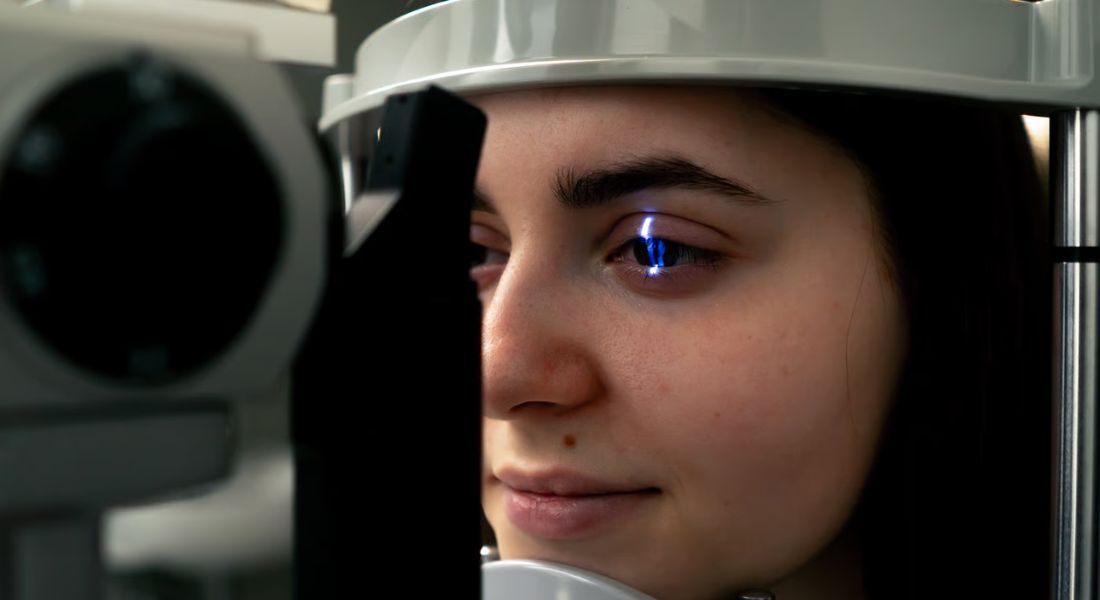
In bright light, the pupil constricts, altering how light is focused within the eye. You experience a greater depth of focus with smaller pupils, which makes visual detail more precise. We see this as a normal optical response to increased brightness.
You may notice floaters appearing sharper and more clearly defined in these conditions. We understand that this happens because shadow edges become more distinct as the optical system tightens focus. Nothing new is forming; visibility is simply enhanced.
We often compare this effect to a camera aperture, where a smaller opening sharpens both detail and imperfections. You therefore see floaters more easily in bright light. This response is predictable and does not indicate disease progression.
Why Dim Light Often Hides Floaters
In dim environments, the pupil naturally dilates and light entering the eye becomes more diffuse. You experience this as a softer focus, where shadows cast by floaters blur and fade. We see this effect reduces how sharply floaters are perceived.
You may feel relief indoors or at dusk when floaters seem to disappear or become far less intrusive. We understand that this change can feel reassuring, but it does not mean the floaters are gone. The difference lies in how they are seen, not whether they exist.
We recognise this as a change in contrast and visual sensitivity rather than anatomy. You are simply less able to detect fine shadows in lower light. Lighting alters visibility, not the floaters themselves.
Why the Brain Plays a Role in Noticing Floaters
The brain constantly filters visual information, prioritising what it considers important. You usually ignore familiar, low-threat stimuli, and floaters often fall into this category. We see this filtering at work when floaters fade into the background during normal daily activity.
You may become more aware of floaters when you actively look for them or focus on your vision. We recognise that attention and anxiety can heighten awareness, making floaters seem more noticeable than before. This effect reflects perception rather than physical change.
We often observe increased awareness after people learn more about floaters. You may feel they are more prominent for a time because focus has shifted toward them. Over time, the brain adapts again, reminding us that visual experience is shaped by perception as much as optics.
Why Bright Light Triggers Concern
Noticing floaters suddenly in bright light can feel alarming, especially when the change appears abrupt. It is natural to worry that something has suddenly worsened. We recognise that surprise often amplifies concern more than the floaters themselves. Understanding why this happens helps put the experience into perspective.
- Sudden visibility can feel like sudden onset: Bright light can make floaters appear sharply and unexpectedly. You may interpret this as rapid progression, which is a natural reaction.
- Floaters are often revealed rather than newly formed: Increased light and contrast may be the first time they are clearly noticed. We often find they have been present quietly for months or years.
- Visibility alone is rarely a warning sign: Concern usually comes from noticing something new rather than actual danger. We focus on patterns, change, and associated symptoms rather than brightness alone.
Sudden awareness of floaters does not usually indicate a new problem. By understanding how light and perception influence visibility, it becomes easier to separate surprise from risk. This perspective helps you respond calmly and focus on what truly matters for eye health.
When Increased Visibility Is Usually Normal
Floaters that have been present for a long time and remain unchanged are usually benign. You may notice them more clearly in bright light, but increased visibility alone is common and reassuring. We see this pattern frequently and recognise it as a normal experience.
You might become more aware of floaters during holidays, outdoor activities, or prolonged screen use. We understand that these settings increase contrast and draw attention to visual detail. Normal variation in awareness often follows changes in environment rather than changes in the eye.
We advise focusing on stability rather than simple presence. You are generally safe when floaters look the same over time and are not accompanied by flashes or vision loss. Normal floaters fluctuate in noticeability, and bright light often exaggerates awareness without indicating harm.
When Increased Visibility Should Be Checked

Some visual changes require prompt assessment. You should seek review if many new floaters appear suddenly, particularly when flashes of light are also present. We recognise that these combinations can signal a change that needs urgent attention.
You should also arrange evaluation if floaters are linked with a curtain-like shadow, dark area, or reduced vision. We understand that these symptoms may indicate retinal involvement rather than benign vitreous change. Timing is important in these situations.
We emphasise change rather than brightness or visibility alone. You are advised to take notice of new patterns, rapid increases, or associated symptoms. Early assessment helps protect retinal health, and prompt review is essential when warning signs appear.
Why Bright Light Can Coincide With New Awareness
Many people first notice floaters when they are outdoors, which can feel suspicious or sudden. You may link the onset to that exact moment, but bright environments simply make existing floaters easier to see. We recognise that increased light and contrast reveal changes that were already present.
You might assume that floaters appeared at the moment you became aware of them. We understand this reaction, but awareness often lags behind gradual development inside the eye. Noticing something for the first time does not mean it has just formed.
We explain that floaters usually develop slowly over time. You are more likely to detect them in bright conditions because visibility is enhanced. Understanding that discovery does not equal creation helps reduce unnecessary alarm.
Why Age and Vitreous Changes Matter
Floaters tend to become more common as part of natural ageing changes within the eye. You experience this because the vitreous gel gradually liquefies and separates over time, allowing small condensations to form. We see this process in many people as they get older.
You may notice floaters becoming more apparent with time, particularly in bright environments. We recognise that strong light makes these changes easier to see rather than causing them. Gradual progression is expected and does not usually indicate a problem.
We view floaters as a normal feature of ageing for many individuals. You should still seek assessment if changes are sudden or dramatic, but gradual presence is common. Age affects how often floaters occur, not how dangerous they are.
Why Floaters Often Seem Worse After Eye Examinations
After eye examinations, pupil dilation can temporarily alter how you perceive your vision. You may notice floaters appearing more obvious because the eye is allowing more light to enter. We see this change frequently and recognise that it can be unsettling at first.
You might feel concerned after leaving the clinic, especially if floaters seem suddenly more noticeable. We reassure you that this effect is temporary and linked to how dilated pupils handle light inside the eye. As the pupils return to their normal size, visual perception begins to normalise.
We emphasise that dilation does not create new floaters or worsen existing ones. You can expect awareness to settle as the effects wear off. These changes reflect temporary optical shifts rather than any new problem.
How to Reduce Floaters Visibility in Daily Life
Floaters cannot be removed by eye movement or by trying to focus them away, which can feel frustrating at first. However, how much you notice them is strongly influenced by attention and lighting. We often find that managing perception is more helpful than actively trying to eliminate them. Small adjustments can make a noticeable difference.
- Actively searching for floaters increases awareness: Trying to track or move floaters tends to make them feel more prominent. We encourage avoiding constant checking, as attention amplifies perception.
- Reducing brightness can improve comfort: Wearing sunglasses outdoors lowers glare and contrast in bright conditions. You may find floaters become less noticeable when light intensity is reduced.
- The brain often adapts over time: With patience, the visual system learns to ignore floaters in the background. We see awareness fade naturally as adaptation takes place.
For most people, floaters become less intrusive with time rather than intervention. By reducing visual triggers and allowing natural adaptation, comfort usually improves. Patience and reassurance are often the most effective tools in managing their impact on daily life.
Why Most Floaters Do Not Require Treatment
Most floaters are harmless and remain stable over time. You may be concerned that they will continue to worsen, but in most cases they become less noticeable as the brain adapts. We often find that observation and reassurance are all that is needed.
You might still feel anxious when floaters first appear or seem prominent. We recognise that this worry is common, even though progression is unlikely. Understanding their typical behaviour helps reduce unnecessary concern.
We only consider intervention when floaters have a significant impact on vision or quality of life. You benefit from careful assessment before any decision is made. Treatment is selective rather than routine, and reassurance is often the most appropriate care.
When Treatment May Be Considered

In rare situations, floaters can interfere significantly with everyday activities. You may find that reading, driving, or concentrating at work becomes challenging when visual disturbance is constant. We recognise that these cases warrant careful discussion rather than dismissal.
You might consider advanced treatment options when symptoms are persistent and disruptive. We emphasise that specialist assessment is essential to determine whether intervention is appropriate. Not every case of floaters requires or benefits from treatment.
We carefully weigh potential benefits against possible risks before any recommendation is made. You should be aware that not all floaters are suitable for active treatment. Safety remains the priority at every stage.
Treatment decisions are always individual and guided by impact on daily life. We focus on how symptoms affect your quality of life rather than treating findings in isolation. This ensures care remains measured, appropriate, and patient-centred.
FAQs:
- Why do you suddenly notice your floaters more in bright sunlight?
Bright light increases contrast inside the eye, making small shadows easier to detect. You are more likely to notice floaters when backgrounds are bright and uniform. This change reflects visibility rather than new formation. Brightness reveals rather than creates floaters. - Why do your floaters seem clearer against white walls or the sky?
Plain backgrounds provide little visual distraction for the brain to filter out. You notice floaters more when nothing else competes for attention. Shadows stand out more clearly in these conditions. The effect is optical, not a sign of worsening. - Why do floaters look sharper when your pupils are smaller?
In bright light, your pupils constrict and sharpen visual detail. This increased focus makes imperfections more defined. Floaters cast clearer shadows as a result. Nothing new has developed; perception has simply changed. - Why do floaters seem less noticeable indoors or in dim light?
Lower light causes the pupils to widen and soften focus. Shadows become more diffuse and less distinct. You still have floaters, but they are harder to detect. Reduced contrast lowers awareness rather than removing them. - Why does your brain play a role in how much you notice floaters?
Your brain constantly filters visual information to prioritise what matters. Floaters are usually ignored unless attention is drawn to them. Awareness increases when you focus on vision or feel anxious. Perception strongly influences how intrusive floaters feel. - Why can floaters feel alarming when you first notice them outdoors?
Bright conditions often reveal floaters for the first time. You may assume they have appeared suddenly, even if they were already present. Discovery feels dramatic because contrast is high. Visibility alone does not indicate danger. - Why does increased visibility not mean your floaters are getting worse?
Floaters can appear more prominent without changing in size or number. Lighting and background affect how easily they are seen. Stability over time matters more than momentary visibility. Brightness exaggerates awareness rather than progression. - Why are floaters usually considered normal as you get older?
Changes in the vitreous gel occur naturally with age. Small particles form gradually and become more noticeable over time. Bright light simply makes them easier to see. Age-related floaters are common and usually harmless. - Why should you focus on change rather than brightness alone?
Normal floaters vary in noticeability depending on the environment. Concern arises when there is a sudden increase or new pattern. Associated symptoms matter more than light conditions. Change signals need assessment, not brightness itself. - Why should you seek advice if visibility is linked with other symptoms?
Floaters combined with flashes or dark shadows can indicate retinal involvement. These signs require prompt evaluation. Brightness alone is not a warning sign. Pattern, speed, and associated changes guide when review is needed.
Final Thoughts on Why Eye Floaters Are More Noticeable in Bright Light:
Eye floaters are more noticeable in bright light because increased contrast, smaller pupils, and uniform backgrounds make their shadows easier to see. In most cases, this increased visibility is normal and does not indicate worsening eye health. What matters most is whether floaters are stable or changing, rather than how visible they appear in sunlight.
We believe reassurance and clear explanation are essential. If you experience sudden changes, flashes, or visual loss, prompt assessment is important. For expert advice and personalised care including options for floaters treatment in London, you can contact us at Eye Clinic London for specialist evaluation and reassurance.
References:
- Harmer SW, Luff AJ, Gini G. Optical scattering from vitreous floaters. Bioelectromagnetics. 2022;43(2):90–105. PubMed PMID: 34969150. Available at: https://pubmed.ncbi.nlm.nih.gov/34969150/
- Bergstrom R. Vitreous floaters. StatPearls [Internet]. 2024. PubMed PMID: 29262091. Available at: https://pubmed.ncbi.nlm.nih.gov/29262091/
- Milston, R. & Sebag, J., 2016. Vitreous floaters: Etiology, diagnostics, and management. Survey of Ophthalmology. Available at: https://www.sciencedirect.com/science/article/pii/S003962571530014X
- Woudstra-de Jong, J.E., Manning-Charalampidou, S. & Pesudovs, K., 2023. Patient-reported outcomes in patients with vitreous floaters: A systematic literature review. Survey of Ophthalmology. Available at: https://www.sciencedirect.com/science/article/pii/S0039625723000899
- Garcia-Aguirre, G., Henaine-Berra, A. & Salcedo-Villanueva, G., 2025. Visualization and grading of vitreous floaters using dynamic ultra-widefield infrared confocal scanning laser ophthalmoscopy: a pilot study. Journal of Clinical Medicine, 11(19), 5502. Available at: https://www.mdpi.com/2077-0383/11/19/5502