


White Reflex in a Child’s Eye (Leukocoria): When It Needs Urgent Assessment
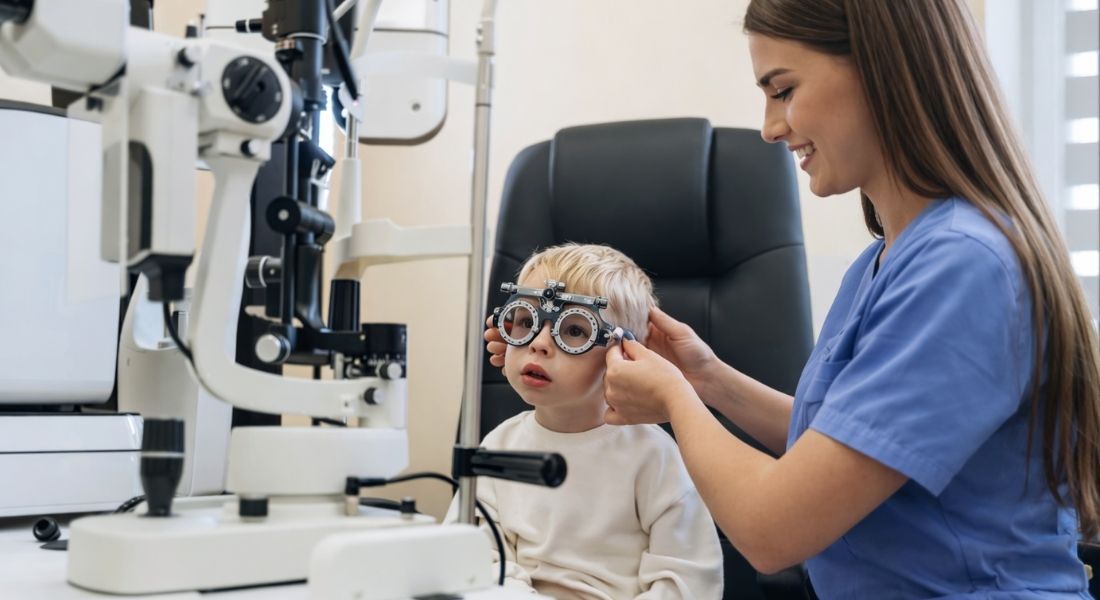
A white reflex in a child’s eye, often observed in photographs or certain lighting conditions, is a warning sign that should never be ignored. It can sometimes be a sign of a serious, potentially life-threatening eye condition. As a parent, it can be frightening to notice this abnormal reflection, but understanding the potential causes and knowing when urgent action is needed can make all the difference.
Leukocoria, as it’s medically known, can sometimes appear subtle, and it may initially go unnoticed in everyday settings. However, it is crucial to act swiftly if you observe this sign in your child’s eyes. While some causes of leukocoria are benign, others are serious and require immediate medical attention, especially when it pertains to vision-threatening or life-threatening conditions.
In this article, we explain what leukocoria is, the potential causes behind it, and why seeking prompt assessment from a paediatric ophthalmologist in London is essential. Understanding this condition can help you take the necessary steps to protect your child’s vision and overall health.
What Is Leukocoria (White Reflex)?
Leukocoria is a condition where a white or off-white reflex is visible in a child’s eye instead of the normal red-eye reflex that appears in photographs. This white reflex may appear when light enters the eye and reflects off the retina, creating an abnormal light pattern. It is often noticed in photos, especially in flash photography, but can also be seen in certain lighting conditions when the child’s eyes are illuminated.
The condition can occur in one or both eyes and can present as a persistent white reflection in the pupil. While it may initially seem harmless, a white reflex can be a symptom of a number of underlying conditions, ranging from benign to more severe. The key to addressing leukocoria is understanding that it is not just a simple visual anomaly, but a potential warning sign that requires immediate attention.
Parents should never dismiss the presence of leukocoria. It is crucial to seek medical advice as soon as possible to determine the cause and take appropriate steps to ensure the health of the child’s eyes. Early detection can help prevent serious outcomes and preserve vision.
Causes of Leukocoria: When to Be Concerned
Leukocoria can be caused by a variety of conditions, ranging from harmless to serious. Some of the benign causes include a congenital cataract, which can create a temporary white reflex in the eye. However, it is essential to note that other more urgent conditions can also present with leukocoria, including retinal disorders, eye tumours, and systemic infections.
A common cause of leukocoria in children is a cataract, which is a clouding of the lens in the eye. While this can affect vision, it is generally treatable with surgery if detected early. In more serious cases, leukocoria can be a sign of retinoblastoma, a rare form of eye cancer in young children. This condition can be life-threatening if not caught early, as it can rapidly spread to other parts of the body.
Other possible causes of leukocoria include retinal detachment, Coats’ disease, and congenital retinal anomalies. These conditions can all lead to vision loss if left untreated. Because of the potential severity of these conditions, it is important to seek immediate medical attention if leukocoria is observed.
Why Urgent Paediatric Ophthalmology Assessment Is Essential
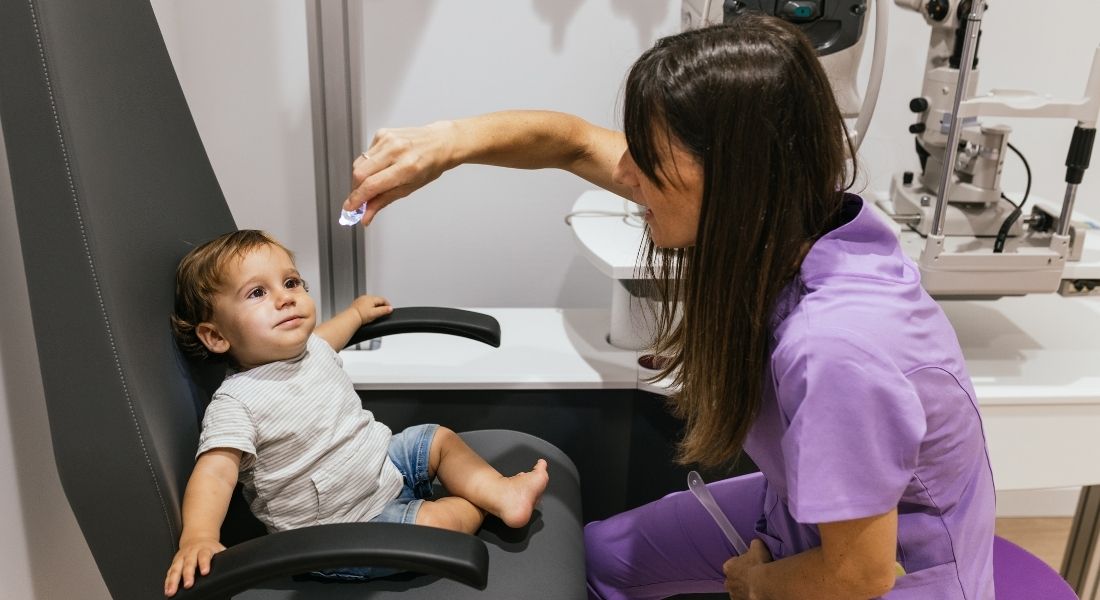
If your child shows signs of leukocoria (a white reflex in the eye), prompt assessment by a paediatric ophthalmologist is essential. While some causes are benign and straightforward to treat, others can be serious and time-sensitive. Early evaluation ensures that any underlying condition is identified quickly and managed appropriately.
- Some causes are harmless, others are not: Leukocoria can be linked to treatable conditions such as cataracts, but it can also be a sign of serious eye disease, including retinoblastoma. Retinoblastoma is rare, but it requires immediate treatment to protect both vision and life.
- Specialist expertise makes a critical difference: A paediatric ophthalmologist has the training and equipment needed to assess a child’s eyes safely and accurately. They can examine the eye in detail and determine the exact cause of the white reflex.
- Comprehensive diagnostic testing: During the assessment, your child may undergo a full eye examination, including tests such as fundus photography, retinal imaging, or ultrasonography. These tests allow the specialist to examine the retina and deeper structures of the eye in a child-friendly and controlled way.
- Advanced imaging when needed: In some cases, further investigations such as a CT scan or MRI may be recommended. These scans help identify tumours or structural abnormalities and guide the next steps in management.
- Early diagnosis improves outcomes: If a serious condition like retinoblastoma is diagnosed, treatment options will be discussed immediately. These may include chemotherapy, laser therapy, or, in rare cases, removal of the affected eye to protect the child’s health.
The earlier leukocoria is assessed, the better the chances of preserving your child’s vision and achieving a successful outcome. Acting quickly provides clarity, reassurance, and access to the right treatment at the right time.
Retinoblastoma: The Most Serious Concern
One of the most concerning causes of leukocoria is retinoblastoma, a rare but aggressive cancer that affects the retina in children, typically under the age of 5. Retinoblastoma is often diagnosed when leukocoria is observed, and it requires immediate intervention to prevent the cancer from spreading to other parts of the body.
Retinoblastoma can cause severe vision loss and can be fatal if not treated promptly. In addition to leukocoria, other signs may include a squint or misalignment of the eyes, poor vision, and in some cases, redness or pain in the affected eye. Because retinoblastoma can progress quickly, early detection and treatment are critical to improving outcomes.
Treatment for retinoblastoma may include chemotherapy, radiation therapy, laser treatment, or surgery to remove the affected eye. With advances in treatment, the prognosis for children with retinoblastoma has improved significantly, especially if the cancer is detected early.
Other Potential Causes of Leukocoria
While retinoblastoma is the most serious concern, other conditions can also cause leukocoria and may require urgent assessment. One such condition is Coats’ disease, a retinal disorder that causes abnormal blood vessels in the eye. This can lead to vision loss and requires prompt medical intervention.
Another cause is congenital cataracts, which can cause visual impairment if left untreated. While cataracts can often be treated successfully with surgery, they must be diagnosed early to avoid long-term vision problems. Additionally, retinal detachment or degeneration can cause leukocoria and may require surgical intervention.
Any form of abnormal white reflex should be taken seriously, as it could indicate a variety of conditions, some of which are treatable if addressed early. For this reason, a thorough examination by a paediatric ophthalmologist is always necessary to determine the underlying cause.
What Happens During a Paediatric Ophthalmology Exam?
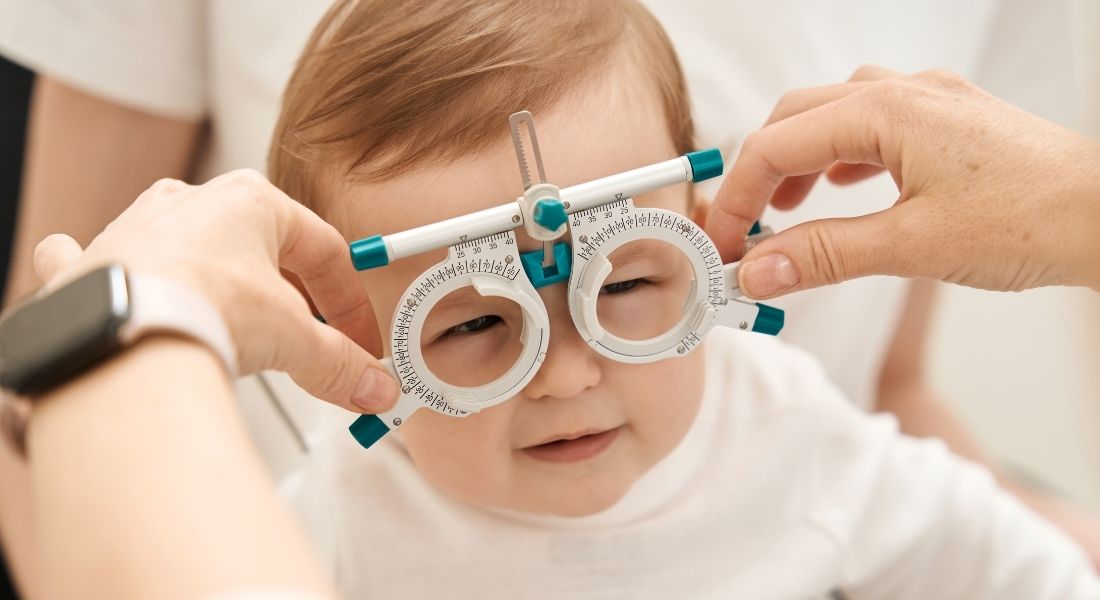
When you bring your child in for an eye examination because of leukocoria, the paediatric ophthalmologist will begin by talking with you about your child’s medical history. You’ll be asked about any symptoms you’ve noticed, such as squinting, eye misalignment, or changes in behaviour that might suggest vision problems. This discussion helps the specialist understand what may be affecting your child’s eyesight.
- Initial assessment and observation: The ophthalmologist will carefully observe how your child’s eyes move and work together. They may check eye alignment, pupil reactions, and how your child responds to visual stimuli, using age-appropriate and child-friendly techniques.
- Dilated eye examination: Special eye drops are used to gently widen your child’s pupils. This allows the doctor to examine the retina and other internal structures of the eye in much greater detail. The drops can cause temporary blurred vision and light sensitivity, but the process itself is painless.
- Imaging and specialist tests: Depending on the findings, the specialist may use retinal photography or ultrasonography to get a clearer picture of the back of the eye. These tests help identify conditions such as cataracts, retinal disease, or tumours and are performed in a safe, controlled environment.
- Further imaging if required: In some cases, additional scans such as a CT scan or MRI may be recommended. These are used when there is a need to look for deeper structural abnormalities or to rule out serious conditions like tumours.
Throughout the examination, the focus is on keeping your child as comfortable as possible while gathering accurate information. By the end of the assessment, you’ll have a clear understanding of what has been found and what the next steps are, if any.
Prevention and Early Detection: Key to Protecting Vision
The key to protecting your child’s vision is early detection and prompt intervention. Regular eye exams and being vigilant for signs like leukocoria can help detect serious conditions before they affect the child’s vision or health. Parents should be encouraged to look for any unusual reflexes in photographs or under certain lighting conditions and seek immediate medical advice if they notice anything concerning.
While most causes of leukocoria are treatable, especially when diagnosed early, prevention of complications is always the best course of action. Working closely with a paediatric ophthalmologist in London ensures your child receives the most up-to-date care and management to protect their vision and overall health.
Advancements in Retinoblastoma Treatment
When it comes to conditions like retinoblastoma, early detection can dramatically improve treatment outcomes. Fortunately, advancements in treatment options for retinoblastoma have made it a more manageable condition. In the past, children with retinoblastoma often had to undergo extensive treatments, sometimes including removal of the eye.
Retinoblastoma treatment today focuses not only on eradicating cancer but also on maintaining the child’s vision. Advances in early-stage treatment allow for a higher rate of eye preservation, and there is also a greater focus on reducing the potential long-term complications associated with treatment.
Importance of Ongoing Monitoring After Treatment
Once your child has been diagnosed with leukocoria and treatment has begun, ongoing monitoring becomes a vital part of their care. This is particularly important if the underlying cause was a serious condition such as retinoblastoma. Regular follow-up appointments allow the ophthalmologist to check that treatment is working as expected and that no new issues are developing.
- Monitoring treatment response and eye health: During follow-up visits, the specialist will assess how your child’s eye is responding to treatment. These appointments help identify any signs of recurrence, complications, or side effects at an early stage, when they are easiest to manage.
- Supporting healthy visual development: As your child grows, their visual system continues to develop. Ongoing care ensures that any changes in vision are identified promptly and managed appropriately.
- Early detection of related conditions: After significant eye treatment, some children are at higher risk of developing conditions such as amblyopia (lazy eye) or strabismus (crossed eyes). Regular monitoring allows these issues to be detected early and treated effectively.
- Adjusting care as your child grows: Your child’s visual needs may change over time. Follow-up care allows treatment plans to be adjusted to support the best possible visual outcomes at every stage of development.
Ongoing monitoring provides reassurance that your child’s vision is being carefully protected over the long term. With regular check-ups and timely support, potential problems can be addressed early, helping your child achieve the best possible visual development and quality of life.
The Role of Parents in Eye Health

Parents play a crucial role in maintaining their child’s eye health. By being proactive and monitoring for signs such as leukocoria, parents can help ensure that any serious eye conditions are addressed immediately. Aside from noticing unusual reflexes in photographs or under certain lighting, parents should also be vigilant about other signs like squinting, sensitivity to light, or difficulty focusing.
Furthermore, maintaining regular eye exams for children, even in the absence of symptoms, is important. For infants and toddlers, these exams may be part of routine pediatric checkups, but it is always beneficial to consult an eye care professional if any eye abnormalities are suspected. Early detection is the most powerful tool in preserving your child’s vision and overall health.
FAQs:
- What does a white reflex in my child’s eye actually mean?
If you notice a white reflex instead of the usual red-eye reflection, it means light is bouncing back abnormally from inside your child’s eye. This can happen when something is blocking or altering the normal pathway of light within the eye. Because some causes are serious, it’s important that you don’t ignore it. - Is leukocoria always a sign of something serious?
Not always, but it should always be taken seriously. Some causes, such as congenital cataracts, are treatable and not life-threatening. However, because leukocoria can also signal serious conditions like retinoblastoma, you should always arrange an urgent eye assessment to be safe. - Can leukocoria appear only in photographs?
Yes, many parents first notice leukocoria in flash photographs where one eye looks white instead of red. Even if you only see it in photos and not in normal lighting, it still needs medical attention. A photographic white reflex can be just as significant as one seen in person. - At what age does leukocoria usually appear?
Leukocoria most commonly appears in babies and young children, often under the age of five. Some conditions linked to leukocoria are present from birth, while others develop during early childhood. This is why early childhood eye checks are so important. - Could a white reflex affect my child’s vision permanently?
Yes, it can if the underlying cause is not treated promptly. Conditions like cataracts, retinal disorders, or tumours can interfere with normal visual development. Early diagnosis greatly improves the chances of protecting your child’s vision. - How urgently should I seek medical advice if I notice leukocoria?
You should seek assessment as soon as possible, ideally within days rather than weeks. Leukocoria is considered an eye emergency until proven otherwise. Acting quickly can be life-saving in rare cases and vision-saving in many others. - What tests will my child need during an eye assessment?
Your child’s eye specialist will usually perform a dilated eye examination to see the back of the eye clearly. Imaging tests such as ultrasound or retinal photography may also be used. In some situations, scans like MRI are required to rule out serious causes. - Is retinoblastoma common in children with leukocoria?
Retinoblastoma is rare, but it is one of the most important conditions doctors aim to rule out when leukocoria is present. While most children with leukocoria do not have cancer, early detection of retinoblastoma dramatically improves survival and eye preservation. - Can leukocoria be treated successfully?
Treatment success depends on the cause and how early it is detected. Many causes of leukocoria, including cataracts and some retinal conditions, can be treated effectively. Even in serious cases, modern treatments have significantly improved outcomes. - What should I do if the white reflex seems to come and go?
Even if the white reflex appears intermittently, you should still have it checked. Changes in lighting or pupil size can make leukocoria appear and disappear, but the underlying issue may still be present. It’s always better to have reassurance from a specialist than to wait and see.
Final Thought: Protecting Your Child’s Vision Starts With Early Action
If you notice anything unusual about your child’s eyes, such as a white reflex, it’s always better to have it checked sooner rather than later. Early assessment can protect your child’s vision and provide reassurance, even if the cause turns out to be harmless.
If you’re considering a paediatric ophthalmologist in London and want to know if it’s the right option, you’re welcome to reach out to us at Eye Clinic London to book a consultation. Our team specialises in diagnosing and managing childhood eye conditions, using advanced imaging and a calm, child-friendly approach to ensure your child receives the right care at the right time.
References:
- Kaewkhaw, R., 2020. Retinoblastoma: Etiology, Modeling, and Treatment. Cancers, 12(8), p.2304. Available at: https://www.mdpi.com/2072-6694/12/8/2304
- Kumari, A., 2025. A Comprehensive Review of the Epidemiology, Pathology, and Therapeutic Approaches for Retinoblastoma. Clin. Med. Insights Oncology, 13(9), p.307. Available at: https://www.mdpi.com/2079-9721/13/9/307
- Shields, C.L., Schoenberg, E., Kocher, K. and Shukla, S.Y., 2013. Lesions Simulating Retinoblastoma (Pseudoretinoblastoma) with Leukocoria. Ophthalmology, 120(2), pp.311–316. https://pubmed.ncbi.nlm.nih.gov/19668520/
- Kivela, T., 2017. Differential diagnosis of leukocoria and strabismus as presenting signs of retinoblastoma. Ophthalmology, 124(10), pp.1499–1506. https://pubmed.ncbi.nlm.nih.gov/19668520/
- Damasco, C.P.T., Veronica, C. and Dire, D.J., 2023. Coats’ syndrome: A rare cause of infant leukocoria to keep in mind. Journal of American Association for Pediatric Ophthalmology and Strabismus. https://www.sciencedirect.com/science/article/pii/S1930043323006830