


When Do LASIK Results Stabilise? What to Expect Over Time
One of the most common questions patients ask after LASIK surgery is when their vision will fully settle. While many people notice rapid improvement, it’s also normal for vision to change during the healing process. These fluctuations can be confusing if you’re not prepared for them.
LASIK reshapes the cornea, and like any procedure involving healing tissue, the eye needs time to stabilise. Vision doesn’t always improve in a straight line, and early changes don’t usually reflect the final outcome. Understanding the typical timeline can prevent unnecessary worry.
In this article, I’ll explain when LASIK results usually stabilise, why vision can change in the early weeks, and when outcomes are considered final. Knowing what to expect helps you stay calm and confident during recovery.
Why LASIK Results Don’t Stabilise Instantly
Although the laser correction during LASIK takes only minutes, the biological healing process is much longer. After surgery, the cornea needs time to settle into its new shape. During this period, vision clarity can fluctuate and may not feel fully sharp.
Swelling in the cornea can temporarily affect how light passes through the eye. Changes in the tear film and recovery of corneal nerves also influence vision. These factors are normal and usually resolve as healing progresses.
Because of these temporary changes, immediate post-operative vision is not considered final. Early fluctuations are common and don’t indicate a problem with the surgery. Understanding this helps manage expectations during the first days and weeks.
Stabilisation after LASIK is gradual rather than instant. Vision typically continues to improve over several weeks, with final results assessed only after full healing. Patience is an essential part of achieving optimal outcomes.
What Most Patients Notice in the First 24–48 Hours
In the first day or two after surgery, many patients are pleasantly surprised by a rapid improvement in vision. This early clarity can feel almost immediate, giving the impression that recovery is already complete.
Key observations during this period include:
- Noticeable improvement in sharpness: Objects and text may appear clearer than immediately after surgery, which is encouraging and motivates patients to follow post-op care diligently.
- Mild haziness or fluctuation: Vision can still be inconsistent. Some areas may look sharper than others, and small variations from eye to eye are normal.
- Dryness or irritation: The eyes may feel slightly gritty or dry as tear production adjusts. Lubricating drops are usually recommended to ease discomfort.
- Light sensitivity: Bright lights or glare may feel more pronounced, especially outdoors or under strong artificial lighting. Sunglasses and careful light management help during this phase.
Although vision often improves quickly, it’s important to remember that these early gains are not the final result. The eyes continue to heal over weeks, and clarity will stabilise gradually. Early improvement is a positive sign, but patience remains essential for the best long-term outcome.
Vision Changes During the First Week
In the first week after LASIK, vision often fluctuates from day to day. Some days may feel clearer than others, which can be surprising for patients expecting steady improvement. These variations are a normal part of early recovery.
Fluctuations are usually linked to healing of the corneal surface. Tear film instability and temporary dryness can also affect clarity. These factors make vision feel inconsistent during the first few days.
Dryness is particularly influential in the early stages after surgery. Using recommended lubricating drops can help manage discomfort and support clearer vision. Following post-operative care instructions is important for stabilising the eyes.
Despite these daily variations, most patients notice an overall trend of improvement. Vision gradually becomes more consistent as healing progresses. Patience during the first week helps set realistic expectations for long-term results.
Why Dry Eye Affects Stabilisation
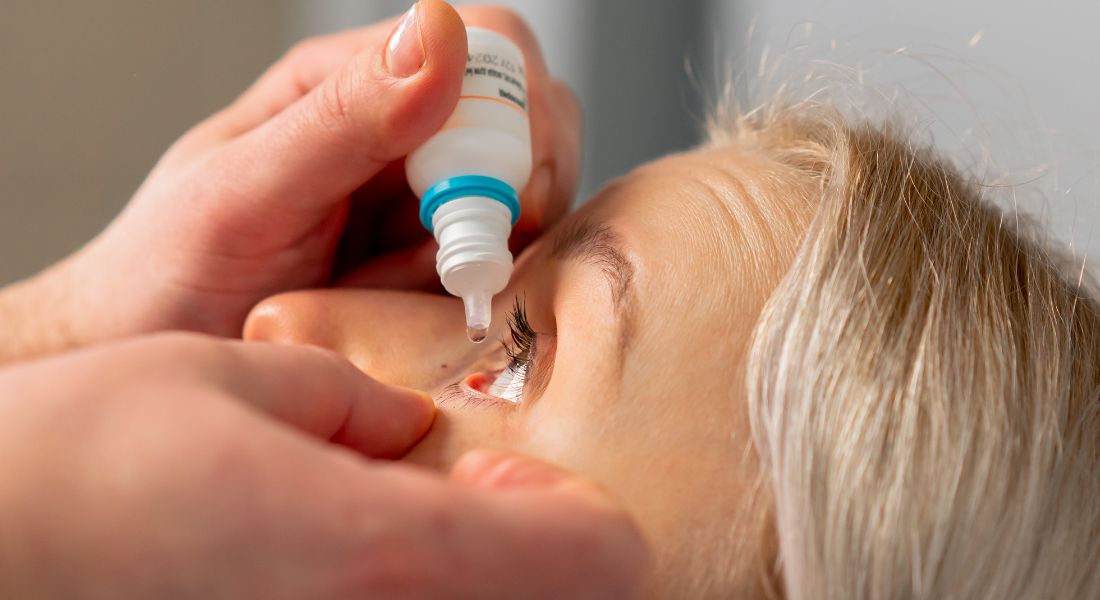
Dry eye is a common and often underestimated factor in post-LASIK visual fluctuation. Even when the surgery itself is successful, temporary changes to corneal nerves can disrupt tear production, leading to intermittent blurriness.
Key points to understand:
- Tear film instability reduces clarity: When the protective tear layer is uneven, light scattering increases, making vision appear soft or hazy.
- Blinking or drops provide temporary improvement: Many patients notice immediate visual sharpness after using artificial tears or blinking more frequently.
- Recovery of nerve function is gradual: Corneal nerves regenerate over several weeks to months, gradually restoring normal tear production and contributing to more stable, consistent vision.
Managing dry eye effectively is crucial for achieving long-term visual stability and ensuring that fluctuations don’t interfere with everyday activities.
What Happens Over the First Month
By the end of the first month after LASIK, most patients notice that their vision is becoming more stable. Day-to-day fluctuations start to reduce, and clarity improves across different lighting conditions. This period marks a significant stage in early recovery.
Some variability may still occur, particularly after extended screen use or in dry environments. These temporary changes are normal and usually resolve with continued healing. Patients should not be alarmed if minor fluctuations persist.
At this stage, surgeons can begin to assess progress more meaningfully. They look at how well the eyes are settling into their new shape and whether additional guidance is needed. Although improvement is evident, the process is still ongoing.
Final results are not yet confirmed during the first month. Vision continues to stabilise over the following weeks, and the eyes gradually reach their long-term clarity. Patience remains an important part of the recovery journey.
When Vision Usually Stabilises for Most Patients
For most people, visual stability after LASIK is reached between one and three months following surgery. During this time, the cornea completes its healing and the tear film gradually returns to normal function.
Key points to note:
- Predictable, reliable vision – By this stage, patients usually experience consistent clarity for daily tasks such as reading, driving, or screen use.
- Minor refinements may still occur – Small adjustments in sharpness or contrast are normal, but major fluctuations are uncommon.
- Surgeons delay enhancement decisions – Waiting until this stabilisation period ensures that any further treatment, if needed, is precise and necessary rather than premature.
Patience during this timeframe allows the eye to heal fully and ensures the best possible long-term visual outcome.
Why Some Patients Take Longer to Stabilise
LASIK is designed to provide long-term vision benefits rather than immediate perfection. While the procedure is quick, the eyes need time to heal and adjust. Expecting instant results can create unnecessary worry and frustration.
Healing involves multiple processes, including corneal remodeling, nerve recovery, and tear film stabilization. These changes happen gradually, often over weeks to months. By allowing this time, patients give their eyes the best chance for clear, stable vision.
Judging results too early can lead to anxiety or disappointment. Fluctuations in clarity are normal and usually temporary. Observing the overall trend rather than day-to-day changes helps set realistic expectations.
Night Vision and Stabilisation
Night vision symptoms such as halos or glare often improve more slowly than daytime vision. This difference can feel frustrating, but it is normal and expected during LASIK recovery. Low-light conditions place greater demands on the visual system. As a result, fluctuations tend to be more noticeable at night.
As the cornea continues to smooth and heal, light scatter gradually reduces. At the same time, tear film stability improves, which helps sharpen vision in dim conditions. These changes do not happen all at once. Improvement is usually gradual rather than immediate.
For most patients, night vision keeps improving over several months. Symptoms may lessen in intensity or occur less frequently with time. Many people notice steady progress even if some nights still feel better than others.
When Surgeons Consider Results “Final”
Reaching a “final” LASIK result is not about how sharp vision feels early on. Surgeons wait until the eyes have fully settled so outcomes can be assessed accurately and safely. This period allows healing, tear function, and visual stability to align before any long-term decisions are made.
- Corneal healing has settled – B around three months, the cornea has completed most of its structural healing. Microscopic changes that can affect focus early in recovery have largely resolved, reducing day-to-day variation in vision.
- Vision measurements are repeatable – Surgeons look for the same prescription readings across multiple visits. Consistent measurements indicate that healing is no longer influencing test results and vision has truly stabilised.
- Tear film stability has improved – Dry eye can distort vision and refraction results. By this stage, corneal nerve recovery and tear production are usually more stable, allowing clearer and more reliable assessments.
- Fluctuations have reduced or stopped – Minor ups and downs early in recovery are expected. Final results are only considered once vision feels predictable rather than changing with time of day or environment.
- Residual prescription can be judged accurately – Any remaining blur is assessed in context. This helps distinguish between true under-correction and temporary healing-related effects.
- Enhancement decisions can be made safely – If an enhancement is needed, waiting until stability is confirmed reduces the risk of over-correction or unnecessary treatment.
This careful timing ensures that decisions are based on long-term outcomes rather than temporary recovery changes.
What Fluctuations Do Not Mean
Vision changes during LASIK recovery do not mean the surgery has failed. They also do not usually indicate that the correction was inaccurate. Early variability is a common part of the healing process. Most patients experience some degree of change as the eyes adjust.
Fluctuations are a sign of ongoing healing rather than regression. The cornea, tear film, and nerves are still settling, which can temporarily affect clarity. These shifts do not undo the correction that was performed. With time, vision typically becomes more consistent.
This reassurance is especially important for anxious patients. Understanding what fluctuations do not represent can ease unnecessary concern. It helps separate normal recovery from true problems.
How Follow-Up Appointments Support Stabilisation
Follow-up appointments allow your surgeon to closely monitor healing after LASIK. These visits are focused on observing stabilisation rather than judging final results too early. They help identify whether recovery is progressing as expected. Early reassurance often comes from seeing normal patterns over time.
Measurements taken across multiple visits provide a clearer picture than a single check. Tracking vision, corneal shape, and surface health shows whether clarity is steadily improving. This information helps surgeons decide if any intervention is needed. Most of the time, it confirms that healing is on track.
Follow-ups also create space to address patient concerns. Questions about fluctuation, dryness, or comfort can be discussed and managed early. Small adjustments in care often make recovery feel smoother. This support is an important part of the process.
Skipping follow-up visits can delay both reassurance and appropriate advice. Potential issues may go unnoticed, or anxiety may linger unnecessarily. Attending scheduled reviews helps ensure safe recovery and long-term visual stability.
When You Should Contact Your Clinic
Most visual changes during recovery are part of the normal healing process and settle with time. However, there are certain symptoms that should always be checked promptly to rule out complications and provide reassurance.
You should contact your clinic without delay if you experience:
- Sudden vision loss: A rapid or noticeable drop in vision, even if it comes and goes, should always be assessed to ensure the eye is healing as expected.
- Increasing pain rather than gradual improvement: Mild discomfort is normal early on, but pain should lessen over time. Worsening pain may indicate inflammation or infection and needs review.
- Significant redness or discharge: Some redness is expected initially, but increasing redness, yellow or green discharge, or sticky eyelids are not typical and should be checked.
- Vision that worsens instead of stabilising: Fluctuations are common, but overall vision should trend towards improvement. A steady decline deserves professional assessment.
These situations are uncommon, but they should never be ignored. Prompt contact allows your clinic to identify whether reassurance, treatment, or closer monitoring is needed, helping protect both your recovery and your peace of mind.
Enhancements and Stabilisation
Most visual changes during recovery are part of the normal healing process and settle with time. However, there are certain symptoms that should always be checked promptly to rule out complications and provide reassurance.
You should contact your clinic without delay if you experience:
- Sudden vision loss: A rapid or noticeable drop in vision, even if it comes and goes, should always be assessed to ensure the eye is healing as expected.
- Increasing pain rather than gradual improvement: Mild discomfort is normal early on, but pain should lessen over time. Worsening pain may indicate inflammation or infection and needs review.
- Significant redness or discharge: Some redness is expected initially, but increasing redness, yellow or green discharge, or sticky eyelids are not typical and should be checked.
- Vision that worsens instead of stabilising: Fluctuations are common, but overall vision should trend towards improvement. A steady decline deserves professional assessment.
These situations are uncommon, but they should never be ignored. Prompt contact allows your clinic to identify whether reassurance, treatment, or closer monitoring is needed, helping protect both your recovery and your peace of mind.
Emotional Ups and Downs During Recovery
Vision recovery after LASIK can feel emotionally challenging, especially in the early stages. Uncertainty about whether vision will remain clear often causes more stress than the blur itself. These emotional ups and downs are a common part of recovery. Many patients experience similar concerns.
Understanding that stabilisation takes time can make the process easier. Knowing that fluctuations are expected helps reduce frustration and worry. Most concerns settle naturally as healing progresses. Patience plays an important role in emotional comfort.
Clear communication with your clinic provides reassurance when expectations feel unsettled. Follow-up conversations help clarify what is normal and what is not. Being able to ask questions and receive guidance can ease anxiety. Support and understanding make recovery feel more manageable.
Why Patience Pays Off
LASIK is designed to deliver long-term visual freedom rather than instant perfection. While the procedure itself is quick, the healing process takes time. This period allows the eyes to adjust and stabilise properly. Seeing recovery as part of the investment helps set realistic expectations.
Judging outcomes too early often leads to unnecessary anxiety. Short-term fluctuations are common and rarely reflect the final result. Allowing the eyes time to settle usually leads to clearer, more consistent vision. Focusing on overall progress rather than daily changes is more helpful.
Patience ultimately protects both confidence and satisfaction. Trusting the recovery timeline reduces worry and disappointment. Those who allow healing to run its course are more likely to feel positive about their final outcome.
Long-Term Vision After Stabilisation
Once vision has stabilised, LASIK results are usually long-lasting. Most patients experience clear, predictable eyesight that remains consistent for many years. Daily activities become easier without the need for corrective lenses. This stability is one of the key goals of the procedure.
It is important to understand that normal age-related changes can still occur later in life. Conditions such as presbyopia develop naturally and are not caused by LASIK. These changes affect everyone, whether they have had surgery or not. LASIK does not accelerate normal ageing of the eyes.
Most patients describe stable vision as one of the most rewarding aspects of LASIK. The confidence of reliable eyesight often improves quality of life. Once healing is complete, many people rarely think about their vision at all.
FAQs:
- When do LASIK results usually stabilise for most patients?
For most patients, LASIK results begin to stabilise between one and three months after surgery. During this period, the cornea completes most of its healing, tear film function improves, and vision becomes more predictable. While many people feel their vision is stable earlier, surgeons wait for this timeframe to confirm that results are truly settled and reliable. - Is it normal for vision to change during the first few weeks after LASIK?
Yes, vision changes during the first few weeks are very common and expected. The cornea is healing, and factors such as dryness, mild swelling, and nerve recovery can cause day-to-day variation in clarity. These fluctuations usually reflect healing rather than any issue with the procedure. - Why can my vision feel clear one day and blurry the next?
This often happens because the tear film is still unstable after surgery. Temporary dry eye can make vision appear hazy at certain times of the day, especially after screen use or in dry environments. As tear production and nerve function recover, this variability usually settles. - Does early clear vision mean my final result is already achieved?
Not necessarily. Early clarity is a positive sign, but it does not represent the final outcome. Vision can still fluctuate as the cornea remodels and heals, which is why surgeons avoid judging results too early in the recovery process. - Can night vision take longer to stabilise than daytime vision?
Yes, night vision symptoms such as glare or halos often improve more slowly than daytime clarity. Low-light conditions place greater demands on the visual system, making small healing-related changes more noticeable. These symptoms usually reduce gradually over several weeks to months. - Do people with higher prescriptions take longer to stabilise?
Patients who had higher prescriptions before LASIK may experience a slightly longer stabilisation period. This is because more corneal reshaping is involved, which can extend healing time. A longer recovery does not mean poorer final results, and many of these patients achieve excellent long-term vision. - How does dry eye affect LASIK stabilisation?
Dry eye is one of the main factors influencing visual stability after LASIK. Temporary disruption of corneal nerves can reduce tear production, causing intermittent blur or haziness. As nerve function recovers and tear quality improves, vision usually becomes more consistent. - When do surgeons consider LASIK results to be final?
Surgeons generally consider LASIK results final once vision measurements are consistent across multiple visits, usually around three months after surgery. At this stage, corneal healing has largely settled, tear film stability has improved, and vision no longer fluctuates significantly with time or environment. - When should I be concerned about changes in my vision after LASIK?
You should contact your clinic if you experience sudden vision loss, worsening vision instead of gradual improvement, increasing pain, significant redness, or unusual discharge. While most fluctuations are normal, these symptoms are not typical and should be assessed promptly to rule out complications. - Will my vision remain stable long-term after LASIK?
Once stabilised, LASIK results are usually long-lasting and reliable. Most patients enjoy consistent vision for many years. Normal age-related changes such as presbyopia can still occur later in life, but these are unrelated to LASIK and happen regardless of whether surgery was performed.
Final Thoughts: When Do LASIK Results Stabilise?
LASIK recovery is a gradual process, and stable vision is achieved by allowing the eyes the time they need to heal fully. While early improvements can be encouraging, true results are only confirmed once corneal healing, tear film stability, and vision measurements have settled, usually within one to three months. Understanding this timeline helps set realistic expectations and reduces unnecessary anxiety during recovery. If you’d like to find out whether lasik surgery in London is suitable for you, feel free to contact us at Eye Clinic London to arrange a consultation.
References:
- Visual outcomes and management after corneal refractive surgery: A review (2017)
Provides an overview of corneal healing, nerve damage and wound‑healing complications after laser refractive procedures, including LASIK. https://www.sciencedirect.com/science/article/pii/S1888429617300705 - Dry Eye Disease after Refractive Surgery: Comparative Outcomes (2014) Compares postoperative dry eye incidence and corneal nerve recovery between LASIK and other refractive procedures, with follow‑ups at 1 and 6 months. https://www.sciencedirect.com/science/article/abs/pii/S016164201400952X
- Post‑LASIK dry eye Reviews the impact of LASIK on tear film stability and ocular surface health, highlighting dryness and healing changes that affect visual outcomes after surgery. https://pubmed.ncbi.nlm.nih.gov/22174730/
- Wound healing in the cornea: A review of refractive surgery (2005) Comprehensive overview of the corneal wound‑healing response following LASIK and PRK, explaining how healing affects visual stability and long‑term results. https://pubmed.ncbi.nlm.nih.gov/15968154/
- Changes of Subjective Symptoms and Tear Film Biomarkers after Femto‑LASIK (2020)
Investigates how femtosecond LASIK affects tear film markers and dry eye symptoms, which relate to vision stability during recovery. https://www.mdpi.com/1422-0067/23/14/7512