


When Do LASEK Results Stabilise? What to Expect Over Time

If you’ve had LASEK surgery, or you’re considering it, you may be wondering how long it takes for vision to truly settle. Many patients feel reassured after surgery but then become concerned when vision changes from day to day. Fluctuations can make you question whether healing is progressing as it should.
Unlike some other laser eye procedures, LASEK involves surface healing. This means recovery and visual stabilisation are more gradual. Understanding this timeline helps prevent unnecessary worry and allows you to track progress realistically.
In this guide, I’ll explain how LASEK results typically stabilise over time, why vision changes occur during healing, and when outcomes are usually considered final.
Why Vision Fluctuates After LASEK
LASEK involves removing and then repositioning the surface layer of the cornea (the epithelium). Because this layer plays a key role in how light enters the eye, any disruption to it can temporarily affect visual clarity. Healing is gradual, not instant, so it’s normal for vision to feel inconsistent in the early days and weeks after surgery.
As the epithelial layer regenerates, the corneal surface slowly becomes smoother. Early on, tiny irregularities can scatter light, leading to blurred or fluctuating vision. With time, these irregularities settle, and the cornea regains a more uniform shape, allowing vision to sharpen progressively rather than all at once.
Tear film instability is another common reason for fluctuating vision after LASEK. The surgery can temporarily disrupt the nerves that help regulate tear production. As a result, dry patches may form on the eye’s surface, causing vision to vary throughout the day, especially during reading, screen use, or in dry environments.
These visual changes are expected during recovery and usually do not indicate a complication. Most patients notice steady improvement as healing continues and the tear film stabilises. While fluctuations can feel unsettling, they are typically part of the normal LASEK healing process rather than a sign that something has gone wrong.
The First Few Days After LASEK
In the first few days after LASEK, blurry vision is very common and completely expected. During this period, the corneal surface is actively healing, and the protective epithelial layer has not yet fully reattached. Because the eye is still repairing itself, visual clarity is not a priority at this stage.
Many patients experience light sensitivity, excessive watering, and a gritty or foreign body sensation. These symptoms can make vision feel foggy, hazy, or unstable, especially in bright environments or when the eyes are tired. Discomfort tends to peak early on and gradually eases as healing progresses.
Vision during this phase can change from hour to hour or even from one day to the next. You may notice brief moments of clearer vision followed by blurriness again, which is a normal part of the recovery process. These fluctuations reflect the surface healing rather than any issue with the laser correction itself.
This early stage is focused entirely on healing, not visual accuracy or sharpness. As the corneal surface stabilises and inflammation settles, vision typically begins to improve more noticeably in the following weeks. Patience during these first few days is essential, as the eyes need time to recover properly.
The First Week: Early Improvements Begin
Once the surface layer of the cornea has healed enough, discomfort usually starts to ease. Light sensitivity and irritation become more manageable, and daily activities feel less challenging. At this stage, vision often begins to improve, but it is rarely crisp or stable yet.
Many patients notice that vision can be better on some days and worse on others. These fluctuations are a normal part of recovery and reflect the ongoing smoothing and strengthening of the corneal surface. Changes in tear quality and mild inflammation can still affect clarity from one moment to the next.
You may experience brief periods of relatively clear vision followed by blurriness, especially later in the day or when using screens. This can feel confusing, but it does not mean the procedure has failed or that healing is going wrong. The eyes are still adjusting and repairing themselves.
Because recovery is still in its early stages, most patients are advised not to judge their final results during the first week. Vision typically continues to stabilise over the following weeks, with more consistent clarity developing as healing progresses.
Weeks Two to Four: Gradual Clarity

By weeks two to four, most patients notice meaningful improvements in their vision, but this phase is still part of the active healing process. Your eyes are adapting to structural changes, and the visual system is recalibrating. Progress often feels encouraging, yet inconsistent at times, which is completely normal.
- Steady improvement in overall sharpness: Vision typically becomes clearer and more usable for daily activities such as reading, working on a computer, and watching television. Fine details may still appear slightly soft, but clarity continues to improve gradually rather than overnight.
- Day-to-day and hour-to-hour fluctuations: Vision may vary depending on fatigue, hydration, screen time, and environmental dryness. It’s common to notice clearer vision in the morning that becomes less sharp later in the day as the eyes dry or tire.
- Glare, halos, and night-time visual effects: Bright lights, headlights, or screens may still cause halos or glare, particularly in low-light conditions. These effects usually fade as the cornea and tear film stabilise.
- Occasional haziness or light blur: Mild haze can appear intermittently, especially after long periods of concentration or exposure to dry air. This does not indicate a setback and generally improves with rest and lubrication.
- Sensitivity to dry environments: Air conditioning, heating, wind, and extended screen use can temporarily worsen visual comfort. Regular use of prescribed lubricating drops can help maintain clarity during this phase.
- Healing beneath the surface: Even when vision feels functional, microscopic healing continues within the eye. Because of this, vision is improving but not yet considered stable or final.
Although this stage may feel inconsistent, it is an important step towards long-term visual stability. Allowing your eyes time to heal fully during weeks two to four helps ensure clearer, more reliable vision in the months ahead.
One to Three Months: Stabilisation Begins
Between one and three months after LASEK, the healing process moves into a more stable phase. For most patients, vision starts to feel more predictable and reliable from day to day. While healing is still ongoing beneath the surface, the improvements during this period often feel reassuring and confidence-building.
- Greater day-to-day consistency – Vision usually becomes much more stable, with fewer noticeable fluctuations throughout the day. Tasks such as driving, reading, and screen work tend to feel easier and more comfortable.
- Improved clarity in most environments – Visual sharpness continues to refine, particularly in good lighting conditions. Fine details are clearer, and the need to consciously “focus” on vision reduces.
- Residual dryness still possible – Some dryness may persist, especially in the mornings or evenings. This can cause temporary blur, but lubricating eye drops are often enough to restore clarity quickly.
- Reduction in glare and halos – Night-time visual disturbances such as glare or halos usually lessen during this phase, although mild symptoms may still be noticeable in very low-light conditions.
- Increased visual confidence – Many patients begin to trust their vision more at this stage. You may find yourself thinking less about your eyes and more about enjoying everyday activities without visual concern.
Although vision may not yet be considered completely final, the one- to three-month period marks a clear turning point. Stabilisation brings reassurance, and for many patients, this is when the benefits of LASEK truly start to feel real and dependable.
Three to Six Months: Vision Settles Further
By three to six months after LASEK, vision is usually far more stable and reliable. The corneal surface has largely healed, and the epithelial layer has fully regenerated, allowing light to pass through the eye more consistently. As a result, visual sharpness becomes more predictable from day to day.
Minor fluctuations can still occur during this period, but they are typically subtle and short-lived. Factors such as tiredness, dry eyes, or prolonged screen use may cause temporary blurring, but these changes are usually mild compared to the early recovery phase.
Most patients feel comfortable relying on their vision for everyday activities by this stage. Reading, driving, and working on screens generally feel natural again, without the constant awareness of visual instability that is common in the first few weeks.
When Are LASEK Results Considered Final?
In most cases, LASEK results are considered fully stabilised between six and twelve months after the procedure. This timeframe allows for complete healing of the corneal surface and for the eyes to fully adapt to the new way light is focused. By this stage, vision is usually clear, reliable, and consistent.
Some patients reach visual stability much sooner, while others take longer to settle. Healing speed can vary depending on factors such as prescription strength, corneal response, and how the eyes recover individually. These differences are normal and do not usually affect the final outcome.
Rather than relying on a specific date, surgeons assess whether vision has become consistent over time. Stable measurements across follow-up visits are a stronger indicator of final results than how many months have passed since surgery.
Once vision remains steady without noticeable day-to-day fluctuations, LASEK outcomes are generally considered final. Any further changes beyond this point are typically minimal and unlikely to affect everyday visual performance.
Why Healing Speed Varies Between Patients
Healing after LASEK does not follow the same timeline for everyone. Several factors influence how quickly vision stabilises, including your original prescription, how your cornea responds to healing, and the quality of your tear film. Because each eye heals differently, recovery can vary even between patients who have had the same procedure.
Higher prescriptions often take slightly longer to settle. This is because a greater degree of correction can lead to more surface remodelling, which naturally extends the stabilisation phase. Vision still improves steadily, but final clarity may take a little more time to fully emerge.
Dry eye is another common factor that can delay visual sharpness. An unstable tear film can cause fluctuating or blurred vision, particularly later in the day or during screen use. Managing dryness properly is an important part of achieving consistent vision after LASEK.
Your surgeon monitors all of these factors during follow-up appointments. By tracking healing progress, tear stability, and vision consistency, they can reassure you about what is normal and step in if any additional support or treatment is needed.
The Role of Dry Eye in Visual Fluctuations
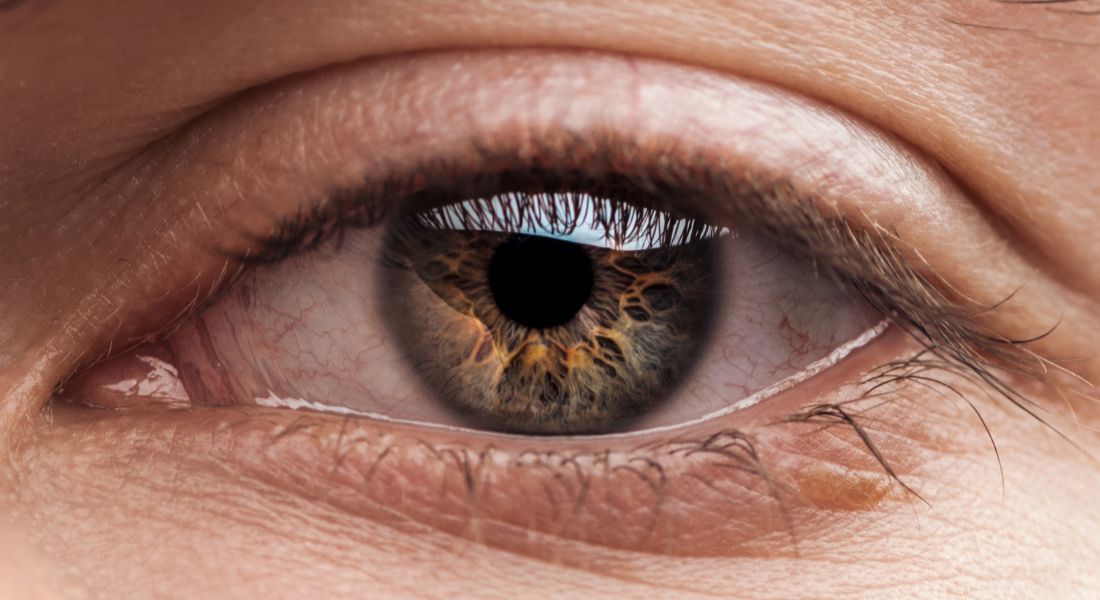
Dry eye is one of the most common causes of fluctuating vision after LASEK. The procedure temporarily disrupts corneal nerves, which play a key role in stimulating natural tear production. As a result, the tear film can become unstable, leading to changes in visual clarity throughout the day.
- Reduced tear production after surgery – When corneal nerves are affected, the eye may not signal the need for tears as efficiently. This can leave the surface of the eye drier than normal, particularly in the early months of recovery.
- Blur that comes and goes – Dryness often causes intermittent blur rather than constant poor vision. Vision may appear clearer after blinking or using drops, then fluctuate again as the tear film evaporates.
- Environmental triggers worsen symptoms – Air conditioning, heating, wind, screen use, and low-humidity environments can all increase dryness and make visual fluctuations more noticeable.
- Artificial tears improve clarity – Regular use of preservative-free lubricating drops helps stabilise the tear film, often restoring sharpness within minutes. Many patients notice immediate improvement after using drops.
- Dry eye can persist for several months – Although nerve regeneration occurs over time, dryness can last longer for some patients. This does not mean healing is abnormal, only that recovery is still ongoing.
Managing dry eye effectively is a key part of achieving stable vision after LASEK. With consistent lubrication and time, tear function improves, allowing vision to become clearer, more comfortable, and more reliable.
Light Sensitivity and Visual Quality
Light sensitivity can persist for some time after LASEK, especially in bright sunlight or when driving at night. This happens because the corneal surface and the nerves within it are still recovering. Although it can be uncomfortable, sensitivity usually eases gradually as healing continues.
Glare, halos, and starbursts are also common during recovery. These visual effects are often linked to temporary surface irregularities and tear film instability. As the cornea becomes smoother and the tear layer stabilises, these symptoms typically reduce on their own.
It’s important to remember that these visual disturbances rarely indicate a long-term problem. In most cases, they are part of the normal healing process rather than a sign that the procedure has gone wrong.
What If Vision Improves and Then Worsens?
It can be unsettling if your vision seems to improve and then temporarily worsen during LASEK recovery. In most cases, this pattern is part of normal healing rather than a sign that something has gone wrong. The surface of the eye is still stabilising, and several temporary factors can influence clarity from day to day.
- Temporary surface irregularities: As the corneal surface heals, microscopic unevenness can develop and then resolve. This can cause short-term blur or softness in vision before clarity returns.
- Dry eye–related fluctuations: Dryness is a very common cause of apparent regression. Vision may worsen when the tear film becomes unstable and improve again after blinking or using lubricating drops.
- Inflammation during healing: Mild, low-level inflammation can fluctuate as the eye repairs itself. This can temporarily affect vision without impacting the final outcome.
- Fatigue and environmental factors: Long screen use, poor sleep, dehydration, or dry environments can all exaggerate visual changes, making vision feel worse at certain times.
- Not true regression in most cases: True regression is uncommon early on. Most short-term changes resolve as the cornea continues to smooth and nerves regenerate.
Although fluctuations can feel worrying, vision usually improves again as healing progresses. However, sudden, severe, or persistent changes should always be checked by your surgeon. Regular follow-up appointments are essential for distinguishing normal healing variations from issues that need attention, and they provide reassurance throughout your recovery.
Follow-Up Appointments and Monitoring
Follow-up appointments are a crucial part of recovery after LASEK. They allow your surgeon to check how well the corneal surface is healing and to confirm that your recovery is progressing as expected. These visits also provide reassurance at each stage, especially when vision feels inconsistent.
During follow-ups, your surgeon may perform vision tests, examine the corneal surface, and assess tear film stability. These checks help guide aftercare advice, such as adjusting eye drops or managing dryness. The goal is to support healing, not to look for problems.
It’s important to understand that regular reviews are standard practice after LASEK and not a sign that something is wrong. Even when recovery is going smoothly, monitoring ensures that small issues are identified early and managed effectively.
When Enhancement May Be Considered
Enhancements are only considered once your vision has fully stabilised after LASEK. This process takes time, and in most cases, surgeons wait several months before even discussing the possibility of further correction. Patience during this phase is important, as many early visual concerns resolve naturally without any intervention.
- Vision must be stable over time – Surgeons look for consistent measurements across multiple visits. Small fluctuations are normal early on, but enhancement is not considered until results are predictable and repeatable.
- The eye must be fully healed – The corneal surface and deeper layers need sufficient time to recover. Intervening too early can disrupt healing and compromise the final outcome.
- Dry eye and inflammation must be controlled – Temporary blur caused by dryness or residual inflammation must be addressed first, as correcting these often resolves visual symptoms without further surgery.
- Residual prescription must be meaningful – Enhancements are only considered if the remaining refractive error is enough to affect daily life. Minor imperfections that do not impact function are usually left alone.
- Safety always comes first – Corneal thickness, surface quality, and overall eye health are carefully assessed to ensure any additional treatment would be safe and beneficial.
In most cases, time is the most effective part of the healing process. Enhancements are never rushed and are only recommended when they clearly improve vision without increasing risk, ensuring the safest and most stable long-term result.
Emotional Reassurance During the Healing Period
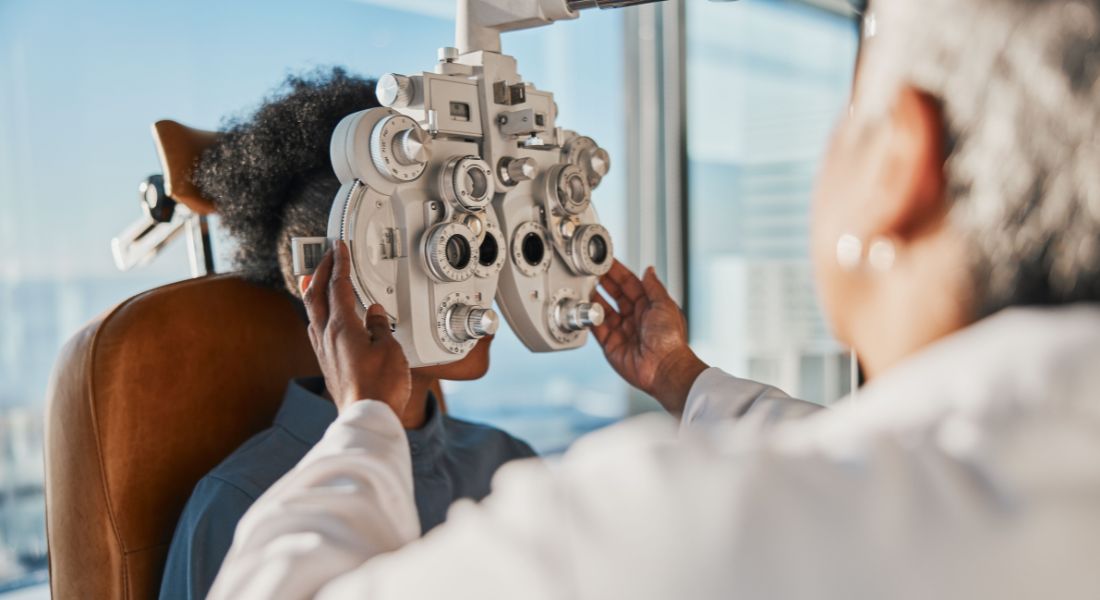
Fluctuating vision after LASEK can be emotionally challenging. It’s natural to feel anxious or frustrated when clarity varies from one day to the next. Recognising that these ups and downs are a normal part of recovery can help ease worry.
Understanding that improvement is gradual rather than immediate is important. Most patients notice steady progress over weeks and months, rather than a sudden jump to perfect vision. This perspective helps set realistic expectations and reduces stress during the healing process.
Clear communication with your clinic can make a significant difference. Asking questions, reporting symptoms, and attending follow-up appointments provide reassurance and guidance, helping you feel more confident as your eyes recover.
FAQs:
- How long does it take for vision to feel normal after LASEK?
Vision usually begins to improve noticeably within the first few weeks, but full stabilisation can take anywhere from six to twelve months. During this period, clarity gradually increases as the corneal surface heals and the tear film stabilises. - Why does my vision fluctuate from day to day after LASEK?
Day-to-day fluctuations are a normal part of healing. They can occur due to temporary irregularities on the corneal surface, tear film instability, mild inflammation, or environmental factors such as dry air or prolonged screen use. - Is blurry vision in the first few days after surgery normal?
Yes, blurry or hazy vision in the first few days is expected because the corneal surface is still repairing itself and the epithelial layer has not fully reattached. Light sensitivity and watering are also common during this phase. - Can dry eyes affect my LASEK recovery?
Dry eye is a frequent cause of fluctuating vision after LASEK. The surgery temporarily affects corneal nerves, which can reduce tear production. This can make vision appear intermittently blurry, especially during screen use or in dry environments, but regular use of lubricating drops usually restores clarity. - When does vision typically become more consistent after LASEK?
Most patients notice a clear improvement in day-to-day consistency between one and three months after surgery. While minor fluctuations may still occur, visual sharpness generally becomes more reliable for everyday activities. - What causes halos or glare after LASEK?
Halos, glare, and starbursts are common during recovery due to temporary surface irregularities and tear film instability. These effects usually reduce as the cornea smooths out and the tear layer stabilises. - Should I be concerned if my vision improves and then worsens temporarily?
Temporary changes in clarity are often part of normal healing rather than regression. Factors like surface healing, dry eye, fatigue, or environmental conditions can cause brief dips in visual sharpness, which usually resolve naturally. - How important are follow-up appointments after LASEK?
Follow-up visits are essential to monitor corneal healing, assess tear film stability, and check vision consistency. They provide reassurance and allow the surgeon to address any issues early, ensuring the recovery process is progressing as expected. - When is an enhancement considered after LASEK?
Enhancements are only considered once vision has fully stabilised, the cornea is fully healed, dry eye is controlled, and any remaining refractive error is significant enough to impact daily life. Surgeons prioritise safety and usually wait several months before recommending additional correction. - How can I cope with anxiety about fluctuating vision?
Understanding that gradual improvement is normal and maintaining realistic expectations can help reduce stress. Clear communication with your clinic, asking questions, reporting symptoms, and attending follow-ups are all important for emotional reassurance during recovery.
Final Thought: LASEK Recovery and Vision Stabilisation
Understanding the timeline for vision stabilisation after LASEK can help set realistic expectations and reduce anxiety during recovery. Fluctuations in clarity are common in the early weeks and months, and gradual improvement is a normal part of the healing process. Regular follow-up appointments and proper management of factors such as dry eye are essential for achieving consistent vision and comfort. If you’re considering lasek surgery in London and want to know whether it’s the right option for you, you’re welcome to reach out to us at Eye Clinic London to book a consultation and discuss your individual needs.
References:
- Ilhan, A. et al. (2016) Autologous serum eye drops accelerate epithelial healing after LASEK, Current Eye Research, 41(6), pp. 872–879. https://pubmed.ncbi.nlm.nih.gov/25611183/
- Hovanesian, J.A. et al. (2013) Visual outcomes and management after corneal refractive surgery: a review, Journal of Optometry, 6(4), pp. 145–154. https://www.journalofoptometry.org/en-visual-outcomes-management-after-corneal-articulo-resumen-S1888429617300705
- Anonymous (2005) Evolution, techniques, clinical outcomes, and pathophysiology of LASEK: review of the literature, Survey of Ophthalmology, 50(5), pp. 467–478. https://pubmed.ncbi.nlm.nih.gov/15530945/
- Anonymous (1999) Tear film function and corneal sensation in the early postoperative period after LASEK for the correction of myopia, Investigative Ophthalmology & Visual Science, 40(10), pp. https://pubmed.ncbi.nlm.nih.gov/15834604/
- Reinstein, D.Z., Archer, T.J. and Gobbe, M. (2022) Long‑Term visual and refractive stability and ocular biometric changes after LASEK for myopia: 8‑year follow‑up, Journal of Current Ophthalmology, 34(1), pp. 38–46. https://pmc.ncbi.nlm.nih.gov/articles/PMC8772487/