


Why Artificial Tears Sometimes Stop Working in Dry Eye Disease (Guide)
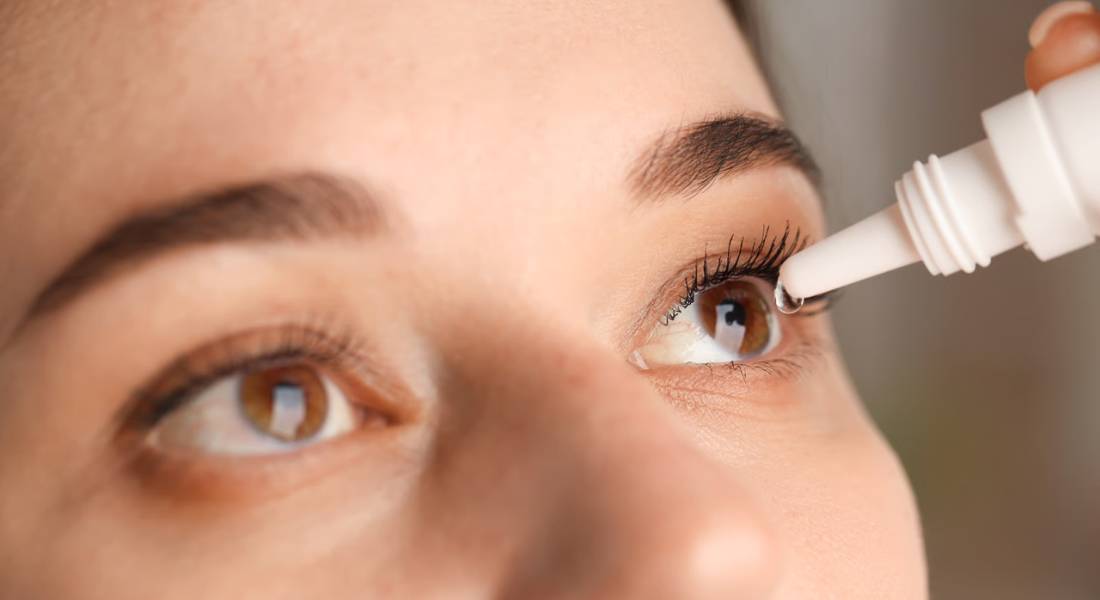
Artificial tears are usually the first thing you try when dry eye symptoms appear. They are easy to buy, simple to use, and marketed as a quick solution to discomfort. In the early stages, you often feel genuine relief, with less dryness, irritation, or grittiness. That initial improvement can make it seem like the problem is under control.
Over time, though, the effect often starts to fade. The burning sensation slowly returns, and your eyes may feel sore again soon after applying the drops. You may notice yourself reaching for artificial tears more frequently, yet getting less benefit each time. This can be frustrating and confusing, especially when you are doing exactly what you were advised.
This pattern is not a matter of bad luck or using the wrong brand. It reflects how dry eye disease typically progresses beneath the surface. As the condition evolves, the tear film becomes more unstable and inflammation can increase, making simple lubrication less effective. At that stage, drops alone are no longer enough to manage what is really happening in your eyes.
If artificial tears are no longer easing your symptoms, it does not mean you have run out of options. It means lubrication on its own is no longer targeting the underlying cause of your discomfort. Understanding how the tear film changes over time helps explain why this shift happens. More effective treatment focuses on addressing those deeper changes, rather than relying solely on drops.
Why artificial tears feel effective at the beginning
In the early stages of dry eye, your symptoms are often intermittent rather than constant. Your tear film is still working, but it does not function reliably throughout the day. Artificial tears are effective at this point because they top up what your eyes are temporarily lacking. They increase tear volume and briefly restore balance to the surface of the eye.
When you use drops, they smooth the ocular surface and dilute inflammatory substances that cause irritation. This short-term improvement reduces discomfort and makes your eyes feel calmer. Vision often improves as well, because a more even tear film bends light more accurately. The combination of comfort and clearer vision makes the drops feel reassuringly effective.
That relief quickly reinforces the habit of reaching for artificial tears whenever symptoms return. Each flare-up feels manageable with another application, so the cycle continues. At this stage, your eyes are still producing tears on their own. The tear system is under strain, but it has not failed or broken down completely.
The false sense of control drops can create
Artificial tears do not treat the underlying mechanisms of dry eye disease. They mainly reduce symptoms by keeping the surface of your eye temporarily wet. That difference is more important than most people realise. You can feel better in the short term while the condition itself continues to progress unnoticed.
As dryness starts to occur more often, you naturally reach for drops more frequently. This repeated use maintains surface moisture but does not fix why your tears evaporate too quickly or lose stability. The underlying imbalance remains, even though the eyes feel briefly soothed. Over time, the tear film becomes more fragile and less able to recover on its own.
As this happens, the periods of relief after using drops become shorter. You may notice that comfort fades quickly or barely appears at all. Eventually, artificial tears stop providing meaningful improvement. This is often the point when frustration and concern reach their highest level.
Dry eye disease is not just “lack of moisture”
Dry eye disease is often misunderstood as simply having dry eyes, but it’s much more complex. The issue isn’t just moisture it’s the stability and quality of the tear film. Without balanced interactions between all tear layers, symptoms persist even when artificial tears are used.
- Oil layer slows evaporation: The outermost layer of the tear film is made of lipids. It prevents tears from evaporating too quickly, keeping eyes hydrated for longer periods. Without sufficient oil, tears disappear rapidly, causing chronic dryness.
- Watery layer hydrates and nourishes: This middle layer contains water, salts, and nutrients. It provides immediate lubrication and maintains corneal health. Artificial tears mimic this layer but can’t replace the natural tear dynamics.
- Mucin layer anchors tears: The innermost layer helps tears stick to the eye surface. When mucin is deficient, even sufficient water or oil can’t stay in place, making lubrication ineffective.
- Artificial tears only replace water: While they temporarily relieve dryness, they do nothing to restore oil or mucin layers. Relying solely on them is like trying to fill a leaky bucket without fixing the holes.
Addressing dry eye effectively requires treating all three layers, not just adding moisture. Recognising the full complexity helps avoid frustration and ineffective treatments. Artificial tears are a short-term fix, not a cure.
Tear film instability changes how drops behave
When your tear film is stable, artificial tears spread smoothly across the eye’s surface. They coat the cornea evenly and remain long enough to provide genuine relief. In this scenario, the drops behave as expected, giving your eyes a soothing boost and a noticeable sense of comfort.
However, once the tear film becomes unstable, drops no longer perform in the same way. Instead of forming a uniform layer, they break apart almost immediately. They may evaporate or drain too quickly, leaving little to no effect. That’s why you might feel brief relief that vanishes within minutes, often replaced by renewed irritation.
Applying drops repeatedly does not fix this instability. In fact, frequent use can sometimes aggravate the problem, adding to the cycle of dryness and frustration. The tears simply cannot stay where they are most needed, making symptom management far more challenging than it seemed at first.
Inflammation quietly escalates underneath lubrication
Persistent dryness triggers inflammation within the eye, even if it doesn’t feel severe at first. That inflammation begins to damage the very structures that produce tears, setting off a self-perpetuating cycle. Dryness fuels inflammation, and inflammation, in turn, increases dryness, making the condition progressively harder to manage.
Artificial tears do not address this inflammatory process. Some types of drops may even dilute protective tear proteins, reducing the eye’s natural defences. As inflammation rises, the nerves on the surface of the eye become hypersensitive, making every blink and breeze feel more uncomfortable.
This is why symptoms can intensify even when the eye looks relatively normal on examination. No amount of lubrication alone will reverse the underlying changes. At this stage, the problem has gone beyond simply needing more moisture; it requires targeted treatment to address the inflammation driving the discomfort.
Why increasing drop frequency often backfires
Using artificial tears more often than necessary can actually make tear film instability worse. This catches many people off guard, as it seems logical that more drops should mean more comfort. Each time you apply them, even briefly, you wash away some of your eye’s natural tears, including essential protective oils and proteins.
Over time, frequent application can reduce your eyes’ own tear production, weakening the delicate balance that normally keeps the surface healthy. Homeostasis the eye’s ability to maintain stability starts to falter. Some drops also contain preservatives, which can irritate the ocular surface if used heavily, even if the product is marketed as “gentle.”
Switching to preservative-free drops reduces this risk, but it does not fix the underlying problem. The eyes still struggle with instability and inflammation, so relying solely on more frequent lubrication can create a false sense of control while the condition quietly progresses.
The role of meibomian gland dysfunction
For many people with dry eye, the real problem isn’t a shortage of watery tears it’s a lack of oils. The meibomian glands along your eyelids produce these oils, which form a protective layer to slow down tear evaporation. When the glands become clogged or deteriorate, tears vanish far more quickly than they should, leaving the surface chronically dry and uncomfortable.
Artificial tears add fluid, but without the protective oils, that moisture disappears almost immediately. This is why many patients feel that drops offer little real relief. The evaporation problem persists, and comfort is only ever short-lived. Unless oil flow is restored, relying on additional fluid alone cannot solve the issue.
Over time, insufficient oil and repeated dryness can also inflame the eyelid margins, further reducing gland function. This creates a vicious cycle: clogged glands lead to more evaporation, more dryness, and increasing discomfort. Addressing meibomian gland dysfunction directly—through therapies that unblock or stimulate the glands is often the only way to achieve lasting relief and restore balance to the tear film.
Why screen use accelerates drop failure

Spending long hours at screens naturally reduces your blink rate, even if you don’t realise it. Incomplete blinks mean the oils from your meibomian glands aren’t spread evenly across the eye surface. Without that protective layer, tears evaporate faster, leaving your eyes dry, sore, or gritty.
Symptoms tend to worsen during screen time, making your eyes feel fatigued and uncomfortable. Artificial tears offer temporary relief, but they don’t correct how your eyelids move or retrain the blink reflex. You might notice that drops work when your eyes are relaxed but fail entirely while you’re working at a desk.
Over time, this pattern reinforces tear film instability. The surface remains exposed for longer periods, inflammation can increase, and the eyes become progressively more sensitive. Relying solely on drops while continuing long screen sessions often makes the condition worse, signalling that a more targeted approach is necessary to restore balance and comfort.
When nerve sensitivity distorts symptom severity
Dry eye symptoms don’t always match the visible damage on the eye’s surface. Often, the nerves themselves become the problem, sending exaggerated pain signals even when the dryness is mild. Understanding this mismatch is key to addressing discomfort effectively.
- Chronic inflammation sensitises corneal nerves: Long-term irritation or inflammation makes corneal nerves hyperactive. They react more strongly to minor triggers, amplifying the perception of dryness or pain.
- Mild dryness feels severe: Even if the tear film is partially restored, nerve sensitisation can make small amounts of dryness feel intensely uncomfortable. Patients may report severe symptoms despite minimal surface damage.
- Artificial tears improve wetness, not pain: Lubricants target moisture and surface relief. They don’t modulate nerve activity, so discomfort can persist even after repeated use.
- Symptom-surface mismatch causes frustration: Many assume treatments are failing because drops don’t relieve pain, overlooking the underlying neuroinflammatory component.
- Treatment focus shifts to nerve regulation: Effective management may require anti-inflammatory therapy, nerve-modulating drops, or other interventions targeting corneal nerve sensitivity rather than just tear replacement.
Recognising that nerves, not just surface moisture, drive symptoms prevents misdiagnosis and ineffective treatment. Management must go beyond lubrication to address the neuroinflammatory aspect.
The difference between symptomatic relief and disease control
Artificial tears are primarily tools for relieving symptoms they do not treat the underlying disease. That doesn’t mean they’re useless; it simply defines their role in managing dry eye. Early on, when the condition is mild, your symptoms often reflect the state of the tear film fairly accurately. In that phase, drops can feel highly effective and give a real sense of control.
As the disease progresses, however, symptoms and the underlying condition start to diverge. Relief from drops no longer reflects what’s happening beneath the surface, and relying on lubrication alone becomes insufficient. Long-term management focuses on stabilising tear production, reducing inflammation, and restoring meibomian gland function to address the root causes of discomfort.
Lubrication can support this process, making the eyes more comfortable while other treatments take effect, but it cannot replace targeted therapies. Recognising the difference between symptom relief and true disease control is a turning point for many patients. It reframes expectations, helping you understand why drops alone may no longer feel enough and why a broader approach is essential.
Why switching brands rarely solves the problem
Many people rotate through multiple artificial tear brands, hoping one will finally provide lasting relief. The reasoning is understandable some drops are thicker, others promise longer-lasting comfort. While these differences can offer a brief improvement, the effect is usually temporary and limited.
No brand, regardless of formulation, can repair damaged meibomian glands or suppress ongoing inflammation by itself. Switching drops may feel like progress at first, but the relief rarely lasts beyond a few hours. If you’ve tried several products with similar results, it isn’t the brand that’s failing you it’s the overall treatment strategy.
Ultimately, managing dry eye requires addressing the root causes rather than chasing temporary fixes. A structured approach that targets tear film stability, inflammation, and gland function will provide meaningful, lasting improvement. Relying on brand rotation alone often prolongs frustration and delays effective treatment.
The hidden impact of tear preservatives
Preservatives are included in many artificial tears to extend their shelf life, but they come with a hidden cost. With repeated use, they can disrupt the delicate epithelial cells on the surface of your eye. In eyes already compromised by dryness or inflammation, this effect is amplified, making the surface more sensitive over time.
As a result, inflammation can increase despite regular lubrication, undermining the relief you expect from drops. Switching to preservative-free formulations is safer for frequent use and reduces the risk of toxicity. However, even preservative-free drops cannot restore the function of damaged glands or fully stabilise the tear film.
If preservative-free drops still fail to provide meaningful relief, it’s a clear signal that the disease has progressed beyond what surface lubrication alone can manage. At this stage, more targeted treatment is needed to address the underlying causes rather than just masking symptoms.
Why artificial tears don’t prevent disease progression
Dry eye disease is progressive, and its effects accumulate over time, even if your symptoms seem manageable at first. Artificial tears provide temporary relief, but they do not alter the underlying course of the condition. They cannot reopen blocked meibomian glands, correct incomplete blinking, suppress immune-driven inflammation, or restore nerve regulation all of which are essential for maintaining a healthy tear film.
This is why many people feel trapped in a cycle of short-lived comfort without real improvement. Using drops alone addresses only yesterday’s symptoms with yesterday’s tools, leaving the root causes untouched. Relief fades quickly, and frustration builds as the condition continues to worsen despite your efforts.
To make meaningful progress, treatment must be tailored to the stage and mechanisms of your disease. Targeted care that addresses tear film stability, gland function, inflammation, and nerve sensitivity is necessary to restore balance and achieve lasting comfort. Relying solely on artificial tears delays recovery and keeps you stuck in a temporary loop of symptom management.
When dryness becomes constant rather than episodic
Intermittent dryness often responds reasonably well to artificial tears, giving you short-term relief during flare-ups. Once the dryness becomes constant, though, drops rarely make a real difference. Persistent symptoms usually indicate that your tear film has a baseline dysfunction, and the ocular surface no longer recovers naturally between episodes.
At this stage, lubrication shifts from providing relief to simply maintaining moisture. You tend to notice the drops’ effect only when you stop using them, rather than when you apply them. This change is a key signal that it’s time for a thorough evaluation. Continuing the same approach without addressing the underlying causes can delay meaningful improvement and leave you frustrated.
Effectively managing chronic dryness requires interventions that target tear film instability, inflammation, and gland function. Without addressing these deeper issues, drops alone merely mask symptoms and cannot restore lasting comfort or eye health.
Why environmental control only goes so far
Using humidifiers, taking screen breaks, and managing airflow can definitely help reduce evaporation and make your eyes feel more comfortable. These measures lower environmental stress on the tear film and often provide noticeable short-term relief. However, they do not fix blocked glands, underlying inflammation, or nerve dysfunction. They are supportive tools, not curative solutions.
When combined with targeted treatment, environmental control can make a meaningful difference. Alone, though, it rarely reverses established dry eye disease or addresses the mechanisms driving it. If you find that artificial tears continue to fail even in ideal conditions, the message is clear: the problem is intrinsic, not simply situational. At that point, relying solely on environmental adjustments will not restore lasting comfort.
True improvement comes from pairing supportive strategies with interventions that stabilise the tear film, reduce inflammation, and restore gland function. Only then can environmental measures amplify results instead of masking persistent disease.
What effective treatment looks like beyond drops
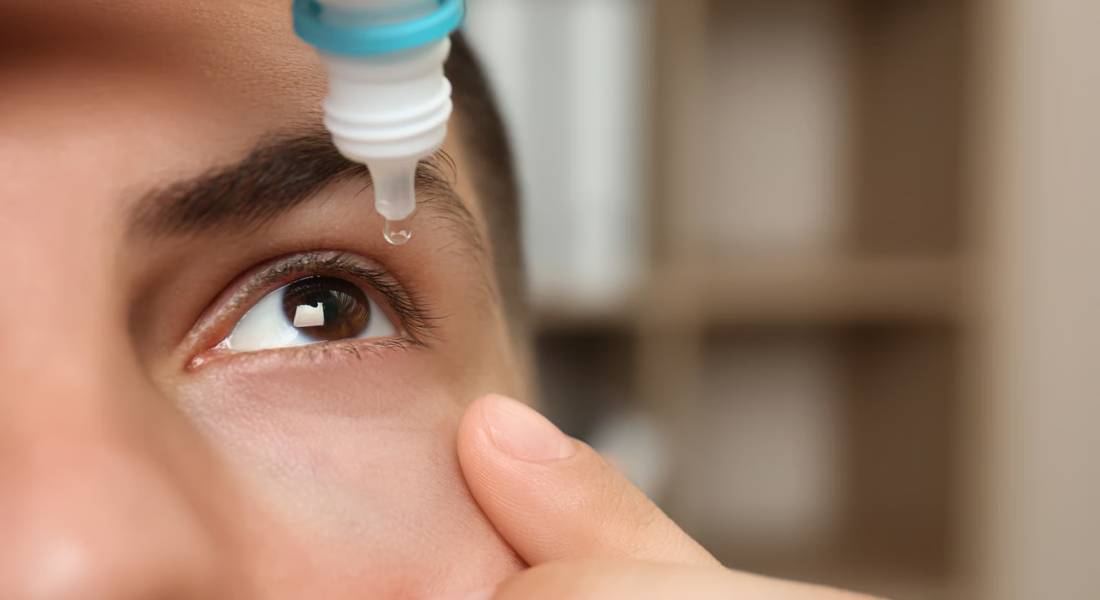
When simple lubrication no longer brings relief, managing dry eye requires a multi-layered approach. Each step targets a specific dysfunction in the tear system or ocular surface. Artificial tears are still useful, but they become just one part of a broader strategy rather than the sole solution.
- Reducing inflammation: Anti-inflammatory treatments calm chronic irritation that damages tear-producing glands and sensitises nerves. This helps break the cycle of discomfort and improves overall tear quality.
- Restoring oil flow: Meibomian gland therapies, warm compresses, or specialized devices help re-establish the lipid layer. Proper oil flow slows evaporation and stabilises the tear film for longer-lasting hydration.
- Improving tear retention: Punctal plugs, moisture chambers, or prescription drops that increase tear retention keep the eye surface consistently hydrated. This reduces reliance on frequent artificial tear use.
- Normalising eyelid function: Blinking exercises, lid hygiene, or addressing structural lid issues ensure tears are distributed evenly. Dysfunction here can undermine all other treatments if left uncorrected.
A layered treatment plan shifts outcomes from temporary relief to sustained comfort. By addressing the root causes rather than just replacing water, patients experience lasting improvement and reduced dependence on drops.
Why professional assessment changes everything
Dry eye is a highly variable condition no two cases behave exactly the same. A professional assessment can pinpoint which part of the tear system is failing most, whether it’s the glands, inflammation, or nerve regulation. This allows treatment to be prioritised correctly rather than applied haphazardly.
Without proper evaluation, management often becomes guesswork. Drops and other over-the-counter solutions turn into a default habit instead of a considered decision. Targeted treatment not only works faster but is more cost-effective in the long term, sparing you repeated trial-and-error attempts and ongoing frustration.
Specialist assessment clarifies exactly what’s happening in your eyes. In London, structured dry eye treatment ensures therapy is matched to the disease subtype and severity, giving you a clear path forward rather than relying on generic advice that may never address the underlying problem.
Why waiting too long makes recovery harder
Untreated inflammation can quietly cause lasting structural damage to the eyes. Meibomian gland dropout, for example, is often irreversible once it occurs, limiting the potential for full recovery. Early intervention helps preserve function, while delayed treatment often focuses only on managing the losses that have already happened.
If artificial tears have stopped providing relief, waiting rarely improves the situation. In most cases, it allows the disease to become more entrenched, making later management more challenging. Acting sooner not only broadens your treatment options but also improves the likelihood of a positive response, giving you a better chance of restoring comfort and eye health.
Timely assessment and intervention are critical to preventing chronic damage. By addressing inflammation, gland dysfunction, and tear instability early, you maximise the effectiveness of treatment and avoid the frustration of prolonged symptom management.
The psychological toll of ineffective drops
Living with chronic eye discomfort can take a real toll on your focus, mood, and sleep, even if you try to downplay it. When artificial tears repeatedly fail to provide relief, it can erode your confidence and leave you questioning whether anything will help. Over time, this repeated frustration may make you feel stuck or powerless.
Understanding why drops are no longer effective can completely reframe the experience. Rather than blaming yourself or thinking you’re doing something wrong, you see the situation as a problem to solve strategically. That mental shift is significant it keeps you engaged with treatment, motivated to explore targeted options, and reassured that improvement is still possible.
Recognising the psychological impact is part of effective care. Addressing both the physical and mental aspects of dry eye ensures you remain proactive, rather than discouraged, while pursuing therapies that truly work.
Why “stronger drops” aren’t the answer
In the context of dry eye disease, there’s no such thing as a truly stronger artificial tear. Increased thickness or viscosity may make a drop feel more substantial, but it does not address the underlying causes of your symptoms. More viscous drops might last longer on the surface, yet they still cannot prevent excessive evaporation or reduce inflammation.
Using overly thick drops can also blur your vision, making them inconvenient for daily use and reducing the likelihood you’ll apply them consistently. In practice, achieving the right balance between comfort, effectiveness, and tolerability matters far more than simply increasing intensity. That balance can only be determined with a proper diagnosis, which identifies which aspects of your tear system need targeted support rather than temporary masking.
Relying on “stronger” drops without addressing root causes often prolongs frustration. A considered approach guided by professional assessment ensures that treatment works with your eyes, not just temporarily coats them.
The role of combination therapy
Effective dry eye management rarely depends on a single approach. The condition is multifactorial, with tear instability, gland dysfunction, inflammation, and nerve sensitivity all potentially contributing. Using a combination of therapies allows these different failure points to be addressed simultaneously, which speeds up improvement and provides more consistent relief.
Artificial tears still have an important role they support surface comfort and keep the eyes hydrated—but they work best as part of a broader strategy. When integrated properly with treatments targeting inflammation, gland function, and blink mechanics, drops regain their usefulness. They no longer carry the entire burden of symptom control, allowing you to experience genuine, lasting improvement rather than temporary masking.
A well-planned combination approach also reduces trial-and-error frustration. Each therapy complements the others, creating a synergistic effect that tackles both symptoms and underlying causes for meaningful results.
Recognising when drops are still useful
Even in advanced dry eye, lubrication still has a role its purpose just evolves. Rather than driving recovery, drops now act as support between treatments, helping to maintain comfort throughout the day. They reduce friction during blinking, protecting the delicate ocular surface from further irritation.
Drops are also useful during flare-ups, providing temporary relief and helping the eyes tolerate symptoms more easily. Recognising this shifts expectations from relying on drops as a cure to understanding their supportive function. This perspective prevents disappointment and allows you to engage more confidently with targeted treatments that address the root causes of dry eye.
Used thoughtfully, artificial tears become part of a wider strategy rather than a solitary solution. When paired with therapies that restore gland function, reduce inflammation, and stabilise the tear film, they enhance comfort while the underlying disease is actively treated.
How expectations shape perceived effectiveness
Your expectations play a huge role in how effective drops feel. Many people hope that artificial tears will cure dryness entirely, and when they don’t, frustration can build quickly. That frustration can make you feel as though nothing works, even when drops are providing partial or temporary relief.
Reframing artificial tears as supportive rather than curative changes the experience entirely. Relief becomes contextual you notice the benefit during flare-ups or between treatments rather than expecting complete resolution. This mental shift helps you stick with treatment plans, improves adherence, and ultimately enhances overall outcomes.
Understanding the role of drops in the bigger picture also reduces disappointment. When combined with targeted therapies, lubrication becomes a reliable tool rather than a source of repeated frustration, allowing you to engage more confidently with effective care.
Why long-term relief requires addressing root causes

Dry eye is a systemic problem affecting multiple parts of the tear system, so treating only one component rarely provides lasting relief. True, durable comfort comes from addressing the root causes restoring oil flow, reducing inflammation, improving tear quality, and normalising nerve sensitivity. Drops alone cannot reach this depth; they only provide temporary surface support.
Once the underlying issues are managed, artificial tears often seem to “work again.” The drops themselves haven’t changed the environment has, allowing them to function as intended. This is a paradox many patients discover only after targeted treatment: drops didn’t fail, you simply outgrew what they could do alone.
Understanding this distinction reframes your experience, shifting focus from chasing temporary relief to implementing strategies that tackle the disease itself. By combining supportive lubrication with root-cause therapies, you can achieve lasting comfort and regain confidence in your treatment plan.
FAQs:
- Why do artificial tears stop providing relief over time?
Initially, drops temporarily restore moisture and comfort, but dry eye is a progressive condition. Tear film instability, inflammation, and gland dysfunction eventually reduce the effectiveness of simple lubrication. Drops mask symptoms butdon’t address the root causes. - Are some brands of artificial tears stronger or more effective?
Not really. Differences in thickness or formulation may offer brief comfort, but no brand can repair meibomian glands or suppress underlying inflammation. Long-term relief comes from targeted therapy, not switching drops repeatedly. - Can using more drops improve comfort?
Frequent use can backfire. Overusing drops can wash away natural oils and proteins, weaken tearproduction, and exacerbate instability. Preservative-free drops are safer for frequent use, but they don’t fix the underlying problem. - Whatroledo meibomian glands play in dry eye?
These glands produce oils that prevent tears from evaporating too quickly. If they’re blocked or damaged, artificial tears alone won’t maintain moisture. Restoring gland function is essential for lasting relief. - Why does screen use make drops less effective?
Extended screen time reduces blinking, limiting oil distribution from glands. This accelerates tear evaporation, so drops may relieve symptoms at rest but fail during prolonged screen use. - Can nerve sensitivity affect how dry my eyes feel?
Yes. Chronic inflammation can sensitize corneal nerves, making mild dryness feel intense. Lubrication only improves moisture, not nerve sensitivity, which may require anti-inflammatory or nerve-targeting treatments. - Why doesn’t environmental control fully resolve dry eye?
Humidifiers, airflow management, and screen breaks reduce surface stress butdon’t fix blocked glands, inflammation, or nerve dysfunction. They are supportive but not curative. - When should I seek professional assessment?
If drops provide only short-term relief or dryness becomes constant, evaluation is crucial. A specialist canidentify which parts of the tear system are failing and recommend targeted therapies, improving outcomes and avoiding frustration. - Are artificial tears useless in advanced dryeye?
No. They still provide support by reducing friction, protecting the ocular surface, and improving comfort during flare-ups. Their role shifts from treatment to supportive care within a broader strategy. - What does effective treatment look like beyond drops?
A multi-layered approach targets inflammation, oil flow, tear retention, and eyelid function. Combining drops with therapies like meibomian gland treatment, anti-inflammatories, or blinking exercises provides long-term relief rather than temporary comfort.
Final Thoughts: Shifting from Temporary Relief to Lasting Comfort
Living with dry eye can feel like a constant battle, especially when artificial tears stop providing meaningful relief. It’s easy to assume the drops are failing, but the reality is that the condition has progressed beyond surface lubrication. True improvement requires understanding and addressing the underlying issues tear film instability, meibomian gland dysfunction, inflammation, and nerve sensitivity.
Artificial tears still have a role, but that role evolves. They become a supportive tool between targeted therapies rather than the main solution. Using them strategically alongside anti-inflammatory treatments, gland therapies, and blink retraining transforms short-lived relief into sustained comfort. This approach also reduces the frustration of chasing temporary fixes.
Your expectations shape your experience. Recognising that drops are part of a wider treatment plan allows you to engage more confidently and stick with interventions that target the root causes. If you’d like to find out whether dry eye treatment in London is suitable for you, feel free to contact us at Eye Clinic London to arrange a consultation. Taking this step early can prevent lasting damage, restore balance to your tear film, and help you regain confidence in your eye health.
References:
- Semp, J.S.W., et al. (2023) Artificial tears: a systematic review of efficacy in dry eye disease, 64relevant RCTs showing artificial tears improve symptoms but may not be sufficient longterm https://pubmed.ncbi.nlm.nih.gov/36647552/
- Topical pharmacologic treatments for dry eye disease: a systematic review (2025) shows antiinflammatory and mucintargeted pharmacological treatments beyond lubrication https://www.sciencedirect.com/science/article/pii/S1542012425000989
- Borroni, D. et al. (2023) Dry Eye ParaInflammation Treatment: Evaluation of a Novel Tear Substitute Containing Hyaluronic Acid and LowDose Hydrocortisone, Biomedicines, https://www.mdpi.com/2227-9059/11/12/3277
- Zhang, Y. (2025) Ocular biolubricating materials: from lubrication mechanism to dry eye syndrome treatment https://academic.oup.com/rb/article/doi/10.1093/rb/rbaf121/8341986
- Basile, A.A., et al. (2023) The lubricating effect of eye drops containing hyaluronic acid and mallow extract, https://www.mdpi.com/1648-9144/59/5/958