

What Happens If You Sneeze or Cough During LASEK Eye Surgery?

If you’re preparing for LASEK eye surgery and feel worried about sneezing, coughing, or making a sudden movement during the procedure, you’re definitely not the only one. This is one of the most common fears people have before laser vision treatment. You might worry that a sneeze could suddenly move your head, or that coughing could shift your eye at the wrong moment. These thoughts feel scary because your eyes are so delicate, and the idea of movement during laser treatment naturally triggers anxiety.
I want to reassure you right away: sneezing or coughing during LASEK eye surgery is not dangerous. Modern laser technology is designed with advanced safety systems that handle unexpected movements instantly. The surgeon also uses positioning, tracking technology, and stabilisation tools that make it impossible for a sudden motion to cause an error in your treatment.
In this guide, I’m going to walk you through exactly what happens if you sneeze or cough during the procedure, how your head and eye are stabilised, how the laser reacts to even tiny movements, and why you’re completely protected throughout the process. You’ll also learn how sedation, fixation lights, eye tracking, and surgeon guidance make the entire experience far more controlled than you might imagine.
Why Sneezing and Coughing Feel Scary Before Laser Eye Surgery

Sneezing and coughing are natural, involuntary reflexes. Since you can’t always predict when they will happen, it’s normal to feel anxious about having surgery while awake. The thought of an unexpected movement during a delicate procedure can be unsettling.
Many people worry that a sudden jerk of the head, an eye shift, or uncontrollable blinking could cause the laser to miss its target. Some even imagine interrupting the procedure in a way that might be dangerous. These fears often come from outdated ideas of eye surgery, where staying perfectly still was critical.
Modern LASEK surgery is completely different. The technology anticipates small movements and is designed to handle them safely. Eye-tracking systems follow your eye in real time, adjusting the laser to ensure precision even if you sneeze, cough, or blink.
Knowing how advanced the technology is can greatly reduce anxiety. The systems in place are far more capable than the scenarios your mind might imagine. With these safeguards, sneezes or coughs won’t affect the outcome, and the procedure remains completely safe.
First Things First: You Physically Cannot Blink During the Procedure
Before considering other movements like sneezing or coughing, it’s important to understand blinking a common concern for many patients. During LASEK surgery, a small device called a speculum gently holds your eyelids apart. The procedure is completely painless, as your eye is fully numbed with anaesthetic drops.
Once the speculum is in place:
You cannot blink: The device physically prevents your eyelids from closing.
You won’t feel the urge to blink: Anaesthetic drops numb the cornea, so the natural reflex is suppressed.
Your eyelids cannot close suddenly: Even if you sneeze or startle, your eyelids remain safely held open.
Blinking is irrelevant to the procedure: You do not need to focus on controlling it in any way.
Knowing this can help you relax during the procedure, as blinking is one less thing to worry about. You can rest assured that your eyes are protected, and the laser treatment proceeds safely and precisely.
Your Head Is Positioned So That Sneezing Doesn’t Affect the Eye
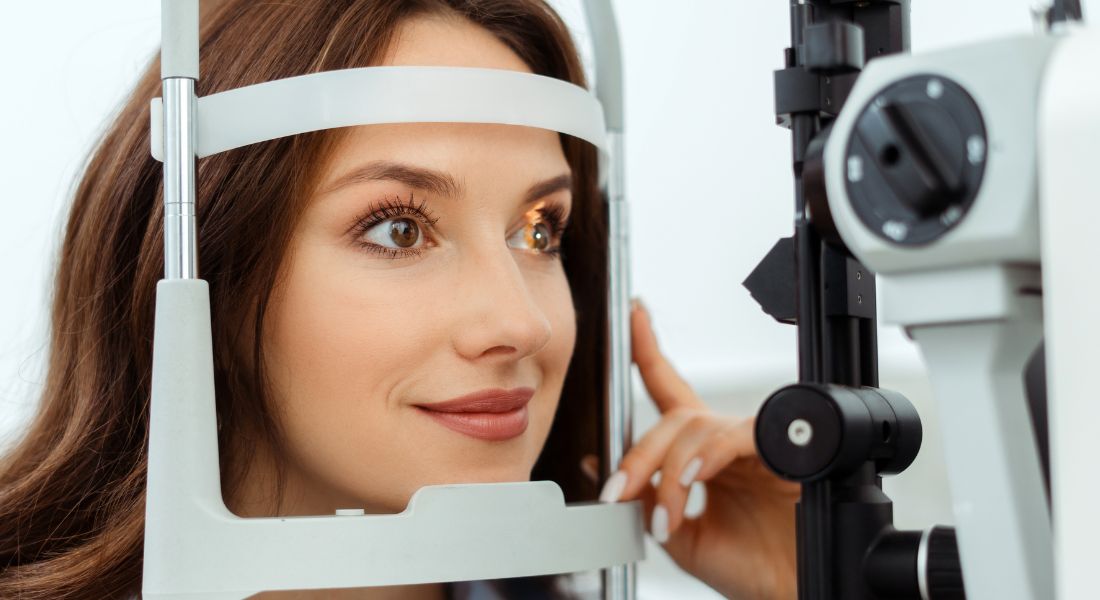
Before the laser step begins, your surgeon positions your head securely in a comfortable headrest. The headrest limits large movements and keeps your forehead and chin supported. Even if your body reacts to a sneeze, your head cannot whip forward or jerk sideways.
Most sneezes involve minimal movement of the forehead or top of the skull the areas stabilised during surgery. Your head may shift slightly if you sneeze, but it cannot move enough to affect the laser.
You’re also lying down, which reduces the physical force involved in sneezing. A sneeze while standing or sitting causes much more motion than one that happens when your head is supported in a lying-down position.
Can Your Eye Move If You Sneeze? Yes But the Laser Stops Automatically
Your eye might move slightly if you sneeze or cough, and that’s completely normal. These reflexes are natural and happen without warning.
Even if your eye does move, you’re still completely safe. The excimer laser used in LASEK has automatic pause systems built in. If your eye shifts even half a millimetre outside the safe zone, the laser stops immediately.
This happens faster than you can even notice. The laser will only resume once your eye is perfectly centred again.
Thanks to these safeguards, it’s impossible for the laser to hit the wrong area. The technology is designed to be precise and completely safe, no matter what reflexes occur during the procedure.
How Eye Tracking Works Faster Than Any Human Movement
Modern excimer lasers come with high-speed eye-tracking cameras that monitor your eye in real time. These systems track multiple axes: left-right (X), up-down (Y), forward-backward (Z), as well as rotational and cyclotorsional movements.
The tracking system takes hundreds to thousands of measurements every second. For comparison, your eye cannot move faster than the system can respond. Blinks, sneezes, or coughs happen too quickly for them to override the laser’s safety measures.
If your eye shifts even slightly, the system makes instant adjustments. The laser only continues when your eye is perfectly aligned.
Thanks to this technology, involuntary movements do not pose any risk. The system ensures precision, keeping the treatment safe and accurate at all times.
What Happens If You Sneeze Right When the Laser Fires?
Sneezing right when the laser fires is a very common worry, so it helps to understand exactly what happens. Many patients imagine a sudden sneeze could cause major issues, but the procedure is designed to handle these reflexes safely.
During LASEK surgery, your eyelids cannot close because a tiny speculum keeps them open. Your head is also supported carefully, so there’s minimal movement. Even if your eye shifts slightly from the reflex, the laser instantly pauses to prevent any treatment errors.
The surgeon will calmly guide you to look back at the fixation light, helping your eye return to the correct position. Once your eye is perfectly aligned, the laser resumes treatment exactly where it left off, ensuring no part of the cornea is missed or treated incorrectly.
The laser system doesn’t skip ahead, guess your eye’s position, or apply treatment blindly. It only continues when the eye is in the right spot. This combination of technology and careful surgical technique means sneezes, coughs, or other reflexes do not pose any risk, giving you a safe and precise procedure from start to finish.
What If You Have a Sneezing Fit?
Some people worry about sneezing multiple times in a row. Even if you sneezed several times, the laser would simply stay paused until your eye was positioned again. You won’t lose progress, and nothing gets damaged.
A sneezing fit might add 30 seconds to your treatment but that’s all. Laser eye surgery technology is designed for this. Unexpected movements do not interrupt the accuracy or safety of the procedure.
Can You Cough During LASEK? Yes And It’s Safe
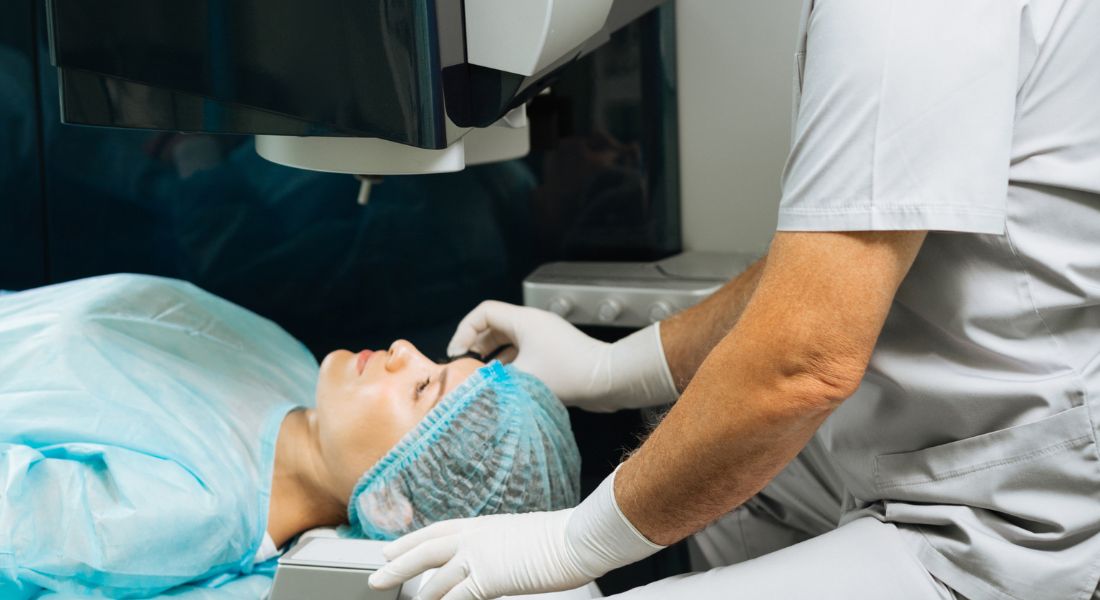
Coughing is another natural reflex that can make patients anxious before LASEK surgery. While a cough may shake your chest or throat, it rarely causes significant head movement when you’re lying down and properly supported.
If you cough during the procedure, your head remains steady thanks to careful positioning, and any slight eye movement triggers the laser to pause automatically. Your breathing rhythm may shift temporarily, but this is normal and doesn’t affect the surgery.
The surgeon waits patiently for you to finish coughing, guiding you to refocus on the fixation light if needed. Once the laser detects that your eye and head are stable, treatment resumes exactly where it left off.
Coughing during LASEK is extremely common, and the technology and surgical technique are designed to handle it safely. Patients can feel reassured that their procedure remains precise, even if an involuntary cough occurs.
Why You Don’t Need to Hold Your Breath During Surgery
Many patients worry that sneezes, coughs, or even normal breathing could disrupt LASEK surgery. Some think they must hold their breath or suppress reflexes to keep their eyes perfectly still. In reality, this is unnecessary and trying to control these natural responses can actually increase tension, anxiety, and small involuntary movements.
Surgeons encourage patients to breathe normally and remain relaxed throughout the procedure for several reasons:
- Normal breathing helps stabilise your body: A calm, steady body reduces subtle shifts and allows the head, neck, and eyes to remain comfortably positioned.
- Relaxed breathing keeps your eyes steady: Tension from holding your breath can transmit to tiny eye movements, making it harder to remain still.
- Natural sneezes and coughs are easier to manage: The laser system is designed to pause automatically if the eye moves, so a sneeze or cough that occurs naturally is safer than trying to suppress it.
- Reduces stress and anxiety: Focusing on holding your breath or suppressing reflexes can increase nervousness, which can actually make small movements more likely.
If you feel a sneeze or cough coming, you simply tell the surgeon. The system is so advanced that the laser pauses instantly, often even before your reflex occurs. Once the reflex is over and your eye is back in position, treatment resumes safely, without any compromise to accuracy.
The Procedure Only Takes Seconds So Movement Is Rare
The laser portion of LASEK is remarkably quick, usually taking just 20–40 seconds per eye. Because the treatment happens so fast, most people don’t sneeze, cough, or move during that short window.
Even if a reflex does occur, it’s fully manageable. The eye-tracking system pauses instantly, and the surgeon guides you back to the fixation light before continuing.
Many patients are surprised at how brief the laser step feels. In fact, you spend more time getting prepared than actually under the laser itself. Once the laser begins, it often feels like a blink of an eye literally. This speed, combined with advanced technology, makes involuntary movements extremely unlikely to interfere with your treatment.
Do Anxiety, Nervousness, or Panic Trigger Sneezing or Movement?
It’s natural to worry that feeling anxious or nervous might cause sneezing, coughing, or involuntary eye movement during LASEK. The good news is that anxiety rarely disrupts the procedure. In fact, when you focus on the target light, your brain becomes highly attentive, which helps your eyes stay still.
During the laser step:
- You feel no pain: Anaesthetic drops ensure the procedure is completely comfortable.
- Your eye is fully numb: Reflexes like blinking are suppressed, so anxiety doesn’t translate into unwanted movement.
- Your view remains steady: The fixation light gives your eye a clear, single point to focus on.
- You hear calm guidance from your surgeon: Continuous reassurance helps reduce tension and encourages steady positioning.
- Your body is supported throughout: A comfortable headrest and gentle eyelid speculum stabilise your eye and minimise involuntary movements.
Even patients who feel nervous or anxious stay surprisingly still, because their attention naturally locks onto the fixation light. Reflexes like sneezing, blinking, or minor movements become almost irrelevant, allowing the procedure to proceed safely and precisely.
How Surgeons Prepare You to Prevent Movement
Surgeons take several steps to ensure you remain comfortable and still throughout LASEK. Calm, clear guidance helps you relax, focus, and feel confident during every stage of the procedure.
Before the laser begins, your surgeon will typically:
- Ask about any medical conditions: This includes conditions that may increase sneezing, coughing, or other reflexes.
- Position your head securely: A comfortable headrest and support stabilise your neck and eyes.
- Explain when to focus on the fixation light: Clear instructions help you maintain a steady gaze during the laser step.
- Tell you how long the laser step will last: Knowing the duration helps reduce anxiety and allows you to stay relaxed.
- Prepare you for normal sensations: Explaining what you may feel such as mild pressure or a cooling sensation ensures there are no surprises.
If you express worries about sneezing, blinking, or movement, your surgeon will provide extra reassurance. In some clinics, mild calming medication may be offered for extremely anxious patients, although most people do not require it.
These careful preparations, combined with modern tracking technology, ensure that even natural reflexes like sneezing, coughing, or tiny eye movements are safely managed, allowing the procedure to proceed smoothly.
Your Role During the Procedure Is Simpler Than You Think
Many patients assume their role during LASEK is to “stay perfectly still,” but that’s a common misconception. In reality, your only responsibility is to look at the fixation light throughout the procedure. That’s all you need to do.
The laser system takes care of the rest. It tracks your eye, compensates for small movements, pauses automatically if needed, and constantly verifies your eye’s position.
Meanwhile, your surgeon focuses on your comfort and safety. They ensure your eyes stay hydrated, maintain proper alignment, give gentle reminders, offer reassurance, and restart the laser if necessary. You don’t need to worry about precision or control. The combination of advanced technology and skilled surgical care ensures the treatment is accurate and safe, leaving you free to simply follow the light.
What If You Feel Like You’re About to Sneeze or Cough?
If you feel a sneeze or cough coming on during the procedure, there’s no need to worry. Simply let your surgeon know by saying something like, “I think I’m going to sneeze,” or “I need to cough.” The laser will pause immediately, giving you time to let the reflex pass safely. There’s no risk to your eyes or the procedure.
Once the sneeze or cough has passed, you simply refocus on the fixation light. The laser then resumes treatment exactly where it left off. This situation is extremely common and fully accounted for in LASEK surgery. Patients can feel confident that their safety is always the top priority.
What If You Need to Sneeze Before the Laser Starts?
If you feel a sneeze coming on before the laser step begins, there’s no need to worry. Your eye is already numb, the eyelid speculum is in place, and your head is fully supported.
Your surgeon may give you a few seconds to let the sneeze pass before starting the laser. Since the laser hasn’t engaged yet, there is absolutely no risk to your eyes or the procedure.
Sneezing at this stage is even simpler to manage than during the laser step. Everything is prepared for your comfort, and the team is ready to handle it safely. You can relax knowing that your safety is fully accounted for before, during, and after the laser.
The Laser Cannot Fire in the Wrong Direction Ever
Many patients worry about worst-case scenarios, imagining the laser firing during a sneeze or sudden movement. The good news is that this is impossible. The excimer laser cannot fire unless all safety conditions are met.
It only activates when tracking feedback confirms that your eye is perfectly centred, stable, and aligned with the programmed treatment pattern. Any excessive movement or misalignment automatically pauses the system.
The laser cannot treat the wrong area or operate blindly. It does not “guess” your eye’s position it waits for precise confirmation before continuing.
This built-in safety ensures that your procedure remains completely accurate and controlled, giving you peace of mind throughout the treatment.
Sneezing and Coughing During LASEK: Real Patient Experiences
Many patients worry that sneezing, coughing, or other small movements could disrupt LASEK surgery. In reality, clinics see these reflexes all the time. Patients may occasionally cough, clear their throat, sniff, swallow, breathe sharply, twitch, shift their feet, or sneeze once or twice during the procedure.
Every single one of these movements is managed safely by the laser system and surgical team. The excimer laser pauses instantly if your eye moves, and the surgeon guides you back to the fixation light.
Surgeons encounter these reflexes daily, so they are fully expected and never cause complications. Patients can relax knowing that small, natural movements are entirely accounted for.
This reassurance helps many people feel calm and confident going into surgery, knowing that their body’s reflexes won’t interfere with the procedure.
Why LASEK Is One of the Safest Laser Vision Procedures for Movement
Compared with flap-based procedures like LASIK, LASEK is particularly forgiving when it comes to patient movement. Its surface-based approach and fast laser step make it easier to manage natural reflexes, giving patients extra reassurance.
LASEK does not require a suction ring during the laser step, a corneal flap, or a long period of immobilisation. These differences mean that sneezes, coughs, or small eye movements are far less likely to affect the procedure.
Because the laser is designed for precision even with minor movements, many patients with anxiety, high blink reflexes, or concerns about staying perfectly still choose LASEK. The procedure accommodates natural reflexes safely and efficiently.
If you want personalised guidance on whether LASEK is right for you, learning more about LASEK surgery in London can help you understand your options and feel confident about the process.
FAQs:
- Can sneezing or coughing during LASEK surgery damage my eye?
Sneezing or coughing during LASEK surgery cannot damage your eye. The combination of a supportive headrest, eyelid speculum, and advanced eye-tracking technology ensures that any reflex movement is instantly managed and the laser pauses automatically, keeping the procedure completely safe. - Will sneezing make the laser treat the wrong area of my cornea?
No, sneezing cannot cause the laser to treat the wrong area. Modern excimer lasers are equipped with real-time tracking systems that detect even the smallest eye movements and automatically pause the treatment until the eye is properly aligned again. - Is it possible to blink if I sneeze or cough during the procedure?
It is not possible to blink during LASEK surgery because the surgeon places a speculum between your eyelids, holding your eye open comfortably. The numbing drops also suppress the natural blinking reflex, so sneezing or coughing does not trigger your eyelids to close. - How does the laser handle sudden eye movements from reflexes?
The laser system continuously monitors your eye position with high-speed cameras. If the eye moves beyond a safe limit due to sneezing, coughing, or any other reflex, the system pauses immediately and will only resume once your eye is perfectly centred again, ensuring no part of the cornea is mistreated. - Do I need to hold my breath to prevent sneezing during LASEK?
You do not need to hold your breath during the procedure. Breathing normally helps your body stay relaxed, which actually reduces involuntary movements and allows the eye-tracking system to function more effectively, maintaining the safety and precision of the surgery. - What if I feel a sneeze coming on right before the laser starts?
If a sneeze occurs just before the laser step begins, your surgeon will usually pause for a few moments to allow the reflex to pass. Since the laser has not yet fired, there is no risk to your eyes or treatment, and the procedure can continue safely once the reflex is over. - Can a coughing fit disrupt my LASEK procedure?
Even if you cough multiple times during the treatment, the laser system simply pauses until your eye is properly aligned. The treatment continues exactly where it left off once your eye is stable, so a coughing fit may only extend the procedure by a few seconds without affecting safety or accuracy. - How fast does the laser respond to sudden movements?
The excimer laser responds almost instantaneously to any eye movement. Eye-tracking cameras measure multiple axes hundreds to thousands of times per second, detecting even minute shifts and pausing treatment before any error can occur. - Could anxiety or nervousness trigger sneezing or affect the laser?
Feeling anxious or nervous does not compromise the procedure. Your eye is held open, the laser monitors movements in real time, and your body is comfortably supported. Anxiety might make you more alert and focused on the fixation light, which helps your eye remain steady. - Is LASEK safe for patients who are prone to sudden reflexes like sneezing?
Yes, LASEK is extremely safe even for patients prone to sneezing, coughing, or other reflexes. Its surface-based approach, brief laser duration, and advanced tracking technology are designed to accommodate involuntary movements without any risk to vision or treatment outcomes.
Final Thought: Staying Safe and Comfortable During LASEK Surgery
Sneezing, coughing, or other natural reflexes during LASEK surgery are common concerns, but modern technology and careful surgical techniques make the procedure remarkably safe. Advanced eye-tracking systems, precise laser control, and stabilisation tools ensure that even sudden movements do not affect treatment outcomes. Patients can stay relaxed, focus on the fixation light, and trust that their eyes are fully protected throughout the process. If you’re exploring whether lasek surgery in London could benefit you, get in touch with us at Eye Clinic London to schedule your consultation and discuss your options with our expert team.
References:
- Hersh, P.S., Stulting, R.D., Steinert, R.F., Waring III, G.O., Thompson, K.P., Doney, O.D. and Schein, O.D. (1997) Results of phase III excimer laser photorefractive keratectomy for myopia. Ophthalmology, 104(10), https://pubmed.ncbi.nlm.nih.gov/9331190/
- Excimer Lasers in Refractive Surgery (2023) Journal of Ophthalmic & Vision Research. https://pmc.ncbi.nlm.nih.gov/articles/PMC7004285/
- Alio, J.L., Sala, E., Fernandez‑Buenaga, R. and Teus, M.A. (2019) Clinical Evaluation of Corneal Biomechanics following Laser Refractive Surgery in Myopic Eyes: A Review of the Literature. https://www.mdpi.com/2077-0383/12/1/243
- Autrata, R. and Rehurek, J. (2003) Laser‑assisted subepithelial keratectomy and photorefractive keratectomy for correction of hyperopia: 2‑year follow‑up. https://pubmed.ncbi.nlm.nih.gov/25582070/
- Improvement in photorefractive corneal laser surgery results using an active eye‑tracking system (2001) Journal of Cataract & Refractive Surgery, 27(7), pp.1000–1006. https://www.sciencedirect.com/science/article/abs/pii/S0886335000008841