


What If LASEK Surgery Goes Wrong?
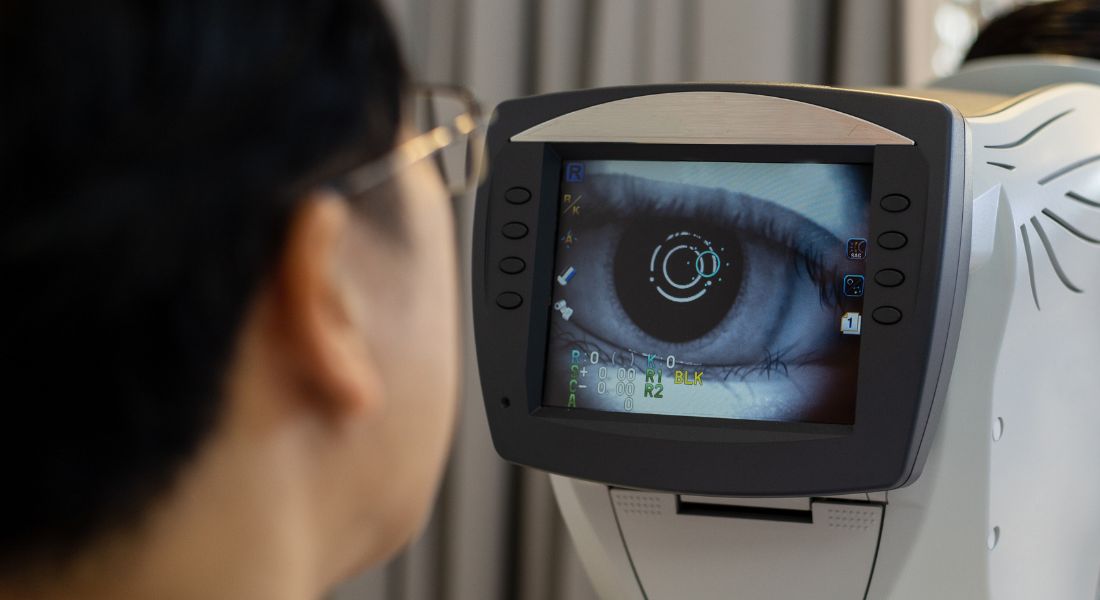
If you’re considering LASEK surgery, or you’ve recently had it, it’s natural to worry about what happens if results aren’t exactly as expected. Even though LASEK is a well-established and generally safe procedure, uncertainty about recovery and outcomes can cause anxiety. Many patients ask whether problems mean something has gone “wrong” or whether what they’re experiencing is simply part of healing.
The reality is that healing after LASEK is more gradual than with some other laser eye procedures. Vision often fluctuates, discomfort can last longer, and patience is required. This can make normal recovery feel worrying if you’re not prepared for it.
In this article, I’ll explain the most common issues patients notice after LASEK, how to tell the difference between normal healing and uncommon problems, and how surgeons assess and manage outcomes that don’t initially meet expectations. The goal is to give you clarity rather than fear.
Understanding What “Going Wrong” Really Means
When people worry about LASEK going wrong, they often imagine severe or permanent damage. In reality, most concerns involve slower healing, temporary visual disturbances, or mild discomfort rather than serious complications. These experiences are usually part of the normal recovery process.
LASEK works by deliberately removing and replacing the surface layer of the cornea. As a result, healing takes longer and may feel different compared with LASIK. Initial sensations of irritation, blurry vision, or light sensitivity can feel alarming but are typically expected. What may feel “wrong” at first is often just the cornea adjusting and repairing itself.
True complications are uncommon and generally manageable when identified early. Prompt follow-up with your clinician ensures any issues are addressed quickly. Understanding the difference between normal healing and actual problems helps reduce anxiety and supports a smoother recovery.
What Normal Healing After LASEK Looks Like
Healing after LASEK is gradual and occurs in stages. In the first few days, it’s normal to experience discomfort, watering, and blurred vision as the surface layer of the cornea regenerates. These early symptoms are an expected part of the recovery process.
Vision typically improves slowly over several weeks rather than immediately. Clarity can fluctuate day to day, and tasks like reading or driving may feel inconsistent at first. Light sensitivity and dryness are also common and may persist longer than some patients anticipate.
Recognising this typical healing timeline helps reduce unnecessary worry. Knowing what to expect allows patients to focus on gentle care and following post-operative instructions. With time and proper care, vision usually stabilises and continues to improve steadily.
Common Symptoms That Can Feel Alarming but Are Normal
After LASEK, some symptoms can feel concerning if you’re not expecting them. It’s important to remember that these are usually part of the natural healing process rather than signs of complications. Understanding what’s normal can help you feel more reassured during recovery.
Typical normal symptoms include:
- Blurred or fluctuating vision: Your eyesight may appear hazy or inconsistent, especially during the first few days. Vision can fluctuate depending on tear film stability, lighting, and eye fatigue.
- Light sensitivity and glare: Bright sunlight, reflections, or indoor lighting may feel more intense than usual. This sensitivity often improves gradually as the cornea heals and adapts.
- Dryness or gritty sensations: Eyes may feel scratchy, sandy, or like there’s something in them. Using preservative-free lubricating drops as advised by your clinician usually eases this discomfort.
- Mild discomfort or aching: A dull ache or mild irritation is common, particularly in the first 24–72 hours. This typically diminishes as the corneal surface stabilises.
- Slow improvement rather than immediate clarity: Vision may not feel sharp right away. Gradual improvement over days to weeks is normal, as the corneal epithelium regenerates and nerves recover.
- Occasional tearing or watering: Some patients experience excess tearing as the eyes adjust and heal. This usually balances out within the first week.
- Temporary fluctuations in focus: You may notice slight changes in near or distance vision throughout the day. This is part of the cornea settling into its new shape.
These symptoms are generally temporary and indicate that the healing process is progressing as expected. Regular follow-ups and following your clinician’s aftercare instructions help ensure recovery stays on track.
Slow Vision Recovery: A Frequent Concern
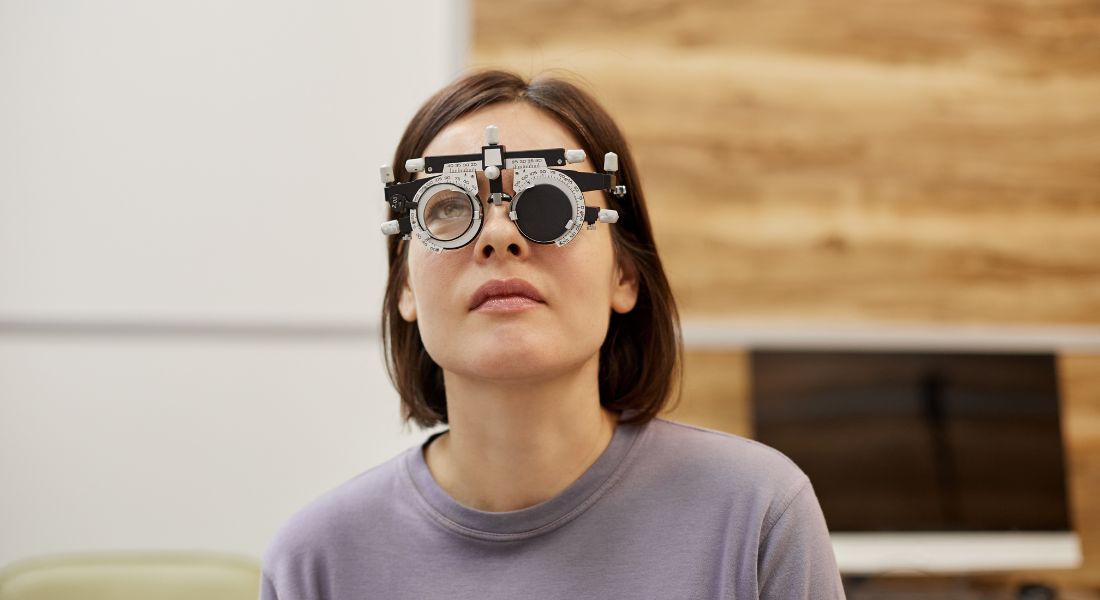
One of the most common worries after LASEK is that vision seems to improve more slowly than expected. Unlike LASIK, where eyesight often sharpens almost immediately, LASEK requires a more gradual healing process. Understanding why this happens can help you stay patient and reassured.
Key points about slow visual recovery:
- Gradual corneal healing: The corneal epithelium regenerates slowly after LASEK. This layer must smooth and stabilise before sharp vision is fully restored.
- Brain adaptation: Even once the cornea has healed, your brain needs time to adjust to the new visual input. This neural adaptation contributes to gradual improvement.
- Fluctuating clarity: Vision may be clear one moment and slightly blurred the next, especially in the first few weeks. This is normal and usually improves over time.
- Continued improvement over weeks: Many patients notice incremental gains in clarity for several weeks, and in some cases, small improvements continue for months after surgery.
- Patience is essential: Slow recovery does not indicate failure. Following post-operative care instructions, protecting your eyes, and attending follow-ups help ensure the best outcomes.
- Supportive care can help: Using lubricating drops, avoiding eye strain, and wearing sunglasses outdoors can ease discomfort and support healing while your vision gradually improves.
Most patients ultimately achieve excellent visual outcomes, even if the recovery feels slower than anticipated.
Visual Fluctuations and Temporary Blur
Fluctuating vision is very common after LASEK. You may notice that your vision is clearer on some days and blurrier on others, which can feel unpredictable. This variability is a normal part of the healing process.
These fluctuations occur because the corneal surface is still regenerating, and the tear film that coats your eye may be inconsistent. Dryness can also make vision appear blurrier at times. These factors are temporary and expected during early recovery.
Over time, as the cornea heals and the surface stabilises, these fluctuations usually reduce. Vision gradually becomes more consistent, and the temporary blur diminishes. Patience and proper eye care help support smoother recovery and clearer outcomes.
Discomfort That Lasts Longer Than Expected
Discomfort after LASEK often lasts longer than with LASIK because the surface layer of the cornea needs time to fully regenerate. It’s normal for the eyes to feel sore, gritty, or sensitive during the first several days.
Most of the discomfort usually improves significantly after the first week. However, mild irritation, light sensitivity, or a scratchy feeling can linger for a while and does not typically indicate a complication. These sensations are part of the normal healing process.
Your surgeon will provide guidance on managing discomfort, including pain relief, eye lubrication, and protective measures such as sunglasses or shields. Following these recommendations helps make recovery more comfortable and supports proper healing.
Haze Formation: What It Is and Why It Happens
Corneal haze is a common concern after LASEK. It appears as a slight cloudiness on the cornea and can make vision feel less crisp in the early stages of healing. Understanding its causes and timeline can help reduce worry.
Key points about haze:
- Mild haze is common: Many patients notice a subtle blur or cloudiness in the first few weeks. This is a normal part of the cornea’s healing process.
- Healing-related changes: Haze develops as new cells regenerate on the corneal surface and the underlying tissue remodels. This process gradually clears over time.
- Temporary in most cases: Mild haze usually improves as the epithelium smooths and the corneal tissue stabilises. Prescribed eye drops, such as lubricants or anti-inflammatory drops, can support recovery.
- Persistent haze is rare: Significant or long-lasting haze occurs in a small number of cases. Surgeons monitor this closely to prevent impact on visual outcomes.
- Follow-up is essential: Regular post-operative visits allow your surgeon to track haze development and intervene if necessary.
- Patience is key: Even when haze is noticeable, it often diminishes gradually. Maintaining eye protection, following drop schedules, and avoiding eye strain help speed recovery.
Undercorrection or Overcorrection After LASEK
Occasionally, vision after LASEK may not be corrected exactly as planned, resulting in mild undercorrection or overcorrection. These variations are relatively common and usually minor.
Undercorrection occurs when some of the original refractive error remains, while overcorrection means vision is slightly stronger than intended. Both are typically only noticeable once the cornea has fully healed and vision stabilises.
Clinicians assess these outcomes carefully before recommending any further action. If needed, enhancements or adjustments can be considered, but only after the eyes have completely recovered. This careful approach ensures safety and the best long-term visual results.
How Surgeons Assess Suboptimal Outcomes
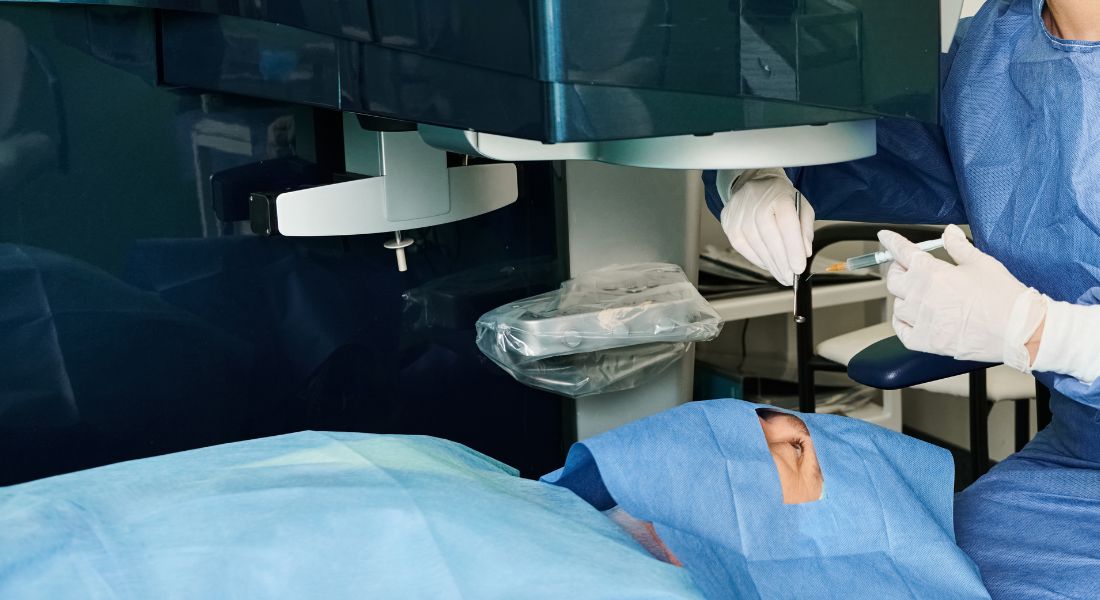
If vision isn’t improving as expected, your surgeon will carry out detailed assessments. These include checking corneal healing, surface quality, tear film, and refractive stability.
Timing matters. Surgeons usually wait until healing is complete and vision is stable before deciding whether intervention is needed. Early concerns often resolve without treatment as healing continues.
When Symptoms May Indicate a Genuine Problem
Most post-LASEK symptoms are mild, expected, and gradually improve over time. However, certain warning signs may indicate a complication and require prompt evaluation by your surgeon. Paying attention early can prevent long-term issues and ensure optimal recovery.
You should seek assessment if you notice:
- Increasing or worsening pain: Pain that grows more intense instead of gradually easing is not typical. Persistent or sharp pain may indicate inflammation, infection, or delayed healing that needs professional attention.
- Sudden changes in vision: This includes rapid vision loss, new blurriness, double vision, or distortion. These changes are uncommon and should be reviewed immediately to prevent permanent visual impairment.
- Signs of infection: Watch for discharge, increased redness, swelling, or heat around the eyes. Infections can escalate quickly if untreated, so early consultation is essential.
- Severe or persistent corneal haze: While mild haze is normal, haze that continues beyond the expected healing timeframe or interferes with daily vision may indicate an abnormal healing response. This may require treatment with eye drops or closer monitoring.
- Excessive tearing, photophobia, or light sensitivity: Some light sensitivity is expected, but if it becomes severe or suddenly worsens, it could suggest a complication such as epithelial defects or delayed healing.
- Other unusual or concerning symptoms: Any unexpected changes, including swelling, discomfort, or visual irregularities that feel different from the typical recovery pattern, should be evaluated.
Key takeaway: Early recognition and prompt consultation with your surgeon are crucial. Timely assessment allows interventions if needed and helps protect your long-term vision while reducing anxiety during recovery.
How Unexpected Outcomes Are Managed
Management depends on the cause of the issue. In many cases, enhanced lubrication, anti-inflammatory drops, or extended monitoring is all that’s required.
If refractive error remains after healing, enhancement procedures may be considered. These are only offered when it’s safe and beneficial. The goal is always to protect long-term eye health rather than rush additional treatment.
Are Enhancements Always Necessary?
Not every suboptimal result after LASEK requires an enhancement. Mild residual blur or minor visual imperfections often do not interfere with daily activities and can be managed temporarily with glasses or contact lenses if needed.
Enhancements are only considered once vision has stabilised and the cornea is fully healthy. This cautious approach helps minimise risks and ensures any additional procedure is safe and appropriate.
Your surgeon will discuss options honestly, tailoring recommendations to your specific needs rather than automatically suggesting further surgery. This personalised guidance ensures that any decision to enhance vision is thoughtful and evidence-based.
Emotional Impact When Results Aren’t Immediate
Experiencing slow recovery or unexpected symptoms after LASEK can be emotionally challenging. Feeling anxious, frustrated, or even regretful during this phase is completely normal and common among patients.
Maintaining realistic expectations and having clear communication with your surgeon can make a significant difference. Understanding that gradual improvement is typical helps reduce stress and worry.
Most patients find reassurance through follow-up appointments and observing steady progress over time. These measures provide confidence that recovery is on track, even if results aren’t immediate.
The Importance of Follow-Up Appointments
Follow-up care is particularly important after LASEK. Regular reviews enable your surgeon to monitor the healing process closely and address any concerns promptly, ensuring recovery stays on track.
Skipping appointments can delay reassurance or necessary interventions, even if your eyes feel fine. These visits are a routine part of safe recovery, not an indication that something has gone wrong.
Consistent follow-up helps identify and manage minor issues early, often preventing them from developing into more significant problems. Attending scheduled appointments supports both your comfort and long-term visual outcomes.
Choosing the Right Clinic Matters
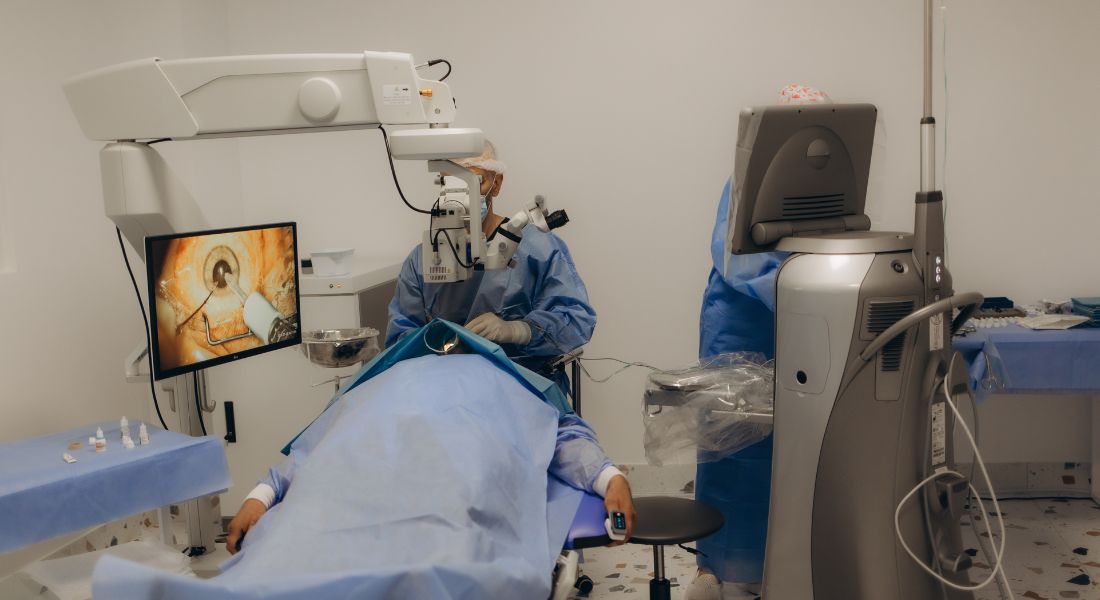
Managing LASEK recovery and any unexpected outcomes requires experience and careful monitoring. Selecting a clinic that tracks healing closely and explains findings clearly can make a significant difference in your recovery experience.
If you’re considering or have undergone LASEK in London, it’s essential to choose a clinic that offers thorough follow-up care and transparent communication. Feeling supported throughout the healing process helps reduce anxiety and ensures you understand what to expect at each stage.
Good clinics focus on long-term outcomes, not just the procedure itself. They prioritise patient education, ongoing care, and personalised advice to help your vision stabilise safely and predictably.
FAQs:
- How can I tell if my LASEK recovery is normal or if there’s a problem?
It’s normal to experience fluctuating vision, mild discomfort, and light sensitivity during the first few weeks after LASEK. These symptoms generally improve gradually. You should seek professional assessment if you notice sudden pain, rapidly worsening vision, severe haze, or signs of infection, as these may indicate complications that need prompt attention. - Why does my vision seem blurry one day and clearer the next?
Temporary blur or visual fluctuations are expected after LASEK. The corneal surface is still healing, and your tear film may be unstable. As the epithelium regenerates and the cornea stabilises, these fluctuations gradually diminish over time. Patience and consistent post-operative care help support smoother recovery. - Is it normal for my eyes to feel dry or gritty after LASEK?
Yes, dryness and gritty sensations are common. The procedure can temporarily affect corneal nerves and tear production. Using preservative-free lubricating drops as instructed and protecting your eyes from wind or dry environments can help relieve discomfort while the tear film stabilises. - How long does light sensitivity usually last?
Light sensitivity can persist for several weeks, especially in bright sunlight or indoors under artificial lighting. This is a normal response while the cornea and nerves heal. Gradual improvement is expected, and wearing sunglasses outdoors can help manage discomfort. - What is corneal haze, and when should I worry?
Corneal haze is a mild cloudiness that can occur as new cells regenerate on the corneal surface. It is usually temporary and improves as healing continues. Persistent or severe haze that interferes with vision should be evaluated by your surgeon to ensure proper management. - Can my vision be undercorrected or overcorrected after LASEK?
Minor undercorrection or overcorrection can happen as part of the healing process. Surgeons typically wait until the eyes have fully healed and vision is stable before considering enhancements. Most patients ultimately achieve good visual outcomes without needing immediate intervention. - How important are follow-up appointments?
Follow-up visits are essential to monitor corneal healing, tear film stability, and vision consistency. They provide reassurance and allow early detection of any complications, ensuring your recovery progresses safely. Skipping appointments can delay support and increase anxiety. - When are enhancement procedures considered?
Enhancements are only considered when vision has fully stabilised, the cornea has healed completely, and any remaining refractive error significantly affects daily life. Early intervention is avoided to reduce risk, and mild visual imperfections often resolve naturally over time. - How should I manage emotional stress during recovery?
It’s normal to feel anxious or frustrated if recovery feels slow or vision fluctuates. Understanding that improvement is gradual, asking questions, and attending follow-ups can help ease stress. Clear communication with your clinic and realistic expectations are key to emotional reassurance. - What should I do if something feels different or unusual with my eyes?
Any sudden changes in vision, increased pain, unusual discharge, or severe light sensitivity should be assessed by your surgeon immediately. Prompt evaluation helps prevent long-term issues and ensures your eyes are healing safely while providing peace of mind during recovery.
Final Thought: LASEK Recovery and Unexpected Outcomes
Recovery after LASEK can feel gradual and sometimes unpredictable, but most post-operative symptoms such as blurred vision, light sensitivity, mild discomfort, or temporary haze are part of the normal healing process. Regular follow-up appointments, proper eye care, and patience are essential for achieving stable, clear vision. Early recognition of unusual changes and prompt consultation with your surgeon ensures that any complications are addressed quickly and safely. If you’d like to find out whether lasek surgery in London is suitable for you, feel free to contact us at Eye Clinic London to arrange a consultation.
References:
- Yahalomi, T. et al. (2023) ‘Dry Eye Disease following LASIK, PRK, and LASEK: An Observational Cross‑Sectional Study’, Journal of Clinical Medicine, 12(11). https://www.mdpi.com/2077-0383/12/11/3761
- ‘Evolution, techniques, clinical outcomes, and pathophysiology of LASEK: review of the literature’, Survey of Ophthalmology, 50(5), pp. 399–422. https://pubmed.ncbi.nlm.nih.gov/15530945/
- ‘Dry Eye Disease following LASIK, PRK, and LASEK’. https://pubmed.ncbi.nlm.nih.gov/37297956/
- ‘LASEK: techniques, outcomes, pathophysiology review’, Journal of Refractive Surgery. https://www.sciencedirect.com/science/article/abs/pii/S0039625704001353
- ‘Meta‑analysis: Clinical outcomes of laser‑assisted subepithelial keratectomy’, Ophthalmic Surgery, Lasers and Imaging. https://www.sciencedirect.com/science/article/abs/pii/S0161642010001375