


Wavefront-Guided vs Wavefront-Optimised LASIK: Scientific Differences Explained

When you start exploring LASIK options, you’ll likely come across terms like wavefront-guided and wavefront-optimised. Both sound advanced and promise sharper, clearer vision, which can make the choice feel overwhelming at first.
At Eye Clinic London, we know that patients want clear scientific explanations rather than marketing buzzwords. Understanding the differences helps you make an informed decision about which approach may suit your eyes and lifestyle.
Both technologies are designed to correct subtle optical imperfections in the eye called higher-order aberrations. Even though they share this goal, they achieve it in very different ways, affecting how your vision is optimised after surgery.
By learning how each method works and reviewing clinical studies on real-world outcomes, you can better understand what to expect from your LASIK procedure. This knowledge allows you to choose the option that aligns with your visual needs and long-term eye health.
Why Wavefront Technology Exists in LASIK Surgery
We use Wavefront technology because traditional LASIK, while effective for correcting short-sightedness, long-sightedness, and astigmatism, sometimes leaves patients noticing glare, halos, or reduced night vision. These issues can appear even after a technically successful procedure.
We understand that these visual disturbances are linked to higher-order aberrations with subtle distortions in how light travels through the eye. They are unique to each individual and cannot be corrected with glasses or standard LASIK.
We developed Wavefront-guided LASIK to address these imperfections more precisely. By analysing and correcting these unique optical errors, we aim to improve overall visual quality and patient satisfaction.
Understanding Higher-Order Aberrations in Simple Terms

You should know that lower-order aberrations include familiar vision issues like short-sightedness, long-sightedness, and astigmatism. Higher-order aberrations are more complex imperfections that can affect contrast, sharpness, and night vision.
Most people have some level of higher-order aberrations naturally. While these usually do not impact everyday vision, they can become noticeable after surgery if they are not addressed properly.
Modern LASIK is specifically designed to minimise these effects rather than ignore them. By providing personalised correction, the procedure helps you achieve the sharpest, clearest vision possible, tailored to your individual eye structure.
How Wavefront Measurement Works
You should understand that specialised devices are used to measure how light travels through your eye. A beam of light is projected onto your retina and reflected back, creating a detailed map of any optical distortions present.
By analysing this returning wavefront, we can identify both standard prescription errors and more subtle irregularities. This process gives us a precise optical “fingerprint” of your eye.
We then use this information to guide personalised LASIK treatments. Accounting for both common and complex aberrations helps ensure more precise corrections and improves the overall quality of your visual results.
What Wavefront-Guided LASIK Is Designed to Do
You should understand that each LASIK procedure is customised using a personalised optical map created from wavefront measurements. This map guides exactly how the laser reshapes your cornea to match your eye’s unique structure.
The goal is to correct not only common lower-order errors, like myopia and astigmatism, but also higher-order aberrations that can affect night vision and contrast. Every treatment pattern is tailored specifically to your individual eye.
This highly personalised approach makes wavefront-guided LASIK one of the most precise options available. By addressing your eye’s unique characteristics, it improves visual quality and helps reduce the risk of post-operative complications.
The Scientific Principle Behind Wavefront-Guided LASIK
You should know that no two eyes are the same in how they bend and focus light. Wavefront-guided LASIK uses this principle to target the unique optical distortions of each eye with precision.
Wavefront measurements are translated into a customised laser ablation profile, allowing the cornea to be reshaped very accurately. This high level of precision can enhance night vision and contrast sensitivity, often beyond what standard LASIK can achieve.
The success of this method relies on accurate measurements and stable eye conditions. Using high-quality data ensures that your visual correction is predictable, safe, and effective, giving you the best possible long-term results.
What Wavefront-Optimised LASIK Is Designed to Do
We approach LASIK with a philosophy of preservation rather than correction. Wavefront-optimised LASIK is designed to maintain the natural optical shape of the cornea, rather than address each individual aberration. This helps reduce the likelihood of inducing new higher-order aberrations after surgery.
Our focus is on using population-based data to guide treatment patterns. By preserving corneal asphericity, we aim to maintain the eye’s natural optical performance. This approach does not personalise correction for existing imperfections but protects overall corneal structure.
We see this as a preventative strategy for optimising visual quality. While it differs from wavefront-guided LASIK, it achieves excellent outcomes for routine cases. The emphasis remains on minimising new aberrations and supporting long-term visual function.
The Scientific Principle Behind Wavefront-Optimised LASIK
We understand that standard laser treatments can sometimes induce spherical aberration, particularly when the cornea flattens excessively at the periphery. Wavefront-optimised LASIK compensates for this effect by using an advanced algorithm that preserves a more natural corneal shape.
Our goal is to maintain high-quality vision while reducing the risk of night-time disturbances such as glare or halos. By addressing these optical changes proactively, we aim to create more consistent outcomes across our patients.
We find this approach predictable and reliable for routine cases. While it does not correct existing aberrations individually, it supports overall visual performance and comfort, ensuring that patients experience fewer post-operative optical issues.
Key Scientific Difference Between Wavefront-Guided and Wavefront-Optimised LASIK
We distinguish the two technologies based on customisation. Wavefront-guided LASIK treats measured higher-order aberrations, making it reactive and highly individualised. In contrast, wavefront-optimised LASIK takes a preventative approach, focusing on maintaining corneal asphericity to reduce new aberrations.
Our understanding is that each technology has its strengths depending on patient needs. One is tailored to correct pre-existing imperfections, while the other is standardised to preserve natural optical quality.
We communicate these differences clearly to patients. Both approaches aim to improve visual quality, but our choice depends on individual eye characteristics, ensuring that expectations and outcomes are aligned with biology.
What Clinical Studies Show About Visual Acuity
We note from clinical research that both wavefront-guided and wavefront-optimised LASIK achieve excellent visual acuity. Most patients reach 20/20 vision or better, with differences in basic acuity typically being minimal.
Our review of the literature emphasises that nuanced measures such as contrast sensitivity and night vision are important. These factors often distinguish outcomes, depending on the patient’s baseline eye health and selection criteria.
We integrate these findings into clinical practice. By considering both traditional visual acuity and more subtle quality metrics, we can better tailor our recommendations to each patient’s visual goals and lifestyle requirements.
What Research Shows About Higher-Order Aberrations After Surgery

We see that wavefront-guided LASIK can reduce pre-existing higher-order aberrations in selected patients, particularly when these are significant prior to surgery. However, not every patient falls into this category.
Our experience with wavefront-optimised LASIK shows consistently low induction of new aberrations. This predictability is one of its primary advantages, particularly for patients with minimal pre-existing optical imperfections.
We emphasise personalised assessment when planning surgery. By understanding which eyes benefit most from guided versus optimised approaches, we ensure that outcomes are both safe and visually satisfying for our patients.
Night Vision Outcomes in Clinical Comparisons
Night vision quality is a common concern when patients consider laser vision correction. Glare, halos, and reduced contrast in low light can affect confidence, especially for driving at night. Clinical data helps place these concerns in proper context.
Here’s what comparisons show:
- Night Vision Symptoms Are a Key Patient Concern – Many patients specifically ask about glare and halos after surgery. This makes night vision an important outcome measure in clinical studies.
- Overall Rates of Glare and Halos Are Low – Clinical studies show low rates of significant night vision symptoms with both modern LASIK technologies. Severe or disabling symptoms are uncommon.
- Differences Are Usually Subtle – When differences exist between technologies, they tend to be modest rather than dramatic. Most patients do well regardless of the platform used.
- Wavefront-Guided LASIK May Benefit Certain Eyes – Patients with higher baseline optical aberrations may see added benefit from wavefront-guided treatment. This approach can reduce pre-existing distortions.
- Wavefront-Optimised LASIK Performs Well in Routine Cases – For eyes without significant aberrations, wavefront-optimised LASIK delivers excellent night vision outcomes. It preserves natural corneal shape and optical quality.
- Expectations Matter as Much as Technology – Even with advanced systems, realistic expectations are essential. Understanding normal adaptation and healing reduces anxiety during recovery.
By grounding discussions in clinical data, expectations become clearer and more balanced. Modern LASIK technologies deliver strong night vision outcomes for most patients. Careful assessment and expectation management remain central to satisfaction, regardless of the technology chosen.
How Corneal Shape Influences Technology Choice
We know that corneal shape plays a central role in deciding which LASIK technology is most suitable. Highly regular corneas typically respond very well to wavefront-optimised LASIK, offering consistent and predictable results. Irregular optics, however, may benefit more from a wavefront-guided approach to address individual aberrations.
Our pre-operative imaging allows us to evaluate these differences carefully. By analysing corneal topography and thickness, we can tailor treatment selection to the specific needs of each patient. This ensures that optical outcomes are maximised while minimising risks.
We emphasise that no single technology suits every eye. Personalised assessment is always more important than brand labels or marketing claims. Our priority remains achieving safe, effective, and visually satisfying results for each individual.
The Role of Measurement Accuracy in Wavefront-Guided LASIK
We understand that the success of wavefront-guided LASIK depends heavily on the accuracy of measurements. Factors such as dry eye, blinking, or poor fixation can reduce data reliability and affect treatment precision. Consistent and repeatable measurements are essential for optimal outcomes.
Our team ensures that pre-operative assessments are thorough, accounting for any potential variables that could compromise accuracy. This includes repeating measurements if necessary and confirming data integrity before planning treatment.
We recognise that when measurement quality is compromised, guided treatment may not be advisable. Patient safety and predictability are our priorities, and we base decisions on reliable, high-quality data rather than solely on technology capabilities.
Why Wavefront-Optimised LASIK Is Widely Used
We observe that wavefront-optimised LASIK offers high reliability and efficiency for a broad range of patients. It does not require complex individual wavefront data, making it practical and consistent across diverse populations.
Our experience shows that this approach maintains corneal asphericity and prevents new higher-order aberrations, reducing post-operative visual disturbances. Its predictability is a major advantage, particularly for routine cases with regular optics.
We continue to use wavefront-optimised LASIK widely because it balances safety, visual quality, and efficiency. For many patients, it provides excellent results while remaining straightforward to implement in clinical practice.
How Surgeons Decide Between These Two Options
We approach technology choice based on objective eye data rather than trends or marketing. Corneal shape, optical quality, and measurement stability all inform our decisions, alongside the patient’s lifestyle and visual priorities.
Our protocol ensures that if higher-order aberrations are clinically significant, a guided approach may be selected to correct them. Conversely, if optics are regular and stable, optimised treatment is often ideal for predictability and efficiency.
We emphasise that each decision is individual. Our goal is to align treatment choice with biology, visual needs, and safety, ensuring that patients receive care tailored to their eyes rather than the technology label.
Why Marketing Comparisons Can Be Misleading
We recognise that marketing often portrays wavefront-guided LASIK as universally superior. In reality, effectiveness depends on patient-specific factors such as corneal shape, pre-existing aberrations, and lifestyle needs.
Our focus is on scientific evidence rather than advertising claims. Both wavefront-guided and wavefront-optimised LASIK demonstrate excellent outcomes when applied appropriately, and oversimplified comparisons can mislead patients.
We prioritise education and evidence-based recommendations. By guiding patients according to individual characteristics rather than promotional messaging, we manage expectations realistically and enhance overall satisfaction.
Choosing the Right Clinic Matters More Than the Technology Label
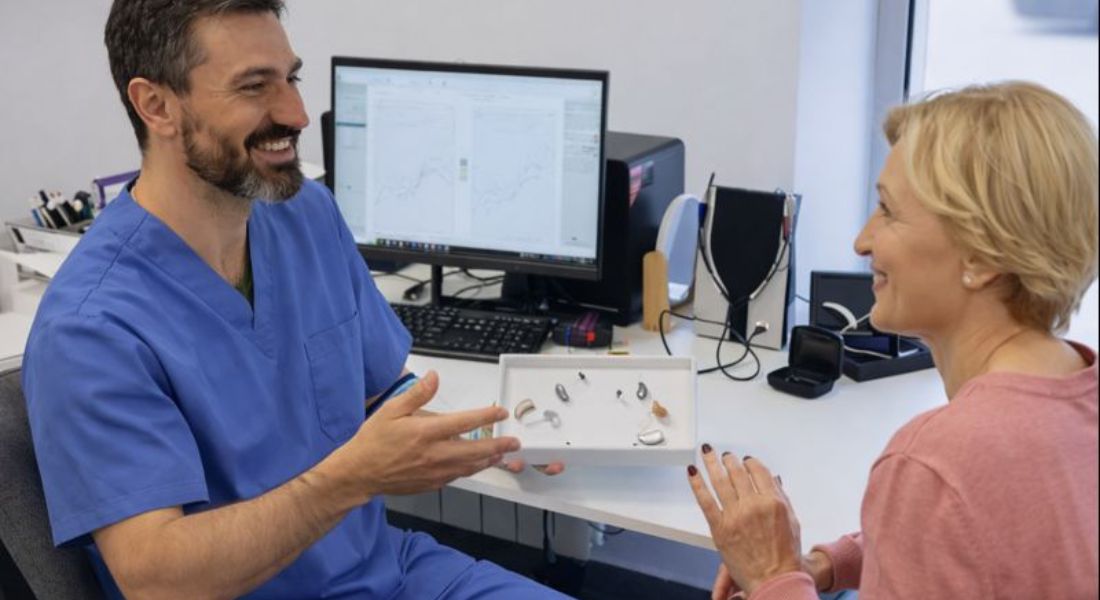
Technology plays an important role in modern eye surgery, but it is not the only factor that determines outcomes. How carefully you are assessed and how well surgery is planned are just as important as the laser being used. Experience helps turn technology into safe, predictable results.
Choosing the right clinic matters because:
- Technology alone does not guarantee success Outcomes depend on how well the procedure is matched to your eyes, not just the equipment label.
- Assessment and planning shape results Careful evaluation reduces risk and helps select the most appropriate approach for long-term vision quality.
- Experience improves interpretation of data Skilled teams understand how statistics and technology apply to real patients, not just studies.
- Clear explanation supports confident decisions If you are considering Lasik surgery in London, choosing a clinic that explains these differences transparently is essential.
At Eye Clinic London, we prioritise clinical evidence over marketing claims. This approach helps us support informed, confident decisions that protect vision over the long term.
FAQs:
1. What is the difference between wavefront-guided and wavefront-optimised LASIK?
You might notice that both sound advanced, but they work differently. Wavefront-guided LASIK creates a personalised treatment map for your eye, correcting not just common vision errors but also higher-order aberrations that can affect contrast and night vision. Wavefront-optimised LASIK, on the other hand, focuses on preserving the cornea’s natural shape, preventing new distortions rather than correcting existing ones. Both aim to improve visual quality, but your eye’s unique characteristics usually determine which is better for you.
2. Why do higher-order aberrations matter for LASIK outcomes?
Higher-order aberrations are subtle imperfections in your eye that can cause glare, halos, or reduced night vision things that glasses or standard LASIK can’t fix. You might not notice them before surgery, but if left uncorrected, they can impact your visual comfort post-operation. Wavefront technology exists specifically to detect and address these issues, helping you achieve sharper, clearer vision.
3. How does wavefront-guided LASIK work?
In wavefront-guided LASIK, your surgeon measures how light travels through your eye, creating a detailed optical map. This map shows both standard prescription errors and more complex aberrations. Using this information, the laser reshapes your cornea in a personalised way to improve night vision, contrast, and overall visual quality. For you, it’s like having a bespoke treatment plan tailored entirely to your eyes.
4. How does wavefront-optimised LASIK work?
Wavefront-optimised LASIK is less about personalising correction and more about protecting your cornea. It uses advanced algorithms to maintain your cornea’s natural shape and reduce the chance of new higher-order aberrations. For you, this means fewer post-operative visual disturbances and consistently reliable results, especially if your eyes don’t have significant pre-existing imperfections.
5. Which LASIK option is better for night vision?
Both approaches perform well, but the choice depends on your eyes. Wavefront-guided LASIK may provide extra benefit if you have higher baseline aberrations, as it targets individual imperfections. Wavefront-optimised LASIK tends to maintain natural corneal shape, reducing the risk of new issues and performing excellently in routine cases. Either way, modern LASIK techniques generally minimise glare, halos, and night vision problems.
6. Do I need wavefront-guided LASIK if my eyes are fairly normal?
Not necessarily. If your corneas are regular and you don’t have significant higher-order aberrations, wavefront-optimised LASIK often delivers excellent results. It preserves your corneal shape and avoids introducing new aberrations. For you, this means effective visual correction without the complexity of a fully personalised approach.
7. How important is measurement accuracy for wavefront-guided LASIK?
Accuracy is everything. Your pre-operative measurements need to be precise dry eyes, blinking, or poor fixation can affect results. For you, this means that thorough assessments and sometimes repeated tests are essential to ensure the laser treatment is perfectly aligned with your eye’s optical map. Good measurement leads to safer, more predictable outcomes.
8. Can marketing claims about one technology being “better” be misleading?
Absolutely. You should know that both wavefront-guided and wavefront-optimised LASIK deliver excellent outcomes when applied correctly. Marketing often oversimplifies the differences, making one sound universally superior. In reality, your eye’s specific characteristics, corneal shape, and pre-existing aberrations determine which approach will serve you best.
9. How do surgeons choose between these two LASIK options?
The decision is based on data, not trends. Your corneal shape, optical quality, and measurement stability guide the choice. If you have higher-order aberrations, a guided approach might be selected; if your optics are regular, optimised LASIK is often ideal. For you, this personalised selection ensures your treatment is tailored to your eyes, not just the technology label.
10. Why does the clinic I choose matter more than the technology itself?
Technology alone doesn’t guarantee success. How carefully you are assessed, how surgery is planned, and the surgeon’s experience all shape your outcome. For you, choosing a clinic that explains differences clearly, evaluates your eyes thoroughly, and bases decisions on evidence ensures safer, more predictable results and a confident recovery.
Final Thoughts: Choosing the Right LASIK Approach for Your Eyes
Understanding the difference between wavefront-guided and wavefront-optimised LASIK can make a real difference in setting expectations and achieving the best visual outcomes. While both approaches are highly effective, your unique eye characteristics like corneal shape and pre-existing optical aberrations determine which option is most suitable for you. Knowing how each technology works helps you feel more confident about your choice and what to expect from your recovery.
Modern LASIK isn’t just about correcting vision; it’s about optimising comfort, contrast, and night-time clarity. By working with an experienced clinic, following pre- and post-operative guidance, and having thorough measurements taken, you’re giving your eyes the best chance for safe, predictable results.
If you’re exploring whether lasik surgery in London could benefit you, get in touch with us at Eye Clinic London to schedule your consultation. Our team will explain your options, answer all your questions, and help you choose the treatment that aligns best with your eyes and lifestyle.
References:
- Yu et al. Metaanalysis of wavefrontguided vs. wavefrontoptimized LASIK for myopia This review found that both wavefrontguided. https://pubmed.ncbi.nlm.nih.gov/21946784/
- Prospective Randomized Contralateral Eye Study In a felloweye trial, wavefrontguided LASIK showed better uncorrected visual acuity. https://pubmed.ncbi.nlm.nih.gov/24560995/
- Contralateral Comparative Study (WavefrontGuided vs WavefrontOptimised LASIK) A ScienceDirect study of paired eyes showed excellent uncorrected visual acuity with both treatments. https://www.sciencedirect.com/science/article/abs/pii/S0886335007020433
- Prospective Randomised FellowEye Comparison Another ScienceDirect trial reported that wavefrontguided LASIK provided superior visual acuity. https://pubmed.ncbi.nlm.nih.gov/20839665/
- Mai ELC et al. (2023) HigherOrder Aberrations of TopographyGuided and WavefrontOptimised LASIK Though this MDPI study compares topographyguided to wavefrontoptimised LASIK. https://www.mdpi.com/2075-4426/13/3/399