


Tube Shunt Surgery for Glaucoma: When Is It Recommended? (Guide)

When glaucoma continues to progress despite drops, laser treatment or even previous surgery, stronger intervention may be required. You may then be advised to consider tube shunt surgery as a next step. We recognise that it is a well-established option for lowering pressure when other methods have not achieved sufficient control.
You might feel uncertain if this procedure is mentioned. The word “tube” can sound intimidating, and you may wonder how it differs from other glaucoma operations. We understand that clear explanation helps reduce anxiety and confusion.
This surgery is designed to create a reliable alternative drainage pathway inside your eye. You benefit from more consistent pressure control in situations where natural channels are insufficient. We focus on preserving remaining vision rather than restoring what has already been lost.
In this guide, you will learn how tube shunt surgery works, when it is usually recommended and how it compares with trabeculectomy. We also outline what you can realistically expect before and after the procedure. Clear information supports confident and informed decision-making.
Why Some Patients Need More Than Drops or Laser
Glaucoma causes damage to the optic nerve when pressure inside your eye remains elevated. You may find that eye drops or laser therapy control pressure effectively in the early stages. We recognise, however, that some patients continue to show progression despite appropriate treatment.
When your target pressure is not achieved, further optic nerve damage can occur. You should understand that in advanced disease, even small increases in pressure may threaten remaining vision. We then consider stronger surgical options to improve stability.
Tube shunt surgery is generally advised when simpler treatments have not provided sufficient control. You are unlikely to encounter it as a first-line approach. We reserve this option for situations where more intensive pressure reduction is required.
What Is a Tube Shunt?
A tube shunt, also referred to as a glaucoma drainage device, is a small implant positioned inside your eye. You have a thin silicone tube attached to a small plate component. We place the plate on the outer surface of the eye beneath the upper eyelid.
The tube is inserted into the front chamber to allow fluid to exit in a controlled manner. You benefit as fluid flows through the tube and collects around the plate. We rely on surrounding tissues to absorb this fluid gradually and safely.
By creating this alternative route, the device lowers intraocular pressure effectively. You gain a new drainage pathway that bypasses the eye’s blocked natural system. We use this method to achieve more stable pressure control in complex cases.
How Tube Shunt Surgery Works
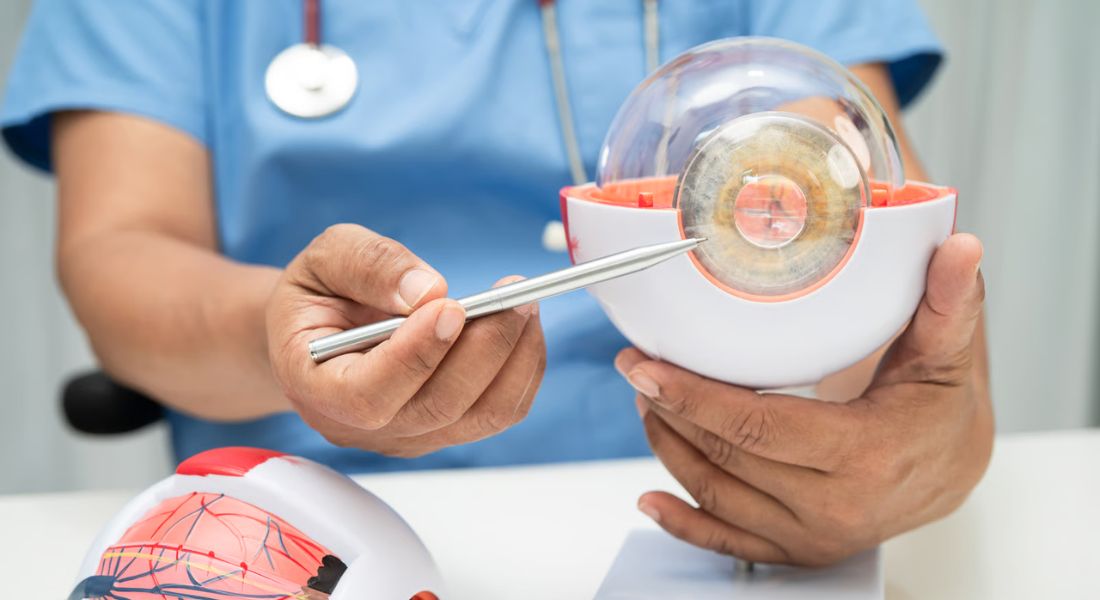
Tube surgery for glaucoma is carefully planned to lower pressure when other treatments are insufficient. You are guided through each step so the process feels controlled and reassuring. Clear explanation helps you understand what happens during and after the procedure.
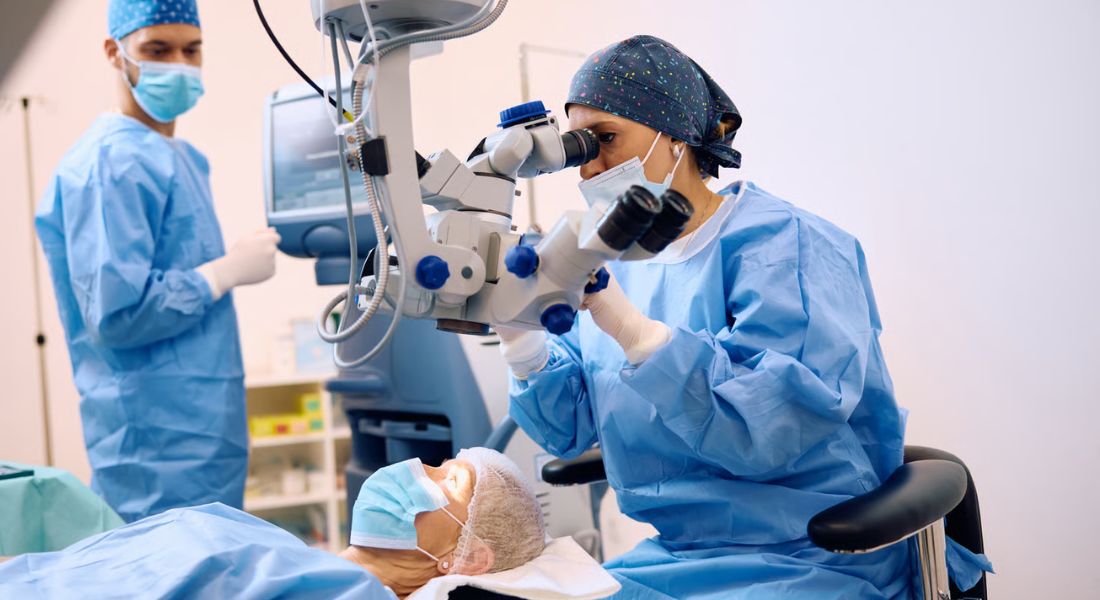
- Anaesthesia and Implant Placement: The operation is usually performed under local anaesthesia, so you remain awake but comfortable. A small incision is made, the plate is secured to the outer wall of the eye, and the tube is positioned within the anterior chamber.
- How the Device Lowers Pressure: The implant channels fluid away from the natural drainage system. Pressure falls gradually as excess fluid exits through the tube, and we monitor this closely during early healing.
- Duration and Same-Day Discharge: The procedure typically takes about an hour to complete. You return home the same day with protective shielding and detailed recovery instructions.
Careful postoperative care plays a vital role in long-term success. We review you regularly to ensure the device functions as intended. Structured follow-up supports safe healing and sustained pressure control.
How Tube Shunts Differ from Trabeculectomy
Trabeculectomy works by creating a drainage flap in the wall of your eye, allowing fluid to collect in a bleb. You should understand that tube surgery takes a different approach by inserting a permanent implant to regulate outflow. We aim for the same objective in both procedures, which is lowering pressure to protect vision.
Trabeculectomy depends significantly on how your eye heals after surgery. You may experience failure if excessive scarring develops around the drainage site. We often consider tube shunts in eyes that carry a higher risk of scarring because they are less dependent on wound healing response.
If you have previously undergone a failed trabeculectomy, you may be better suited to a tube device. We assess your surgical history and anatomical features carefully before making a recommendation. The final decision is always individualised to your specific circumstances.
When Tube Shunt Surgery Is Recommended
Tube shunts are frequently recommended in complex or refractory glaucoma. You may be advised to consider this approach if previous surgery has failed or if scarring risk is high. We also use it in certain secondary glaucomas where standard pathways are less reliable.
You may have conditions such as neovascular or uveitic glaucoma that involve inflammation or abnormal vessel growth. We recognise that these forms can respond more predictably to tube devices. Their design offers a controlled and durable alternative drainage route.
The procedure is usually considered when sustained pressure control requires a dependable bypass system. You are typically assessed for this option in more advanced or complicated diseases. We reserve it for situations where less invasive strategies are unlikely to achieve adequate stability.
Who Is Most Likely to Benefit
You may be considered a strong candidate if optic nerve damage continues to progress despite maximal medical therapy. We also recommend this option when intraocular pressure remains high and uncontrolled by medication. Careful assessment ensures that intervention is timed appropriately.
If your eye has undergone multiple prior procedures, scar tissue may limit the success of further filtration surgery. You can benefit from a tube shunt because it bypasses previously scarred areas more effectively than repeating trabeculectomy. We evaluate surgical history closely before advising the next step.
The recommendation is always tailored to your specific condition. You are assessed according to disease severity, rate of progression and previous operations. We base suitability on a comprehensive and individualised review rather than a uniform approach.
What Happens Immediately After Surgery
In the first few days after surgery, you may notice soreness or a gritty sensation in the eye. Vision often appears blurred at the beginning due to normal inflammation and tissue healing. We reassure you that these changes are expected during recovery.
You will be prescribed drops to reduce inflammation and protect against infection. We schedule regular follow-up visits to monitor eye pressure and confirm that the device is functioning properly. Careful adherence to treatment supports smoother healing.
Pressure levels may fluctuate during the early weeks. You should understand that stabilisation occurs gradually as the eye settles. We observe this process closely to ensure safe and steady progress.
Recovery Timeline and Expectations
Recovery after tube surgery is progressive rather than immediate. You may notice steady improvement as healing advances over several weeks. Regular review during this period helps ensure stability and reassurance.
- Early Healing and Visual Changes: Vision typically improves gradually rather than all at once. Mild redness can persist briefly while tissues continue to settle.
- Temporary Activity Adjustments: Heavy lifting and strenuous exercise are usually avoided in the early stage. Protecting the surgical site supports safe and optimal healing.
- Long-Term Monitoring: Follow-up continues even after initial recovery is complete. Ongoing review ensures the tube shunt maintains effective pressure control.
Consistent monitoring plays a key role in preserving your remaining vision. We focus on sustained stability rather than short-term change. Structured long-term care supports both safety and lasting visual protection.
Potential Risks and Complications
As with any surgical procedure, you should be aware that risks are present. These may include infection, bleeding or temporary blockage of the tube. We also monitor for early pressure that may drop too low in the initial healing phase.
Device-related complications are uncommon but can occur. You benefit from careful observation of tube position to ensure it does not touch delicate internal structures. We assess alignment and function closely during follow-up visits.
Most complications can be managed effectively when identified promptly. You rely on structured postoperative review to safeguard long-term outcomes. We emphasise close monitoring to minimise risk and support stable recovery.
Long-Term Effectiveness
Tube shunt surgery can achieve significant and sustained reduction in eye pressure. You may experience long-term stability following the procedure. We recognise that some patients still require drops, although often at a lower frequency.
The implanted device remains in place permanently within the eye. You benefit from its ongoing role in regulating fluid flow over time. We continue regular monitoring to confirm that it is functioning effectively.
Because it can provide dependable pressure control, this surgery remains an important option in advanced glaucoma care. You may be advised to consider it when other treatments are insufficient. We focus on achieving stable protection for your remaining vision.
Does Tube Surgery Cure Glaucoma?
Tube shunt surgery does not cure glaucoma. You should understand that it works by lowering eye pressure to slow further optic nerve damage. We emphasise that the underlying condition remains and still requires ongoing care.
You will continue to have regular monitoring of visual fields and optic nerve health after surgery. We adjust management as needed, but surveillance does not end. The procedure changes how pressure is controlled rather than removing the need for follow-up.
The primary objective is preservation of the vision you currently have. You benefit when further deterioration is prevented or slowed. We focus on stability and long-term protection rather than reversal of existing damage.
Emotional Considerations
Hearing that you require tube surgery can understandably feel overwhelming. You may associate it with advanced disease or previous treatment not achieving the desired control. We recognise that this emotional response is natural and deserves acknowledgement.
When you understand that the procedure is intended to protect the vision you still have, your perspective may begin to shift. You are not undergoing surgery to restore lost sight, but to preserve what remains. We focus on stabilisation and long-term protection.
Open and honest discussion with your ophthalmologist strengthens clarity and reassurance. You benefit from asking questions and expressing concerns without hesitation. We know that informed decisions help reduce anxiety and build confidence in the chosen pathway.
Comparing Tube Shunt to Other Glaucoma Treatments
Glaucoma treatment is tailored according to how advanced the condition is and how well pressure is controlled. You may begin with less invasive options, but stronger procedures are sometimes necessary. Clear explanation helps you understand why recommendations differ between individuals.
- Role of Minimally Invasive Procedures: MIGS techniques usually achieve modest pressure reduction. They are commonly used in earlier stages of glaucoma.
- When Stronger Surgery Is Needed: Persistently high pressure may require more intensive intervention. Tube shunts can provide greater pressure lowering but involve more complex surgery.
- Choosing Between Major Procedures: Trabeculectomy and tube surgery are both major operations. Factors such as scarring risk, previous surgery, and disease severity guide the decision.
When you explore comprehensive glaucoma treatment options, the reasoning behind each pathway becomes clearer. We align the procedure with your target pressure and long-term preservation goals. Individual assessment ensures that the chosen surgery reflects your specific clinical needs.
Accessing Specialist Glaucoma Care

Tube shunt surgery requires experienced surgical expertise and structured postoperative monitoring. You benefit from specialist assessment to determine appropriate timing and suitability. We ensure that careful planning takes place before any decision is made.
A comprehensive evaluation confirms that your pressure targets are realistic and safe to achieve. You need clear discussion about expected outcomes and potential risks. We develop a long-term care plan designed to preserve your remaining vision.
When you seek a structured glaucoma treatment pathway, expert guidance becomes essential. You gain clarity through individualised planning tailored to disease severity and progression. We focus on stability, safety and sustained pressure control.
FAQs:
- When would you be advised to consider tube shunt surgery?
You may be advised to consider this procedure when your eye pressure remains uncontrolled despite maximum drops, laser, or previous operations. We usually recommend it in advanced or complex cases where simpler treatments are unlikely to succeed. The aim is to achieve dependable pressure reduction before further optic nerve damage occurs. - How does a tube shunt actually lower your eye pressure?
You have a small implant placed inside the eye that redirects fluid away from blocked natural drainage channels. We rely on the device to provide a controlled and consistent outflow pathway. As excess fluid leaves more efficiently, pressure inside the eye gradually reduces. - Will you feel the tube inside your eye after surgery?
You should not feel the implant once healing has progressed. We position the device carefully so it remains comfortable and stable beneath the eyelid. Most patients are unaware of its presence during normal daily activities. - How long does it take you to recover from tube shunt surgery?
You can expect early healing to take several weeks, with gradual improvement in comfort and clarity. We monitor you closely during this period to ensure pressure remains stable. Full recovery varies, but steady progress is typical with structured follow-up. - Will you still need glaucoma drops after the operation?
You may still require medication, although often at a reduced frequency. We assess your pressure over time before deciding whether drops can be adjusted. The goal is to achieve stable control with the least burden necessary. - Is tube surgery more serious than other glaucoma procedures?
You should understand that it is generally reserved for more advanced disease or higher-risk cases. We consider it when stronger and more reliable pressure lowering is required. Although it is a major procedure, it has a well-established safety profile in experienced hands. - What risks should you be aware of before proceeding?
You may face risks such as infection, bleeding, or temporary pressure imbalance after surgery. We also monitor carefully to ensure the implant remains correctly positioned. Early detection of any issue allows prompt and effective management. - How does tube surgery differ from trabeculectomy for you?
You receive a permanent implant with tube surgery, whereas trabeculectomy creates a new drainage flap without an internal device. We often favour tube implants in eyes with higher scarring risk. The choice depends on your surgical history and pressure targets. - Will the implant need to be replaced in the future?
You usually keep the device permanently once it is functioning well. We continue long-term monitoring to confirm that it maintains stable pressure control. Replacement is uncommon unless complications arise. - Does tube shunt surgery cure your glaucoma?
You should understand that the procedure does not remove the disease itself. We use it to lower pressure and slow further optic nerve damage. Ongoing monitoring remains essential to preserve the vision you currently have.
Final Thought: Tube Shunt Surgery for Glaucoma
Tube shunt surgery is typically recommended when other glaucoma treatments have not achieved sufficient pressure control. It creates a new drainage pathway using a permanent implant, offering substantial and sustained pressure reduction. While it is generally reserved for advanced or complex cases, it plays a crucial role in protecting remaining vision. Careful monitoring and adherence to follow-up remain essential for long-term success.
The situation is addressed through detailed pre-operative assessment, personalised surgical planning, and structured postoperative care to ensure stability and safety. Risks are managed proactively through close review and early intervention if needed. If you are concerned whether glaucoma treatment could benefit you, feel free to get in touch with us at Eye Clinic London.
References:
- Tube Versus Trabeculectomy (TVT) Study Group (2012)Treatment outcomes in the Tube Versus Trabeculectomy (TVT) Study after five years of follow-up, American Journal of Ophthalmology, 153(5), pp.789–803. https://pubmed.ncbi.nlm.nih.gov/22245458/
- Ahmed, F. (2024) Evaluating the Safety and Efficacy of a Novel Glaucoma Drainage Implant: Long-Term Outcomes and Complications, Journal of Clinical Medicine, 13(17), 4996. Available at: https://www.mdpi.com/2077-0383/13/17/4996
- Tunga, H. (2025) Glaucoma Drainage Devices and Minimally Invasive Tube Surgery: Outcomes, Complications and Long-Term IOP Control, Technologies, 9(6), 145. Available at: https://www.mdpi.com/2411-9660/9/6/145
- Wagner, I.V., Stewart, M.W. & Dorairaj, S.K. (2022) Updates on the diagnosis and management of glaucoma. Mayo Clinic Proceedings: Innovations, Quality & Outcomes, 6(6), pp. 618–635. Available at: https://www.sciencedirect.com/science/article/pii/S2542454822000686
- Asrani, S.G., McGlumphy, E.J., Al-Aswad, L.A. et al. (2024) The relationship between intraocular pressure and glaucoma: an evolving concept. Progress in Retinal and Eye Research, 101303. Available at: https://www.sciencedirect.com/science/article/pii/S1350946224000685