


Sudden Double Vision: When to Seek Urgent Eye Assessment

Sudden double vision, medically known as Diplopia, can be a frightening and confusing experience. You may notice objects appearing duplicated either side by side or one above the other. This change can occur suddenly and may affect one or both eyes, making everyday tasks more difficult.
Unlike gradual vision changes, sudden diplopia often points to an underlying issue that needs prompt attention. It may involve the eyes themselves, the muscles that control eye movement, or the nerves and brain that coordinate vision. In some cases, it can be linked to neurological conditions such as Stroke, which require immediate medical care.
Recognising when to seek urgent assessment is essential for protecting both your eyesight and overall health. Sudden double vision should never be ignored, especially if it appears without warning or alongside other symptoms. Acting quickly allows for early diagnosis and treatment, significantly improving outcomes and reducing the risk of serious complications.
What Is Double Vision?
Double vision, also known as Diplopia, occurs when you see two images of a single object instead of one. These images may appear side by side, one above the other, or even diagonally. The experience can feel disorienting and may interfere with your ability to focus clearly.
It can affect either one eye (monocular diplopia) or both eyes (binocular diplopia), depending on the underlying cause. A simple way to help distinguish between the two is by covering one eye if the double vision disappears, it is likely binocular. This distinction is important because it helps guide diagnosis and identify where the problem may be occurring.
Double vision itself is not a condition but a symptom of an underlying issue. Identifying the cause whether related to the eye, muscles, nerves, or brain is essential. A proper medical evaluation ensures accurate diagnosis and helps determine the most appropriate treatment.
Types of Double Vision
If you experience double vision, it’s important to understand that not all cases are the same. Doctors usually classify double vision into two main types: monocular and binocular. Knowing the difference helps determine the possible cause and how urgently it needs to be assessed. Each type behaves differently depending on whether one or both eyes are involved.
- Monocular double vision (one eye involved): This type of double vision remains even when you cover one eye. In other words, the problem is present in a single eye. It is often linked to issues within the eye itself, such as problems with the cornea, lens, or tear film. For example, dryness, irregular corneal shape, or early lens changes can affect how light enters the eye. Monocular double vision is usually less urgent, but it still needs evaluation to identify the cause.
- Binocular double vision (both eyes involved): Binocular double vision disappears when you close either eye. This means the issue arises from how your eyes work together rather than from one eye alone. It is often related to problems with eye muscles, alignment, or the nerves that control eye movement. Because it can sometimes indicate neurological or muscular issues, this type is considered more serious.
- Why the distinction matters: Understanding whether your double vision is monocular or binocular helps your doctor narrow down the cause quickly. It also guides the type of tests you may need and how soon treatment should begin.
- When to seek urgent care: If your double vision is binocular, sudden in onset, or associated with other symptoms such as headache, dizziness, or weakness, you should seek medical attention promptly. Early assessment helps rule out more serious underlying conditions.
By recognising the type of double vision you are experiencing, you can take the right steps towards proper diagnosis and care.
Why Sudden Onset Is Concerning
A sudden onset of double vision, or Diplopia, is an important warning sign that should not be ignored. It suggests an acute change somewhere within the visual system, which may involve the eye muscles, the nerves controlling them, or the brain itself. This type of rapid change often indicates that something has developed quickly rather than over time.
In contrast, double vision that develops gradually is often linked to less urgent causes. However, when symptoms appear suddenly, they require immediate medical attention. In some cases, this can be associated with serious neurological conditions such as Stroke or nerve palsies, where early intervention is critical.
Ignoring sudden changes can delay diagnosis and treatment, increasing the risk of complications. Seeking prompt assessment allows the underlying cause to be identified quickly and managed appropriately. Acting without delay significantly improves outcomes and helps protect both your vision and overall health.
Eye Muscle Imbalance
Your eyes rely on a group of small muscles working together in a highly coordinated way. These muscles keep both eyes aligned so that you see a single, clear image. If this balance is disrupted, the eyes may no longer point in the same direction, which can lead to double vision. When the muscles are not working evenly, your brain receives two slightly different images instead of one.
- How muscle imbalance affects vision: Each eye is controlled by several muscles that guide its movement. If one muscle becomes weaker or tighter than the others, it can pull the eye out of alignment. This misalignment prevents both eyes from focusing on the same point, resulting in double vision.
- Possible causes of imbalance: Eye muscle problems can develop for several reasons. You might notice symptoms after fatigue, stress, or prolonged screen use. In some cases, injury, nerve issues, or underlying medical conditions can affect how the muscles function. Sometimes the imbalance appears suddenly without an obvious cause.
- Symptoms you may notice: You may experience double vision, difficulty focusing, or a feeling that your eyes are not working together properly. Some people also notice eye strain, headaches, or discomfort when reading or looking at screens for long periods.
- Importance of early diagnosis and treatment: Treatment depends on what is causing the imbalance. Your doctor may recommend eye exercises, glasses with prisms, or other treatments to help realign your eyes. Identifying the problem early improves the chances of restoring proper coordination and reducing symptoms.
If you notice persistent double vision or discomfort, it’s important to seek an eye examination. Prompt care helps address the issue early and supports better long-term visual function.
Nerve-Related Causes
The movement of your eyes is controlled by specialised cranial nerves, including the Oculomotor nerve, Trochlear nerve, and Abducens nerve. These nerves coordinate the eye muscles so both eyes move together smoothly. If one or more of these nerves is affected, this coordination is disrupted, leading to Diplopia.
Nerve-related problems can occur due to inflammation, compression, or vascular issues that affect blood supply. These changes may develop suddenly and can cause symptoms to appear quickly or worsen over a short period. In some cases, conditions such as Diabetes mellitus or Stroke may contribute to nerve dysfunction.
Identifying whether a nerve is involved is an important part of diagnosis and often requires specialist assessment. Early evaluation allows appropriate treatment to begin promptly, reducing the risk of complications and improving the chances of recovery.
Cranial Nerve Palsies
Cranial nerve palsies are a common cause of sudden double vision, also known as Diplopia. They occur when one of the nerves responsible for controlling eye movements such as the Oculomotor nerve, Trochlear nerve, or Abducens nerve becomes impaired. This disruption affects how your eyes align and move together.
You may notice that one eye does not move in the same direction as the other, leading to misalignment and double images. This can develop suddenly and may make it difficult to focus or judge depth accurately. The symptoms can vary depending on which nerve is affected.
Common causes include underlying conditions such as Diabetes mellitus, high blood pressure, or other vascular issues that affect blood supply to the nerves. Proper assessment is essential to identify the exact cause. Treatment depends on the severity and underlying condition, but early evaluation significantly improves the chances of recovery and helps prevent further complications.
Neurological Conditions

Sudden double vision can sometimes be linked to problems within the brain or the nerves that control eye movement. These are known as neurological causes, and they are taken seriously because they can affect how visual signals are processed. If the pathways between your eyes and brain are disrupted, your eyes may no longer work together properly, leading to double vision. In some cases, this type of double vision may be a sign of an underlying medical condition.
- Conditions that may cause double vision: Certain neurological conditions, such as Stroke or Multiple Sclerosis, can affect the nerves that control eye muscles. When these nerves do not function correctly, eye alignment can be disrupted, resulting in double vision.
- Associated warning symptoms: Double vision linked to neurological issues is often accompanied by other symptoms. You might notice weakness on one side of the body, difficulty speaking, dizziness, or problems with balance. These signs suggest that the brain or nervous system may be involved.
- Need for urgent medical assessment: If you experience sudden double vision, especially with other symptoms, it is important to seek medical attention immediately. Early evaluation helps doctors identify whether a neurological condition is present and begin appropriate treatment without delay.
- Importance of early diagnosis: Prompt diagnosis can significantly improve outcomes. By identifying the cause early, doctors can manage the condition more effectively and reduce the risk of long-term complications.
If your double vision appears suddenly or feels unusual, it is always safer to have it checked as soon as possible. Acting quickly can make a critical difference in protecting your overall health.
Stroke and Double Vision
Double vision can sometimes be an early warning sign of a serious medical emergency such as a Stroke. This happens when blood flow to part of your brain is interrupted, affecting the areas that control vision and eye movement. When these pathways are disrupted, your eyes may no longer work together properly, leading to sudden double vision. In many cases, double vision does not occur on its own and may be accompanied by other important symptoms.
- Common warning signs to watch for: Along with double vision, you might notice weakness on one side of your body, difficulty speaking, or drooping of the face. These symptoms often appear suddenly and can worsen quickly. Recognising these signs early is crucial.
- How a stroke affects vision: A stroke reduces or blocks blood supply to parts of the brain responsible for processing visual information and controlling eye movements. This disruption can cause diplopia (double vision) or other visual disturbances.
- Why immediate action is essential: If you or someone around you experiences sudden double vision with any of these symptoms, you should seek emergency medical care immediately. Quick treatment can help restore blood flow and reduce damage to the brain.
- Time is critical: The sooner a stroke is treated, the better the chances of recovery. Rapid medical intervention can help protect both your vision and overall health, and in some cases, it can be life-saving.
If you ever suspect a stroke, do not wait or try to manage the symptoms at home. Getting urgent medical help can make a vital difference.
Thyroid Eye Disease
Thyroid Eye Disease can lead to double vision when the muscles that control eye movement become inflamed and enlarged. This swelling restricts normal movement, causing the eyes to lose alignment and resulting in Diplopia.
Symptoms often develop gradually, but in some cases they can appear more suddenly. You may notice additional signs such as eye bulging, discomfort, redness, or a feeling of pressure around the eyes. These changes should not be ignored and require proper medical evaluation.
Managing the underlying thyroid condition is a key part of treatment. This may involve medications to control inflammation or regulate hormone levels, and in some cases, further interventions may be needed. Early diagnosis and care can significantly improve outcomes and help protect both your vision and eye comfort.
Head Injury and Trauma
Head injuries can lead to sudden double vision, known medically as Diplopia. Trauma can affect the delicate coordination between the eye muscles and the nerves that control them, resulting in misalignment and disrupted vision.
Symptoms may appear immediately after the injury or develop later, sometimes hours or days afterwards. Even minor head trauma can have a noticeable impact on your visual system, so it is important to stay alert to any changes such as blurred or double vision, headaches, or difficulty focusing.
Seeking medical evaluation after any head injury is essential. Early assessment helps determine whether structures like the Cranial nerves have been affected. Prompt care reduces the risk of complications and supports a safer, more effective recovery.
Infections Affecting Eye Movement
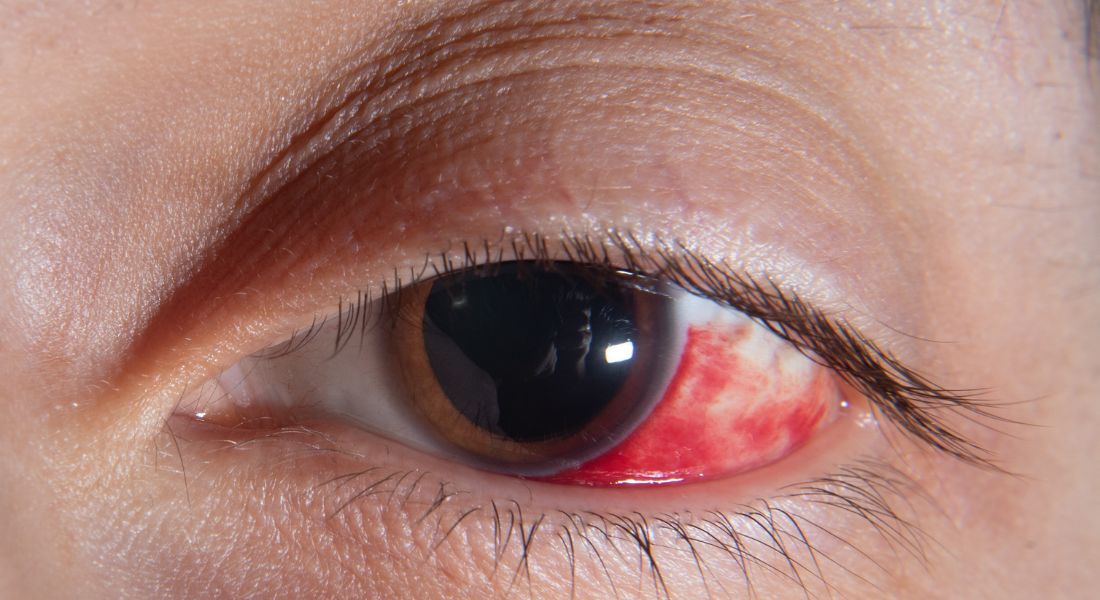
Certain infections can interfere with the nerves or muscles that control eye movement, leading to double vision, or Diplopia. These infections may affect the tissues around the eye or the cranial nerves responsible for coordination, disrupting normal alignment. Symptoms can develop quickly and may worsen without treatment.
You may also notice additional signs such as pain around the eye, swelling, redness, or fever. In some cases, conditions like Orbital cellulitis can cause significant inflammation and restrict eye movement. These symptoms indicate an underlying infection that requires urgent medical attention.
Treatment often involves antibiotics or antiviral medications, depending on the cause. Early diagnosis is essential to prevent the infection from spreading or causing long-term complications. Prompt care helps protect both your vision and overall health.
Diabetes and Nerve Damage
Diabetes mellitus can affect the nerves that control eye movement, sometimes leading to sudden double vision, or Diplopia. This occurs when the small blood vessels that supply these nerves become damaged, disrupting their normal function and affecting eye alignment.
High blood sugar levels over time can impair circulation, particularly in delicate areas such as the cranial nerves. When these nerves are affected, signals to the eye muscles become inconsistent, which may cause symptoms to appear unexpectedly. In many cases, this type of nerve palsy can develop quite suddenly.
Managing diabetes effectively is essential to reduce the risk of such complications. Regular monitoring, good blood sugar control, and routine eye examinations help detect issues early. Taking these steps supports both nerve health and long-term vision protection.
High Blood Pressure and Vascular Issues
Your blood vessels play a vital role in supplying oxygen and nutrients to the nerves that control eye movement. When you have High Blood Pressure, these blood vessels can become narrowed or damaged over time. This can affect how well the nerves function, sometimes leading to sudden double vision. When blood flow is reduced, the nerves that guide your eye muscles may not work properly.
- How reduced blood flow affects vision: If the blood supply to the eye movement nerves is disrupted, the signals between your brain and eye muscles can weaken. This can cause one eye to move differently from the other, leading to diplopia (double vision).
- Vascular causes of double vision: Vascular issues, such as small vessel disease, are a common cause of sudden double vision, particularly in older adults or those with long-standing hypertension. These changes can affect the tiny blood vessels that support nerve function.
- Importance of blood pressure control: Managing your blood pressure helps protect your blood vessels and nerves. Keeping it within a healthy range reduces the risk of vision problems and other complications linked to vascular damage.
- Role of regular health checks: Routine check-ups allow your doctor to monitor your blood pressure and overall vascular health. Early detection and management can prevent complications before they develop.
By taking steps to control your blood pressure and maintain good overall health, you can reduce the risk of vascular-related vision problems. Prevention and regular monitoring play a key role in protecting both your eyesight and general wellbeing.
When Double Vision Is an Emergency
If you suddenly develop double vision, it’s important to take it seriously. While some causes are minor, others can be linked to more serious conditions that need urgent care. Acting quickly helps ensure that any underlying problem is identified and treated as early as possible. Certain warning signs suggest that double vision may be a medical emergency.
- Double vision with other symptoms: If your double vision appears alongside a severe headache, weakness, difficulty speaking, or facial drooping, it could indicate a condition such as a Stroke. These symptoms require immediate medical attention.
- Sudden onset without a clear cause: Even if there are no additional symptoms, double vision that starts suddenly should always be assessed. It may be related to nerve, muscle, or vascular issues that need prompt evaluation.
- Persistent or worsening symptoms: If your double vision does not improve or continues to get worse, you should seek urgent care. Ongoing symptoms can signal an underlying condition that requires treatment.
- Do not wait for symptoms to resolve: It can be tempting to wait and see if the problem goes away on its own, but this can delay important care. Early diagnosis allows doctors to manage the condition more effectively and reduce the risk of complications.
If you experience sudden or unusual changes in your vision, it’s always safer to seek medical advice straight away. Prompt evaluation can protect both your eyesight and your overall health.
Associated Symptoms to Watch For
Double vision, or Diplopia, is often accompanied by other symptoms that can help identify the underlying cause. You may experience dizziness, imbalance, headaches, or pain around the eyes. These additional signs provide important clues about whether the issue involves the eyes, nerves, or brain.
You might also notice drooping of one eyelid, difficulty focusing, or problems with eye movement. These changes can indicate involvement of the Cranial nerves, which play a key role in coordinating vision. When these nerves are affected, symptoms tend to be more noticeable and may progress quickly.
Recognising associated symptoms helps determine how urgent the situation may be. When multiple symptoms occur together, the level of concern increases. Seeking early medical assessment ensures timely diagnosis and improves the chances of effective treatment and recovery.
How Doctors Diagnose Double Vision
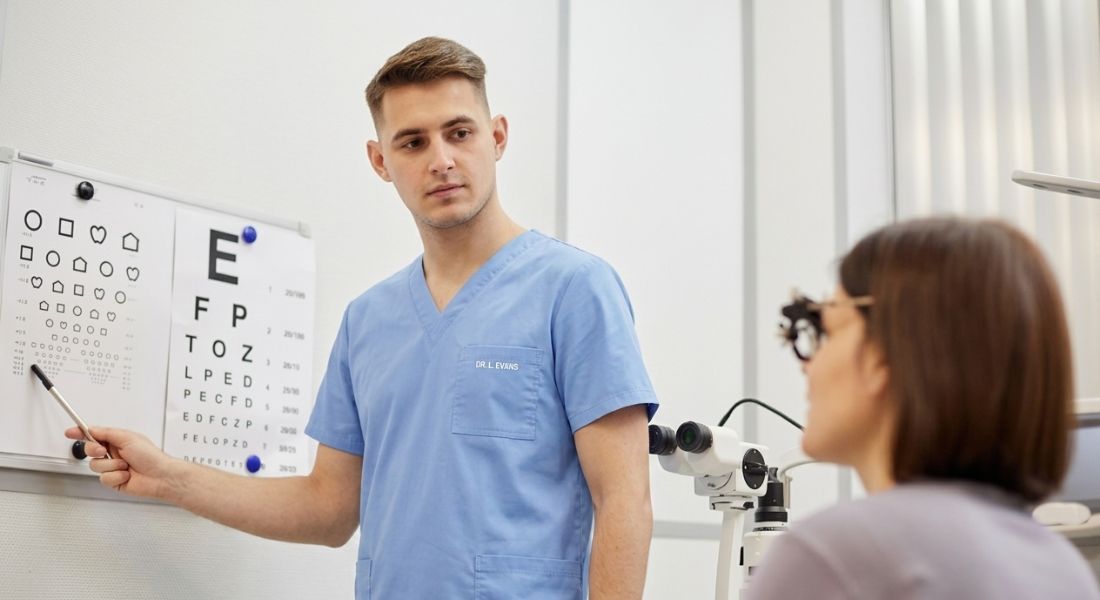
Diagnosing double vision, or Diplopia, involves a thorough eye and neurological examination. Your doctor will carefully assess how your eyes move and whether they are properly aligned. These tests help determine whether the issue lies in the eye muscles, the nerves controlling them, or the brain.
In some cases, imaging tests may be required to investigate further. Scans such as an MRI scan or CT scan can provide detailed views of the brain and eye structures. These are particularly useful if a neurological cause is suspected.
A comprehensive assessment ensures an accurate diagnosis and helps guide the most appropriate treatment plan. Early evaluation is essential, as it allows any serious underlying condition to be identified and managed promptly, improving overall outcomes.
Treatment Options Available
If you develop double vision, the treatment you receive will depend on what is causing it. In some cases, symptoms may improve on their own as your eyes recover. In others, you may need specific treatment to correct the problem. Your doctor will assess your condition carefully and recommend an approach that suits your needs. The goal of treatment is not just to reduce symptoms, but to address the underlying cause.
- Medications for underlying conditions: If your double vision is linked to inflammation, infection, or a neurological condition, your doctor may prescribe medication. Treating the root cause can help restore normal nerve or muscle function and reduce symptoms over time.
- Eye patching or temporary measures: In some situations, covering one eye with a patch may be recommended. This helps eliminate double vision while your eyes heal or while further treatment is planned. It can also reduce discomfort and improve day-to-day functioning.
- Specialised lenses or prism glasses: Prism lenses can be added to your glasses to help align the images seen by each eye. This allows your brain to combine them into a single clear image. These lenses are often used when alignment issues are mild or improving.
- Surgical treatment when needed: If the problem is caused by a structural or muscle issue that does not improve with other treatments, surgery may be considered. This can help reposition or adjust the eye muscles to restore proper alignment.
Treating the underlying cause is the most important step in managing double vision. With the right care and follow-up, most patients can achieve significant improvement and regain comfortable, single vision.
Recovery and Outlook
Recovery from double vision, or Diplopia, depends largely on the underlying cause and how quickly treatment begins. Some conditions, such as temporary nerve inflammation, may resolve fully over time. Others, particularly those linked to chronic conditions like Diabetes mellitus, may require ongoing management to control symptoms and prevent recurrence.
Early intervention plays a crucial role in improving outcomes. When treatment is started promptly, the chances of full recovery are significantly higher. Delays, however, can lead to prolonged symptoms or permanent changes in vision, especially if the cause involves neurological or vascular issues.
Regular follow-up appointments are essential to monitor your progress and adjust treatment if needed. Ongoing care not only supports recovery but also helps reduce the risk of future episodes. Staying proactive with your eye health and overall medical care is key to maintaining long-term visual stability.
FAQs:
- What causes sudden double vision?
Sudden double vision can be caused by problems affecting the eyes, eye muscles, nerves, or brain. Common causes include nerve palsies, muscle imbalance, or neurological conditions such as stroke. It may also result from trauma, infections, or underlying health conditions like diabetes. Identifying the exact cause requires prompt medical evaluation. - Is sudden double vision always serious?
Sudden double vision should always be taken seriously, even if it seems mild. In some cases, it can signal a serious neurological condition such as a stroke. While not every case is life-threatening, it is important to rule out urgent causes. Seeking immediate medical advice is the safest approach. - How can I tell if my double vision is monocular or binocular?
You can check this by covering one eye at a time. If the double vision disappears when either eye is closed, it is binocular. If it continues in one eye when the other is covered, it is monocular. This distinction helps doctors determine whether the issue is related to the eye itself or the alignment between both eyes. - When should I seek urgent medical attention for double vision?
You should seek urgent care if double vision appears suddenly or is accompanied by symptoms such as headache, weakness, dizziness, or speech problems. These signs may indicate a serious condition like a stroke. Even without additional symptoms, sudden onset warrants prompt assessment. Early diagnosis improves outcomes significantly. - Can double vision go away on its own?
Some cases of double vision may resolve naturally, especially if caused by temporary nerve inflammation or fatigue. However, it is not always safe to assume it will improve without treatment. Persistent or worsening symptoms require medical attention. A proper diagnosis ensures the correct management approach. - Can diabetes cause double vision?
Yes, diabetes can affect the nerves that control eye movement, leading to double vision. High blood sugar levels can damage small blood vessels supplying these nerves. This can result in sudden onset of symptoms. Managing blood sugar levels is important to reduce the risk of such complications. - Is double vision after a head injury normal?
Double vision can occur after a head injury due to damage to the nerves or muscles controlling eye movement. Even minor injuries can lead to symptoms that develop later. It is important not to ignore this sign. A medical evaluation is necessary to rule out serious complications. - How is double vision diagnosed?
Doctors diagnose double vision through a detailed eye examination and assessment of eye movements. They may also perform neurological tests to check for nerve or brain involvement. Imaging scans such as MRI or CT may be required in some cases. This thorough evaluation helps identify the underlying cause. - What treatments are available for double vision?
Treatment depends on the cause of the condition. Options may include medications, prism glasses, or eye patches to manage symptoms. In some cases, surgery or specialised therapy may be required. Addressing the underlying issue is key to restoring normal vision. - Can high blood pressure lead to double vision?
Yes, high blood pressure can affect blood vessels that supply the nerves controlling eye movement. Reduced blood flow can impair nerve function and lead to double vision. This is often related to vascular causes. Managing blood pressure is important to prevent such complications.
Final Thoughts: Acting Quickly Can Protect Your Vision
Sudden double vision should never be ignored, as it can be an early warning sign of underlying eye, nerve, or neurological conditions. Understanding the difference between minor and urgent causes helps you respond appropriately and seek care without delay. Early assessment not only protects your vision but can also identify serious health concerns at a stage when treatment is most effective.
If you experience sudden changes in your vision, prompt evaluation by a specialist is essential for accurate diagnosis and timely treatment. Whether the cause is simple or more complex, professional guidance ensures you receive the right care and peace of mind. If you’re exploring whether eye doctor in London could benefit you, get in touch with us at Eye Clinic London to schedule your consultation.
References:
- Cornblath, W.T. (2014) ‘Diplopia due to ocular motor cranial neuropathies’, Continuum (Minneapolis, Minn.), 20(4), pp. 966–980. https://pubmed.ncbi.nlm.nih.gov/25099103/
- Islami, R.H., Agustini, L. and Suhartono, G. (2024) ‘Diplopia as a sign of third nerve palsy due to intracranial aneurysm: a case report’, Pan African Medical Journal, 48, p. 104. https://pmc.ncbi.nlm.nih.gov/articles/PMC11543993/
- Prasad, S. et al. (2020) ‘Acute binocular diplopia: peripheral or central?’, Journal of Neurology, 267, pp. 1–10. https://pmc.ncbi.nlm.nih.gov/articles/PMC7718182/
- Singh, A. et al. (2021) ‘Causes and outcomes of patients presenting with diplopia: a hospital-based study’, Indian Journal of Ophthalmology. https://pmc.ncbi.nlm.nih.gov/articles/PMC8312586/
- Alketbi, R. et al. (2020) ‘Third cranial nerve palsy presenting with diplopia in COVID-19’, American Journal of Case Reports. https://pmc.ncbi.nlm.nih.gov/articles/PMC7571280/