


Stye vs Chalazion: How to Tell the Difference (Guide)
Eyelid lumps can be unsettling, especially when they appear suddenly or cause discomfort. If you’ve noticed swelling, redness, or tenderness on your eyelid, you might be wondering whether it’s a stye or a chalazion. While they can look quite similar at first glance, they actually have different underlying causes and need slightly different approaches to treatment. Understanding the distinction can help you take the right steps and prevent unnecessary worry.
You may have heard people use the terms interchangeably, but medically they are not the same. A stye is usually an acute, painful infection of an eyelash follicle or oil gland, while a chalazion is a more chronic, painless blockage of an oil gland in your eyelid. Knowing the difference not only helps you respond appropriately but also guides you on when simple home care is enough and when you should seek professional evaluation. This understanding can save you time, reduce discomfort, and prevent complications.
In this guide, you’ll learn how to distinguish a stye from a chalazion with confidence. We’ll go through the key symptoms, common causes, risk factors, treatment options, and warning signs that indicate when you need medical attention. By the end, you’ll have a clear idea of what’s happening with your eye, what steps you can safely take at home, and when to consult a specialist. You’ll be better prepared to manage the situation calmly and effectively.
What Is a Stye?
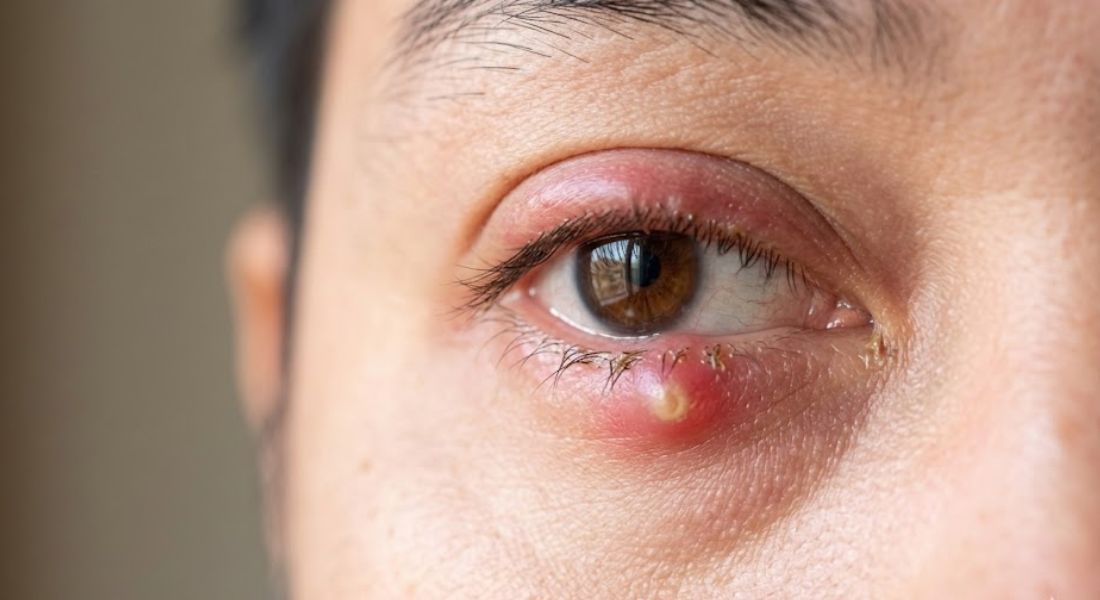
A stye, medically called a hordeolum, is a sudden infection of an oil gland or an eyelash follicle in your eyelid. It usually appears quickly and is painful from the start. You may notice a red, swollen, and tender lump along the edge of your eyelid, which can be uncomfortable when blinking or touching the area.
Styes are most often caused by bacteria, especially Staphylococcus species. The infection leads to pus building up inside the gland, which forms the characteristic lump. Because it’s an infection, the area often feels warm and sore to the touch.
A stye typically looks like a small boil on your eyelid margin. You might also experience watering, irritation, or sensitivity to light. In most cases, with simple home care such as warm compresses and gentle hygiene, a stye improves within a week and rarely causes lasting problems.
What Is a Chalazion?
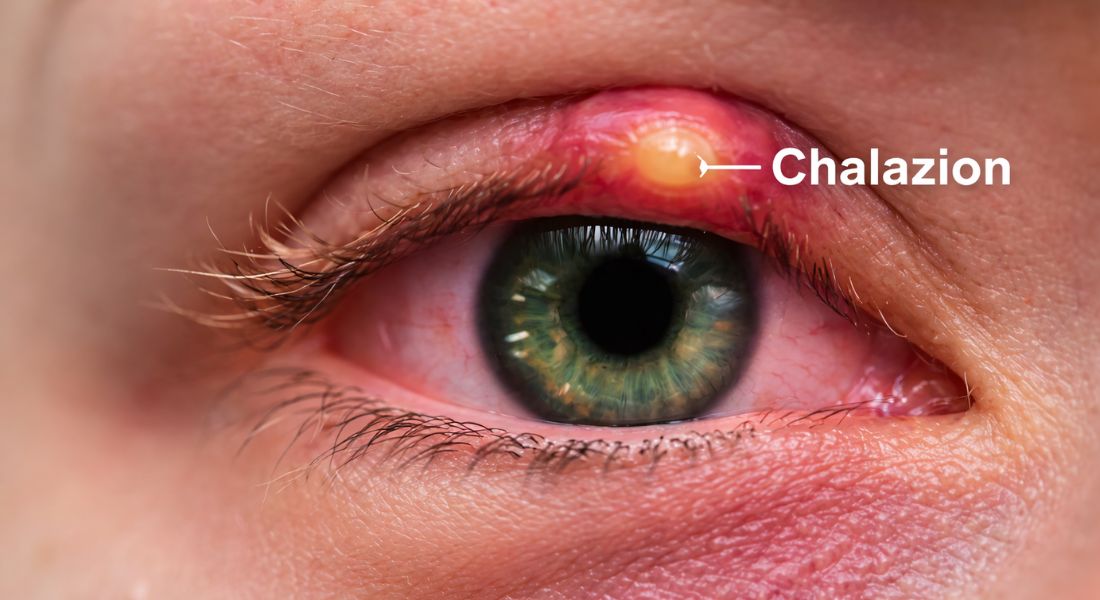
A chalazion is different from a stye because it isn’t caused by an infection. Instead, it happens when a meibomian gland inside your eyelid becomes blocked. These glands produce oils that help keep your tear film stable, and when one gets clogged, the oil builds up and forms a firm lump.
Unlike a stye, a chalazion usually develops slowly over time. It is typically painless, especially in the early stages, and may feel firm to the touch. You’ll often notice that the lump sits slightly away from the eyelid margin rather than right at the edge.
Chalazia can persist for weeks or even months if left untreated. They are more inflammatory than infectious, which is an important distinction when deciding how to manage them. Understanding this difference helps you choose the right approach and avoid unnecessary use of antibiotics.
Key Difference in Cause
The main difference between a stye and a chalazion is their cause. A stye is triggered by a bacterial infection, while a chalazion occurs because a meibomian gland becomes blocked. This difference is important because it affects both the symptoms you notice and the treatment you might need.
In a stye, bacteria multiply inside the gland or follicle, which leads to redness, warmth, and tenderness. You may feel pain and notice the area is sensitive to touch. A chalazion, on the other hand, is caused by inflammation without an active infection, so it usually develops more slowly and is painless.
Knowing the underlying cause helps explain why styes often hurt while chalazia generally do not. It also clarifies why antibiotics can be useful for a stye but are not typically needed for a chalazion. Understanding this helps you take the right steps for care.
Difference in Pain Levels
Pain is often the easiest way for you to tell the difference between a stye and a chalazion. A stye is usually tender and can throb when you touch it. Even simple actions like blinking may feel uncomfortable or sore.
A chalazion, on the other hand, is generally painless. You might notice a firm lump or mild pressure on your eyelid, but it rarely causes sharp discomfort. Pain only tends to occur if a secondary infection develops, which is less common.
Recognising this difference can help you with an initial assessment. Sudden pain, redness, and warmth usually point to a stye, while a slow-growing, painless lump is more likely a chalazion. This understanding helps you decide whether simple home care is enough or if you need professional advice.
Location on the Eyelid
The location of the lump on your eyelid can help you tell whether it’s a stye or a chalazion. Styes usually appear right at the edge of the eyelid where your eyelashes grow. They can also form just inside the lid but still remain close to the margin. Because of their position near the lashes, styes are often easier to spot.
Chalazia, in contrast, are typically found further from the eyelid edge. They sit deeper within the eyelid tissue, so you may notice a rounded lump under the skin rather than on the surface. The lump may feel firm and move slightly when you press gently.
Observing the location provides another useful visual clue. If the swelling is on the margin, it’s more likely a stye; if it’s slightly inward and deeper, it’s probably a chalazion. This simple check can guide you on the next steps for care.
How Quickly They Develop
If you notice a lump on your eyelid, the speed at which it appears can give you clues about what it is. Styes and chalazia may look similar at first, but they develop differently. Paying attention to how quickly swelling occurs can help you understand what’s happening.
- Styes develop quickly: You might wake up one morning with sudden swelling, tenderness, or discomfort at the edge of your eyelid. This rapid onset is usually a sign of a bacterial infection in a lash follicle or gland.
- Chalazia develop slowly: With a chalazion, you may first notice a small, barely noticeable bump. Over several days, it gradually becomes more defined as a blocked gland enlarges, often without the pain you feel with a stye.
- Speed helps indicate the cause: Rapid swelling typically points towards a stye, while slow-growing lumps are more likely chalazia. Observing the timeline of development can guide you in seeking the right care.
Understanding how quickly the lump appeared helps you and your doctor decide on the best approach. Rapidly developing styes often respond well to warm compresses and hygiene measures. Slowly growing chalazia may require monitoring or minor procedures if persistent. By recognising these patterns, you can respond appropriately and protect your eye health.
Associated Symptoms
With a stye, you may notice several associated symptoms alongside the lump. Your eye might water more than usual, and the eyelid can appear red, crusted, or irritated. The area often looks visibly inflamed, and in more significant infections, you might even feel slightly unwell.
Chalazia usually cause far fewer additional symptoms. Vision is rarely affected unless the lump grows large enough to press against the eye. For most people, the main concern is mild cosmetic, such as a noticeable swelling on the eyelid, rather than discomfort or irritation.
Paying attention to the presence or absence of infection-related signs can help you determine which condition you’re dealing with. Observing the surrounding skin and the surface of the eye gives useful clues and can guide whether home care is sufficient or a professional review is needed.
Risk Factors for Styes
If you’ve ever had a stye, you’ll know just how uncomfortable and frustrating it can be. They can appear suddenly, make your eyelid red and swollen, and sometimes interfere with daily activities. Certain habits, health conditions, and even lifestyle factors can make you more likely to develop them. Understanding these risk factors not only helps you prevent future styes but also gives you more control over your eye health and comfort.
- Poor eyelid hygiene: Touching your eyes frequently, not removing makeup thoroughly, or mismanaging contact lenses can all increase your risk. These habits make it easier for bacteria to infect your eyelid glands.
- Underlying eyelid conditions: If you have blepharitis chronic inflammation of the eyelid you’re more prone to styes. The inflammation creates an environment where bacteria can thrive, and recurrent styes may be a sign that your eyelid hygiene needs attention.
- Other contributing factors: Stress, hormonal changes, or a weakened immune system can also make you more susceptible. While not as controllable, being aware of these factors can help you take extra precautions during higher-risk periods.
By addressing these risk factors, you can reduce how often styes appear. Simple measures like cleaning your eyelids regularly and practising good contact lens hygiene are usually very effective. Being proactive helps you feel in control and keeps your eyes comfortable. With consistent care, you can minimise recurrence and protect your eyelid health.
Risk Factors for Chalazia
Chalazia are often linked to meibomian gland dysfunction, where the oil glands in your eyelids produce thicker secretions that can block the gland openings. This blockage causes swelling without any infection.
Certain conditions can increase your risk of developing chalazia. For example, skin conditions like rosacea make gland blockages more likely, and hormonal fluctuations can also affect how your glands behave. If chalazia keep recurring, it may signal an ongoing imbalance in your eyelid glands.
Understanding the health of your glands is important for long-term management. Addressing the underlying cause can help prevent future episodes and reduce the chance of repeated lumps forming. Regular eyelid hygiene and monitoring can make a significant difference.
When a Stye Turns Into a Chalazion
Sometimes a stye can develop into a chalazion. After the infection settles, the gland may remain blocked, leaving a firm, painless lump behind. You may notice that the initial redness and soreness fade, but the swelling persists.
This change explains why some eyelid lumps seem to “transform” over time. What started as a painful stye can become a painless chalazion, even though the lump itself remains. Recognising this progression helps you understand what’s happening and guides how to manage it.
At this stage, treating infection is no longer the priority. The focus shifts to resolving the blocked gland, often with warm compresses, massage, or, in persistent cases, medical intervention. Knowing this helps you take the right steps without unnecessary worry.
Home Treatment for Styes
If you notice a painful, red lump on your eyelid, you may be dealing with a stye. The good news is that most styes can be managed safely at home with simple care. Understanding the right steps to take can help you recover faster and avoid complications.
- Use warm compresses: Applying gentle heat to the affected eyelid several times a day helps promote drainage and can speed up recovery. Make sure the cloth is clean and comfortably warm not hot to prevent burns.
- Avoid squeezing or popping: It can be tempting to try to relieve pressure, but squeezing a stye can spread infection and make inflammation worse. Let your body resolve it naturally with the help of warmth and hygiene.
- Maintain good hygiene: Always wash your hands before touching your eyes and keep the eyelid area clean. Avoid sharing towels or pillowcases to prevent passing bacteria to others or re-infecting yourself.
- Seek medical review if needed: If the stye worsens, becomes very painful, or doesn’t improve after about a week, see your doctor. Early assessment can prevent complications and ensure appropriate treatment.
Most styes improve with patience and consistent home care. By following these steps, you can reduce discomfort and support faster healing. Knowing when to seek medical advice helps protect your eye health. Taking careful, proactive measures allows you to manage styes safely and effectively at home.
Home Treatment for Chalazia
Warm compresses are one of the most effective home treatments for a chalazion. Applying gentle heat helps soften the thickened oil trapped inside the blocked gland. This can encourage the gland to open and drain naturally. After warming the area, light massage of the eyelid may further support drainage.
Because a chalazion is not caused by infection, antibiotics are usually not necessary. Instead, patience and consistency are key. You may need to apply warm compresses daily for several weeks before noticing clear improvement. Staying consistent with this routine significantly increases the chance of resolution.
If the lump persists for several months or becomes bothersome, medical treatment can be considered. Options may include a minor procedure or, in selected cases, an injection to reduce inflammation. However, early and regular conservative care often prevents the need for further intervention.
When to Seek Medical Advice

You should seek medical advice if the swelling spreads beyond your eyelid or begins to affect the surrounding area. Increasing pain, changes in your vision, or the development of a fever require urgent attention. These signs may indicate a more serious infection that needs prompt treatment. Acting quickly helps prevent complications.
If a chalazion persists for several months despite consistent home care, it is sensible to arrange an evaluation. In rare cases, eyelid lumps that do not resolve may require further investigation. This ensures that uncommon but important conditions are not overlooked. Early assessment provides clarity and appropriate next steps.
You should also trust your instincts if something feels unusual or different from what you expected. Professional assessment can offer reassurance and confirm whether simple treatment is sufficient. When in doubt, seeking advice helps you feel confident and informed about your eye health.
Medical Treatment Options
Medical treatment depends on whether you have a stye or a chalazion. If you have an infected stye, your doctor may prescribe an antibiotic ointment to apply to the eyelid. In more severe or spreading infections, oral antibiotics may be necessary. Drainage procedures are uncommon but can be performed if the stye does not settle with conservative care.
For a chalazion, treatment focuses on reducing inflammation rather than fighting infection. A steroid injection into the lump may be recommended to help it shrink. This can be very effective for persistent swellings that have not responded to warm compresses. Surgical removal is usually reserved for cases that last several months or cause visual disturbance.
The right treatment depends on an accurate diagnosis. This is why distinguishing between a stye and a chalazion is so important. When you understand which condition you are dealing with, you can pursue the most appropriate and effective care.
Can They Affect Vision?
Most styes do not directly affect your vision. However, if the swelling becomes significant, it can temporarily blur your sight by pressing on the surface of your eye. This blurring is usually short-lived and improves as the inflammation settles. Once the infection clears, your vision typically returns to normal.
A large chalazion can also affect vision in a mechanical way. If the lump presses against your eyeball, it may cause temporary distortion or mild astigmatism. You might notice slight blurring or a change in clarity, particularly if the swelling is firm and persistent. As the lump shrinks, your vision generally normalises.
Any persistent or worsening visual changes should always be assessed by a professional. While most eyelid lumps are harmless, ongoing vision problems should never be ignored. Prompt evaluation ensures that your eye health remains protected.
Preventing Recurrence
Good eyelid hygiene is one of the most effective ways to prevent recurrence. Gently cleansing your eyelids helps remove debris, bacteria, and excess oil that can block glands. Using regular warm compresses can also keep your meibomian glands functioning properly. Making this part of your routine supports long-term eyelid health.
You should avoid sharing eye cosmetics, as this increases the risk of bacterial transfer. Replacing old makeup regularly is equally important, particularly mascara and eyeliner. Keeping your hands clean before touching your eyes also reduces contamination. These simple habits can significantly lower your risk of future styes.
If you experience repeated lumps, a specialist review may be helpful. Persistent or recurrent episodes can sometimes signal underlying gland dysfunction or skin conditions. In that case, preventative strategies can be tailored specifically to you. Targeted care reduces recurrence and gives you greater control over your eye health.
Special Considerations in Children
Children can develop both styes and chalazia, just like adults. However, they may find it difficult to avoid rubbing their eyes, especially if the area feels itchy or sore. Frequent touching increases the risk of infection and irritation. This is why gentle supervision becomes important.
You should monitor any swelling closely and look for changes in redness, size, or pain. Encouraging good hand hygiene and explaining, in simple terms, why they should avoid rubbing can help. Applying warm compresses consistently can ease discomfort and support recovery. Early, calm management usually prevents unnecessary distress.
If a lump persists or keeps recurring, a paediatric assessment is advisable. Children generally respond very well to timely and appropriate treatment. Seeking advice early provides reassurance and ensures the right approach is taken. Prompt care helps protect both comfort and long-term eye health.
Recurrent Eyelid Lumps
If you experience frequent eyelid lumps, it may indicate an underlying condition such as blepharitis or meibomian gland dysfunction. Chronic inflammation can change the consistency of the oil produced by your glands, making it thicker and more likely to cause blockages. Over time, this increases your risk of developing repeated styes or chalazia. Recognising this pattern is important.
In these cases, a specialist may recommend a structured, long-term eyelid care plan. This could include regular warm compresses, targeted lid hygiene routines, or specific medical treatments to improve gland function. Addressing the root cause significantly reduces the likelihood of recurrence. Relying on self-treatment alone may not fully resolve the underlying issue.
Repeated episodes deserve proper evaluation rather than ongoing short-term fixes. Identifying triggers, such as skin conditions or gland imbalance, makes a meaningful difference. Long-term comfort depends on managing the underlying problem effectively. With the right approach, you can reduce flare-ups and maintain healthier eyelids.
Cosmetic and Emotional Impact
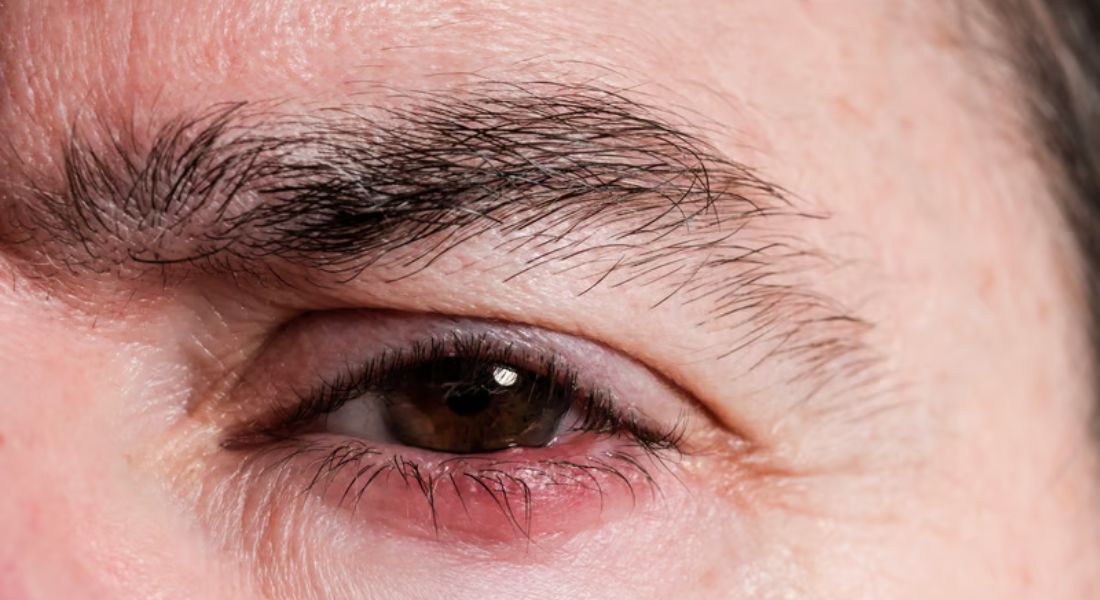
Even small eyelid lumps can feel distressing. The eye area is highly visible, so even mild swelling can make you feel self-conscious. You may worry that others will notice it straight away. This can affect your confidence more than you expect.
When you understand the difference between a stye and a chalazion, your anxiety often reduces. Knowing that these conditions are common, usually harmless, and treatable can be very reassuring. Clear information helps you respond calmly rather than fear the worst. Education gives you a sense of control over the situation.
Seeking prompt and appropriate care improves both physical and emotional comfort. As the swelling settles, irritation reduces and your appearance returns to normal. Your confidence naturally improves when the lump resolves. Taking informed action helps you feel reassured and back in control.
FAQs:
- How can I quickly tell if I have a stye or a chalazion?
The easiest way to tell is by considering pain and speed of onset. A stye usually develops quickly and feels tender or sore to touch. A chalazion tends to grow more slowly and is often painless, especially in the early stages. If the lump appeared suddenly and feels warm and uncomfortable, it is more likely to be a stye. - Can a stye turn into a chalazion?
Yes, it can. A stye begins as a bacterial infection, but once the infection settles, the affected gland may remain blocked. This can leave behind a firm, painless lump known as a chalazion. If you notice that the pain has gone but the lump remains, this change has likely occurred. - Are styes contagious?
Styes are caused by bacteria, usually Staphylococcus species, but they are not highly contagious in the way conjunctivitis can be. However, bacteria can spread through poor hygiene, such as touching your eye and then touching another surface. Washing your hands regularly and avoiding sharing towels or eye makeup reduces the risk. - Do chalazia always need medical treatment?
No, most chalazia resolve on their own with regular warm compresses and gentle eyelid massage. Because they are caused by gland blockage rather than infection, antibiotics are not usually helpful. If a chalazion persists for several months or becomes large enough to affect vision, medical treatment may be recommended. - Can I wear contact lenses if I have a stye or chalazion?
It is best to avoid contact lenses until the lump has fully resolved. Wearing lenses may irritate the eyelid further and increase the risk of spreading bacteria in the case of a stye. Once the eye is comfortable and free from redness or discharge, you can usually resume lens use safely. - Should I try to pop a stye or chalazion?
You should never attempt to squeeze or pop an eyelid lump. Doing so can push infection deeper into the tissue or cause further inflammation. This may worsen swelling and delay healing. Warm compresses are a much safer and more effective approach. - How long do styes and chalazia usually last?
A stye often improves within seven to ten days, particularly with warm compress treatment. A chalazion may take several weeks to settle and sometimes even a few months. Patience and consistency with home care are important for both conditions. - When should I see a doctor about an eyelid lump?
You should seek medical advice if the swelling spreads beyond the eyelid, if pain becomes severe, if you develop fever, or if your vision changes. You should also book an appointment if a chalazion does not improve after several weeks. Persistent lumps occasionally require further investigation to rule out rare but important conditions. - Can children get styes and chalazia?
Yes, children commonly develop both conditions. They may rub their eyes frequently, which increases bacterial transfer and gland blockage. Most cases respond well to warm compresses, but if the lump persists or grows larger, it is wise to seek paediatric advice for proper assessment. - Can eyelid lumps affect my vision permanently?
In most cases, styes and chalazia do not cause permanent vision problems. Temporary blurring can occur if swelling presses against the eye, but this usually resolves once the lump reduces. Persistent visual disturbance should always be assessed promptly to protect your long-term eye health.
Final Thoughts: When to Seek Expert Stye or Chalazion Care
Eyelid lumps can be uncomfortable and sometimes concerning, but most styes and chalazia improve with simple home care, such as warm compresses and gentle eyelid hygiene. However, persistent or recurrent lumps, increasing pain, or vision changes are signs that professional assessment is important. Early evaluation can prevent complications and guide appropriate treatment.
If you’re considering stye treatment in London and want to know if it’s the right option for your situation, you’re welcome to reach out to us at Eye Clinic London to book a consultation. Our specialists can advise on the most effective approaches and ensure your eye health is fully supported.
References:
- National Center for Biotechnology Information, 2020. Hordeolum and Chalazion. In: StatPearls [Internet]. Treasure Island (FL): StatPearls Publishing. Available at: https://www.ncbi.nlm.nih.gov/books/NBK459349/
- Ashok Kumar, K., Reddy, S.P. and Reddy, P., 2018. Stye: Clinical Features and Management. Journal of Clinical Ophthalmology, 6(3), pp.52–58. Available at: https://pubmed.ncbi.nlm.nih.gov/29083787/
- Medicine and Dentistry section. Available at: https://www.sciencedirect.com/topics/medicine-and-dentistry/stye
- Neuroscience section. Available at: https://www.sciencedirect.com/topics/neuroscience/stye
- Mahmoud, A.M., Ibrahim, A.H. and Hassan, S.A., 2020. Clinical Evaluation of Warm Compress vs Antibiotic Therapy in the Management of Hordeolum. Journal of Ophthalmic Inflammation and Infection, 10(15). Available at: https://www.sciencedirect.com/science/article/abs/pii/S0011502920301048