


Steroid-Induced Glaucoma: How Medications Can Raise Eye Pressure
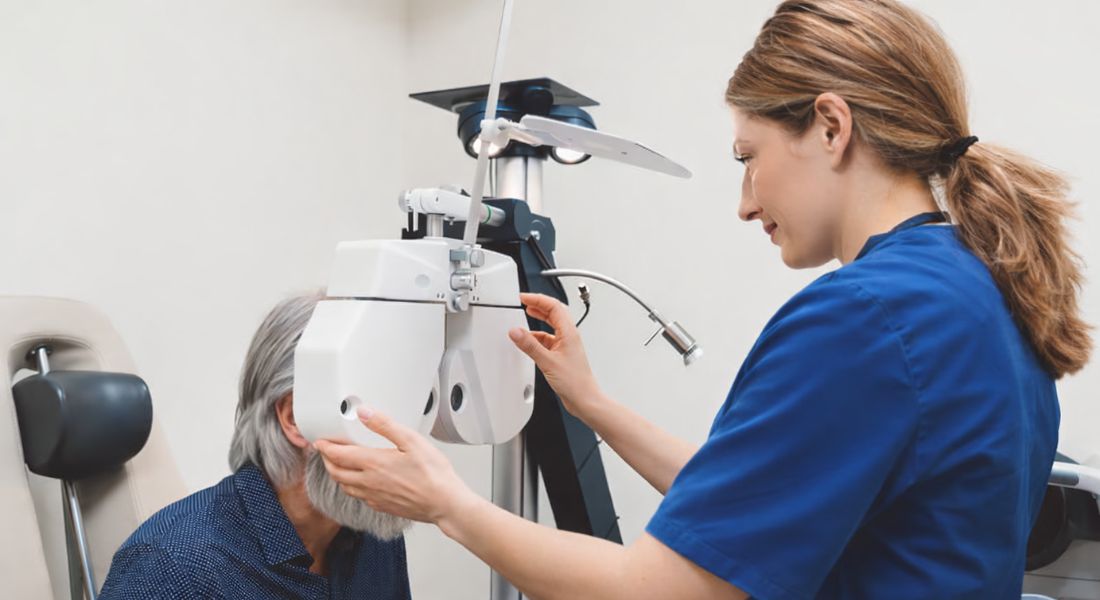
Steroid medications are widely used to treat inflammation. You may have been prescribed steroid tablets for asthma, creams for eczema, joint injections for arthritis, or eye drops after surgery. While these medications are often highly effective, they can sometimes affect eye pressure.
One of the lesser-known side effects of steroid use is increased intraocular pressure. In certain individuals, this pressure rise can lead to steroid-induced glaucoma. Understanding how this happens allows you to use steroids safely and recognise warning signs early.
In this article, we explain how steroids influence eye pressure, who is most at risk, how steroid-induced glaucoma is diagnosed, and what management options are available. Clear knowledge helps you balance treatment benefits with ocular safety. Most importantly, early detection prevents permanent damage.
What Is Steroid-Induced Glaucoma?
Steroid-induced glaucoma is a form of secondary open-angle glaucoma that develops in response to steroid use. These medications can interfere with the normal drainage of fluid inside your eye. As drainage slows, eye pressure begins to rise. Over time, this increased pressure can damage the optic nerve.
Not everyone who uses steroids will develop raised eye pressure. Some people are more sensitive to steroids, a reaction commonly described as being a steroid responder. This response can occur with eye drops, inhalers, creams, or tablets. The risk often increases with prolonged or repeated use.
If steroid-induced pressure elevation is left untreated, it may result in permanent vision loss. Early detection is key, as stopping or adjusting the steroid usually allows pressure levels to return to normal. Regular eye checks are therefore essential if you are using steroid medications.
How Steroids Affect Eye Pressure
Inside your eye, aqueous humour is constantly produced and drained to maintain stable pressure. It normally exits through a structure known as the trabecular meshwork. Steroids can disrupt this finely balanced system by altering how the drainage pathway functions.
Steroid exposure increases the build-up of extracellular material within the trabecular meshwork. This accumulation reduces how efficiently fluid can leave the eye. As outflow slows, pressure inside the eye begins to rise.
At a cellular level, steroids trigger changes in gene expression and protein production. These microscopic alterations increase resistance within the drainage system. Over time, this can lead to sustained elevation of intraocular pressure.
Types of Steroids That Can Cause Pressure Rise
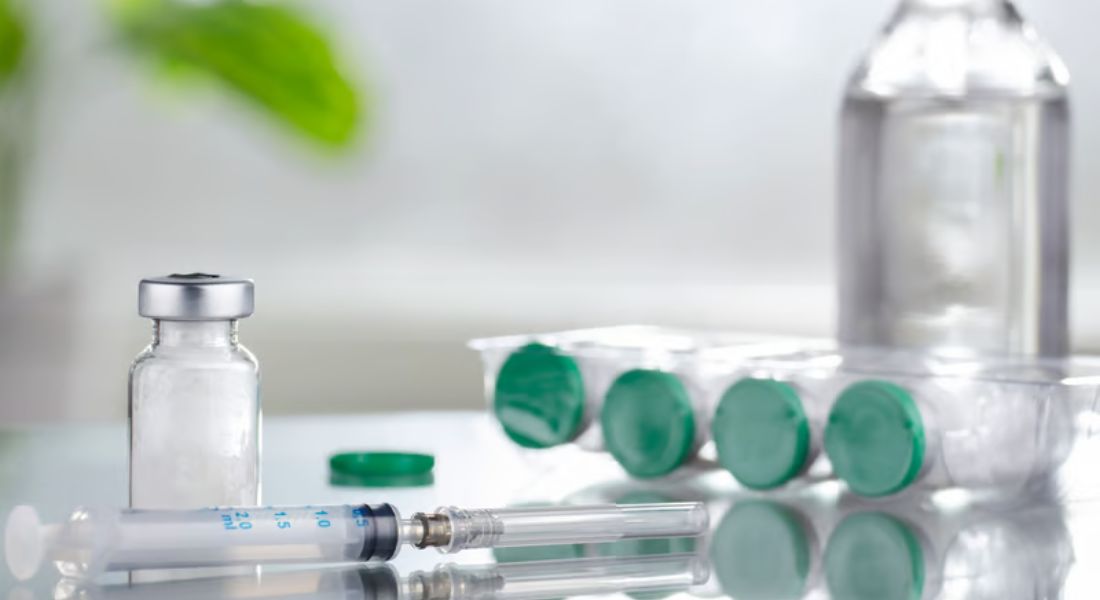
Steroids are available in many forms, and several can increase eye pressure. Steroid eye drops are most commonly linked to pressure elevation because they act directly on the eye. However, other forms of steroids can also have an effect.
Inhaled steroids used for asthma may raise eye pressure in susceptible individuals. Topical steroid creams applied near the eyes can be absorbed and influence pressure as well. Oral tablets and joint injections have also been associated with increased intraocular pressure.
Even nasal steroid sprays have been linked to pressure rise in rare cases. Your overall risk depends on the dose, duration of use, and your individual sensitivity to steroids. Awareness of these risks is important regardless of how the steroid is taken.
Who Is Most at Risk?
Not everyone responds to steroids in the same way, but some people are more likely to experience a rise in eye pressure. Knowing whether you fall into a higher-risk group helps you and your doctor take the right precautions. Awareness is especially important if steroid treatment is needed for longer periods.
- Pre-existing or inherited glaucoma increases risk: If you already have glaucoma, steroids are more likely to raise your eye pressure. A family history of glaucoma also increases susceptibility, even if you have never had pressure problems before.
- High myopia and younger age can increase sensitivity: People with high levels of short-sightedness may respond more strongly to steroids. Children can also show a pronounced pressure rise, sometimes more quickly than adults.
- Previous steroid response is a key warning sign: If you have experienced raised eye pressure from steroids in the past, you are considered a known responder. Any future steroid use should be approached with extra caution and close monitoring.
Being in a higher-risk group does not mean steroids cannot be used. It does mean they should be prescribed carefully and monitored closely. Always tell your doctor about your eye history before starting steroid treatment. Clear communication helps prevent avoidable complications and protects your long-term vision.
How Quickly Can Pressure Rise Occur?
Eye pressure can increase within a few weeks of starting steroid eye drops. When steroids are taken systemically, the rise may develop more gradually. Some people are particularly sensitive and respond much more quickly.
In other cases, pressure elevation may take months of continuous steroid use to appear. Both the dose and duration of treatment play a significant role. Monitoring frequency is therefore adjusted according to your individual risk profile.
The rise in eye pressure is often silent and causes no early symptoms. You may not notice any changes until optic nerve damage has already occurred. Regular eye checks are essential to avoid delayed detection.
Is the Pressure Rise Permanent?
In many cases, your eye pressure returns to normal once steroid treatment is stopped. This is especially likely when the rise is detected early. Your eye’s drainage system can often recover its normal function with timely intervention.
However, if your pressure stays elevated for a prolonged period, permanent optic nerve damage can occur. Once this structural damage develops, any vision loss cannot be reversed. Early recognition and careful withdrawal of steroids are therefore critical.
Some people may continue to need glaucoma treatment even after stopping steroids. Long-term follow-up helps ensure your eye pressure remains stable. Regular monitoring and prevention remain the priority for protecting your vision.
Symptoms to Watch For
Steroid-induced glaucoma is usually asymptomatic in its early stages. You may not feel any pain or notice changes in your vision at first. Eye pressure can rise quietly without obvious warning signs. This is why routine monitoring is so important.
When eye pressure becomes significantly elevated, symptoms may begin to appear. You might experience blurred vision, headaches, or halos around lights. Some people also notice eye discomfort or a sense of pressure. These symptoms require prompt medical assessment.
Relying on symptoms alone is not enough to detect steroid-induced glaucoma. Damage to the optic nerve can occur before any visual changes are noticed. Regular eye examinations allow pressure changes to be identified early. Early detection helps prevent long-term vision loss.
How Is It Diagnosed?
Diagnosing steroid-induced eye pressure rise involves a combination of measurements and careful assessment. The goal is to identify changes early, before they affect your vision. A structured approach helps confirm both the cause and the impact.
- Eye pressure is measured first: Your ophthalmologist will check your intraocular pressure using specialised instruments. A rise in pressure during or after steroid use raises immediate concern.
- The optic nerve is carefully examined: Your optic nerve is assessed to look for any signs of stress or damage. This helps determine whether the pressure rise has had any effect on nerve health.
- Visual field tests and imaging add detail: Visual field testing checks whether your peripheral vision has been affected. Imaging such as OCT may also be used to measure nerve fibre thickness and confirm structural integrity.
- Medication history plays a crucial role: Reviewing your current and past steroid use helps clarify the cause of the pressure rise. Identifying exposure is key to making an accurate diagnosis.
Early diagnosis allows timely intervention. Most pressure rises can be managed effectively when detected promptly. Accurate testing guides the safest treatment decisions. With proper monitoring, long-term vision can usually be protected.
The Role of Monitoring During Steroid Use
If you’re prescribed steroid medication, regular monitoring plays a vital role in protecting your vision. Steroid-related pressure rises can develop quietly, without obvious symptoms at first. Follow-up appointments allow changes to be detected early and managed safely.
- Eye pressure should be checked soon after starting steroids: Your eye pressure is usually measured within a few weeks of beginning steroid eye drops. If you are at higher risk, your ophthalmologist may recommend an even earlier review.
- Long-term steroid use requires ongoing eye checks: If you use systemic steroids for extended periods, periodic eye examinations are advised. This helps identify pressure changes before they affect your optic nerve.
- Clear communication improves safety: Let all your healthcare providers know if you are using steroid medication. Sharing information between your GP, specialist, and ophthalmologist reduces the risk of complications.
Missing follow-up appointments increases the chance of undetected damage. Structured monitoring allows problems to be addressed before they become serious. Regular reviews are a key part of safe steroid use. When it comes to your vision, prevention is always better than treatment.
Management: Stopping or Reducing Steroids
The first step in managing steroid-induced glaucoma is usually reducing or stopping the steroid. This should always be done under medical supervision, as abrupt cessation is not appropriate in all cases. Your treatment plan needs to balance safety with control of the underlying condition.
In some situations, alternative anti-inflammatory treatments may be considered. Non-steroidal options can sometimes be used in place of steroids to reduce eye pressure risk. The original medical condition must still be managed effectively.
Protecting your vision while maintaining overall health is essential. This often requires close communication between your ophthalmologist and other healthcare providers. A collaborative approach leads to better long-term outcomes.
Glaucoma Drops for Pressure Control
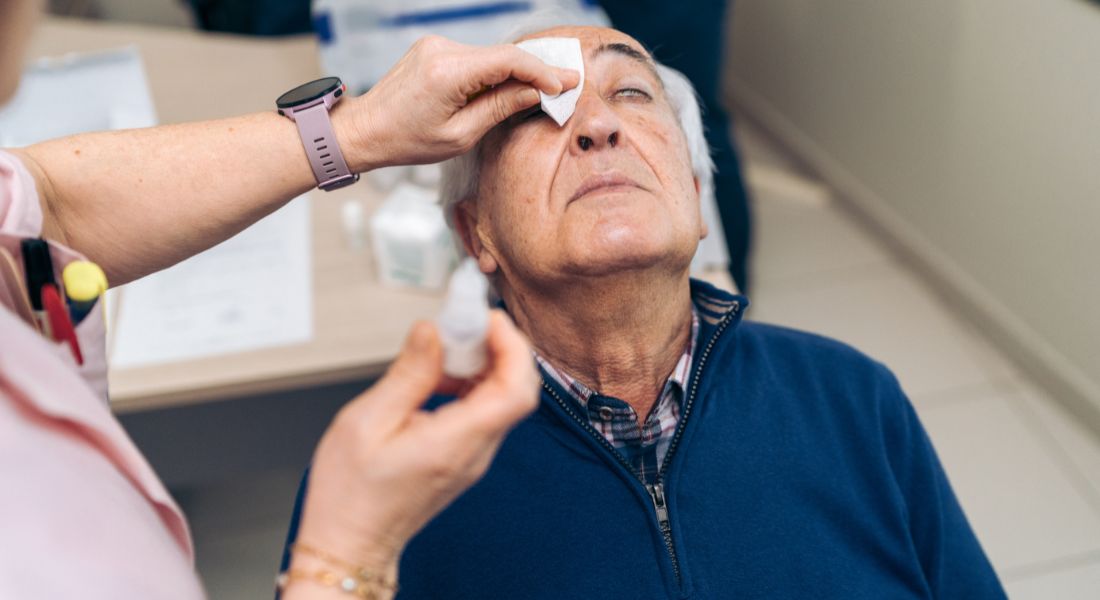
If eye pressure remains elevated, glaucoma eye drops may be prescribed. These drops work by reducing aqueous humour production or improving fluid outflow from the eye. Their main purpose is to lower pressure and protect the optic nerve. Treatment is tailored to your individual pressure levels.
Glaucoma drops may be required temporarily or on a long-term basis. The duration of treatment depends on how your eye pressure responds. Regular follow-up appointments allow your specialist to adjust medications as needed. Ongoing monitoring ensures safe and effective control.
Many patients respond well when treatment is started early. Prompt pressure control helps prevent further optic nerve damage. Protecting nerve health remains the central focus of management.
Laser or Surgical Options
In rare cases, your eye pressure may not return to normal despite stopping steroids and using glaucoma drops. Laser treatment may then be considered to help improve fluid drainage from your eye. This option is often effective in reducing pressure.
Surgery is needed in only a small number of resistant cases. It is reserved for situations where other treatments have not worked. Modern surgical techniques can provide good pressure control when required.
Most people never reach the stage of needing laser or surgery. Early detection and timely management usually prevent escalation. Structured follow-up and consistent care help minimise long-term risk.
Steroid-Induced Glaucoma in Children
Children can be particularly sensitive to steroid medications. Some paediatric patients act as strong steroid responders and may experience a significant rise in eye pressure. For this reason, careful monitoring is especially important in young patients.
Protecting visual development is a key priority. Raised eye pressure during childhood can interfere with normal visual maturation and affect long-term vision. Regular eye reviews are essential throughout steroid treatment.
Parents and caregivers should be made aware of the potential risks. Early screening helps detect pressure changes before damage occurs. In some cases, specialist paediatric ophthalmology input may be required.
Distinguishing Steroid-Induced Glaucoma From Primary Glaucoma
Telling the difference between steroid-induced glaucoma and primary open-angle glaucoma is an important part of your care. Although both involve raised eye pressure, they behave differently and are managed in different ways. Understanding this distinction helps ensure you receive the most appropriate treatment.
- Steroid-induced glaucoma may be reversible: If raised pressure is caused by steroid use and identified early, it often improves once the steroid is reduced or stopped. This contrasts with primary glaucoma, which does not reverse in this way.
- Timing and medication history are key clues: A rise in eye pressure that occurs during or shortly after steroid use strongly suggests a steroid-related cause. Reviewing when symptoms began in relation to medication use helps guide diagnosis.
- Some people may have both conditions: In certain cases, steroids can unmask underlying primary glaucoma. When this happens, longer-term treatment may still be required.
Careful evaluation allows your ophthalmologist to determine the true cause of raised pressure. This ensures treatment is targeted rather than excessive. Specialist assessment helps avoid unnecessary long-term medication when it isn’t needed. Accurate diagnosis ultimately protects your vision and guides the safest path forward.
Long-Term Outlook
Your long-term outlook with steroid-induced glaucoma is generally good when it is detected early. Eye pressure often returns to normal after you reduce or stop steroid use. Early management helps protect your optic nerve from damage.
If diagnosis is delayed, your risk of permanent vision loss increases. This highlights why regular monitoring during steroid treatment is so important. Awareness allows issues to be identified and managed promptly.
Most cases can be controlled effectively with appropriate care. Clear information helps reduce anxiety and uncertainty. Structured follow-up ensures your eyes remain safe and stable over time.
Communicating With Your Doctor

Always inform your eye specialist if you are using steroids in any form. This includes eye drops, inhalers, skin creams, nasal sprays, and injections. Providing a complete medication history helps your doctor assess risk accurately. Clear information improves overall safety.
If you are prescribed steroids for another medical condition, you should mention any history of raised eye pressure or glaucoma. Coordination between your ophthalmologist and other doctors supports balanced care. Sharing information across specialties reduces the risk of complications.
It is reasonable to ask about monitoring schedules when steroids are part of your treatment. Proactive communication allows pressure changes to be detected early. Shared decision-making helps ensure the best possible outcomes.
Can You Prevent Steroid-Induced Glaucoma?
Prevention focuses on awareness and careful monitoring rather than complete avoidance of steroids. Steroids are important and effective medications for many conditions. They should not be stopped or avoided without medical advice.
Using the lowest effective dose can help reduce the risk of raised eye pressure. Limiting treatment duration where possible may also be beneficial. Regular eye pressure checks provide an early warning of potential problems.
You cannot always predict who will develop a pressure rise. However, consistent monitoring allows early detection and timely action. In this context, prevention lies in vigilance and informed care.
FAQs:
- Can short-term steroid use cause glaucoma?
Yes, it can, although the risk is lower with short-term use. In some people, even a few weeks of steroid eye drops can raise eye pressure significantly. This depends on how sensitive your eyes are to steroids. Because the pressure rise is usually silent, monitoring is still important even during short courses. - Are steroid eye drops more risky than tablets or inhalers?
Steroid eye drops carry the highest risk because they act directly on the eye’s drainage system. Tablets, inhalers, and injections can also raise eye pressure, but the effect is usually slower and less predictable. Your individual susceptibility plays a large role regardless of how the steroid is taken. - If I stop steroids, will my eye pressure always return to normal?
In many cases, eye pressure returns to normal after steroids are reduced or stopped, especially if the rise is detected early. However, if pressure has been elevated for a long time, some damage to the drainage system may persist. This is why early detection makes such a difference to long-term outcome. - Can steroid-induced glaucoma cause permanent vision loss?
Yes, it can if it is not recognised and managed in time. Sustained high eye pressure can damage the optic nerve, and this damage cannot be reversed. When detected early, however, most people avoid permanent vision problems and recover well. - How often should eye pressure be checked during steroid treatment?
The frequency depends on your risk profile and the type of steroid you are using. If you are using steroid eye drops, pressure is often checked within a few weeks of starting treatment. For long-term systemic steroid use, periodic eye examinations are usually advised to ensure pressure remains safe. - Can children develop steroid-induced glaucoma?
Yes, children can be particularly sensitive to steroids and may experience a rapid rise in eye pressure. Because children may not notice or report visual changes, regular monitoring is especially important. Early detection helps protect long-term visual development. - Are there safer alternatives to steroid medications?
In some cases, non-steroidal anti-inflammatory treatments may be suitable alternatives, depending on the condition being treated. This decision must be made carefully with your doctor, as steroids are often the most effective option. The goal is to control inflammation while minimising risk to your eyes. - Can I use steroids again if I previously had a pressure rise?
You may still be able to use steroids, but only with caution and close monitoring. If you are known to be a steroid responder, your doctors will usually choose the lowest effective dose and check your eye pressure more frequently. Always inform healthcare providers about your previous reaction. - How is steroid-induced glaucoma different from primary glaucoma?
Steroid-induced glaucoma is triggered by medication and often improves when steroids are withdrawn. Primary open-angle glaucoma develops independently and does not reverse in this way. A careful medication history helps your specialist distinguish between the two and plan appropriate treatment. - Should I avoid steroids altogether if I am worried about glaucoma?
Not necessarily. Steroids are valuable and sometimes essential medications. The key is awareness, appropriate dosing, and regular monitoring rather than avoidance. With proper supervision, the benefits of steroid treatment usually outweigh the risks to your vision.
Final Thought: Protecting Your Vision During Steroid Use
Steroid-induced glaucoma is largely preventable when it is recognised early and managed appropriately. Steroids remain highly effective medications, but they must be used with awareness and proper monitoring, particularly if you are at higher risk of pressure rise. Regular eye examinations, open communication with your doctors, and timely intervention all play a vital role in protecting your long-term vision.
If you have concerns about steroid use, raised eye pressure, or ongoing monitoring, specialist assessment can provide clarity and reassurance. If you’d like to find out whether glaucoma treatment in London is suitable for you, feel free to contact us at Eye Clinic London to arrange a consultation.
References:
- Patel, P.D. et al. (2023) ‘Role of glucocorticoids and glucocorticoid receptors in ocular hypertension and glaucoma’, Cells, 12(20). https://www.mdpi.com/2073-4409/12/20/2452
- Sharif, N.A. (2024) ‘Steroid-induced ocular hypertension in mice is associated with neurodegeneration’, International Journal of Molecular Sciences, 25(6). https://www.mdpi.com/1422-0067/25/6/3328
- Kersey, J.P. and Broadway, D.C. (2006) ‘Corticosteroid-induced glaucoma: a review of the literature’, Eye, 20(4), pp. 407–416. https://pubmed.ncbi.nlm.nih.gov/15877093/
- Jones, R. and Rhee, D.J. (2006) ‘Corticosteroid-induced ocular hypertension and glaucoma: a brief review and update of the literature’, Current Opinion in Ophthalmology, 17(2), pp. 163–167. https://pubmed.ncbi.nlm.nih.gov/16552251/
- Tham, Y.C., Li, X., Wong, T.Y. et al. (2020) ‘Steroid-induced glaucoma: epidemiology, pathophysiology, and clinical management’, Survey of Ophthalmology, 65(4), pp. 458–472. https://www.sciencedirect.com/science/article/pii/S0039625720300242