


Selective Laser Trabeculoplasty (SLT) for Glaucoma: How It Works and Who It’s For (Guide)

Selective Laser Trabeculoplasty, or SLT, is one of the most commonly recommended laser treatments for glaucoma. Many patients hear about it during consultations but aren’t sure exactly what it does. Understanding the basics can help reduce anxiety and give you confidence when making decisions about your care.
Glaucoma is usually managed by lowering eye pressure, often with daily eye drops. SLT offers a different approach by improving your eye’s natural drainage system. This can make pressure control easier and, in some cases, reduce your reliance on drops.
In this guide, we’ll explain how SLT works, who benefits most, how long results typically last, and whether it can reduce or replace eye drops. Having clear information makes it easier to feel confident about your treatment options.
What Is Selective Laser Trabeculoplasty (SLT)?
SLT is a laser procedure designed to lower eye pressure in certain types of glaucoma. It works by targeting the eye’s natural drainage system to improve fluid outflow. The aim is to help your eye manage pressure more effectively.
The treatment focuses on the trabecular meshwork, which acts as the eye’s main drainage pathway. Over time, this tissue can become less efficient, causing fluid to build up and pressure to rise. SLT helps address this underlying issue.
Using low-energy laser pulses, SLT stimulates the drainage tissue without cutting or removing anything. This encourages better fluid movement and helps control eye pressure safely. The procedure is minimally invasive and often well tolerated by patients.
Why Lowering Eye Pressure Matters
If you have glaucoma, managing your eye pressure is one of the most important steps in protecting your vision. High pressure can slowly damage the optic nerve, often without causing noticeable symptoms. Understanding why pressure matters helps you stay focused on treatment and long-term outcomes.
- Glaucoma damages the optic nerve: Elevated eye pressure is the main risk factor, gradually harming nerve fibres and leading to vision loss if left untreated.
- Lowering pressure slows or stops progression: All effective treatments aim to reduce intraocular pressure, helping preserve the vision you still have. SLT (selective laser trabeculoplasty) is one option that achieves this goal.
- Even modest reductions are beneficial: Small decreases in pressure can significantly reduce the risk of further optic nerve damage. The objective is stability rather than perfection.
By keeping your eye pressure under control, you give your optic nerve the best chance to remain healthy. You may not notice immediate changes, but long-term preservation of vision is the priority. Regular monitoring and adherence to treatment are essential. Taking these steps seriously can help you maintain your sight for years to come.
How SLT Works at a Cellular Level
SLT uses short bursts of laser energy to target the eye’s drainage system. The laser specifically focuses on pigmented cells, leaving the surrounding tissue untouched. This precision is what makes the procedure “selective.”
By stimulating these cells, SLT triggers a natural biological response. The body starts to clear debris and improves the function of the drainage system. Over time, this leads to better fluid outflow and helps lower eye pressure.
Because the tissue isn’t destroyed during the procedure, SLT can sometimes be repeated if needed. This selective approach allows for effective treatment without cutting or removing tissue. It’s a minimally invasive way to support your eye’s natural drainage.
What Type of Glaucoma Is SLT Used For?
SLT is most commonly used for open-angle glaucoma, the type where the eye’s drainage system becomes less efficient over time. It’s also an option for ocular hypertension, where eye pressure is elevated but there isn’t yet damage to the optic nerve. Both conditions involve issues with fluid drainage rather than a structural blockage.
SLT isn’t suitable for every type of glaucoma. For example, angle-closure glaucoma requires a different approach and cannot be treated with SLT alone. That’s why a thorough assessment by your eye specialist is essential.
Your specific diagnosis helps guide the best treatment choice. SLT tends to work best in certain scenarios where drainage inefficiency is the main concern. Discussing your options with your surgeon ensures the approach is tailored to your eyes.
Who Is a Good Candidate for SLT?
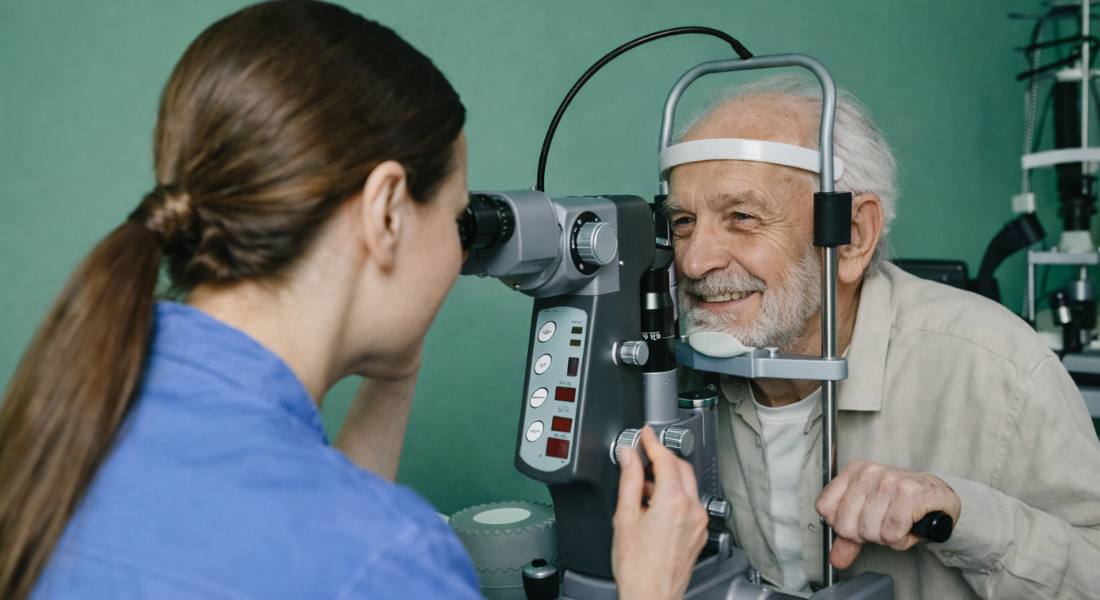
SLT is often recommended for people who are newly diagnosed with open-angle glaucoma. It can also be helpful for those who are already using eye drops but want to improve pressure control. Whether it’s suitable depends on the anatomy of your eye’s drainage system.
If you struggle with taking daily eye drops, SLT may be particularly useful. Many patients find it hard to stick to a strict medication routine, and the procedure can reduce reliance on these drops. This can make managing glaucoma much easier day to day.
Every case is assessed individually by your eye specialist. Tests and measurements determine whether SLT is the right option for you. Personalised assessment ensures the treatment is both safe and effective for your eyes.
Can SLT Replace Eye Drops?
For some patients, SLT can significantly reduce or even eliminate the need for daily eye drops. Others may still need drops, but often fewer than before. The results can vary depending on your eyes and the severity of your glaucoma.
It’s important to remember that SLT does not cure glaucoma. While it helps lower eye pressure, it cannot reverse any existing damage to the optic nerve. Regular monitoring is still essential to ensure your eyes remain healthy.
Many patients find the reduction in daily drops improves their quality of life. Fewer medications can make managing glaucoma feel less burdensome. Combined with ongoing care, SLT offers both practical and long-term benefits
How Much Pressure Reduction Does SLT Provide?
On average, SLT lowers eye pressure by around 20–30%. The exact reduction depends on your starting pressure and how your eyes respond. Some patients may experience an even greater decrease, while others see more modest results.
The effect of SLT builds gradually over several weeks. You shouldn’t expect dramatic changes immediately, so a little patience is required. This gradual improvement is normal and part of the healing process.
Regular monitoring helps track how well the procedure is working. Your eye specialist may make adjustments if needed to achieve optimal pressure control. Keeping up with follow-ups ensures the best long-term outcomes for your eyes.
How Long Do SLT Results Last?
SLT results usually last between one and five years, though the exact duration can vary from person to person. Some patients maintain good pressure control for even longer. Everyone’s eyes respond differently, so individual results may differ.
Over time, eye pressure can gradually rise again. In some cases, repeat treatment is possible to maintain control. Your specialist will assess whether another session is needed based on your response.
Regular follow-up appointments are crucial to spot any changes early. Long-term monitoring ensures your eye health remains protected. Staying on top of check-ups helps you get the most out of SLT over the years.
What Happens During the Procedure?
SLT is carried out in an outpatient setting, so you won’t need to stay overnight. Anaesthetic drops are used to numb your eye, and the procedure usually takes just five to ten minutes.
A special contact lens is placed on your eye to help focus the laser. Controlled pulses are then delivered to the drainage area, and you may notice brief flashes of light during treatment. The laser targets the tissue precisely without cutting or removing anything.
For most people, the procedure is painless. Some may experience mild discomfort for a short time, but it usually passes quickly. The quick and minimally invasive nature of SLT makes it a well-tolerated option for many patients.
Is SLT Safe?
SLT is generally considered very safe, and serious complications are uncommon. Most side effects are mild and temporary, resolving without intervention. This makes it a well-tolerated option for many patients.
Some people may experience short-term inflammation after the procedure. Occasionally, eye pressure can spike, but this is rare and closely monitored by your specialist. Most cases settle quickly with proper care.
The procedure follows strict safety protocols to ensure minimal risk. Laser settings are carefully controlled, and your eye is assessed before and after treatment. These measures help keep your eyes safe throughout the process.
Compared with surgical options, SLT has a favourable risk profile. Its minimally invasive nature makes it an attractive choice for patients who want effective pressure control with low complication rates.
What Are the Possible Side Effects?
Some patients may notice mild redness or irritation after SLT. These effects usually resolve within a few days. Your specialist may prescribe anti-inflammatory drops to help keep your eyes comfortable.
Temporary increases in eye pressure can occasionally occur. This is closely monitored during follow-up appointments to ensure it settles quickly. Most patients experience no lasting issues from this temporary change.
Serious complications are extremely rare, and overall, SLT is considered very safe. Understanding the possible side effects helps you feel prepared. With proper care and monitoring, the procedure is well tolerated by the majority of patients.
SLT and Eye Drops: A Side-by-Side Comparison
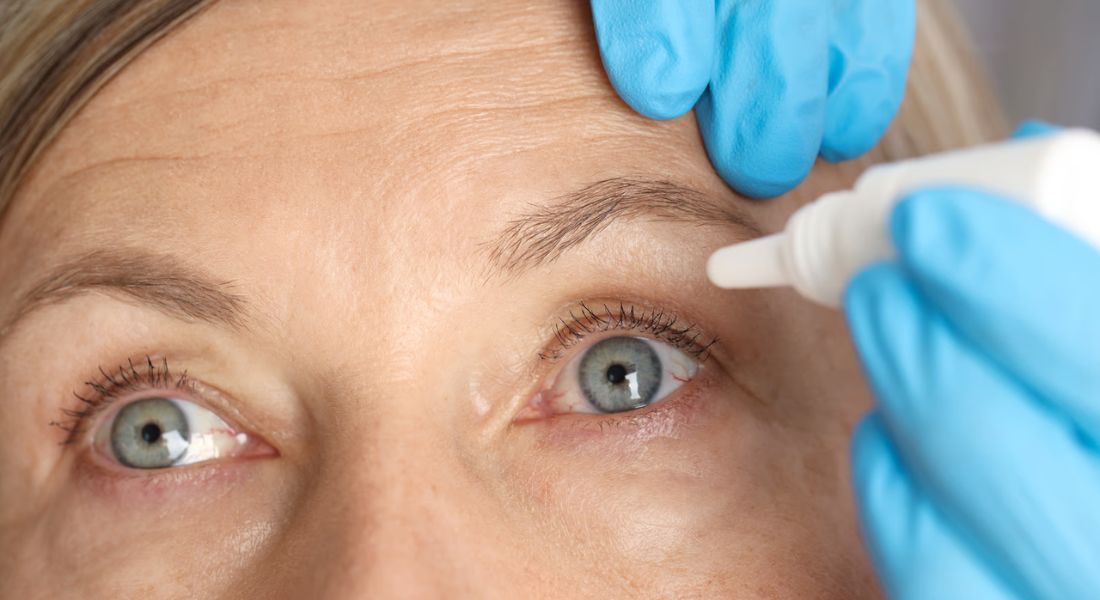
SLT can reduce your dependence on daily eye drops, offering a convenient one-off procedure rather than a continuous routine. While eye drops remain effective, they require daily adherence, and compliance issues are common for many patients. SLT side effects are usually short-term, whereas drops may cause ongoing mild irritation or dryness. Both options are reversible, but over time, SLT can be a simpler way to manage eye pressure without the hassle of daily medication.
| Factor | SLT | Eye Drops |
| Daily routine | No | Yes |
| Compliance issues | Minimal | Common |
| Side effects | Short-term | Ongoing |
| Cost over time | One-off | Continuous |
| Reversible | Yes | Yes |
SLT reduces dependence on daily administration. Drops remain effective but require adherence.
SLT vs Traditional Laser Procedures
If you’re considering laser treatment for glaucoma, it helps to understand how SLT differs from older techniques. Knowing these differences can give you confidence in the procedure and its safety profile. Modern approaches aim to control pressure while preserving the eye’s delicate tissues.
- SLT uses lower energy than older lasers: By targeting specific cells in the drainage system without heating surrounding tissue, SLT minimises damage and irritation.
- Older lasers caused thermal scarring: Traditional laser procedures created heat-induced tissue changes, which limited repeatability and increased the risk of complications.
- SLT’s selective mechanism preserves tissue: This selective approach allows the treatment to be repeated safely if needed, maintaining long-term effectiveness.
SLT is now widely preferred in modern glaucoma care due to its combination of safety and repeatability. You benefit from a procedure that controls pressure without unnecessary tissue damage. While results still require monitoring, the risk profile is lower than with older lasers. Understanding this helps you make informed choices about your treatment options.
When SLT Is Used as First-Line Treatment
SLT is increasingly being offered as a first-line therapy for glaucoma. Research shows it can provide similar pressure control to eye drops. Many patients value the reduced burden of daily medication.
Using SLT early in treatment may also improve adherence. The procedure is delivered once rather than requiring daily attention, though regular monitoring still continues. This can make managing glaucoma simpler and more convenient.
The move towards first-line SLT reflects evolving clinical practice. Evidence supports this approach, showing it can be safe, effective, and well tolerated. For the right patients, it’s becoming a preferred starting option
Can SLT Be Repeated?
If you’re considering SLT for glaucoma, you might wonder whether it can be done more than once. Unlike older laser procedures, SLT preserves tissue, which makes repeat treatments possible in many cases. Knowing how repeatability works helps you plan for long-term pressure control.
- SLT can sometimes be repeated safely: Because the procedure does not destroy tissue, your eye can tolerate another session if pressure rises again.
- Effectiveness may reduce slightly with each repetition: While repeat treatments often work, the degree of pressure reduction can be less than the initial session. Suitability is assessed individually by your clinician.
- Repeat treatment depends on eye drainage health: Not all patients respond equally to a second or third session. Your ophthalmologist uses clinical judgement to determine if another round is likely to help.
Repeatability is a major advantage of SLT, giving you more flexibility in long-term glaucoma management. You have options if pressure increases in the future, without immediately moving to more invasive treatments. This approach allows careful, staged control of your eye pressure. With the right guidance, SLT can remain an effective part of your treatment plan over time.
Recovery After SLT
Recovery from SLT is usually very quick. Most patients can return to normal activities on the same day, although vision may be slightly blurred for a short time. This temporary change is normal and resolves quickly.
Your specialist may prescribe anti-inflammatory drops for a brief period to keep your eyes comfortable. Follow-up checks are typically scheduled within a few weeks to monitor your response. These appointments ensure your pressure is being controlled effectively.
Since there are no incisions or stitches involved, recovery is straightforward. The minimally invasive nature of SLT allows you to get back to daily life almost immediately. Overall, it’s a simple and well-tolerated procedure.
Does SLT Prevent Surgery?
SLT can help delay or even reduce the need for glaucoma surgery. It’s a far less invasive option than traditional surgical procedures, and many patients achieve stable pressure control without further intervention. For suitable cases, it offers an effective way to manage glaucoma safely.
That said, SLT does not replace surgery in advanced or complex cases. Each stage of glaucoma requires an individualised approach, and some patients may still need surgical treatment down the line. Your specialist will tailor the plan to your specific condition.
The overall goal is to control eye pressure while minimising risk. SLT often achieves this for many patients, helping maintain eye health and delay more invasive procedures. It’s a useful tool in the wider management of glaucoma.
Who Benefits Most From SLT?

SLT is especially helpful for patients who are newly diagnosed and want early pressure control, as well as those who struggle with eye drops or find daily routines difficult. It’s also effective for people with mild to moderate glaucoma or ocular hypertension, offering preventive control. Individual suitability is confirmed through a thorough examination. Your eye’s anatomy plays a key role in how well SLT will work.
| Patient Type | Why SLT Helps |
| Newly diagnosed | Early pressure control |
| Drop intolerance | Reduces side effects |
| Compliance difficulty | Removes daily routine |
| Mild to moderate glaucoma | Strong response rates |
| Ocular hypertension | Preventive control |
Suitability is confirmed through examination. Individual anatomy matters.
Limitations of SLT
SLT does not cure glaucoma and may not be effective for everyone. Some patients will still require additional therapy or medications to keep eye pressure under control. It’s important to understand that it’s just one tool in managing the condition.
The results of SLT are not permanent, and eye pressure can gradually rise again over time. Regular monitoring is essential to detect any changes early and adjust treatment if needed. This helps ensure long-term protection for your eyes.
Being aware of these limitations prevents unrealistic expectations. SLT can significantly help manage glaucoma, but it isn’t a cure. Understanding its role allows patients to make informed decisions about their care.
Monitoring After SLT
Regular eye pressure checks continue after SLT to ensure the procedure is working effectively. Visual field tests and optic nerve imaging are still needed to monitor your glaucoma. Confirming stability over time is key to protecting your vision.
SLT does not eliminate the need for follow-up appointments. Glaucoma is a chronic condition, so ongoing care remains essential. Even after treatment, regular monitoring helps maintain long-term eye health.
Detecting any changes early can significantly improve outcomes. Staying on top of appointments allows your specialist to adjust treatment if needed. This proactive approach helps keep your vision safe for the future.
FAQs:
- What exactly is SLT and how doesitlower eye pressure?
SLT, or Selective Laser Trabeculoplasty, is a laser procedure designed to improve the natural drainage of fluid within the eye. It targets specific cells in the trabecular meshwork, the eye’s drainage system, without damaging surrounding tissue. By stimulating these cells, SLT encourages better fluid outflow, which gradually lowers intraocular pressure and helps protect the optic nerve from glaucoma-related damage. - Who is suitable for SLT treatment?
SLT is primarily recommended for patients with open-angle glaucoma or ocular hypertension. It is particularly useful for those newly diagnosed or for patients who struggle with daily eye drop routines due to compliance issues or intolerance. A detailed eye examination and assessment of the drainage system help determine whether SLT is a suitable option for each individual patient. - Can SLT completely replace glaucoma eye drops?
In some cases, SLT can significantly reduce or even eliminate the need for daily eye drops, although results vary between patients. While it can lower eye pressure effectively, it does not reverse existing optic nerve damage. Patients may still require monitoring and, in some instances, additional therapy to maintain target pressure over time. - How long does it take for SLT to work?
The effects of SLT develop gradually, typically over several weeks. Patients may notice minor improvements within a few days, but optimal pressure reduction usually takes a few weeks tostabilise. Regular follow-up appointments allow the clinician to monitor the response and adjust care as needed. - Is SLT safe and what are the risks?
SLT is generally considered very safe, with complications being uncommon. Some patients experience mild, temporary redness or irritation, and occasional short-term pressure spikes can occur. Anti-inflammatory drops may be prescribed to manage these symptoms, and serious complications are extremely rare. The selective nature of the laser ensures surrounding tissue is preserved, making repeat treatments possible if needed. - Can SLT be repeated if pressure rises again?
Because SLT does not destroy tissue, it can be repeated in patients who experience rising eye pressure after the initial treatment. Effectiveness may reduce slightly with subsequent procedures, so suitability is assessed on a case-by-case basis. Repeat treatments offer flexibility for managing long-term pressure control without immediate recourse to surgery. - How does SLT compare to traditional glaucoma laser treatments?
Unlike older laser techniques that create thermal scarring and permanent damage, SLT uses lower energy and selectively targets pigmented cells. This approach reduces tissue injury and improves safety, while still allowing for repeat treatments if necessary. Modern glaucoma management increasingly favours SLT for its minimal invasiveness and reduced risk of complications. - What should you expect during the SLT procedure?
SLT is performed as an outpatient procedure, typically taking five to ten minutes. Anaesthetic drops are applied to numb the eye, and a contact lens is used to focus the laser pulses on the drainage area. Patients may see flashes of light but usually experience little to no discomfort. After the procedure, most people can return to normal activities immediately, with mild blurring or irritation being temporary. - Does SLT prevent the need for glaucoma surgery?
SLT can delay or reduce the need for more invasive glaucoma surgery, as it effectively controls eye pressure in many patients. However, it is not a cure for glaucoma, and some individuals may eventually require surgical intervention if the disease progresses. The procedure serves as a less invasive option that can help manage pressure at an earlier stage. - How often will you need follow-up appointments after SLT?
Even after successful SLT, regular monitoring remains essential. Eye pressure checks, visual field tests, and optic nerve imaging continue to ensure stability. Glaucoma is a chronic condition, and ongoing care allows early detection of changes and timely intervention if required, protecting long-term vision.
Final Thought: SLT for Glaucoma
Selective Laser Trabeculoplasty (SLT) is a safe and effective option for many patients with open-angle glaucoma or ocular hypertension. While it does not cure glaucoma, it can lower eye pressure, reduce reliance on daily drops, and sometimes delay the need for more invasive surgery. Understanding how SLT works, what to expect during the procedure, and the importance of ongoing monitoring helps patients feel confident in their treatment decisions.
If you’re considering glaucoma treatment in London and want to understand whether SLT or other approaches might be suitable for you, you’re welcome to reach out to us at Eye Clinic London to book a consultation. Our team provides personalised guidance to help you manage your condition safely and effectively.
References:
- Sarenac, T., Bečić Turkanović, A., Ferme, P. and Gračner, T., 2022. A review of selective laser trabeculoplasty: “The hype is real”. Journal of Clinical Medicine, 11(13), 3879. https://www.mdpi.com/2077-0383/11/13/3879
- Chang, P.Y., Wang, J.Y., Wang, J.K., Huang, T.L. and Hsu, Y.R., 2021. Comparison of treatment outcomes of selective laser trabeculoplasty for primary openangle glaucoma and pseudophakic primary angleclosure glaucoma receiving maximal medical therapy. Journal of Clinical Medicine, 10(13), 2853. https://www.mdpi.com/2077-0383/10/13/2853
- Chen, K.Y., Chan, H.C. and Chan, C.M., 2025. What is the longterm efficacy and safety of selective laser trabeculoplasty in the management of primary openangle glaucoma? A systematic review and metaanalysis. Photodiagnosis and Photodynamic Therapy, 56, 104743. https://pubmed.ncbi.nlm.nih.gov/40782877/
- Gazzard, G., et al., 2024. Selective laser trabeculoplasty versus medical therapy for the treatment of openangle glaucoma or ocular hypertension: a systematic review and metaanalysis. https://pubmed.ncbi.nlm.nih.gov/39018052/
- Chen, K.Y., Chan, H.C. and Chan, C.M., 2025. Is selective laser trabeculoplasty effective in reducing intraocular pressure for primary angleclosure glaucoma? https://pubmed.ncbi.nlm.nih.gov/40172081/