


Can You Shower After Laser Eye Surgery?

After laser eye surgery, it is completely normal to wonder when you can return to everyday routines like showering. Although the procedure is quick and recovery is usually smooth, your eyes are still in a delicate healing phase. During this time, you may need to make small adjustments to your daily habits. Taking a little extra care early on helps protect your results.
Water exposure is one of the main concerns during the first stage of recovery. While tap water may seem harmless, it can contain bacteria and tiny irritants that your eyes are temporarily more sensitive to. Because of this, even simple activities like washing your face or hair require caution. Keeping water away from your eyes helps reduce the risk of irritation or infection.
Understanding when and how to shower safely can make your recovery much easier. With the right precautions, you can maintain your hygiene without affecting the healing process. Simple steps, such as avoiding direct water contact and keeping your eyes closed, can make a big difference. Following your surgeon’s advice will help ensure the best possible outcome for your vision.
Why Your Eyes Need Protection After Surgery
After laser eye surgery, the surface of your eye needs time to heal properly. During this period, your natural protective barrier is temporarily weakened. This means your eyes are more sensitive than usual. Taking extra care at this stage helps support safe and steady healing.
Even small exposures to irritants can affect your recovery. Water, dust, and skincare products may cause irritation or slow the healing process. You might not normally notice these factors, but your eyes are more vulnerable right now. Avoiding these exposures is especially important in the early days.
By protecting your eyes carefully, you can reduce the risk of infection and discomfort. Simple steps like using prescribed eye drops and following aftercare advice make a big difference. These measures help keep your recovery smooth and predictable. In turn, this supports the best possible visual outcome.
Why Water Is Not Completely Safe
Although water may look clean, it is not completely sterile. Tap water can contain small amounts of microorganisms that are usually harmless to healthy eyes. However, after surgery, your eyes are more sensitive and less protected. This makes even minor exposure more significant during the healing phase.
If water enters your eye, it can disturb the delicate surface that is still recovering. You might notice symptoms such as dryness, redness, or increased sensitivity. These effects are usually mild but can be uncomfortable. In rare cases, exposure to contaminated water may increase the risk of infection.
Avoiding direct contact with water is a simple but important precaution. Taking this step helps protect the healing surface of your eye. It also supports a smoother and more predictable recovery. By being careful, you help preserve the results of your surgery.
Can You Shower Immediately After Surgery?
After your procedure, it’s best to avoid showering on the same day. Your eyes are especially sensitive during the first 24 hours, and even small amounts of water or steam can cause discomfort or irritation. Giving your eyes time to settle helps protect the healing surface.
- Why you should wait: During the first day, your eye’s protective layer is still recovering. Exposure to water, steam, or shampoo can disrupt this process and lead to irritation. Avoiding a shower reduces this risk.
- How to stay clean safely: You can still freshen up by gently cleaning your face with a clean, damp cloth. Make sure you avoid the eye area completely to prevent accidental contact with water.
- When it is safe to shower: Most patients can safely shower after 24 hours, provided they keep water away from their eyes. Using a gentle approach helps protect your recovery.
- Reducing the risk of complications: Waiting just one day allows your eyes to stabilise. This simple precaution significantly lowers the chances of irritation or infection.
By following these steps, you can stay comfortable while ensuring your eyes heal safely and smoothly.
When Can You Safely Shower Again?
After your procedure, you can usually return to showering after about 24 hours. However, this doesn’t mean going straight back to your usual routine. Your eyes are still healing, so a more careful approach is important to avoid irritation.
- Timing your first shower: Most patients can safely shower the day after surgery. This short delay allows the eye surface to begin stabilising and reduces sensitivity.
- Protecting your eyes during showering: Keep your eyes closed throughout your shower. Try to avoid letting water run directly over your face, and use gentle, controlled movements to minimise any risk of exposure.
- Adjusting your routine: You may need to change how you wash your hair or face in the early days. Tilting your head back slightly and keeping products away from your eyes can help keep them protected.
- Following personalised advice: Your surgeon may give specific instructions based on your procedure and healing progress. It’s important to follow this guidance closely for the safest recovery.
By taking these precautions, you can return to showering comfortably while still protecting your eyes during the early healing period.
How to Position Yourself in the Shower
Your position in the shower can make a big difference to how well you protect your eyes. Try to face away from the direct stream of water whenever possible. This helps reduce the chance of water coming into contact with your eyes. Keeping your face turned slightly to the side can also help.
Tilting your head slightly backwards while washing your hair is another useful step. This allows water and shampoo to flow away from your face rather than towards your eyes. Taking your time with these movements can prevent accidental splashes. Small adjustments like this can make your routine much safer.
Being mindful of your posture helps you maintain good eye protection during recovery. It may feel unusual at first, but it quickly becomes more natural with practice. Over the first few days, you will find a position that feels comfortable and safe. These simple habits can help support a smooth healing process.
Washing Your Hair Without Risk

Washing your hair is often one of the main concerns after surgery. Shampoo can easily run into your eyes if you are not careful. This may cause stinging, irritation, or discomfort during the early healing period. Taking a cautious approach helps protect your eyes.
The safest method is to tilt your head backwards while rinsing your hair. This allows water and shampoo to flow away from your face rather than towards your eyes. You may also find it helpful to wash your hair separately from your face routine. This simple step adds an extra layer of protection.
Taking your time during this part of your routine is very important. Rushing can increase the likelihood of accidental splashes or contact with your eyes. Moving slowly and deliberately helps you stay in control. With a bit of care, you can keep your eyes safe while maintaining good hygiene.
Why Soap and Shampoo Must Be Avoided
Soap and shampoo contain ingredients that can irritate your eyes. After surgery, your eyes are more sensitive than usual, so even mild products may cause discomfort. What normally feels harmless can become quite irritating during the healing phase. Being cautious with these products is therefore important.
If soap or shampoo gets into your eyes, it can disturb the delicate surface that is still recovering. You may notice redness, a burning sensation, or temporary blurred vision. These symptoms can be uncomfortable and may slow the healing process. Avoiding contact helps your eyes recover more smoothly.
It is best to rinse carefully and keep all products away from your face as much as possible. Simple habits, such as tilting your head back and using gentle movements, can help prevent accidental exposure. Taking these precautions reduces the risk of irritation. Preventing the problem is much easier than dealing with discomfort afterwards.
The Impact of Steam and Heat
During the early recovery period, it’s important to be mindful of heat and steam from showers. Your eyes are still healing, and changes in temperature and moisture can make them feel more sensitive than usual. Taking a gentler approach helps keep you comfortable.
- How steam affects your eyes: Hot showers produce steam, which increases moisture around the eye area. This can sometimes lead to irritation or a feeling of discomfort while your eyes are still recovering.
- Effect of heat on the tear film: Heat can disrupt your tear film, which is essential for keeping your eyes lubricated. This may temporarily worsen dryness or make your eyes feel more sensitive.
- Why lukewarm water is better: Using lukewarm water instead of hot water helps reduce steam and keeps conditions more stable around your eyes. This simple adjustment can make a noticeable difference in comfort.
- Supporting a smoother recovery: Cooler, controlled shower conditions are generally more suitable during healing. Small changes like lowering the temperature can help protect your eyes and support recovery.
By keeping your showers gentle and avoiding excessive heat, you can reduce irritation and help your eyes heal more comfortably.
The First 48 Hours: Critical Care
The first two days after surgery are especially important for your recovery. During this time, your eyes are adjusting and the healing process has just begun. They are more sensitive and need extra protection. Being cautious at this stage helps reduce the risk of complications.
It is best to avoid unnecessary exposure to water, steam, or irritants. Try to keep your daily activities simple and controlled. This means avoiding long showers, hot environments, or anything that may strain your eyes. Giving your eyes a calm environment supports early healing.
These early precautions play a key role in the overall success of your treatment. The way you care for your eyes during this period can influence how smoothly you recover. Taking a careful approach now can make a noticeable difference later. It is a short but very important phase of healing.
The First Week: Building Safe Habits
During the first week after surgery, your eyes are still healing even if they begin to feel more comfortable. You may notice improvements in your vision, but sensitivity can remain. This is why consistent care is still very important. Continuing to follow your aftercare routine helps protect your progress.
It is best to avoid environments where water splashes or irritation are more likely. Places such as gyms, swimming pools, and shared bathrooms can increase the risk of exposure. Even indirect contact with water or sweat may affect your eyes. Being cautious in these settings helps prevent unnecessary complications.
By maintaining safe habits throughout the week, you support better long-term results. Small precautions taken each day can make a meaningful difference to your recovery. Your eyes will continue to stabilise over time. A careful approach helps keep the healing process smooth and predictable.
What If Water Accidentally Enters Your Eye?
Accidents can happen, even when you are being careful. If water enters your eye, try to stay calm and avoid panicking. In most cases, this does not lead to serious problems. Your eye may feel slightly irritated, but this is often temporary.
It is important not to rub your eye, even if it feels uncomfortable. Rubbing can disturb the healing surface and make irritation worse. Instead, use your prescribed eye drops to help soothe the area. These drops can support comfort and protect the eye during recovery.
Keep an eye on how your symptoms develop over the next few hours. Mild irritation usually settles on its own, but persistent discomfort should not be ignored. If you notice ongoing redness, pain, or vision changes, contact your clinic for advice. Getting early guidance helps prevent potential complications.
Signs of Irritation or Infection
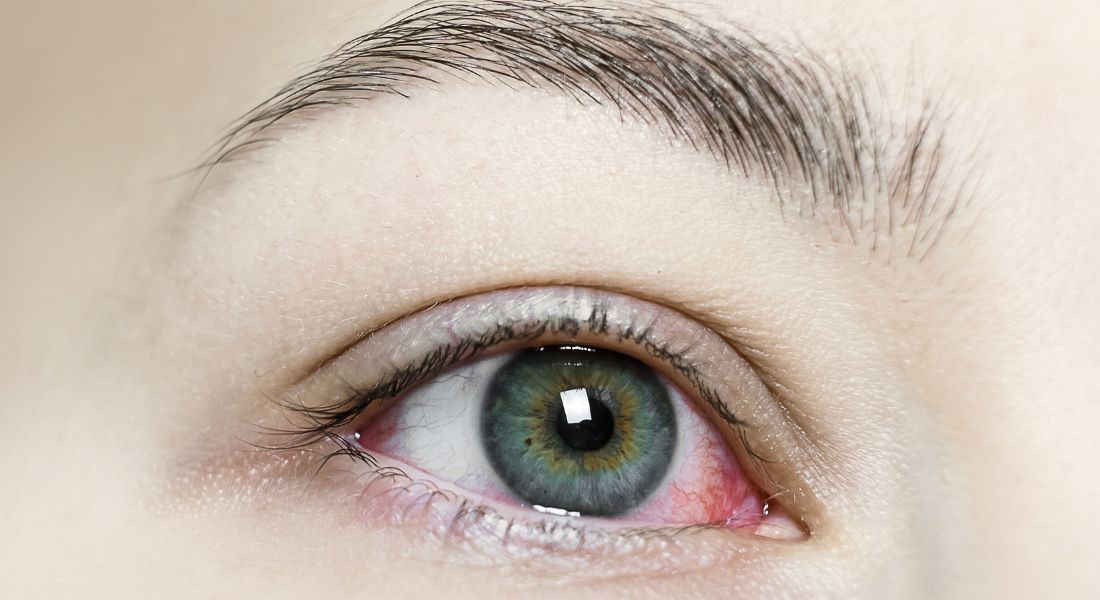
After surgery, it’s important that you stay aware of how your eyes feel. While mild discomfort can be normal, certain symptoms may indicate irritation or infection and should not be ignored. Recognising these early helps you act quickly and protect your recovery.
- Common warning signs to watch for: Redness, persistent pain, or unusual discharge can suggest irritation or infection. If these symptoms do not improve or begin to worsen, it’s important to seek medical advice.
- Changes in vision: If your vision becomes increasingly blurred rather than gradually improving, this may be a concern. Any noticeable decline in clarity should be checked by your eye specialist.
- Increased light sensitivity: Some sensitivity to light is normal early on, but a sudden increase or severe discomfort in bright environments may indicate a problem that needs attention.
- Why prompt action matters: Getting advice early allows any issues to be treated quickly and effectively. This helps prevent complications and supports a smoother recovery.
By staying alert to these signs and seeking help when needed, you can protect your eye health and ensure the best possible outcome from your surgery.
Protective Eyewear in the Shower
Some people choose to wear protective glasses while showering after surgery. This can add an extra layer of safety, especially during the early stages of recovery. If your shower has strong water pressure, it may help reduce the risk of water reaching your eyes. It is a simple precaution that can make your routine feel more controlled.
Although protective eyewear is not always necessary, it can offer reassurance. You may feel more confident knowing your eyes are shielded during washing. This added comfort can make it easier to follow your normal hygiene routine. Feeling secure often helps you stay consistent with your aftercare.
It is always a good idea to ask your surgeon whether this option is suitable for you. Recommendations can vary depending on your procedure and healing progress. Personalised advice ensures you are taking the right precautions. This helps you protect your eyes while recovering safely.
Differences Between LASIK and PRK Recovery
Recovery can vary depending on the type of laser eye surgery you have had. If you have undergone LASIK, healing is usually quicker because the surface of your eye recovers rapidly. You may be able to return to normal daily activities sooner, although some care is still needed. Even with faster recovery, it is important to follow all aftercare instructions.
If you have had PRK, the healing process tends to take longer. This is because the outer layer of the eye needs time to regenerate fully. During this period, your eyes may feel more sensitive, and precautions around water exposure are especially important. Taking extra care helps prevent irritation and supports proper healing.
Understanding which procedure you have had can help guide your recovery habits. Each method has slightly different requirements, so your care routine may vary. Following your surgeon’s advice is essential for the best outcome. This ensures your eyes heal safely and your vision improves as expected.
Can You Use Face Wash or Skincare Products?
Skincare products should be used with care after laser eye surgery. Many cleansers and moisturisers contain active ingredients that can irritate your eyes. Because your eyes are more sensitive during recovery, even mild products may cause discomfort. Taking a cautious approach helps protect the healing surface.
It is best to avoid applying any products close to your eyes in the early days. When washing your face, use gentle movements and keep a safe distance from the eye area. This reduces the chance of accidental contact or irritation. Being mindful during your routine can make a noticeable difference.
As your eyes continue to heal, you can gradually return to your usual skincare routine. Introduce products slowly and pay attention to how your eyes feel. If anything causes irritation, it is best to stop and allow more time for recovery. Prioritising safety at each stage helps ensure a smooth and comfortable healing process.
Avoiding Rubbing Your Eyes
After your surgery, it’s essential that you avoid rubbing your eyes at all times. During the healing period, the surface of your eye is more delicate than usual and can be easily disturbed. Even light pressure from rubbing can cause irritation or interfere with recovery. Being mindful of this habit helps protect your surgical results and supports proper healing.
- Why rubbing is risky: Rubbing can disrupt the healing surface of your eye and may lead to discomfort or inflammation. In some cases, it can even affect how well your eye recovers after the procedure.
- Common triggers to watch for: You may feel the urge to rub if your eyes feel itchy, watery, or slightly irritated. This is especially common after minor exposure to water or environmental factors.
- Safer ways to relieve discomfort: If your eyes feel uncomfortable, it’s better to use prescribed lubricating drops instead of touching them. Following your doctor’s advice helps manage symptoms safely.
- Developing a protective habit: Keeping your hands away from your eyes is a simple but important habit. Being aware of your actions reduces the risk of accidental rubbing during recovery.
By avoiding rubbing and handling your eyes with care, you give them the best chance to heal smoothly. Small precautions like this can make a significant difference to your comfort and long-term results.
Shower Duration and Timing
Keeping your showers short is safer during the early stages of recovery. Spending too long in the shower increases exposure to steam and moisture, which can irritate your eyes. A brief, controlled routine helps reduce this risk. It also makes it easier to stay mindful of your movements.
It is a good idea to choose a time when you are not rushed. When you have enough time, you can move carefully and avoid sudden or careless actions. A calm approach helps you maintain better control throughout your shower. This lowers the chance of water accidentally reaching your eyes.
Planning your shower in advance can make the process much safer. Simple steps, such as adjusting the water pressure and preparing your products beforehand, can help you stay organised. Being prepared allows you to focus on protecting your eyes. This reduces the risk of unnecessary exposure during recovery.
Long-Term Showering After Healing
Once your eyes have fully healed, you can return to your normal showering routine. At this stage, showering is safe again and you do not need to take special precautions. Water exposure is no longer a concern in the way it is during early recovery. Your eyes should feel comfortable and stable in everyday situations.
That said, continuing with gentle eye care is still beneficial. Avoid rubbing your eyes harshly or exposing them to strong chemicals where possible. These habits help maintain long-term comfort and protect your eye health. Small, mindful actions can make a lasting difference.
Many people find that the recovery process increases their awareness of eye care. You may become more conscious of how you treat your eyes in daily life. This awareness can help you maintain healthy habits over time. Looking after your eyes well supports clear and comfortable vision in the long run.
Common Mistakes to Avoid
After your surgery, it’s easy to overlook small habits that can affect your recovery. Many patients underestimate how important it is to protect their eyes from water exposure in the early days. Simple actions, such as splashing water on your face or rushing through a shower, can lead to irritation. Being aware of these risks helps you take better care of your eyes and supports a smoother healing process.
- Splashing water on your face: Even small amounts of water can enter your eyes and cause discomfort. Avoid direct splashes, especially when washing your face or hair.
- Rushing your shower routine: Moving too quickly can increase the chance of water accidentally reaching your eyes. Taking a slow and controlled approach helps minimise this risk.
- Using hot water or strong pressure: Hot water creates steam, and strong water pressure increases the force of exposure. Both can irritate sensitive eyes during recovery.
- Ignoring gentle care techniques: Not adjusting your routine can delay healing. Using lukewarm water and careful movements makes a noticeable difference.
By avoiding these common mistakes, you can protect your eyes and improve your overall recovery experience. Small, mindful changes in your daily routine go a long way in keeping your eyes comfortable and healthy.
Practical Tips for Daily Comfort

Keeping your eye drops within easy reach can make your recovery much smoother. Using them regularly helps keep your eyes hydrated and comfortable. They also support the healing process by protecting the surface of your eye. Making this a habit each day can reduce dryness and irritation.
Planning your daily routine can help you avoid unnecessary strain on your eyes. Simple steps, such as adjusting your shower position or taking breaks from screens, can make a difference. Staying consistent with these small precautions helps reduce the risk of discomfort. Over time, these habits become part of your normal routine.
If you ever feel unsure about your recovery, it is always best to ask your clinic for advice. Getting clear guidance can give you confidence and peace of mind. Your care team is there to support you at every stage. Following professional advice helps keep your recovery safe and steady.
When to Contact Your Eye Specialist
If you notice anything unusual during your recovery, it is important not to delay seeking advice. Persistent discomfort, increasing redness, or any changes in your vision should be checked. While mild symptoms can be normal, ongoing or worsening issues need attention. Acting early helps protect your healing eyes.
Your eye specialist can assess your recovery and guide you on the next steps. They may adjust your treatment or reassure you if everything is progressing as expected. This professional support ensures that any concerns are managed quickly. It also helps prevent minor issues from becoming more serious.
Staying in touch with your clinic throughout recovery provides reassurance and confidence. You know that help is available whenever you need it. Regular communication supports a smooth and steady healing process. It also helps you feel more comfortable as your vision improves.
FAQs:
- Can I shower the day after laser eye surgery?
Yes, most patients can shower after 24 hours. However, you need to be cautious and keep your eyes closed throughout. Avoid letting water run directly over your face. Following these precautions helps reduce irritation and supports healing. - What happens if water gets into my eyes after surgery?
If water accidentally enters your eye, it is usually not serious. You should avoid rubbing your eyes and use your prescribed eye drops to soothe any discomfort. Monitor for symptoms such as redness or irritation. If anything feels unusual, it is best to contact your clinic. - Can I wash my hair normally after laser eye surgery?
You can wash your hair, but you should do so carefully. Tilting your head backwards helps prevent shampoo and water from entering your eyes. It is important to take your time and not rush. This reduces the chance of irritation during recovery. - Is it safe to use soap or face wash after surgery?
It is best to avoid soap or face wash near your eyes in the early stages. These products can irritate the sensitive healing surface of your eye. You can still cleanse other areas of your face carefully. Just ensure that products are kept well away from your eyes. - Why is water exposure risky after laser eye surgery?
Tap water is not sterile and may contain microorganisms. After surgery, your eyes are more vulnerable to irritation and infection. Water can also disturb the healing layer of the eye. Avoiding exposure helps protect your surgical results. - Can I take a hot shower after laser eye surgery?
Hot showers are not recommended in the first few days. Steam and heat can increase dryness and discomfort in your eyes. Lukewarm water is a safer and more comfortable option. Keeping temperatures mild supports a smoother recovery. - How long should I avoid getting water directly in my eyes?
You should avoid direct water exposure for at least one week. This includes avoiding splashing water onto your face. Your eyes need time to stabilise and heal properly. Following this guidance reduces the risk of complications. - Do I need protective eyewear while showering?
Protective eyewear is not essential for everyone, but it can be helpful. It provides an extra layer of protection against accidental splashes. Some patients feel more confident using it during early recovery. You can ask your surgeon if it is suitable for you. - Can I go swimming after laser eye surgery?
Swimming should be avoided for at least 1–2 weeks after surgery. Pools, hot tubs, and natural water sources can contain bacteria. This increases the risk of infection while your eyes are healing. Your surgeon will advise when it is safe to return. - When can I return to my normal shower routine?
Most patients can return to their normal routine after a couple of weeks. By this stage, the surface of the eye has healed significantly. You can gradually resume your usual habits without concern. Continuing gentle eye care is still beneficial in the long term.
Final Thoughts: Safe Showering for a Smooth Recovery
Showering after laser eye surgery is perfectly manageable once you understand the right precautions. By giving your eyes time to heal and avoiding direct exposure to water, steam, and irritants, you can protect your results and reduce the risk of complications. Small adjustments to your daily routine, especially in the first week, make a significant difference in ensuring a comfortable recovery.
As your eyes heal, you will gradually return to your normal habits with confidence. Staying consistent with aftercare advice and attending follow-up appointments helps maintain clear and stable vision. If you’d like to find out whether laser surgery in London is suitable for you, feel free to contact us at Eye Clinic London to arrange a consultation.
References:
- Sánchez-González, J.M., Alonso-Aliste, F., Borroni, D., et al. (2024), One-year visual and refractive outcomes of transepithelial photorefractive keratectomy, Journal of Clinical Medicine. https://www.mdpi.com/2077-0383/13/20/6182
- García-González, M., Teus, M.A. and Hernández-Verdejo, J.L. (2020), Long-term follow-up safety and effectiveness of myopia refractive surgery, International Journal of Environmental Research and Public Health. https://www.mdpi.com/1660-4601/17/23/8729
- Juda, M., Bedliński, M., Roszkowska, A.M. and Wierzbowska, J. (2024), Clinical evaluation of corneal endothelial parameters following laser refractive surgery in myopic eyes, Journal of Clinical Medicine. https://pubmed.ncbi.nlm.nih.gov/38541890/
- Alsubhi, A.H., Alhindi, N., Abukhudair, A., et al. (2023), Safety and efficacy of laser refractive procedures: systematic review and meta-analysis, Journal of Cataract & Refractive Surgery. https://pubmed.ncbi.nlm.nih.gov/37436139/
- Edge, R. and Argáez, C. (2017), Laser eye surgery for vision correction: clinical effectiveness and guidelines, NCBI Bookshelf. https://www.ncbi.nlm.nih.gov/books/NBK488018/