


Why Do Some Patients Struggle After RLE Surgery?
If you’re considering RLE surgery in London, it’s encouraging to know that most patients achieve excellent visual outcomes. However, it’s equally important to acknowledge that a small number of individuals may experience a more challenging adjustment period. These difficulties are generally temporary and can be addressed with the right guidance, support, and patience. Understanding that variation in recovery is normal helps reduce anxiety before surgery and sets realistic expectations.
After the procedure, your visual system undergoes significant changes. Your eyes are healing from the surgery itself, and at the same time, your brain is learning to interpret the new visual signals provided by the artificial lenses. This dual adjustment can occasionally cause temporary discomfort, slight blurring, or unusual visual effects. Some patients may notice halos, glare, or difficulty focusing, especially during the early days of recovery. Recognising that these experiences are part of a normal adaptation process can help you manage them more calmly.
Knowing why these challenges occur allows you to approach recovery with confidence. By understanding that your brain and eyes are gradually adjusting to a new visual system, you can focus on following your clinician’s advice and performing recommended exercises or visual tasks. Patience, consistent eye care, and regular follow-ups often make these temporary difficulties easier to manage. Ultimately, this knowledge empowers you to track progress realistically and stay positive as your vision improves.
The Role of Neuroadaptation
One of the key reasons some patients notice changes after RLE is neuroadaptation. When you receive multifocal lenses, your brain has to get used to a completely new way of seeing. Instead of focusing on a single, clear image like your natural lens did, your visual system now receives multiple focal points at once. At first, this can feel a little unusual, especially during everyday activities like reading, driving, or using screens.
- Your brain processes multiple images simultaneously: Multifocal lenses create several focal points so you can see clearly at different distances. Initially, your brain sees overlapping images, which can feel confusing or slightly blurry.
- Filtering and prioritising takes time: Over the first few weeks, your brain starts to learn which image to focus on for each task. This filtering process is what gradually brings clarity and comfort to your vision.
- Everyday tasks may feel different at first: Activities like looking at a menu, reading a book, or glancing across a room can feel unusual while your brain adjusts. This is completely normal and part of the neuroadaptation process.
- Improvement comes gradually: Most patients notice steady improvement within a few weeks. As your brain adapts, images become clearer, and everyday vision feels more natural.
With patience and consistent use, neuroadaptation allows your brain and lenses to work together seamlessly, giving you the full benefit of your new vision.
Unrealistic Expectations
Sometimes, challenges with adaptation happen because patients expect perfect vision immediately after RLE. Even though the surgery is highly effective and provides excellent long-term results, your eyes and brain require time to adjust to the new lenses. It’s important to remember that vision immediately after surgery may not reflect the final outcome. Small fluctuations in clarity or comfort are common in the early stages.
Early visual disturbances such as slight blur, halos around lights, or temporary glare are entirely normal and part of the eye’s natural healing process. These changes don’t indicate a problem with the surgery or the lenses. Understanding that your visual system is recalibrating can prevent unnecessary worry or stress. By anticipating these temporary effects, you can approach recovery with more confidence and patience.
When you accept that improvement is gradual, it becomes easier to stay positive throughout the adaptation period. Each day often brings small but noticeable gains in clarity and comfort. Keeping realistic expectations helps you appreciate these incremental improvements rather than feeling frustrated by minor fluctuations. Over time, your vision will stabilise, and you’ll enjoy the full benefits of RLE with greater ease and satisfaction.
Sensitivity to Visual Changes
Some individuals are naturally more sensitive to changes in their vision. Even minor differences in clarity, brightness, or focus can feel very noticeable and sometimes uncomfortable during the early days after RLE. This heightened awareness is completely normal and doesn’t indicate any issue with the surgery itself.
This sensitivity can make the adaptation process seem slower or more challenging, as you may pay closer attention to small imperfections that others might hardly notice. Activities like reading, driving at night, or focusing on fine details may feel slightly off at first. Recognising that this is a normal response can help reduce anxiety and frustration.
Over time, the brain gradually becomes less aware of these small changes. Neuroadaptation allows your neural pathways to filter out unnecessary visual information, making your vision feel smoother and more stable. Most patients find that what felt distracting initially becomes virtually unnoticeable as the weeks progress.
Anxiety and Overthinking

Feeling anxious or overly focused on your vision after RLE can actually make adjustment feel more difficult. When you constantly monitor your eyesight, even minor fluctuations or temporary visual effects can seem more pronounced than they really are.
This heightened awareness may make halos, glare, or slight blur feel more distracting, which can interfere with your brain’s natural adaptation process. Overthinking these changes can also affect your overall comfort and confidence during recovery.
By consciously relaxing and trusting that neuroadaptation takes time, you allow your brain to adjust more efficiently. Maintaining a calm mindset often leads to smoother progress and a more comfortable experience as your vision gradually stabilises.
Healing Variations
Every patient’s recovery after RLE is unique, and the speed of healing can vary from person to person. While some people notice stable vision within a few days, others may take several weeks for their eyes to fully adjust. Understanding that these differences are completely normal can help you feel more at ease during the recovery process.
- Recovery times differ for everyone: Factors like age, overall eye health, and the type of lenses used can influence how quickly your eyes stabilise. Some patients experience rapid improvement, while others notice gradual changes over several weeks.
- Temporary visual disturbances are common: During slower healing, you might notice mild blurring, light sensitivity, or fluctuations in vision. These effects are usually temporary and part of your eyes’ natural adjustment process.
- Sensitivity to light may occur: Bright lights or glare can feel more intense in the early stages of healing. Wearing sunglasses and avoiding prolonged exposure to bright light can make this more comfortable.
- Vision continues to improve over time: Even if your vision isn’t perfect immediately, your eyes are still healing and adapting. Most visual disturbances resolve naturally as your eyes stabilise and your brain becomes accustomed to the new lenses.
Being aware of these variations helps set realistic expectations and reduces stress during recovery. With time, patience, and proper care, your vision will continue to improve and stabilise.
Multifocal Lens Adjustment
Multifocal lenses are designed to provide clear vision at near, intermediate, and distance ranges, which makes them more complex for your visual system than monofocal lenses. Because they create multiple focal points simultaneously, your brain needs time to learn how to select the correct one for each task.
Initially, this can feel unusual or even a little confusing, especially if you’re not accustomed to frequently switching focus between different distances. You might notice slight blur, halos, or ghosting during the first days or weeks as your brain sorts through the multiple images.
With regular use and exposure to everyday activities like reading, using a computer, or walking outdoors your brain gradually adapts. Over time, selecting the appropriate focus becomes automatic, and vision feels smooth, natural, and comfortable across all distances.
Halos and Glare
Seeing halos around lights or experiencing glare is a common phenomenon in the early stages after RLE with multifocal lenses. These visual effects are often most noticeable at night or in dimly lit environments, such as when driving or walking under streetlights.
They happen because the lens splits light into multiple focal points, and your brain is still learning to prioritise the most relevant image. Initially, this can make bright lights appear surrounded by a ring or cause a soft glare.
As neuroadaptation progresses, your brain becomes more efficient at filtering out the less relevant signals. Most patients find that halos and glare diminish considerably within a few weeks to months, eventually allowing clear and comfortable vision even in challenging lighting conditions.
Night Vision Difficulties
During the first few weeks after RLE with multifocal lenses, you may notice that driving or navigating in low-light conditions feels different from before. Dim lighting challenges your brain’s ability to filter and prioritise the multiple images created by the lens, which can make visual effects like halos or glare seem more noticeable.
These early difficulties are a normal part of the adaptation process and don’t indicate a problem with your surgery. You might feel less confident at night, and it’s natural for visual tasks in low light to require more attention initially.
Gradually, as your brain becomes accustomed to the lens, night vision improves. Repeated exposure in safe conditions, combined with patience, allows your visual system to interpret light more efficiently, resulting in clearer and more comfortable vision after dark.
Residual Refractive Error
Sometimes, even after successful RLE, a small residual prescription may remain. This means your vision might not be perfectly sharp at all distances right away. While these minor imperfections are usually subtle, you may notice them during the early stages of adaptation, particularly when focusing on fine details or reading.
- Small prescription remnants are normal: A tiny amount of residual refractive error can occur, even when the surgery goes smoothly. This may slightly affect your clarity at near, intermediate, or distance vision.
- Early visual differences may feel noticeable: You might perceive mild blur, soft focus, or occasional difficulty seeing small text or distant objects. These effects are often more apparent in the first few weeks after surgery.
- Corrective options are available if needed: If the residual prescription affects your daily activities, your clinician can recommend options such as minor laser touch-ups or temporary corrective lenses to fine-tune your vision.
- Ongoing monitoring ensures optimal results: Your eye care professional will track your recovery and advise on any adjustments. Most patients find that minor residual errors become less noticeable as their eyes and brain adapt over time.
With careful follow-up and a bit of patience, residual refractive errors rarely cause long-term issues, allowing your vision to stabilise and reach its best potential.
Brain Processing Speed
The speed at which your brain processes visual information has a big impact on how quickly you adapt to multifocal lenses after RLE. Some individuals naturally adjust faster because their neural pathways are more efficient at selecting the relevant image from multiple focal points.
If your brain takes longer to interpret the new visual signals, you might notice temporary inconsistencies such as mild blur, ghosting, or difficulty switching focus between distances. This is a normal part of the adaptation process and doesn’t indicate any problem with the surgery or the lens itself.
Over time, as your brain becomes more familiar with the visual input, processing becomes faster and more automatic. Eventually, your vision stabilises, and you experience smooth, effortless focus at all distances.
Lifestyle Factors
The way you use your eyes in daily life can significantly affect how quickly your brain adapts after RLE with multifocal lenses. People who frequently alternate between near tasks, like reading or using a phone, and distance activities, like driving or walking outdoors, often experience a smoother and faster adaptation.
Conversely, a limited range of visual activity such as spending long periods only on close-up tasks can slow the brain’s learning process. Your neural pathways need varied input to practise selecting the correct focal point efficiently.
By maintaining a balanced routine that includes near, intermediate, and distance tasks, you give your brain plenty of opportunities to adjust. Regular engagement in these activities helps accelerate adaptation and leads to more comfortable, natural vision.
Previous Visual Habits
If you’ve worn glasses for many years, switching to lens-based vision after RLE can feel a little unusual at first. Your brain has grown accustomed to the way your eyes worked with corrective lenses, and now it has to adapt to seeing in a new way. This adjustment period is completely normal and part of the overall neuroadaptation process.
- Your brain is used to a certain visual pattern: Years of wearing glasses create habits in how your eyes and brain focus. With multifocal lenses, those familiar patterns are replaced with a new system, which can feel strange at first.
- Trusting your new vision takes time: Initially, you might feel unsure or second-guess your eyesight, especially during activities that require precise focus like reading or driving. These feelings are temporary and improve as your brain recalibrates.
- Practice helps your brain adapt: Regularly using your eyes for daily tasks reading, looking at screens, or walking around helps your brain learn the new visual signals more efficiently. Over time, this practice builds confidence in your new vision.
- Adjustment becomes smoother over weeks: As your brain becomes familiar with the lenses, your vision starts to feel natural and effortless. Most patients notice their comfort and confidence steadily increase during this period.
With consistent use and patience, your brain will gradually embrace this new way of seeing, and your vision will feel stable and reliable without the need for glasses.
Dry Eye Symptoms
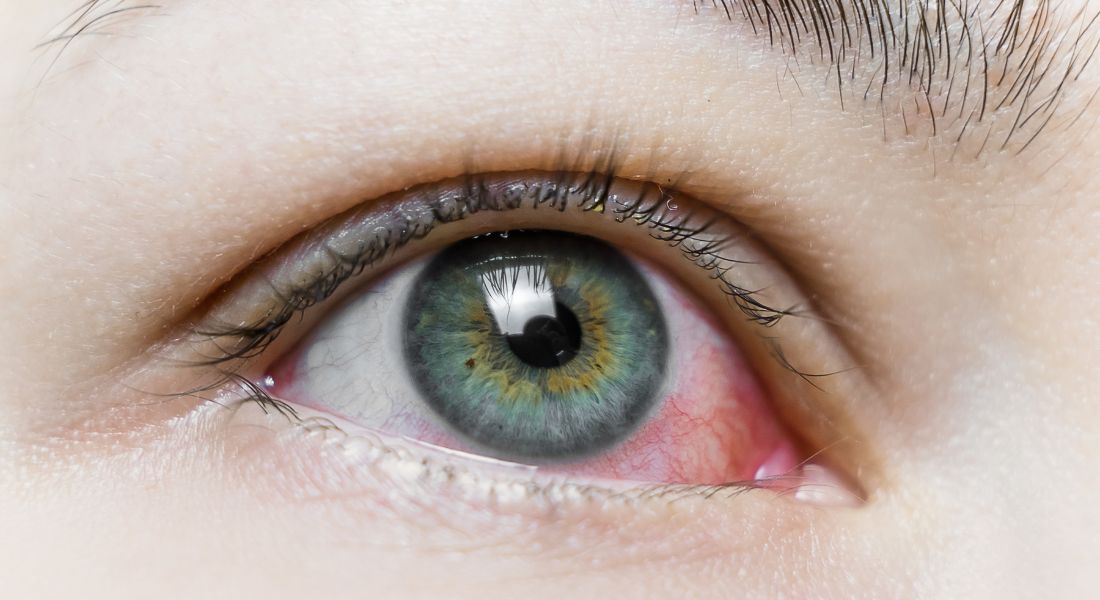
Dry eyes are a common experience following RLE surgery and can temporarily affect how clearly you see. You might notice that your vision seems to fluctuate throughout the day, or that your eyes feel slightly scratchy or gritty, especially when reading or using screens. This is part of the normal healing process as your ocular surface recovers.
These symptoms can make it a bit more challenging for your eyes to work comfortably, and you may feel that your vision isn’t as consistent as it will eventually be. Activities that require sustained focus, such as driving or detailed work, can feel slightly less sharp during this time. Understanding that these sensations are temporary can help you remain patient.
Regular use of prescribed lubricating eye drops, along with following your clinician’s aftercare instructions, usually manages these symptoms effectively. Staying hydrated and taking short breaks during visually demanding tasks also supports healing and comfort, helping your eyes adjust more smoothly.
Dominant Eye Adjustment
Your dominant eye naturally influences how you perceive the world, often taking the lead in focusing and processing visual information. After RLE, this balance between your eyes can feel slightly altered, especially in the early stages of adaptation.
Your brain must recalibrate how both eyes work together to achieve proper depth perception and clarity. This temporary imbalance may make certain tasks, like judging distances or coordinating hand-eye movements, feel a little unusual at first.
With time and normal visual activity, your brain gradually restores equilibrium between the eyes. Most patients notice that depth perception and overall clarity return to a comfortable, natural state as neuroadaptation progresses.
Lighting Conditions
Different lighting conditions can have a noticeable impact on how your vision feels after lens surgery. Bright sunlight, dim indoor lighting, or varying contrast levels all require your eyes and brain to work slightly differently. These changes can feel a little unusual at first, especially while your eyes are still adapting to the new lens. Understanding this can help you remain patient during the early adjustment period.
Your brain needs time to learn how to process these variations with the new lens in place. You might notice small inconsistencies, such as slight glare, halos around lights, or changes in focus between bright and dim environments. These effects are usually temporary and improve as your visual system adapts.
As your eyes and brain adjust over the following days and weeks, your vision becomes more stable across different lighting conditions. Most patients find that any initial sensitivity or fluctuations gradually fade. With time, your eyes can handle a wide range of environments comfortably, giving you clearer and more reliable vision in daily life.
Fatigue and Eye Strain
Feeling tired can make visual symptoms more noticeable after lens surgery. When your eyes are fatigued, your brain has to work harder to process images and adjust to the new lens. This extra effort can make small imperfections in vision, such as blurriness or light sensitivity, feel more pronounced. Recognising this early can help you manage your expectations during the adaptation phase.
Eye strain is especially common after long periods of focus, such as reading, using a computer, or looking at screens. Your visual system is still learning to coordinate with the new lens, which can make sustained focus feel more tiring than usual. You might notice mild headaches or a feeling of heaviness around the eyes. These symptoms are typically temporary as your eyes adjust.
Taking regular breaks and resting your eyes can significantly reduce discomfort. Simple strategies like the 20-20-20 rule looking away every 20 minutes at something 20 feet away can help. Using good lighting and avoiding prolonged screen exposure when possible also supports recovery. With these habits, most patients find that eye strain diminishes as their vision stabilises.
Follow-Up Importance
Regular follow-up visits after RLE are an important part of ensuring a smooth recovery and optimal vision. These appointments allow your clinician to monitor how your eyes are healing and how your brain is adapting to the new lenses. Attending them helps catch any issues early and gives you a chance to ask questions or raise concerns.
- Track your progress: Your clinician can check how your vision is stabilising, identify any minor issues, and confirm that your eyes are healing as expected. This ongoing assessment helps ensure the best possible outcome.
- Discuss difficulties and receive guidance: If you notice blurring, halos, or challenges with near or night vision, your follow-up appointments are the perfect time to talk about them. Your clinician can provide reassurance and explain whether what you’re experiencing is normal.
- Adjustments or advice can help: In some cases, small adjustments such as temporary corrective lenses, lifestyle recommendations, or minor treatments can make a significant difference in comfort and clarity.
- Boosts confidence during recovery: Knowing that your progress is being closely monitored helps reduce anxiety and allows you to focus on adapting to your new vision. Regular check-ins provide both practical support and peace of mind.
Staying consistent with follow-up visits ensures that your recovery stays on track and gives you the best chance of enjoying clear, comfortable vision with your new lenses.
Temporary vs Long-Term Issues
Most visual changes or discomfort after RLE are temporary and part of the normal healing process. Your eyes and brain need time to adapt to the new lens, which can cause minor blurriness, light sensitivity, or halos in the early days. Recognising that these symptoms are expected can help you stay calm and patient during recovery.
It’s important to distinguish between short-term discomfort and potential long-term problems. Temporary issues usually improve as your eyes adjust, whereas long-term concerns are rare but may require professional attention. Your clinician will monitor your progress through follow-up appointments and advise if any intervention is needed.
Understanding the difference between what is normal and what needs attention can reduce unnecessary worry. Being informed allows you to enjoy the benefits of your new vision with confidence. With proper guidance and routine monitoring, most patients experience smooth recovery and long-lasting, clear vision.
Managing Expectations
Having realistic expectations is one of the most important factors for a smooth experience after RLE surgery. Understanding that your vision will not be perfect immediately helps you stay patient and reduces anxiety. Recovery is a gradual process, and your eyes and brain need time to adjust to the new lens.
Small improvements over days and weeks are a positive sign that your visual system is adapting properly. You might notice clearer vision each day, even if subtle blurriness or glare is present at first. It’s normal for your eyesight to change slightly during this period as your brain learns to work with the new lens.
Adopting this mindset can greatly improve your overall satisfaction with the procedure. By focusing on gradual progress rather than expecting instant perfection, you can appreciate each improvement along the way. Patients who approach surgery with realistic expectations tend to feel more confident and happy with their results.
Support and Guidance
Your clinical team plays a vital role in helping you through recovery after RLE surgery. They are there to provide reassurance, answer your questions, and offer practical advice on caring for your eyes. Knowing you have professional support available can make the early stages of recovery feel much less daunting.
If you notice anything unusual or feel unsure about your vision, speaking openly with your surgeon or clinic staff is very important. Often, small adjustments or simple solutions like specific eye drops or changes in your daily routine can make a big difference. Sharing your experiences helps your team provide the best possible guidance tailored to your needs.
Having support in place makes the adaptation process far easier to manage. It allows you to focus on rest and healing without unnecessary worry. Many patients find that knowing help is available whenever needed increases confidence and contributes to a smoother, more comfortable recovery.
When to Seek Help

While mild visual changes and temporary discomfort are common after RLE, it’s important to know when to reach out for professional advice. If your symptoms feel severe, worsen, or don’t improve over time, you shouldn’t wait to seek help. Early intervention can make a significant difference and prevent minor issues from becoming more serious.
- Persistent discomfort or vision problems: If you experience ongoing blurriness, pain, unusual light sensitivity, or difficulty seeing clearly, contact your clinician. These signs may indicate that your eyes need closer assessment.
- Early assessment is effective: Addressing concerns promptly often allows your clinician to provide simple solutions or adjustments, helping you get back to comfortable, clear vision more quickly.
- Professional guidance ensures safety: Your eye care professional can determine whether additional treatment, minor corrections, or reassurance is needed. This ensures that your recovery stays on track and that you feel confident in your vision.
- Don’t hesitate to ask questions: Even if you’re unsure whether your experience is normal, reaching out is always the best approach. Open communication with your clinician supports both your eye health and peace of mind.
Recognising when to seek help ensures that any issues are managed quickly, helping you enjoy the full benefits of your new lenses safely and confidently.
Long-Term Adaptation
Once the adaptation process is complete, most patients enjoy stable and comfortable vision throughout the day. Your brain becomes highly efficient at processing the images coming through the new lens, which makes your vision feel natural and effortless. This stage marks the point where your visual system has fully adjusted to the changes from surgery.
At this stage, any early visual disturbances such as slight glare, halos, or blurriness are usually minimal or completely gone. You can see clearly at multiple distances, whether you’re reading, working on a screen, or looking at objects far away. The new lens allows your eyes to function smoothly without constant adjustment or strain.
Achieving long-term adaptation is the ultimate goal of RLE surgery. With regular follow-up appointments and proper eye care, this stability can last for many years. Most patients find that once this phase is reached, their vision feels reliable, clear, and comfortable in everyday life.
Confidence Building
As your vision begins to stabilise, confidence naturally grows. Trusting your eyesight is a crucial part of the adaptation process, because the more relaxed and assured you feel, the easier it is for your brain to adjust to the new lenses. Constantly checking or testing your vision can actually slow this process, so it’s better to allow your eyes and brain to settle naturally.
- Trust your new vision: Accepting that your eyes are in the process of adjusting helps reduce anxiety and encourages smoother neuroadaptation. The more you rely on your eyesight without second-guessing, the quicker your brain learns to prioritise the correct images.
- Avoid over-testing: Frequently squinting, measuring, or comparing your vision can create tension and make minor imperfections feel more noticeable than they really are. Giving your eyes space to adjust allows your brain to adapt more efficiently.
- Celebrate small improvements: Every little step forward clearer text, reduced glare, easier night vision is a sign that your visual system is adapting. Noticing and appreciating these gains builds reassurance and motivation.
- Patience and trust accelerate adaptation: Confidence, combined with patience, encourages a natural, steady adjustment period. Over time, your brain will align fully with your lenses, and your vision will feel comfortable and reliable.
By cultivating trust and patience, you make the adaptation process smoother, helping your vision reach its full potential with minimal stress.
Individual Recovery Journeys
Every patient’s recovery experience after RLE surgery is unique. Some people notice clear vision almost immediately, while others take a few days or even weeks to fully adjust. These differences are completely normal and depend on how your eyes and brain adapt to the new lens.
Your recovery journey is influenced by a combination of factors, including your eye health, neural adaptation, and daily habits. Lifestyle elements such as screen time, reading, or outdoor activities can also affect how quickly your vision feels natural. Understanding that everyone’s timeline is different can help you avoid unnecessary worry or comparisons with others.
Being aware of these individual variations helps you stay patient and focused on your own progress. By following your surgeon’s advice and allowing your eyes the time they need, you give yourself the best chance for a smooth and successful recovery. Most patients find that, with time, their vision stabilises and feels comfortable in everyday life.
FAQs:
- Why do some patients struggle after RLE surgery?
Some patients face temporary challenges because their brain and eyes need time to adjust to new visual signals, especially with multifocal lenses. This period of neuroadaptation can make vision feel unusual at first. Most issues resolve as the brain learns to filter and prioritise images. - How long does it usually take to adjust after RLE surgery?
Adjustment varies between individuals. Most patients notice improvement within a few weeks, but full adaptation may take up to three months. Factors like age, lifestyle, and visual habits influence the timeline. - Are halos and glare normal after RLE surgery?
Yes, halos, glare, or mild ghosting are common in the early stages, particularly in low-light conditions. They occur as the brain adapts to interpreting the new lens. These effects usually decrease over time. - Can dry eyes affect my recovery after RLE?
Dry eyes are common after surgery and can cause temporary fluctuations in vision or discomfort. Using prescribed eye drops and following aftercare instructions helps manage these symptoms. Vision generally stabilises as your eyes heal. - Why does night vision feel different after surgery?
Nighttime conditions make it harder for the brain to filter visual information, which can increase the perception of halos or glare. Gradual exposure to dim lighting helps the brain adapt. Over time, night vision typically improves. - Do multifocal lenses require more adaptation than monofocal lenses?
Yes, because multifocal lenses create multiple focal points for near, intermediate, and distance vision. The brain must learn to select the correct focus, which can take time. Monofocal lenses usually require less adaptation. - Can anxiety or overthinking affect adaptation?
Worrying about visual changes can make symptoms feel worse and slow the adaptation process. Staying relaxed and trusting the recovery period helps your brain adjust more efficiently. Most patients adapt successfully with patience. - What role does lifestyle play in recovery?
Daily activities that involve switching between near and distance vision support adaptation. Regular use of your eyes, such as reading or walking outdoors, trains your brain to process new visual input. Limiting activity may slow the adjustment. - How do previous visual habits affect adjustment?
If you’ve relied on glasses for many years, adapting to lens-based vision can feel unfamiliar. Your brain needs time to recalibrate to this new way of seeing. With practice, your vision usually becomes comfortable and natural. - When should I contact my clinician about post-RLE difficulties?
If symptoms are severe, persistent, or worsen over time, it’s important to seek advice. Early assessment can address concerns and ensure proper healing. Your clinician can guide any necessary adjustments to support your recovery.
Final Thoughts: Supporting Your Adjustment After RLE Surgery
It’s important to understand that experiencing some difficulties after RLE surgery is completely normal and generally temporary. The adjustment period occurs because your eyes and brain are learning to work together with the new lens, particularly if you have multifocal lenses. Visual changes such as halos, glare, or slight blur are common in the early stages, but they usually improve as your brain gradually adapts to the new way of seeing. Knowing this can help you stay calm, manage expectations, and approach recovery with patience.
Active engagement in everyday visual tasks plays a key role in speeding up adaptation. Reading, walking outdoors, using digital devices, and switching between near and distance tasks all help your brain learn to filter and prioritise images efficiently. Following aftercare advice, using prescribed eye drops for dry eyes, and taking regular breaks to prevent eye strain can make the adjustment period much more comfortable. Consistency in using your eyes normally gives your visual system the best chance to stabilise quickly. If you’d like to find out whether RLE surgery in London is suitable for you, feel free to contact us at Eye Clinic London to arrange a consultation.
References:
- Trojacka, E., Przybek‑Skrzypecka, J., Skrzypecki, J., Szaflik, J.P. & Izdebska, J. (2026) ‘Current trends in presbyopia correction a comprehensive review’, Journal of Clinical Medicine, 15(1), p.215. https://www.mdpi.com/2077-0383/15/1/215
- Hannan, S.J., Schallhorn, S.C., Venter, J.A., Teenan, D. & Schallhorn, J.M. (2023) ‘Immediate sequential bilateral surgery in refractive lens exchange patients: clinical outcomes and adverse events’, Ophthalmology, 130(9), pp. 924–936. https://www.sciencedirect.com/science/article/pii/S0161642023002798
- Alió, J.L., Grzybowski, A., El Aswad, A. & Romaniuk, D. (2014) Refractive lens exchange, Survey of Ophthalmology, 59(6), pp. 579–598. https://pubmed.ncbi.nlm.nih.gov/25127929/
- Abdelghany, A.A. & Alió, J.L. (2014) ‘Surgical options for correction of refractive error following cataract surgery’, Eye and Vision, 1, p.2. https://pmc.ncbi.nlm.nih.gov/articles/PMC4604120/
- Khoramnia, R. & Naujokaitis, T. (2024) ‘Functional outcomes after refractive lens exchange with implantation of a glistening‑free diffractive trifocal intraocular lens’, American Journal of Ophthalmology. https://www.sciencedirect.com/science/article/pii/S0002939424003519