


Retinal Detachment Symptoms: Early Signs You Should Never Ignore
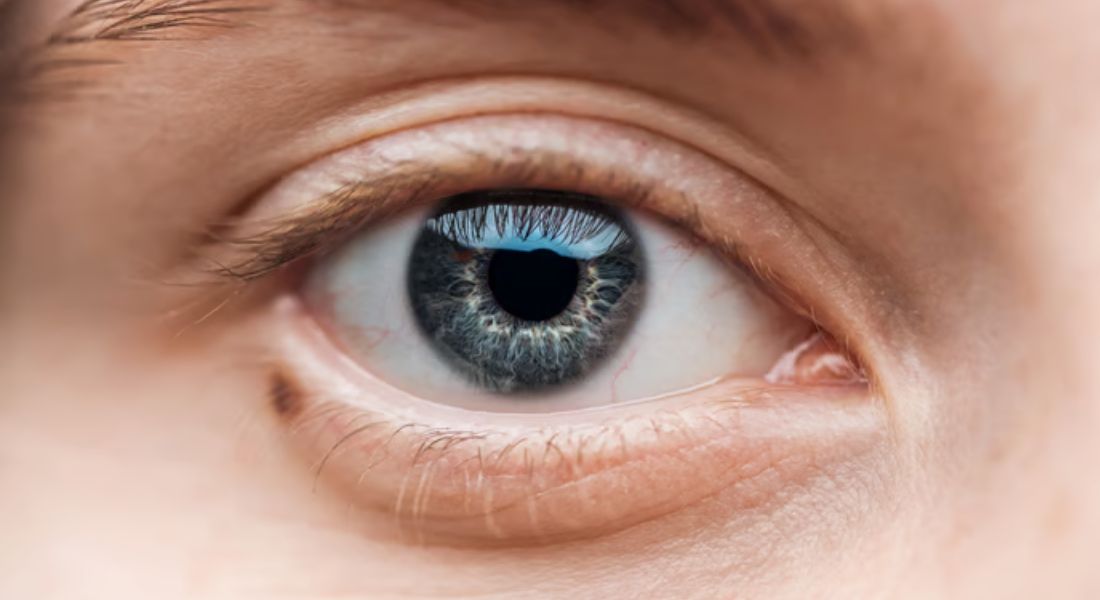
Retinal Detachment is a serious eye condition that can lead to permanent vision loss if it is not treated quickly. It happens when the retina separates from the back of your eye, preventing it from functioning properly. This separation stops the retina from receiving the oxygen and nutrients it needs, which can quickly affect your vision.
In many cases, the condition does not begin with dramatic symptoms. You may first notice subtle changes, such as a few new floaters or occasional flashes of light. These early signs are often easy to dismiss, but they can indicate that the retina is under stress or beginning to pull away.
Recognising these warning signs early allows you to act without delay. Prompt assessment and treatment significantly improve your chances of preserving your sight. Knowing what to look for helps you respond quickly and take the right steps to protect your vision.
What Is Retinal Detachment?
Retinal detachment occurs when the retina lifts away from the underlying tissue at the back of your eye. The retina plays a crucial role in capturing light and sending visual signals to your brain. When it becomes detached, this process is disrupted, and your vision can be affected. The condition can develop quickly and worsen without treatment.
- Disruption of normal vision: As the retina separates, it cannot function properly. You may notice blurred vision, shadows, or missing areas in your sight.
- Progressive vision loss: If left untreated, the detachment can spread, affecting a larger portion of your retina. This can lead to increasing loss of vision over a short period.
- Urgent need for treatment: Retinal detachment is a medical emergency. Treatment often involves surgery to reposition and secure the retina back in place.
- Importance of early detection: The sooner the retina is reattached, the better the chances of preserving your vision. Delaying treatment can result in permanent damage.
If you notice sudden changes such as flashes, floaters, or a curtain-like shadow in your vision, you should seek immediate medical care. Acting quickly can make a critical difference in protecting your eyesight.
Why Retinal Detachment Is an Emergency
Retinal Detachment is considered a medical emergency because it can lead to permanent vision loss if not treated quickly. Your retina depends on a constant supply of oxygen and nutrients to function properly. When it detaches, this supply is disrupted, and the affected area can no longer work as it should.
Without prompt treatment, the retinal cells begin to deteriorate. This damage can become permanent within a short period, which is why timing is so important. The sooner you seek care, the better the chances of preserving your vision.
Emergency treatment focuses on reattaching the retina and restoring its function. Acting quickly can significantly improve your recovery and long-term outcome. Any delay increases the risk of lasting vision impairment, so it is essential to treat symptoms as urgent and seek immediate medical attention.
Early Warning Signs to Watch For
The early symptoms of Retinal Detachment can be subtle, which is why they are sometimes overlooked. You might notice a few new floaters drifting across your vision or brief flashes of light, especially at the edges of your sight. These changes can appear suddenly, even if your vision seemed normal before.
For some people, the symptoms develop gradually, with floaters becoming more noticeable over time. Others experience a more abrupt change, such as a sudden cluster of floaters or frequent flashes. These signs are often linked to changes in the vitreous gel, such as Posterior Vitreous Detachment, which can sometimes lead to retinal stress or tears.
Paying attention to these early warning signs is essential. Even minor or occasional symptoms should not be ignored, especially if they are new or increasing. Seeking prompt assessment allows any underlying issue to be identified early, helping to prevent progression and protect your vision.
Sudden Increase in Floaters

A sudden increase in floaters is one of the most important warning signs to watch for. You may notice dark spots, threads, or cobweb-like shapes appearing quickly and in larger numbers than usual. This change can feel quite noticeable and should never be ignored. These symptoms are often linked to changes inside your eye.
- Changes in the vitreous gel: Floaters develop when the vitreous gel shifts or forms small clumps. This commonly happens with age or during posterior vitreous detachment.
- Pulling on the retina: As the vitreous moves, it can tug on the retina. In some cases, this traction may lead to a retinal tear, which can progress if not treated.
- Early warning of more serious issues: A retinal tear can be an early stage of retinal detachment. Recognising symptoms early gives you the best chance of preventing further damage.
- Need for urgent assessment: If you notice a sudden increase in floaters, you should seek medical advice straight away. Waiting for symptoms to settle on their own can delay important treatment.
Prompt evaluation is essential. Acting quickly helps protect your vision and ensures that any underlying problem is identified and managed as early as possible.
Flashes of Light in Vision
Flashes of light often occur alongside Retinal Detachment. You may notice them as brief streaks, sparks, or flickers, usually appearing at the edges of your vision rather than directly in front of you. They can be more noticeable in dim lighting or when you move your eyes.
These flashes happen when the retina is mechanically stimulated. As the vitreous gel inside your eye shifts, it can pull on the retina and trigger signals that your brain interprets as light. This is commonly linked to changes such as Posterior Vitreous Detachment.
If flashes become frequent, persistent, or suddenly increase, they should be taken seriously. They can be a warning sign of a retinal tear, which may progress if left untreated. Seeking prompt assessment helps identify the cause early and reduces the risk of complications.
A Shadow or Curtain Over Vision
One of the most serious warning signs of Retinal Detachment is the appearance of a shadow or curtain moving across your vision. You may notice it starting at the edge of your sight and gradually spreading inward. It can block part of your vision or, in more advanced cases, affect most of what you see.
This shadow represents the area where the retina has lifted away from the back of your eye. As the detachment progresses, the affected portion of your vision becomes darker or disappears. The change may feel sudden or develop over a short period, but it often worsens if left untreated.
This symptom requires immediate medical attention. It is a clear indication that the retina is no longer functioning properly in that area. Delaying treatment can lead to permanent vision loss, so seeking urgent care as soon as you notice these changes is essential to protect your sight.
Blurred or Distorted Vision
You may notice that your vision becomes blurred or distorted, making it harder to focus clearly. Straight lines might appear wavy, bent, or uneven, and objects may not look as sharp as they usually do. These changes can interfere with everyday tasks such as reading or recognising details.
This happens when the retina is no longer properly aligned against the back of your eye. As a result, the signals sent to your brain become distorted, affecting how you perceive images. These symptoms can be associated with Retinal Detachment, particularly if they appear alongside flashes or floaters.
Blurred or distorted vision should never be ignored, especially if it develops suddenly. It can be an early sign that something is affecting the structure of your retina. Seeking prompt evaluation helps identify the cause and allows for timely treatment to protect your vision.
Sudden Loss of Peripheral Vision

A sudden change in your peripheral (side) vision is an important warning sign that should never be ignored. You may notice difficulty seeing objects to the side, even though your central vision still seems clear. This change can develop quickly and may feel subtle at first. Peripheral vision loss is often linked to changes in the outer parts of the retina.
- Early effect on side vision: As retinal detachment begins, it typically affects the outer areas of the retina first. This is why your side vision may be impacted before your central vision.
- Gradual spread of vision loss: The affected area can slowly expand, causing a shadow or missing section in your visual field. Without treatment, this may progress further.
- Changes can be easy to miss: Because your central vision may remain intact initially, you might not notice the problem straight away. Paying attention to your full field of vision is important.
- Need for prompt evaluation: Any sudden loss or change in peripheral vision should be assessed urgently by an eye specialist. Early detection improves the chances of preserving your sight.
If you experience any change in your side vision, seek medical attention without delay. Acting quickly can make a significant difference in preventing further vision loss.
Risk Factors for Retinal Detachment
Certain factors can increase your risk of developing Retinal Detachment. These include ageing, high myopia (strong short-sightedness), and a history of eye surgery. Eye trauma can also play a role, as it may cause sudden changes in the vitreous gel and place stress on the retina.
If you have already experienced retinal detachment in one eye, the likelihood of it occurring in the other eye is higher. A family history of retinal problems can also increase your risk. Many of these factors are linked to natural changes such as Posterior Vitreous Detachment, which can sometimes lead to retinal tears or detachment.
Regular eye examinations are essential, especially if you fall into a higher-risk group. These checks help monitor changes before symptoms become severe. By staying aware of your risk and seeking early assessment when needed, you can reduce the chance of complications and better protect your long-term vision.
The Role of Ageing in Retinal Changes
Ageing is one of the most common factors affecting your retinal health. Over time, the vitreous gel inside your eye naturally becomes more liquid and less stable. These changes are a normal part of ageing, but they can influence how the structures inside your eye behave.
As the vitreous shifts, it can lead to a condition called Posterior Vitreous Detachment. In many cases, this is harmless, but sometimes it can place traction on the retina and cause small tears. If left untreated, these tears can develop into Retinal Detachment.
Understanding these age-related changes helps you stay alert to early symptoms such as new floaters or flashes of light. Regular eye examinations become increasingly important as you get older. With early monitoring and prompt care when needed, you can reduce the risk of serious complications and protect your vision.
High Myopia and Increased Risk
High myopia, or severe short-sightedness, increases your risk of developing Retinal Detachment. In this condition, your eye is longer than usual, which stretches the retina and makes it thinner and more fragile over time.
Because of this stretching, small retinal tears can develop more easily, especially during natural changes in the vitreous gel such as Posterior Vitreous Detachment. These tears can sometimes progress if they are not detected early, which is why the risk of complications is higher in people with high myopia.
If you have high myopia, it is important to be especially aware of symptoms such as new floaters, flashes of light, or any changes in your vision. Regular eye examinations are essential for monitoring your retinal health. Early detection and prompt care play a key role in preventing serious problems and protecting your long-term vision.
Eye Injuries and Trauma
Eye injuries can sometimes lead to serious complications, including retinal detachment. Trauma may cause the retina to tear or separate from the underlying tissue, which can affect your vision. Even injuries that seem minor at first can have significant effects inside the eye. Symptoms do not always appear straight away, so ongoing awareness is important.
- Risk of retinal damage: A direct impact or sudden force can cause a retinal tear. If untreated, this may progress to retinal detachment and lead to vision loss.
- Delayed onset of symptoms: You might not notice any changes immediately after an injury. Flashes, floaters, or blurred vision can develop hours or even days later.
- Importance of monitoring your vision: After any eye injury, pay close attention to changes such as new floaters, flashes, or shadows in your vision. These signs may indicate internal damage.
- Need for prompt medical assessment: Seeking professional evaluation after trauma helps detect problems early. Early diagnosis reduces the risk of complications and protects your sight.
Protecting your eyes and acting quickly after an injury can make a significant difference. If you notice any changes in your vision, it’s always safest to have your eyes checked without delay.
Previous Eye Surgery
Certain eye surgeries can slightly increase your risk of developing Retinal Detachment. Procedures such as cataract surgery may alter the structure of your eye, including the vitreous gel and its relationship with the retina. These changes can occasionally place additional stress on the retinal surface.
It is important to remember that most eye surgeries are very safe and performed routinely with excellent outcomes. However, a small level of risk still exists, particularly as the eye continues to heal and adapt. Changes such as Posterior Vitreous Detachment may occur after surgery, which is why monitoring is essential.
You should report any new symptoms, such as flashes, floaters, or changes in vision, without delay. Regular follow-up appointments allow your doctor to detect early signs of any problem. With proper observation and timely care, potential complications can be managed effectively, supporting a smooth and safe recovery.
How Retinal Tears Develop
Retinal tear is often the stage that comes before a more serious problem such as retinal detachment. It occurs when a small break forms in the retina, allowing fluid to pass underneath it. This fluid can gradually lift the retina away from its normal position, leading to separation if not treated. In the early stages, symptoms may be subtle or easy to overlook.
- Formation of small retinal breaks: A tear can develop when the vitreous gel pulls on the retina, especially during age-related changes. This creates an opening where fluid can seep through.
- Progression to detachment: Once fluid passes beneath the retina, it can begin to separate from the underlying tissue. This process can happen quickly, increasing the risk of vision loss.
- Mild or early symptoms: You may not notice severe symptoms at first. Some people experience flashes or floaters, while others may not detect any change until the condition progresses.
- Importance of early treatment: Detecting a tear early allows for treatment, often using laser therapy to seal the break. This prevents fluid from spreading underneath and reduces the risk of further complications.
Recognising the early signs and seeking prompt care is essential. Treating a retinal tear early can stop it from progressing and help protect your long-term vision.
Diagnosis and Eye Examination

A detailed eye examination is essential to diagnose Retinal Detachment. Your doctor will carefully examine the back of your eye using specialised instruments designed to assess the retina and surrounding structures. This allows them to identify any areas of concern, such as tears or detachment.
Dilating eye drops are usually used to widen your pupils, giving a clearer and more complete view of the retina. In some cases, additional imaging tests may be carried out to provide a more detailed picture. These scans help confirm the diagnosis and assess the extent of the problem.
This thorough examination is crucial for planning the right treatment. Early and accurate diagnosis improves your chances of a successful outcome. By identifying the issue promptly, your doctor can choose the most appropriate approach to protect and restore your vision.
Treatment Options Available
Treatment for Retinal Detachment usually involves a procedure to reattach the retina and restore its function. The exact approach depends on how advanced the detachment is and whether there are any associated tears.
In earlier stages, less invasive treatments such as laser therapy or freezing (cryotherapy) may be used to seal a retinal tear and prevent further progression. More advanced cases may require surgical repair to reposition and secure the retina. Your specialist will choose the most appropriate method based on your specific condition.
Acting quickly makes a significant difference. Early treatment is generally more straightforward and has a higher chance of success. Delaying care can reduce the effectiveness of treatment and increase the risk of permanent vision loss. Prompt action is key to protecting your sight.
Recovery and Long-Term Outlook
Recovery after retinal detachment varies depending on how severe the detachment was and how quickly you received treatment. Some people regain good, functional vision, while others may notice lasting changes such as reduced sharpness or areas of missing vision. Acting early gives you the best chance of a positive outcome. Your recovery continues well beyond the initial treatment.
- Influence of timing and severity: The sooner the retina is treated, the better the chances of restoring vision. More extensive detachments or delays in care can lead to more noticeable long-term effects.
- Importance of follow-up appointments: Regular check-ups allow your specialist to monitor healing and ensure the retina remains stable. These visits also help detect any new issues at an early stage.
- Watching for new symptoms: Even after successful treatment, you should stay alert for flashes, floaters, or changes in vision. These may indicate new retinal changes that need prompt attention.
- Protecting your eyes long term: Avoiding eye strain, heavy impact, or injury helps support recovery. Following your doctor’s advice on activity and eye care is essential for maintaining results.
With proper care and monitoring, many people maintain stable vision after treatment. Long-term follow-up and healthy eye habits play a key role in preserving your eyesight and preventing future complications.
Preventing Retinal Detachment
While not all cases of Retinal Detachment can be prevented, there are several steps you can take to reduce your risk. Regular eye examinations are one of the most important. These appointments allow your eye specialist to detect early changes in the retina before they develop into more serious problems.
Managing underlying conditions such as high myopia is also essential. When your eye is more elongated, the retina can become thinner and more vulnerable to damage. Being aware of natural changes like Posterior Vitreous Detachment can help you recognise when symptoms need attention.
Protecting your eyes from injury is another key part of prevention. Even minor trauma can affect the delicate structures inside your eye. Most importantly, knowing the warning signs such as flashes, floaters, or a shadow in your vision helps you act quickly. Prevention and early detection work together to safeguard your long-term vision.
FAQs:
- What are the first signs of retinal detachment?
The earliest signs often include flashes of light and a sudden increase in floaters. You might also notice small changes in your vision, such as blurring or distortion. These symptoms can appear suddenly or develop over time. It’s important to have them checked promptly. - Is retinal detachment painful?
No, retinal detachment is usually painless. This is why it can sometimes go unnoticed in the early stages. You are more likely to notice visual changes rather than physical discomfort. Any sudden change in vision should always be taken seriously. - How quickly does retinal detachment progress?
Retinal detachment can progress very quickly, sometimes within hours or days. As more of the retina separates, vision loss increases. Early treatment significantly improves the chances of recovery. Delaying care can lead to permanent damage. - Can retinal detachment heal on its own?
No, retinal detachment does not heal without treatment. Medical intervention is always required to repair the retina. Without treatment, vision loss can become permanent. Seeking urgent care is essential. - When should you go to A&E for retinal symptoms?
You should seek urgent medical attention if you notice a sudden increase in floaters, frequent flashes, or a shadow or curtain over your vision. These are key warning signs of retinal detachment. Acting quickly can protect your sight. Do not wait to see if symptoms improve. - Are floaters always a sign of retinal detachment?
No, floaters are very common and are often harmless. However, a sudden increase in floaters especially when combined with flashes can indicate a retinal tear or detachment. This is why any new or worsening symptoms should be assessed. It’s always better to be cautious. - Who is most at risk of retinal detachment?
You may be at higher risk if you have high myopia, have had previous eye surgery, or have experienced eye trauma. Ageing also increases the likelihood. A family history of retinal detachment can be another factor. Regular eye checks are especially important if you fall into these groups. - Can retinal detachment be prevented?
Not all cases can be prevented, but you can reduce your risk. Regular eye examinations help detect early changes. Protecting your eyes from injury and managing conditions like myopia are also important. Awareness of symptoms allows for early action. - What happens if retinal detachment is left untreated?
If left untreated, retinal detachment can lead to permanent vision loss. The longer the retina remains detached, the greater the damage. In severe cases, blindness can occur. This is why urgent treatment is critical. - How is retinal detachment treated?
Treatment usually involves surgical procedures to reattach the retina. This may include laser treatment, freezing therapy, or more advanced surgery depending on the severity. The goal is to restore the retina’s position and function. Early treatment offers the best outcomes.
Final Thoughts: Acting Quickly Can Save Your Sight
Retinal detachment is a serious condition where timing truly matters. While early symptoms like flashes and floaters can seem minor, they may be the first warning signs of a developing problem. Recognising these changes and seeking prompt medical attention can make a significant difference in preserving your vision.
Acting early allows for faster diagnosis and more effective treatment, often preventing long-term damage. Delays, on the other hand, can lead to permanent vision loss. Staying aware of your symptoms and not dismissing sudden changes is one of the most important steps you can take to protect your eye health. If you’re exploring whether eye doctor in London could benefit you, get in touch with us at Eye Clinic London to schedule your consultation.
References:
- Feltgen, N. and Walter, P. (2014) ‘Rhegmatogenous retinal detachment an ophthalmologic emergency’, Deutsches Ärzteblatt International, 111(1–2), pp. 12–22. https://pmc.ncbi.nlm.nih.gov/articles/PMC3898283/
- Nixon, T.R.W., Davie, R.L. and Snead, M.P. (2024) ‘Posterior vitreous detachment and retinal tear: a prospective study of community referrals’, Eye, 38(4), pp. 786–791. https://pubmed.ncbi.nlm.nih.gov/37798362/
- Gishti, O., van den Nieuwenhof, R., Verhoekx, J. and van Overdam, K. (2019) ‘Symptoms related to posterior vitreous detachment and the risk of developing retinal tears: a systematic review’, Acta Ophthalmologica, 97(4), pp. 347–352. https://pubmed.ncbi.nlm.nih.gov/30632695/
- Jalali, S. (2003) ‘Retinal detachment’, Community Eye Health Journal, 16(46), pp. 25–26. https://pmc.ncbi.nlm.nih.gov/articles/PMC1705859/
- ‘Retinal detachment’ (2010) BMJ Clinical Evidence. https://pmc.ncbi.nlm.nih.gov/articles/PMC2907822/