


Recurrent Chalazion: Why Does It Keep Coming Back?
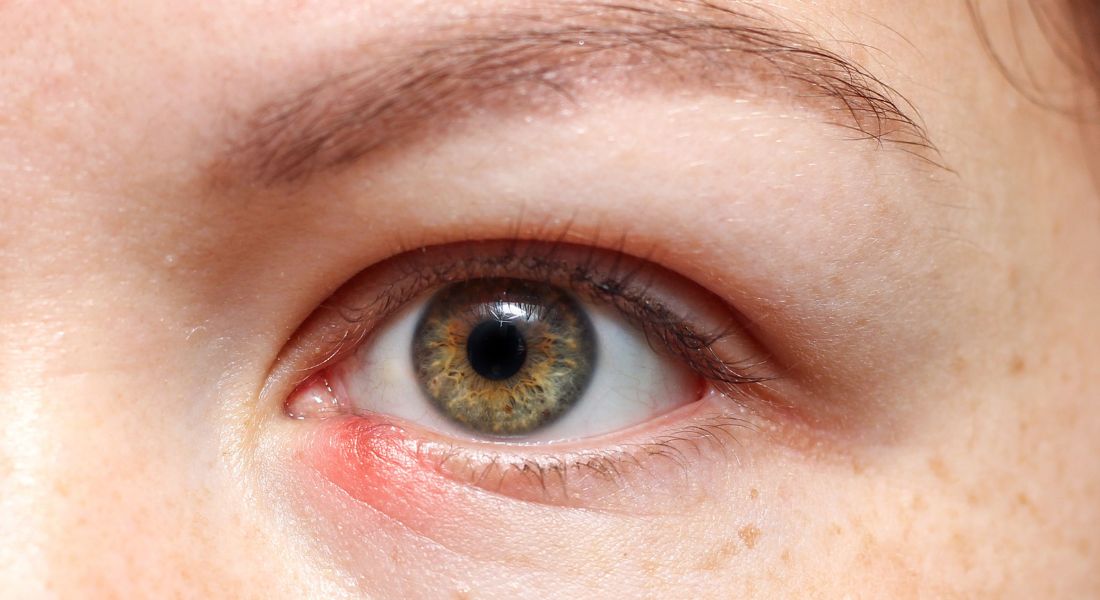
If you have experienced a chalazion that keeps returning, you are not alone. Many patients feel frustrated when a lump disappears only to reappear weeks or months later. Recurrent chalazia can be distressing, especially when they affect appearance and comfort.
A chalazion forms when a meibomian gland becomes blocked and inflamed. While most resolve with simple care, some patients develop repeated episodes. Understanding why this happens is the first step toward preventing future recurrences.
In this guide, we explain the common causes behind recurrent chalazia. We also explore long-term management strategies and when specialist assessment becomes necessary. Most importantly, we help you understand how to break the cycle.
What Is a Chalazion?
A chalazion is a firm lump that develops within your eyelid when one of the oil-producing glands becomes blocked. These glands, known as meibomian glands, play an important role in keeping your tear film stable and your eyes comfortable. When a gland becomes obstructed, oil builds up inside it and triggers localised inflammation. This leads to the rounded swelling you can see or feel.
Unlike a stye, a chalazion is not typically caused by infection. It usually develops gradually over days or even weeks and is often painless, particularly in the early stages. You may simply notice a small, firm lump beneath the skin of your eyelid. Without treatment, the swelling can persist for several weeks or longer.
Although many chalazia eventually settle on their own, repeated episodes suggest there may be an underlying issue. Gland dysfunction, chronic eyelid inflammation, or skin conditions can all contribute. Identifying and managing the root cause is essential for long-term relief. If the underlying problem is not addressed, the lump is more likely to return.
Why Some Chalazia Become Recurrent
If your chalazia keep returning, there is usually a chronic underlying issue rather than simple bad luck. Your meibomian glands may be producing thicker oil than normal, which makes blockages more likely. When oil cannot flow freely, it builds up and triggers repeated inflammation. This cycle can continue if the root cause is not addressed.
Recurrent blockage often means the gland function has not fully normalised. Even if a lump shrinks or disappears, the gland opening may still be partially compromised. That makes it easier for oil to accumulate again in the same area. Over time, you may notice lumps forming in similar spots.
To understand recurrence properly, you need to look beyond the visible swelling. The real focus should be on improving long-term gland health and reducing inflammation. Treating only the lump itself is often not enough to prevent it from coming back. A broader, preventative approach gives you better long-term control.
The Role of Meibomian Gland Dysfunction
Meibomian gland dysfunction is one of the most common reasons your chalazia keep coming back. In this condition, your eyelid glands produce thicker, stickier oil that does not flow smoothly onto the eye surface. When the oil becomes sluggish, it blocks the gland openings more easily. This creates the perfect environment for repeated swelling and inflammation.
You may also notice symptoms of dry eye alongside recurring lumps. Your eyes might feel irritated, gritty, or tired, and your vision may fluctuate during the day. These symptoms often occur together because healthy oil flow is essential for a stable tear film. When the glands are not working properly, both dryness and chalazia can develop.
Managing gland dysfunction is key to breaking the cycle. Simply treating each lump as it appears will not solve the underlying issue. Improving oil quality and encouraging proper gland flow through consistent care makes a significant long-term difference. When you focus on gland health, recurrence becomes far less likely.
Chronic Blepharitis as an Underlying Cause
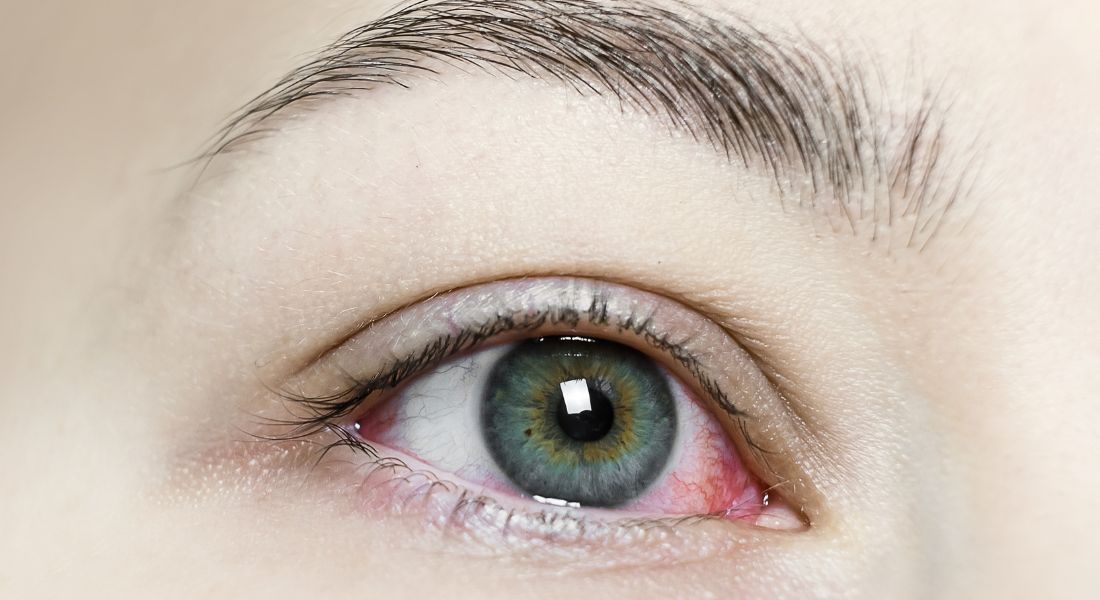
Blepharitis is a chronic inflammation of your eyelid margins that can quietly contribute to recurrent chalazia. It creates a cycle of irritation and bacterial imbalance along the lash line. This ongoing inflammation makes it easier for your meibomian glands to become blocked. Over time, that blockage increases the likelihood of repeated lumps.
If you have blepharitis, you may notice crusting around your lashes, redness along the lid edges, or persistent itching and irritation. These symptoms often fluctuate, improving for a while and then flaring up again. Without proper treatment, they rarely disappear completely. The constant low-grade inflammation interferes with normal gland function.
Controlling blepharitis is essential if you want to reduce chalazion recurrence. Regular eyelid hygiene, including gentle cleansing and warm compresses, plays a central role. In some cases, additional medical treatment may be recommended to calm inflammation. When you address the problem at its source, you significantly lower the risk of repeated episodes.
The Influence of Rosacea
Ocular rosacea can significantly increase your risk of developing recurrent chalazia. This inflammatory skin condition affects the oil glands not only on your face but also along your eyelids. When inflammation becomes chronic, your meibomian glands are more likely to malfunction. As gland function worsens, blockage and swelling become more frequent.
If you experience persistent facial redness, flushing, or skin sensitivity, rosacea may be playing a role. Your eyelid glands can become chronically unstable, producing poor-quality oil that does not flow properly. This creates a repeated cycle of obstruction and inflammation. You may notice that chalazia return despite careful eyelid hygiene.
Treating rosacea can significantly improve your eyelid health. A combined dermatological and ophthalmic approach is often the most effective strategy. Managing underlying inflammation helps restore gland stability and reduce recurrence. When you control the root cause, you lower the likelihood of future episodes.
Hormonal Factors and Oil Production
Hormones play a bigger role in your eyelid health than you might realise. Changes in your hormonal balance can influence how your oil glands behave, particularly the meibomian glands along your eyelid margins. When oil production shifts, it can affect the quality and flow of these secretions. Over time, this may increase your risk of gland blockage and chalazia.
- Hormonal fluctuations can thicken gland secretions: When certain hormones rise or fall, your oil glands may produce thicker secretions. This makes it harder for the oil to flow normally, increasing the likelihood of blockage.
- Life stages and medications can alter oil balance: Puberty, pregnancy, menopause, and some medications can all change how much oil your glands produce. If you notice repeated chalazia during these periods, hormones may be a contributing factor.
- Recurring episodes may signal a broader pattern: If your chalazia seem to coincide with hormonal shifts, it’s worth discussing this with your clinician. A wider health review may help identify underlying triggers and guide a more tailored approach.
Hormonal influence should not be overlooked when managing recurrent eyelid problems. Addressing systemic factors can reduce the risk of repeated blockages. With the right advice, you can take steps to stabilise gland function and protect your eyelid health. Understanding the link between hormones and oil production helps you take a more informed, proactive approach.
Incomplete Resolution of the First Chalazion
Sometimes a chalazion seems to settle, only to return in the same spot weeks later. This can be frustrating and confusing. In many cases, the surface swelling improves but the underlying gland blockage has not fully cleared. When this happens, recurrence becomes more likely.
- The blockage may still be present: Even if the visible lump shrinks, thickened oil or debris can remain inside the gland. Low-level inflammation may continue quietly beneath the surface, increasing the risk of it flaring up again.
- Treatment may have been stopped too early: If you stop warm compresses as soon as the swelling reduces, the gland may not have drained completely. Consistency is important, even when the eyelid starts to look better.
- Inflammation may not be fully controlled: In some cases, additional treatment such as medicated drops or ointment is needed to calm persistent inflammation. Without addressing this properly, the same gland can become blocked again.
Ensuring full resolution significantly reduces the chance of recurrence. Sometimes a follow-up appointment is helpful to confirm that the gland has cleared completely. Patience and consistent care make a real difference in long-term outcomes. By allowing proper healing time, you give your eyelid the best chance to recover fully.
Poor Eyelid Hygiene
If your eyelid hygiene is inconsistent, gland blockage becomes more likely. Debris, excess oil, and bacteria can accumulate along your lash line, especially if makeup or environmental pollutants are not properly removed. Over time, this build-up worsens inflammation and interferes with normal gland function. The result is a higher risk of recurrent chalazia.
Gentle daily cleansing helps keep your eyelid margins clear and supports healthier oil flow. Regular warm compresses soften thickened secretions and encourage the glands to empty properly. When you skip these simple steps, blockages are more likely to develop. Small lapses in routine can gradually increase recurrence risk.
Prevention often depends on simple, consistent habits. Taking a few minutes each day to care for your eyelids can make a significant difference. Regular maintenance keeps your glands functioning more smoothly. Long-term consistency is what truly reduces repeated episodes.
Makeup and Cosmetic Products
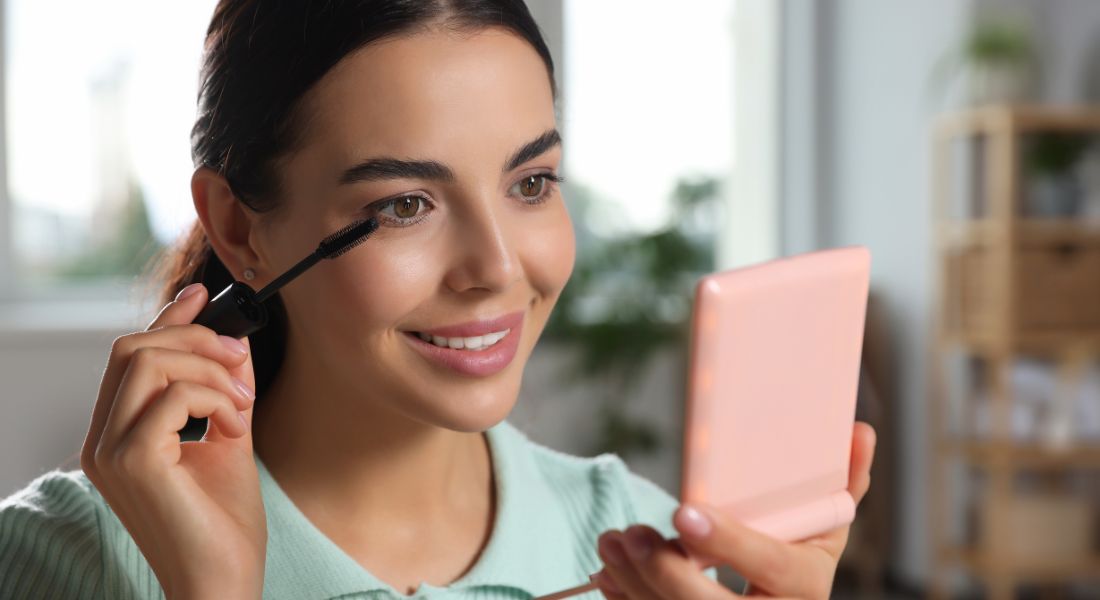
Heavy eye makeup can contribute to blocked gland openings, especially if it is applied along the lash line. If makeup is not fully removed at the end of the day, residue can accumulate overnight. This build-up increases the risk of gland obstruction and inflammation. Over time, repeated blockage makes chalazia more likely.
Old or contaminated cosmetic products can also introduce bacteria to your eyelids. This worsens irritation and disrupts the natural balance along the lid margin. Regularly replacing mascara and eyeliner, and ensuring thorough removal before sleep, reduces this risk. Clean application tools are equally important.
Switching to non-comedogenic or ophthalmologist-tested products may help minimise blockage. You should also avoid sharing eye makeup, as this spreads bacteria. Small adjustments in your cosmetic routine can make a meaningful difference. Consistent care lowers the chance of recurrence.
Stress and Immune Function
Chronic stress can influence your immune balance in subtle but meaningful ways. When your body is under ongoing stress, inflammatory responses may become less regulated. This can indirectly affect how your eyelid glands function. Over time, unstable inflammation increases the likelihood of blockage.
If you notice that chalazia tend to recur during particularly stressful periods, this pattern may not be coincidental. Weakened immune regulation can make you more susceptible to inflammation, even if there is no clear infection. The connection is often gradual rather than dramatic, which is why it can be overlooked. Recognising this link helps you take a broader view of prevention.
Managing your overall wellbeing supports your eye health more than you might expect. Prioritising adequate sleep, balanced nutrition, and stress reduction can help stabilise inflammatory responses. Simple habits such as regular rest and hydration contribute to healthier gland function. A holistic approach benefits your eyelids as much as the rest of your body.
When to Seek Specialist Assessment
If your chalazia keep recurring, it is sensible to seek professional assessment. Frequent episodes often suggest an underlying gland disorder rather than isolated events. Early intervention helps prevent ongoing inflammation and reduces the risk of repeated swelling. Addressing the problem sooner rather than later usually leads to better long-term control.
You should also arrange a review if a lump persists for several months despite consistent home care. Although most chalazia are harmless, other eyelid conditions can occasionally mimic their appearance. An accurate diagnosis ensures that you receive the correct and safe treatment. Persistent swelling should never be ignored.
Specialist evaluation helps identify any underlying causes, such as gland dysfunction, blepharitis, or skin conditions. Once the root issue is clear, management can be tailored specifically to you. Targeted treatment improves outcomes and reduces recurrence. Most importantly, you gain clarity, reassurance, and a clear plan forward.
Long-Term Management Strategies
If you experience recurrent chalazia, treatment needs to focus on the health of your eyelid glands rather than just individual lumps. Managing the underlying cause helps reduce future blockages and inflammation. A long-term approach is usually more effective than reacting each time a new lump appears.
- Warm compresses remain the foundation: Applying gentle heat on a regular basis helps keep the oil in your glands flowing properly. Even when you don’t have a visible lump, this simple step can prevent thickened secretions from building up.
- Massage and cleansing support drainage: Gentle eyelid massage after warm compresses can encourage blocked oil to drain more effectively. Cleaning your eyelid margins reduces bacteria and debris, lowering the risk of further obstruction.
- Prescription treatment may sometimes be necessary: If inflammation is persistent, your clinician may recommend anti-inflammatory medication or other targeted treatments. These can help stabilise gland function and reduce the likelihood of recurrence.
Long-term control depends on consistency rather than quick fixes. Small daily habits often make the biggest difference over time. With the right routine, you can significantly reduce flare-ups and discomfort. An individualised plan tailored to your needs gives you the best chance of lasting success.
Medical Treatment Options for Recurrence
If your chalazion keeps returning or refuses to settle, medical treatment may be recommended. A steroid injection can be used to reduce inflammation within the blocked gland. This helps shrink the lump from the inside and often avoids the need for surgery. The procedure is minimally invasive and usually completed quickly in clinic.
For more resistant or long-standing lumps, surgical removal may be considered. This is typically performed under local anaesthetic, so you remain comfortable throughout. The procedure involves making a small incision on the inner surface of the eyelid to drain the contents. Recovery is generally straightforward, with mild swelling that settles within a few days.
The right treatment depends on how severe the swelling is and how often it recurs. Your clinician will assess the pattern and recommend the safest, most effective option for you. Personalised care is essential when dealing with recurrent eyelid lumps. A tailored approach gives you the best chance of long-term resolution.
Preventing Recurrence After Surgery
If you’ve had a chalazion surgically removed, it’s natural to hope the problem is permanently solved. Surgery is very effective at removing the existing lump, but it does not correct the underlying gland dysfunction that caused it. Without ongoing care, another blockage can still develop. Understanding this helps you set realistic expectations from the start.
- Surgery removes the lump, not the root cause: The procedure clears the accumulated material inside the gland. However, if your oil glands remain prone to thickened secretions or inflammation, the same issue can recur.
- Post-surgical care still matters: Continuing warm compresses and good eyelid hygiene after surgery supports proper oil flow. These simple steps help prevent new blockages from forming.
- Long-term gland health is the goal: Managing inflammation, maintaining cleanliness, and following any prescribed treatment plan all reduce your risk of recurrence. Ongoing care is just as important as the procedure itself.
Recognising that surgery is not a permanent cure helps avoid disappointment later. Prevention does not stop once the lump is removed. With consistent aftercare, you can significantly reduce the chances of another chalazion forming. Taking a proactive approach gives you better long-term control over your eyelid health.
Are Recurrent Chalazia Dangerous?
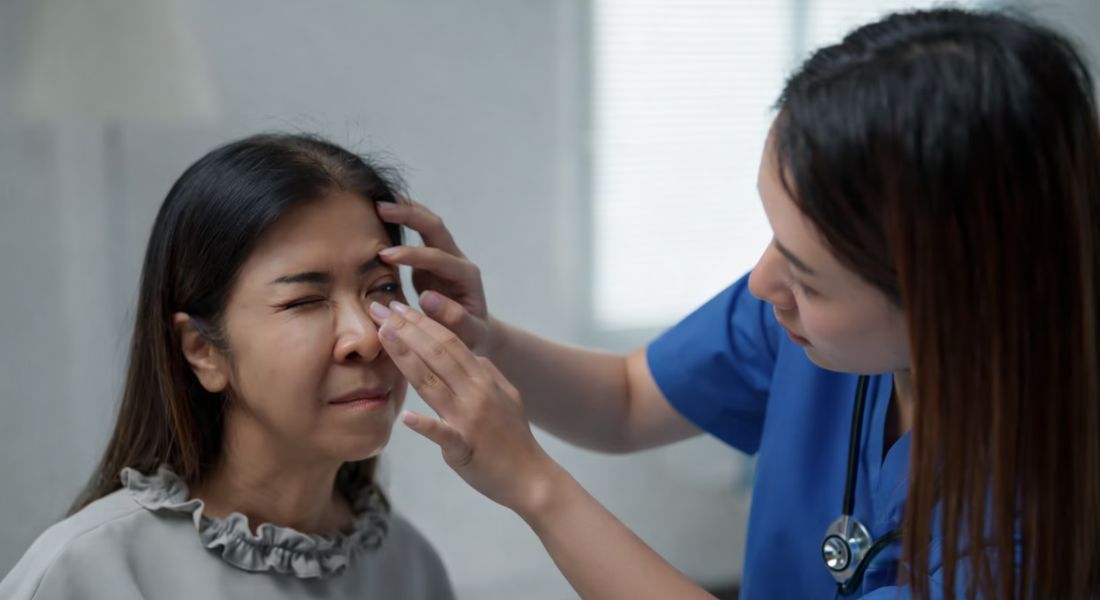
Most recurrent chalazia are not dangerous. However, repeated inflammation can cause ongoing discomfort and noticeable swelling that affects your confidence. In very rare cases, persistent or unusual lumps may require a biopsy to rule out other conditions. This is precautionary rather than routine.
If a lump changes in appearance, grows irregularly, bleeds, or fails to respond to appropriate treatment, you should seek further evaluation. Early review helps prevent delays in diagnosis and ensures you receive the correct care. Your safety should always come first when symptoms behave differently than expected.
Although serious causes are uncommon, staying aware of changes is important. Monitoring size, shape, and response to treatment provides reassurance. When in doubt, prompt assessment protects your eye health and gives you peace of mind.
The Emotional Impact of Recurrence
When eyelid lumps keep coming back, it can affect more than just your physical comfort. The eye area is one of the most visible parts of your face, so even a small swelling can feel noticeable and upsetting. It’s completely understandable if this begins to affect your confidence or how you feel in social or professional situations.
- Visibility can amplify distress: Because the swelling sits on your eyelid, you may feel that everyone can see it even if it’s relatively minor. This heightened awareness can make the issue feel larger than it medically is.
- Frustration builds with repeated episodes: If a lump returns after treatment, you might feel discouraged or worry that nothing is working. It can start to feel like a cycle you cannot break.
- Understanding the cause restores a sense of control: When you learn that recurrence is usually linked to gland function rather than treatment failure, it changes the perspective. Addressing the root cause helps you feel proactive rather than powerless.
Education is empowering. When you understand why recurrence happens, anxiety often decreases. Long-term management strategies give you practical tools to reduce flare-ups. With the right support, you can regain both control and confidence.
Frequently Asked Questions:
- Why does my chalazion keep coming back in the same spot?
If your chalazion keeps returning in the same area, it usually means the affected meibomian gland has not fully recovered. The gland opening may remain narrowed or dysfunctional even after the visible lump settles. This makes it easier for oil to accumulate again and trigger further inflammation. Treating the surface swelling alone is often not enough if the gland itself remains compromised. - Is a recurrent chalazion a sign of something serious?
In most cases, recurrent chalazia are linked to chronic eyelid conditions such as meibomian gland dysfunction or blepharitis rather than anything dangerous. However, if a lump persists for several months, changes in appearance, bleeds, or does not respond to appropriate treatment, further assessment is important. Rarely, other eyelid conditions can mimic a chalazion, so ongoing or unusual symptoms should always be reviewed by a specialist. - Can stress really cause chalazia to return?
Stress does not directly cause a chalazion, but it can influence your immune system and inflammatory responses. When your body is under prolonged stress, inflammation can become harder to regulate. This may worsen underlying eyelid conditions and make blockages more likely. Managing stress alongside physical treatment can support overall eyelid health. - Are recurrent chalazia linked to dry eye?
Yes, recurrent chalazia are often closely linked to dry eye caused by meibomian gland dysfunction. When the glands do not produce healthy oil, your tear film becomes unstable. This can lead to irritation, inflammation, and repeated gland blockage. Treating the underlying dry eye condition often reduces the frequency of chalazia. - Will surgery permanently stop chalazia from coming back?
Surgery removes the existing lump, but it does not correct the underlying gland dysfunction. If the root cause remains untreated, new chalazia can still develop either in the same gland or elsewhere on the eyelid. Long-term prevention depends on improving gland health through regular care and, where necessary, medical treatment. - How long should you continue warm compresses?
Warm compresses are often recommended for several weeks, even after the swelling begins to reduce. Stopping too soon can allow residual blockage to persist within the gland. For people prone to recurrence, ongoing maintenance compresses a few times per week may be advised as part of a long-term routine rather than a short-term fix. - Can makeup increase the risk of recurrence?
Heavy or poorly removed eye makeup can contribute to gland blockage. Residual product may collect along the lash line and obstruct gland openings overnight. Using high-quality, non-comedogenic products and removing makeup thoroughly before bed can reduce this risk. Replacing old cosmetics regularly also helps minimise bacterial contamination. - Is a chalazion contagious?
A chalazion itself is not contagious because it is not usually caused by infection. It develops due to inflammation and blockage within your own oil glands. However, maintaining good eyelid hygiene remains important to reduce bacterial overgrowth that can worsen inflammation and contribute to recurrence. - Can hormonal changes trigger repeated chalazia?
Hormonal shifts can influence oil production throughout your body, including the eyelids. During puberty, pregnancy, or while taking certain medications, your glands may produce thicker secretions. This increases the likelihood of blockage and inflammation. If you notice a pattern linked to hormonal changes, discussing this with a clinician can help guide management. - When should you see a specialist for recurrent chalazia?
You should seek specialist assessment if chalazia recur frequently, last longer than a few months, become unusually large, or fail to improve with appropriate home care. Early evaluation allows the underlying cause to be identified and treated properly. Prompt attention reduces the risk of complications and provides reassurance about your eye health.
Final Thought: Breaking the Cycle of Recurrent Chalazia
If your chalazion keeps coming back, it is rarely just bad luck. In most cases, there is an underlying issue affecting your meibomian glands, such as gland dysfunction, blepharitis, rosacea, or ongoing inflammation that has not been fully controlled.
You can break the cycle, but it requires consistency and the right strategy. Warm compresses, eyelid hygiene, and long-term gland care are not quick fixes. They are part of protecting your eyelid health over time. If lumps continue to recur despite careful home management, a specialist assessment can help you understand exactly what is driving the problem and tailor treatment accordingly.
It is also important to remember that not every eyelid lump is the same. Some patients confuse chalazia with styes, and the management can differ. If you’re considering stye treatment in London and want to know if it’s the right option, you’re welcome to reach out to us at Eye Clinic London to book a consultation.
References:
- National Center for Biotechnology Information, 2020. Hordeolum and Chalazion. In: StatPearls [Internet]. Treasure Island (FL): StatPearls Publishing. Available at: https://www.ncbi.nlm.nih.gov/books/NBK459349/
- Ashok Kumar, K., Reddy, S.P. and Reddy, P., 2018. Stye: Clinical Features and Management. Journal of Clinical Ophthalmology, 6(3), pp.52–58. Available at: https://pubmed.ncbi.nlm.nih.gov/29083787/
- Medicine and Dentistry section. Available at: https://www.sciencedirect.com/topics/medicine-and-dentistry/stye
- Neuroscience section. Available at: https://www.sciencedirect.com/topics/neuroscience/stye
- Mahmoud, A.M., Ibrahim, A.H. and Hassan, S.A., 2020. Clinical Evaluation of Warm Compress vs Antibiotic Therapy in the Management of Hordeolum. Journal of Ophthalmic Inflammation and Infection, 10(15). Available at: https://www.sciencedirect.com/science/article/abs/pii/S0011502920301048