


PRK Eye Surgery vs Contact Lenses: Long-Term Safety and Cost
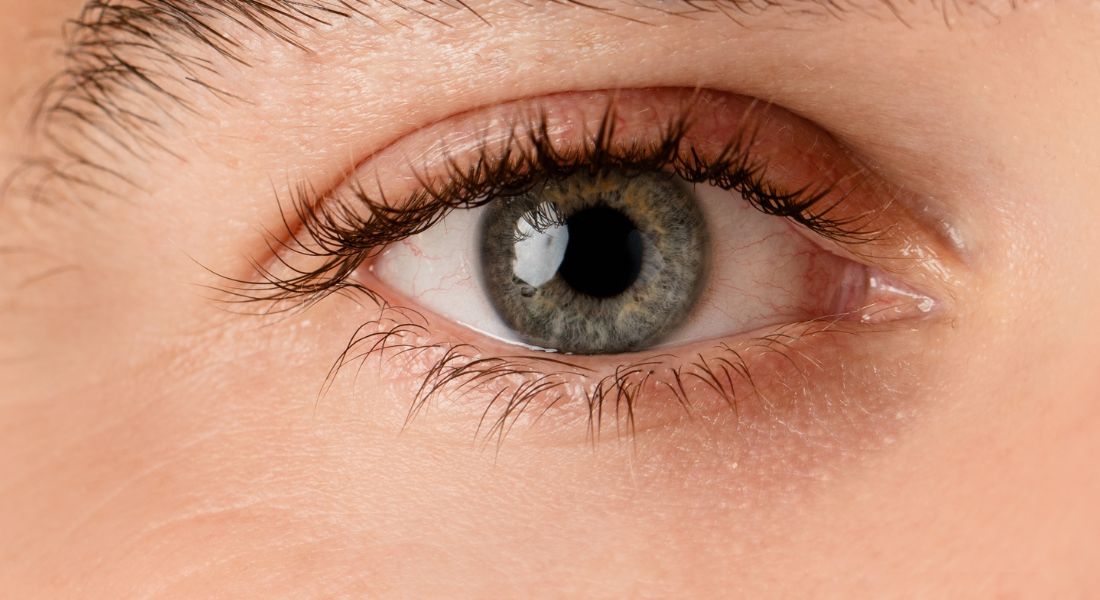
If you’re deciding between PRK eye surgery and continuing with contact lenses, you’re definitely not alone. Many people reach a point where the daily routine, ongoing expenses and occasional discomfort of contact lenses start to feel tiring. You might be questioning whether PRK a one-time procedure could give you better comfort, safer long-term eye health or even cost savings in the long run.
The truth is that both PRK and contact lenses can offer excellent vision. But they do so in completely different ways. PRK reshapes your cornea permanently, whereas contact lenses require daily maintenance, recurring replacements and precise hygiene. In this guide, I want to help you understand how both options compare in terms of safety, risk, lifestyle convenience and long-term cost. Once you see the full picture, choosing the right option becomes far easier.
What many people don’t realise is that the long-term impacts of each option extend far beyond simple vision correction. PRK changes the way your eyes handle light permanently, while contact lenses place an ongoing physical layer on your eye that can affect oxygen flow, dryness and infection risk over time. Understanding these deeper differences helps you think beyond day-to-day convenience and focus on which choice truly supports healthier, clearer vision for the years ahead.
What Is PRK Eye Surgery?
What Are Contact Lenses?
Contact lenses are thin, curved lenses that rest directly on the surface of the eye to correct refractive errors such as short-sightedness (myopia), long-sightedness (hyperopia), or astigmatism. They are designed to provide clear vision without the need for glasses, and come in a wide range of types to suit different needs. These include daily disposable lenses for convenience and hygiene, monthly lenses for cost-effectiveness, toric lenses specifically designed to correct astigmatism, multifocal lenses for simultaneous near and distance vision, and rigid gas-permeable lenses that offer precise correction for certain complex prescriptions.
While contact lenses can provide excellent optical quality and freedom from glasses, their effectiveness depends heavily on consistent and proper care. This includes maintaining strict hygiene, handling the lenses correctly, and adhering to replacement schedules. Failure to follow these guidelines can lead to eye irritation, dryness, infections, or even more serious complications, which can compromise both comfort and vision.
For individuals in high-impact or physically demanding professions, such as military personnel, police officers, firefighters, or athletes, contact lenses present additional challenges. Dust, sweat, debris, and environmental factors can make lens maintenance difficult, while helmets, goggles, or physical contact can dislodge lenses. In such cases, contact lenses may be less practical or reliable compared with permanent vision correction options like PRK, which provide consistent, stable vision without the need for daily care or replacement.
Long-Term Safety: PRK vs Contact Lenses
When considering long-term safety, PRK and contact lenses present very different risk profiles. Contact lenses are non-surgical, which may seem low-risk, but extended or improper use can lead to issues ranging from mild dryness and irritation to more serious complications such as infections, corneal ulcers, or decreased oxygen supply to the eye. These risks are especially concerning for people in high-impact or physically demanding environments, where maintaining lens hygiene and stability can be difficult.
PRK, by contrast, is a permanent, flap-free surgical procedure that reshapes the cornea, eliminating the need for daily lens wear and the associated risks. Once healed, the cornea is stable, reducing the likelihood of trauma-related problems or infection. This makes PRK particularly suitable for individuals who face environmental hazards, physical contact, or extended periods of demanding activity.
In the long term, while contact lenses provide flexibility and temporary vision correction, PRK offers lasting safety, stability, and reliability. For high-impact professionals, this makes PRK a safer, more practical option, ensuring clear, dependable vision without the ongoing maintenance and potential complications of contact lens use.
Eye Infections:
Contact Lenses: Wearing contact lenses significantly increases the risk of eye infections, particularly if hygiene practices are not strictly followed. Common complications include keratitis (infection of the cornea), corneal ulcers, fungal infections, and Acanthamoeba keratitis, which is often linked to exposure to contaminated water. Daily contact lens users face a higher lifetime risk of eye infections compared with individuals who have undergone PRK, simply because lenses are a constant source of potential contamination.
PRK: It carries a short-term risk of infection only during the initial healing period when the corneal surface is regenerating. With proper post-operative care, this risk is minimal. Once the cornea has fully healed, PRK does not increase long-term infection risk. In fact, because there is no ongoing foreign object like a contact lens, the eyes are generally safer from infections over a lifetime.
Oxygen Deprivation:
Contact Lenses: It cover the cornea and reduce the amount of oxygen that reaches this sensitive tissue. Over time, this long-term hypoxia can lead to redness, dry eyes, corneal swelling, and even vascular growth on the cornea (new blood vessels forming to compensate for low oxygen). These changes develop gradually and can worsen with years of daily lens use, potentially affecting corneal health and vision stability.
PRK: It does not interfere with oxygen flow once the corneal surface has fully healed. After recovery, the cornea is exposed directly to the air, allowing it to breathe naturally without any barriers. This eliminates the chronic oxygen-deprivation risks associated with contact lens wear, helping maintain long-term corneal health.
Dry Eye Risk:
Contact Lenses: Long-term contact lens use is a common cause of chronic dry eye. Every time you blink, lenses can disrupt the natural tear film that keeps your eyes lubricated, leading to persistent dryness, irritation, and discomfort. Over years of daily wear, this can worsen and sometimes result in dependency on artificial tears or other treatments to maintain comfort.
PRK: It may cause temporary dryness during the first few months of healing while the corneal surface regenerates. However, recovery generally tends to be smoother than LASIK, and the long-term risk of dryness is lower. Once fully healed, the cornea functions naturally with no surface obstruction, allowing the tear film to maintain itself. Many former contact lens users notice that their eyes feel more comfortable and hydrated after PRK than they did while wearing lenses.
Mechanical Irritation:
Contact Lenses: Contact lenses move slightly with each blink and eye movement, which can cause repeated micro-irritation of the cornea and inner eyelid. Over time, this may lead to inflammation, allergic reactions, giant papillary conjunctivitis (GPC), and general discomfort during extended wear. These mechanical stresses accumulate gradually, particularly in people who wear lenses daily for years.
PRK: It does not cause mechanical irritation once the cornea has fully healed. Because there is no foreign object resting on the eye’s surface, the cornea functions naturally, eliminating the chronic rubbing and irritation associated with contact lenses.
Long-Term Eye Health:
Contact Lenses: The longer you wear contact lenses, the greater the risk of chronic dry eye, eye infections, allergy-like inflammation, and decreased corneal sensitivity. Daily lens use introduces ongoing mechanical and biological stress on the eyes, which can accumulate over years and affect overall ocular health.
PRK: PRK offers excellent long-term stability once the cornea has healed. There is no lens to manage, no daily hygiene routine, and no risk of ongoing mechanical irritation. For lifelong eye health, PRK provides a safer, lower-maintenance option compared with long-term contact lens wear, allowing the eyes to function naturally without chronic stress.
Convenience: PRK vs Contact Lenses
Daily Maintenance:
Contact Lenses: Using contact lenses daily requires a significant and ongoing commitment to eye care. Every day, lenses must be cleaned, disinfected, and rinsed to remove deposits and prevent infections. They must be stored correctly, replaced on schedule, and never exposed to water. Perfect finger hygiene is essential every time lenses are handled. Even daily disposable lenses, which reduce some of these steps, still require careful handling and vigilance to prevent complications. Over time, this daily routine can feel burdensome and increase the risk of infection or irritation if any step is skipped or done incorrectly.
PRK: In contrast, once PRK has fully healed, the cornea functions naturally without any foreign object on its surface. There is no daily maintenance, no cleaning, no storage, no replacement schedule, and no risk of lens-related irritation. The simplicity of waking up and seeing clearly without any additional routine is life-changing for many patients. The eye is free from the constant mechanical and biological stress that comes with lens wear, offering long-term peace of mind and convenience.
Travel Convenience:
Contact Lenses: Traveling with lenses often requires careful planning and packing. You need to bring extra lenses, cleaning solutions, storage cases, and backups in case of loss or damage. Environmental factors during travel, such as low humidity on airplanes, dust, wind, or changes in water quality, can make lenses uncomfortable and increase the risk of dryness or infection. For long trips, managing contact lenses can become a daily chore that adds stress.
PRK: After PRK, traveling becomes effortless. There are no lenses or solutions to pack, no special routines to follow, and no concerns about environmental factors affecting your vision. You can simply wake up and see clearly, whether on a plane, in a new city, or outdoors, without having to carry any additional equipment. This freedom makes PRK particularly appealing to frequent travelers or people who value convenience and minimal maintenance.
Sports & Active Lifestyle:
Contact Lenses: Engaging in sports or outdoor activities while wearing contact lenses can be uncomfortable or risky. Sweat, dust, wind, or water can cause lenses to move, dry out, or become irritated. Contact lenses may also increase the risk of infections or corneal abrasions during high-contact sports or exposure to debris, making them less practical for active lifestyles.
PRK: PRK is an ideal solution for athletes, gym-goers, and outdoor enthusiasts. The flap-free, permanent vision correction ensures stable, clear vision without any risk of lenses shifting, falling out, or causing irritation. Whether you’re running, swimming, cycling, or playing contact sports, PRK allows you to perform at your best without worrying about vision complications. This makes PRK particularly suitable for individuals with physically demanding routines or outdoor hobbies.
Long-Term Cost Comparison
While PRK may seem costly upfront, contact lenses often carry substantial long-term expenses that add up over time. Regular purchases of daily, weekly, or monthly lenses, cleaning solutions, storage cases, and replacement lenses can become a significant financial commitment, especially over many years. Additional costs can also arise from eye exams, managing lens-related complications, or treating infections and irritations that occasionally occur with lens wear.
PRK, in contrast, is a one-time investment in permanent vision correction. Once the eyes have fully healed, ongoing costs are minimal, typically limited to routine eye check-ups and occasional prescription updates if needed later in life. There’s no need for daily purchases or maintenance, which can make PRK more cost-effective in the long term. For individuals in high-impact careers, the combination of durability, convenience, and long-term savings makes PRK a practical and financially sensible alternative to the recurring expenses of contact lenses. It provides clear vision without the continual financial and logistical burden associated with lenses.
The Cost of Contact Lenses Over Time: Wearing contact lenses can be surprisingly expensive over the long term. Typical annual costs include monthly or daily disposable lenses, cleaning solutions (for non-daily lenses), lens cases, routine eye check-ups, and replacement lenses if needed. For many people, these costs range from £200 to £500 per year. Over 20 years, this adds up to £4,000–£10,000, not including emergency visits for infections, prescription changes, or upgrades to newer lens types. Considering these ongoing expenses, long-term lens wear can be a significant financial burden, making alternative options like PRK more appealing.
The Cost of PRK: PRK is a one-time investment that provides permanent vision correction. Typical costs range from £2,000 to £3,500 for both eyes, depending on the provider and technology used. While the upfront cost is higher than a single year of lenses, PRK eliminates ongoing expenses, including lens purchases, cleaning solutions, and accessories. It also reduces routine optician visits and lowers the risk of infection-related costs. Over a lifetime, PRK often proves to be more cost-effective, especially for people who have worn lenses for many years or plan to continue using them long-term.
Which Option Is Best for Your Lifestyle?

Choosing the right vision correction option depends heavily on your lifestyle, daily routines, and personal priorities. PRK is particularly well suited for those who want long-term freedom from glasses or contact lenses and prefer the convenience of a one-time procedure. It’s ideal for people with active or physically demanding lifestyles, including athletes, military personnel, and first responders, as it provides stable, flap-free vision that is resistant to impact or environmental hazards. PRK is also a strong choice for anyone who struggles with contact lens-related dryness, recurrent infections, or the inconvenience of daily lens care, offering consistent visual clarity without the ongoing maintenance. Over time, it can also provide financial benefits by eliminating the recurring costs associated with lens purchases, solutions, and replacement accessories.
Contact lenses remain a suitable option for those who are not ready to undergo surgery or prefer a non-permanent solution. They offer flexibility in prescription adjustments, which can be useful if your vision is still changing or if you want the ability to switch lens types based on your activities. Contact lenses also provide aesthetic versatility, such as the option to wear coloured lenses or experiment with different styles, which can be appealing for social or professional reasons. For individuals who are diligent with lens hygiene and comfortable with the daily routine, contact lenses can offer excellent visual quality without the need for surgery.
Ultimately, choosing between PRK and contact lenses requires careful consideration of your long-term goals, career or lifestyle demands, and daily habits. PRK provides a durable, low-maintenance solution that delivers stability and safety in high-impact environments, while contact lenses offer flexibility, non-surgical convenience, and short-term adaptability. Understanding your own needs, environment, and priorities will help you select the vision correction option that best supports your lifestyle, both now and in the future.
Limitations to Consider
Neither PRK nor contact lenses are perfect solutions, and it’s important to weigh their limitations alongside their benefits before deciding which option is best for you. Understanding these realistic considerations can help you make an informed choice that aligns with your lifestyle, career, and long-term visual needs.
Contact lenses, while convenient and non-surgical, have several limitations. They may not be suitable for all prescriptions, and long-term use carries an increased risk of eye infections if hygiene isn’t strictly followed. Extended wear can also worsen dryness, leading to discomfort, irritation, or blurred vision, especially in environments with air-conditioning or low humidity.
Certain activities and environments make contact lenses less practical. Swimmers, individuals frequently exposed to dust, debris, or harsh conditions, and those in high-impact professions may find lenses uncomfortable or unsafe. Lenses can also shift or dislodge during physical activity, adding another layer of inconvenience and risk in demanding situations.
PRK, on the other hand, offers permanent, flap-free vision correction but comes with its own set of considerations. Recovery is longer than LASIK, with vision gradually stabilising over days to weeks. Temporary discomfort, dryness, and light sensitivity are common during the healing period. Additionally, PRK does not prevent natural age-related changes such as presbyopia or cataracts, so further vision correction may be required later in life.
PRK vs Contact Lenses: Summary of Key Differences
For people considering vision correction options, both PRK (Photorefractive Keratectomy) and contact lenses offer ways to reduce dependence on glasses. However, they differ significantly in safety, convenience, cost, and suitability for active lifestyles. Understanding these differences can help you make an informed decision about which option best fits your long-term eye health and daily needs.
Long-term safety: PRK offers excellent long-term safety because, once the cornea has healed, there is no ongoing foreign object on the eye and no daily handling required. This means the cornea is no longer exposed to repeated mechanical stress, reducing risks such as chronic irritation or corneal damage. Contact lenses, however, involve daily insertion, removal, and wear, which introduces repeated micro-trauma over time. Extended lens use can lead to persistent dryness, irritation, and even long-term corneal changes, making contact lenses a less safe option for lifelong ocular health.
Infection risk: After the initial healing phase, the infection risk following PRK is very low. Without a contact lens sitting on the cornea, the eye’s natural defenses remain intact and the chances of microbial infections drop dramatically. By contrast, contact lenses maintain a constantly elevated risk of microbial keratitis because each day brings opportunities for bacteria, fungi, or protozoa to be introduced via lenses, cleaning solutions, or improper handling. Even minor lapses in hygiene can lead to serious infections that sometimes require urgent medical treatment.
Lifetime cost: Although PRK requires a higher upfront investment (typically £2,000–£3,500 for both eyes), it is usually more cost-effective over a lifetime. Once the procedure is done, there are no ongoing purchases, maintenance, or accessories needed. Contact lenses, on the other hand, involve continuous yearly costs for lenses, solutions, cases, and replacement lenses, which over 20 years can amount to £4,000–£10,000 or more. Emergency visits, infections, and prescription changes further increase lifetime costs, making PRK a financially smarter choice in the long run.
Convenience: PRK offers unmatched convenience once the cornea has healed. There is no need for daily insertion or removal of lenses, no cleaning, and no worrying about carrying solutions or spare lenses. For people with busy lifestyles, long commutes, or travel schedules, this simplicity is a significant benefit. Contact lenses require a consistent daily routine, which can be time-consuming and stressful if routines are disrupted or if supplies are forgotten, particularly when traveling or during long workdays.
Maintenance: Maintenance after PRK is essentially non-existent. Once the eyes are fully healed, patients do not need to follow any special daily regimen. Contact lenses, however, demand strict daily maintenance, including careful cleaning, disinfecting, storing, and replacing lenses on schedule. Failure to follow these steps increases the risk of infection, dryness, and mechanical irritation, and can even shorten the lifespan of lenses.
Comfort: PRK typically provides long-term comfort because there are no lenses to disrupt the tear film or rub against the cornea. Many patients report that their eyes feel more natural and hydrated after healing than they did while wearing lenses. Contact lens comfort can vary daily and often declines over the years due to dryness, allergies, or reduced tolerance. Long-term lens wearers may experience chronic irritation, which can affect vision quality and overall eye health.
Travel: Traveling is far simpler after PRK because there is no need to pack lenses, cases, or cleaning solutions, and there are no concerns about maintaining hygiene in unfamiliar environments. Eyes are not affected by dry airplane air, dust, or water exposure. Contact lens users, in contrast, must carefully plan their trips, bring sufficient supplies, and manage hygiene meticulously. Travel can become more complicated and stressful, particularly for longer trips or outdoor adventures.
Sports suitability: PRK is ideal for athletes and physically active individuals because there is no risk of lenses moving, falling out, or causing irritation during activity. Whether it’s running, swimming, cycling, or contact sports like rugby or MMA, vision remains clear and stable. Contact lenses, however, provide variable suitability depending on the sport or environment. Sweat, water, dust, and high-impact activity can dislodge lenses, reduce comfort, or increase infection risk, making them less practical for highly active lifestyles.
FAQs:
- Is PRK safer than long-term contact lens use?
Yes, PRK is generally safer in the long run. While PRK includes a short healing period during which the eyes are more sensitive, the long-term risk of infection after recovery is extremely low. Contact lenses, on the other hand, carry a continual risk of infection every single year you wear them. Even people who are very careful with hygiene can develop irritation, corneal inflammation or keratitis from ongoing lens use. Over decades, this cumulative risk makes PRK the safer long-term option. - Can PRK completely replace the need for contact lenses?
For most people, PRK can fully replace contact lenses for distance vision once the eyes have healed. You wake up seeing clearly and do not need to insert anything into your eyes each day. However, if you are over 40 and starting to develop presbyopia, you may still need reading glasses for close-up tasks. PRK corrects your current prescription but cannot stop age-related changes that affect near vision later in life. - Does PRK hurt more than wearing contact lenses?
PRK involves some temporary discomfort during the first few days as the surface layer of the cornea heals. This can feel like grittiness, burning or watering, similar to having a scratched eye. Once this healing stage passes, PRK is not painful at all. Contact lenses do not usually hurt initially, but many long-term wearers experience increasing discomfort over the years due to dryness, irritation or allergies. In the long term, PRK is usually more comfortable. - How long does PRK recovery take compared with adjusting to contact lenses?
PRK requires a few days of initial recovery and a few weeks of gradual clarity as the vision stabilises. Most people return to normal routines within a week. In contrast, contact lenses require no specific recovery period, but you must adapt to the handling, hygiene and routine associated with them. Over many years, comfort with lenses often decreases. PRK offers a short-term recovery with long-term visual stability, while lenses require lifelong adaptation and maintenance. - Will PRK improve my dry eyes caused by contact lenses?
Many people notice that their dry-eye symptoms improve after PRK, especially if their dryness was caused by lens wear. Contact lenses can disrupt the tear film and reduce oxygen reaching the cornea, which worsens dryness over time. After PRK, the eye functions naturally without a lens barrier. There may be temporary dryness for a few months during healing, but long-term comfort often improves compared with ongoing contact lens use. - Is PRK more cost-effective than contact lenses in the long run?
Yes, PRK is usually far more cost-effective over a lifetime. While the upfront cost may seem high, it is a one-time procedure. Contact lenses require continuous spending on lenses, solutions, cases and check-ups. Over 10–20 years, many people end up spending several thousand pounds on lenses alone. When you compare these ongoing costs with the single cost of PRK, the surgery often ends up being the cheaper long-term option. - Can I exercise or play sports after PRK?
Yes, PRK is an excellent option for athletes or active individuals. After the initial healing period, there is no risk of a lens falling out, drying up or becoming irritated by sweat, wind or dust. This makes PRK popular with swimmers, gym-goers, runners, boxers and people who work in dusty or high-impact environments. Contact lenses can shift or cause discomfort during physical activity, especially in windy or dry conditions. - Are contact lenses still a good option if I’m not ready for surgery?
Absolutely. Contact lenses are a very effective temporary solution if you prefer not to have surgery or are still exploring your options. They allow flexibility, can correct a wide range of prescriptions and are immediately reversible. The main limitations are the need for consistent hygiene, the ongoing costs and the increased risk of infection over time. If these issues become frustrating, PRK may offer a more convenient long-term alternative. - How do I know whether PRK or contact lenses are better for my lifestyle?
The best choice depends on your daily needs and your long-term goals. If you value convenience, want to avoid daily routines and prefer a one-time solution, PRK may suit you better. If you enjoy the flexibility of switching looks, changing lens types or avoiding surgery altogether, contact lenses might be more practical for now. Think about how much time you spend on maintenance, whether you’ve had dryness or infections and how important long-term eye health is to you. - Will PRK affect future eye treatments like cataract surgery?
No, PRK does not interfere with future treatments such as cataract surgery. Your cornea heals fully, and cataract surgery focuses on the lens inside your eye, not the corneal surface. Many people who have PRK later undergo routine cataract surgery with excellent outcomes. In fact, choosing PRK earlier can reduce decades of contact lens-related irritation or infection risk before you eventually need age-related eye care.
Final Thought: Choosing the Right Long-Term Vision Solution
Choosing between PRK and long-term contact lens use ultimately comes down to how you want your daily life to feel years from now. If you’re ready for freedom from lenses, fewer long-term risks and a simpler, low-maintenance lifestyle, PRK can be a strong option. Once your eyes heal, there’s no daily handling, no ongoing discomfort and no repeated cost just clear, stable vision that fits effortlessly into your routine.
If you’re considering PRK eye surgery in London as part of exploring your long-term vision care options, you’re welcome to reach out to us at Eye Clinic London to book a consultation.
References:
- Eydelman, M., Drum, B. & Holladay, J.T. (2017) Photorefractive keratectomy: safety and outcomes review. Ophthalmology, 124(1), pp. 55–62. https://pubmed.ncbi.nlm.nih.gov/27887799/
- Stapleton, F., Keay, L., Edwards, K., et al. (2008) The incidence of contact lens–related microbial keratitis in Australia. Ophthalmology, 115(10), pp. 1655–1662. https://pubmed.ncbi.nlm.nih.gov/18692239/
- Chatterjee, A., Shah, S. & Lotery, A. (2014) Photorefractive keratectomy: current perspectives. Clinical Ophthalmology, 8, pp. 2287–2299. https://www.ncbi.nlm.nih.gov/pmc/articles/PMC4293983/
- Szczotka-Flynn, L., Pearlman, E. & Ghannoum, M. (2010) Microbial contamination of contact lenses and accessories: A review. Eye & Contact Lens, 36(4), pp. 264–273. https://www.ncbi.nlm.nih.gov/pmc/articles/PMC2894714/
- Moshirfar, M., Shah, T.J., Skanchy, D.F. et al. (2017) A review of complications and their management in PRK. Journal of Clinical Medicine, 6(12), p.115. https://www.mdpi.com/2077-0383/6/12/115