


PRK Eye Surgery and Night Vision: What Improves and What Doesn’t

If you’re considering PRK (Photorefractive Keratectomy), one of the first concerns many patients have is night vision. It’s common to worry about halos around lights, glare while driving, or reduced contrast in low-light conditions. Night vision is a critical part of everyday life, whether you commute after dark, work evening shifts, or enjoy nighttime activities. Understanding how PRK might affect your night vision can help you set realistic expectations and feel more confident about the procedure.
PRK can influence night vision in several ways, both during the healing period and in the long term. Immediately after surgery, temporary visual disturbances like glare, halos, and starbursts are common as your cornea heals and the epithelium regenerates. Over time, most patients notice significant improvement, though the final clarity and contrast depend on factors such as your original prescription, corneal shape, and pupil size. In this guide, we’ll explore what changes you can expect, which effects are temporary, and how your night vision typically settles once your eyes have fully healed.
Why Night Vision Matters So Much
Night vision is crucial because it relies on several factors working together: wide pupils, strong contrast sensitivity, a smooth optical surface, and minimal light scatter. Any disruption in these elements such as minor irregularities on the corneal surface or fluctuations in the tear film can affect how light passes through the eye. That’s why even small changes can result in halos, glare, starbursts, or slightly blurred vision when driving at night or in dim lighting. Maintaining a clear and stable optical pathway is essential for safe and comfortable vision after dark.
PRK temporarily alters the surface of the cornea, which naturally causes some night vision disturbances in the early recovery period. Patients often notice glare around lights, halos, or difficulty seeing in low-light conditions for a few days to weeks after the procedure. These effects generally improve as the epithelium regenerates and the cornea smooths out. The final night vision outcome depends on factors such as your original prescription, corneal shape, and pupil size, but with proper healing and care, most patients achieve clear, comfortable vision even at night.
How PRK Works (And Why It Affects Night Vision)
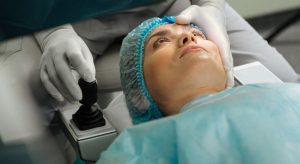
PRK works by removing the outer layer of the cornea, called the epithelium, and then using a laser to reshape the underlying corneal surface. This precise reshaping improves how light focuses on the retina, correcting refractive errors such as myopia, hyperopia, or astigmatism. However, because the epithelium is temporarily removed and needs time to regenerate, the surface of the cornea is not perfectly smooth immediately after surgery. This temporary unevenness can affect how light passes through the eye, which in turn impacts night vision.
During the early recovery period, the nerves that regulate tear production are also healing, which can reduce tear film stability and increase light scatter. Contrast sensitivity may decrease, and patients often notice halos, glare, or starbursts around lights. These changes are entirely normal and predictable. As the epithelium regenerates and the corneal surface smooths out, night vision typically improves, gradually returning to clear and comfortable levels within weeks to months, depending on individual healing and prescription factors.
Night Vision Changes During the PRK Healing Process
After PRK, night vision changes are a normal part of the healing process, and understanding the typical timeline can help set realistic expectations. In the first few days, patients often experience significant glare, halos, starbursts, and blurred vision at night. This is primarily due to the uneven corneal surface immediately after the epithelium is removed and the tear film is temporarily disrupted. Light scatter is more noticeable, and contrast sensitivity is reduced, making night driving or low-light tasks challenging during this initial phase.
As the weeks progress, the epithelium regenerates and the corneal surface gradually smooths out. Most patients notice steady improvements in night vision between weeks two and six, with halos and glare becoming less pronounced. By three months, the majority of people achieve stable, comfortable night vision, though full recovery can sometimes take six months, especially for higher prescriptions or larger pupils. Throughout this period, following post-operative care instructions using prescribed eye drops, protecting the eyes from bright light, and avoiding irritants supports optimal healing and clearer night vision.
Night Vision in the First Week: During the first week after PRK, night vision is typically at its most compromised. Many patients notice bright halos around lights, increased glare, hazy or cloudy vision, and a general reduction in contrast. Driving at night can feel especially challenging, and even familiar streetlights or headlights may appear unusually bright or scattered. These symptoms occur because the corneal surface is still healing the epithelium hasn’t fully regrown, leaving the surface temporarily uneven, which causes light to scatter more than usual. Dryness also contributes significantly to these early night vision issues. The nerves controlling tear production are still recovering, which can reduce tear film stability and create tiny irregularities on the corneal surface. This further scatters light, amplifying glare and halos. While these experiences can be unsettling, they are entirely normal and expected. With proper lubrication, eye protection, and adherence to post-operative care instructions, most of these visual disturbances begin to improve steadily after the first week.
Night Vision in Weeks 2–4: During weeks 2 to 4 after PRK, the cornea’s epithelial layer continues to regenerate, and your night vision gradually begins to improve. The intense glare, halos, and haziness that are common in the first week usually start to fade, but you may still notice mild visual disturbances. These can include faint halos around bright lights, some glare from oncoming headlights, and slight fluctuations in clarity, especially in low-light situations. This occurs because the corneal surface is still settling and smoothing out, and your eyes are adjusting to the changes in their curvature. During this period, dryness and minor inflammation can also contribute to these visual effects, so following your doctor’s instructions for eye drops and care is important to support optimal healing. Your pupils, which naturally enlarge in dim lighting, may sometimes reveal small irregularities in the corneal surface, leading to occasional ghosting, double images, or streaks around lights. These effects are typically temporary and improve steadily as the epithelial layer strengthens and your cornea fully stabilises. Most patients notice a week-by-week improvement during this period, with vision gradually becoming clearer, more stable, and comfortable for night-time activities such as driving. Patience is key during these weeks, as the final visual outcome often continues to refine for several months after surgery.
Night Vision at 1–3 Months: By one to three months after PRK, most patients experience a significant improvement in night vision. Activities like night driving become noticeably easier, as halos around lights diminish and glare is reduced. Contrast sensitivity improves, allowing objects and road signs to appear sharper and more defined in low-light conditions. Visual clarity becomes more stable overall, and the frequent fluctuations that were common in the first few weeks are usually gone. This stage reflects the continued healing and smoothing of the corneal surface, as well as the eyes’ adaptation to the changes in their shape and focus. However, some individuals particularly those with higher prescriptions , may still notice mild visual disturbances. These can include occasional halos, faint glare, or slight variations in clarity, especially in very dark or very bright settings. Such symptoms typically fade gradually as the cornea continues to stabilise over the following months. By the end of this period, most patients find their night vision is much closer to their final post-surgery outcome, making night-time activities more comfortable and safe.
Night Vision at 3–6 Months: Between three and six months after PRK, most patients experience night vision that feels close to “normal.” By this stage, the cornea has largely stabilised, allowing for smooth visual clarity in low-light conditions. Contrast sensitivity is sharper, making it easier to distinguish objects and details at night. Glare and halos, which were more noticeable during the early weeks and months, are now minimal, although occasional mild halos may still appear in certain lighting situations, such as bright streetlights or oncoming headlights. This period represents the typical timeframe for full visual recovery following PRK. While most patients enjoy near-complete night vision restoration by six months, minor fluctuations can still occur in some cases, especially for those with higher prescriptions or more extensive initial corrections. Overall, by the end of this phase, night-time activities like driving or outdoor navigation generally feel comfortable and safe, marking the successful completion of the corneal healing process.
Night Vision at 6–12 Months:
Between six and twelve months after PRK, night vision continues to improve for some patients, particularly those with higher prescriptions or more significant initial corrections. During this period, halos around lights usually reduce considerably, glare stabilises, and contrast sensitivity continues to sharpen. Night-time activities, including driving, generally become much more comfortable, reflecting the ongoing fine-tuning of the corneal surface and the eyes’ adaptation to the changes made by surgery. It’s important to remember that final night vision outcomes vary from person to person. Factors such as pupil size, corneal shape, and overall eye health play a role in how clear and comfortable night vision will ultimately be. While the majority of patients achieve excellent visual results by the end of this timeframe, minor visual disturbances may persist in a small number of cases. Overall, the 6–12 month period marks the final stage of visual refinement after PRK, giving most people a stable and reliable night vision experience.
What Improves After PRK?
PRK offers several notable improvements in night vision, often surpassing what patients experience with glasses or contact lenses. One major benefit is a reduction in halos, which are common for contact lens users due to slight lens movement, tear film drying, or debris accumulating under the lens. PRK eliminates these issues by reshaping the cornea directly, providing a long-term solution that creates a more stable and consistent visual experience. In addition, contrast sensitivity tends to improve once the corneal nerves regenerate and the surface smooths out. This means dark objects appear more defined, night scenes are clearer, and tasks like driving or walking in low-light conditions feel safer and more comfortable. These improvements continue gradually over several months, with the most significant gains often observed six to twelve months after surgery, as the cornea fully stabilises.
Another key advantage of PRK is the elimination of lens-related distortions. After surgery, there is no contact lens displacement, smudging, fogging, protein build-up, or dryness caused by wearing lenses. The eye’s optics become more stable once healing is complete, with a smooth corneal curvature, sharp optical surfaces, and minimal light scatter. This stability enhances night vision quality and reliability, often producing clearer and more consistent vision than patients previously experienced with glasses or contacts. Combined, these benefits mean that PRK not only corrects refractive errors but also improves the overall quality of night vision, allowing patients to enjoy safer, sharper, and more comfortable vision in low-light situations.
What Doesn’t Improve After PRK?
While PRK can significantly enhance night vision by correcting corneal irregularities, some vision issues are unrelated to the cornea and therefore cannot be corrected by the surgery. One such factor is naturally large pupil size. People with larger pupils may continue to notice bigger halos, increased glare, or more light scatter at night. PRK can help reduce some visual distortions over time, but it cannot change the size of your pupils. Similarly, retinal or macular conditions such as macular degeneration, retinal scarring, or diabetic eye changes, can permanently affect night vision. Since these issues involve the photoreceptors and internal structures of the eye rather than the cornea, PRK cannot correct them.
Other factors affecting night vision are related to natural ageing and lens health. After the age of 40, many people experience reduced contrast sensitivity, slower adaptation to darkness, and difficulty seeing in dim light due to changes in the lens and retina, not the cornea. Early cataract development can also cause glare, halos, and faded colour perception, which PRK cannot fix. In these cases, only treatments targeting the lens, such as cataract surgery, can address the problem. Understanding these limitations is important for setting realistic expectations about what PRK can and cannot achieve for night vision.
Why Some People Get More Halos Than Others
Halos are a common side effect after PRK, but some individuals notice them more than others due to several factors. People with a higher pre-surgery prescription often require more corneal reshaping, which can temporarily increase light scatter. Large pupils can let in more peripheral light, making halos more visible, especially in dim environments. Dry eyes and irregular corneal surfaces can further contribute to visual distortions, as both affect how light passes through the cornea and reaches the retina.
Individual healing patterns also play a role. Every person’s cornea regenerates at a slightly different rate, and minor variations in epithelial healing can make halos more pronounced in the early weeks or months after surgery. The encouraging part is that halos generally fade over time as the cornea smooths and stabilises, and most patients find that their night vision continues to improve gradually over several months, eventually becoming clear and comfortable.
How to Reduce Halos After PRK

If halos are bothersome after PRK, there are several strategies that can help reduce them. One of the most important is using lubricating eye drops regularly, as dryness can worsen halos and glare. Protecting your eyes from bright lights with sunglasses during the day and avoiding driving at night in the early stages of healing can also help your eyes adapt. Following all post-operative care instructions from your surgeon including using prescribed medications and attending follow-up appointments ensures the cornea heals smoothly, which reduces light scatter.
Other helpful strategies include giving your eyes time to adjust, as halos typically fade naturally over weeks to months. Maintaining overall eye health, managing any dry eye symptoms, and avoiding eye strain can also support clearer vision. In some cases, if halos persist beyond the usual healing period, your surgeon may suggest minor enhancements or additional treatments to improve corneal smoothness. With proper care and patience, most patients notice a gradual reduction in halos and enjoy clearer, more comfortable night vision over time.
Treat Dry Eye Consistently: Managing dry eye consistently is crucial for reducing halos and improving night vision after PRK, as dryness can cause light scatter, fluctuating clarity, and increased glare. Regular use of lubricating eye drops helps maintain a smooth tear film and stabilises the corneal surface, improving visual comfort and making night-time activities like driving easier and safer. Along with following your surgeon’s advice on eyelid hygiene, avoiding excessive screen time, and staying hydrated, consistent dry eye care over weeks and months can lead to noticeable improvements in clarity and overall night vision.
Use Night Drops or Gel: Night drops or gels are thicker, longer-lasting lubricating products designed to protect the cornea while you sleep. They help maintain moisture overnight, preventing dryness that can cause blurry vision or discomfort upon waking. Some formulations also reduce light scatter, which temporarily improves visual clarity and makes night-time glare or halos less noticeable. Using these drops consistently during the first few weeks after surgery can significantly enhance comfort and improve morning vision during the healing period.
Follow Your Drop Schedule: Following your surgeon’s prescribed drop schedule is essential for optimal healing. Steroid drops control inflammation, reduce redness, and prevent haze formation, while lubricating drops maintain tear film stability and comfort. Adhering strictly to the schedule ensures that the corneal surface remains smooth, helps prevent complications, and promotes faster recovery of clear, stable vision. Missing doses or using drops inconsistently can delay healing and may increase post-operative discomfort.
Avoid Bright Headlights: Bright lights, such as high-beam headlights, streetlamps, or reflective surfaces, can worsen glare and halo perception in the early weeks after surgery. The cornea is still healing and the tear film may be temporarily unstable, which makes light scatter more noticeable. Minimising exposure to intense light sources helps reduce discomfort, improves night vision safety, and allows your eyes to adapt gradually as visual clarity stabilises.
Consider Anti-Reflective Glasses: Anti-reflective (AR) glasses are an effective aid for night driving after laser eye surgery. The AR coating reduces reflections and glare from headlights, streetlights, or wet road surfaces, enhancing contrast and visual comfort. Even after PRK or LASIK, patients may benefit from using these glasses temporarily until their corneas have fully healed and visual distortions like halos or glare diminish. They are safe to wear and do not interfere with the natural recovery process.
Does PRK Cause More Halos Than LASIK?
In the early recovery phase, both PRK and LASIK can cause similar halo patterns as the eyes adjust to the changes in corneal shape. Patients may notice glare, light scatter, or halos around bright lights during the first few weeks, but these symptoms usually improve gradually as healing progresses. The main difference lies in the recovery timeline: PRK generally takes longer to heal because the surface epithelium needs time to regenerate, whereas LASIK stabilises more quickly due to the creation of a corneal flap.
Over the long term, PRK can offer advantages for night vision in some patients. Since PRK does not involve creating a flap, there is no flap edge to scatter light, which can lead to fewer persistent halos compared with LASIK. Additionally, the corneal surface after PRK can become very smooth once fully healed, further reducing light distortions. As a result, while the early experiences may be similar, many PRK patients enjoy clearer and more stable night vision months after surgery.
Night Vision Risks After PRK:
Halos: Halos are bright rings or circles that appear around lights, especially at night. They are the most common visual side effect immediately after laser eye surgery and are usually temporary. Halos occur because the cornea is still healing and the tear film may be uneven, causing light to scatter. For most patients, halos gradually fade over weeks to months as the corneal surface smooths and nerves regenerate.
Starbursts: Starbursts are radiating streaks of light that extend outward from bright sources. They are less common than halos and are typically experienced by patients with higher prescriptions. Starbursts result from slight irregularities in the corneal surface or subtle changes in how light is focused after surgery. These effects generally improve over time as the cornea heals and the tear film stabilises.
Glare: Glare refers to a general difficulty seeing in the presence of bright lights, such as headlights or sunlight. It is more noticeable in the early post-operative period and is often linked to both temporary nerve disruption and mild dryness. With proper dry eye management and natural healing of the cornea, glare typically diminishes over several weeks to months.
Reduced Contrast: Reduced contrast occurs when distinguishing between shades or fine details becomes temporarily more difficult. This is usually related to corneal nerve healing and minor irregularities in the tear film after surgery. As the nerves regenerate and the tear layer stabilises, contrast sensitivity generally returns to normal, allowing clearer and more detailed vision.
Ghosting: Ghosting is the appearance of faint, secondary images or shadows around objects, often noticeable in low light or at night. It usually happens because the cornea has not yet fully smoothed out after reshaping. As healing progresses and the corneal surface becomes more regular, ghosting typically resolves on its own without the need for additional treatment.
When to Seek Help
Although complications after PRK are relatively uncommon, it’s important to be aware of signs that indicate you should seek help from your surgeon. You should contact them if you notice halos that worsen month by month, a sudden decrease in vision, severe light sensitivity, or shadowing in both eyes. Additionally, if your night vision does not seem to improve at all over time, it’s a good idea to get checked. These warning signs may indicate issues with healing, dryness, or other underlying problems that need professional evaluation. Early attention can prevent minor concerns from becoming more serious and ensures your eyes are recovering as expected.
The encouraging news is that most problems following PRK are manageable and often have simple solutions. For example, increased halos or glare are frequently linked to dry eyes or minor irregularities on the corneal surface, which can be treated effectively with lubricating drops, eyelid hygiene, or other supportive measures. In some cases, your surgeon may recommend minor enhancements or adjustments to improve vision quality. Seeking help promptly not only addresses these issues early but also supports smoother recovery, clearer night vision, and better overall long-term outcomes for your eyes.
PRK Enhancements for Night Vision
In rare cases, PRK enhancements may be recommended if night vision problems persist longer than expected or if residual refractive errors remain after the initial healing period. Enhancements are only considered once the cornea has fully stabilised, which is typically several months after surgery, to avoid interfering with natural healing and to ensure accurate measurements. The goal of an enhancement is to refine the corneal surface and optimise optical clarity, addressing lingering issues that affect night vision, such as light scatter, halos, or fluctuating visual sharpness.
PRK enhancements can improve overall clarity, reduce halos, correct any residual prescription, and smooth out minor irregularities on the corneal surface. These adjustments help the eyes achieve the sharpest possible night vision and more consistent visual performance, especially for patients who had higher prescriptions or experienced atypical healing patterns. Your surgeon will carefully evaluate your cornea, prescription stability, and visual needs before recommending an enhancement, ensuring the procedure is both safe and beneficial. With proper timing and technique, enhancements can significantly enhance long-term night vision outcomes and overall satisfaction after PRK.
PRK vs Contact Lenses: Night Vision Comparison
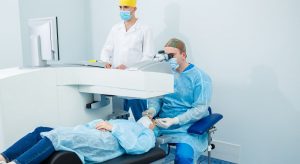
PRK long-term: PRK often provides patients with stable and reliable night vision. Once the cornea has fully healed and stabilised, night-time clarity becomes consistent, allowing activities like driving or walking in dim light to feel comfortable and safe. Contrast sensitivity is typically improved compared with pre-surgery vision, meaning dark objects and low-light details appear sharper and more defined, enhancing overall visual quality. Another long-term benefit of PRK is the reduction of visual distortions. Unlike contact lenses or glasses, which can cause light scatter, smudging, or halo effects, PRK eliminates these issues by reshaping the cornea directly. As a result, many patients experience fewer optical disturbances and enjoy clearer, more natural night vision. Overall, the long-term outcomes of PRK often include sharper, more consistent vision with minimal visual distractions, providing a lasting improvement in quality of life.
Contact lenses long-term: Long-term use of contact lenses can contribute to several night vision challenges. Many lens wearers experience increased dryness, which can cause light to scatter across the cornea, leading to fluctuating clarity and more pronounced halos, particularly in low-light conditions. Lens movement during wear can also amplify these effects, making bright lights appear surrounded by rings or glare. In addition to optical distortions, contact lenses can accumulate smudges, protein deposits, and other debris over time. These build-ups further reduce visual clarity and may create inconsistent vision throughout the day. Unlike PRK, which reshapes the cornea for stable long-term optics, contact lenses require ongoing maintenance and can lead to variable night-time vision quality, making activities like driving at night less comfortable or reliable.
PRK vs LASIK: Night Vision Comparison
LASIK pros: LASIK offers the advantage of faster recovery compared with PRK, as it involves creating a thin corneal flap rather than removing the surface epithelium, allowing the eye to stabilise more quickly. This means patients often regain clearer vision sooner and can return to normal activities, including night driving, earlier. In terms of night vision, many LASIK patients notice reduced halos, glare, and sharper contrast within the first few weeks, providing earlier visual comfort and stability, even though long-term outcomes are comparable to PRK.
LASIK cons: While LASIK offers faster recovery, it has some potential drawbacks. The creation of a corneal flap can lead to light scatter along the flap edge, which may contribute to persistent halos or glare in certain lighting conditions. LASIK is also associated with a higher risk of dry eye compared with PRK, which can further affect night vision clarity. As a result, some patients may experience ongoing glare or reduced contrast at night for a longer period, even after the initial recovery phase.
PRK pros: PRK offers several advantages for long-term visual quality, particularly at night. Since it does not involve creating a corneal flap, there is no flap edge to scatter light, which can result in clearer and more stable night vision over time. Additionally, PRK is associated with a lower long-term risk of dry eye compared with LASIK, contributing to more consistent visual clarity and comfort. These factors make PRK a reliable option for patients seeking durable, high-quality night vision.
PRK cons: One of the main drawbacks of PRK is its slower recovery compared with LASIK. Because the surface epithelium needs time to regenerate, patients may experience a longer period of halos, glare, and fluctuating clarity in the early weeks after surgery. While these symptoms typically improve over time, the extended initial healing phase can require more patience before night vision feels fully comfortable.
Night Vision Tips After PRK
Optimising night vision after PRK requires both diligent eye care and mindful lifestyle habits. Regular use of lubricating eye drops is essential to maintain a smooth tear film, reduce light scatter, and prevent dryness-related fluctuations in clarity. Wearing sunglasses outdoors protects the eyes from bright light and UV exposure, which can also minimise discomfort during the healing period. In the first few weeks after surgery, it’s especially important to avoid driving at night, as halos, glare, and temporary fluctuations in vision are more noticeable while the cornea is still regenerating.
Other simple measures can further support night vision recovery. Reducing screen brightness and taking breaks from prolonged computer or phone use helps prevent eye strain, which can worsen glare and blur. Following your prescribed drop schedule carefully ensures consistent moisture and healing, while using a humidifier indoors keeps the environment from drying out your eyes. Even small, consistent habits like these can make a substantial difference in comfort and clarity, helping your vision stabilise more quickly and ensuring a smoother, safer transition to fully restored night vision.
Frequently Asked Questions:
- Does PRK permanently affect night vision?
PRK does not usually cause permanent night-vision problems. Most patients experience halos, glare and reduced contrast only during the healing phase, which can last several weeks to a few months. As the corneal surface smooths out and the epithelium regenerates, light scatter decreases and night vision becomes clearer. In the long term, many people actually notice better night clarity than they had with glasses or contact lenses because there is no lens movement, smudging or dryness to interfere with vision. Permanent night-vision issues after PRK are rare and usually related to factors such as very large pupils, unusually high prescriptions or age-related retinal changes rather than the surgery itself. - Why do halos and glare appear after PRK?
Halos and glare occur because the surface of the cornea becomes temporarily irregular while the epithelium heals. This uneven surface bends light in a less organised way, causing rings, scatter or glow around bright lights, especially at night when the pupils enlarge. Another reason is post-surgery dryness, which disrupts the smooth tear film required for sharp night vision. As the cornea regenerates, nerves heal and the tear film stabilises, these symptoms gradually fade. The degree of halos varies between individuals depending on prescription strength, pupil size and how quickly their epithelial layer settles. - How long does it take for night vision to return to normal after PRK?
For most patients, night vision begins improving noticeably within the first month. However, the timeline varies. Many people feel comfortable driving at night again by 6–8 weeks, while others, especially those with higher prescriptions, may experience mild halos or glare for up to three to six months. In some cases, night-vision clarity continues to refine for up to a year as the cornea undergoes slow, subtle smoothing and nerve regeneration. The overall trend is gradual improvement, not deterioration, and night vision almost always stabilises as healing completes. - Is night vision worse with PRK compared to LASIK?
In the first few weeks, PRK patients often notice more pronounced night-vision disturbances than LASIK patients because PRK involves surface healing, which takes longer to stabilise. LASIK creates a corneal flap, allowing for quicker initial clarity. However, PRK tends to produce a smoother corneal surface in the long term, and because there is no flap edge to scatter light, many people ultimately report fewer halos months down the line. Long-term night vision after PRK is generally excellent and comparable to, or in some cases better than, LASIK, especially for individuals prone to dryness or with thinner corneas. - Why do some people still have halos months after surgery?
Halos that persist for several months can be linked to slow epithelial smoothing, slightly larger pupil sizes or residual dryness. People with higher prescriptions often take longer to stabilise because more corneal tissue is reshaped during surgery, resulting in a longer visual adjustment period. Mild imperfections in the healing pattern can also temporarily widen the zone where light scatters. Persistent halos do not necessarily indicate a problem; they usually reflect a gradual healing timeline. However, if halos worsen rather than improve, the surgeon may check for dryness, epithelial irregularities or residual refractive error. - Can PRK improve night vision if I already struggle with glare or halos before surgery?
Yes, PRK can improve pre-existing night-vision issues, especially if your halos and glare are caused by contact lens dryness, lens movement or smudging. Many people who rely on contact lenses experience inconsistent night clarity because lenses shift when blinking or become dehydrated in low-humidity environments. PRK eliminates these issues completely by reshaping the cornea permanently. However, if your night-vision problems stem from large pupils, early lens changes or retinal conditions, PRK may not resolve them because these factors are unrelated to the cornea. - Does pupil size affect night vision after PRK?
Pupil size plays a major role in how lights appear after PRK. When your pupils widen in dim lighting, they expose more of the healing corneal surface. If the transition between the treated and untreated areas of the cornea is still settling, this can lead to halos or glare. People with naturally large pupils often notice more pronounced light scatter in the early months. Over time, as the corneal surface smooths and the optical zone blends more seamlessly, these visual effects generally diminish. Surgeons often consider pupil size during pre-operative assessments to set realistic expectations. - Will eye drops help improve night vision after PRK?
Yes, lubricating eye drops can significantly improve night vision during recovery. Dryness is one of the biggest contributors to glare, halos and fluctuating clarity, and artificial tears help create a smoother optical surface for light to pass through. Steroid drops prescribed during the healing process can also reduce inflammation, which helps the epithelium regenerate more evenly. Some patients benefit from thicker gels at night, which reduce light scatter while sleeping and improve morning clarity. Consistent use of drops, especially in the first few months, makes night-vision recovery quicker and more predictable. - When should I be concerned about my night vision after PRK?
Mild halos, glare and contrast reduction are normal in the early months, but you should seek professional advice if symptoms become progressively worse instead of improving. Sudden drops in clarity, increasing light sensitivity, shadowing in both eyes or a sharp increase in glare can indicate dryness, epithelial irregularities or inflammation that may require treatment. True complications are rare, but early intervention helps prevent prolonged discomfort. Your surgeon will evaluate your corneal surface, tear film and prescription stability to determine whether additional treatment or adjustment is needed. - Can PRK enhancements help with night-vision problems?
Enhancements are an option when night-vision issues persist beyond the normal healing period and are caused by residual refractive error or irregular healing. An enhancement involves performing a small additional laser adjustment once the cornea has fully stabilised, usually after six to twelve months. This refinement can reduce halos, improve contrast and sharpen night clarity. Enhancements are not always necessary and are recommended only when tests show clear optical irregularities. In most cases, night-vision symptoms improve naturally without requiring further intervention.
Final Thought: What to Expect from Night Vision After PRK
Night vision changes after PRK are completely normal, and most of them settle gradually as your eyes heal and the corneal surface becomes smoother. Halos, glare and reduced contrast sensitivity can feel unsettling in the beginning, but they almost always improve with time, especially as dryness reduces and the epithelium stabilises. Long-term, many people actually achieve clearer and more consistent night vision than they ever had with contact lenses or glasses.
If you’re exploring whether PRK surgery in London could benefit you, get in touch with us at Eye Clinic London to schedule your consultation.
References:
- Schallhorn, S.C., Ames, S.L. & Tanzer, D.J. (2011) ‘Long-term outcomes and quality of vision after PRK: military population results’, Journal of Cataract & Refractive Surgery, 37(10), pp. 1823–1830. https://pubmed.ncbi.nlm.nih.gov/21856089/
- Hersh, P.S., Brint, S.F. & Maloney, R.K. (1998) ‘Photorefractive keratectomy versus laser in situ keratomileusis: a comparison of optical side effects’, Ophthalmology, 105(8), pp. 1512–1523. https://pubmed.ncbi.nlm.nih.gov/9709763/
- Mannis, M.J. & Holland, E.J. (2002) ‘Night vision disturbances after refractive surgery’, Cornea, 21(6), pp. 560–566. https://pmc.ncbi.nlm.nih.gov/articles/PMC3343536/
- Lee, H.K., Lee, K.S. & Kim, J.K. (2006) ‘Changes in higher-order aberrations after PRK and LASIK and their relation to night vision symptoms’, Korean Journal of Ophthalmology, 20(3), pp. 182–187. https://pmc.ncbi.nlm.nih.gov/articles/PMC2854969/
- Kobashi, H. & Rong, S.S. (2017) ‘Corneal flap-related complications in LASIK: Review and update’, Journal of Clinical Medicine, 6(10), p. 96. https://www.mdpi.com/2077-0383/6/10/96