


Poor School Performance and Vision Problems: When to See a Paediatric Ophthalmologist
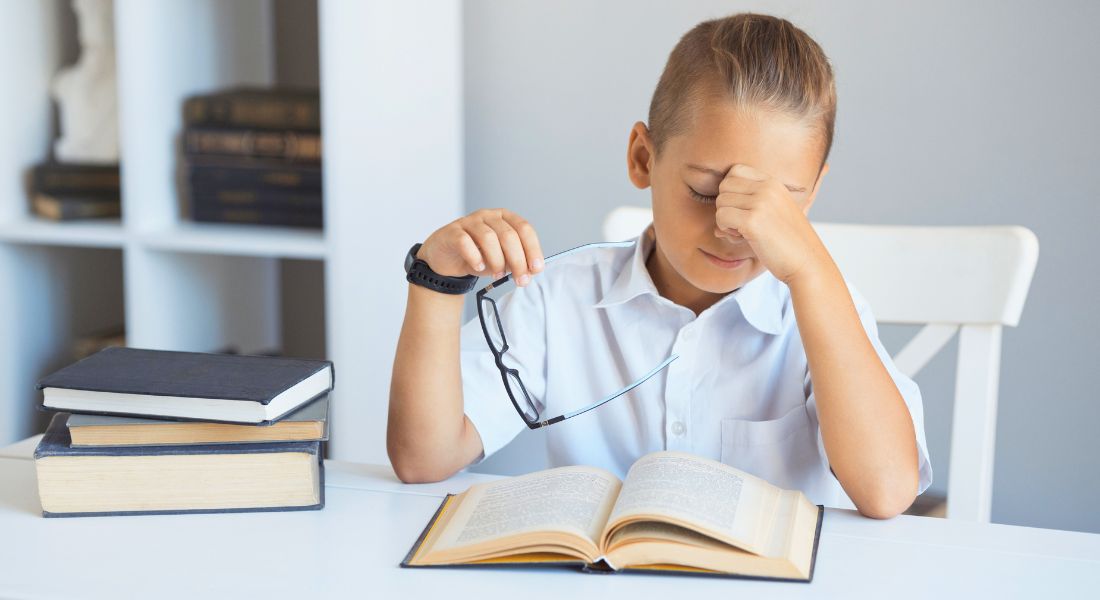
If you’ve noticed that your child is struggling at school and you can’t quite figure out why, it’s completely understandable to feel concerned. You might see them avoiding reading, losing concentration, falling behind in writing tasks, or becoming frustrated with homework. You may even wonder whether something more complex is happening, such as behavioural issues or learning difficulties. But one possibility that often goes unnoticed is that your child could be struggling with a vision problem.
Many parents assume that if their child has never complained about their eyesight, everything must be fine. But children rarely realise their vision is blurred or that their eyes are working harder than they should. They often think everyone else sees the world the same way they do. That’s why undiagnosed vision issues can quietly affect school performance for months or even years before anyone connects the dots.
Why Vision Is Essential for Learning
Around 80% of learning in childhood is visual. Whether your child is reading a book, copying from the board, writing notes, or taking part in classroom activities, their eyes are constantly working. Even slight visual difficulties can affect their experience more than you might expect.
Many children don’t have a simple “yes or no” vision problem. They might have good distance vision but poor near vision. They might see clearly but struggle to maintain focus. They might read the letters on an eye chart perfectly yet find reading a paragraph exhausting. These issues often go undetected unless you know exactly what to look for.
Here are the main components of vision that matter for learning:
- Visual clarity (sharpness of sight): This includes how clearly your child sees at near, intermediate, and far distances.
- Eye coordination (how well the two eyes work together): The eyes must align properly and track smoothly from word to word.
- Eye movements: Reading requires extremely precise eye movements. Any weakness can cause skipping words or losing place.
- Focusing ability: Your child must be able to switch focus quickly and accurately between distances something they do constantly in class.
- Visual processing: This includes how quickly and accurately your child interprets visual information.
A weakness in any one of these areas can affect learning more than you might realise.
Why Children Rarely Notice Vision Problems Themselves
Children are remarkably good at adapting. If their eyes are struggling, they often “push through it” without realising anything is wrong, particularly when vision changes develop gradually.
Signs to watch for include:
- Squinting: Often a subconscious attempt to see more clearly, especially in bright light or when reading.
- Rubbing their eyes: Can indicate strain or tiredness from blurred vision.
- Loss of attention: Difficulty focusing on tasks or schoolwork may be a result of unseen visual problems.
- Avoiding reading: Children may shy away from close-up tasks because reading is uncomfortable or tiring.
- Appearing restless: Fidgeting or seeming unsettled can sometimes be linked to visual discomfort.
Most children won’t explicitly say, “I can’t see well,” because they’ve never experienced normal vision to compare it with. This makes it essential for adults parents, teachers, and carers to recognise the signs early and seek professional eye care when needed.
How Vision Problems Affect Reading
Reading is often one of the first tasks where vision problems become noticeable, even if a child can see letters clearly. Successful reading relies on several visual and neurological systems working together, and any disruption can make the process difficult and tiring.
Precise eye movements are essential. If a child’s eyes don’t track accurately, they may lose their place, skip lines, re-read lines unintentionally, or read slowly and with effort. These small disruptions can make reading frustrating, even if they don’t realise why.
Steady focus is equally important. Children who struggle to maintain near focus may see words blur, feel eye strain, or notice the text “moving” on the page. Reading can quickly become tiring and uncomfortable, which can affect both speed and comprehension.
Finally, both eyes must work together as a team. If the eyes are not properly aligned, one eye may overwork, leading to headaches or discomfort. This often causes children to avoid reading altogether. Since they rarely articulate these difficulties, reading struggles can appear behavioural or cognitive, even when the underlying issue is purely visual.
How Vision Problems Affect Concentration

Vision problems can have a profound impact on a child’s concentration, often mimicking behaviours associated with attention or learning difficulties. When a child’s eyes struggle to focus, track, or refocus, even simple tasks like reading or copying from the board can become exhausting.
They may appear distracted, “daydreamy,” fidgety, or inattentive, but these behaviours often stem from the physical effort of seeing clearly rather than from a lack of focus. Eye strain can make concentrating mentally almost impossible, even when the child wants to pay attention.
Tasks that require sustained visual effort quickly become tiring, and the brain struggles to keep up with the eyes. Words may blur, text may shift, or the eyes may fatigue before the mind does, creating a persistent barrier to learning.
Over time, children can begin associating schoolwork with discomfort. This can lead to reduced motivation, lowered confidence, and a reluctance to engage with tasks that challenge their visual system, even when their understanding or intelligence is perfectly normal.
How Vision Problems Affect Writing and Coordination
Writing relies on both clear vision and hand eye coordination. When a child’s vision is compromised, it can impact the quality and ease of their written work.
Common signs include:
- Uneven spacing: Letters and words may appear too close together or too far apart, reflecting difficulty judging distances on the page.
- Poorly formed letters: Shapes of letters may be inconsistent or shaky, as visual feedback is unclear.
- Difficulty copying from the board: Children may struggle to accurately reproduce information seen at a distance.
- Messy written work: Overall presentation can appear disorganised, even if the child is trying hard.
- Eye strain causing fatigue: Prolonged writing or reading may lead to tiredness, irritability, or headaches.
If your child seems capable in other ways but their writing does not reflect their potential, vision issues could be an underlying cause and should be checked by an eye care professional.
The Difference Between Vision Screening and a Full Eye Examination
Many children have basic vision screenings at school, but these tests are limited in scope and do not evaluate how the eyes function during everyday tasks like reading. School screenings typically focus on distance vision, basic clarity, and whether glasses might be needed.
They do not assess critical functional aspects such as eye tracking, focusing endurance, convergence (how the eyes turn inward for near work), depth perception, or visual processing. They also don’t monitor changes over time or identify underlying medical issues affecting the eyes.
It’s entirely possible for a child to have excellent distance vision yet struggle significantly with reading, copying from the board, or concentrating due to functional visual problems.
This is why a comprehensive eye examination by a specialist is so important. Such an exam evaluates both the clarity of vision and how well the eyes work together, helping to uncover issues that standard screenings can miss.
Common Vision Problems That Affect School Performance
Several vision issues can impact learning, often without children realising. Shortsightedness (myopia) makes distant objects blurry, affecting board work and class participation, while long-sightedness (hyperopia) can cause headaches and fatigue during reading. Astigmatism blurs vision at all distances, and convergence or binocular vision problems make focusing on near tasks difficult, leading to skipped lines or poor hand–eye coordination.
Other issues include accommodative disorders, which slow refocusing between near and far objects, lazy eye (amblyopia), which can reduce depth perception, and eye tracking or visual processing problems, which affect smooth reading and pattern recognition. Even with normal eyesight, these problems can make reading, writing, and learning much harder, so early detection is essential.
Behavioural and Emotional Signs That May Indicate a Vision Problem

Children sometimes express vision difficulties through behaviour rather than words. You might notice frequent headaches, avoidance of reading or writing, rubbing of the eyes, squinting, or tilting the head. Some children close or cover one eye, move very close to the page or screen, or blink excessively. Others may lose their place while reading, struggle with comprehension, take longer to complete homework, become easily frustrated, or show declining confidence.
These signs can often be mistaken for dyslexia, ADHD, or other learning difficulties, when the underlying issue is actually visual. Recognising these patterns early and seeking an eye examination can help identify and address the problem effectively.
Academic Signs That Suggest a Vision Issue
Children with vision difficulties may struggle with copying from the board, messy handwriting, reversing letters, or organising their work. They can also have poor reading fluency, find it hard to understand instructions, show a short attention span, or perform inconsistently across tasks. Fatigue during reading or writing, and difficulty lining up numbers in maths, are common signs of visual strain. Academic struggles that appear random or inconsistent are often linked to visual fatigue, rather than lack of effort or ability.
When to See a Paediatric Ophthalmologist
If your child is showing signs of visual difficulty, it’s important to consult a paediatric ophthalmologist for a full assessment. This is particularly important if there has been a sudden drop in school performance or if teachers have raised repeated concerns about concentration and learning.
Symptoms that warrant a specialist visit include avoiding reading, struggling with writing, frequent headaches, or difficulty copying from the board. Children may also read below their expected level, appear clumsy or disorganised, or become fatigued during homework.
Other warning signs include squinting or rubbing the eyes, reversing letters frequently, unexplained drops in grades, or behavioural issues linked to frustration. These can indicate underlying visual problems that standard screenings often miss.
A paediatric ophthalmologist can assess both medical and functional eye conditions in detail. Their evaluations go beyond basic screenings, ensuring that any issues affecting learning are accurately diagnosed and appropriately managed.
Why a Paediatric Ophthalmologist Is the Best Choice for Complex Cases
Paediatric ophthalmologists are medically trained doctors who specialise in children’s eye health, making them the ideal choice for complex or persistent visual concerns. Their expertise allows them to diagnose a wide range of conditions that go beyond what standard vision tests can detect.
They are skilled in identifying eye movement disorders, visual development issues, amblyopia, strabismus, functional visual problems, eye–brain coordination difficulties, developmental visual delays, and underlying medical conditions. These assessments go far deeper than a routine eye exam.
Because children’s vision is closely linked to learning and development, early and accurate diagnosis is critical. Paediatric ophthalmologists use specialised tests and techniques to uncover subtle problems that can affect reading, concentration, and overall academic performance.
For parents who want to understand the assessment process in detail, clinical overviews from specialists such as those practising as paediatric ophthalmologists in London can be very helpful. These resources explain what happens during a children’s eye exam and how different vision issues may impact learning and development.
How Untreated Vision Problems Affect Learning Long Term
Vision plays a crucial role in a child’s learning and overall development. Even minor undiagnosed vision problems can make everyday classroom activities challenging, affecting not only academic performance but also confidence, behaviour, and motivation. Understanding how untreated visual issues impact a child can help parents and educators take timely action to support their learning journey.
- Academic progress: Struggling to see the board or read textbooks can slow learning and make keeping up with peers difficult.
- Confidence: Repeated difficulties may affect self-esteem, making children hesitant to participate or ask questions.
- Behaviour: Frustration from not seeing properly can sometimes manifest as fidgeting, distraction, or oppositional behaviour.
- Motivation: Tasks that are physically or visually challenging may feel overwhelming, reducing a child’s drive to engage.
- Classroom participation: Children with vision problems may avoid activities that require reading, writing, or group interaction.
- Reading fluency: Struggling to track text or focus can slow reading speed and comprehension.
- Writing skills: Difficulty seeing clearly can affect letter formation, spacing, and overall handwriting quality.
- Overall cognitive development: Visual difficulties can limit the ability to process information efficiently, affecting problem-solving and critical thinking skills.
Over time, a child may feel that school is “too hard,” leading to frustration, withdrawal, or anxiety. Many children labelled as “poor readers” or “disengaged” actually have visual barriers that are completely treatable with the right assessment and support.
How Soon Children Should Have Their Eyes Tested
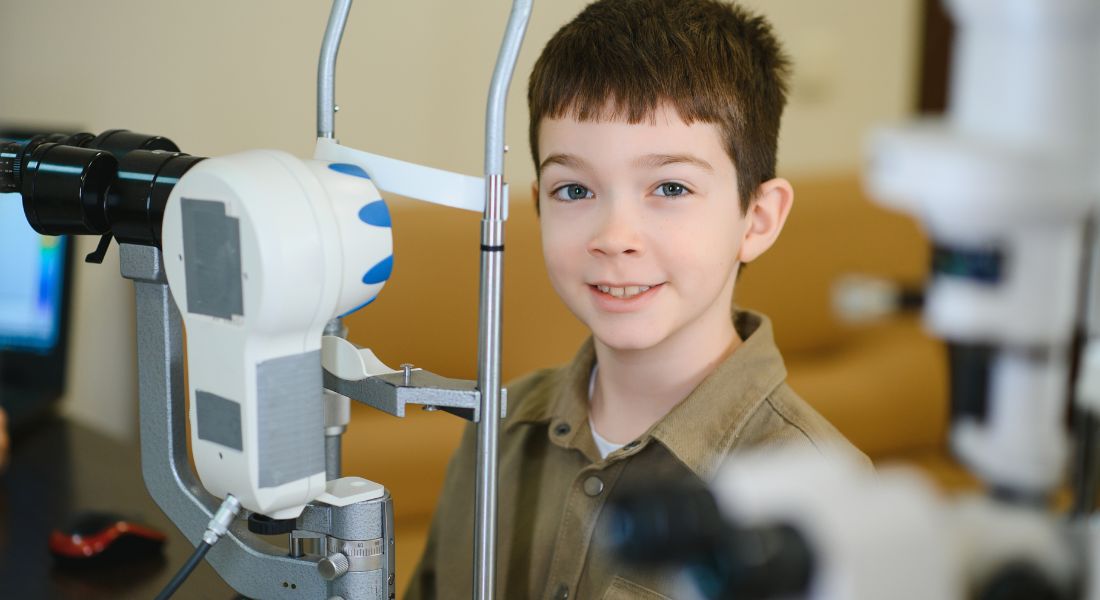
Experts recommend that children have their first comprehensive eye exam by around age three, even if no issues are apparent. Early testing helps identify any developmental or structural eye problems before they begin to affect learning.
After the initial assessment, routine eye checks every one to two years are advised to monitor vision and ensure healthy development. Regular monitoring allows for early detection of changes that could impact reading, concentration, or visual comfort.
If a child develops symptoms such as headaches, eye strain, difficulty reading, or poor coordination, a prompt eye assessment is recommended rather than waiting for the next scheduled check. Similarly, if teachers notice problems with reading, handwriting, or attention in class, arranging an eye exam should be one of the first steps, as vision issues can often underlie these challenges.
FAQs:
- Can vision problems really affect my child’s school performance even if they seem to see normally?
Yes, children can appear to see clearly in everyday situations yet still have functional vision problems that impact learning. Issues like eye coordination, focusing ability, or subtle tracking difficulties may not show up on a standard eye chart but can make reading, writing, and paying attention more challenging. Over time, these undiagnosed issues can affect comprehension, speed, and confidence in the classroom. - At what age should I first take my child to a paediatric ophthalmologist?
Experts generally recommend a comprehensive eye exam by around three years old. This early evaluation can detect structural or developmental issues before they start affecting learning. After the first check, follow-up exams every one to two years help ensure the eyes develop healthily and that any emerging problems are identified promptly. - How can I tell if my child’s reading difficulties are due to vision rather than a learning disorder?
It can be difficult to distinguish between the two because vision problems often mimic learning difficulties. If your child struggles with skipping lines, losing their place while reading, or becomes easily fatigued, it may suggest a visual component. A paediatric ophthalmologist can perform detailed assessments to determine whether the difficulties stem from vision or other cognitive factors. - Are standard school vision screenings enough to catch all issues?
No, basic school screenings are limited and usually focus only on distance vision or whether corrective lenses are needed. They do not assess essential functional vision skills such as eye tracking, focusing endurance, or binocular coordination. Many children with normal distance vision can still struggle with tasks like reading, copying from the board, or hand–eye coordination. - What types of vision problems most commonly affect school performance?
Several issues can interfere with learning, including shortsightedness (myopia), long-sightedness (hyperopia), astigmatism, convergence problems, accommodative disorders, amblyopia, and eye movement or tracking difficulties. Even mild forms of these conditions can make reading, writing, and concentration more difficult without obvious signs to the child or teacher. - Can vision problems cause behavioural or emotional changes in children?
Yes, undiagnosed visual difficulties can manifest as fidgeting, restlessness, irritability, or withdrawal in class. Children may avoid tasks like reading or writing because they are uncomfortable or tiring, which can sometimes be misinterpreted as laziness, ADHD, or behavioural issues. Identifying and treating the underlying visual problem often resolves these behavioural patterns. - How does a paediatric ophthalmologist examine a child’s eyes differently from a standard optometrist?
Paediatric ophthalmologists are medically trained specialists who evaluate both the medical and functional aspects of children’s vision. They assess eye movements, focusing ability, binocular coordination, and visual processing in addition to checking visual acuity. This allows them to identify subtle or complex issues that standard vision tests might miss. - Can untreated vision problems have long-term effects on learning?
Yes, even minor undiagnosed vision issues can gradually affect academic performance, confidence, and motivation. Persistent difficulties with reading, writing, or classroom participation can make learning exhausting and frustrating, potentially leading to reduced engagement and missed opportunities for cognitive and social development. - If my child wears glasses, does that mean their vision won’t affect school performance?
Not necessarily. Glasses correct clarity but may not address other functional vision issues such as eye coordination, focusing endurance, or tracking. A child with perfect visual acuity through lenses can still struggle with tasks requiring sustained near vision or precise eye movements. A full assessment by a paediatric ophthalmologist ensures all aspects of vision are functioning optimally. - How soon should I seek an eye exam if I notice my child struggling at school?
Prompt assessment is recommended as soon as any signs appear, whether it’s difficulty reading, frequent headaches, eye strain, or declining school performance. Early intervention is critical because functional vision problems are often treatable, and timely support can prevent further academic or emotional challenges.
Final Thought: Supporting Your Child’s Vision and Learning
If you’re noticing signs that your child may be struggling with vision-related learning challenges, it’s important not to wait. Early assessment and intervention can make a significant difference in academic performance, confidence, and overall development. Consulting a paediatric ophthalmologist in London can help identify both medical and functional vision problems that standard screenings may miss. Their specialised evaluations ensure that your child receives the appropriate care and support to thrive in school. If you’re exploring whether a paediatric ophthalmologist in London could benefit your child, get in touch with us at Eye Clinic London to schedule a consultation.
References:
- Williams, W.M. et al. (2022) Vision and academic performance in primary school children, Ophthalmic & Physiological Optics, 38(5), pp.533–543. https://pubmed.ncbi.nlm.nih.gov/30221376/
- Hollar, S.L. and Dorman, S.M. (2021) Visual information processing skills are associated with academic performance in Grade 2 school children, Optometry and Vision Science, 96(8), pp.541–548. https://pubmed.ncbi.nlm.nih.gov/31228337/
- Krwawicz, R. and colleagues (2023) Influence of vision on educational performance: evidence from schoolchildren, Sustainability, 13(8), p.4187. https://www.mdpi.com/2071-1050/13/8/4187
- Pérez‑Franco, J.A., Gonzalo, L. and Sánchez‑Bocanegra, C. (2019) Eye tracking in developmental cognitive research, Trends in Neuroscience and Education, 15, 100131. https://www.sciencedirect.com/science/article/pii/S187892931930297X
- García‑López, E., Diez, A., Pérez‑Crespo, A., et al. (2021) Visual health and academic performance in school‑aged children: evidence from a large optometric screening, PLoS ONE, 16(5):e0251540. https://pmc.ncbi.nlm.nih.gov/articles/PMC7177927/