


Painful Red Eye: Could It Be an Emergency?
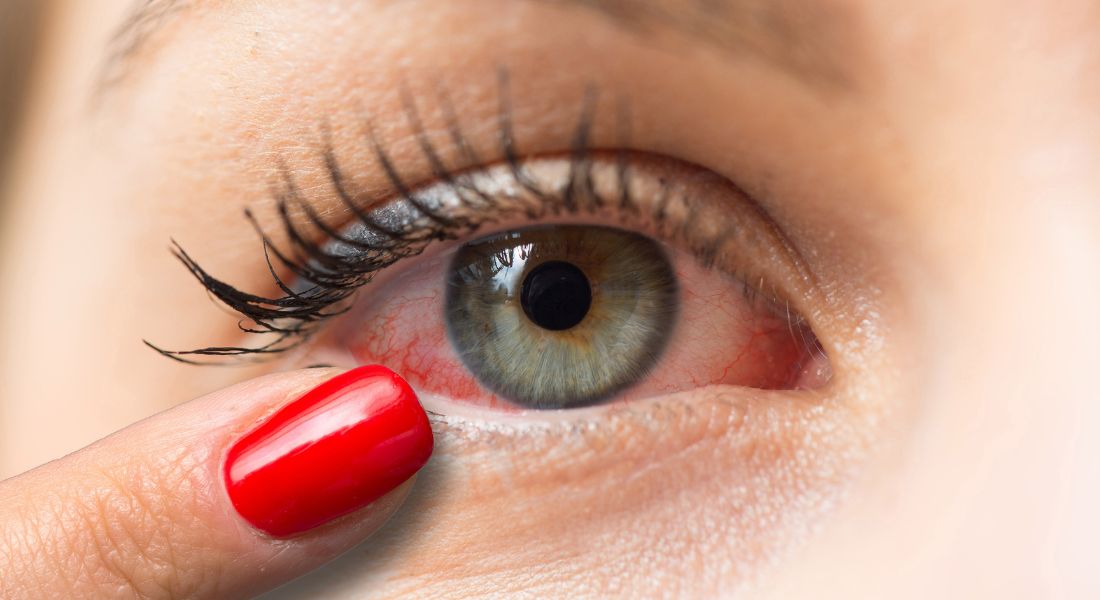
A painful red eye is a symptom you should never ignore. While mild redness can sometimes be harmless, pain combined with redness often signals a more serious problem. The cause may range from infection to inflammation or even a sudden rise in eye pressure, such as in Acute angle-closure glaucoma.
You may also notice additional symptoms like blurred vision, sensitivity to light, excessive tearing, or discharge. In some cases, conditions such as Keratitis or Uveitis may be responsible. These signs help indicate the severity of the issue and whether urgent care is needed.
Knowing when to seek immediate medical attention is essential for protecting your vision. Some eye conditions can worsen quickly and lead to permanent damage if left untreated. Acting promptly ensures early diagnosis, appropriate treatment, and the best possible outcome for your eye health.
What Causes a Red Eye?
If you notice your eye looking red, it’s usually because the tiny blood vessels on the surface of the eye have become enlarged. This can happen for a variety of reasons, ranging from mild irritation to more serious conditions. In many cases, redness is the first sign that something is affecting the surface or internal structures of your eye. The cause of a red eye can vary, and the symptoms you experience alongside it often provide important clues.
- Mild irritation or dryness: If your eye feels slightly uncomfortable but not painful, the redness may be due to dryness, dust, or prolonged screen use. These situations can irritate the surface of your eye and cause temporary redness, which usually improves with rest or lubricating eye drops.
- Infection or inflammation: Redness can also be caused by infections such as conjunctivitis or inflammation within the eye. In these cases, you may notice additional symptoms like discharge, swelling, or sensitivity to light. These conditions often require medical treatment.
- Allergic reactions: Allergies can make your eyes appear red, itchy, and watery. Common triggers include pollen, dust, or pet dander. Although uncomfortable, allergic redness is usually not serious and can be managed with appropriate treatment.
- More serious causes with pain: If your red eye is accompanied by pain, blurred vision, or sensitivity to light, it could indicate a more serious issue. Conditions affecting deeper parts of the eye may require urgent assessment to prevent complications.
Because not all red eyes are the same, it’s important to understand the underlying cause. If your symptoms persist, worsen, or include pain or vision changes, you should seek professional advice to ensure you receive the right treatment.
Why Pain Is a Warning Sign
Pain is a key indicator that something more serious may be affecting your eye. It often suggests that deeper structures such as the cornea, internal eye tissues, or pressure within the eye are involved. Conditions like Keratitis, Uveitis, or Acute angle-closure glaucoma can all cause significant discomfort and require urgent attention.
Unlike mild irritation or dryness, painful eye conditions tend to worsen quickly if left untreated. The presence of pain often means there is inflammation, infection, or increased pressure, all of which can damage sensitive eye structures. Delaying treatment in these situations increases the risk of complications, including vision loss.
If you experience noticeable pain along with redness, it is important to seek medical advice without delay. Pain should never be dismissed as minor, especially when combined with other symptoms. Treating it as a warning sign helps ensure timely care and protects your long-term eye health.
Acute Angle-Closure Glaucoma
Acute angle-closure glaucoma is a true medical emergency that requires immediate attention. It occurs when the drainage angle within the eye suddenly becomes blocked, causing a rapid and dramatic rise in intraocular pressure. This pressure can quickly damage the Optic nerve, which is essential for vision.
You may experience intense eye pain, a severe headache, blurred vision, and seeing halos around lights. The affected eye often appears very red, and vision may deteriorate rapidly. Nausea and vomiting can also occur in some cases, adding to the severity of the episode.
Immediate treatment is crucial to lower the eye pressure and prevent permanent damage. Without prompt care, vision loss can become irreversible within a short time. If you notice these symptoms, seeking urgent medical help is essential to protect your sight.
Keratitis and Corneal Infections
Keratitis is an inflammation of the cornea, often caused by infection. This may result from bacteria, viruses, or fungi, and is more likely to occur if you wear contact lenses especially if hygiene is not optimal. The cornea is a delicate, transparent structure, so any infection here needs prompt attention.
Symptoms typically include severe eye pain, redness, sensitivity to light, and blurred vision. You may also feel as though something is stuck in your eye, causing significant discomfort. Infections such as Herpes simplex keratitis can be particularly serious and may recur if not properly managed.
Prompt treatment is essential to protect the cornea from damage. Delaying care can lead to complications such as scarring, which may permanently affect your vision. Early diagnosis and appropriate treatment greatly improve outcomes and help preserve long-term eye health.
Uveitis and Internal Inflammation
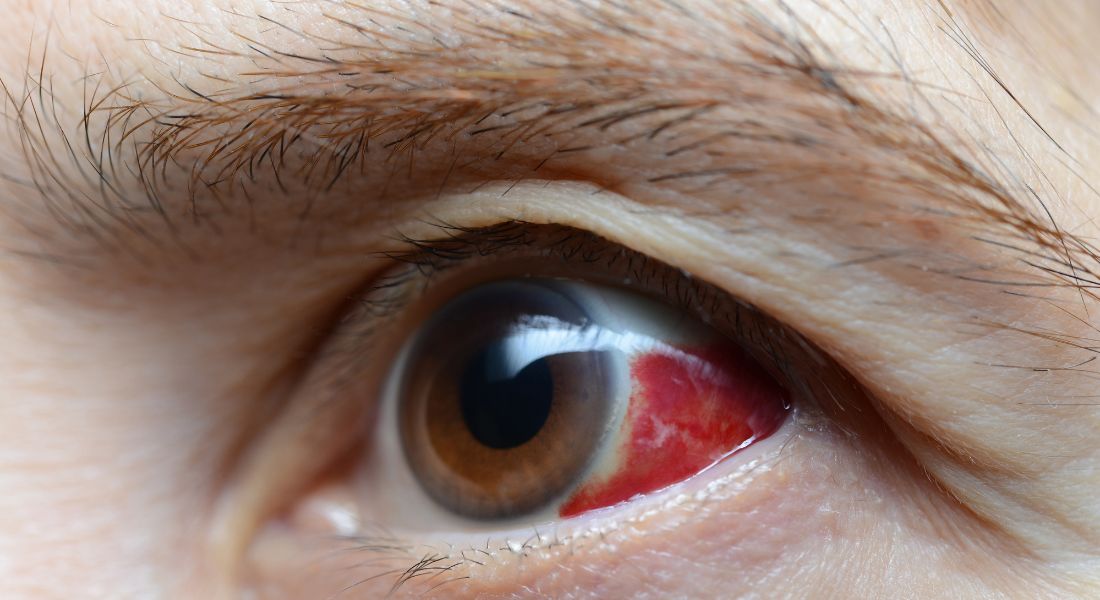
Uveitis is a condition where inflammation develops inside your eye rather than on the surface. It can affect different layers, including the iris at the front of the eye. Because this inflammation occurs internally, it often causes more noticeable discomfort and requires prompt attention. The symptoms can appear quite quickly and may feel more severe than simple irritation.
- Pain and deep eye discomfort: Unlike mild surface redness, uveitis often causes a deeper, aching pain in the eye. You may find that the discomfort worsens in bright light or when focusing.
- Redness with blurred vision: Your eye may look red, but you may also notice that your vision becomes slightly blurred or hazy. This happens because inflammation can interfere with how light passes through the eye.
- Sensitivity to light (photophobia): Bright lights may feel uncomfortable or even painful. You might prefer to keep your eyes closed or wear sunglasses in well-lit environments.
- Need for specialist care: Because uveitis affects internal eye structures, it requires assessment by an eye specialist. Treatment usually involves anti-inflammatory medication, such as steroid eye drops, to control the inflammation.
Early diagnosis and treatment are essential to prevent complications, such as damage to eye structures or long-term vision problems. With proper care and regular monitoring, most patients can achieve good recovery and maintain healthy vision.
Conjunctivitis vs Serious Conditions
Conjunctivitis is a common and usually mild cause of a red eye. It often leads to irritation, watering, or discharge, but typically does not cause severe pain. In many cases, it resolves with simple treatment or even on its own, depending on the cause.
However, not all red eyes are due to conjunctivitis. When you experience significant pain, light sensitivity, or changes in vision, it may point to a more serious condition such as Keratitis or Uveitis. These conditions require prompt medical attention and should not be mistaken for a minor issue.
If your symptoms are severe, worsening, or different from typical irritation, it is important to seek professional advice. Assuming it is conjunctivitis without proper assessment can delay necessary treatment. An accurate diagnosis ensures you receive the right care and helps protect your vision.
Corneal Abrasion and Injury
A Corneal abrasion is a scratch on the surface of your eye, specifically the cornea. Even a small injury can cause significant discomfort because the cornea is highly sensitive. This often leads to sharp pain, redness, and a strong urge to blink or rub the eye.
You may feel as though something is stuck in your eye, along with sensitivity to light and watering. These symptoms can appear suddenly, often after minor trauma such as dust, a fingernail scratch, or contact lens irritation. Despite seeming minor, these injuries should be taken seriously.
Treatment focuses on preventing infection and allowing the cornea to heal properly. This may include lubricating drops or antibiotic medication if needed. Prompt care reduces discomfort, speeds up recovery, and helps avoid complications that could affect your vision.
Foreign Objects in the Eye
If something gets into your eye, you will usually notice it straight away. Even a tiny particle, such as dust or debris, can cause significant discomfort and make your eye appear red. This happens because the surface of your eye is very sensitive, and any foreign object can irritate it quickly. The symptoms can feel intense, even if the object is very small.
- Immediate pain and irritation: You may feel a sharp or gritty sensation as soon as the object enters your eye. This irritation can make it difficult to focus or keep your eye open comfortably.
- Tearing and blinking: Your eye will often start watering as a natural response to try and wash out the particle. You may blink more frequently or find it hard to keep the eye open due to discomfort.
- Avoid rubbing the eye: Although it may feel natural to rub your eye, this can make things worse. Rubbing can push the object deeper or scratch the surface of your eye, increasing the risk of injury.
- When to seek medical care: If the object does not come out easily or if the pain continues, it is important to seek professional help. Attempting to remove it yourself with tools or fingers can damage the eye. An eye specialist can safely remove the object and check for any injury.
Taking the right steps early helps protect your eye from further damage. If symptoms persist or worsen, prompt medical care ensures safe removal and proper healing.
Chemical Exposure
Chemical exposure to the eye is a serious emergency that requires immediate action. It can occur from household cleaning products, industrial chemicals, or even accidental splashes of irritants. These substances can rapidly damage the surface of the eye, including the Cornea.
Symptoms often include severe pain, redness, watering, and blurred vision. The damage can progress quickly, sometimes within minutes, depending on the type of chemical involved. This makes a rapid response absolutely essential.
If exposure occurs, you should rinse the eye immediately with clean water or saline for several minutes. After this, seek urgent medical care without delay. Prompt treatment is critical to minimise injury, reduce complications, and protect your long-term vision.
Contact Lens Complications
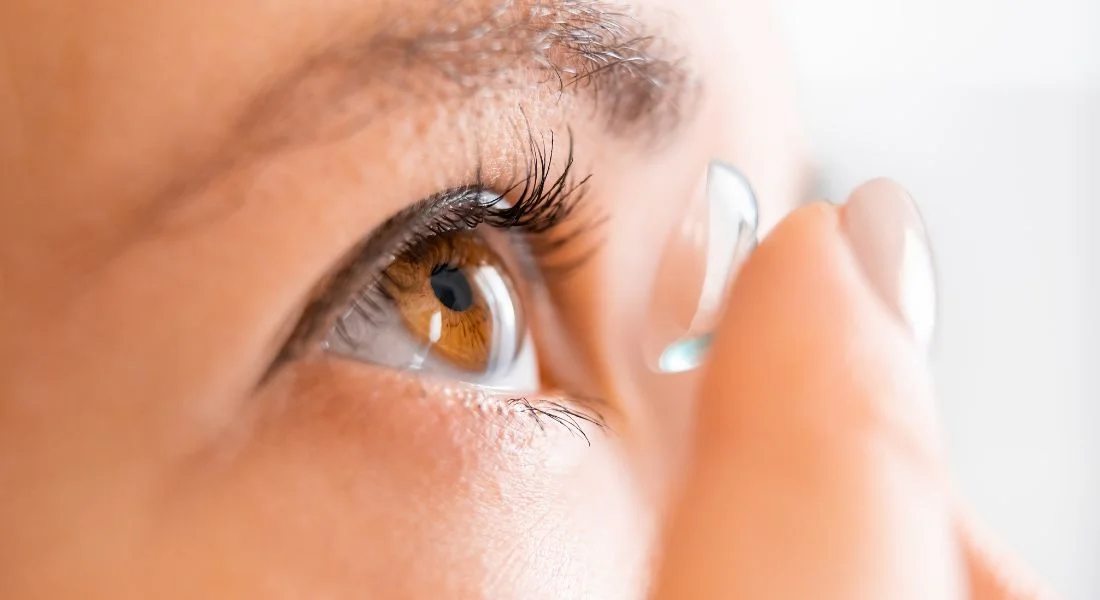
Contact lens use can increase the risk of eye infections and irritation, particularly if hygiene is not maintained or lenses are worn for too long. These issues can lead to redness, discomfort, and sometimes more serious conditions such as Keratitis, which affects the surface of the eye.
You may notice symptoms such as pain, blurred vision, discharge, or a gritty sensation. These can develop quickly and should not be ignored. The first step is to remove your lenses immediately to prevent further irritation or damage.
Seeking medical advice ensures you receive the correct treatment and helps prevent complications. Continuing to wear contact lenses while symptoms persist can worsen the condition. Practising proper lens care and limiting wear time significantly reduces your risk and supports long-term eye health.
Light Sensitivity and Its Importance
Light sensitivity, also known as Photophobia, is a common feature of more serious eye conditions. It often occurs alongside inflammation or infection, particularly in conditions such as Keratitis or Uveitis. This can make even normal indoor lighting feel uncomfortable or painful.
You may find it difficult to keep your eyes open in bright environments or feel the need to avoid light altogether. This symptom usually indicates that deeper structures of the eye are involved, rather than just surface irritation. Because of this, it should never be ignored.
Photophobia is an important diagnostic clue that helps distinguish serious eye problems from mild conditions like simple dryness or irritation. Reporting this symptom to your doctor allows for a more accurate assessment and timely treatment. Recognising its significance helps protect your vision and ensures appropriate care.
Vision Changes as a Red Flag
If you notice changes in your vision along with redness and pain, it’s important to take this seriously. Symptoms such as blurring, halos around lights, or reduced clarity can indicate that the problem is affecting deeper structures within your eye. These signs often suggest more than simple irritation. Vision changes can provide important clues about the severity of the condition.
- Blurred or reduced clarity: You may find that your vision becomes hazy or less sharp than usual. This can happen if the cornea or internal parts of your eye are affected, interfering with how light is focused.
- Seeing halos around lights: Halos, especially noticeable at night, can indicate swelling or changes in the cornea. This symptom should always be assessed, particularly if it appears suddenly.
- Possible involvement of deeper eye structures: When vision changes accompany redness and pain, it often means that inflammation or pressure is affecting internal eye tissues. This requires urgent evaluation by an eye specialist.
- Do not ignore even mild symptoms: Even small changes in your vision can worsen if left untreated. Early medical care helps prevent complications and supports better recovery.
If you experience any visual disturbance, it’s best to seek professional advice without delay. Prompt assessment ensures the cause is identified and treated before it affects your long-term vision.
Headache and Eye Pain Connection
Severe eye pain can sometimes be accompanied by a headache, and this combination should be taken seriously. It is particularly common in conditions such as Acute angle-closure glaucoma, where a rapid rise in eye pressure leads to intense discomfort. The pain may feel deep, throbbing, and difficult to ignore.
Headache alongside eye pain can indicate increased pressure inside the eye or significant inflammation, as seen in conditions like Uveitis. This combination of symptoms is concerning because it often points to involvement beyond simple surface irritation.
Understanding the link between headache and eye pain helps you recognise potential emergencies. When these symptoms occur together, the urgency for medical assessment increases. Seeking prompt care is essential to prevent complications and protect your vision.
When to Seek Immediate Care
You should seek urgent medical attention if you experience severe eye pain, sudden vision changes, or marked light sensitivity (Photophobia). These symptoms often point to serious conditions such as Acute angle-closure glaucoma or Keratitis, where early treatment is critical to prevent lasting damage.
A sudden onset of symptoms is particularly concerning. Rapid changes in vision or pain levels may indicate an acute problem affecting deeper structures of the eye. In these situations, delaying assessment can significantly increase the risk of complications, including permanent vision loss.
If you are unsure about the severity of your symptoms, it is always safest to act with caution. Prompt evaluation allows for accurate diagnosis and timely treatment. Seeking care early is the most effective way to protect your vision and overall eye health.
How Eye Conditions Are Diagnosed
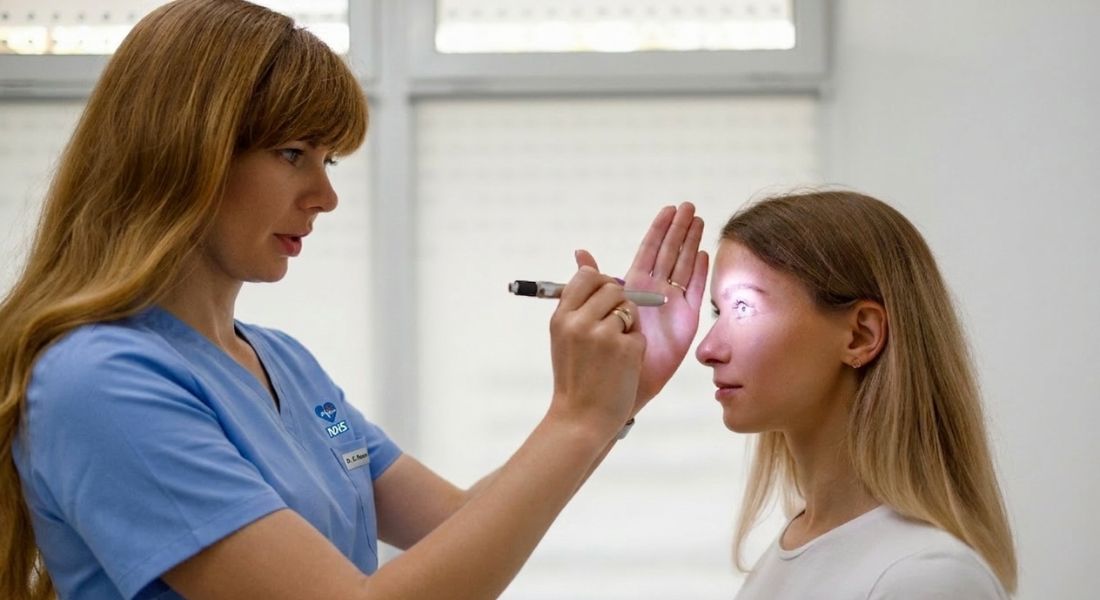
If you develop symptoms such as redness, pain, or changes in vision, your doctor will carry out a detailed eye examination to understand the cause. This involves carefully assessing both the surface of your eye and the internal structures. A thorough evaluation helps ensure that nothing important is missed. Different tests may be used to gather the information needed for an accurate diagnosis.
- Comprehensive eye examination: Your doctor will examine your eye using specialised lights and magnification. This allows them to check for signs of irritation, infection, or inflammation affecting different parts of the eye.
- Measurement of eye pressure: You may have a test to measure the pressure inside your eye, known as Tonometry. This is important for identifying conditions that can affect eye pressure and vision.
- Detailed view of the cornea and internal structures: Instruments such as a slit lamp may be used to examine the cornea, lens, and other internal areas in detail. This helps detect any abnormalities that could be causing your symptoms.
- Imaging and additional tests: In some cases, further imaging or specialised scans may be required. These tests provide more detailed information, especially if deeper structures of the eye are involved.
Getting an accurate diagnosis is essential for choosing the right treatment. Early evaluation allows your doctor to manage the condition effectively and helps protect your long-term vision.
Treatment Options for Painful Red Eye
Treatment for a painful red eye always depends on the underlying cause, so an accurate diagnosis is essential. Management may include medicated eye drops, oral medications, or in some cases urgent procedures. Each condition whether infection, inflammation, or pressure-related requires a tailored approach to protect your vision.
For example, infections such as Keratitis may require antibiotic, antiviral, or antifungal treatment depending on the source. Inflammatory conditions like Uveitis are often treated with steroid-based medications to reduce inflammation. In contrast, emergencies such as Acute angle-closure glaucoma require immediate intervention to lower eye pressure and prevent permanent damage.
Following your prescribed treatment plan closely is vital for proper recovery. Skipping medications or delaying care can worsen the condition or prolong healing. Adhering to medical advice not only improves outcomes but also helps safeguard your long-term eye health.
Preventing Serious Eye Problems
Maintaining good eye hygiene is one of the simplest ways to reduce your risk of infections. Washing your hands before touching your eyes and following proper contact lens care can help prevent conditions such as Keratitis. Small daily habits play an important role in keeping your eyes healthy.
Protecting your eyes from injury is equally important. Wearing appropriate protective eyewear during activities that carry risk such as sports, DIY work, or exposure to chemicals can prevent damage to sensitive structures like the Cornea. Prevention in these situations can significantly reduce the chance of serious complications.
Regular eye check-ups are essential for early detection of potential problems. Routine examinations can identify changes before symptoms become severe, lowering the risk of emergencies such as Acute angle-closure glaucoma. Ongoing care and awareness help you maintain long-term eye health and protect your vision.
FAQs:
- What causes a painful red eye?
A painful red eye can result from several conditions, including infections, inflammation, injury, or increased eye pressure. Common causes include keratitis, uveitis, and acute glaucoma. The presence of pain usually indicates a more serious underlying issue that needs prompt evaluation. - Is a painful red eye always an emergency?
Not always, but it should never be ignored. While some causes may be mild, pain combined with redness can indicate a serious condition. It is safest to seek medical advice to rule out emergencies. - How can I tell if my red eye is serious?
A red eye is more concerning if it is accompanied by pain, blurred vision, light sensitivity, or headache. These symptoms suggest deeper involvement of the eye. In such cases, urgent assessment is recommended. - What is acute angle-closure glaucoma?
Acute angle-closure glaucoma is a serious condition where eye pressure rises suddenly. It causes severe pain, redness, blurred vision, and sometimes nausea. Immediate treatment is essential to prevent permanent vision loss. - Can an eye infection cause severe pain and redness?
Yes, infections such as keratitis can cause intense pain, redness, and light sensitivity. These infections can progress quickly and may damage the cornea if untreated. Early treatment is important to protect vision. - When should I go to the emergency department for a red eye?
You should seek emergency care if you experience severe pain, sudden vision changes, light sensitivity, or if symptoms worsen quickly. Chemical exposure or eye injury also requires immediate attention. Acting quickly can prevent complications. - Can contact lenses cause a painful red eye?
Yes, improper use of contact lenses can lead to infections or irritation. Sleeping in lenses or poor hygiene increases the risk. If you develop pain or redness, remove the lenses and seek medical advice. - What should I do if something gets into my eye?
Avoid rubbing your eye, as this can worsen the problem. Try gently rinsing it with clean water. If discomfort persists, seek professional help to safely remove the object. - Can a painful red eye affect my vision permanently?
In some cases, yes. Conditions like glaucoma, severe infections, or untreated inflammation can lead to lasting damage. Prompt diagnosis and treatment greatly reduce the risk of permanent vision loss. - How can I prevent painful eye conditions?
Maintaining good eye hygiene, using contact lenses properly, and protecting your eyes from injury can help reduce risk. Regular eye examinations also help detect problems early. Prevention plays a key role in maintaining eye health.
Final Thoughts: Don’t Ignore the Warning Signs
A painful red eye is more than just a minor irritation it can be a clear warning that something serious is affecting your eye health. From infections and inflammation to sudden increases in eye pressure, the causes can vary widely, but the importance of early action remains the same. Recognising symptoms such as pain, light sensitivity, and vision changes helps you understand when urgent care is needed.
Acting quickly can make a significant difference in protecting your vision and preventing long-term complications. If you experience any concerning symptoms, seeking professional advice without delay is always the safest choice. If you’d like to find out whether ophthalmologist in London is suitable for you, feel free to contact us at Eye Clinic London to arrange a consultation.
References:
- Cronau, H., Kankanala, R.R. and Mauger, T. (2010) ‘Diagnosis and management of red eye in primary care’, American Family Physician, 81(2), pp. 137–144. https://pubmed.ncbi.nlm.nih.gov/20082509/
- Petrillo, F. et al. (2024) ‘Understanding Acanthamoeba keratitis: An in-depth review of a sight-threatening eye infection’, Microorganisms, 12(4), p. 758. https://www.mdpi.com/2076-2607/12/4/758
- Cabrera-Aguas, M. and Watson, S.L. (2023) ‘Updates in diagnostic imaging for infectious keratitis: A review’, Diagnostics, 13(21), p. 3358. https://www.mdpi.com/2075-4418/13/21/3358
- Xu, T. et al. (2022) ‘Vision loss due to uncommon “red eye”: A case report’, Medicine (Baltimore), 101(41), e31064. https://pmc.ncbi.nlm.nih.gov/articles/PMC9575782/
- Scharf, S.A. et al. (2024) ‘Oxford Nanopore technology-based identification of Acanthamoeba castellanii in microbial keratitis’, Microorganisms, 12(11), p. 2292. https://www.mdpi.com/2076-2607/12/11/2292