


Can Ozempic and Other GLP-1 Drugs Affect Your Eyes?
Ozempic and other GLP-1 medicines can be associated with certain eye-related changes, but the risks differ depending on the medicine, your diabetes control and any existing eye disease. If you have diabetes, one concern is diabetic retinopathy, which can temporarily worsen when your blood glucose falls very quickly. This effect was known before GLP-1 medicines and can also happen with other intensive diabetes treatments.
Semaglutide, the active ingredient in Ozempic, Wegovy and Rybelsus, has also been linked very rarely with a condition called non-arteritic anterior ischaemic optic neuropathy (NAION). In February 2026, the UK MHRA updated its advice after concluding that NAION may occur very rarely with semaglutide. You should not stop treatment without medical advice, but your eye health, glucose changes and any new vision symptoms should be considered as part of your care.
What Are Ozempic and GLP-1 Medicines?
Semaglutide is a GLP-1 medicine used in several products. Ozempic and Rybelsus are licensed in the UK for treating type 2 diabetes, while Wegovy is licensed for weight management in eligible patients. Semaglutide can lower blood glucose and reduce appetite, but the approved uses differ between products.
Other GLP-1 medicines include dulaglutide and liraglutide. Mounjaro (tirzepatide) works slightly differently by targeting both GLP-1 and GIP receptors, so effects linked specifically to semaglutide may not apply to every medicine.
Why Have GLP-1 Medicines Attracted Attention From Eye Specialists?
GLP-1 medicines attracted attention after a major semaglutide trial reported changes in diabetic retinopathy. If you already have significant retinopathy, a rapid improvement in your blood glucose can sometimes temporarily worsen the condition, even though good glucose control protects your eyes in the long term.
More recently, researchers have also investigated a possible link between semaglutide and NAION, a rare condition affecting your optic nerve. These are separate issues, so you should not confuse diabetic retinopathy with NAION.
What Is Diabetic Retinopathy?
Diabetic retinopathy develops when high blood glucose damages the small blood vessels in your retina. It can progress gradually, sometimes before you notice any changes in your vision.
- Early changes: Retinal damage can begin without noticeable symptoms.
- Blood vessel damage: High glucose levels can weaken and damage the tiny retinal blood vessels.
- Advanced disease: Bleeding or swelling can eventually affect your sight.
- Glucose control: Managing your diabetes can help reduce your long-term risk of retinopathy.
Regular diabetic eye screening can help detect retinal changes before they significantly affect your vision.
What Did the Original Semaglutide Study Find About Retinopathy?
The SUSTAIN-6 trial found diabetic retinopathy complications in 3.0% of people taking semaglutide, compared with 1.8% taking placebo. If you already had retinopathy, you were more likely to be affected, as more than 80% of those with complications had the condition before the study.
Further analysis suggested the increased risk was mainly linked to how quickly your HbA1c fell, particularly if you already had poor glucose control or used insulin. This does not mean semaglutide directly damages your retina, but you may need closer eye monitoring if you have existing retinopathy.
Why Can Rapidly Lowering Blood Glucose Temporarily Worsen Retinopathy?
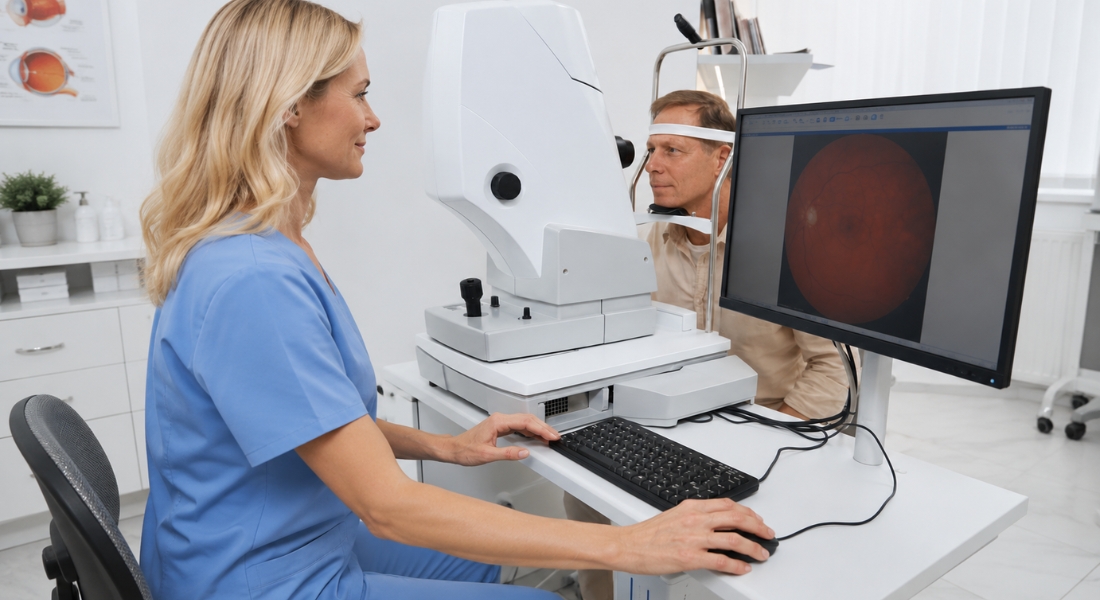
Rapidly lowering your blood glucose can sometimes cause early worsening of diabetic retinopathy. If you already have retinopathy and your HbA1c falls quickly, you may experience temporary changes in your retinal blood vessels.
This effect was recognised before GLP-1 medicines were available and does not mean better glucose control is harmful for your eyes. If you have poorly controlled diabetes or significant retinopathy, you may need closer eye monitoring when your treatment is intensified.
Who May Be at Greater Risk of Retinopathy Worsening?
Your risk is more relevant if you have type 2 diabetes, existing diabetic retinopathy and a rapid improvement in your blood glucose. You may need closer monitoring if you have advanced retinopathy, diabetic macular oedema or previous retinal laser treatment or injections.
The UK Ozempic information advises close monitoring for people with diabetic retinopathy who use insulin and semaglutide. This does not mean semaglutide is unsuitable for you, but your diabetes and eye-care teams may need to monitor you more carefully as your glucose control improves.
Clinical Tip
If you already have diabetic retinopathy and are starting semaglutide or another treatment expected to improve your glucose levels substantially, make sure your diabetes and eye-care teams know about your existing eye condition.
Keep your diabetic eye screening and any specialist retinal appointments. NHS diabetic eye screening is usually offered every one or two years depending on previous results, while people with retinal changes may need more frequent follow-up or specialist care.
Does Semaglutide Directly Damage the Retina?
Current evidence does not establish that semaglutide directly damages the retina. Studies suggest the main concern is rapid improvement in blood glucose, particularly if you already have diabetic retinopathy.
More recent research has not consistently found an increased risk of worsening retinopathy with semaglutide or other GLP-1 medicines. If you already have significant retinal disease, you should have appropriate monitoring as your glucose control improves, but this does not mean you need to avoid semaglutide.
What Does Current Research Say About Diabetic Macular Oedema?
Diabetic macular oedema happens when damaged blood vessels leak fluid into your macula, affecting your central vision. Current evidence has not established an overall increased risk of diabetic macular oedema with GLP-1 medicines, although the certainty of the evidence remains limited.
If you already have diabetic macular oedema, you should continue your retinal treatment as advised by your ophthalmologist. Starting a GLP-1 medicine does not mean you should delay your injections, OCT scans or other treatment you have been prescribed.
What Is NAION?
NAION (non-arteritic anterior ischaemic optic neuropathy) occurs when the blood supply to your optic nerve is reduced, causing sudden damage. You may notice painless vision loss in one eye, sometimes when you wake up, and the sight loss can be permanent.
Your risk can be higher if you have diabetes, high blood pressure or sleep apnoea. Because these conditions are also common among people taking semaglutide, you should not assume the medicine itself caused NAION without further evidence.
What Is the Current UK Advice About Semaglutide and NAION?
On 5 February 2026, the UK MHRA updated safety information for semaglutide-containing medicines, including Ozempic, Wegovy and Rybelsus, to reflect the very rare risk of NAION. The MHRA states that it may affect up to 1 in 10,000 people taking semaglutide.
If you experience sudden vision loss while taking semaglutide, you should seek urgent eye care. If NAION is confirmed, semaglutide should be discontinued under medical guidance, although the overall risk remains very low.
UK Guidance Note
Current UK safety information lists NAION as a very rare adverse effect of semaglutide-containing medicines, including Ozempic, Wegovy and Rybelsus.
If you experience sudden loss of vision, including partial loss, while taking semaglutide, current UK advice is that you should receive urgent ophthalmological assessment. If NAION is confirmed, semaglutide should be discontinued under medical guidance.
How Strong Is the Evidence Linking Semaglutide With NAION?
The safety signal is strong enough for UK regulators to include NAION as a very rare adverse effect of semaglutide, but research still shows some uncertainty about the size and cause of the association. Several observational studies and meta-analyses have reported an increased relative risk, while other analyses have found less consistent results. Importantly, the absolute risk remains low.
The practical advice is clearer: if you take semaglutide and notice sudden or rapidly worsening vision, you should seek urgent eye care. If you already have risk factors for NAION, your doctor may also consider your overall eye and health history when reviewing your treatment.
Do All GLP-1 Medicines Have the Same Eye Risks?
No. Ozempic, Wegovy and Rybelsus all contain semaglutide, so you may see the same safety information across these medicines. However, dulaglutide, liraglutide and other GLP-1 medicines may have different risks, while the UK NAION warning specifically applies to semaglutide.
Mounjaro (tirzepatide) works differently by targeting both GIP and GLP-1 receptors. Its UK product information advises caution and appropriate monitoring in people with certain forms of significant diabetic retinopathy or diabetic macular oedema, but this does not mean tirzepatide directly causes retinopathy.
How GLP-1 Medicines Differ in Their Eye-Related Evidence
| Medicine | Type | Main eye-related consideration |
| Ozempic (semaglutide) | GLP-1 receptor agonist | UK information includes diabetic retinopathy precautions and NAION as a very rare adverse effect |
| Wegovy (semaglutide) | GLP-1 receptor agonist | The semaglutide NAION warning also applies; diabetic eye health remains relevant in people with type 2 diabetes |
| Rybelsus (semaglutide) | Oral GLP-1 receptor agonist | The semaglutide NAION warning also applies, and product information includes precautions for people with diabetic retinopathy |
| Liraglutide and dulaglutide | GLP-1 receptor agonists | They should not automatically be assumed to carry exactly the same eye-risk profile as semaglutide |
| Mounjaro (tirzepatide) | Dual GIP/GLP-1 receptor agonist | It is a different medicine, so semaglutide-specific regulatory findings should not automatically be applied to it |
Can Your Vision Become Blurry When Your Blood Glucose Changes Quickly?
Yes. When your blood glucose changes quickly, you may develop temporary blurry vision because changes can affect how your eye’s lens focuses light. This is different from diabetic retinopathy and usually improves as your glucose levels become more stable.
Mild blurred vision after a rapid glucose change can sometimes reflect a temporary change in how your eyes focus. However, you should have your eyes checked if the blur persists or you develop sudden vision loss, distortion, flashes or new floaters.
What About Glaucoma, Cataracts and Macular Degeneration?
Research is still exploring whether GLP-1 medicines affect conditions such as glaucoma and age-related macular degeneration. Current evidence is limited or conflicting, so you should not assume these medicines increase or reduce your risk.
There is currently no recommendation to use GLP-1 medicines to prevent glaucoma or macular degeneration. For you, the main concerns remain existing diabetic retinopathy, rapid glucose changes and the very rare risk of NAION linked to semaglutide.
Should You Avoid Ozempic if You Already Have Diabetic Retinopathy?
Not automatically. If you have diabetic retinopathy, you may still be able to use semaglutide, but your risk depends on how advanced the condition is, your HbA1c, insulin use and how quickly your blood glucose improves.
If you have significant retinopathy, you should tell your doctor before starting treatment. You should also keep your retinal appointments and continue any laser treatment, injections or monitoring you have been advised to have.
Myth vs Fact
| Myth | Fact |
| Ozempic automatically damages your eyesight. | No. Semaglutide does not simply damage everyone’s eyes. Eye concerns depend on the condition involved and individual risk factors. |
| Everyone with diabetic retinopathy should avoid Ozempic. | Not necessarily. Existing retinopathy may mean you need closer monitoring, particularly if glucose control improves rapidly. |
| All GLP-1 medicines have exactly the same eye risks. | No. Safety evidence and regulatory warnings can differ between medicines. The current UK NAION warning specifically concerns semaglutide. |
| Blurred vision after starting diabetes treatment always means your retinopathy is worsening. | No. Rapid changes in glucose can temporarily alter how your eyes focus, although persistent or sudden vision changes still need assessment. |
| You should immediately stop semaglutide if you become worried about your eyesight. | Do not stop prescribed treatment yourself simply because you are concerned. Seek medical advice. Sudden vision loss requires urgent assessment, and semaglutide should be discontinued if NAION is confirmed. |
When Should You Have Your Eyes Checked?
If you have diabetes and are starting treatment that may lower your blood glucose quickly, you should make sure your diabetic eye screening is up to date. If you already have retinopathy, you may need closer monitoring because rapid HbA1c reduction can temporarily worsen it.
If you suddenly lose vision, develop new floaters, flashing lights, a dark curtain or significant distortion, you should seek urgent eye care rather than waiting for routine screening. If NAION is confirmed while you are taking semaglutide, the medicine should be discontinued under medical guidance.
Key Takeaways
- Semaglutide does not automatically damage your eyes.
- Rapid improvement in blood glucose can temporarily worsen diabetic retinopathy in some people who already have retinal disease.
- Existing diabetic retinopathy, poor previous glucose control and insulin treatment may increase concern when HbA1c falls rapidly.
- UK regulators recognise NAION as a very rare adverse effect of semaglutide.
- The current NAION warning applies to semaglutide-containing medicines including Ozempic, Wegovy and Rybelsus.
- Not all GLP-1 or GLP-1-based medicines should be assumed to have identical eye risks.
- Continue diabetic eye screening and any specialist retinal follow-up recommended for you.
- Seek urgent medical assessment for sudden loss of vision or rapidly worsening eyesight.
Frequently Asked Questions
- Can Ozempic and Other GLP-1 Medicines Affect Your Eyes?
GLP-1 medicines can be associated with certain eye-related changes, particularly when your blood glucose falls quickly. Semaglutide has also been linked very rarely with NAION, which can cause sudden sight loss. - Can Ozempic Worsen Diabetic Retinopathy?
If you already have diabetic retinopathy, rapidly improving your blood glucose can sometimes temporarily worsen the condition. You may need closer eye monitoring if your glucose levels are brought under control quickly. - Does Semaglutide Directly Damage the Retina?
Current evidence does not establish that semaglutide directly damages your retina. The main concern is temporary worsening of diabetic retinopathy when blood glucose improves rapidly, particularly if significant retinopathy is already present. - What Is NAION?
NAION, or non-arteritic anterior ischaemic optic neuropathy, occurs when the blood supply to your optic nerve is reduced. It can cause sudden, usually painless sight loss in one eye and may result in permanent visual changes. - Is NAION Linked to Ozempic?
UK safety information recognises NAION as a very rare adverse effect of semaglutide. The overall risk is very low, but sudden sight loss should always be assessed urgently. - Do All GLP-1 Medicines Have the Same Eye Risks?
No, the evidence and safety information can differ between GLP-1 medicines. The current UK warning about NAION specifically relates to medicines containing semaglutide, while other medicines such as liraglutide and dulaglutide have different safety profiles. - Can Rapid Changes in Blood Glucose Cause Blurred Vision?
Yes, rapid changes in blood glucose can temporarily affect how your eye focuses light, causing blurred vision. This is different from diabetic retinopathy and often improves once your glucose levels become more stable. - Should You Avoid Ozempic If You Have Diabetic Retinopathy?
Not necessarily. If you have diabetic retinopathy, your doctor can consider the severity of the condition, your glucose control and how quickly your HbA1c is expected to fall before deciding whether semaglutide is appropriate. - Does Ozempic Increase the Risk of Glaucoma or Macular Degeneration?
Current research has not established that Ozempic increases the risk of glaucoma or age-related macular degeneration. Evidence is still developing, so you should continue your usual eye examinations and discuss any concerns with your eye specialist. - When Should You Have Your Eyes Checked While Taking Ozempic?
If you have diabetes, you should keep your diabetic eye screening and retinal appointments up to date, especially when starting treatment that may rapidly improve glucose control. You should seek urgent eye care if you experience sudden sight loss, new floaters, flashing lights, significant distortion or a dark curtain across your vision.
Final Thoughts: What You Should Know About GLP-1 Medicines and Eye Health
Ozempic and other GLP-1 medicines do not automatically damage your eyes, but certain situations may require closer monitoring. If you have diabetes and existing retinopathy, rapid improvements in blood glucose can temporarily affect your eyes, while semaglutide has also been linked very rarely with NAION.
If you are taking a GLP-1 medicine and have concerns about your eyesight, our team at Eye Clinic London can provide a comprehensive assessment and help determine whether your symptoms may need further investigation or treatment.
References:
- Albanese, G.M. et al. (2025) ‘Ocular effects of GLP-1 receptor agonists: a review of current evidence and safety concerns’, Diabetology, 6(10), 117. Available at: https://www.mdpi.com/2673-4540/6/10/117
- Vilsbøll, T. et al. (2018) ‘Semaglutide, reduction in glycated haemoglobin and the risk of diabetic retinopathy’, Diabetes, Obesity and Metabolism, 20(4), pp. 889–897. Available at: https://pmc.ncbi.nlm.nih.gov/articles/PMC5888154
- Natividade, G.R. et al. (2025) ‘Ocular adverse events with semaglutide: a systematic review and meta-analysis’, JAMA Ophthalmology, 143(9), pp. 759–768. Available at: https://pmc.ncbi.nlm.nih.gov/articles/PMC12355393
- Abu Al-Burak, S. et al. (2026) ‘Diabetic macular edema and GLP-1 receptor agonist use: a systematic review and meta-analysis’, Canadian Journal of Ophthalmology. Advance online publication. Available at: https://pubmed.ncbi.nlm.nih.gov/42242293
- Chen, K.Y., Chan, H.C. and Chan, C.M. (2026) ‘Does semaglutide increase the risk of non-arteritic anterior ischemic optic neuropathy? A systematic review and meta-analysis of emerging evidence’, Asia-Pacific Journal of Ophthalmology, 15(1), 100245. Available at: https://www.sciencedirect.com/science/article/pii/S2162098925001124